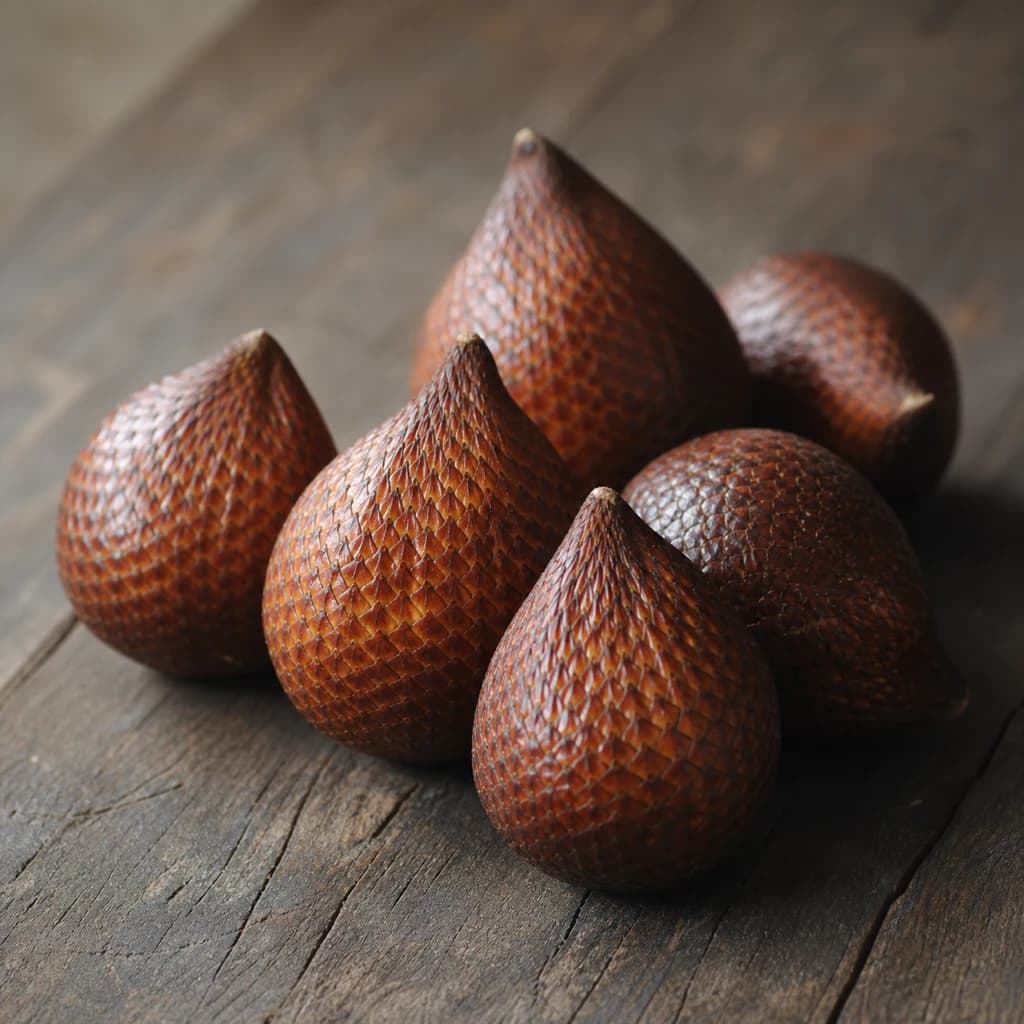
Natural form
Whole salak fruits showing their distinctive reddish-brown scaly skin up close.
Teaches readers the unmistakable snake-skin exterior that defines this fruit and gives it its common name.
Produce
Snake Fruit (Salak)
Indonesian fruit with reddish-brown scaly skin and crisp, sweet-tart flesh eaten fresh or candied.
Snake fruit, or salak, is named for its glossy reddish-brown scaly skin that peels away like a snake's. Inside are crisp, ivory-colored segments with a flavor that mixes sweet, tart, and astringent notes reminiscent of pineapple and apple. Native to Indonesia, it is eaten fresh, pickled into asinan, or candied, and grows on a short, spiny palm.
Snake fruit (Salacca zalacca) is a tropical drupe that grows in dense clusters at the base of short, suckering palm trees native to Indonesia and Thailand. The fruit takes its name from the distinctive overlapping reddish-brown scales that encase its ovoid body, creating a surface that genuinely resembles reptile skin. Each fruit typically measures 5–8 cm and splits naturally into three segments upon peeling, much like a mandarin orange, with each segment surrounding a single large, shiny brown seed. The flesh ranges from pale cream to orange-tinted depending on variety, offering a crisp, juicy bite that echoes a young apple with pineapple and citrus notes and a gentle astringency that varies by cultivar. While still primarily a Southeast Asian specialty, snake fruit appears with increasing regularity in specialty Asian markets under its Indonesian name, salak.
The fruit's behavior in the kitchen is largely determined by ripeness. Fully ripe specimens of the superior commercial variety, Salak Pondoh, deliver pronounced sweetness with minimal astringency and can be eaten unpeeled by the confident snacker. Less ripe fruit maintains a firmer, more pronounced crunch that holds up admirably in spicy salads and pickled preparations. The flesh oxidizes quickly once exposed to air, so work with peeled fruit promptly. Nutritionally, the fruit contributes good dietary fiber, vitamin C, and potassium with very few calories, making it a satisfying snack that does not weigh heavily on the palate or the stomach.
Beyond fresh eating, snake fruit occupies a versatile role in Indonesian and broader Southeast Asian cuisine, appearing in sweet, savory, and pickled preparations alike. It is a cornerstone of rujak—the dynamic category of spicy, sweet-sour fruit salads—and features in traditional desserts such as es buah, candied snacks, jams, and fruit juices. The brief blanching technique before candying effectively neutralizes the skin's natural astringency and loosens the scales for easier peeling, a step many home cooks skip to their detriment. Understanding the difference between varieties matters: Salak Pondoh is forgiving and approachable, while Salak Bali demands more assertive seasoning to balance its drier, more tannic character.
- Measured in
- piece
- Storage
- Fridge
Types & varieties
Most commercially important variety; cultivated around Yogyakarta, Java; notably sweeter and less astringent, can be eaten unpeeled when fully ripe
Larger fruit from Bali; drier flesh with more pronounced astringency; benefits from assertive seasoning
Grown in North Sumatra; prized for exceptional crisp texture and strong natural sweetness
Literally 'sugar palm'; notably sweet with minimal tartness, ideal for fresh eating and light desserts
Cultivated in swampy terrain; larger fruit with higher acidity, better suited for rujak and candying than raw use
A Balinese hybrid producing very large fruit with orange-tinted flesh and robust flavor
Selecting and Storing Snake Fruit
Choosing and handling snake fruit properly directly affects eating quality. Select fruit with tight, unblemished scales—no cracks, soft spots, or visible mold between the scales. The fruit should feel heavy for its size, indicating high juice content. Avoid specimens that are overly soft (overripe and likely fermented) or rock-hard (underripe and excessively astringent). For rujak and savory dishes, deliberately select firm, slightly underripe fruit: the flesh will have better crunch and a more balanced tartness that stands up to bold dressings.
Storage is straightforward: keep unpeeled fruit in the refrigerator's crisper drawer, where it holds well for up to two weeks. At room temperature, use within three to five days. Once peeled, the flesh oxidizes rapidly, turning brownish and losing texture. If you must peel ahead of time, submerge the segments in lightly salted water or a splash of citrus juice to buy 30–60 minutes, but do not expect the quality to hold beyond that.
- Press gently: firm but yields slightly, like a ripe peach
- Avoid any fruit with scales that gap or show mold between them
- Refrigerate immediately after purchase for maximum freshness
- Do not freeze: the high water content destroys the signature crisp texture
The Rujak Question: Ripeness for Savory Dishes
Indonesian rujak presents a deliberate tension with conventional fruit-eating wisdom: the best snake fruit for rujak is not fully ripe. Slightly underripe Salak Swamp or standard Bali varieties hold their shape in the acidic, spicy dressing rather than softening to mush, and their higher astringency balances the aggressive sweet-sour-chili elements. Fully ripe Pondoh, by contrast, is best reserved for fresh eating or sweet preparations where its delicate sugars can speak without competition.
This principle extends to other savory applications. If adding snake fruit to a tropical salad with herbs and a light lime dressing, choose fruit at moderate ripeness—firm enough to maintain distinct segments when tossed but ripe enough to contribute sweetness. For a quick pickle in brine or vinegar, underripe fruit absorbs the liquid more evenly and retains satisfying snap.
- Rujak and pickled preparations: use underripe to moderately ripe fruit
- Fresh eating and desserts: use fully ripe, fragrant fruit
- When in doubt, taste a small piece before committing to a preparation
Common uses
Tips & pitfalls
- Select fruit with tight, unblemished scales; any cracking or mold between scales indicates deterioration
- Heaviness indicates juiciness: pick up several and choose the heaviest at that size
- Press gently near the stem end—if it gives slightly, it is ripe; if rock-hard, it will be excessively astringent
- To peel, score the skin lengthwise and pull apart; the segments separate naturally like a mandarin
- Refrigerate unpeeled fruit immediately; peeled fruit oxidizes within minutes at room temperature
- For rujak and savory dishes, deliberately choose firmer, slightly underripe fruit for better crunch
- The seed is not edible—remove it before cooking, as it is hard and bitter
- Blanch whole fruit briefly (30–60 seconds) before candying to loosen scales and reduce astringency
- Add chili-lime dressings minutes before serving, not ahead: the acid softens the flesh rapidly
- Avoid frozen snake fruit—it loses the crisp texture that defines the fruit's appeal
Nutrition
Energy
1427 kJ · per 100 g
Where the calories come from
Protein
0g
0% DV
Carbs
85.1g
31% DV
Fat
0g
0% DV
Fiber
0.1g
0% DV
Sugars
53g
of which
Sodium
0mg
0% DV
Source · USDA FoodData Central · approx. Fruit syrup
View on FDC →In the shops
Matched grocery products
No matched grocery products for Snake Fruit (Salak) yet.
Good to know
- Origin
- Native to Indonesia (Java, Sumatra) and Thailand; cultivated throughout Southeast Asia
- Peak Season
- December–March in Indonesia; available year-round in tropical markets
- Flavor
- Sweet-tart; often described as apple meets pineapple and citrus with mild astringency that varies by variety
- Texture
- Crisp and juicy, segmented like a mandarin orange; each segment contains one large seed
- Edible Yield
- Approximately 50–70% of the fruit's weight is edible flesh; seeds are not consumed
- Shelf Life
- 3–5 days at room temperature; up to 2 weeks refrigerated (unpeeled)
- Nutrition
- Good source of fiber, vitamin C, and potassium; low in calories
Substitutes
- Pineapple — Closest match for sweet-tart flavor and crisp texture; lacks snake fruit's astringency and segmented form
- Fresh lychee — Comparable sweetness and segmented flesh structure; significantly softer texture overall
- Tamarind paste — For savory rujak applications where acidity is key; requires sweetening adjustment and does not replicate texture
- Mandarin orange segments — Similar citrus notes and segment structure for fresh applications; much juicier and less firm
Pairs with
Also called
Salak · Salacca Zalacca
Related
Tomato
Juicy, sun-sweet fruit for sauces, salads, and slow-cooked depth
Yellow Onion
The aromatic backbone of soups, sofritos, and braises
Garlic
Pungent cloves that perfume nearly every savory dish
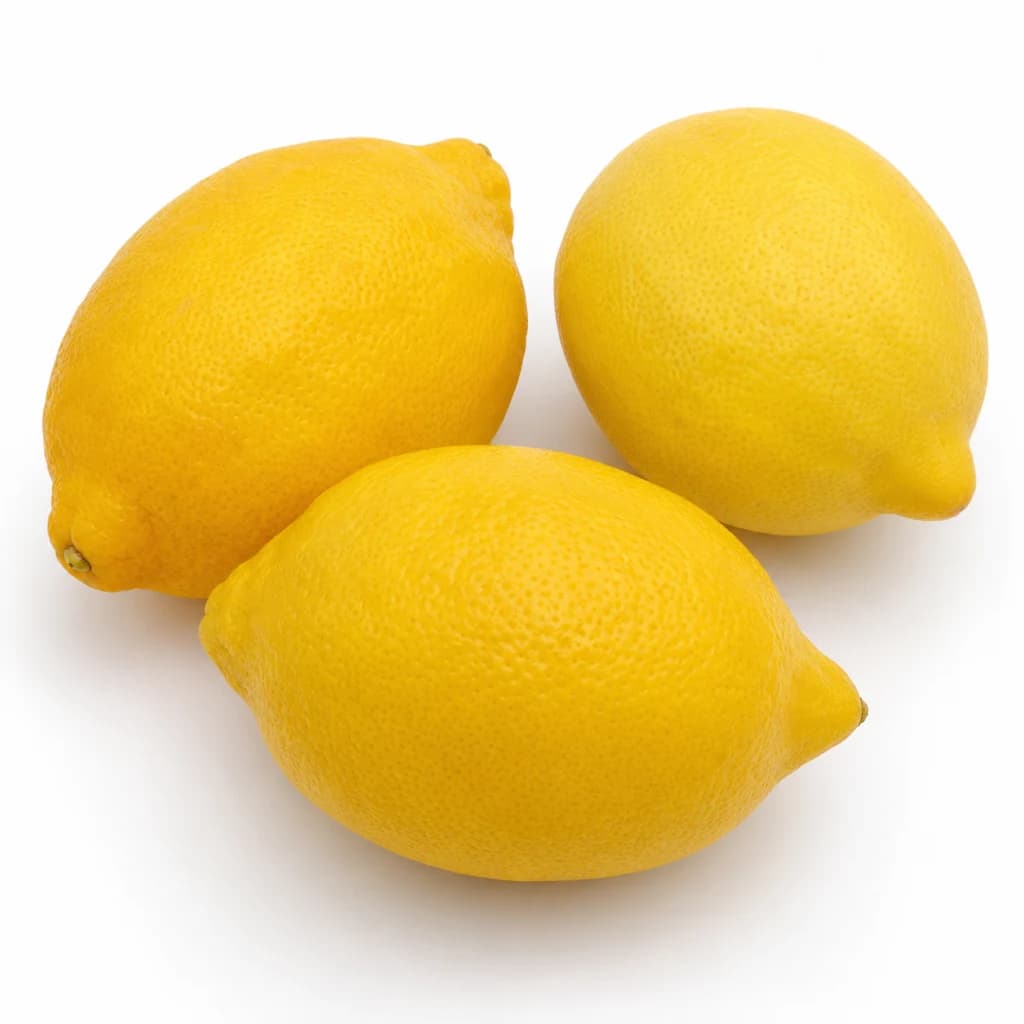
Lemon
Bright, acidic citrus that wakes up almost any dish
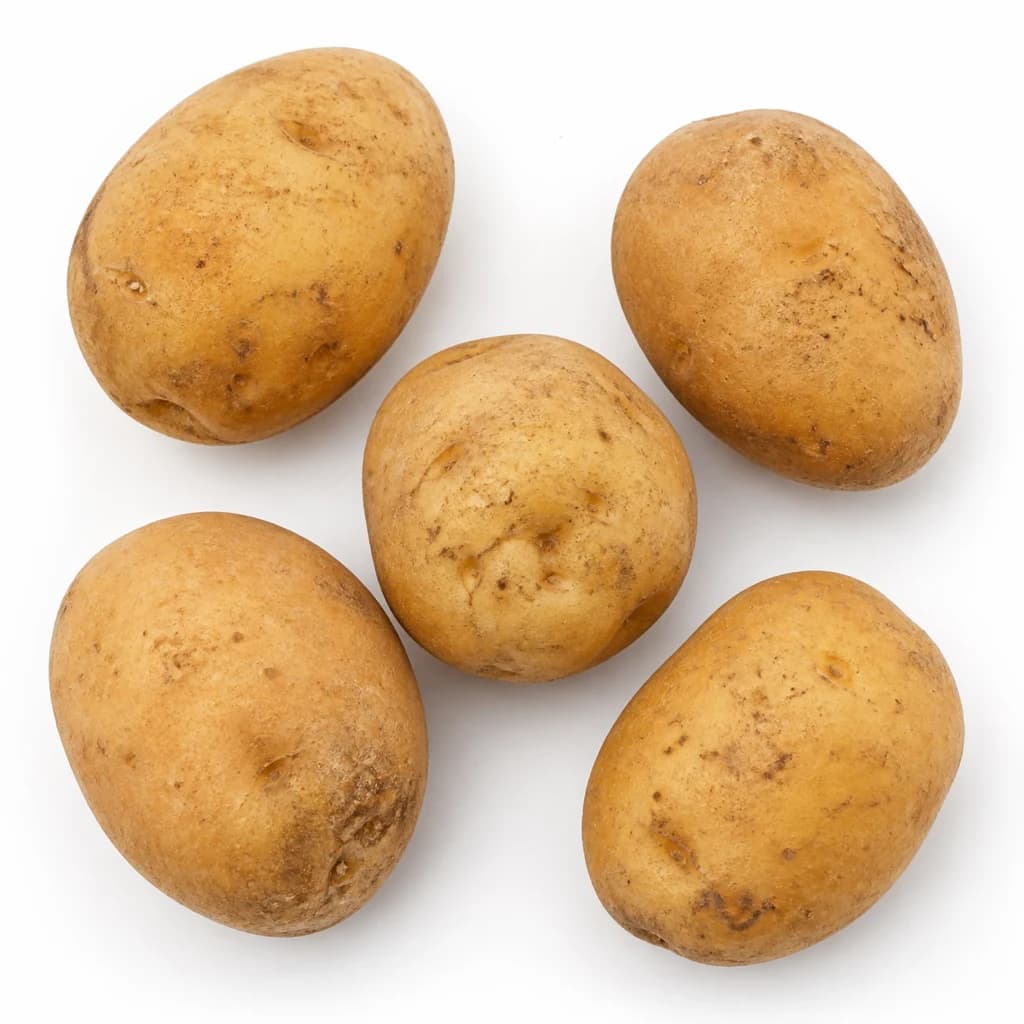
Potato
Humble, hearty staple — roast, mash, fry, or boil
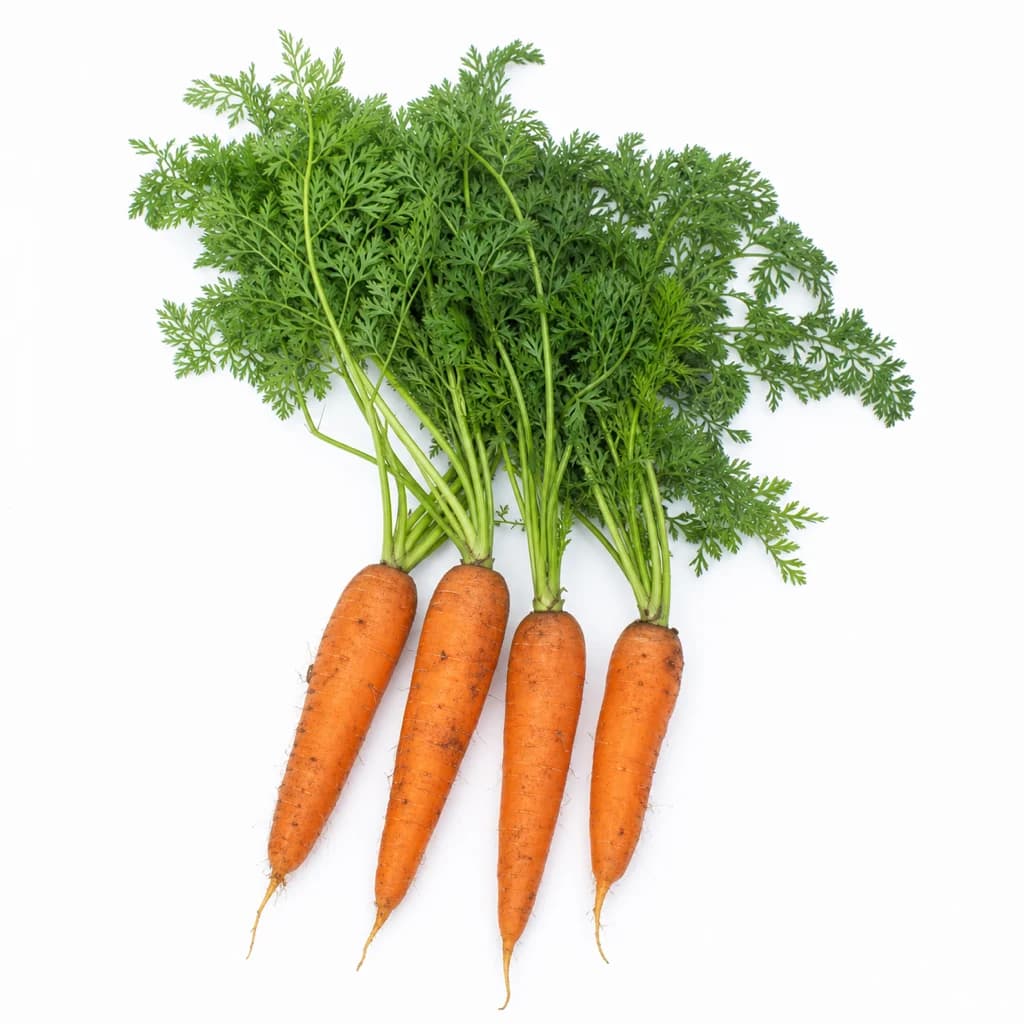
Carrot
Sweet, crunchy root — raw, roasted, or the base of a sofrito
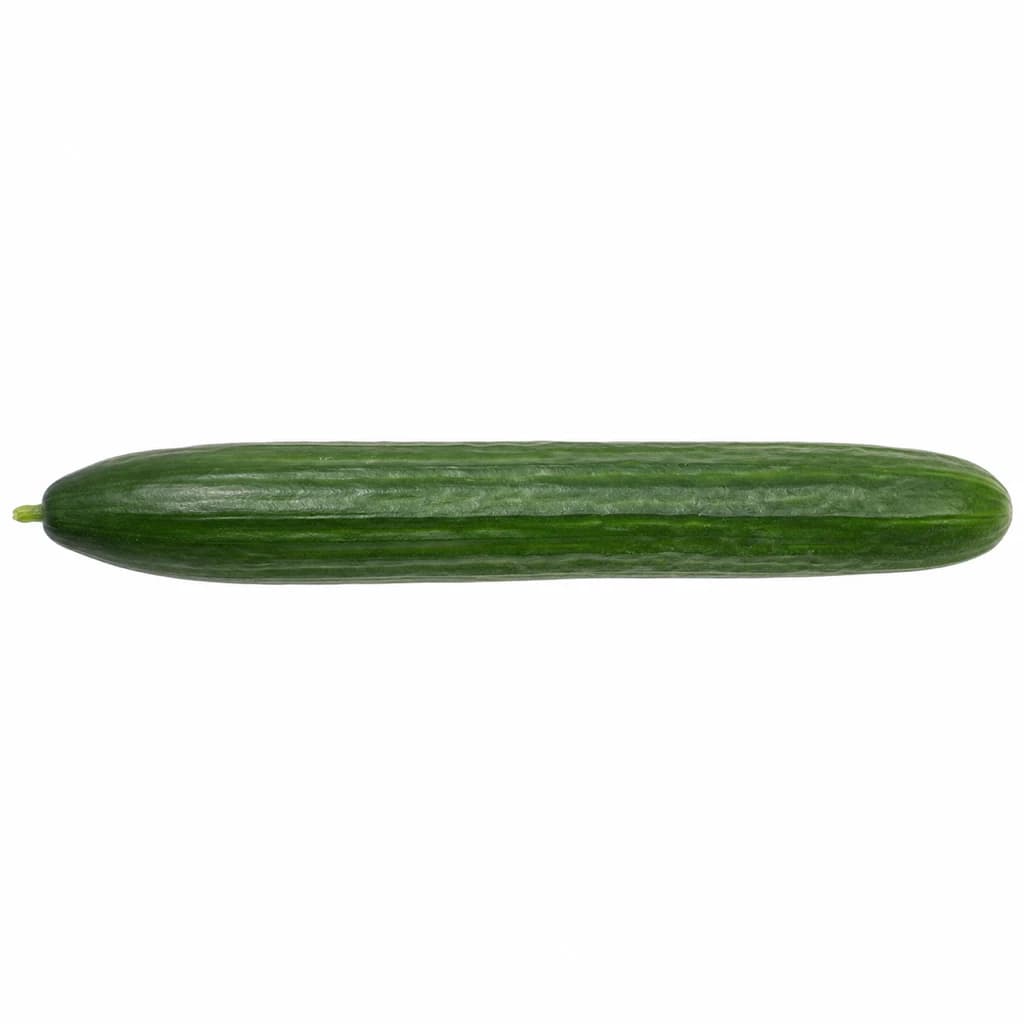
Cucumber
Cool, crisp, and watery — for salads, pickles, and tzatziki

Lettuce
Crisp leaves for salads, wraps, and a fresh crunch