
Natural form
Madila poured into a clay bowl, thick and slightly curdled from natural fermentation.
Shows the characteristic thick, slightly lumpy texture and off-white color that distinguishes naturally fermented sour milk from fresh milk or yogurt.
Dairy & Eggs
Sour Milk (Madila)
Naturally fermented thick sour milk drunk plain or eaten with porridge in southern Africa.
Sour milk, known as madila in Botswana and parts of southern Africa, is milk left to ferment naturally until thick and tangy. It is drunk on its own or poured over maize porridge as a staple food. The fermentation gives it a sharp, yogurt-like flavor and a slightly curdled texture.
Madila is naturally fermented sour milk made by leaving fresh cow's milk at room temperature until wild lactic acid bacteria thicken it into a custard-like mass. Unlike commercial cultured dairy, madila relies on ambient fermentation—beneficial bacteria already present in the milk and on the vessel surfaces—which produces a more complex, variable tang that deepens with longer fermentation. The result is a living food that straddles the line between beverage and condiment: thick enough to eat with a spoon, tangy enough to cut through starchy staples.
The product is deeply embedded in the food culture and hospitality traditions of Botswana, South Africa, Zimbabwe, and Namibia, where it is offered to guests as a gesture of respect and eaten daily across generations. Madila is not interchangeable with supermarket buttermilk, which is made from low-fat milk with specific commercial bacterial strains and has a thinner, more predictable consistency. True madila continues to develop in flavor and acidity even under refrigeration, though at a much slower rate. The fermentation is forgiving enough for beginners—it requires patience, not technique—yet rewards attention to detail with a superior product.
The milk is traditionally served at room temperature or lightly chilled, never ice-cold, and consumed plain, drunk between meals, or scooped into stiff porridges like pap, bogobe, and sorghum. In addition to its culinary role, madila is valued for its probiotic content and is routinely fed to children and nursing mothers for gut health and nutrition. Making madila from raw (unpasteurized) milk produces the most authentic flavor, but pasteurized milk works well when inoculated with a starter from a previous batch.
- Measured in
- ml
- Storage
- Fridge
Allergens
Types & varieties
Heavily fermented, very thick; traditional preference in some Tswana communities
Lighter fermentation, thinner consistency; milder sourness
Made with the first milk after a cow calves (colostrum); richer, more yellow; reserved for special occasions
Virtually identical product; same preparation, different ethnolinguistic name used by amaXhosa and amaZulu communities
Term used in some Shona communities for traditional sour milk
The Fermentation Process
Madila ferments through a process of lactic acid fermentation, similar to yogurt or kefir but relying on whatever beneficial bacteria are present in the milk and environment rather than a commercial starter. As the bacteria consume milk sugars, they produce lactic acid, which causes the milk proteins to coagulate and thicken. The timeline varies with temperature: in hot weather the milk may sour within 24 hours, while in cool conditions it can take up to 72 hours. The fermentation is considered complete when the milk has thickened into a custard-like mass with a clean, tangy smell and no putrid or yeasty off-notes. Once the desired sourness is reached, refrigeration halts further fermentation temporarily, extending shelf life to about a week.
Starter Culture and Vessel Selection
The simplest approach is to reserve a cup of finished madila to kick off the next batch, essentially creating a stable wild culture over time. This back-slopping method ensures faster, more predictable fermentation and a consistent flavor profile. For the first attempt without a starter, rely on the natural bacteria in raw milk or use pasteurized milk with extra time allowed for ambient bacteria to establish. Vessel choice matters: clean glass jars or traditional clay pots work well. Clay pots are valued for their porous nature, which allows the culture to breathe, but glass is equally effective if covered loosely with a cloth to allow airflow while keeping dust out.
Common uses
Tips & pitfalls
- Use clean, ideally boiled vessels to control unwanted bacteria while allowing beneficial lactic cultures to dominate
- Keep a small amount of the previous batch as a starter—madila ferments better when inoculated with established culture
- In hot weather, check after 24 hours; in cool weather, allow up to 72 hours
- The milk is ready when it has thickened and developed a clean, tangy smell—reject any with putrid, yeasty, or ammonia-dominant odors
- Once desired sourness is achieved, refrigerate immediately to halt further fermentation
- Pour off separated whey for drinking or use in smoothies; stir it back in for a thinner consistency
- If mold appears on the surface (gray, blue, or fuzzy), discard the batch
- Never serve madila ice-cold—bring to room temperature or chill lightly for authentic flavor and texture
Nutrition
Energy
452 kJ · per 100 g
Where the calories come from
Protein
6g
12% DV
Carbs
5.4g
2% DV
Fat
7g
9% DV
Fiber
0g
0% DV
Sodium
44mg
2% DV
Source · USDA FoodData Central · approx. Milk, sheep, fluid
View on FDC →In the shops
Matched grocery products
No matched grocery products for Sour Milk (Madila) yet.
Good to know
- Origin
- Southern Africa (Botswana, South Africa, Zimbabwe, Namibia)
- Primary Ferment
- Wild lactic acid bacteria (ambient)
- Base Milk
- Cow's milk (occasionally goat)
- Fermentation Time
- 24–72 hours at room temperature
- Flavor
- Tangy, pleasantly sour, creamy; intensity increases with fermentation time
- Texture
- Thick, custard-like; whey may separate on top
- Shelf Life (refrigerated)
- 5–10 days after reaching desired sourness
- Traditional Serving
- Room temperature or lightly chilled; never ice-cold
Substitutes
- Buttermilk (cultured) — Similar tang and thinness; thinner texture than madila; acceptable for drinking, less authentic for porridge
- Plain kefir — Comparable tang and probiotic content; slightly runnier; works in most applications
- Labneh — Very thick and tangy; requires dilution with water or whey; better as a spread than a drink
- Full-fat plain yogurt — Milder, sweeter tang; acceptable but noticeably different; avoid sweetened or flavored varieties
Pairs with
Also called
Madila · Soured Milk
Appears in these dishes
Related

Whole Milk
Rich, full-fat milk for drinking, coffee, sauces, and baking
Butter
Golden fat for searing, baking, and finishing a sauce
Yogurt
Tangy, creamy culture for breakfast, sauces, and marinades
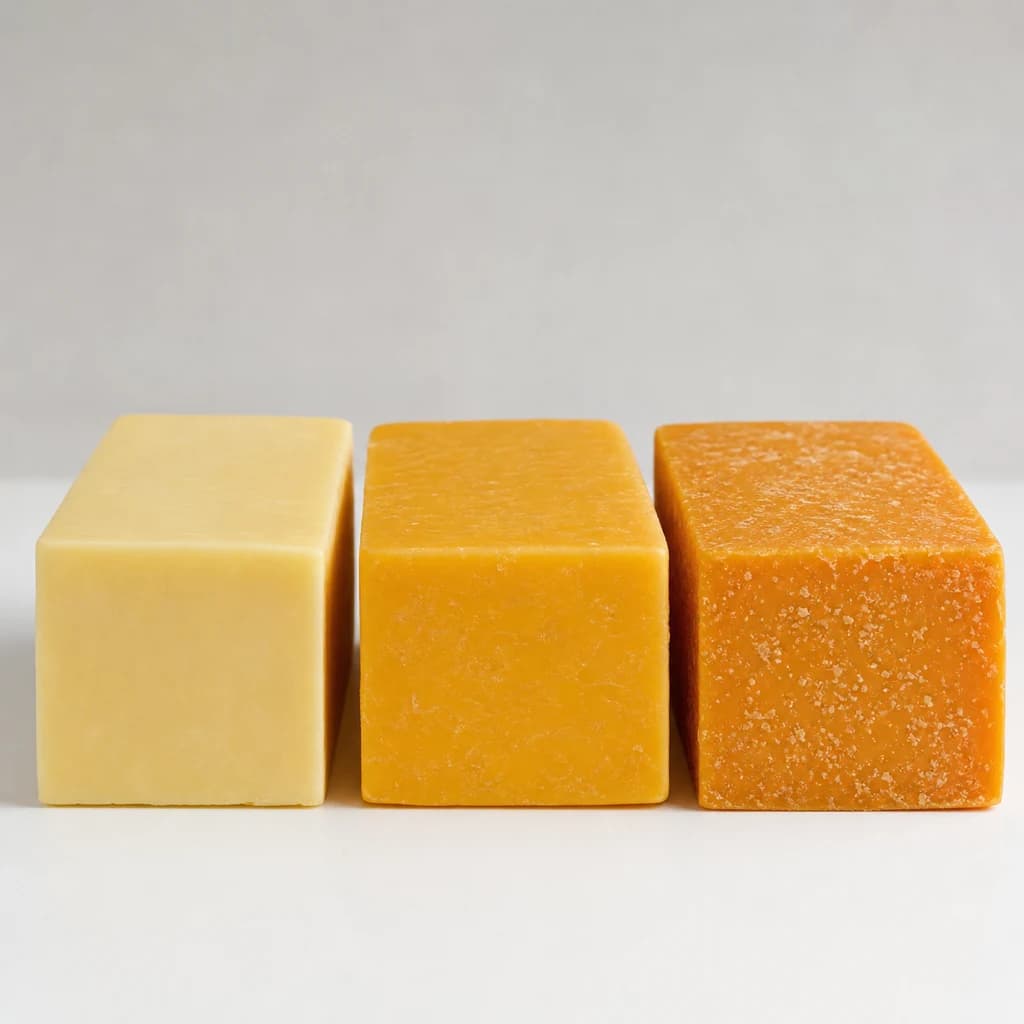
Cheddar Cheese
Sharp, melty cheese for sandwiches, gratins, and grating
Skim Milk
Fat-free milk for lighter drinking, coffee, and cooking
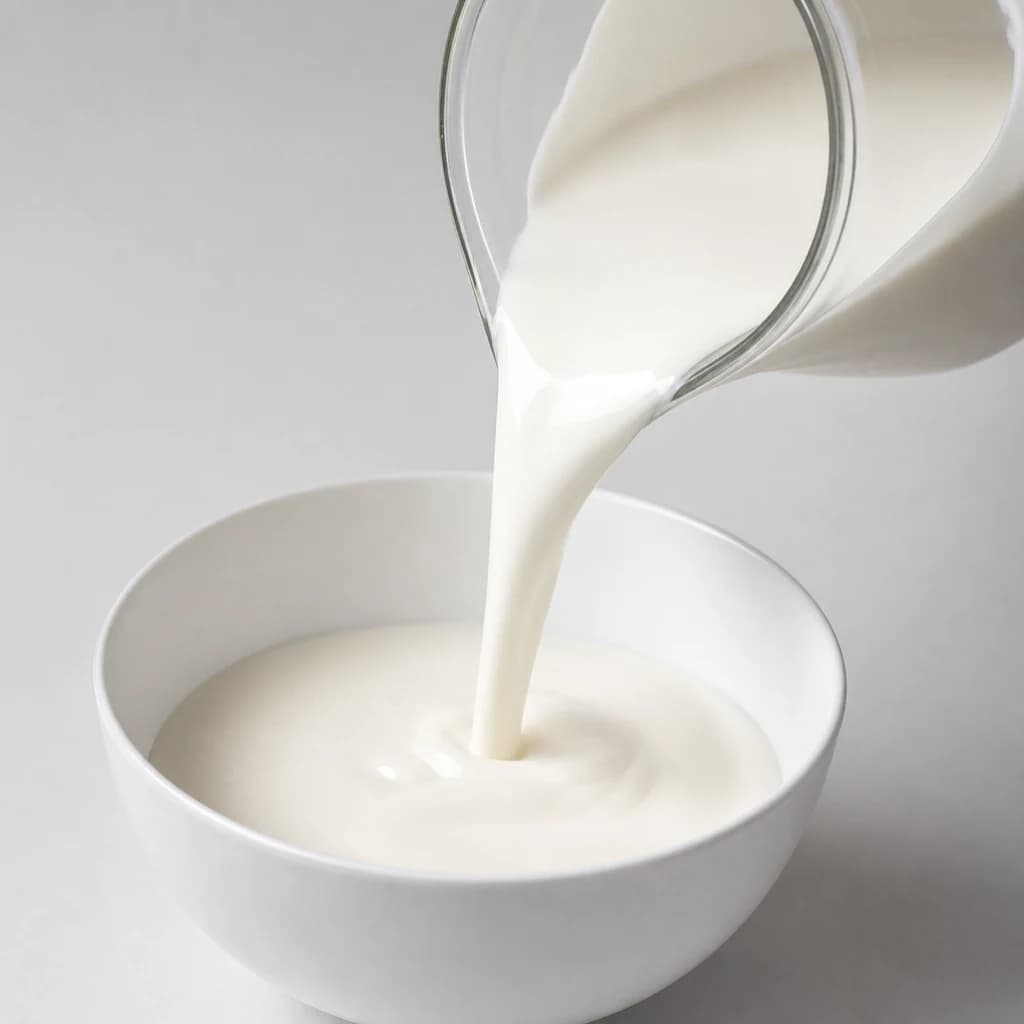
Heavy Cream
Rich cream that whips, enriches sauces, and sets ganache

Sour Cream
Tangy, thick cream for dolloping, baking, and dips
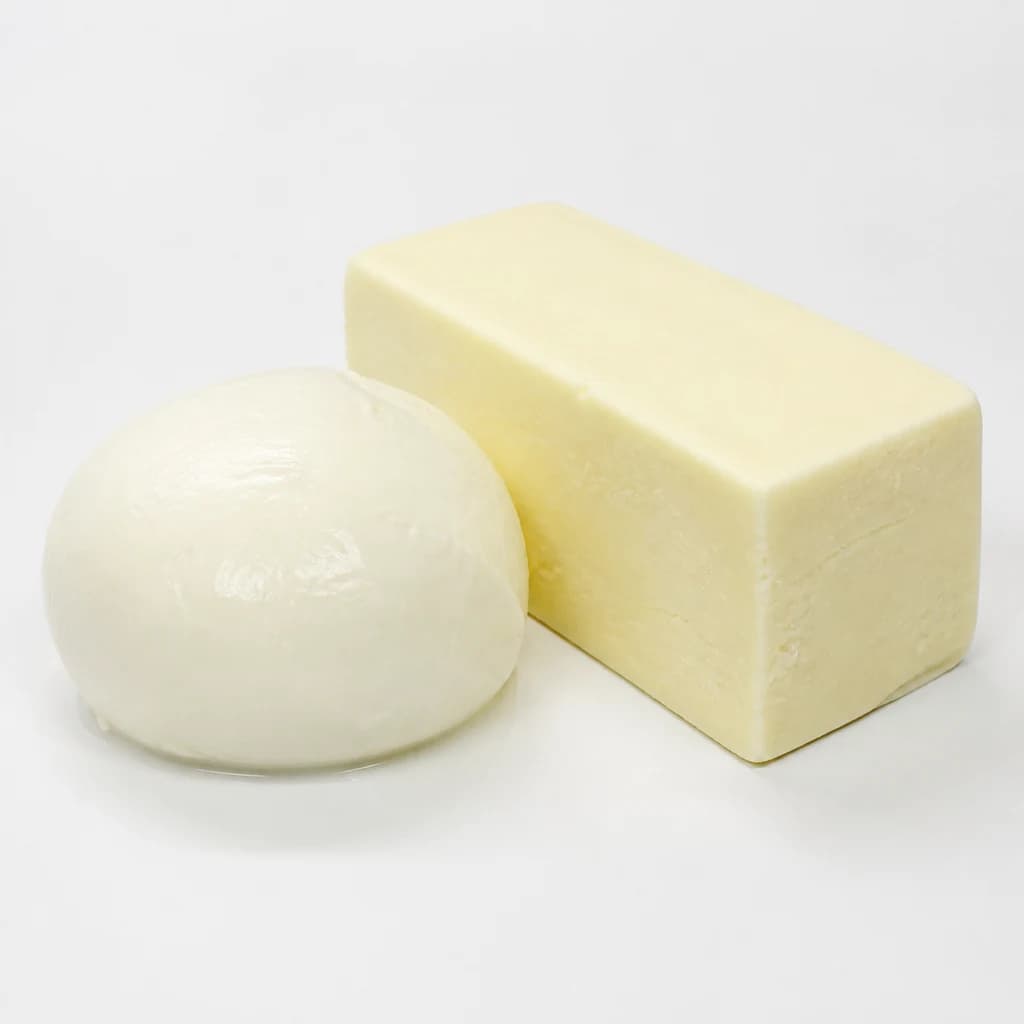
Mozzarella
Soft, milky cheese that melts into stretchy pizza pulls