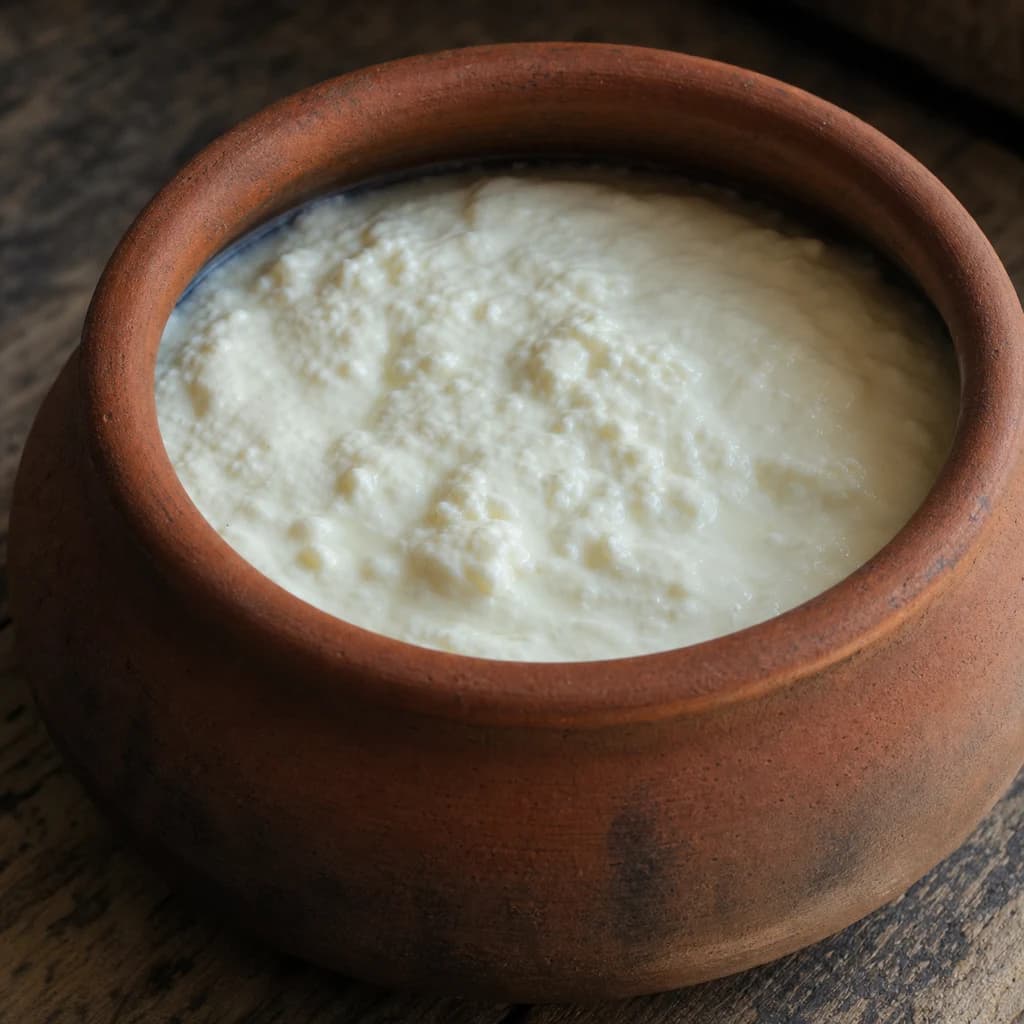
Natural form
Amasi poured into a traditional clay pot, showing its thick, curdled consistency.
Establishes the product's defining visual character — off-white, viscous, visibly curdled sour milk — and its traditional vessel.
Dairy & Eggs
Amasi (Maas)
Southern African fermented sour milk, thick and tangy, eaten with pap.
Amasi (also called maas) is a traditional Southern African fermented milk, made by leaving raw milk to naturally curdle into a thick, tangy, yogurt-like drink. It is consumed on its own, poured over maize porridge (pap), or used as a refreshing, slightly sour accompaniment. It has a creamy texture with a sharp, lactic flavor.
Amasi, known as maas in Afrikaans, is a traditional Southern African fermented milk with a thick, clotted texture and a pronounced tangy sourness that sets it apart from commercial yogurts. Made by allowing fresh cow's milk to ferment naturally at room temperature for one to three days, it undergoes a lactic acid fermentation that causes the proteins to coagulate into creamy curds while a thin liquid whey—called amasi amanzi—rises to the surface. This is not modern yogurt culture added to milk; it is an ancient preservation method predating refrigeration entirely, where naturally occurring Lactobacillus bacteria create an acidic environment that not only preserves the milk but also develops its characteristic complex, funky flavor. The taste is far more assertive and layered than any commercial cultured product—a deep sour tang with subtle acidic notes that intensify as fermentation continues.
The product holds profound cultural significance among the Zulu, Xhosa, and other Nguni peoples of Southern Africa, extending far beyond mere nutrition. Amasi features in ceremonies, celebrations, and rituals; it is exchanged as a gift and given to the ill and young children as easily digestible, probiotic-rich nourishment. Traditional production often occurs in the same clay pot or calabash used for generations, with each new batch seeded by residual cultures from previous fermentations—much like a sourdough starter—creating a unique flavor signature specific to each household. While commercial maas sold in South African supermarkets has standardized the product for broader distribution, traditional homemade amasi retains a complexity and variability that reflects the particular bacterial cultures and vessel history of its maker. The simplicity of the process—milk, time, patience—belies the sophisticated microbiology that transforms a perishable liquid into a stable, flavorful staple.
- Measured in
- ml
- Storage
- Fridge
Allergens
Types & varieties
The indigenous Nguni name; most commonly used in the Eastern Cape and KwaZulu-Natal provinces of South Africa
The Afrikaans name; widely used in commercial contexts and across South Africa; effectively synonymous with amasi
Zimbabwean name for a similar fermented milk product
Zambian equivalent, traditionally made from maize or millet water in addition to milk
Mass-produced versions sold in South African supermarkets; more standardized, less variable than traditional amasi
Common uses
Tips & pitfalls
- Allow fresh milk to ferment undisturbed at room temperature (20–25°C ideal) until visibly clotted, typically 1–3 days depending on warmth
- Do not stir the milk during fermentation — agitation disrupts proper curd formation and yields a grainy texture
- Once visibly clotted, refrigerate immediately to halt fermentation; it continues slowly even when cold
- Skim the thin whey (amasi amanzi) from the top before serving if a thicker consistency is desired, or stir it back in for a looser, drinkable texture
- If fermentation proceeds too long and becomes overly acidic or bitter, it has passed its best stage; taste before using
- Traditional amasi develops more complex flavors than quick-fermented alternatives; patience yields better results
- To make a batch with predictable results, retain a portion of previous amasi as a starter culture to seed fresh milk
- Do not confuse amasi with commercial cultured buttermilk — amasi is thicker, more intensely sour, and has different bacterial profiles
Nutrition
Nutrition
No USDA FoodData Central match for Amasi (Maas) yet. We surface a per-100 g profile once a generic whole-food entry is matched and verified.
In the shops
Matched grocery products
No matched grocery products for Amasi (Maas) yet.
Good to know
- Origin
- Southern Africa; traditional among Zulu, Xhosa, and other Nguni peoples; also common in Zimbabwe, Zambia, and Namibia
- Primary Milk
- Cow's milk; occasionally goat or sheep milk
- Fermentation
- Natural lactic acid fermentation at room temperature, 24–72 hours
- Consistency
- Thick, creamy, and clotted; separates naturally into solid curds and thin liquid whey (amasi amanzi)
- Flavor
- Pronounced tangy, sour, and slightly acidic; funkier and more complex than commercial yogurt
- Shelf Life (refrigerated)
- 5–7 days after fermentation completes
- Fat Content
- Varies; traditionally full-fat but low-fat versions exist
- Cultural Significance
- Staple food; used in rituals, celebrations, and as a gift among Southern African peoples
Substitutes
- Cultured Buttermilk — Closest Western substitute; thinner and less tangy, but works in most applications; strain through cheesecloth to thicken if needed
- Kefir — Fermented milk with similar tangy profile; thinner consistency but acceptable substitute for drinking uses
- Full-Fat Greek Yogurt — Acceptable in a pinch; lacks the depth of sourness and complex fermentation notes; stir in a splash of lemon juice to approximate flavor
- Laban (Lebanese/Levantine fermented milk) — Similar tangy fermented milk; comparable consistency; suitable in similar culinary roles
- Skyr — Very thick Icelandic fermented dairy; closer in texture but milder in flavor; use as a base and add lemon juice to mimic tanginess
Pairs with
Also called
Maas
Related

Whole Milk
Rich, full-fat milk for drinking, coffee, sauces, and baking
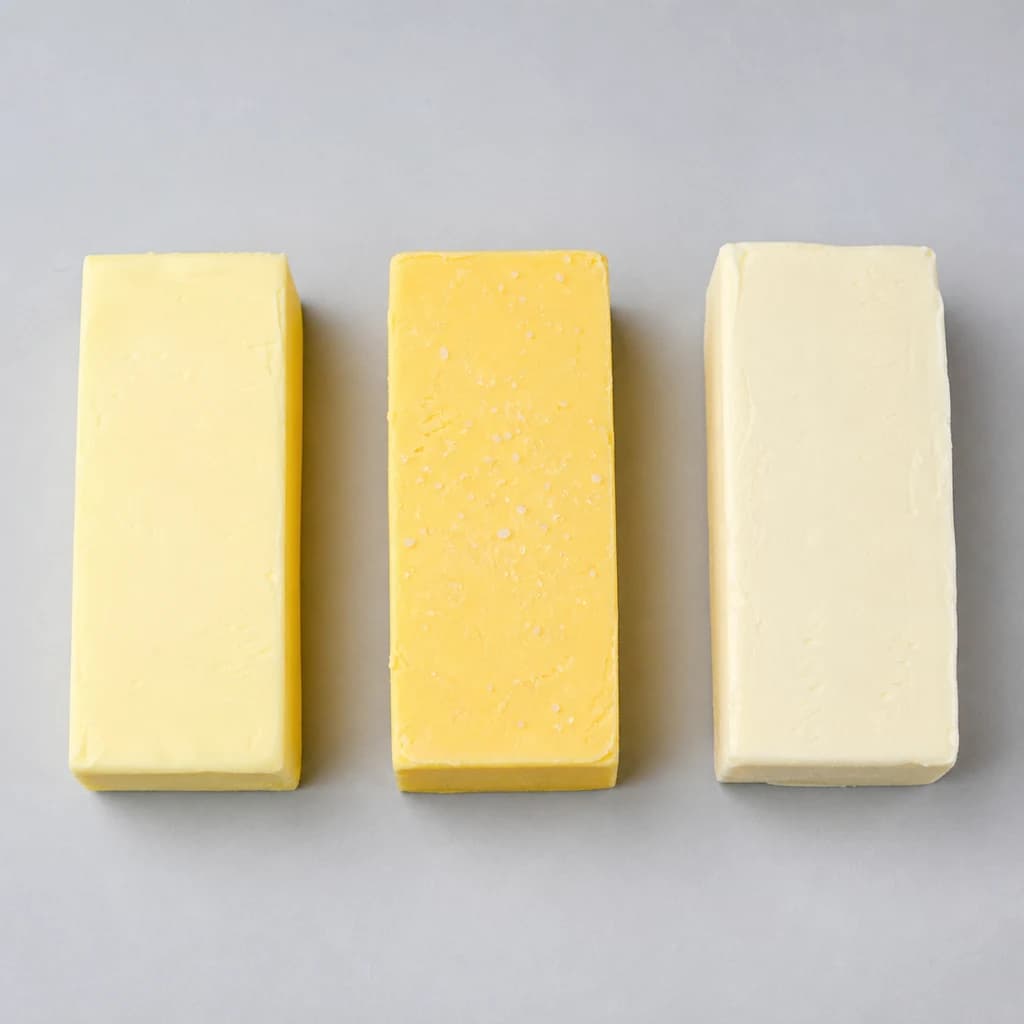
Butter
Golden fat for searing, baking, and finishing a sauce
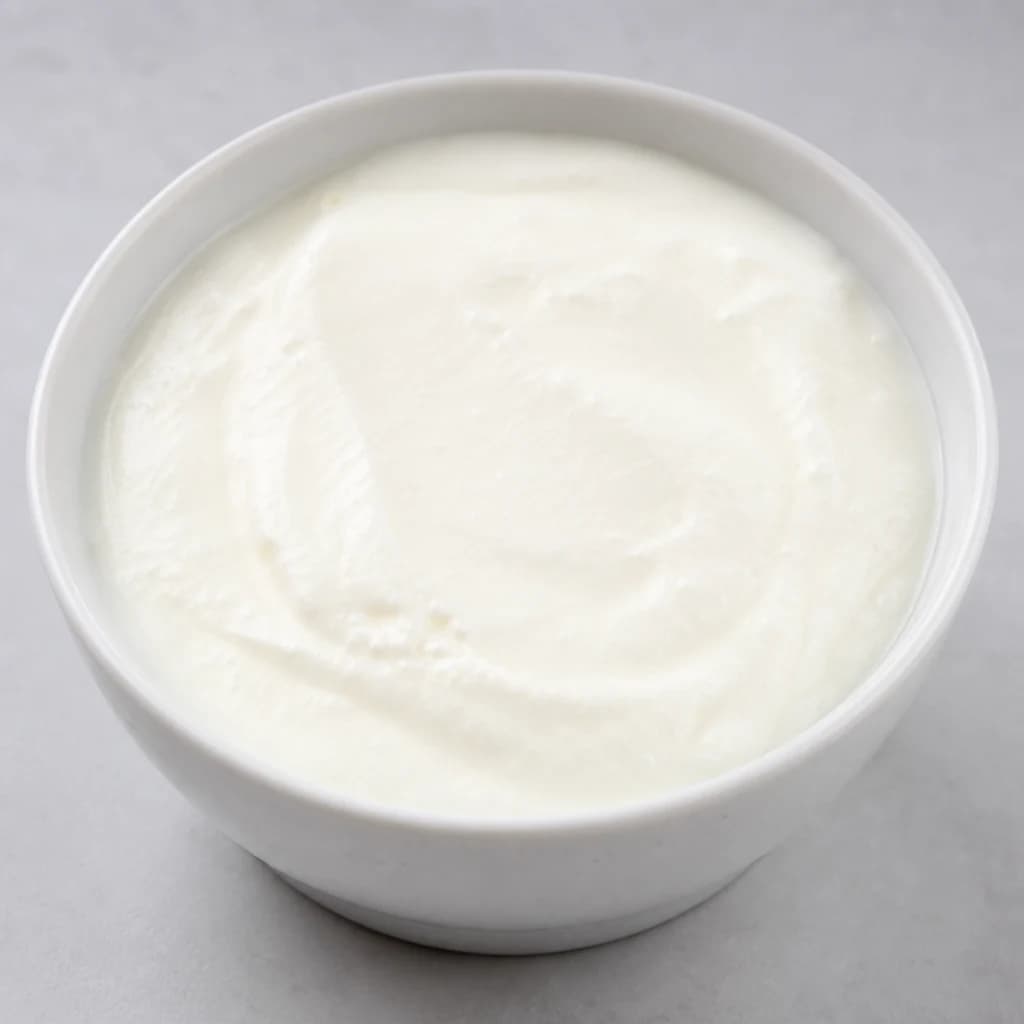
Yogurt
Tangy, creamy culture for breakfast, sauces, and marinades
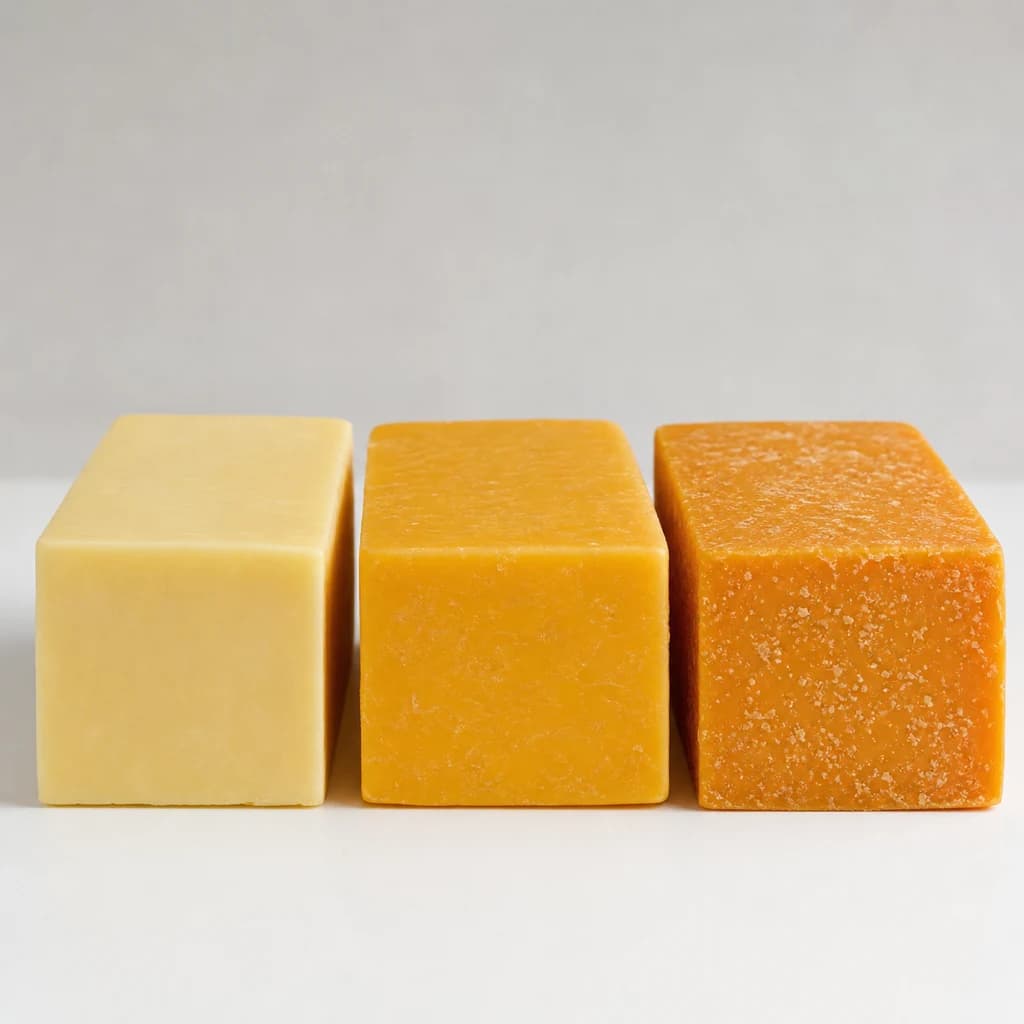
Cheddar Cheese
Sharp, melty cheese for sandwiches, gratins, and grating

Skim Milk
Fat-free milk for lighter drinking, coffee, and cooking
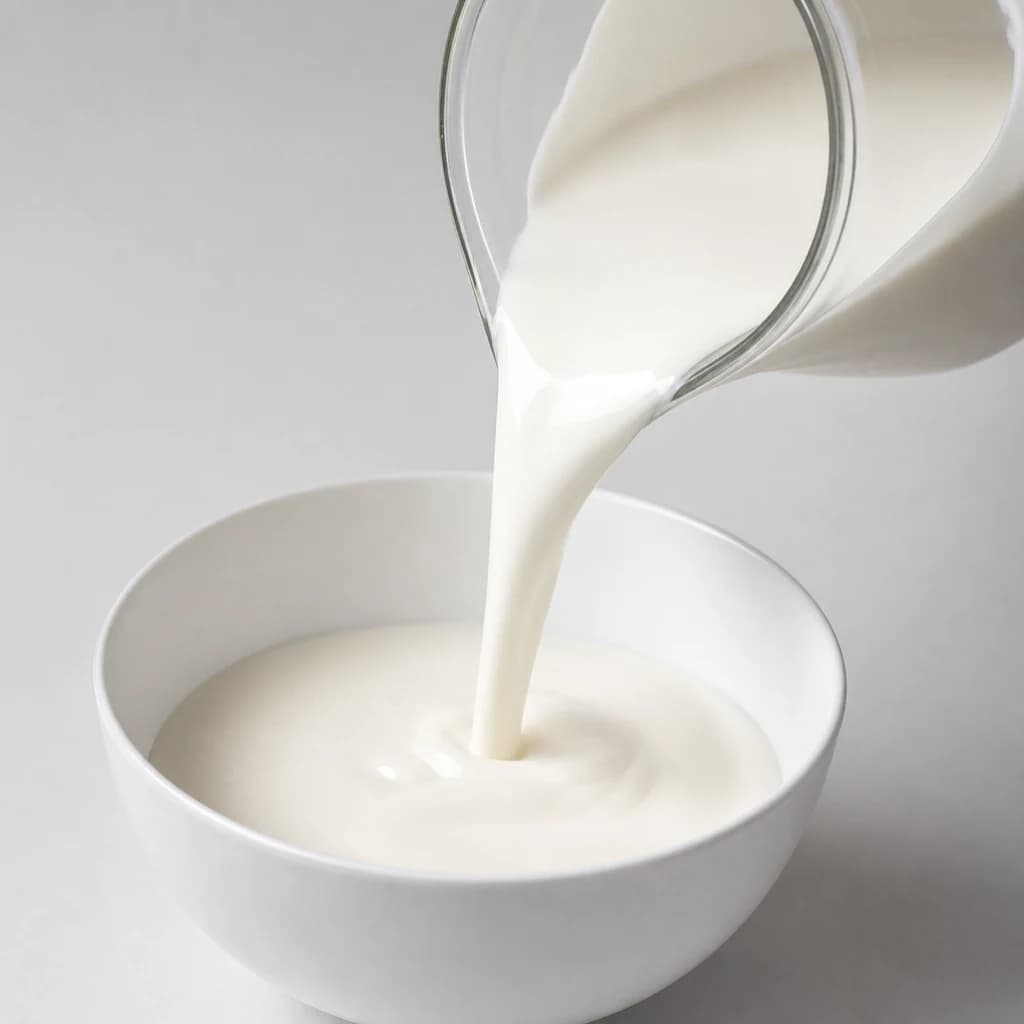
Heavy Cream
Rich cream that whips, enriches sauces, and sets ganache

Sour Cream
Tangy, thick cream for dolloping, baking, and dips
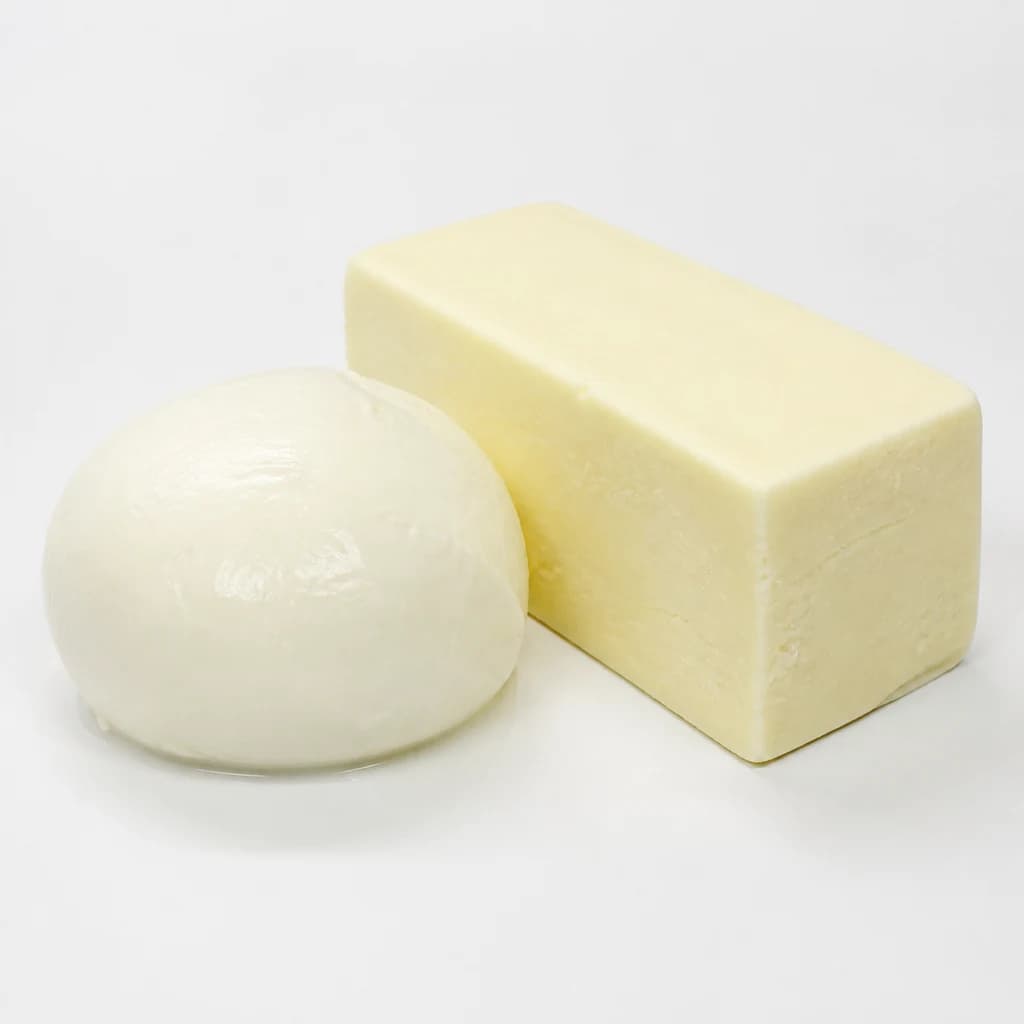
Mozzarella
Soft, milky cheese that melts into stretchy pizza pulls