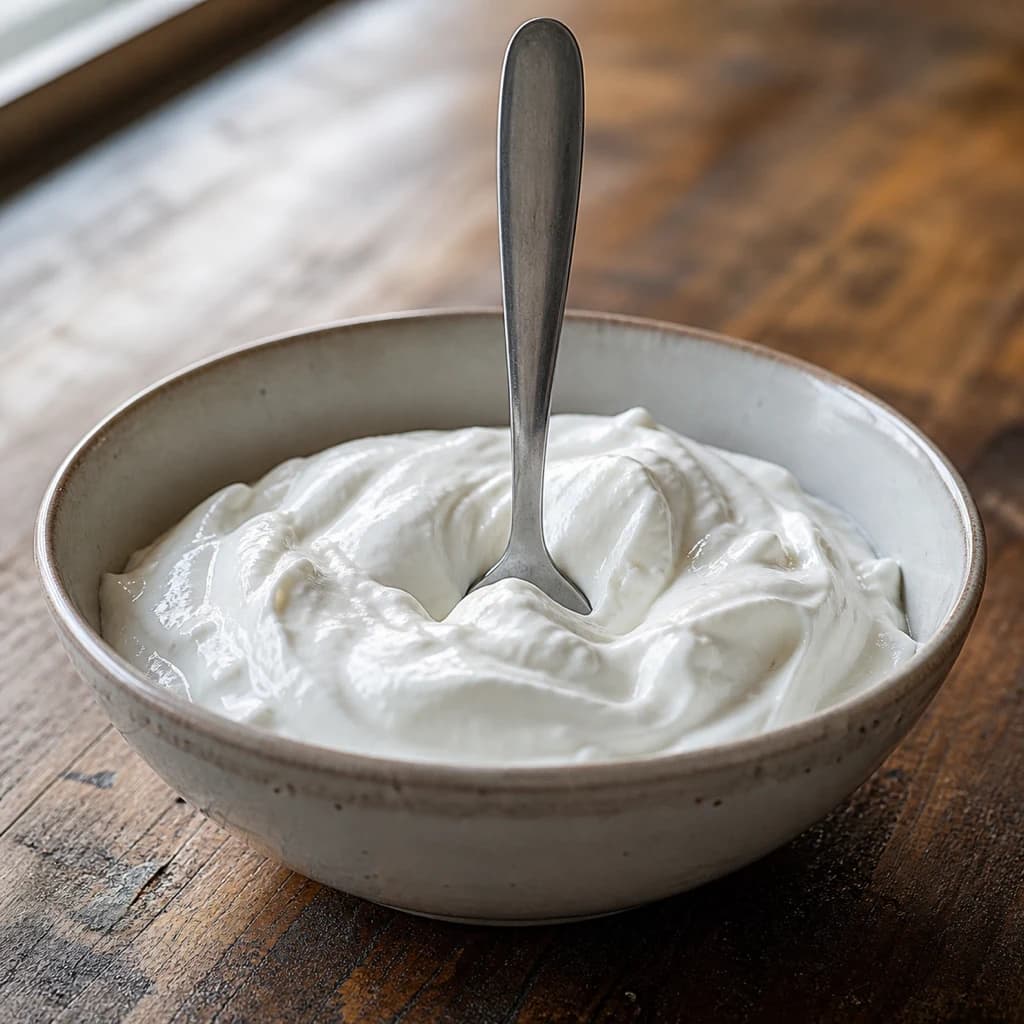
Natural form
Skyr served in a ceramic bowl, thick and creamy with a smooth white surface.
Shows the defining texture and consistency that distinguishes skyr from thinner yogurts.
Dairy & Eggs
Skyr
Thick, high-protein Icelandic cultured dairy, milder and creamier than Greek yogurt.
Skyr is a traditional Icelandic cultured dairy product, technically a fresh cheese but eaten like a very thick, strained yogurt. It is high in protein, low in fat, and milder and less sour than Greek yogurt, with a dense, creamy texture. It is eaten with berries and honey, blended into smoothies, or used in baking and dips.
Skyr is a cultured dairy product with roots dating back to the Viking Age in Iceland, where it has been a dietary staple for over a thousand years. Unlike standard yogurts, traditional skyr is made exclusively from skim milk, which gives it an exceptionally low fat content while concentrating protein to levels that significantly exceed most Western yogurts. The cultured milk is strained through cloth or fine filters for an extended period—often removing twice as much whey as Greek yogurt production—to achieve its signature dense, smooth, and creamy texture.
What distinguishes skyr from Greek yogurt is not just its protein density but its mouthfeel and flavor profile. The extended straining process creates a finer, more velvety texture with fewer visible curds, while the mild, slightly sweet, and only mildly tangy taste makes it more versatile than its Greek counterpart. Skyr's high protein-to-moisture ratio means it holds structure exceptionally well in baking, contributes moisture without greasiness, and balances both sweet and savory applications equally well. The culture used—mesophilic bacteria similar to viili and piima—produces a more delicate acidity than thermophilic yogurt cultures, which is why skyr does not overwhelm delicate flavors.
In cooking, skyr behaves like a hybrid between thick yogurt and fresh cheese. It holds its texture when stirred into liquids, resists weeping in baked goods better than standard yogurt, and emulsifies smoothly into dressings and sauces. The one critical limitation: the live cultures in skyr are sensitive to sustained high heat, which can cause the texture to break and the product to become watery. Understanding this behavior unlocks skyr's full potential as one of the most versatile high-protein ingredients in a cook's arsenal.
- Measured in
- g
- Storage
- Fridge
Allergens
Types & varieties
Unsweetened, unflavored; most versatile for cooking and savory applications
Sweetened with vanilla extract or natural flavor; popular for breakfast bowls
Strawberry, blueberry, raspberry, or combinations thereof; check for added sugars
Mango, passion fruit, coconut, lemon, peach varieties available seasonally
Savory preparations with herbs, garlic, or cucumber for smørrebrød and appetizer service
Skyr vs. Greek Yogurt: Understanding the Difference
While skyr and Greek yogurt share a strained cultured-dairy identity, the differences are meaningful in the kitchen. Greek yogurt is typically strained 1–2 times, while skyr undergoes extended straining that removes significantly more whey, resulting in a denser, more protein-concentrated product. The cultures differ as well: skyr uses mesophilic bacteria that culture at room temperature, while Greek yogurt uses thermophilic cultures that require warmth. This gives skyr a milder, less acidic flavor and a smoother, less curd-like texture. In recipes, these differences manifest as skyr providing better moisture retention in baked goods and a cleaner canvas for both sweet and savory flavors.
- Skyr averages 10–15% protein versus Greek yogurt's 5–10%
- Extended straining creates a denser, smoother texture with less visible curds
- Mesophilic cultures produce milder acidity than thermophilic yogurt cultures
- Skyr holds structure better in baking and resists weeping longer
Traditional Icelandic Kitchen
In Iceland, skyr was historically preserved through long winters when fresh milk was scarce, making it a cornerstone of the traditional diet. It was traditionally served with skyrbúðingur (a baked rice pudding), hjónabandssalat (a rhubarb compote salad), and alongside smoked fish and dark rye bread. The modern Icelandic kitchen continues to use skyr as a breakfast staple, a base for salad dressings, and a finishing element for soups and stews. Understanding these traditional pairings informs contemporary use: skyr's mildness makes it an ideal vehicle for the bold, acidic, or sweet elements that characterize Nordic cuisine.
- Traditional breakfast: skyr with granola, berries, and a drizzle of cream or milk
- Savory use: thinned with milk or cream as a dressing base for salads
- Soup finisher: dolloped on hot or chilled soups for creaminess without richness
- Nordic flavor logic: skyr neutralizes and balances; add sweetness, acidity, or spice to taste
Common uses
Tips & pitfalls
- Substitute 1:1 for Greek yogurt in most recipes; skyr holds moisture better in baked goods
- For a thicker texture, strain through cheesecloth or a coffee filter in the refrigerator for 2–4 hours or overnight
- In baking, add at the end of mixing to avoid overworking the gluten; contributes moisture without greasiness
- For savory dips, let flavors meld in the refrigerator for at least 30 minutes before serving
- When used as a sour cream substitute in soups or sauces, whisk smoothly to avoid lumps
- The mild flavor means it takes well to both sweet and savory; plain skyr is most flexible
- Do not boil or cook at high heat for extended periods—the culture can break down; add to hot dishes off-heat or at the end
- Use in marinades up to 24 hours before cooking; beyond that, enzyme activity can over-tenderize meat
- If skyr separates or becomes watery, it may be past its prime or has been frozen—discard for best results
Nutrition
Nutrition
No USDA FoodData Central match for Skyr yet. We surface a per-100 g profile once a generic whole-food entry is matched and verified.
In the shops
Matched grocery products
No matched grocery products for Skyr yet.
Good to know
- Origin
- Iceland, Viking Age (9th–10th century)
- Base ingredient
- Skim milk (traditionally); cultured with mesophilic bacteria
- Protein content
- 10–15% by weight (higher than Greek yogurt's 5–10%)
- Fat content
- 0–2% (very low; made from skim milk)
- Texture
- Thick, smooth, and creamy; denser than Greek yogurt due to extended straining
- Flavor
- Mildly tangy, slightly sweet, clean dairy taste with less acidity than Greek yogurt
- Production method
- Cultured milk strained through cloth or fine filters to concentrate protein and remove whey
- Shelf life
- Refrigerated: 2–3 weeks; do not freeze
Substitutes
- Greek yogurt — Most direct substitute; slightly tangier and less creamy, but works 1:1 in most applications
- Turkish yogurt or labneh — Even thicker and tangier; drain regular yogurt overnight to approximate skyr's density
- Cottage cheese (blended smooth) — Similar protein content but grainier texture; process in blender until smooth for baking or dips
- Crème fraîche — Higher fat but similar thick, creamy consistency; better for sauces and dressings than baking
- Sour cream — Acceptable for savory uses and baking; tangier and slightly thinner than skyr
- Ricotta (whole milk) — Similar mild flavor and protein level; wetter texture; drain through cheesecloth if needed
Pairs with
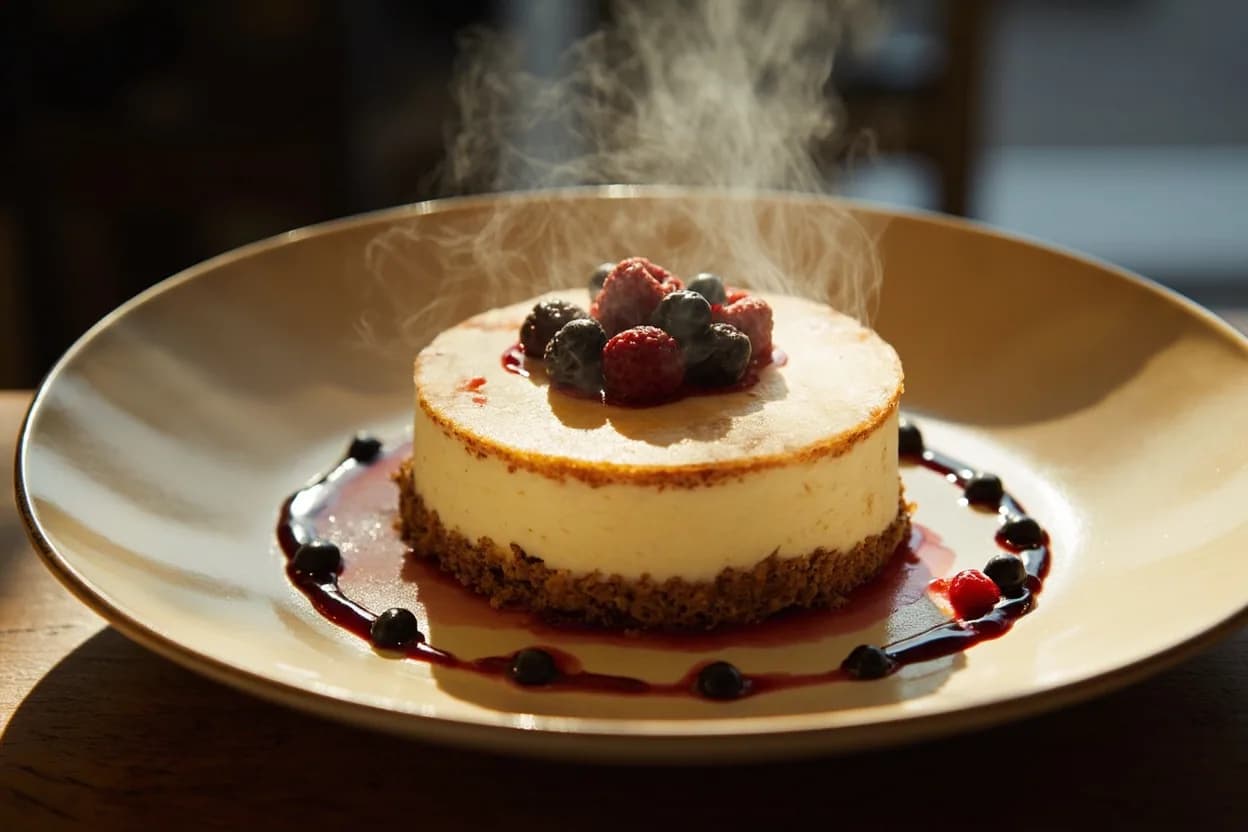
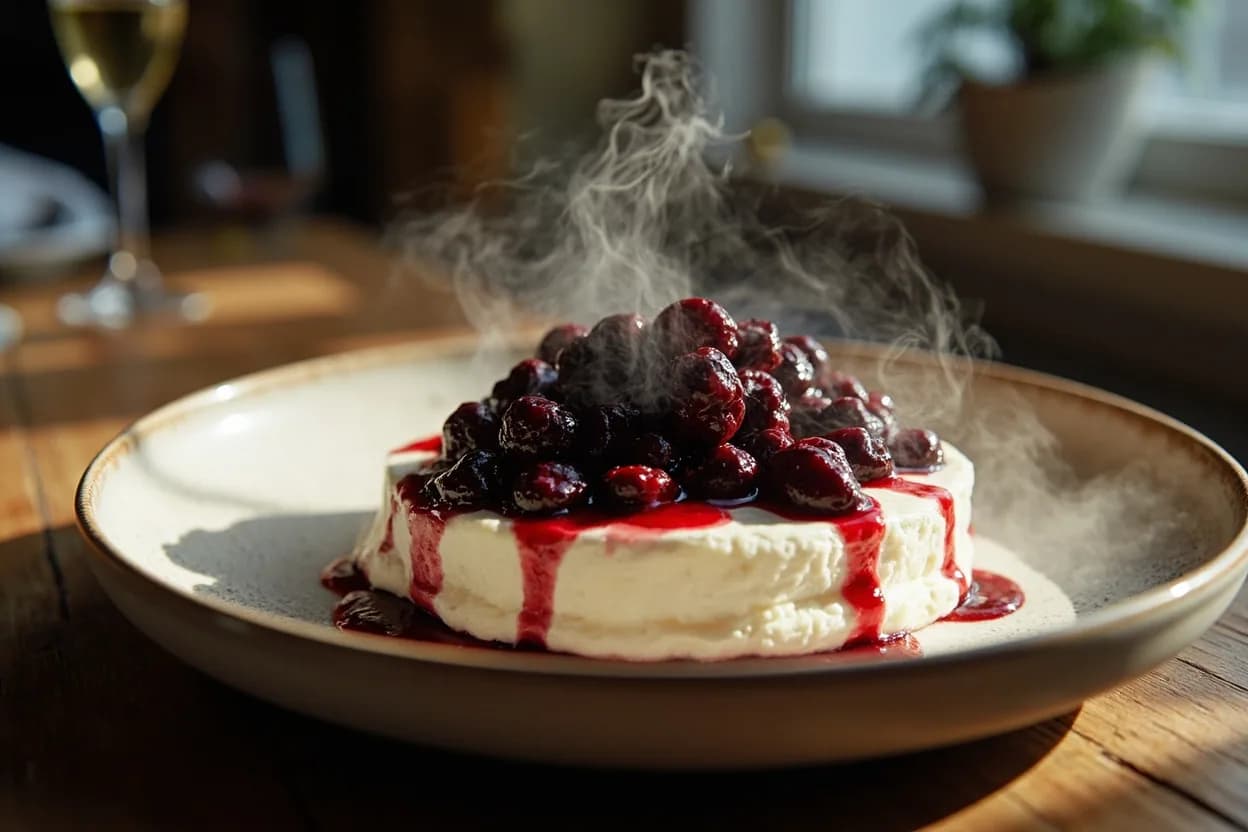
Appears in these dishes
Related

Whole Milk
Rich, full-fat milk for drinking, coffee, sauces, and baking
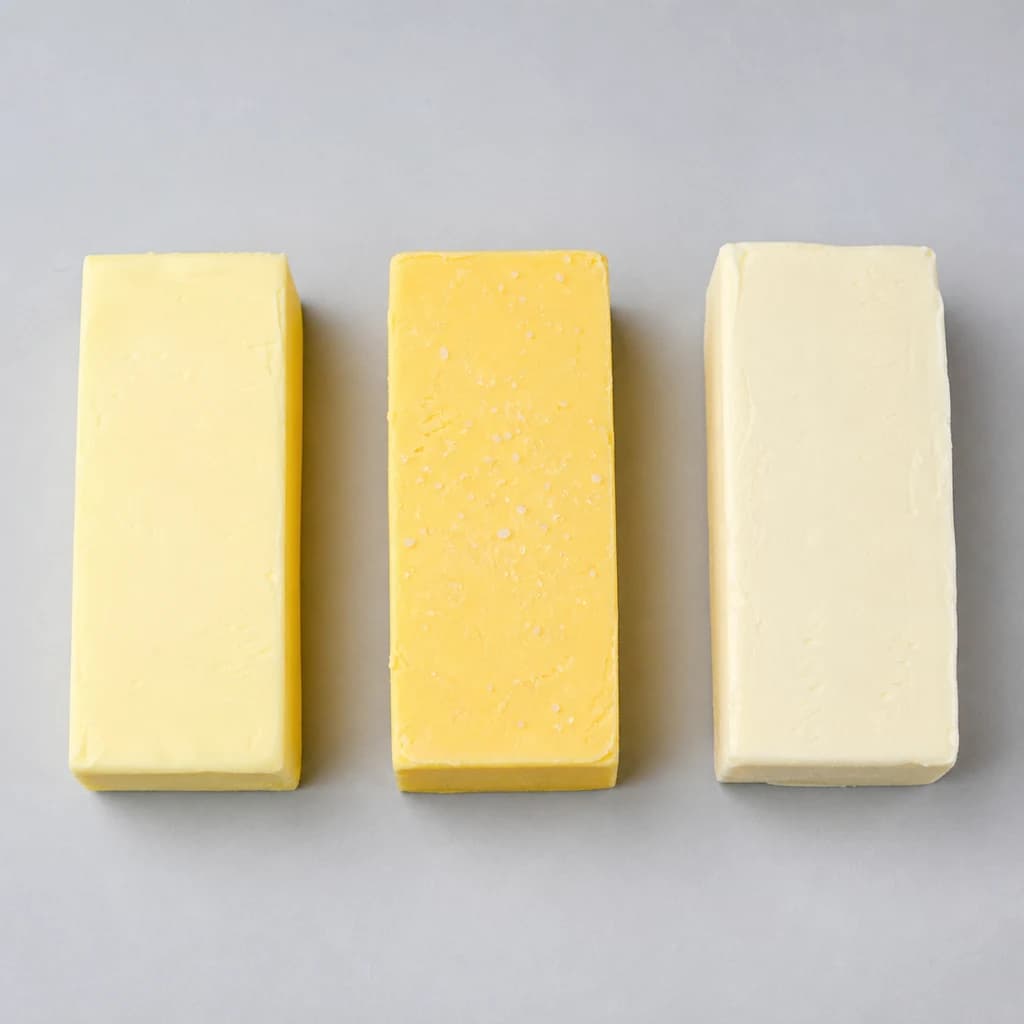
Butter
Golden fat for searing, baking, and finishing a sauce
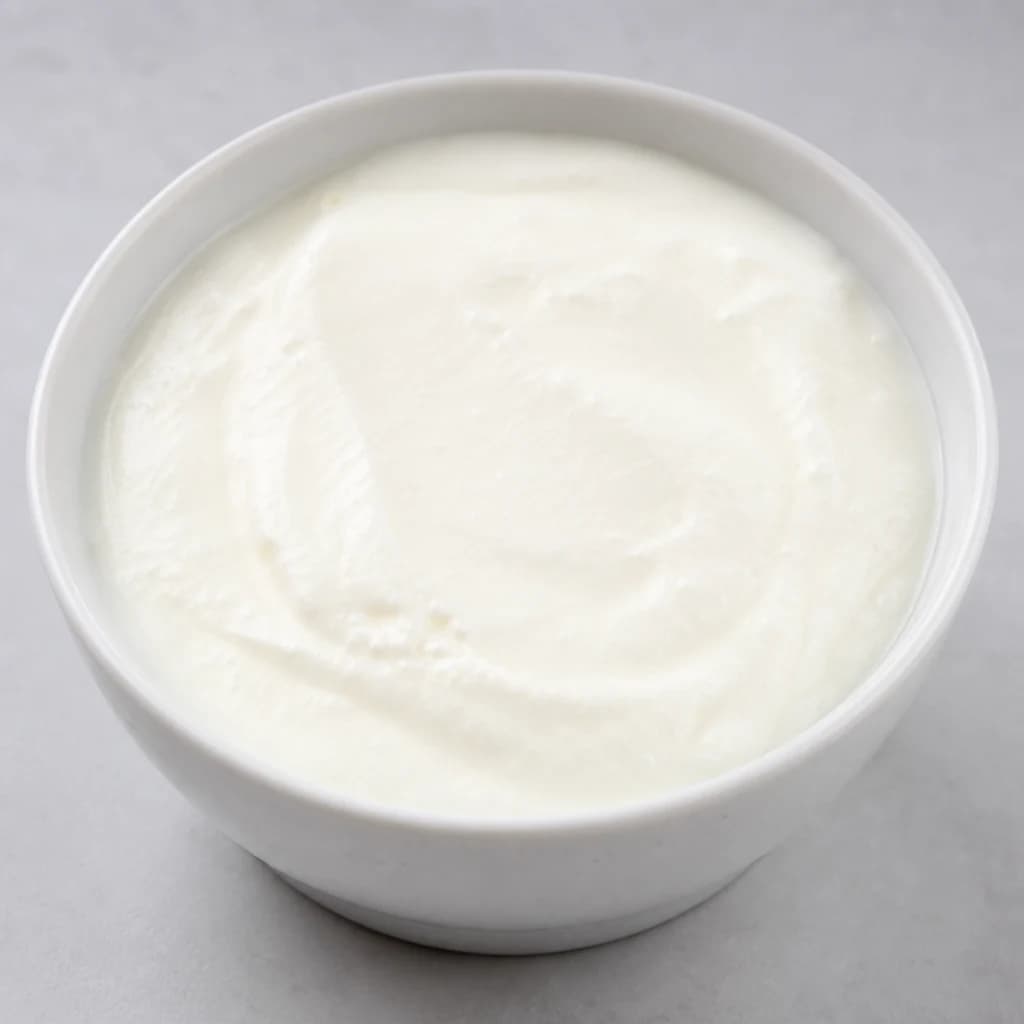
Yogurt
Tangy, creamy culture for breakfast, sauces, and marinades
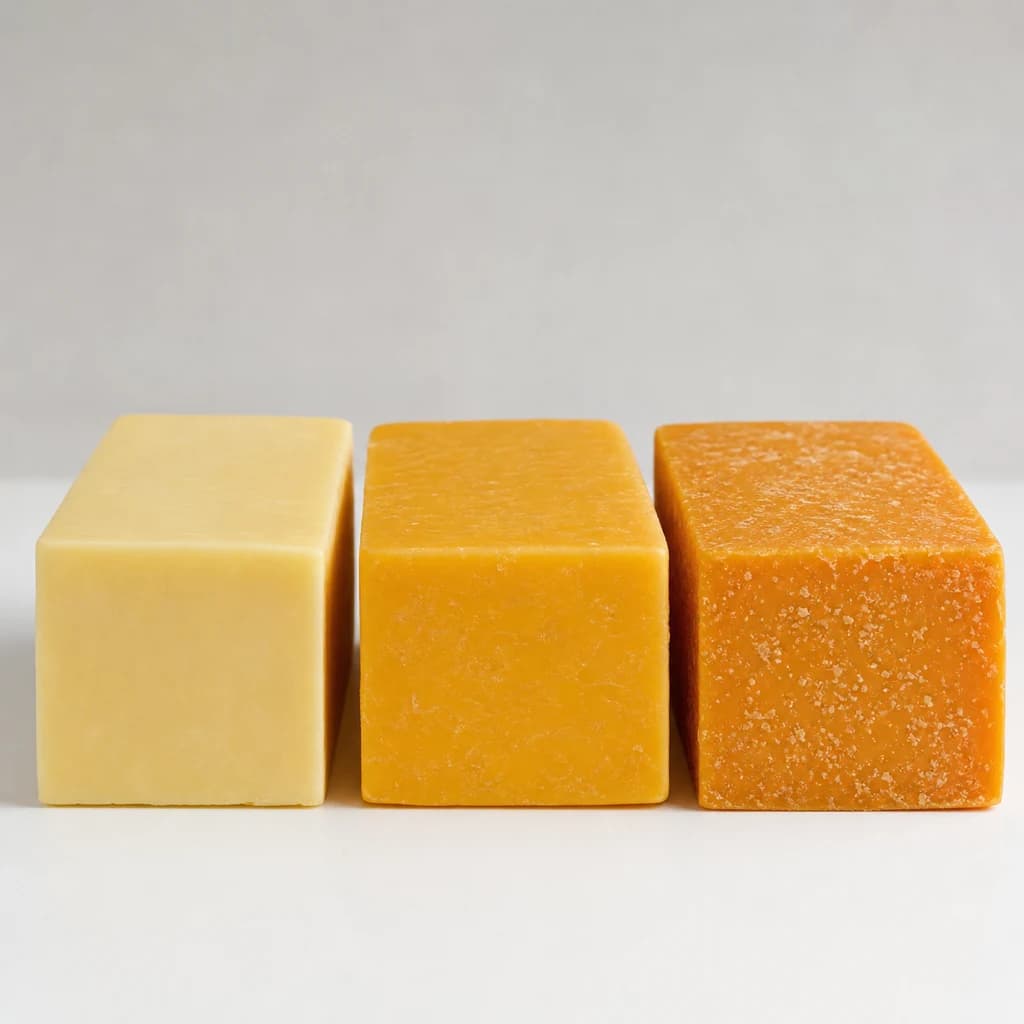
Cheddar Cheese
Sharp, melty cheese for sandwiches, gratins, and grating
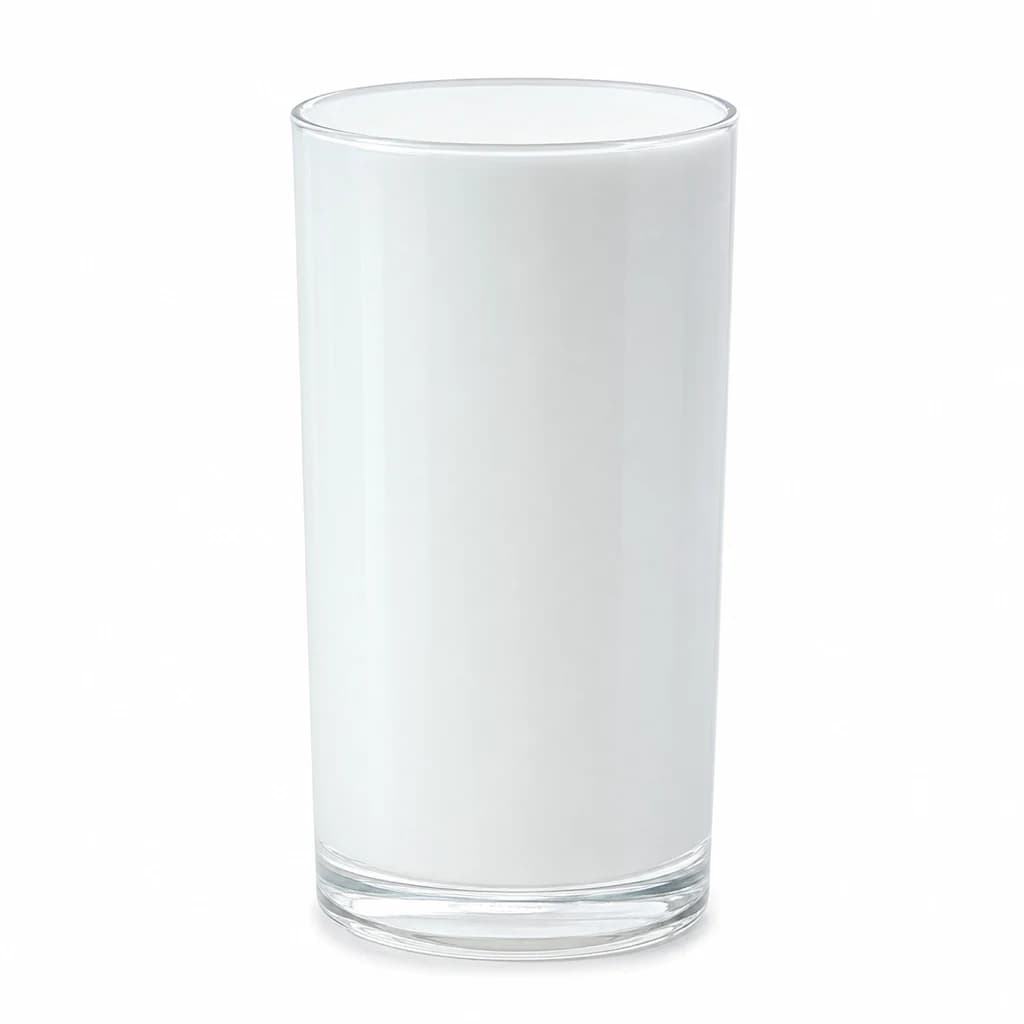
Skim Milk
Fat-free milk for lighter drinking, coffee, and cooking
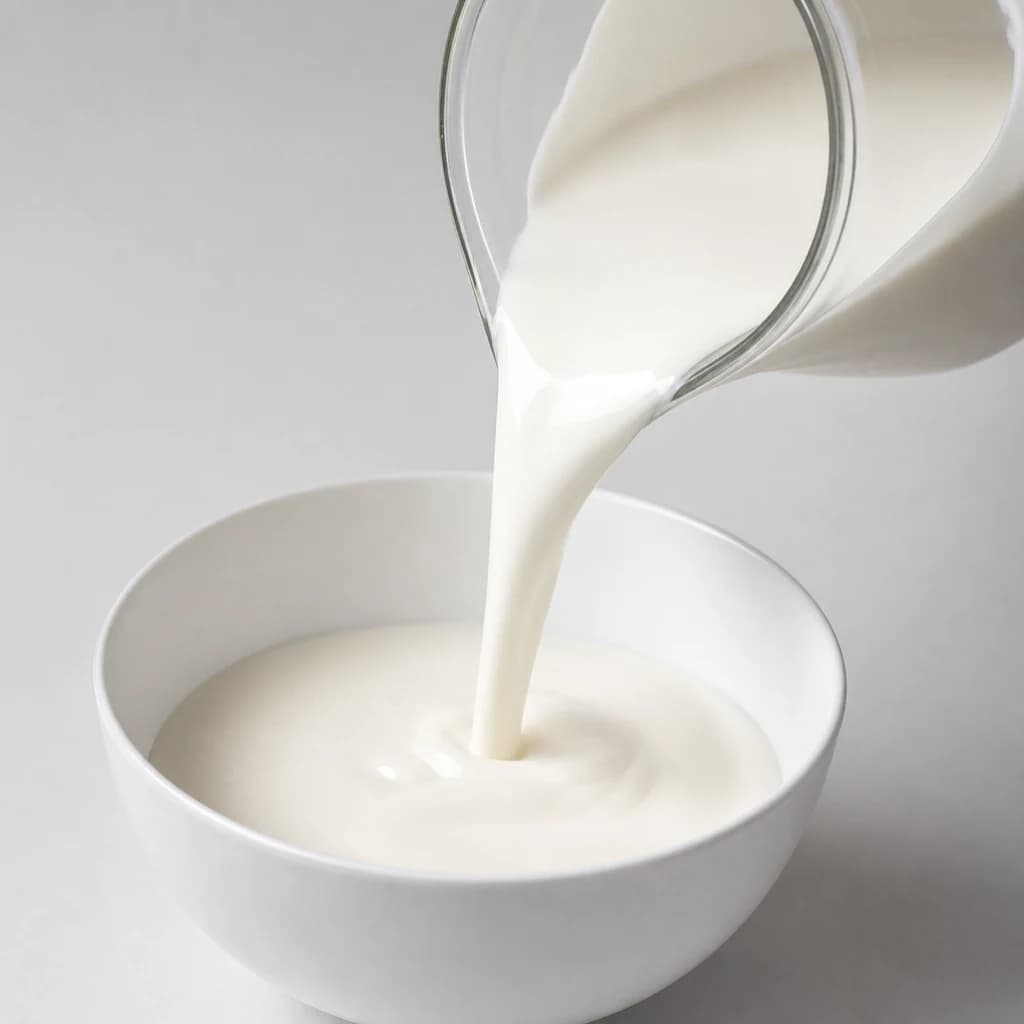
Heavy Cream
Rich cream that whips, enriches sauces, and sets ganache

Sour Cream
Tangy, thick cream for dolloping, baking, and dips
Mozzarella
Soft, milky cheese that melts into stretchy pizza pulls