
Ready to use
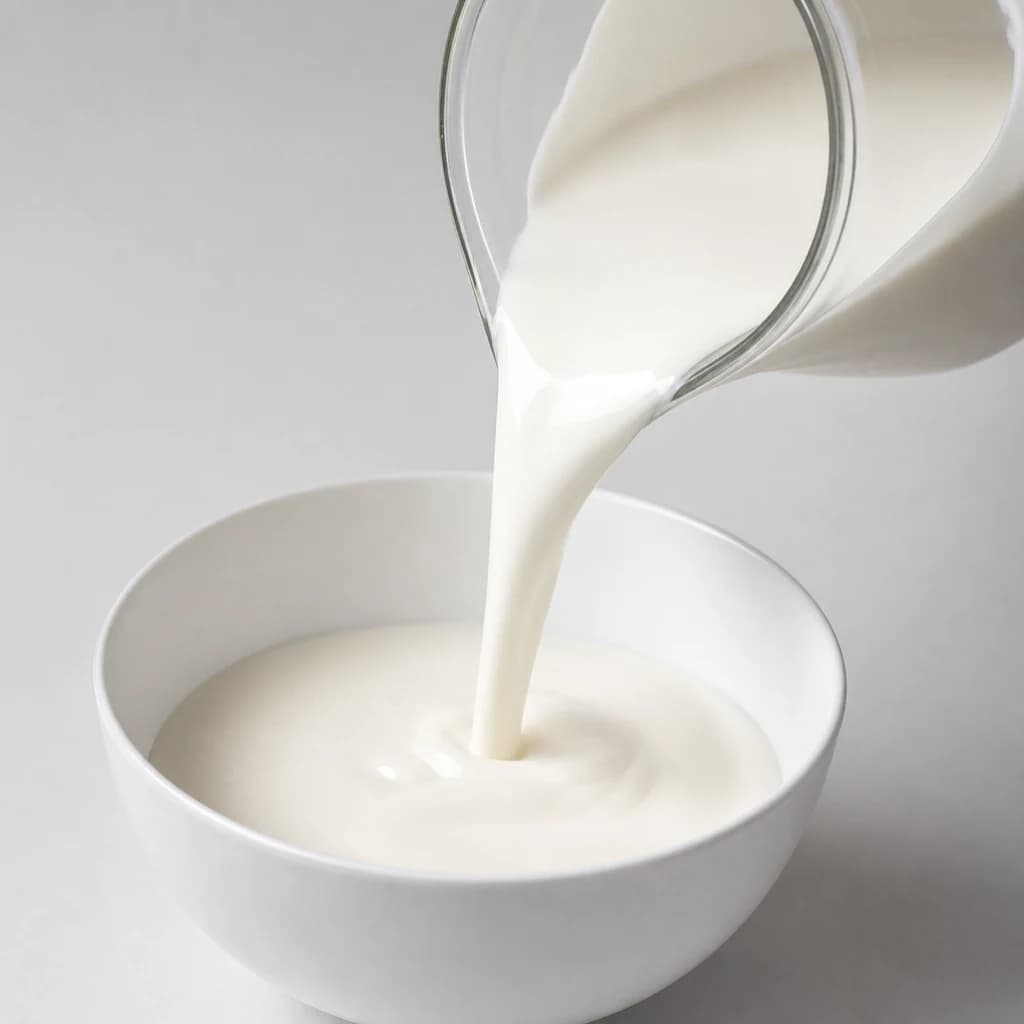
Laban poured into a short glass, pale white and visibly thin like milk.
Shows the defining characteristic — its drinkable, pourable consistency and pale white color — distinguishing it from thicker yogurt.
Dairy & Eggs
Laban (Drinking Yogurt)
Thin, tangy cultured yogurt drink from the Middle East, sipped chilled or used in cooking.
Laban is a thin, drinkable cultured yogurt popular across the Middle East, with a refreshing tangy, salty taste. It is sipped chilled alongside meals, used to cool spicy dishes, and stirred into cooked yogurt sauces. Its acidity and pourable consistency distinguish it from thicker strained yogurts.
Laban is a thin, pourable cultured yogurt drink deeply embedded in the culinary traditions of the Levant—Lebanon, Syria, Palestine, and Jordan—where it has been documented in Arabic culinary texts since the medieval period. It is made by fermenting milk (typically cow's, though sheep and goat milk are traditional) with Lactobacillus delbrueckii subsp. bulgaricus and Streptococcus thermophilus for a shorter period than thick yogurt, yielding a pourable consistency closer to heavy cream in body but distinctly acidic in flavor. The result is a drink that is simultaneously refreshing and tangy, equally at home as a chilled beverage beside a platter of grilled lamb as it is incorporated into sauces, marinades, and soups.
What distinguishes laban from thick yogurt is not merely texture but intent: it is purposefully fermented for less time from reduced-fat milk, producing a lower fat content (typically 2% or below) and a cleaner, more acidic tang. Two broad styles exist in Levantine kitchens—salted laban ayran, which is slightly effervescent and the everyday drink, and plain laban abiad, used more in cooking. A third variety, laban khodart—intentionally soured longer—develops a pronounced acidity that holds up robustly to heat, making it the preferred choice for cooked dishes. Understanding which variety to reach for is the single most practical piece of knowledge a cook needs when working with laban.
Laban's role in the kitchen is defined by its acidity and pourable consistency. It cuts through the richness of spiced lamb and grilled meats, acts as a gentle tenderizing agent in marinades, and provides a cooling counterpoint to bold spices in dishes like shakshuka or mujadara. As a cooking medium, its primary vulnerability is heat: added too hot or boiled directly, it will curdle. This risk is manageable and well-known in Levantine cooking, where laban is added off-boil, tempered with warm liquid, or incorporated off-heat. When handled correctly, it adds brightness, body, and a characteristic tang that no other dairy product replicates.
- Measured in
- ml
- Storage
- Fridge
Allergens
Types & varieties
Traditional effervescent version; salted and slightly fermented; the standard drinking yogurt across Lebanon and Syria.
White laban; plain, unsalted variety popular in Palestine and Jordan; the preferred cooking base.
Self-fermented laban; soured longer for pronounced tang; prized for cooked dishes where acidity must hold up to heat.
Strained to a thicker consistency; transitional between laban and thick labneh; regional Egyptian usage.
Drinking vs. Cooking: Choosing the Right Laban
The most common confusion with laban stems from treating all varieties as interchangeable. In practice, Levantine households typically keep both salted and plain laban on hand for distinct purposes. Salted laban ayran is the everyday beverage—served ice cold alongside meze, grilled meats, and falafel, or drunk to cool the palate after spicy food. Plain laban abiad, or more intensely soured laban khodart, is reserved for cooking: marinades, sauces, soups, and dressings. Using fresh, mild laban in a hot dish risks both over-acidification as it cooks down and a flat, underdeveloped tang that gets lost against bold spices. Conversely, using strongly soured laban khodart as a drinking yogurt can be unpleasant—sharply acidic and overly fermented. Match the variety to the use.
- Salted laban ayran → drinking, cold soups, refreshing side dishes
- Plain laban abiad → marinades, sauces, fatteh, salad dressings
- Laban khodart → cooked dishes requiring robust, heat-stable acidity
Preventing Curdling in Cooked Dishes
Curdling is the primary technical pitfall when cooking with laban. The proteins coagulate when exposed to high heat or sudden temperature changes, especially in acidic environments. The fix is straightforward and practiced in every Levantine kitchen: never add laban directly to a boiling or vigorously simmering dish. Instead, temper it by whisking a ladle of the hot cooking liquid into the laban gradually before returning it to the pot. Alternatively, add the laban off-heat entirely and stir it in as the dish finishes cooking. If the sauce or soup does separate, a quick blend with an immersion blender will often re-emulsify it sufficiently to restore a smooth, creamy texture.
- Add laban off-boil or off-heat, never at a rolling boil
- Temper with warm liquid before incorporating into a hot dish
- If curdling occurs, blend vigorously to re-emulsify
Common uses
Tips & pitfalls
- Always serve chilled (4–8°C); warmth amplifies sourness and destroys the refreshing quality that defines the drink.
- Use within the first week for the best balance of tang and creaminess; older laban becomes overly acidic and effervescent even in the unsalted variety.
- For marinades, add laban 15–30 minutes before cooking. Longer exposure causes the acid to over-tenderize the meat surface, resulting in a mushy texture.
- When cooking with laban, add it off-boil or off-heat. Boiling laban directly causes immediate, irreversible curdling.
- Do not confuse laban ayran with Turkish ayran—Turkish ayran is always salted and typically includes mint, while laban encompasses both salted and plain forms.
- Laban khodart (the self-fermented, more sour variety) is the better choice for cooked dishes because its pronounced acidity holds up to heat and doesn't get overpowered by spices.
- Make quick laban at home: whisk 1 part plain yogurt with 2–3 parts cold water and a pinch of salt until smooth. The result is close enough for drinking and sauces.
- Bring laban to room temperature before using it in a warm dish—this reduces the temperature shock that can cause separation.
Nutrition
Energy
397 kJ · per 100 g
Where the calories come from
Protein
4.4g
9% DV
Carbs
19g
7% DV
Fat
0.2g
0% DV
Fiber
0g
0% DV
Sugars
19g
of which
Sodium
58mg
3% DV
Source · USDA FoodData Central · approx. Yogurt, fruit variety, nonfat
View on FDC →In the shops
Matched grocery products
No matched grocery products for Laban (Drinking Yogurt) yet.
Good to know
- Origin
- Levant region (Lebanon, Syria, Palestine, Jordan); documented in medieval Arabic culinary texts
- Base
- Cow's milk (also sheep or goat milk traditional)
- Culture
- Lactobacillus delbrueckii subsp. bulgaricus and Streptococcus thermophilus; shorter fermentation than thick yogurt
- Texture
- Thin, pourable; similar body to heavy cream but acidic
- Fat Content
- Typically 2% or lower; made from reduced-fat milk for thinness
- Flavor
- Tangy, mildly sour, refreshing; plain or salted (laban ayran)
- Shelf Life
- 7–14 days refrigerated; best fresh
- Storage
- Keep at 4°C or below; do not freeze—freezing destroys texture and culture activity
Substitutes
- Ayran — Turkish equivalent; always salted and slightly effervescent; the closest match in both flavor and texture—use 1:1.
- Kefir — Slightly thinner and more carbonated, with a more complex tang; works well for drinking; use 1:1 in cooking applications.
- Plain kefir thinned with water — For a closer texture match to true laban: combine 3/4 cup kefir with 1/4 cup water and a pinch of salt.
- Lassi (plain, salted) — Indian drinking yogurt made with a similar culturing technique; use as a 1:1 substitute in both cooking and drinking.
- Cultured buttermilk — Comparable tang and thinness; slightly less creamy in body; works reliably in marinades, soups, and sauces.
- Greek yogurt diluted with water — Use for cooking only—1/2 cup thick yogurt whisked with 1/4 cup cold water approximates the texture, though it will be slightly richer than true laban.
Pairs with
Also called
Drinking Yogurt · Ayran-style Yogurt
Related

Whole Milk
Rich, full-fat milk for drinking, coffee, sauces, and baking
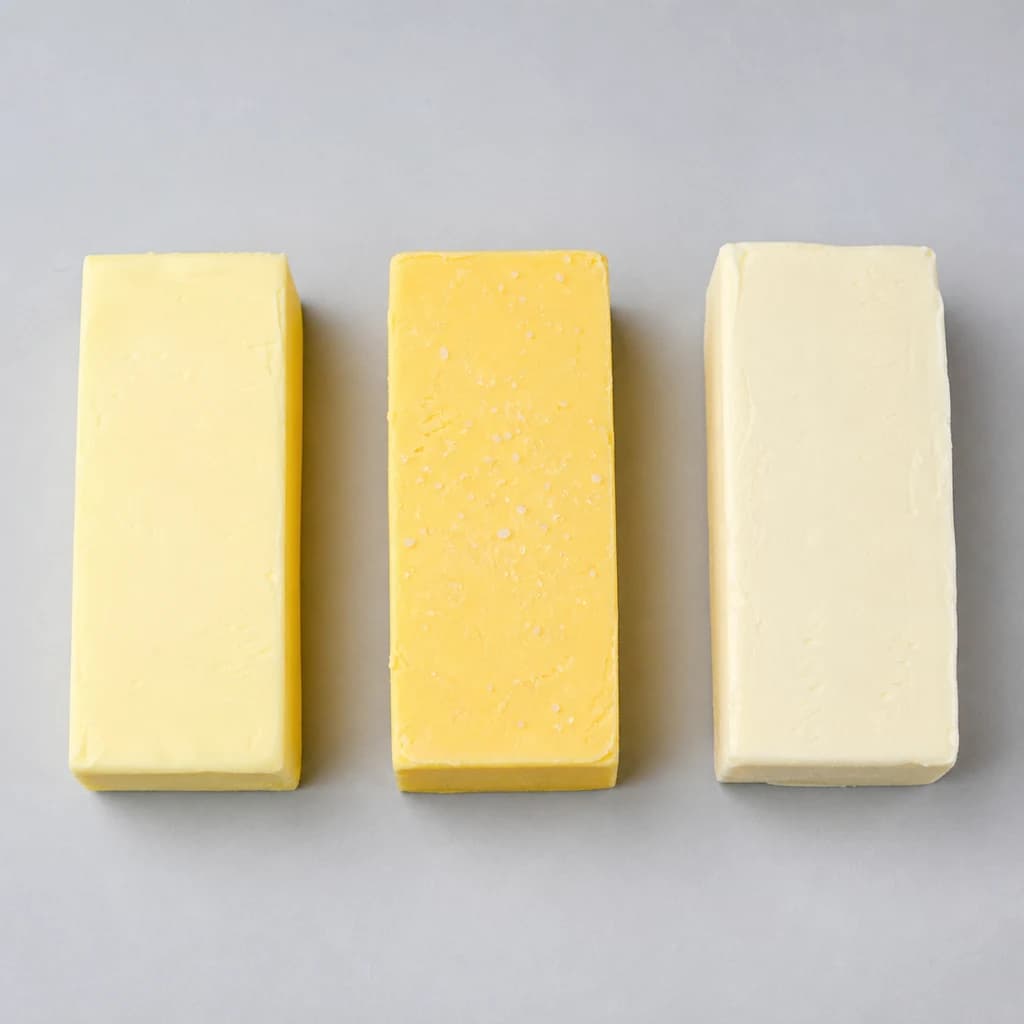
Butter
Golden fat for searing, baking, and finishing a sauce
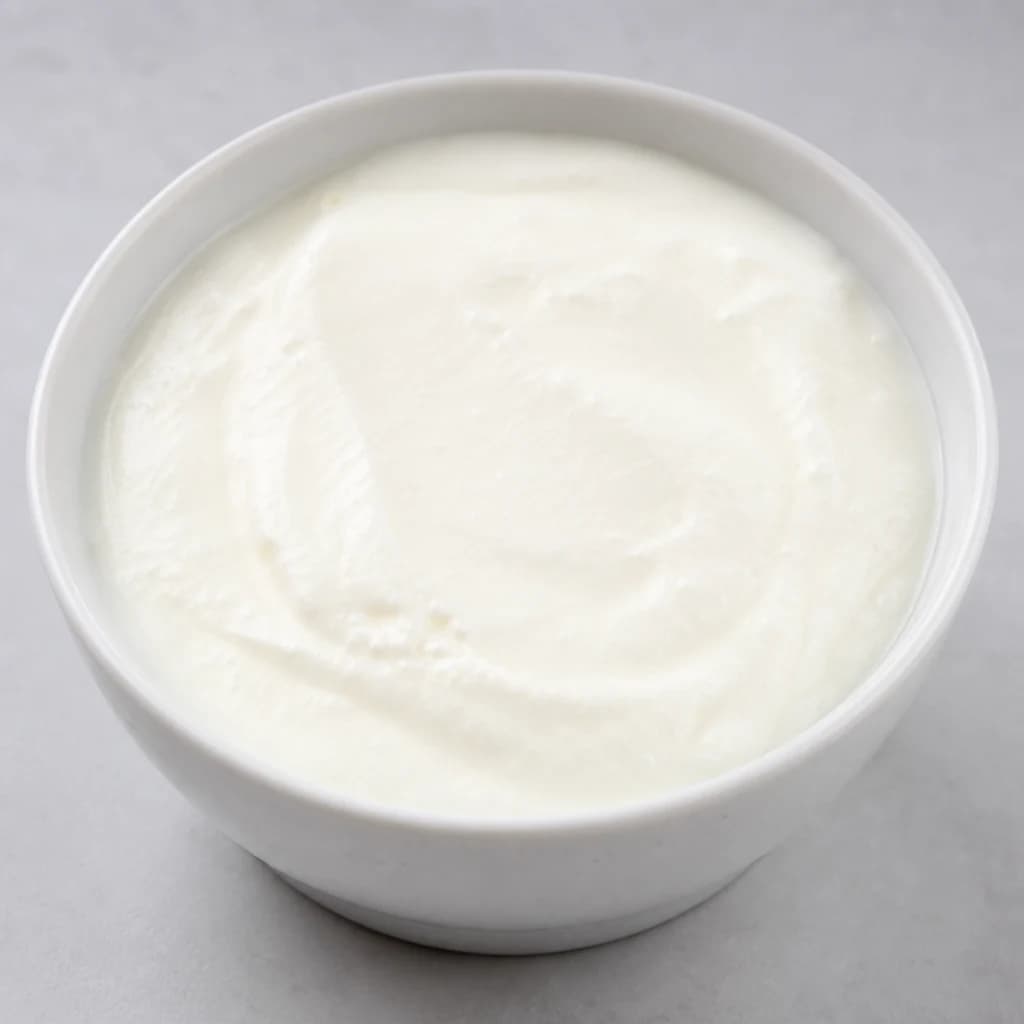
Yogurt
Tangy, creamy culture for breakfast, sauces, and marinades
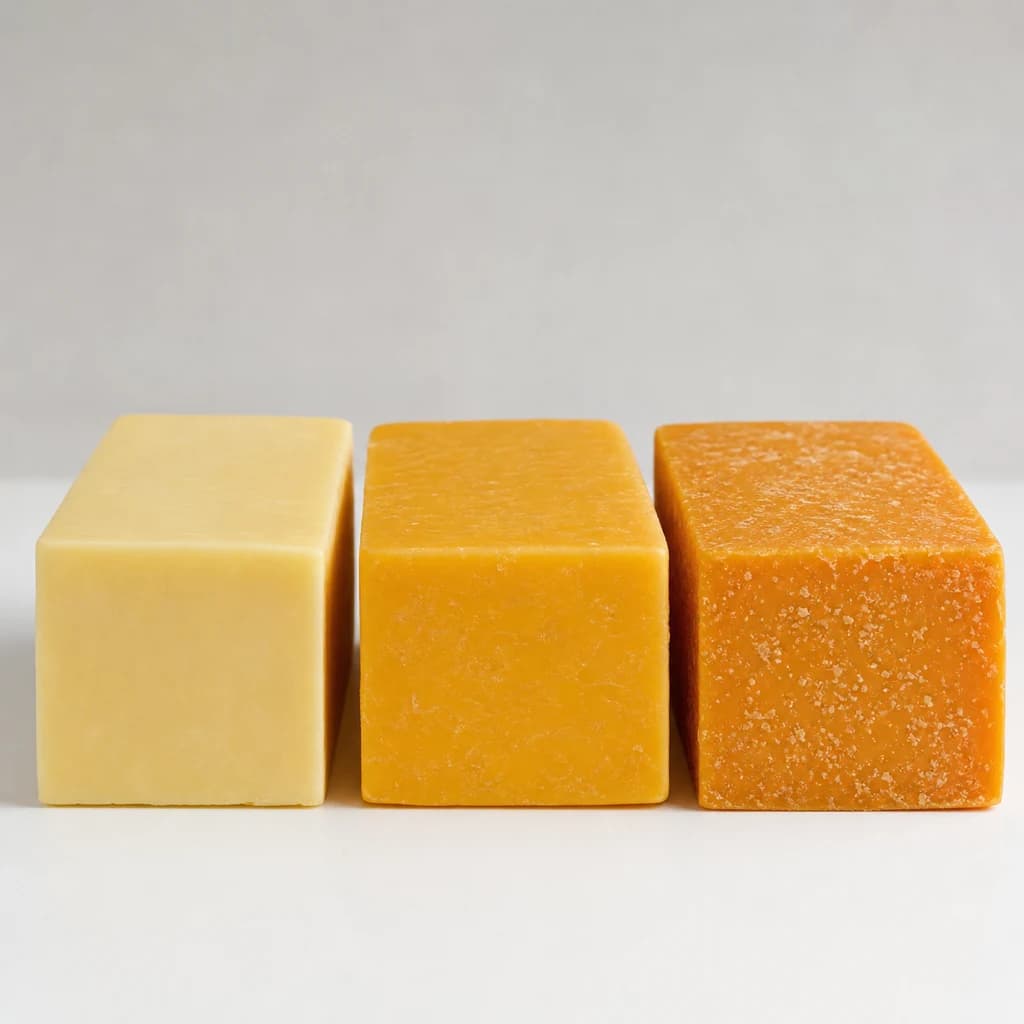
Cheddar Cheese
Sharp, melty cheese for sandwiches, gratins, and grating
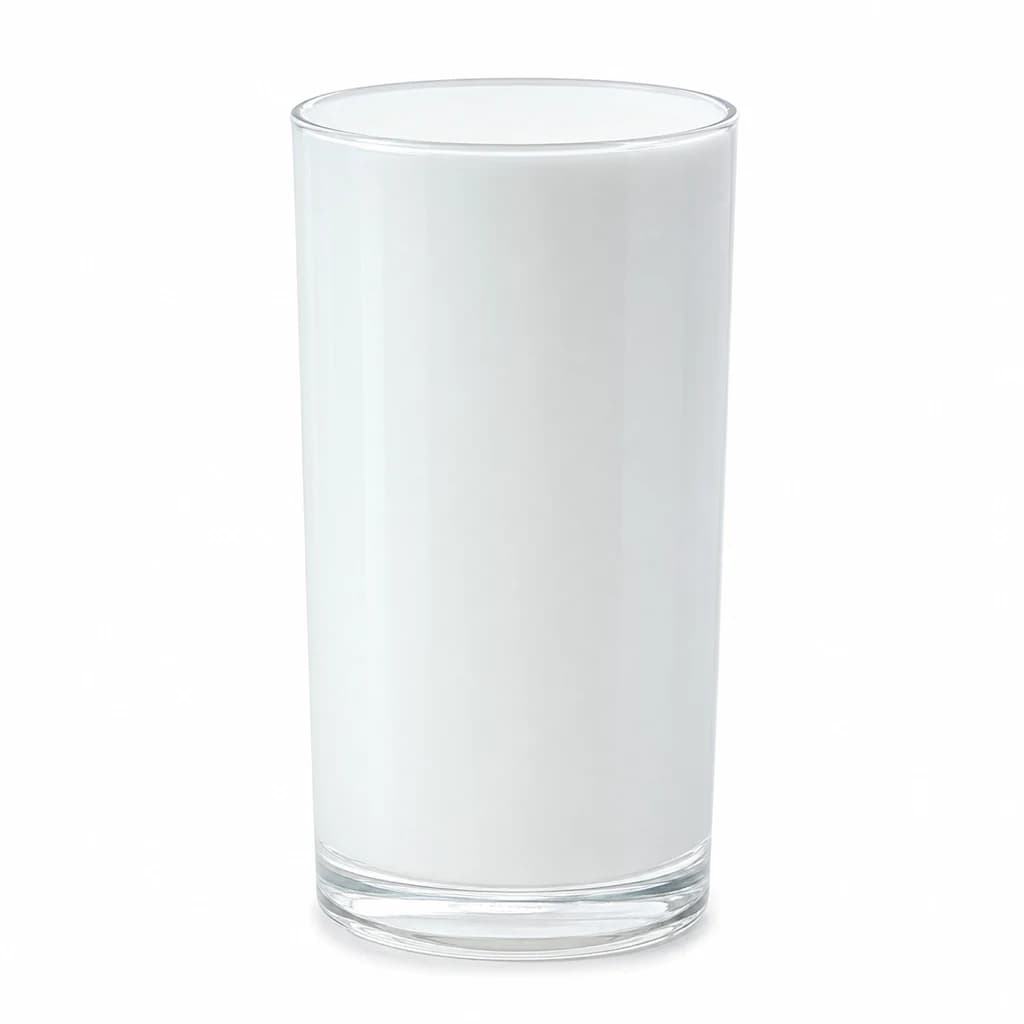
Skim Milk
Fat-free milk for lighter drinking, coffee, and cooking
Heavy Cream
Rich cream that whips, enriches sauces, and sets ganache

Sour Cream
Tangy, thick cream for dolloping, baking, and dips
Mozzarella
Soft, milky cheese that melts into stretchy pizza pulls