Natural form
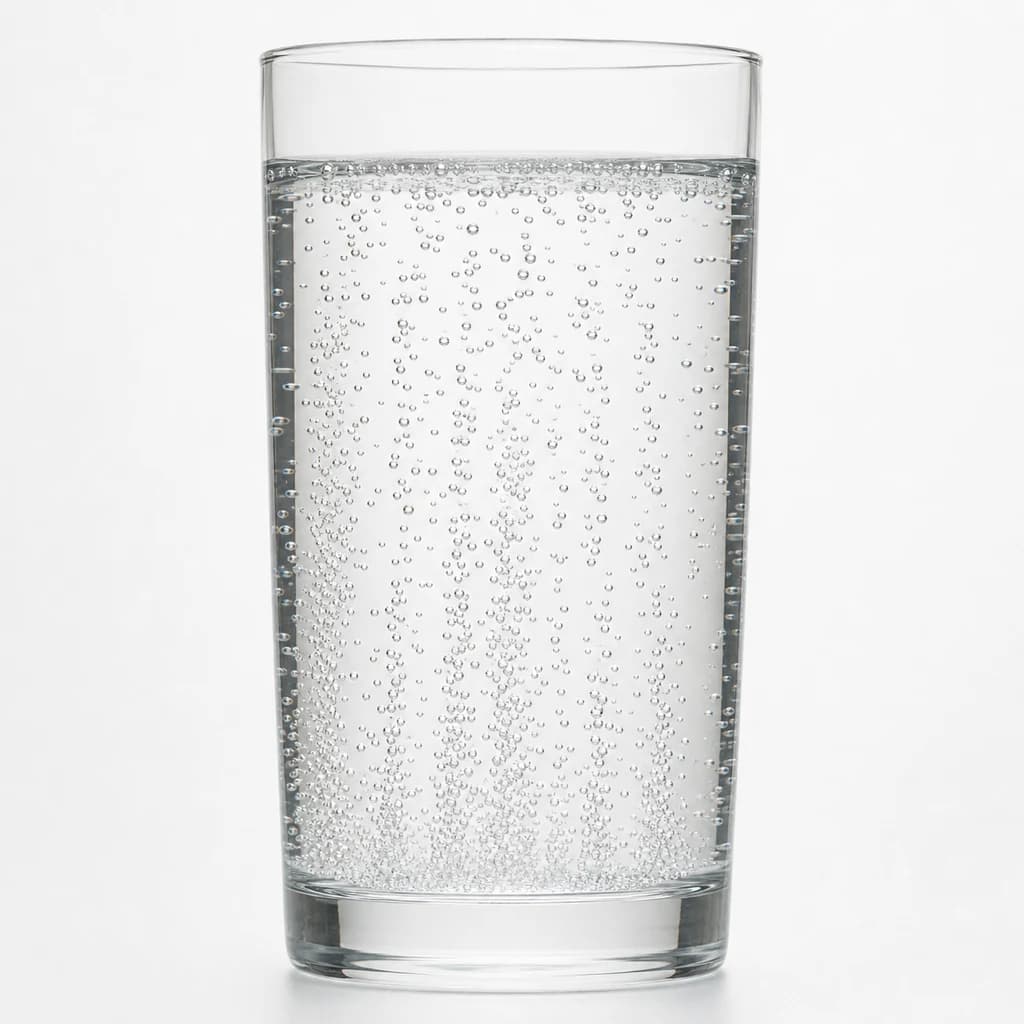
A tall glass of sparkling water shows active carbonation bubbles rising through clear liquid.
Shows the defining physical characteristic of sparkling water — visible effervescence — so readers can identify it by sight.
Beverages
Sparkling Water
Refreshing fizzy water for sipping and mixing
Clean and effervescent, sparkling water refreshes on its own with a citrus wedge and lightens any drink it joins. Keep it sealed to hold the bubbles and chill before serving.
Sparkling water is water made effervescent — either naturally carbonated mineral water or plain water injected with carbon dioxide (seltzer). Clean, crisp, and (when unflavored) neutral, it ranges from gently fizzy to aggressively bubbly, and natural mineral versions carry a faint minerality. Its culinary magic is entirely in the bubbles: cold sparkling water makes the lightest, crispest tempura and fritter batters, fluffs pancakes and waffles, lightens doughs, and aerates scrambled eggs — all without adding flavor. It's also the base for spritzers, sodas, and refreshing non-alcoholic drinks.
- Measured in
- ml
- Storage
- Room Temperature
Find it in
Types & varieties
Naturally carbonated, faint minerality
Plain water + CO2 — neutral
Lightly fruit-scented — drinks, not batter
How to use in cooking
Cold, freshly opened sparkling water is the secret to airy tempura, fritter, and fish-and-chip batters — the bubbles expand in the hot oil for a light, lacy crust. Use it in pancake, waffle, and crêpe batters for fluffiness, whisk it into scrambled eggs to aerate them, and add it to certain doughs and even to lighten gnocchi or pakora. It contributes no flavor, only lift, so the dish's own seasoning shines. Keep it ice-cold and fresh for maximum effect.
How to choose
For cooking, any plain, strongly carbonated sparkling water or seltzer works — freshness of the fizz matters most. Flavored sparkling waters can subtly scent a drink but aren't ideal for batter. Natural mineral waters add a whisper of minerality; club soda adds a salty edge; plain seltzer is the most neutral.
Common uses
Tips & pitfalls
- Use it ice-cold and freshly opened for maximum lift.
- Adds lightness without any added flavor.
- Whisk into eggs or pancake batter for fluffiness.
- Interchangeable with club soda and seltzer in cooking.
Nutrition
Energy
79 kJ · per 100 g
Where the calories come from
Protein
2.6g
5% DV
Carbs
3.1g
1% DV
Fat
0.2g
0% DV
Fiber
2.1g
8% DV
Sodium
113mg
5% DV
Source · USDA FoodData Central · approx. Water convolvulus,raw
View on FDC →In the shops
Matched grocery products
No matched grocery products for Sparkling Water yet.
Good to know
- Flavor
- Clean, crisp, neutral (or faintly mineral)
- Use in cooking
- Light batters, fluffy pancakes/eggs, doughs, drinks
- Alcohol?
- No
- Substitute base
- Club soda, seltzer, or beer (for flavored lift)
- How to store
- Seal tightly to keep fizz; refrigerate; use fresh for batter
Substitutes
- Club soda — Direct swap — slightly mineral-salty
- Seltzer — Plain carbonated water — same role
- Beer (in batter) — Adds malt flavor along with the fizz
Also called
sparkling water · fizzy water · mineral water · agua con gas · agua mineral con gas
Appears in these dishes
Related

White Rum
Light, clean rum for mojitos, daiquiris, and piña coladas

Dark Rum
Rich, molasses-deep rum for tiki drinks and sipping
Tequila
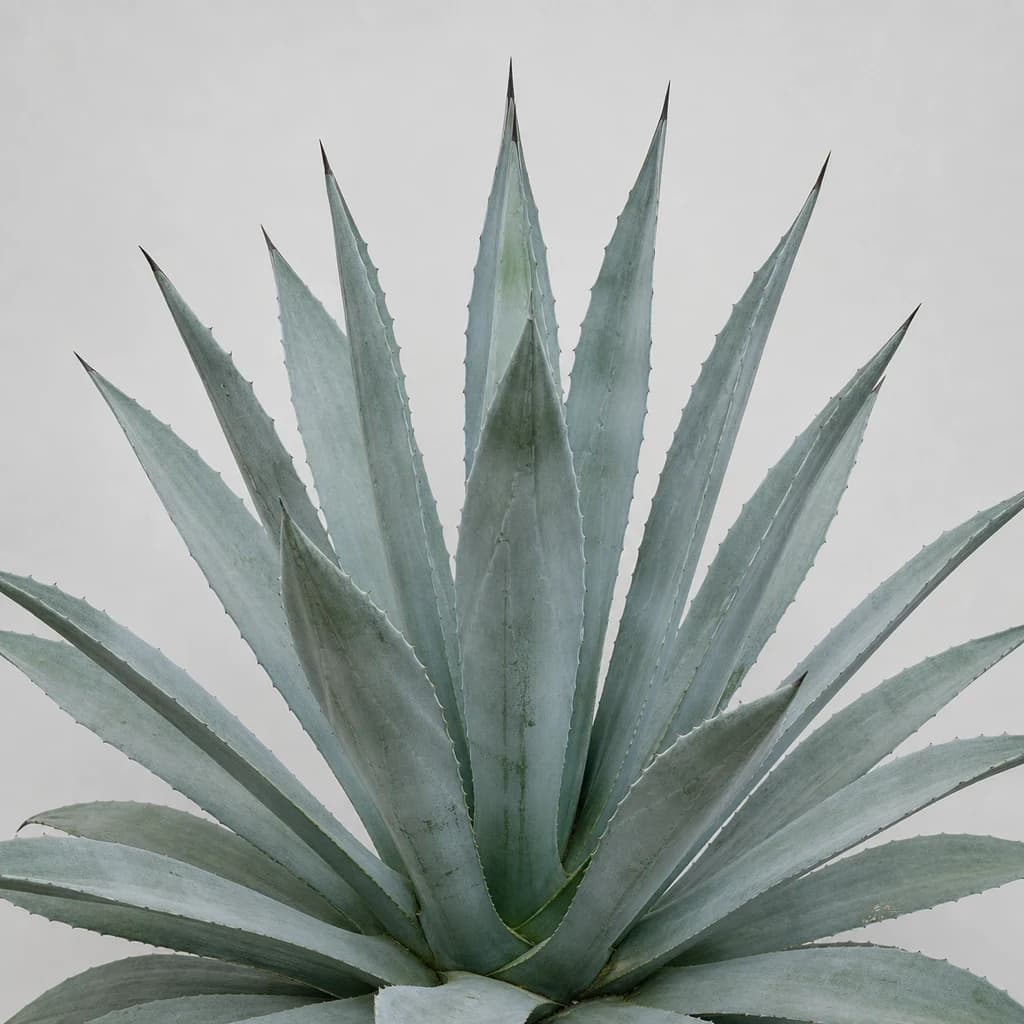
Bright agave spirit for margaritas, palomas, and shots
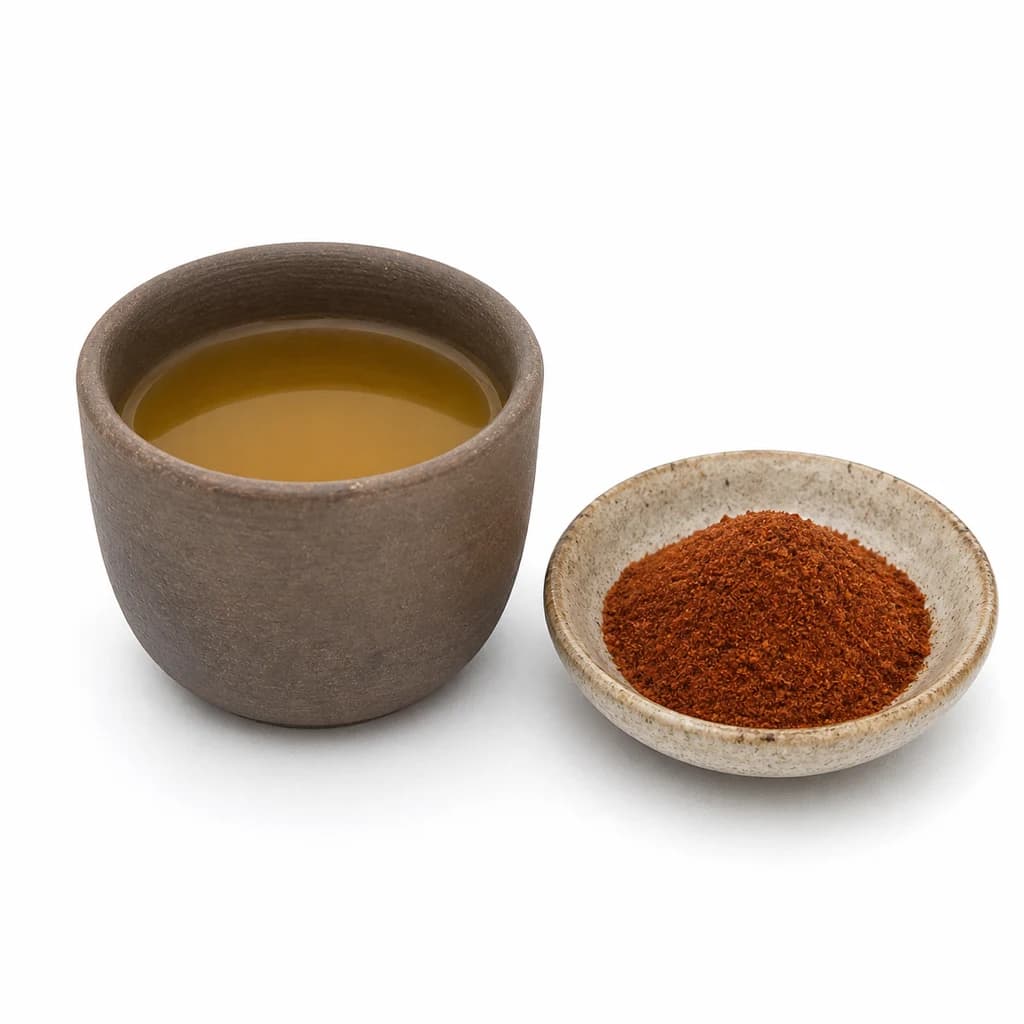
Mezcal
Smoky agave spirit for sipping and smoldering cocktails
Vodka
Clean, neutral spirit for mixing into almost any cocktail
Gin
Botanical, juniper-forward spirit for G&Ts and martinis
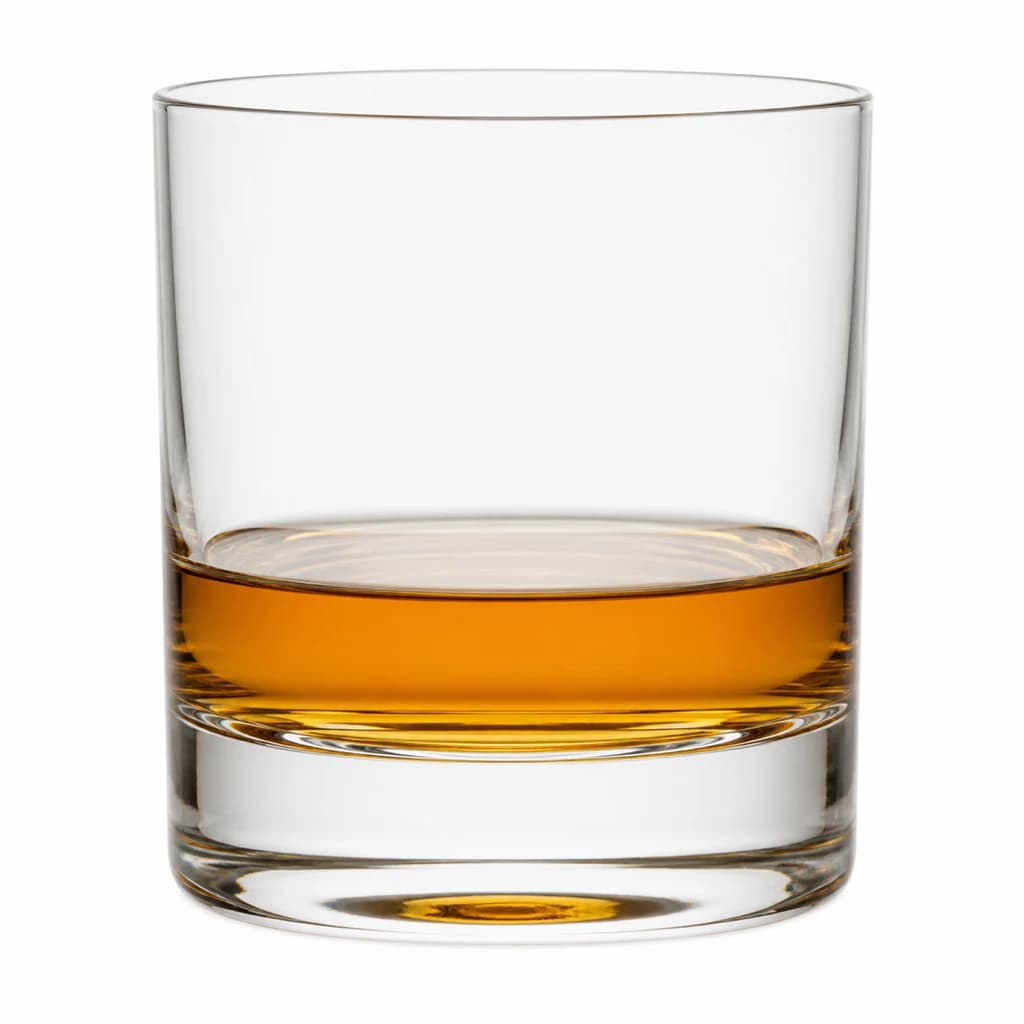
Whisky
Warm, oak-aged spirit for sipping and classic cocktails

Brandy
Rich, fruity grape spirit for sipping, sauces, and flambé