
Natural form
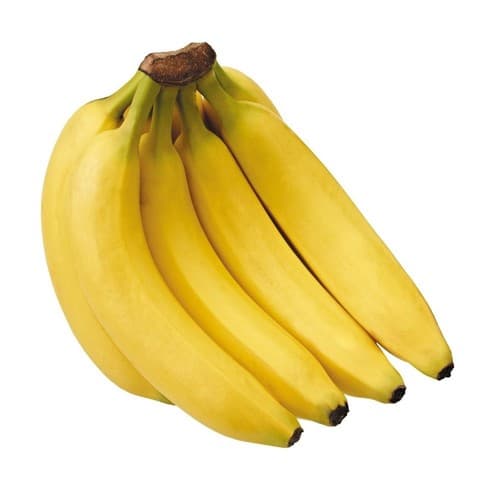
A small cluster of ripe sweet bananas (ndizi), short and thin-skinned, ready to eat.
Shows the distinctive small size, thin peel, and golden-yellow ripeness that distinguishes ndizi from the larger Cavendish banana.
Produce
Sweet Banana (Ndizi)
Small, very sweet dessert bananas eaten fresh or fried, a staple across East Africa.
Sweet bananas are short, thin-skinned dessert bananas, sweeter and softer than the larger Cavendish, known as bogoya or ndizi in East Africa. They are eaten out of hand when ripe, mashed for babies and porridge, or fried as a snack. Unlike starchy cooking plantains, these are fully sweet at ripeness and a everyday fruit across Uganda, Kenya, and Tanzania.
Ndizi is the Swahili word for banana broadly, but in kitchen and market contexts across Tanzania, Kenya, and Uganda it typically refers to small, intensely fragrant Musa acuminata cultivars prized for fresh eating — distinct from the starchy plantain (matooke) or the East African Highland Banana used for cooking and brewing. Unlike those cooking varieties, Ndizi are dessert bananas eaten when fully ripe, valued for their honeyed sweetness and aromatic depth. They are a daily fixture from coastal fish shacks to highland homesteads, eaten out of hand, fried as roadside snacks, or simmered into rich coconut-milk stews. Their flavor — caramel, honey, and faint vanilla — concentrates as they ripen, and their texture ranges from firm and sliceable just before peak ripeness to butter-soft when fully mature. In East African markets, Ndizi is the default banana for fresh eating; specifying the type matters only when distinguishing from cooking varieties.
These bananas arrived in East Africa via Arab traders in the 14th century, having traveled east from their Southeast Asian birthplace where bananas were first domesticated some 10,000 years ago. They are now deeply embedded in Swahili cuisine, appearing in everything from festive pilau to everyday uji porridge. The Kilimanjaro region, Morogoro, coastal Kenya, and Uganda's highlands all produce distinct local varieties with subtle differences in sweetness, texture, and how they hold up to heat — Morogoro Sweet, for instance, is firmer-fleshed and better for frying than some softer coastal types.
Understanding Ndizi means recognizing that the word covers real variety. The commercial backbone is the Giant Cavendish (Williams Hybrid), grown in large bunches across the region. But farmers' markets in Dar es Salaam, Mombasa, and Kampala offer local cultivars — Kitui Sweet, for example — that are smaller, more aromatic, and noticeably more intense than standard commercial fruit. Cavendish imported from elsewhere will work in a pinch, but it lacks the depth of properly selected Ndizi.
- Measured in
- piece
- Storage
- Pantry
Types & varieties
Most widely grown commercial variety in East Africa; large bunches, reliable sweetness, tolerant of common diseases
Compact plant suited to smaller farms and home gardens; slightly less sweet but excellent flavor; common in highland areas
Distinct local cultivar from Kenya's Kitui region; very small, intensely sweet, aromatic; increasingly sought by specialty buyers
Tanzanian highland variety; firmer flesh than other sweet types, holds shape better when fried; bright yellow skin
Ndizi vs. Cooking Bananas: Getting the Right Banana
This distinction matters enormously in the kitchen. Ndizi (sweet eating bananas) are Musa acuminata cultivars — the same species as the Cavendish you find in Western supermarkets. They are sweet and edible raw when ripe. The East African Highland Banana (EAHB), often called matooke, makumba, or simply 'cooking banana,' belongs to a different genetic subgroup and is starchy and bland when raw. It is boiled, steamed, or fried and is a staple carbohydrate in Uganda and highland Tanzania.
In urban and coastal Swahili contexts, 'ndizi' alone typically refers to sweet dessert bananas. Inland and rural recipes often specify further — ndizi mbichi (literally 'raw/ripe banana') for sweet types, or ndizi za kupika for cooking bananas. When following a recipe that calls for Ndizi, verify whether it intends sweet or starchy bananas: a stew made with matooke instead of Ndizi will be bland and gluey; using Ndizi where a recipe expects matooke produces a mushy, overly sweet mess. The visual cue is size and shape — Ndizi are smaller and thicker; Highland bananas grow in massive bunches with shorter, squatter fingers.
- Check finger length and girth: Ndizi are 10–18 cm and relatively thick; Highland bananas are shorter and squatter
- Look at the bunch habit: giant commercial bunches with many 'hands' are typically Cavendish-type Ndizi; smaller, tighter bunches with very plump fingers are often Highland cooking bananas
- Ask at the market: in Swahili, 'ndizi ya kula moja kwa moja' (banana to eat directly) clarifies sweet eating types
Selecting and Storing Ndizi
Ndizi are climacteric fruit — they ripen after harvest, so buying green-tipped bananas and letting them ripen at home is standard practice. For immediate use, select fruit with bright yellow skin and brown speckles throughout. The speckling indicates the starches have fully converted to sugars; some varieties (particularly Kitui Sweet) develop almost entirely brown-black skin at peak ripeness, and this concentration of color signals excellent sweetness.
Storage depends entirely on ripeness. Unripe and partially ripe Ndizi should never go in the refrigerator — cold temperatures halt the ripening process and leave the interior hard and starchy. Store them at room temperature, away from direct sunlight, where they will ripen in 2–5 days depending on starting stage. Once fully ripe (skin is uniformly yellow with speckles and the fruit yields slightly to gentle pressure), you can refrigerate to slow further ripening, though cold will begin to dull the aromatic qualities within a day or two. For best flavor, eat fully ripe Ndizi within 2–3 days.
Avoid bananas with blackened crowns (the stem end) — this indicates bacterial rot that may not be visible deeper in the flesh. A small nick or bruise on the skin is fine; discard fruit where the crown is visibly oozing or deeply discolored.
- Green-tipped: 2–3 days to ripen at room temperature; not yet sweet enough for fresh eating or frying
- Yellow with brown speckles: peak for fresh eating and most cooking applications
- Fully brown/black skin: intensely sweet, best for fresh eating or sweet preparations; may be too soft for frying
Common uses
Tips & pitfalls
- Select bananas with even yellow coloring and brown speckles for immediate eating; green-tipped bananas need 2–3 more days at room temperature
- Do not refrigerate unripe or partially ripe Ndizi — cold stops the ripening process and yields a hard, starchy interior
- When frying, use medium-high heat and allow oil to fully preheat; test with a single slice — it should sizzle actively within 1 second of contact
- For frying, choose bananas that are just past firm-ripe (firm but yielding slightly to pressure) — too soft and they fall apart; too firm and they taste starchy
- Avoid varieties with blackened crowns (stem ends) — this indicates bacterial rot, common in improperly stored or damaged fruit
- When cooking in coconut milk, add banana slices only after milk begins to simmer gently; boiling vigorously breaks them into mush
- To peel easily, slice off both ends first, then make a shallow lengthwise slit — the skin pulls away cleanly from ripe fruit
- If a recipe specifies Ndizi and you have only starchy cooking bananas, the dish will be bland and gluey — swap in ripe plantain for frying or Cavendish for fresh applications
Nutrition
Energy
372 kJ · per 100 g
Where the calories come from
Protein
1.1g
2% DV
Carbs
22.8g
8% DV
Fat
0.3g
0% DV
Fiber
2.6g
9% DV
Sugars
12.2g
of which
Sodium
1mg
0% DV
Source · USDA FoodData Central · Bananas, raw
View on FDC →In the shops
Matched grocery products
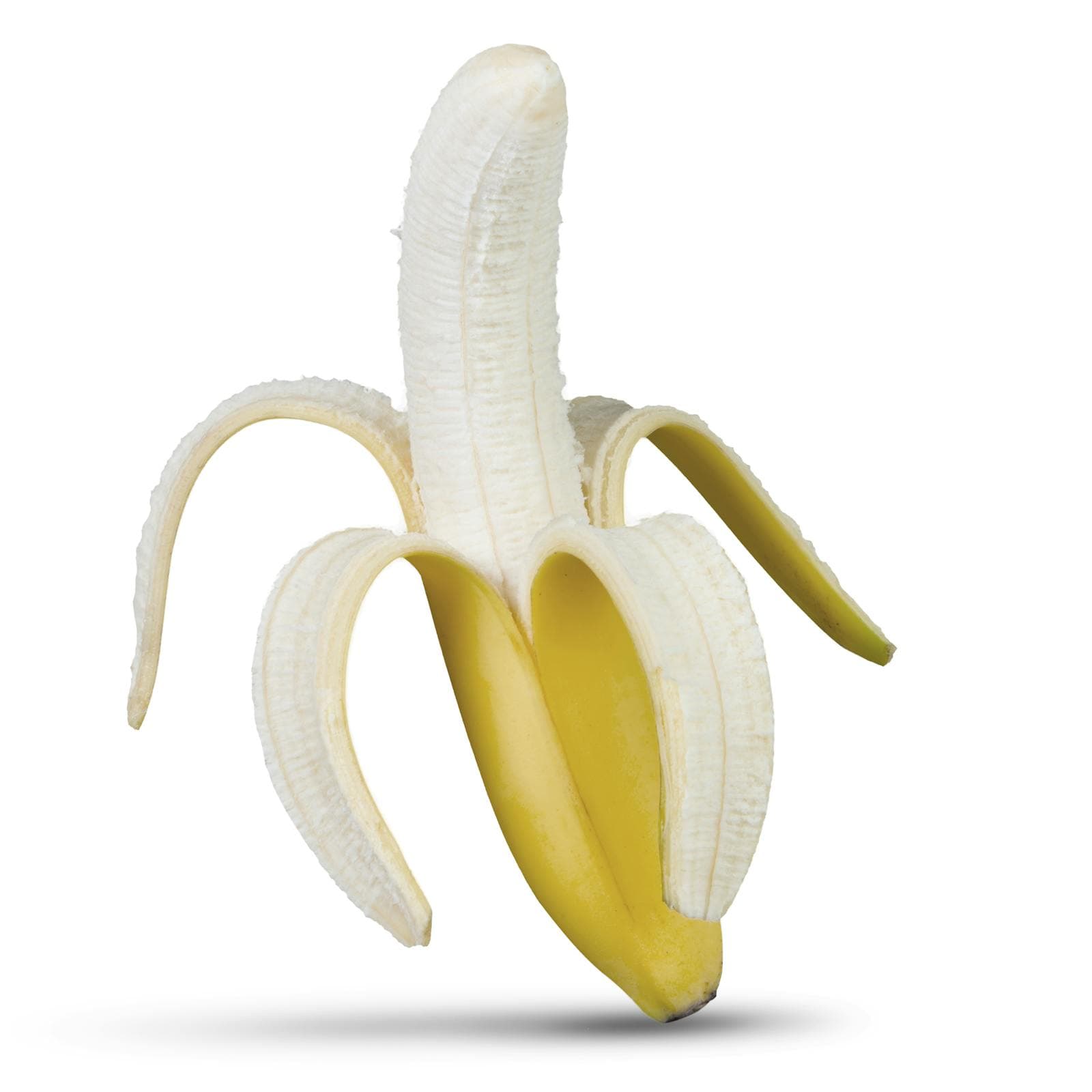 €0.26
€0.26Banana
170 g · Mercadona
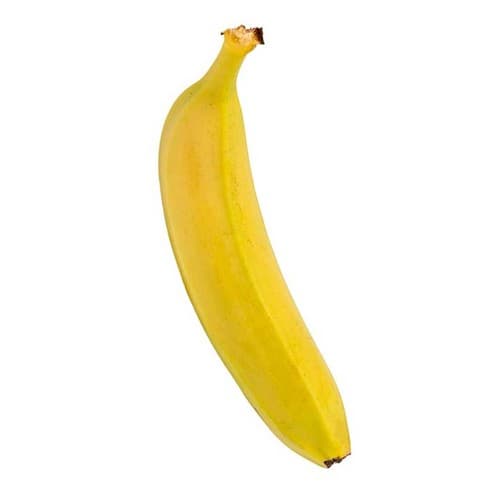 €0.22
€0.22Banana 1 unit
ud · Bonpreu
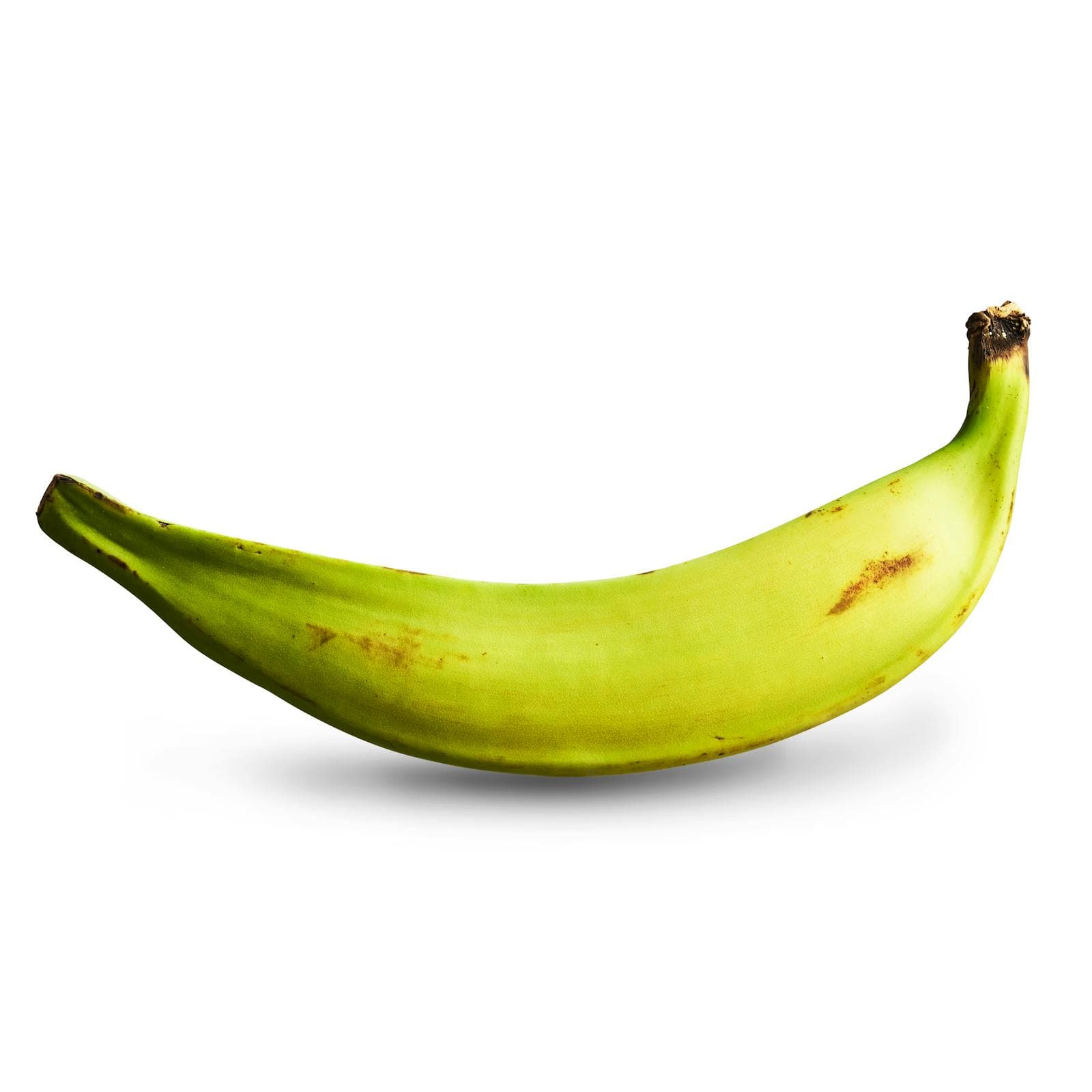 €0.81
€0.81Plantain
280 g · Mercadona
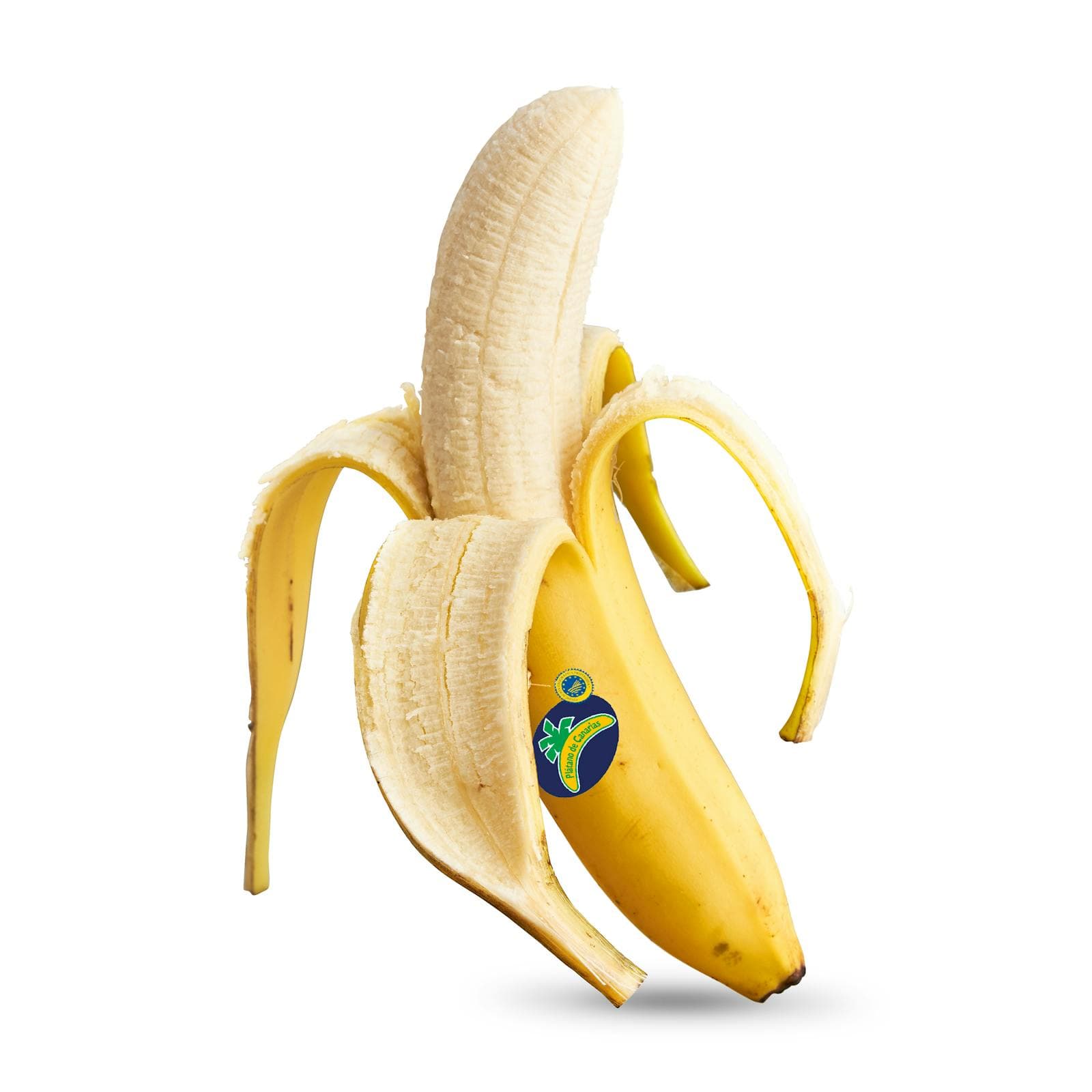 €0.41
€0.41Canary Islands Banana IGP
150 g · Mercadona
 €1.49
€1.49Banana Cluster 800 g
kg · Bonpreu
 €0.68
€0.68Canary Islands IGP Banana
LA COLLITA · ud · Bonpreu
Good to know
- Swahili name
- Ndizi (plural: ndizi) means banana; context and ripeness distinguish sweet dessert types from starchy cooking bananas (matooke/makumba)
- Primary origin
- Southeast Asia, domesticated ~10,000 years ago; introduced to East Africa by Arab traders in the 14th century; now a staple from coastal Tanzania to Uganda
- Peak season
- Year-round in lowlands; main harvests June–August and December–February in highland regions
- Typical size
- Small to medium, 10–18 cm long, thicker than export Cavendish varieties
- Color when ripe
- Bright yellow with brown speckles; some varieties turn almost entirely brown-black when fully ripe — this is desirable, signaling maximum sweetness
- Flavor profile
- Intensely sweet, low acidity; caramel, honey, and vanilla notes; starchy-soft texture when cooked
- Key distinction from plantain
- Ndizi are sweet dessert bananas (Musa acuminata, AA and AAA groups); matooke is a starchy cooking banana (East African Highland Banana subgroup) — they are not interchangeable
Substitutes
- Cavendish (export variety) — Acceptable substitute for frying; lacks the depth of flavor and caramel notes of true Ndizi but widely available
- Apple Banana (Musa acuminata AA Group) — Closest flavor match; smaller, tangier, and more aromatic; excellent substitute if available at specialty markets
- Ripe Plantain (firm-ripe, yellow) — Only suitable for frying — not for fresh eating; similar texture when cooked but significantly less sweet
Pairs with
Also called
Bogoya · Ndizi · Apple Banana · Sweet Banana
Related
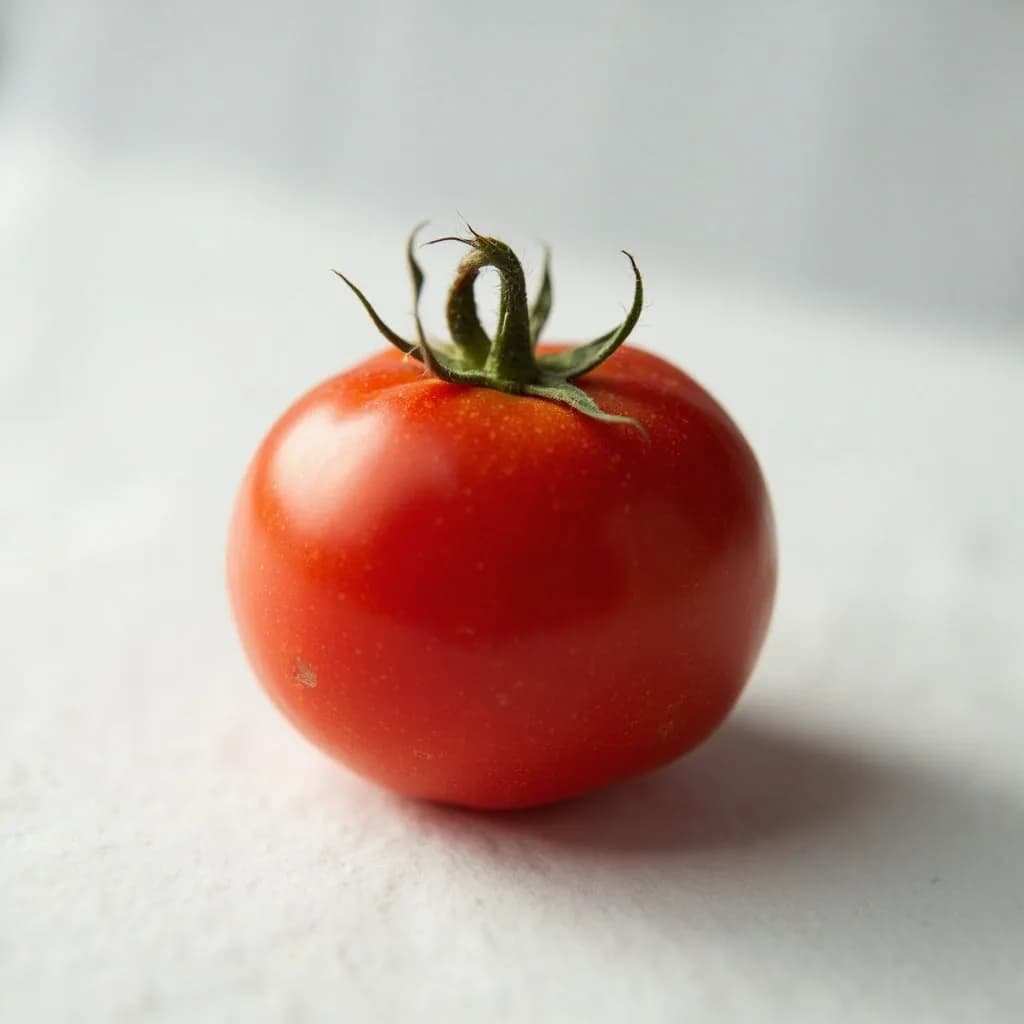
Tomato
Juicy, sun-sweet fruit for sauces, salads, and slow-cooked depth
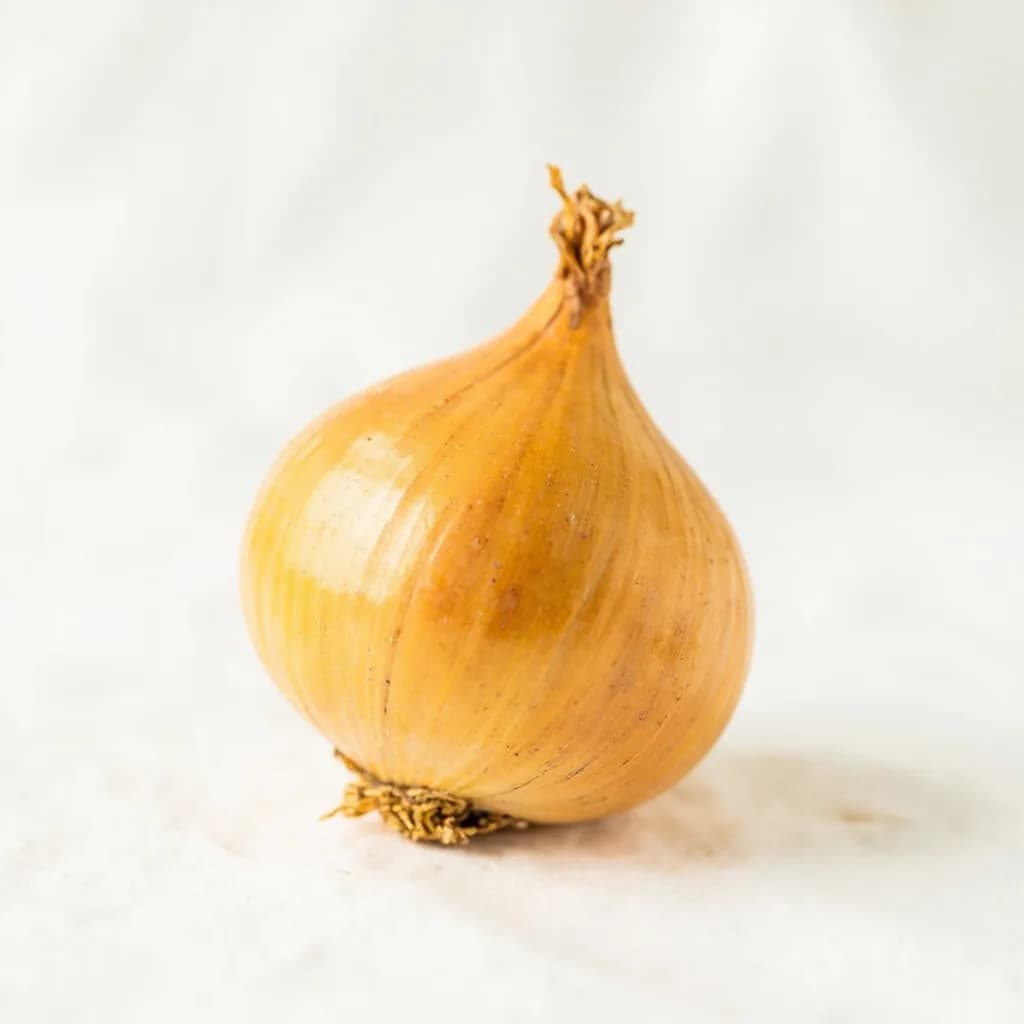
Yellow Onion
The aromatic backbone of soups, sofritos, and braises
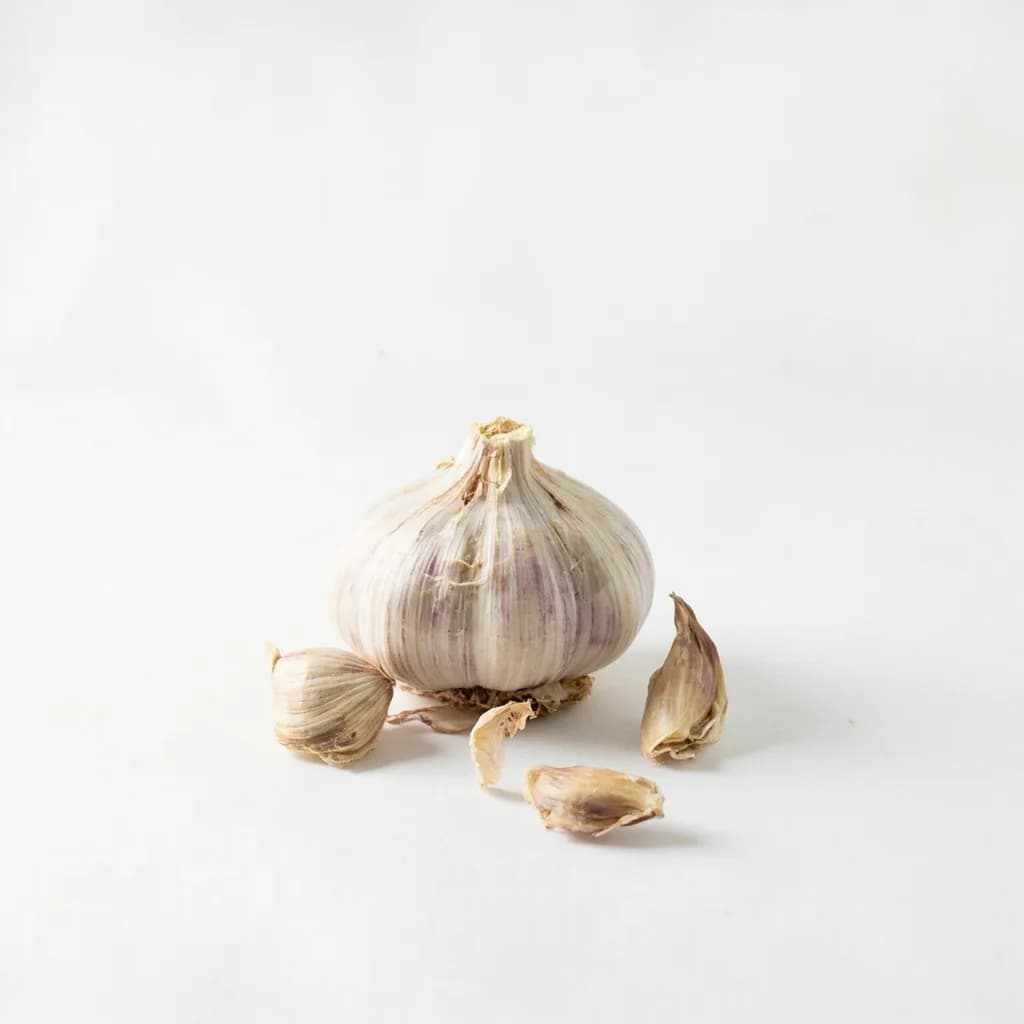
Garlic
Pungent cloves that perfume nearly every savory dish
Lemon
Bright, acidic citrus that wakes up almost any dish
Potato
Humble, hearty staple — roast, mash, fry, or boil
Carrot
Sweet, crunchy root — raw, roasted, or the base of a sofrito
Cucumber
Cool, crisp, and watery — for salads, pickles, and tzatziki

Lettuce
Crisp leaves for salads, wraps, and a fresh crunch