Dairy & Eggs
Tupí (Fermented Cheese)
Catalan strong fermented cheese paste cured with brandy or wine, spread on bread or toast.
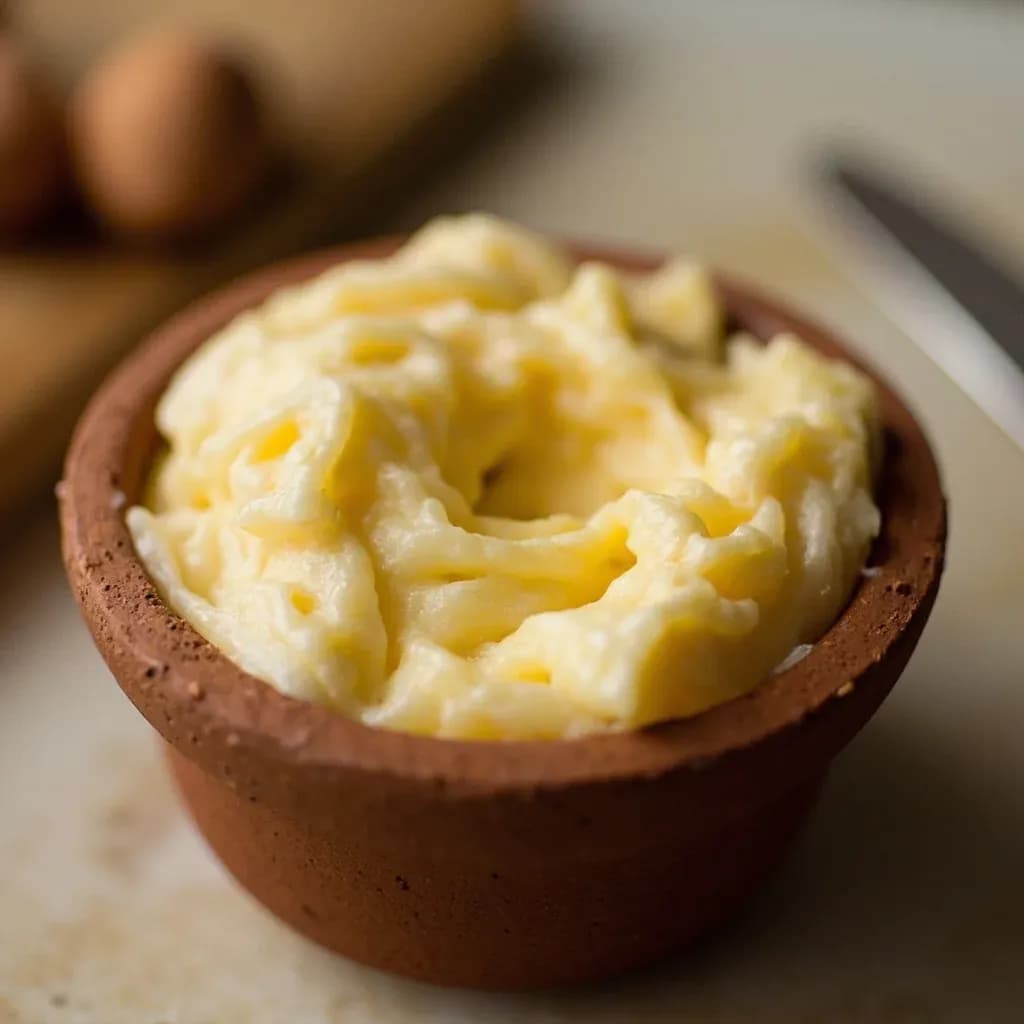
Tupí is a traditional Catalan and Pyrenean preparation of leftover cheese mashed and fermented in a clay pot, often laced with olive oil, brandy, or wine. It develops a powerful, sharp, pungent flavor and a soft, spreadable texture. It is eaten in small amounts on bread or toast.
Tupí is a traditional Catalan strong fermented cheese paste, among the most pungent and intensely flavored cheeses in Spain. It is produced by fermenting and curing cheese curds—traditionally sheep's milk, sometimes cow's milk—with brandy, pomace spirit (augardiente), or wine. The curds are packed into clay vessels called tupís, which give the cheese its name and create the anaerobic conditions necessary for the slow fermentation process. During aging of several months or longer, the alcohol partially evaporates and the paste develops its characteristic sharp, almost biting flavor with lingering alcoholic undertones that reflect the original spirit used. The result is a smooth, dense, spreadable paste ranging from pale cream to light yellow.
This represents an endangered traditional craft, with production now limited to a handful of artisanal producers in Catalonia's mountain regions, particularly the Pyrenees foothills and the province of Girona. The intense concentration means that a small amount delivers enormous impact—a quality that defines Tupí's role in Catalan cuisine. Authentic artisanal Tupí, cured in clay pots and sourced directly from Catalan cheesemakers or specialty retailers, develops far greater complexity than industrial versions. When purchasing, seek out producers who follow the traditional method: the difference in depth and character is substantial.
- Measured in
- g
- Storage
- Fridge
Allergens
Types & varieties
From the Girona region; often made with cow's milk and slightly milder in character
From the Pyrenees foothills; traditionally made with sheep's milk for maximum intensity
Cured with local cava or sparkling wine instead of brandy, yielding gentler alcoholic notes
More aged, drier variety with concentrated flavor and firmer consistency
Common uses
Tips & pitfalls
- Bring to room temperature for 20–30 minutes before serving to develop the full aromatic profile
- Store in an airtight container in the refrigerator; it keeps for several weeks without spoiling
- A little goes a very long way—due to its intensity, start with small amounts and taste before adding more
- If the paste is too firm to spread, let it rest briefly at room temperature before attempting to spread
- Look for Tupí at specialty Spanish delis, Catalan markets, or directly from artisanal producers in the Pyrenees
- The alcohol content is reduced during the curing process; what remains contributes subtle undertones to the finished cheese
- Common mistake: using too much at once—its concentration can overwhelm other flavors on a plate
- Traditional Catalans serve it as part of a cheese board with bread, cured meats, and sometimes honey
Nutrition
Energy
1628 kJ · per 100 g
Where the calories come from
Protein
25.6g
51% DV
Carbs
1.6g
1% DV
Fat
31.1g
40% DV
Fiber
0g
0% DV
Sugars
1.6g
of which
Sodium
800mg
35% DV
Source · USDA FoodData Central · approx. Cheese, fontina
View on FDC →In the shops
Matched grocery products
No matched grocery products for Tupí (Fermented Cheese) yet.
Good to know
- Origin
- Catalonia, Spain
- Type
- Fermented cured cheese paste
- Base Milk
- Sheep's milk (traditional); cow's milk sometimes used
- Alcohol Added
- Brandy, pomace brandy (augardiente), or wine during curing
- Texture
- Spreadable paste; smooth and dense when ripe
- Flavor
- Intense, pungent, sharp, tangy with lingering alcoholic undertones
- Aging
- Several months minimum; often longer
- Traditional Service
- Spread on bread, toast, or crackers
Substitutes
- Roquefort — French blue cheese; less intense but offers similar pungency and crumbly texture
- Cabrales — Spanish blue cheese with comparable strength and sharp, assertively aged flavor
- Stilton — English blue cheese; milder but provides similar depth and tangy complexity
- Munter — Another traditional Catalan strong cheese paste; most similar in origin and method
- Very aged Manchego — Spanish sheep's milk cheese at maximum maturity; less pungent but shares intensity
Pairs with
Also called
tupí · tupi · tupí cheese
Related

Whole Milk
Rich, full-fat milk for drinking, coffee, sauces, and baking
Butter
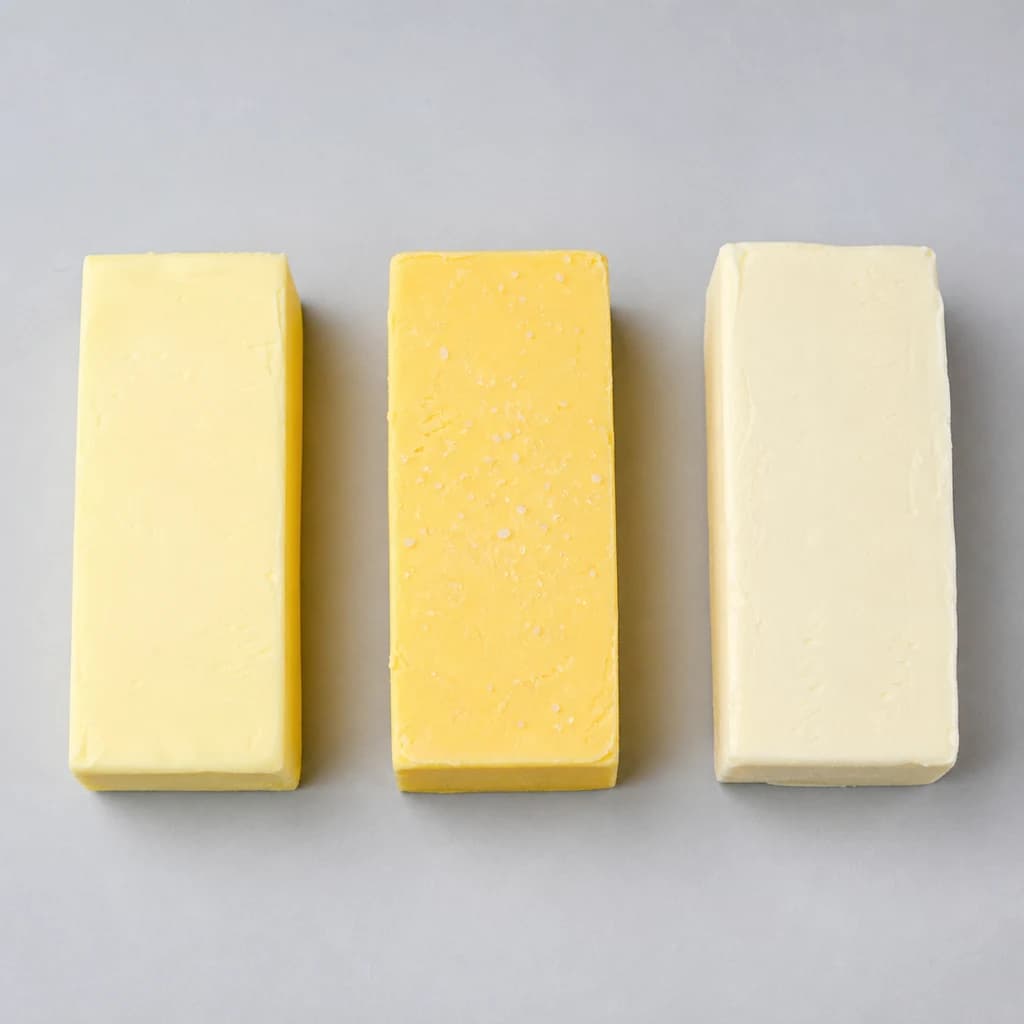
Golden fat for searing, baking, and finishing a sauce
Yogurt
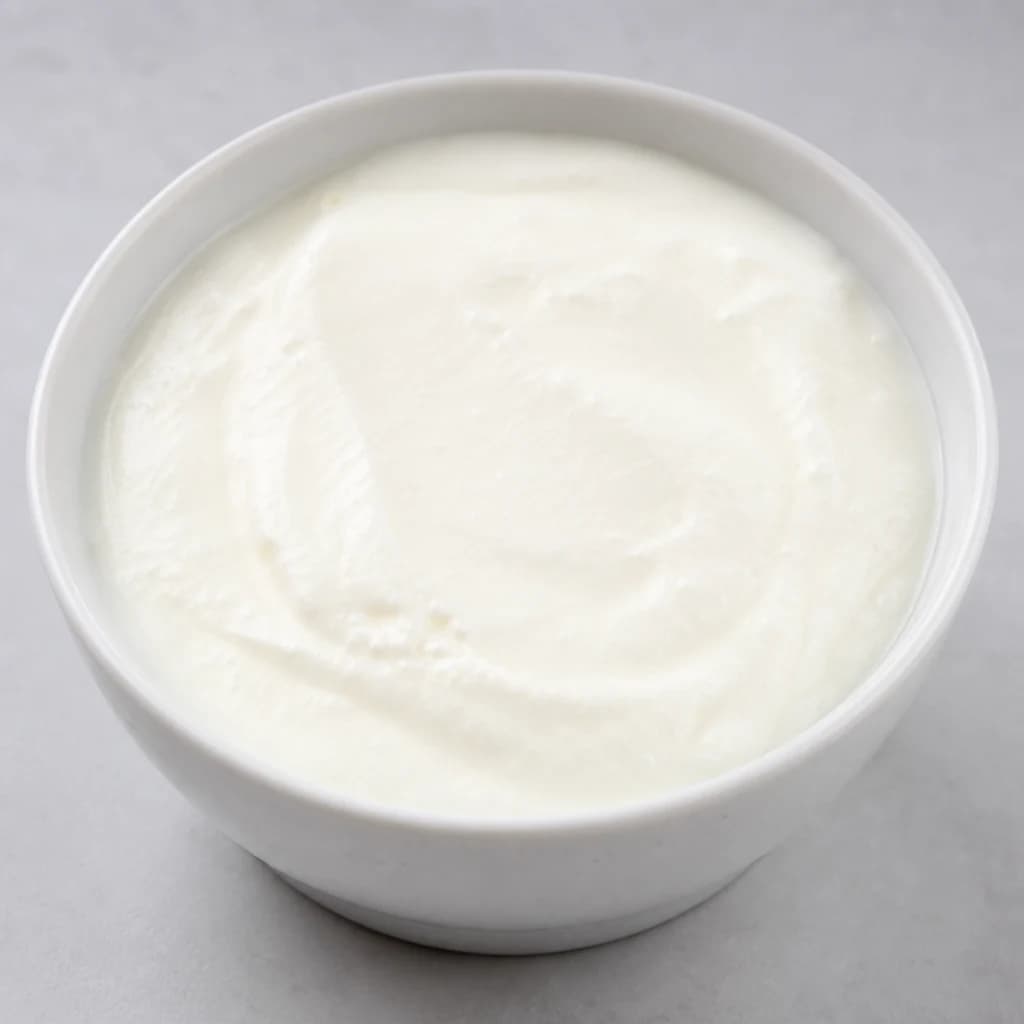
Tangy, creamy culture for breakfast, sauces, and marinades
Cheddar Cheese
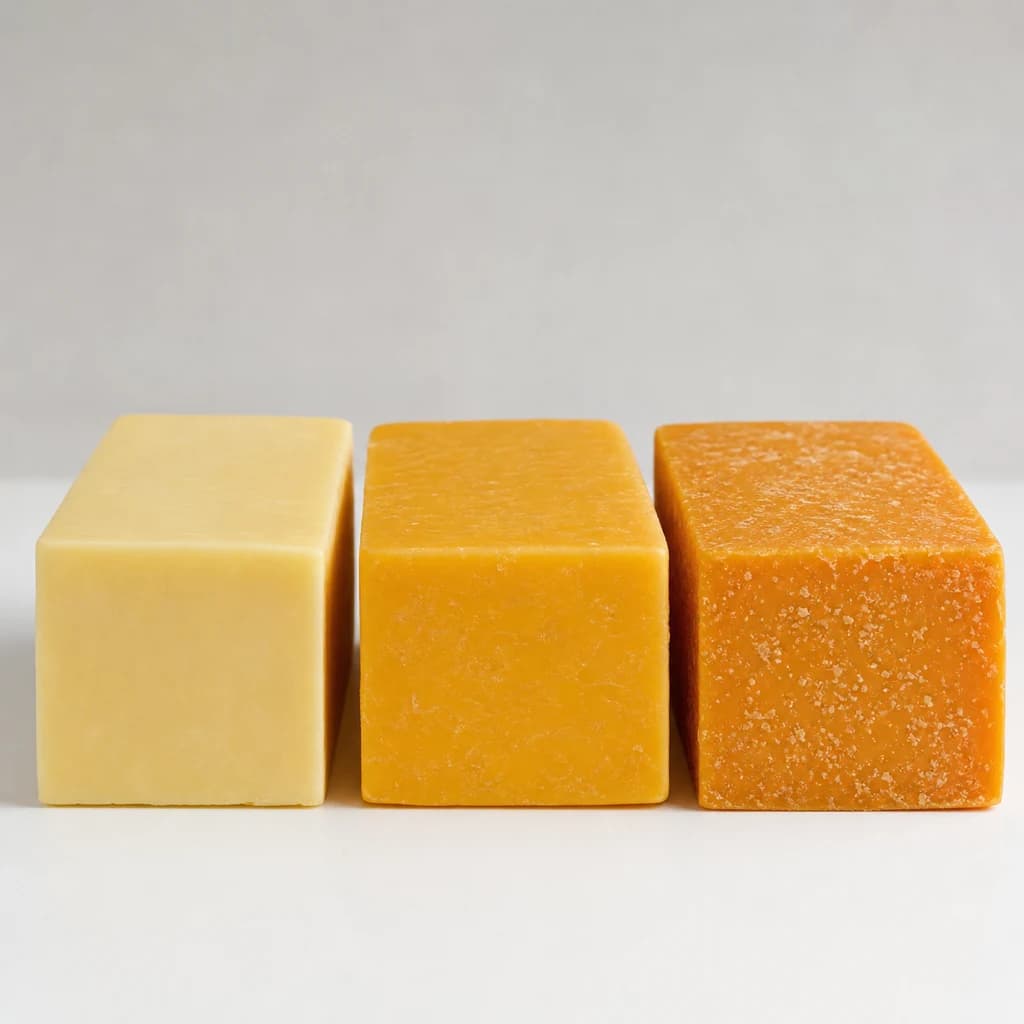
Sharp, melty cheese for sandwiches, gratins, and grating

Skim Milk
Fat-free milk for lighter drinking, coffee, and cooking
Heavy Cream
Rich cream that whips, enriches sauces, and sets ganache

Sour Cream
Tangy, thick cream for dolloping, baking, and dips
Mozzarella
Soft, milky cheese that melts into stretchy pizza pulls