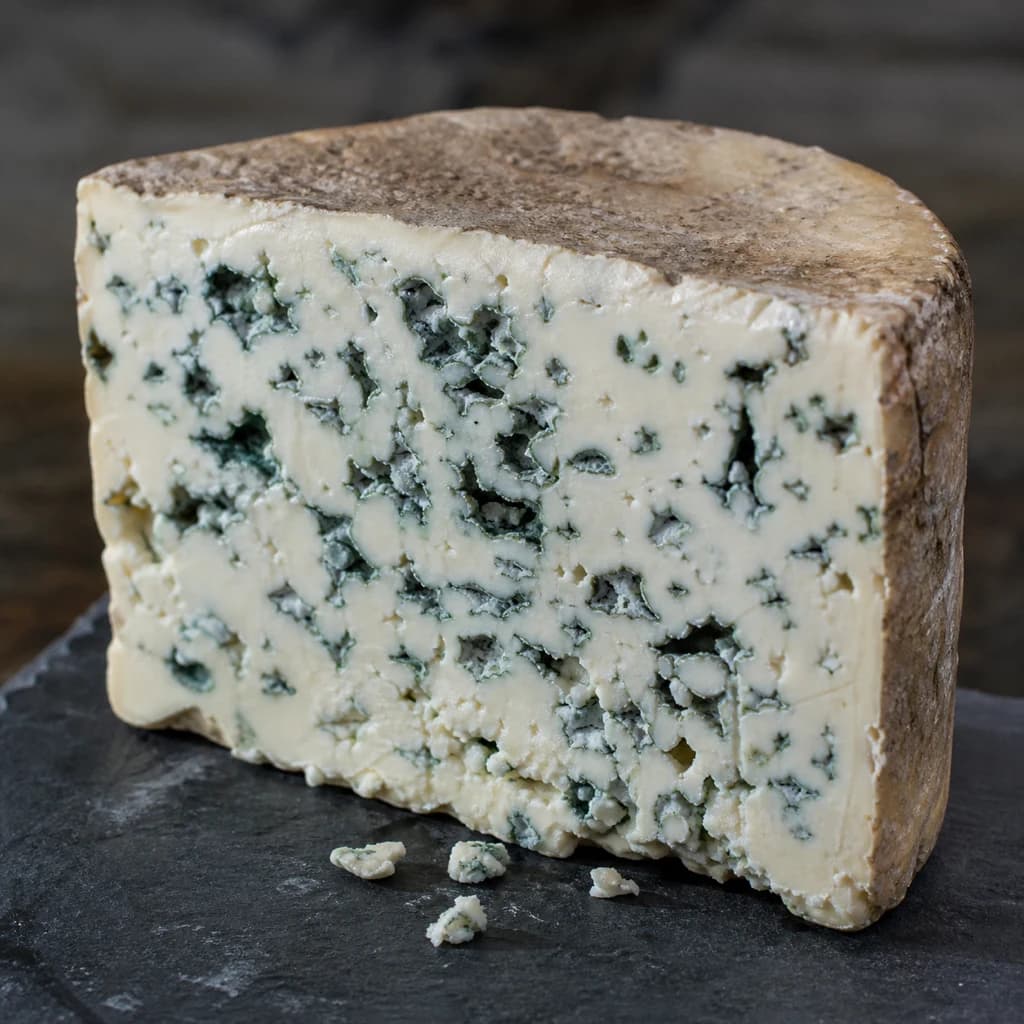
Natural form
A wedge of Roquefort showing its ivory body and dense blue-green veining throughout.
Teaches the cheese's characteristic crumbly texture, moist off-white paste, and unmistakable blue-green Penicillium veining that define Roquefort at a glance.
Dairy & Eggs
Roquefort
Intense French sheep's-milk blue cheese, crumbly and sharp for salads and sauces.
Roquefort is a famed French blue cheese made from sheep's milk and aged in the limestone caves of Roquefort-sur-Soulzon, where Penicillium roqueforti gives it blue-green veining. It is moist, crumbly, and intensely tangy and salty, used crumbled into salads, melted into sauces, or spread on bread with honey. Its sharp, complex bite makes it one of the world's most assertive blues.
Roquefort is one of the world's most celebrated blue cheeses, produced exclusively in the limestone caves of Mont Combalou in the village of Roquefort-sur-Soulzon, Aveyron, France. Made from 100% Lacaune sheep's milk, it is the first French cheese to have received AOC (Appellation d'Origine Contrôlée) protection in 1925—a designation that legally requires it to be aged in these specific caves. The distinctive blue-green veining develops naturally when Penicillium roqueforti, present in the cave air and historically in the bread used to start cultures, permeates the ivory-white paste during aging. The caves maintain a constant cool temperature and humidity that cannot be replicated elsewhere, contributing to Roquefort's singular character: a crumbly, moist, slightly sticky interior with an intense, tangy, salty profile and a subtle sweetness underlying its pungency. When a recipe specifies Roquefort, it is calling for this precise combination of sharpness, saltiness, and crumbly texture—not merely any blue cheese's generic tang.
- Measured in
- g
- Storage
- Fridge
Allergens
Types & varieties
The largest producer; slightly milder, creamier style
Traditional, drier, more intensely flavored
Smaller producer, known for robust, pungent character
Hand-crafted style, characteristic sharpness
Understanding AOC Protection
The AOC designation for Roquefort is not merely ceremonial—it is enforceable law. Only cheese made from sheep's milk, aged in the Combalou caves of Roquefort-sur-Soulzon, may bear the name. This protection ensures the unique cave environment, with its natural Penicillium roqueforti cultures and consistent cool temperature, contributes to every wheel. Generic "Roquefort-style" cheeses lack this provenance and typically cannot replicate the intensity or characteristic crumbly texture.
- Look for the AOC seal on packaging to guarantee authenticity
- Substitutes will differ in salt content, intensity, and moisture
Why Temperature Matters
Roquefort's complex aromatics are largely volatile compounds that remain locked in cold fat. Bringing the cheese to room temperature—roughly 18–20°C—allows these compounds to release, transforming a muted, almost bitter cold cheese into one with layered sweetness, tang, and the characteristic pungent aroma. Thirty minutes to one hour on the counter is sufficient for a typical 150g portion.
- Cold serving is the most common mistake with aged blue cheeses
- Even crumbled Roquefort in a salad benefits from tempering the crumbled pieces briefly
Common uses
Tips & pitfalls
- Always let Roquefort temper at room temperature before serving—cold dulls its complex aromatics.
- Store wrapped in wax paper or butcher paper, never airtight plastic, which causes it to sweat and deteriorate.
- A small amount goes a long way; its intensity means recipes typically use 50–75% less than a milder cheese.
- Authentic Roquefort has a slightly sticky natural rind—do not wash or trim it away.
- For crumbling cleanly, use unflavored dental floss or a hot, dry knife.
- When melting into sauces, add at the end over low heat to prevent greasiness and maintain texture.
- Quality Roquefort will have visible blue veining throughout with an earthy, cave-like aroma.
- Avoid purchasing pre-crumbled Roquefort, which loses moisture and flavor rapidly.
Nutrition
Energy
1544 kJ · per 100 g
Where the calories come from
Protein
21.5g
43% DV
Carbs
2g
1% DV
Fat
30.6g
39% DV
Fiber
0g
0% DV
Sodium
1809mg
79% DV
Source · USDA FoodData Central · approx. Cheese, roquefort
View on FDC →In the shops
Matched grocery products
No matched grocery products for Roquefort yet.
Good to know
- Origin
- Roquefort-sur-Soulzon, Aveyron, southern France
- Milk
- 100% sheep's milk (Lacaune breed)
- Aging
- Minimum 3 months in the natural Combalou mountain caves
- Certification
- AOC protected since 1925 (first French cheese to receive Appellation d'Origine Contrôlée)
- Texture
- Crumbly, moist, slightly sticky paste with blue-green veining
- Flavor
- Sharp, tangy, salty, with a slightly sweet undertone; intense and pungent
- Color
- Ivory-white paste with blue-green mold veins
- Storage
- Wrap in wax paper, then place in a loosely closed bag; store in refrigerator's vegetable drawer for up to 4 weeks
- Serving temperature
- Bring to room temperature 30–60 minutes before serving to develop full aroma and flavor
Substitutes
- Fourme d'Ambert — A milder French blue cheese from Auvergne; acceptable in salads and sauces when AOC Roquefort is unavailable.
- Bleu d'Auvergne — French cow's milk blue; slightly more buttery, good for sauces and melted applications.
- Stilton — English blue cheese; richer and less salty; works well in salads and as a table cheese.
- Gorgonzola Dolce — Italian sweet blue; milder and creamier; suitable for sauces and dressings.
Related

Whole Milk
Rich, full-fat milk for drinking, coffee, sauces, and baking
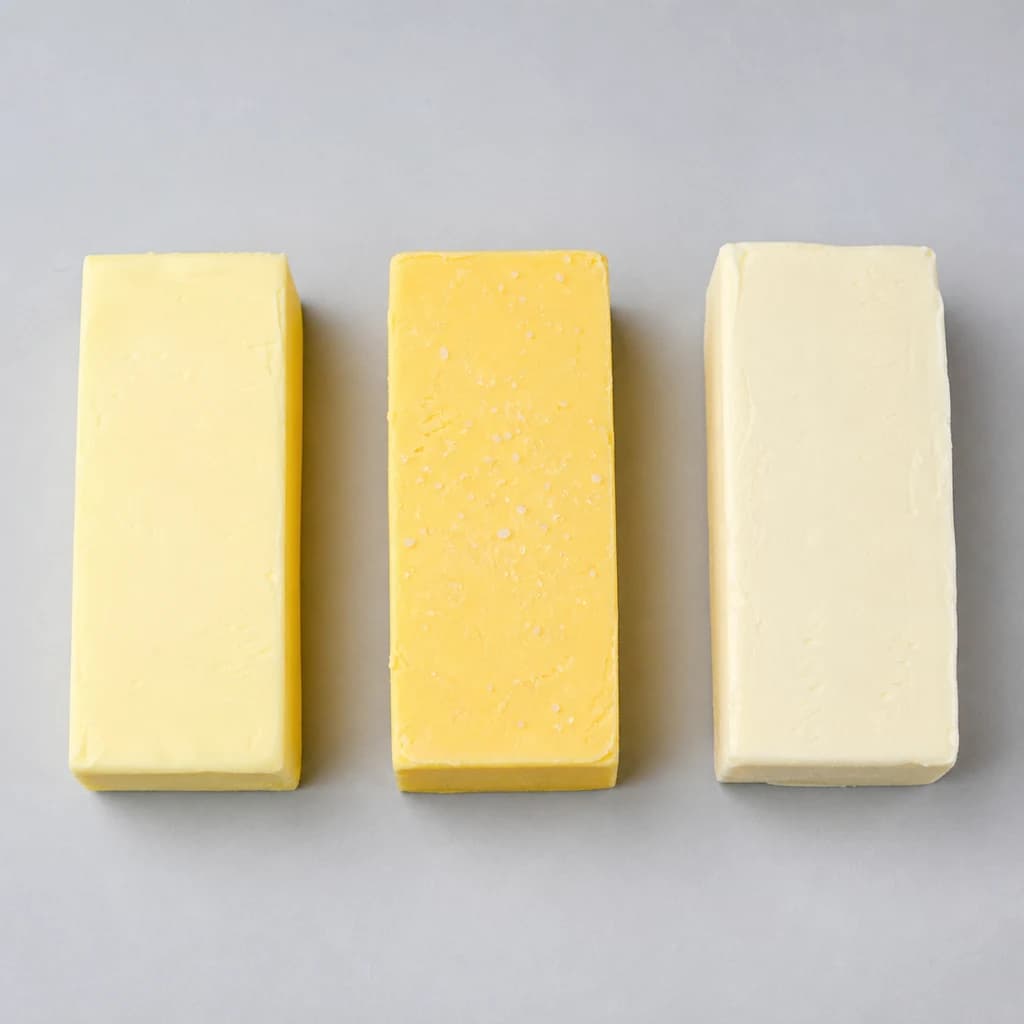
Butter
Golden fat for searing, baking, and finishing a sauce
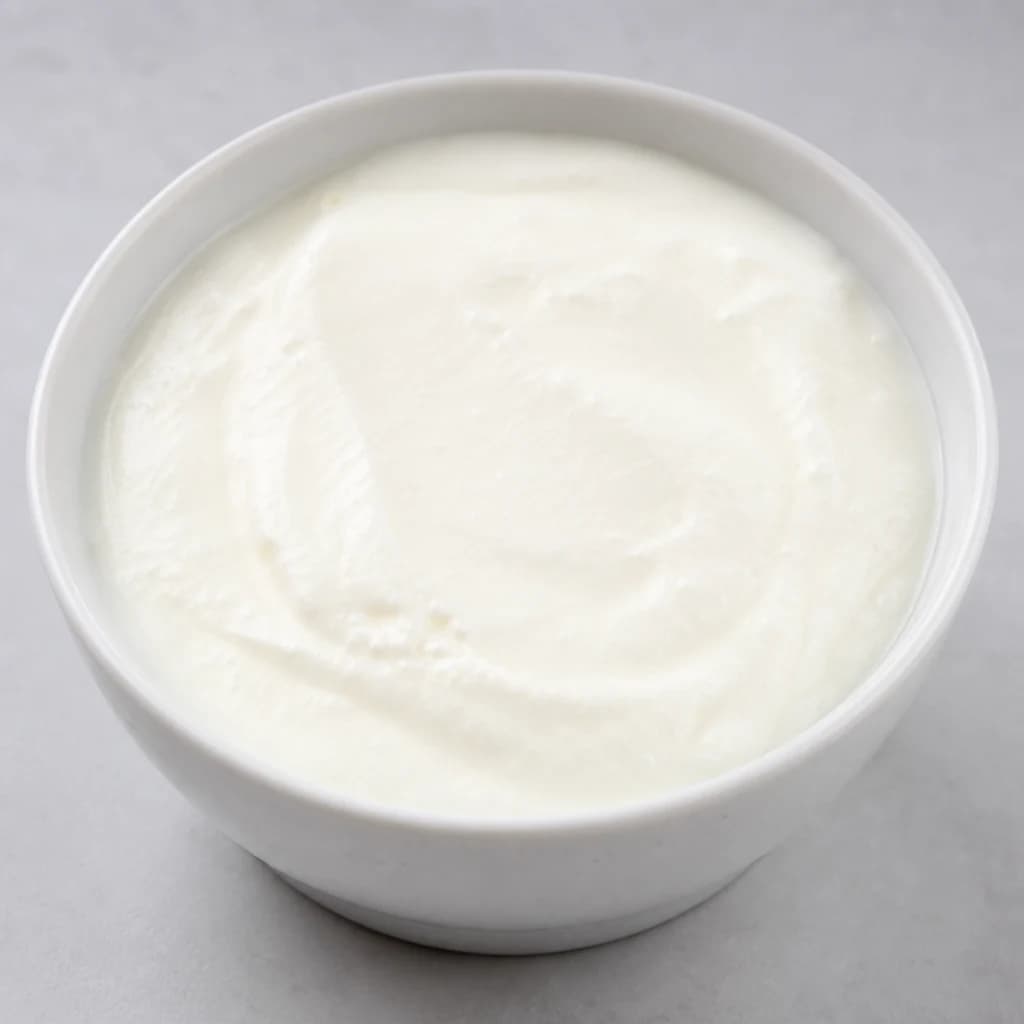
Yogurt
Tangy, creamy culture for breakfast, sauces, and marinades
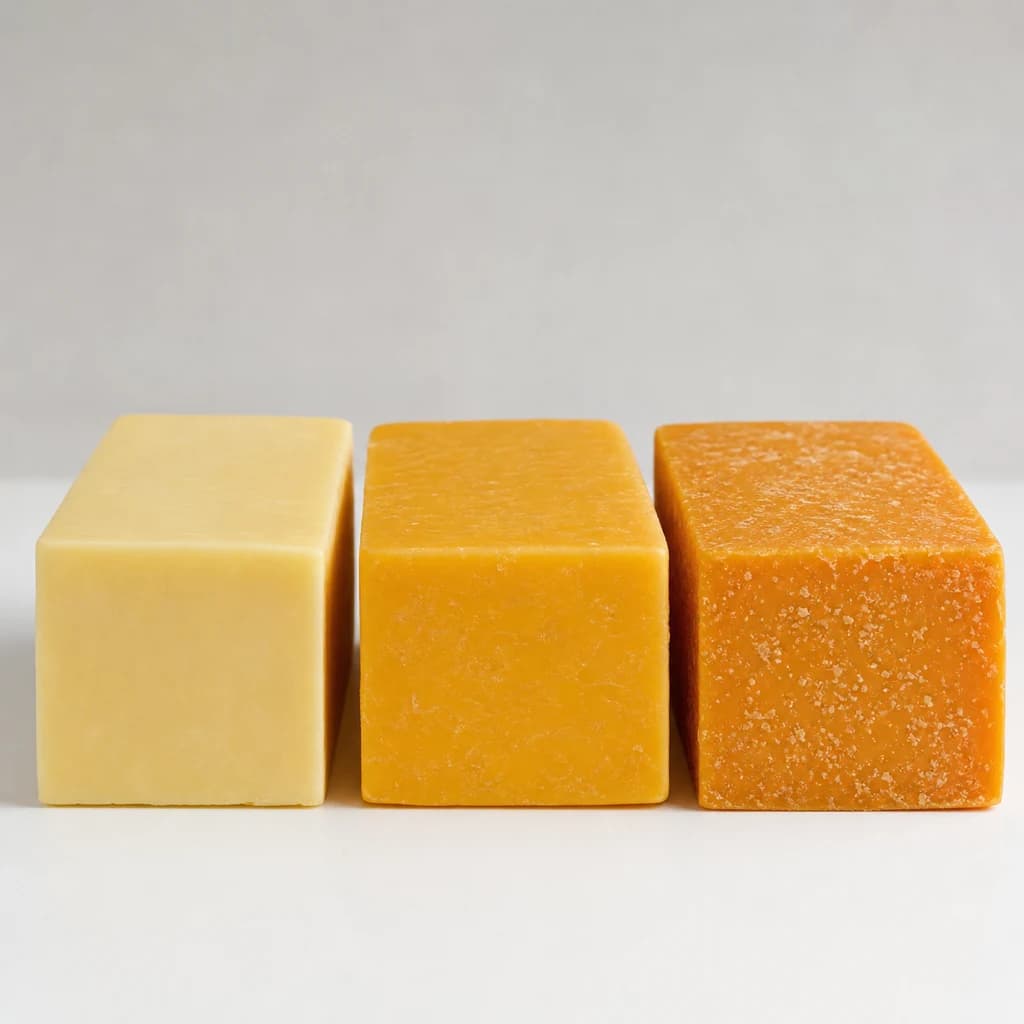
Cheddar Cheese
Sharp, melty cheese for sandwiches, gratins, and grating
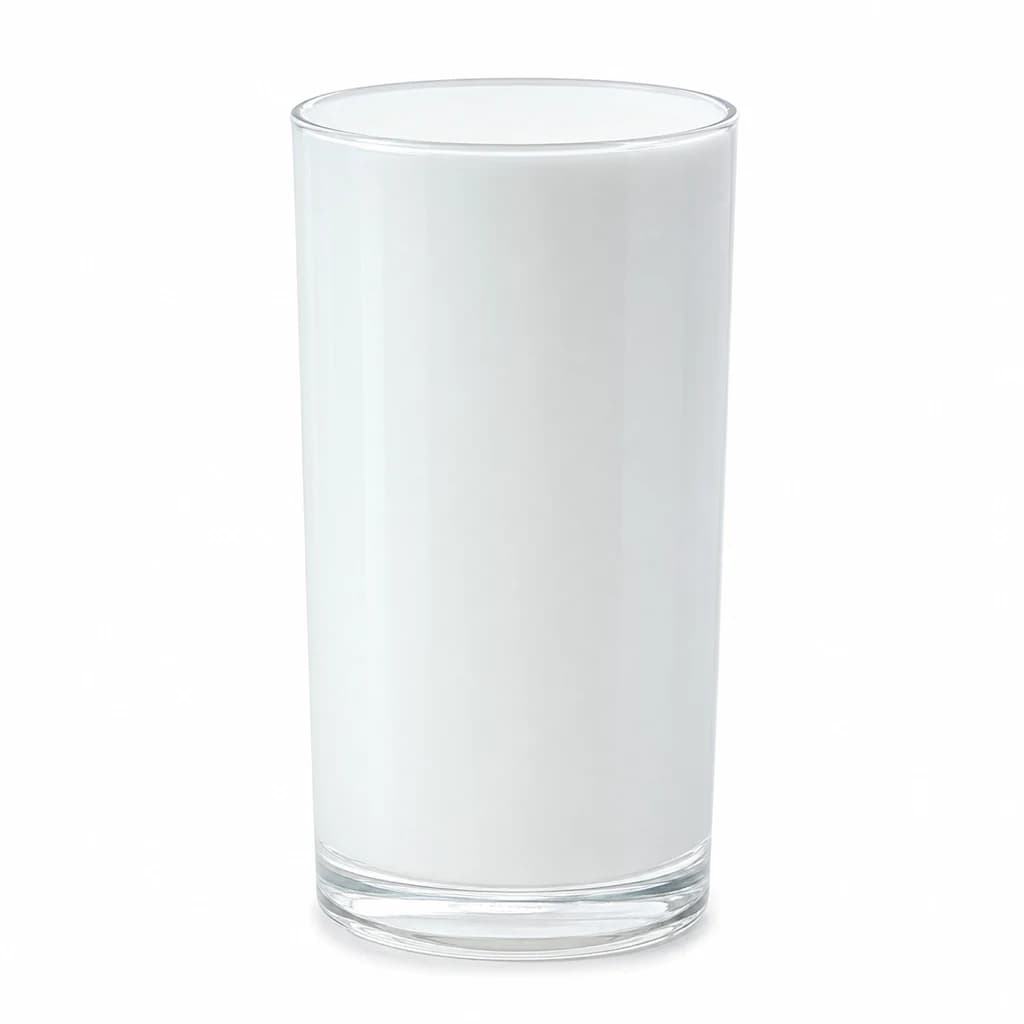
Skim Milk
Fat-free milk for lighter drinking, coffee, and cooking
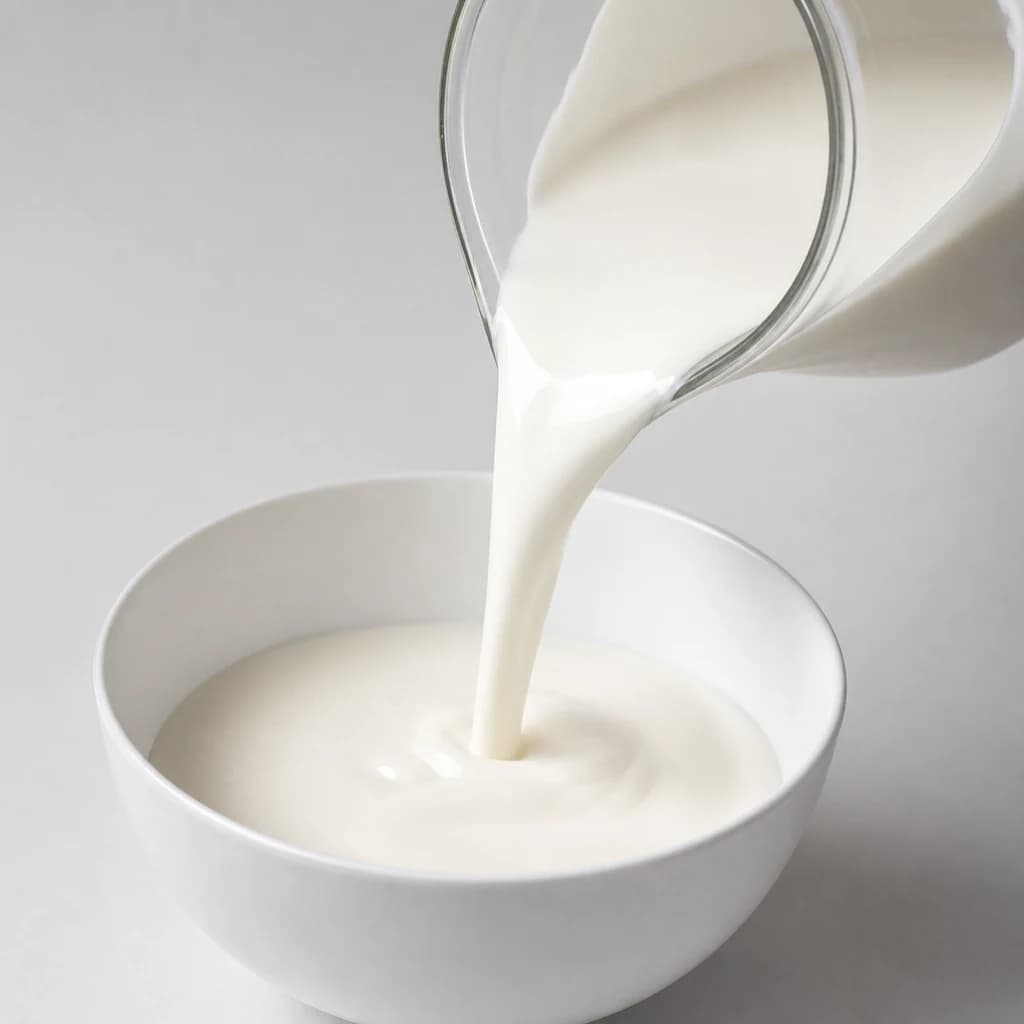
Heavy Cream
Rich cream that whips, enriches sauces, and sets ganache

Sour Cream
Tangy, thick cream for dolloping, baking, and dips
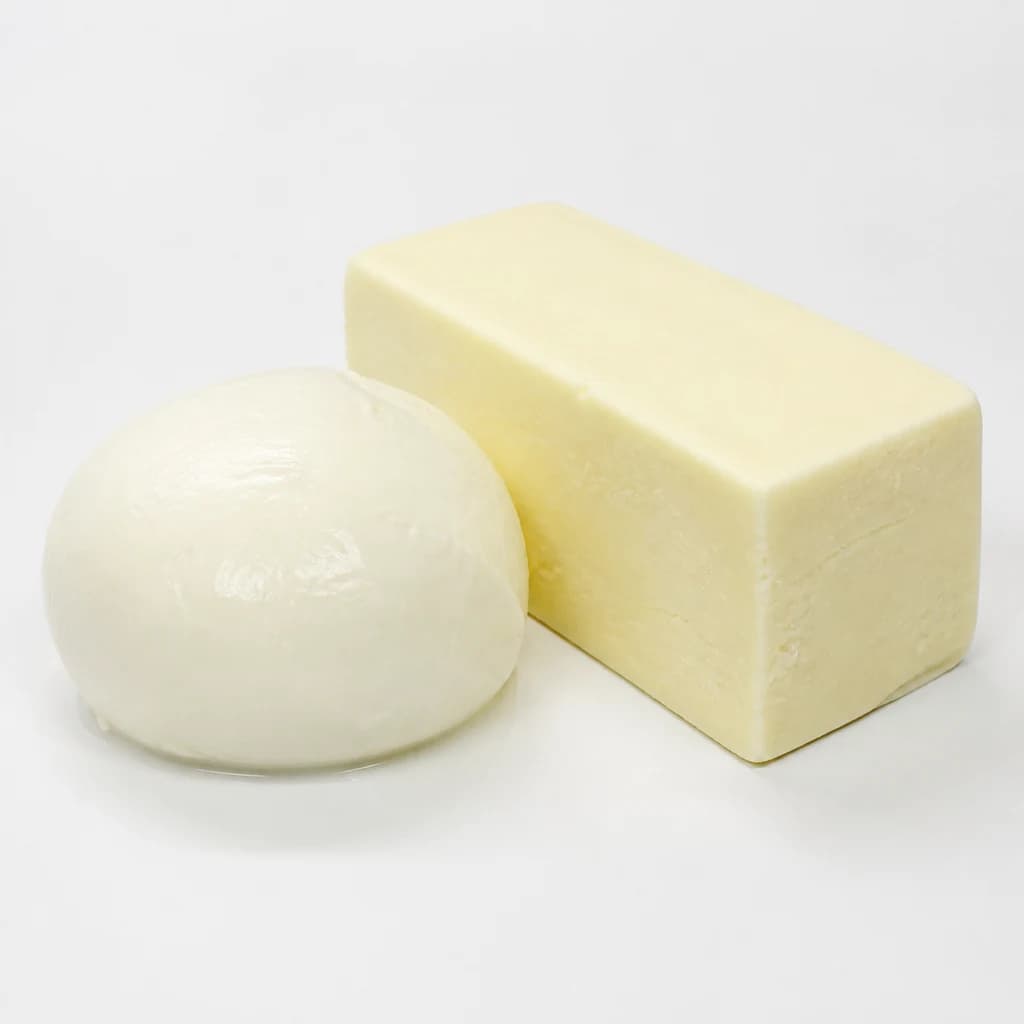
Mozzarella
Soft, milky cheese that melts into stretchy pizza pulls