Stored
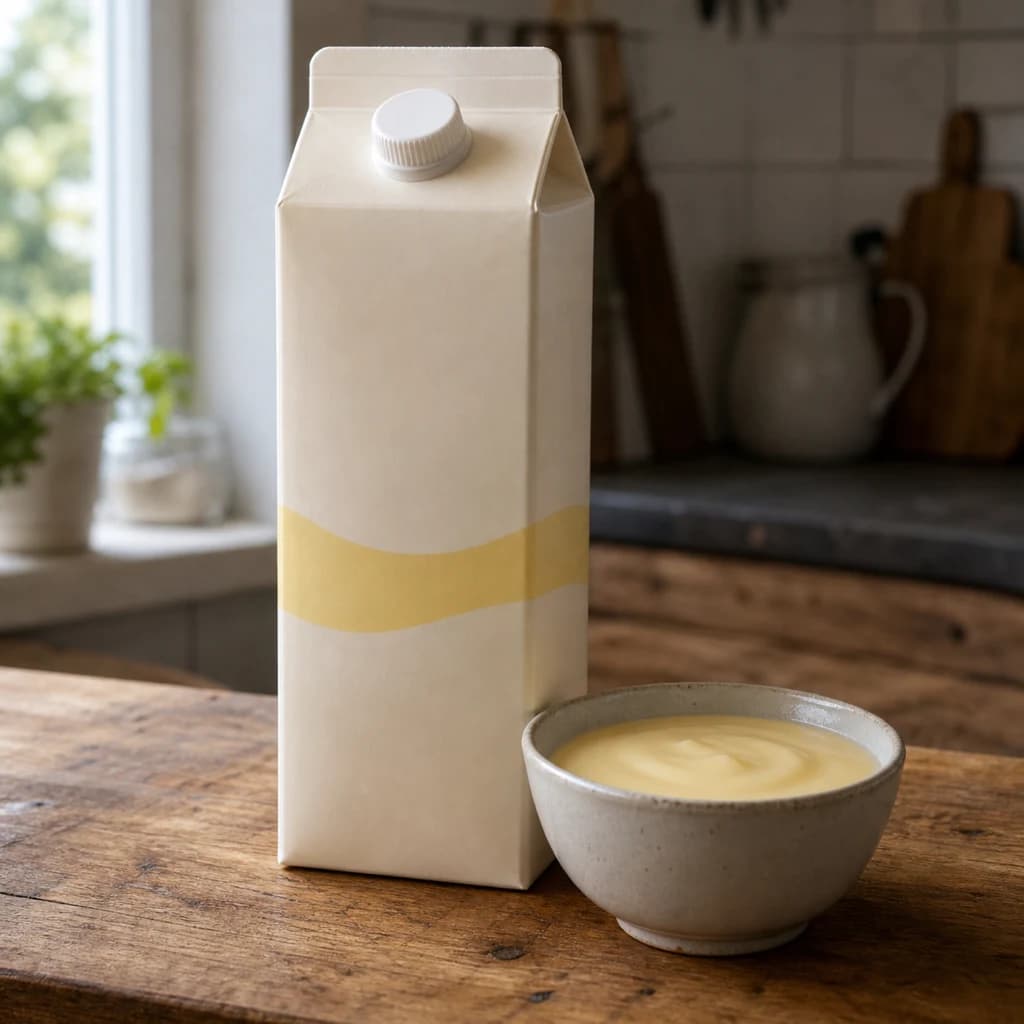
Vla sold in its familiar tall cardboard carton, the everyday Dutch dessert dairy packaging.
The carton is the primary way Dutch consumers encounter vla — showing it in context teaches recognition at the point of purchase.
Dairy & Eggs
Vla (Custard Drink)
Dutch pourable vanilla custard, drunk or spooned as a dessert in flavors like vanilla and chocolate.
Vla is a Dutch dairy dessert, a smooth, pourable custard made from milk, sugar, and starch, sold in cartons in flavors such as vanilla, chocolate, and caramel. Thinner than baked custard, it is poured into bowls or drunk, and often layered with yogurt or fruit. It is an everyday Dutch dessert staple.
Vla is a pourable vanilla custard that occupies a singular position in Dutch cuisine—equally at home as a beverage, a spooned dessert, or a sauce. Unlike French crème anglaise, which is classically served warm and immediately, Dutch vla is designed for versatility: it can be drunk from a cup between meals, eaten cold from the refrigerator with a spoon, or gently warmed to pour over cake. The texture is thick enough to coat a spoon but fluid enough to drink, a consistency achieved through the interplay of egg yolks, cornstarch, and whole milk. This is not a delicate custard demanding precision technique; vla is an everyday comfort food, produced commercially in cartons and sold alongside butter and eggs in every Dutch supermarket.
The product's cultural resonance in the Netherlands is difficult to overstate. Vla functions as a daily staple rather than a special-occasion dessert, consumed by children and adults alike. Commercial vla comes in both UHT (shelf-stable) and fresh refrigerated formats, and thickness varies noticeably between brands; Dutch consumers often hold strong, personal preferences about which supermarket brand has the ideal consistency. While vanilla remains the original and most beloved variety, vla has expanded to include chocolate, coffee, orange, and other flavors, yet it never strays far from its fundamental identity: a comforting, pourable custard that bridges the gap between drink and dessert.
- Measured in
- ml
- Storage
- Fridge
Allergens
Types & varieties
Original and most common variety; vanilla-flavored with pale yellow color
Chocolate-flavored, darker brown; made with cocoa or chocolate
Orange-flavored; popular seasonal variety, especially around Sinterklaas
Coffee-flavored; made with coffee extract or instant coffee
Banana-flavored; more common in children's varieties
Pistachio-flavored; premium or specialty variety
Butterscotch or caramel-flavored; richer, darker color
Plain, unsweetened or lightly sweetened base; used in cooking or for babies
Common uses
Tips & pitfalls
- Bring refrigerated vla to room temperature before serving for best texture and flavor; cold vla is too thick to pour pleasantly
- Warm gently in a saucepan over low heat if desired, stirring constantly to prevent scorching the bottom
- Do not microwave vla directly in the carton; transfer to a microwave-safe bowl and heat in short intervals, stirring between each
- Store opened vla covered or sealed in its original container to prevent absorption of refrigerator odors
- Use within 5–7 days of opening for best quality; UHT vla deteriorates faster once opened than when refrigerated
- Shake or stir before opening if separation has occurred; this is normal and does not indicate spoilage
- For a lighter result, fold whipped cream into vla at a 1:3 ratio before serving as a dessert
- Substitute for custard sauce in recipes calling for crème anglaise, adjusting thickness with milk if needed
- Select full-fat varieties for the richest flavor; diet or light versions have noticeably thinner texture and muted taste
Nutrition
Nutrition
No USDA FoodData Central match for Vla (Custard Drink) yet. We surface a per-100 g profile once a generic whole-food entry is matched and verified.
In the shops
Matched grocery products
No matched grocery products for Vla (Custard Drink) yet.
Good to know
- Type
- Pourable vanilla custard, dairy-based dessert-drink
- Origin
- Netherlands
- Primary Ingredients
- Whole milk, sugar, eggs, corn starch, vanilla flavoring
- Fat Content
- Typically 3–6% depending on brand and variety
- Shelf Life
- UHT sterilized: 6–12 months unopened; refrigerated: 5–7 days after opening
- Storage
- Cool, dark place unopened; refrigerate after opening
- Serving Temperature
- Room temperature or slightly warmed; not directly from refrigerator
- Typical Format
- Pre-packaged in cartons (500 mL, 1 L); also sold fresh from deli counters
- Available Forms
- UHT (shelf-stable), fresh/refrigerated, organic varieties
- Specialty Status
- Not a specialty item in the Netherlands; widely available in all supermarkets
Substitutes
- Crème anglaise — Classic French custard sauce; similar flavor and consistency but typically lighter and more fluid
- English custard (thickened) — Similar egg-and-milk base but may be thicker depending on recipe; adjust with milk
- Pastry cream (banketbakkersroom) — Thicker Dutch custard used for filling pastries; thin with milk for a pourable consistency
- Vanilla pudding (vlapudding) — Prepared instant or cooked vanilla pudding mix; similar flavor, may be slightly firmer
- Bird's Custard Powder — Instant custard powder dissolved in milk; yields comparable pourable custard with vanilla
- Homemade vla base — Milk, egg yolks, sugar, cornstarch, and vanilla cooked to similar texture; recipe widely available in Dutch cookbooks
Pairs with
Also called
vla · custard drink
Related

Whole Milk
Rich, full-fat milk for drinking, coffee, sauces, and baking
Butter
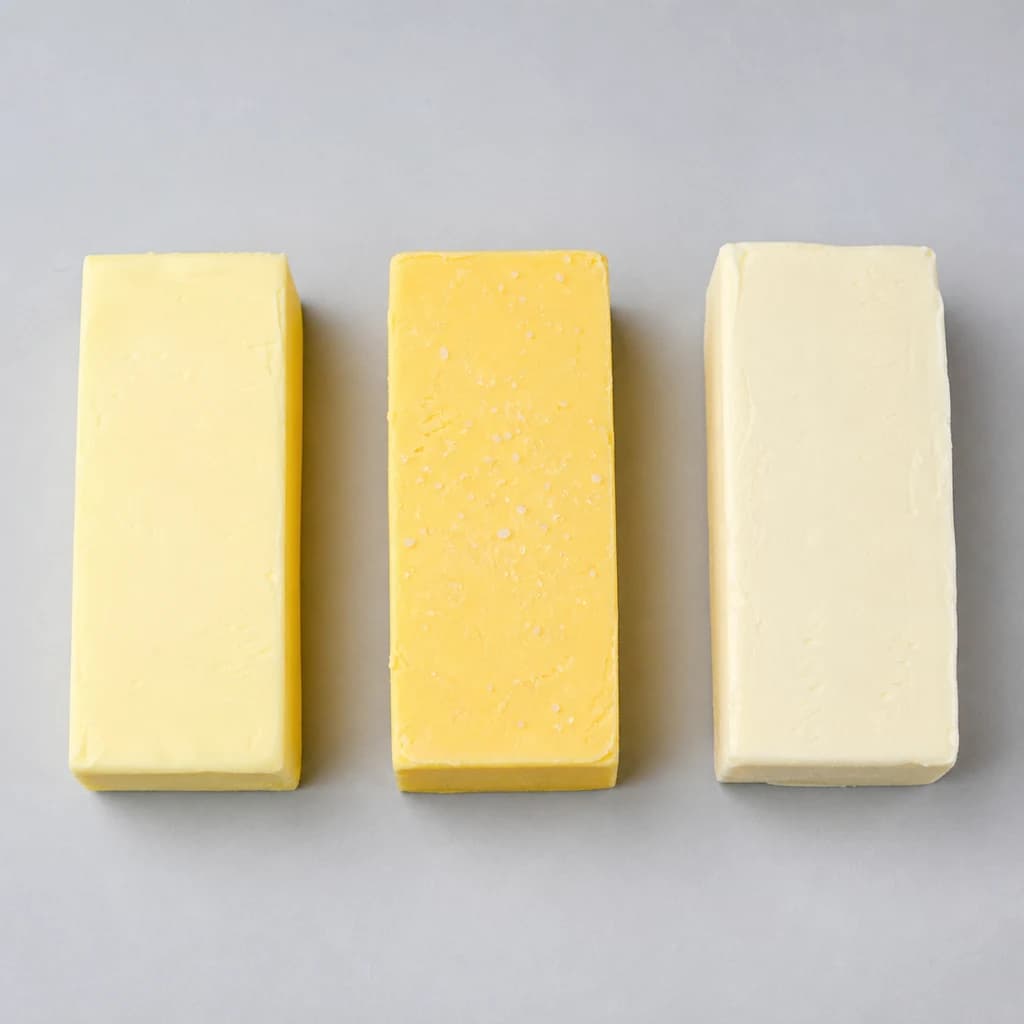
Golden fat for searing, baking, and finishing a sauce
Yogurt
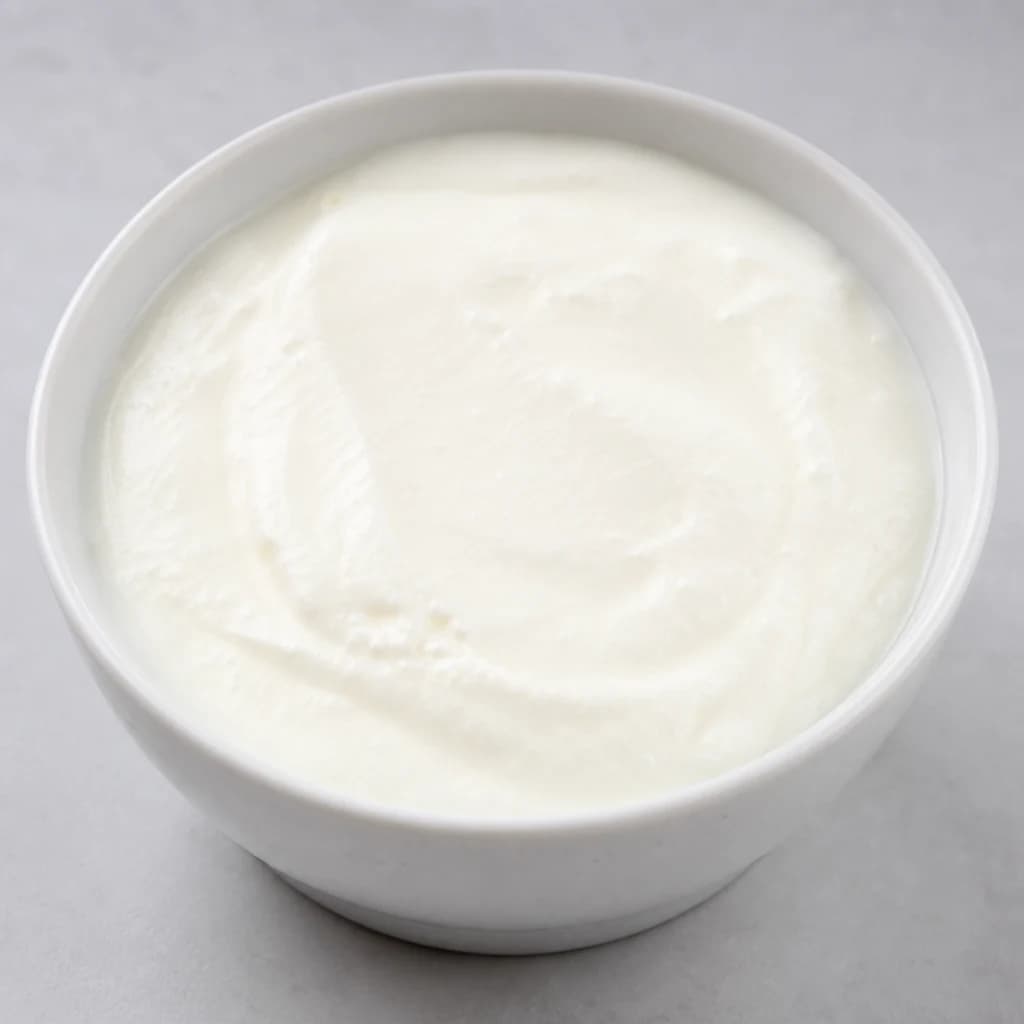
Tangy, creamy culture for breakfast, sauces, and marinades
Cheddar Cheese
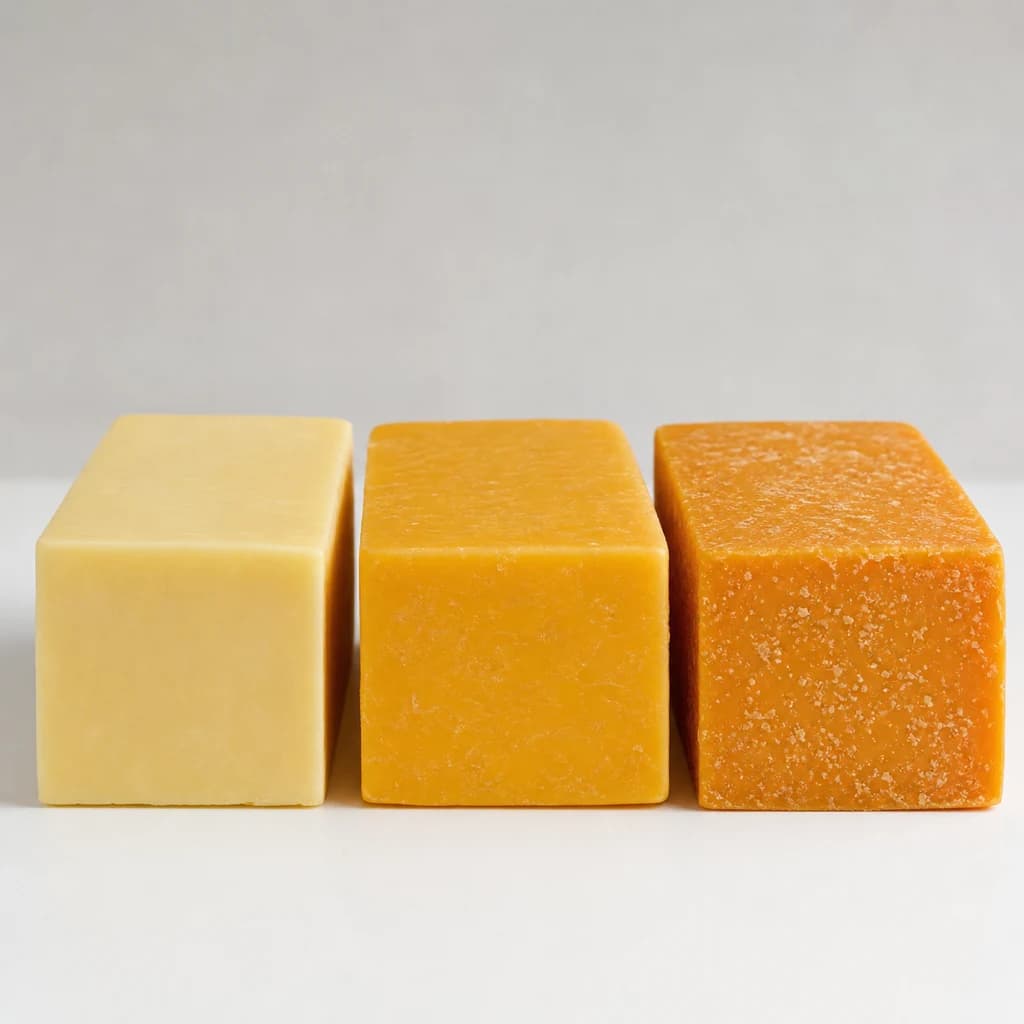
Sharp, melty cheese for sandwiches, gratins, and grating
Skim Milk
Fat-free milk for lighter drinking, coffee, and cooking
Heavy Cream
Rich cream that whips, enriches sauces, and sets ganache

Sour Cream
Tangy, thick cream for dolloping, baking, and dips
Mozzarella
Soft, milky cheese that melts into stretchy pizza pulls