
Ready to use
Freshly whipped cream mounded in soft peaks, ready to spoon onto desserts.
Shows the defining texture — billowy, airy soft peaks — that distinguishes whipped cream from liquid cream.
Dairy & Eggs
Whipped Cream
Heavy cream beaten with air into soft, light peaks, sweetened and used to top desserts.
Whipped cream is heavy or whipping cream beaten until air is incorporated and it holds soft or stiff peaks, often sweetened with sugar and flavored with vanilla. It is a classic topping for pies, cakes, hot drinks, and fruit, and a folding base for mousses and chantilly. The higher the fat content, the more stable the whip.
Whipped cream is the result of forcibly incorporating air into heavy cream, transforming a liquid into a light, airy foam. The mechanism relies on fat globules in cream surrounding and trapping air bubbles during vigorous whisking, creating a network that gives whipped cream its structure. Without sufficient fat—at minimum 30%, and preferably 36% or higher—the protein phase cannot stabilize the air pockets, and the cream will not hold its form. Temperature plays a decisive role in the outcome: cold cream below 40°F whips more slowly but produces fine, stable bubbles, while warm cream whips quickly but yields large, unstable bubbles that deflate rapidly. The transformation from liquid to soft peaks to stiff peaks to butter happens quickly once whipping begins, and the line between each stage is narrow. Understanding these fundamentals allows you to predict behavior and avoid the most common pitfall—over-whipping into butter, which is irreversible once the fat fully coalesces and expels the liquid.
- Measured in
- ml
- Storage
- Fridge
Allergens
Types & varieties
sweetened with powdered sugar and vanilla, named for the Château de Chantilly
French variant, sometimes stabilized with gelatin for longer hold
whipped cream folded with pastry cream at 1:1 ratio for piping stability
pastry cream base with incorporated whipped cream and gelatin, holds shape for hours
mascarpone added to heavy cream for richness and structural stability
contains gelatin or cornstarch to hold peaks for hours at room temperature
chilled full-fat coconut cream whipped with sweetener; dairy-free alternative with slight coconut taste
Heavy cream whipped to soft peaks with sugar and vanilla. Lighter and sweeter than plain whipped cream, it crowns tarts, profiteroles, berries, and hot chocolate.
The Science of Fat and Air
The magic of whipped cream lies in fat globule behavior. In unwhipped cream, fat globules move freely in the liquid. As you whisk, you force air into the cream, and the fat globules begin to cluster around the air bubbles, coating them. This fat-air network is what gives whipped cream its structure. Light cream (18-30% fat) cannot achieve this—the protein phase dominates and the structure collapses. Light whipping cream (30-36%) sits right at the threshold, producing unstable, grainy results. Only heavy cream with 36-40% fat reliably creates the stable foam you want. When you over-whip past stiff peaks, the fat globules fully coalesce into a continuous fat matrix, squeezing out the liquid (the residual buttermilk) and forming butter grains. At this point, you have irreversibly crossed from whipped cream into butter, and the process cannot be reversed by simply stopping.
- Fat content below 30% prevents stable foam formation
- Fat content of 30-36% produces unstable, poor results
- 36-40% fat creates reliable, stable whipped cream
- Over-whipping coalesces fat globules into butter
When Whipped Cream Fails
Most whipped cream failures stem from temperature or fat content. Warm cream whips almost instantly but produces large, fragile bubbles that collapse within minutes—the cream looks whipped but deflates on your dessert. Cream that won't whip at all is almost always too warm or too low in fat. The grainy, broken appearance that signals approaching butter is actually preceded by a subtle warning: the cream loses its glossy sheen and becomes slightly gritty. If you see this, stop immediately. Once butter forms, you can salvage it for baking but cannot restore it to whipped cream. A common misconception is that adding salt prevents whipping—it does not. Salt slightly enhances perceived sweetness and may marginally improve stability, but it does not inhibit aeration. If your whipped cream weeps liquid within 30-60 minutes at room temperature, it lacks stabilization; for piped decorations that must hold, gelatin-stabilized versions are essential.
- Warm cream produces large bubbles that collapse quickly
- Cream that won't whip is too warm or too low in fat
- Grainy texture with lost sheen indicates approaching butter
- Salt does not prevent whipping but slightly enhances flavor
Common uses
Tips & pitfalls
- Chill mixing bowl and whisk/beaters for 15-30 minutes before starting—this is non-negotiable for stable results
- Add sugar only after soft peaks begin to form to avoid hindering initial aeration
- Include 1/4 teaspoon cream of tartar or a few drops of lemon juice to speed up whipping for older cream
- Stop at soft or firm peaks—the cream continues stiffening briefly after resting, so err on the side of under-whipping
- If cream turns grainy and loses sheen, you've passed stiff peaks and are approaching butter—stop immediately
- For gelatin-stabilized version: bloom 1 tsp unflavored gelatin in 1 tbsp cold water, dissolve in microwave, cool slightly, then whisk into cream during final whipping
- Use powdered sugar instead of granulated—it dissolves immediately and the cornstarch aids stability
- A pinch of salt enhances perceived sweetness without affecting whipability, contrary to popular myth
- For diplomat cream: fold stabilized whipped cream into pastry cream at 1:1 ratio to create a stable mixture for piping intricate decorations
- For dairy-free coconut version: refrigerate full-fat coconut milk cans overnight, scoop solid cream layer, discard liquid, whip with sweetener
Nutrition
Energy
1075 kJ · per 100 g
Where the calories come from
Protein
3.2g
6% DV
Carbs
12.5g
5% DV
Fat
22.2g
28% DV
Fiber
0g
0% DV
Sugars
8g
of which
Sodium
8mg
0% DV
Source · USDA FoodData Central · Cream, whipped, cream topping, pressurized
View on FDC →In the shops
Matched grocery products
No matched grocery products for Whipped Cream yet.
Good to know
- Primary Ingredient
- Heavy cream (36-40% fat)
- Minimum Fat Content
- 30% to whip; 36%+ recommended for reliable results
- Optimal Temperature
- 35-40°F (1.7-4°C) for fine, stable bubbles
- Yield
- Approximately doubles in volume when whipped
- Sweetener Ratio
- 2 tbsp powdered sugar per cup of cream
- Whip Time
- 3-5 minutes by hand, 1-2 minutes with electric mixer
- Over-whip Stage
- Butter forms immediately past stiff peaks
- Storage
- Up to 4 hours refrigerated; does not freeze well
Substitutes
- Coconut Whipped Cream — Refrigerate full-fat coconut milk cans overnight, scoop solid cream layer, discard liquid, whip with powdered sugar. Vegan, but imparts a slight coconut taste.
- Mascarpone Mixture — Whip mascarpone with heavy cream and powdered sugar. Richer, thicker consistency than plain whipped cream; holds up better for piping.
- Italian Meringue — Hot sugar syrup poured into whipped egg whites creates a stable, dairy-free foam that can be torched. More technical but holds at room temperature for hours.
- French Meringue — Sugar gradually beaten into egg whites. Dairy-free, stable structure, and can be baked (as in meringue shells) for long-term storage.
- Aquafaba Meringue — Whip chilled chickpea liquid (aquafaba) with cream of tartar to stiff peaks. Vegan, virtually flavorless when whipped, but requires more time to achieve stability.
- Commercial Whipped Topping — Products like Cool Whip. Stable, convenient, requires no preparation, but contains additives and stabilizers and lacks fresh cream flavor.
Pairs with
Also called
whipped cream · chantilly · chantilly cream
Appears in these dishes
Related

Whole Milk
Rich, full-fat milk for drinking, coffee, sauces, and baking
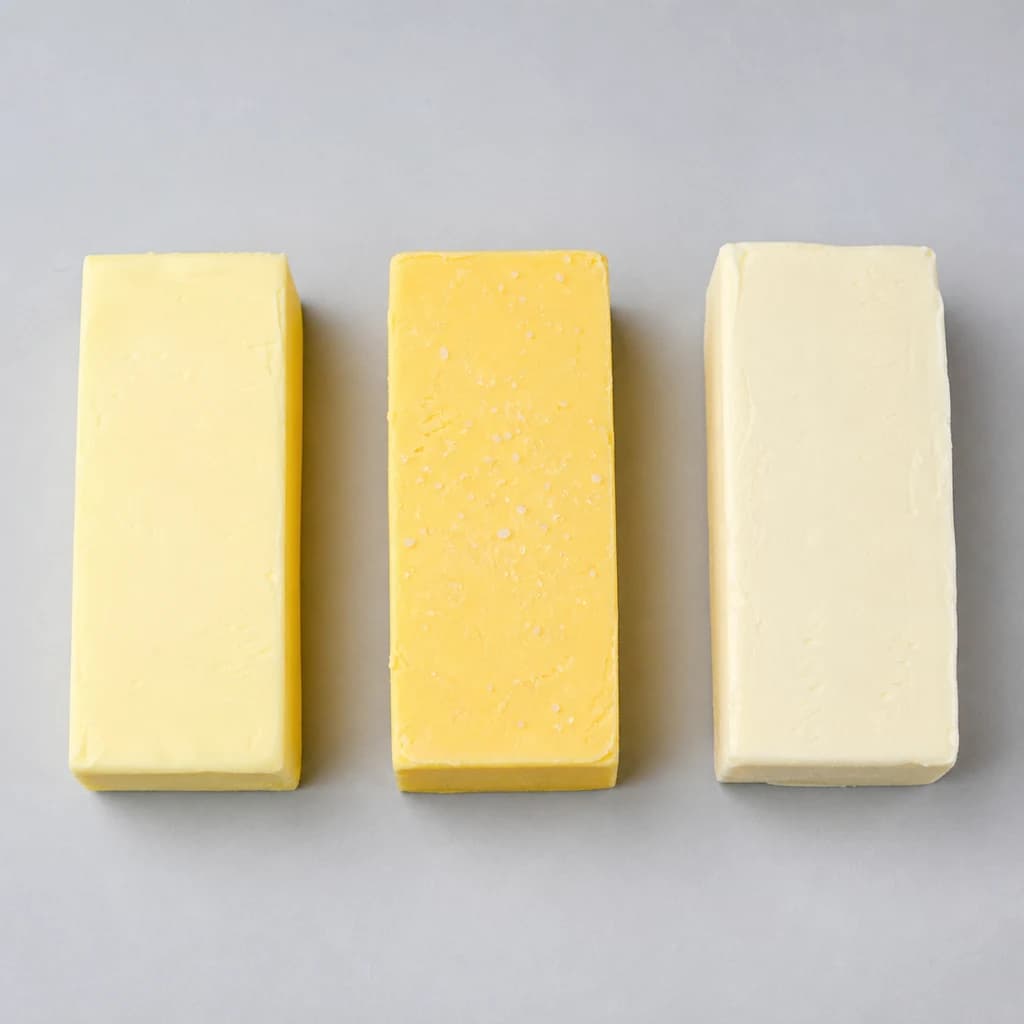
Butter
Golden fat for searing, baking, and finishing a sauce
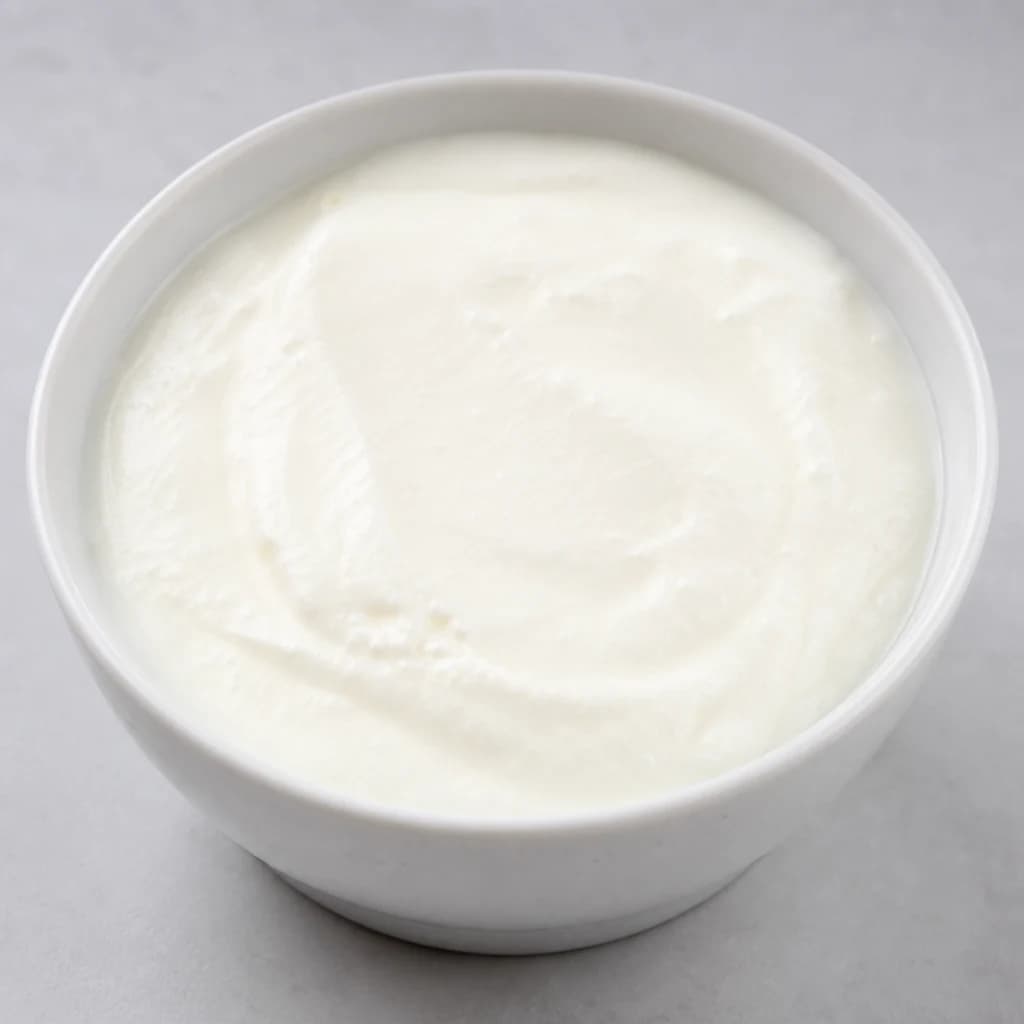
Yogurt
Tangy, creamy culture for breakfast, sauces, and marinades
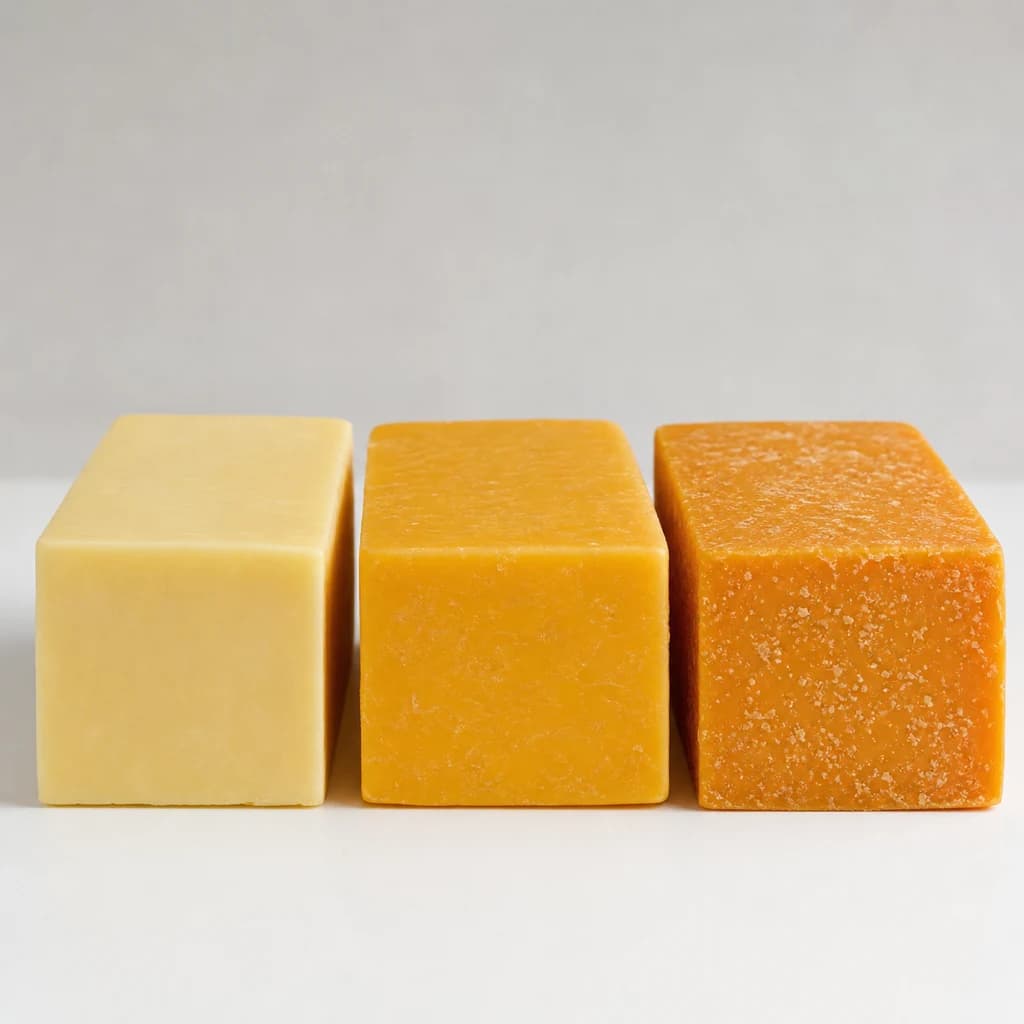
Cheddar Cheese
Sharp, melty cheese for sandwiches, gratins, and grating
Skim Milk
Fat-free milk for lighter drinking, coffee, and cooking
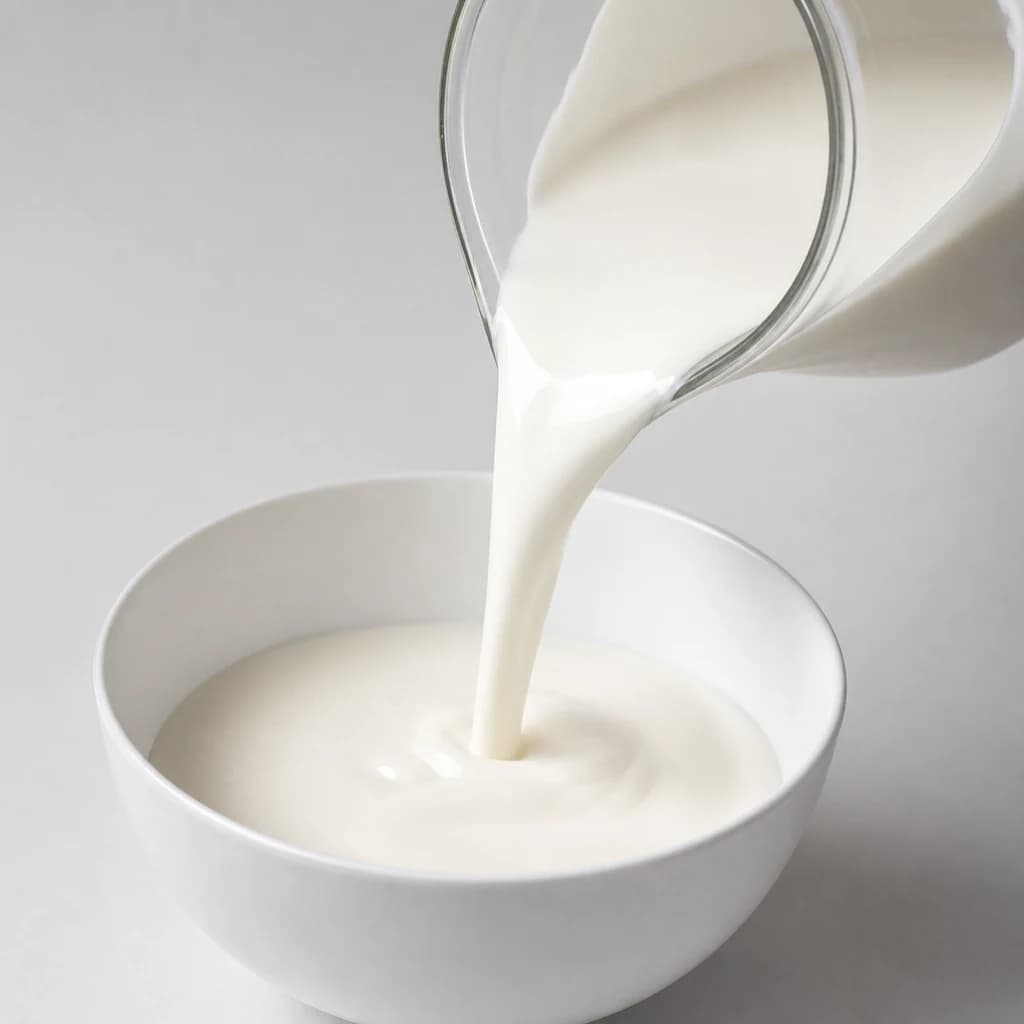
Heavy Cream
Rich cream that whips, enriches sauces, and sets ganache

Sour Cream
Tangy, thick cream for dolloping, baking, and dips
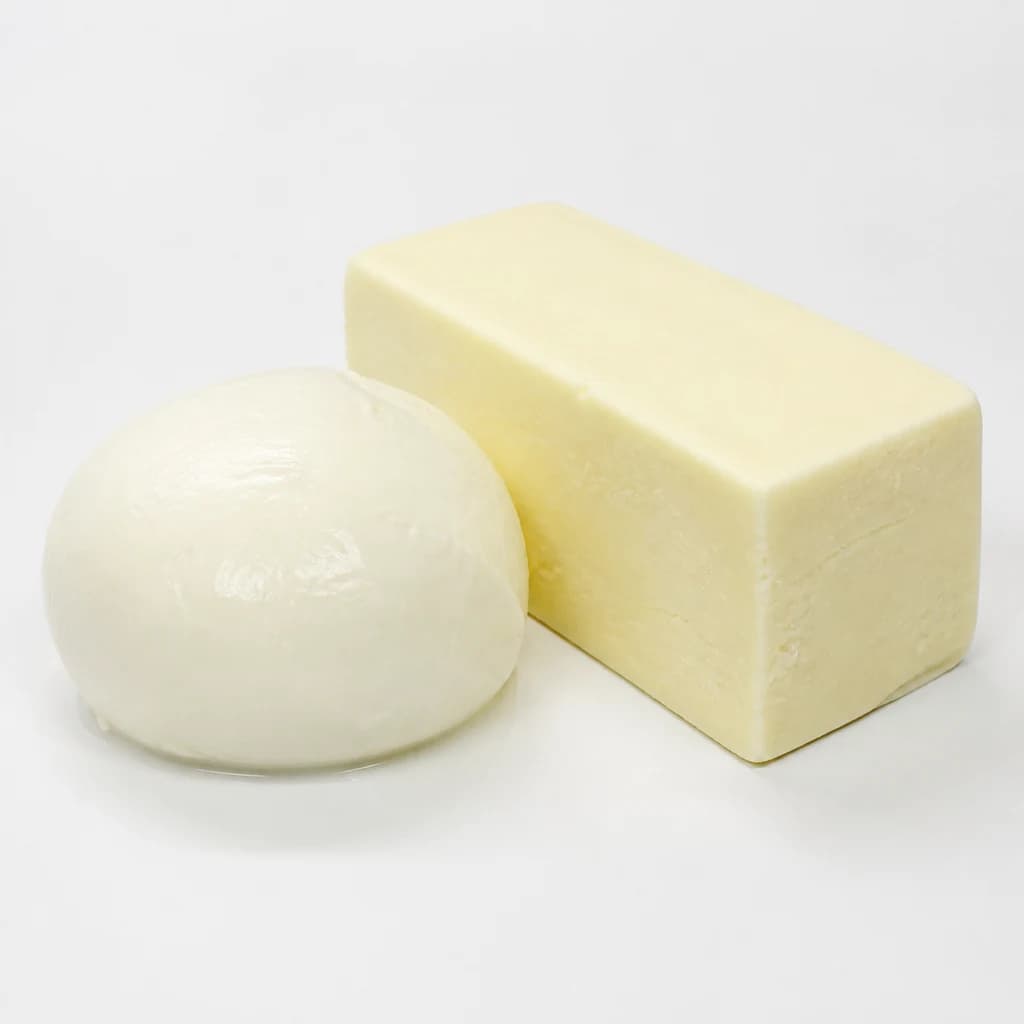
Mozzarella
Soft, milky cheese that melts into stretchy pizza pulls