Grains & Rice
Weet-Bix
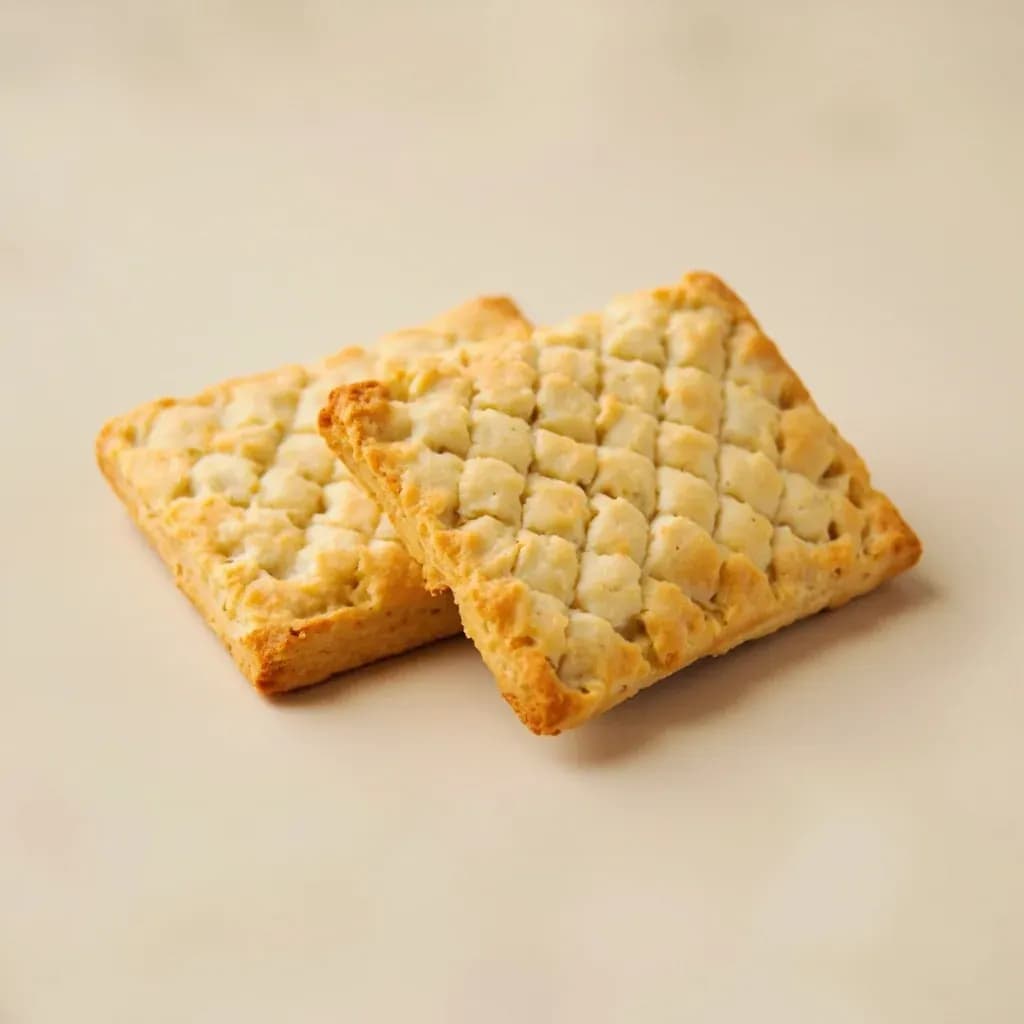
Australian wholegrain wheat breakfast biscuits eaten with milk or crumbled into bakes.
Weet-Bix are compressed wholegrain wheat breakfast biscuits, an iconic Australian and New Zealand cereal. They are typically softened with milk and eaten with sugar or fruit, and are also crumbled into slices, muffins and meatballs as a binder. The plain, malty wheat flavor makes them a versatile pantry staple.
Weet-Bix are compressed wholegrain wheat breakfast biscuits produced by Sanitarium Health Food Company in Australia since 1966. Unlike loose cereals, the biscuits are first cooked (extruded and baked) then compressed, which gelatinizes the starches and creates their characteristic dense, dry snap. This manufacturing process is key to their performance: the compression gives them structural integrity that loose cereals lack, allowing them to hold their shape in baking while still absorbing liquid efficiently. The Original variety contains no added cane sugar, relying on the natural sweetness of the wheat grain — a positioning so central to the brand that their iconic slogan reads "Aussie kids are sweet enough." At roughly 4g of soluble fiber per two-biscuit serving, they deliver meaningful nutrition alongside their functional versatility.
In Australia, Weet-Bix occupies a cultural space distinct from both North American cold cereals and European muesli. The standard serving is 44g (two biscuits) with 125ml of reduced-fat milk, eaten quickly before the biscuits lose their pleasant crunch. Their low sugar content (approximately 1.7g per serving in the Original) makes them adaptable beyond the breakfast bowl. The dense biscuit structure means they crumble into clean, consistent crumbs for baking and coating, absorb moisture evenly for binding savory mixtures, and toast well as a textured topping. Though similar in appearance to the UK-produced Weetabix, Weet-Bix is a distinctly Australian product with its own formulation and cultural identity.
The brand has expanded significantly since launch. The Gluten Free variety (around 2014) uses rice and maize to replicate the compressed-biscuit format for coeliac consumers, though the flavor and binding properties differ noticeably from the wheat original. For home cooks, understanding these formulation differences matters: the rice-based version absorbs and releases moisture differently, requiring recipe adjustments when substituting in baking.
- Measured in
- piece
- Storage
- Pantry
Allergens
Types & varieties
The classic formulation; wholegrain wheat, no added cane sugar, high fiber
Reduced sugar variant with similar nutritional profile to Original
Enhanced fiber content; identifiable by brown packaging; nearly double the fiber per serving
Rice and maize base instead of wheat; replicates compressed-biscuit format for coeliac consumers; flavor and binding properties differ noticeably
Smaller biscuits sized for children; marginally sweeter than Original
Added flavor boosters such as honey and cinnamon; NOT low sugar — treat as sweetened cereal
Why Compression Matters for Cooking
The compression process distinguishes Weet-Bix from loose cereals in ways that directly affect cooking performance. When the cooked wheat dough is compressed, the starches gelatinize and the structure becomes dense yet porous enough to absorb liquid quickly. This means a biscuit will soften in warm milk within minutes but will still hold its shape better than loose flakes when folded into a slice mixture. In binding applications (patties, fish cakes, meat loaves), the biscuit fragments create interlocking structure as they hydrate, similar to how breadcrumbs work but with a cleaner, milder wheat flavor. The compression also means crumbs cut more uniformly than hand-crushed loose cereal, which produces inconsistent dust-and-chunk ratios.
- Use a food processor for uniform fine crumbs in baking
- Hand-crush for varied texture in coatings and toppings
- The biscuit absorbs moisture fast — work quickly when using as a binder
The Crunch Window
Weet-Bix loses its pleasant crunch rapidly once moistened. Within 2–3 minutes in milk, the texture transitions from snap to soft. This is not a flaw — it is the intended eating experience — but it matters for how you serve them. Add milk just before eating rather than soaking ahead of time. If you want porridge-style softness immediately, warm the milk slightly before pouring; cold milk produces a more gradual, pleasant softening. For children or those with swallowing difficulties who need softer texture, brief soaking (30–60 seconds) in warm milk is standard practice.
- Use a wide, shallow bowl to control milk distribution and prevent uneven sogginess
- Unsweetened milk varieties (reduced-fat, oat, almond) complement the low-sugar formulation
- Avoid adding fruit before eating — acids accelerate softening
Common uses
Tips & pitfalls
- Add milk just before eating — Weet-Bix loses its pleasant snap within 2–3 minutes and becomes excessively soft if soaked ahead of time
- Use a wide, shallow bowl rather than a deep one to control milk distribution and prevent one side from becoming waterlogged
- For baking, crumble biscuits finely using a food processor for even distribution; for a coarser crumb topping, crush by hand to retain varied texture
- Store opened packets in an airtight container — the biscuits absorb atmospheric moisture readily and lose their characteristic snap within days if left exposed
- Do not substitute Weet-Bix Gluten Free for standard Weet-Bix in baking without adjusting liquid ratios — rice and maize absorb and release moisture differently than wheat, which will affect binding and texture
- For maximum fiber intake, choose the Hi Fibre variety — the formulation difference is substantial (nearly double the fiber per serving)
- Warm the milk slightly before soaking if you prefer a softer, porridge-like texture immediately rather than waiting for cold milk to gradually soften the biscuits
- When using as a coating for fried proteins, toast the crumbs in a dry pan first until golden — this sets the texture and prevents the coating from becoming gummy during frying
Nutrition
Nutrition
No USDA FoodData Central match for Weet-Bix yet. We surface a per-100 g profile once a generic whole-food entry is matched and verified.
In the shops
Matched grocery products
No matched grocery products for Weet-Bix yet.
Good to know
- Type
- Compressed wholegrain wheat breakfast biscuit cereal
- Brand
- Sanitarium Health Food Company (Australia)
- First released
- 1966 in Australia
- Base ingredient
- Wholegrain wheat (minimum 95% wheat grain)
- Typical serving
- 2 biscuits (44g) with 125ml reduced-fat milk
- Fiber content
- Approximately 4g per 2-biscuit serving (high in soluble fiber)
- Sugar content
- Approximately 1.7g per serving (Original, unsweetened variety)
- Shelf life
- 12+ months in sealed packaging; 2–4 weeks once opened
- Storage (opened)
- Cool, dry place in airtight container
Substitutes
- Weetabix (UK/North American brand) — Functionally identical compressed wholegrain wheat biscuit; different brand, same cooking applications and serving method
- Oatibix / Oat cereal biscuits — Oat-based equivalent; slightly different flavor profile and higher fat content; suitable for wheat-free diets
- Plain shredded wheat biscuits (e.g., Shredded Wheat) — North American equivalent; less compressed, so crumbles more easily; similar cereal application but less suited to baking crusts
- Rolled oats (quick-cooking) — Different texture but similar binding role in baking; use 1:1 substitution by weight; produces denser, chewier results than wheat-based biscuits
- Plain wheat bran cereal (e.g., All-Bran) — Comparable fiber and grain base; does not provide the biscuit structure needed for baking crusts or coatings; better for increasing fiber in existing recipes
Pairs with
Also called
Weetbix · Weetabix
Related

White Rice
Fluffy long-grain rice — the neutral base for almost any meal

White Bread
Soft sandwich loaf for toast, sandwiches, and crumbs
Brown Rice
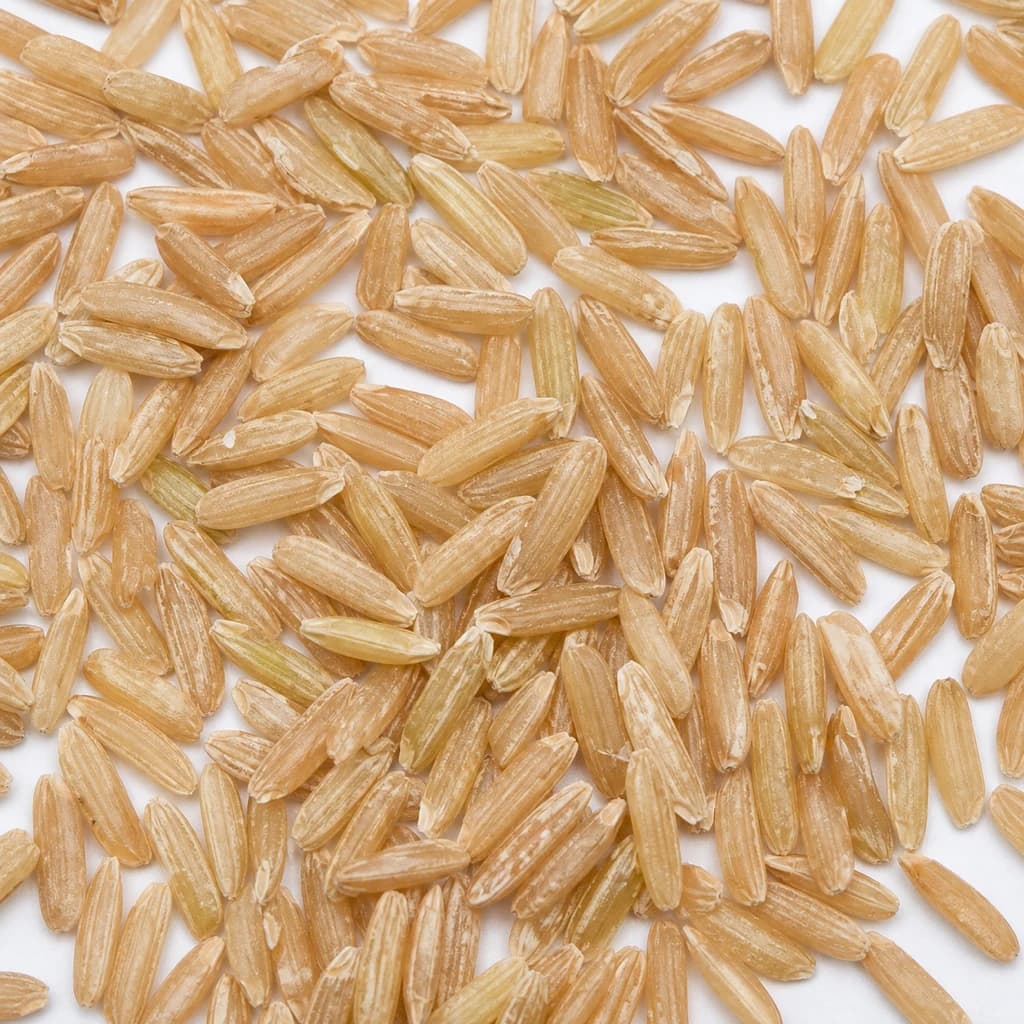
Nutty, whole-grain rice with chew and extra fiber

Basmati Rice
Fragrant, long-grain rice that cooks up light and separate
Jasmine Rice
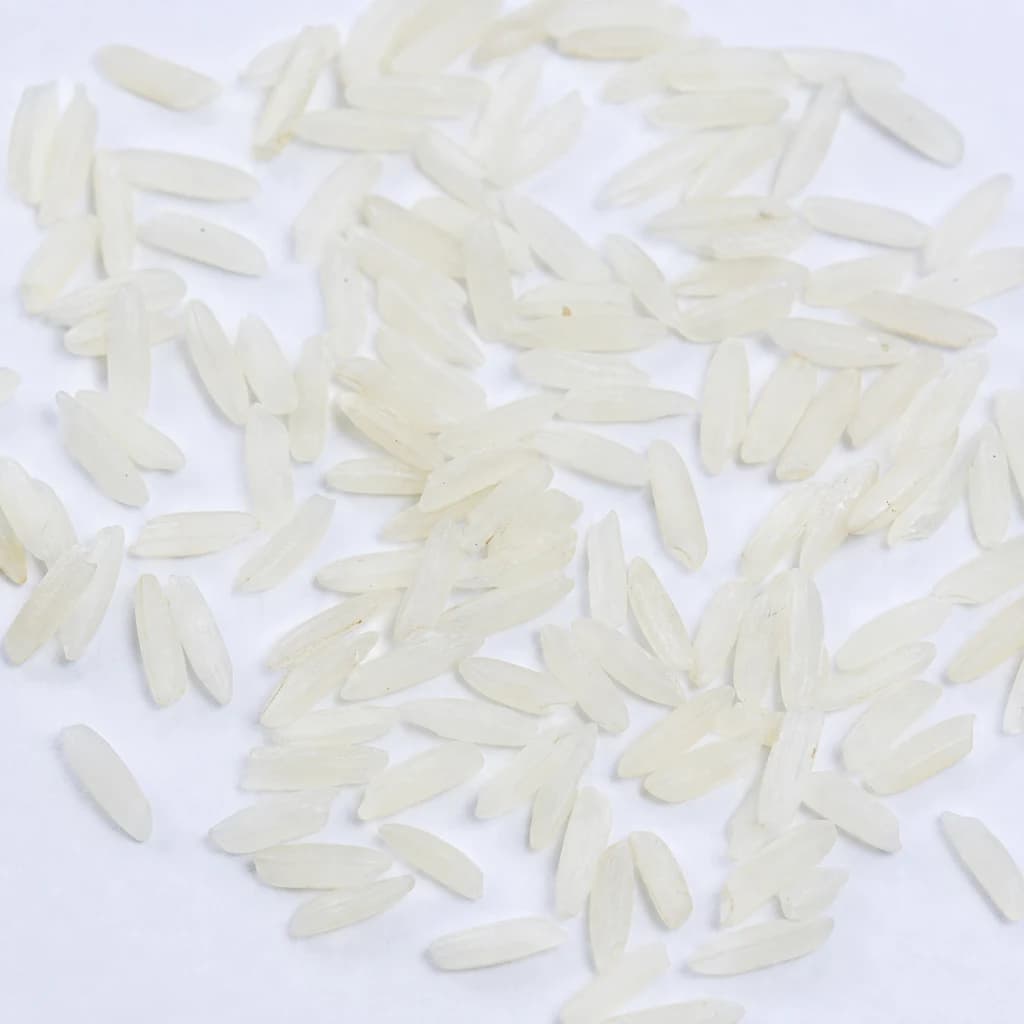
Soft, floral-scented rice that's the pillar of Thai meals
Arborio Rice
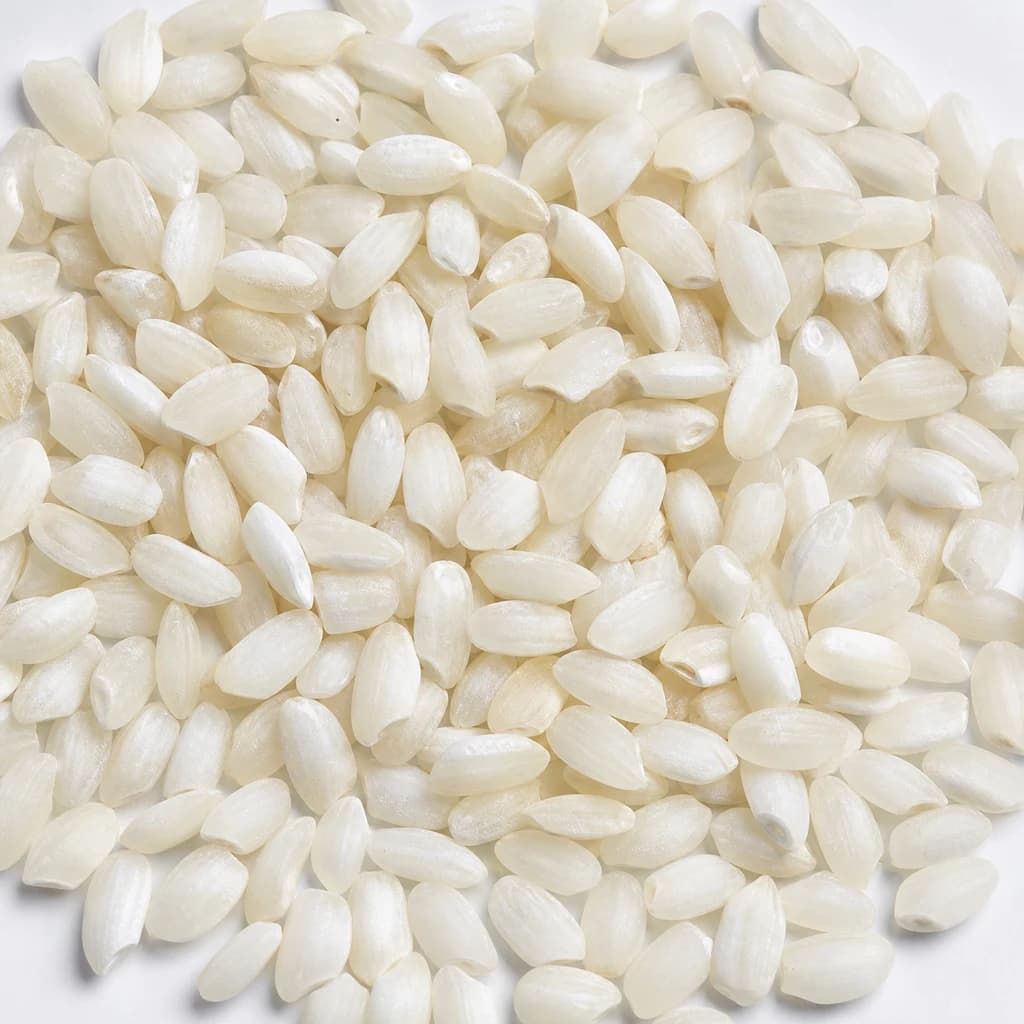
Plump, starchy rice that makes risotto creamy
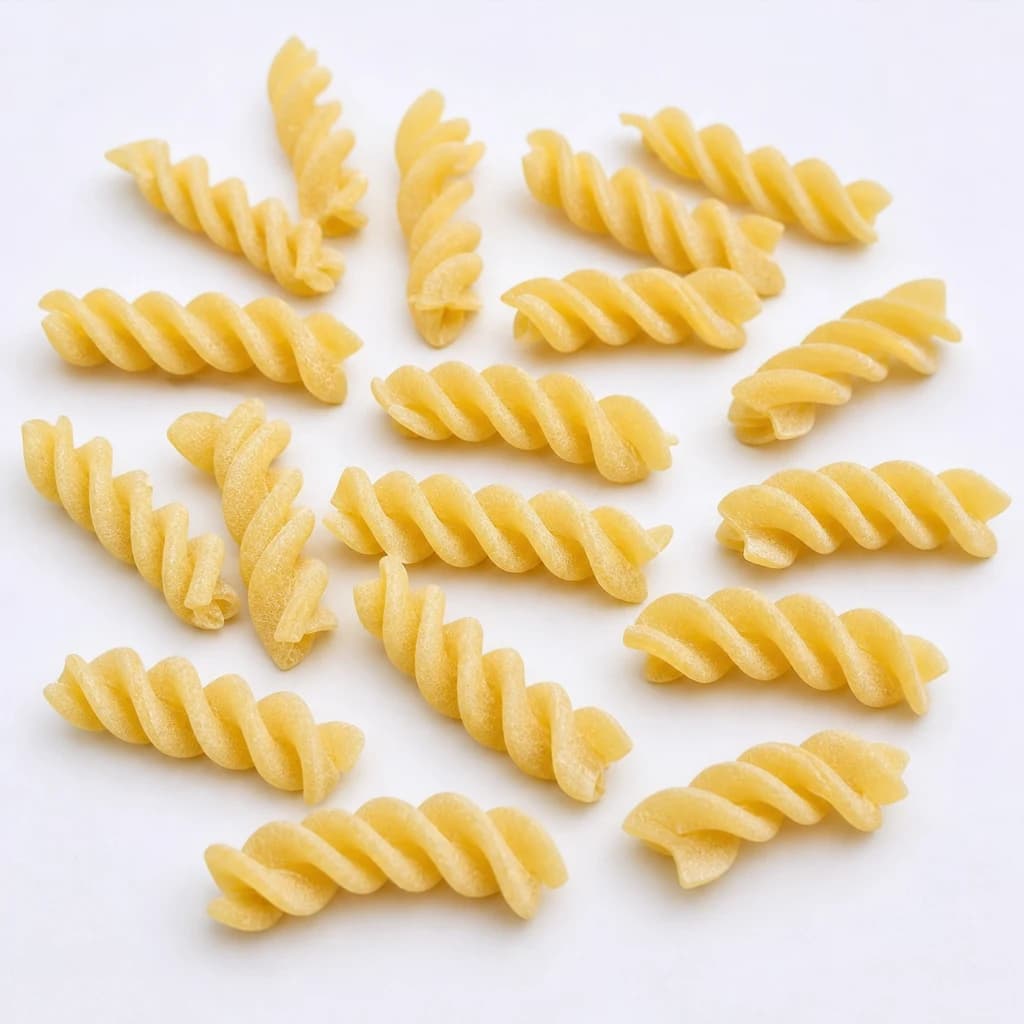
Fusilli
Spiraled pasta that twirls up sauce and dresses cold salads
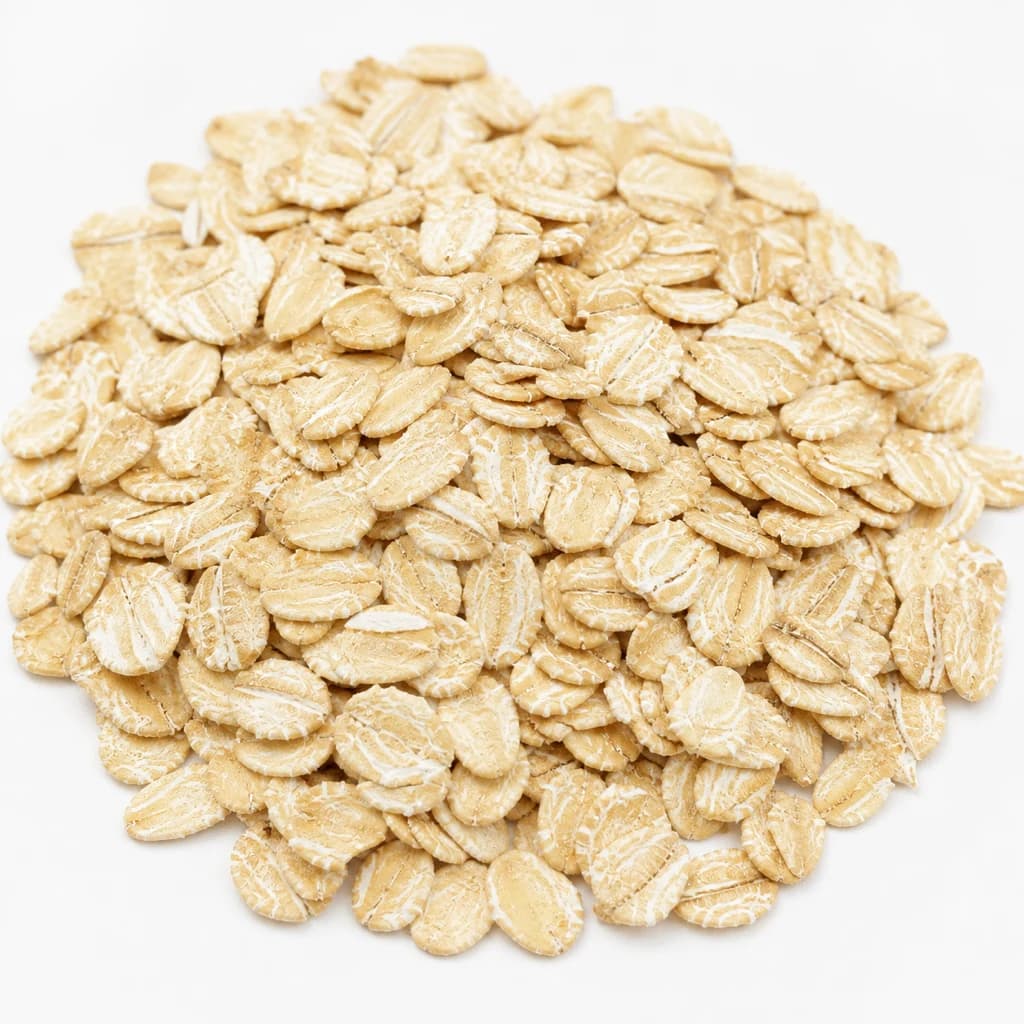
Rolled Oats
Hearty flakes for porridge, granola, and chewy cookies