Stored
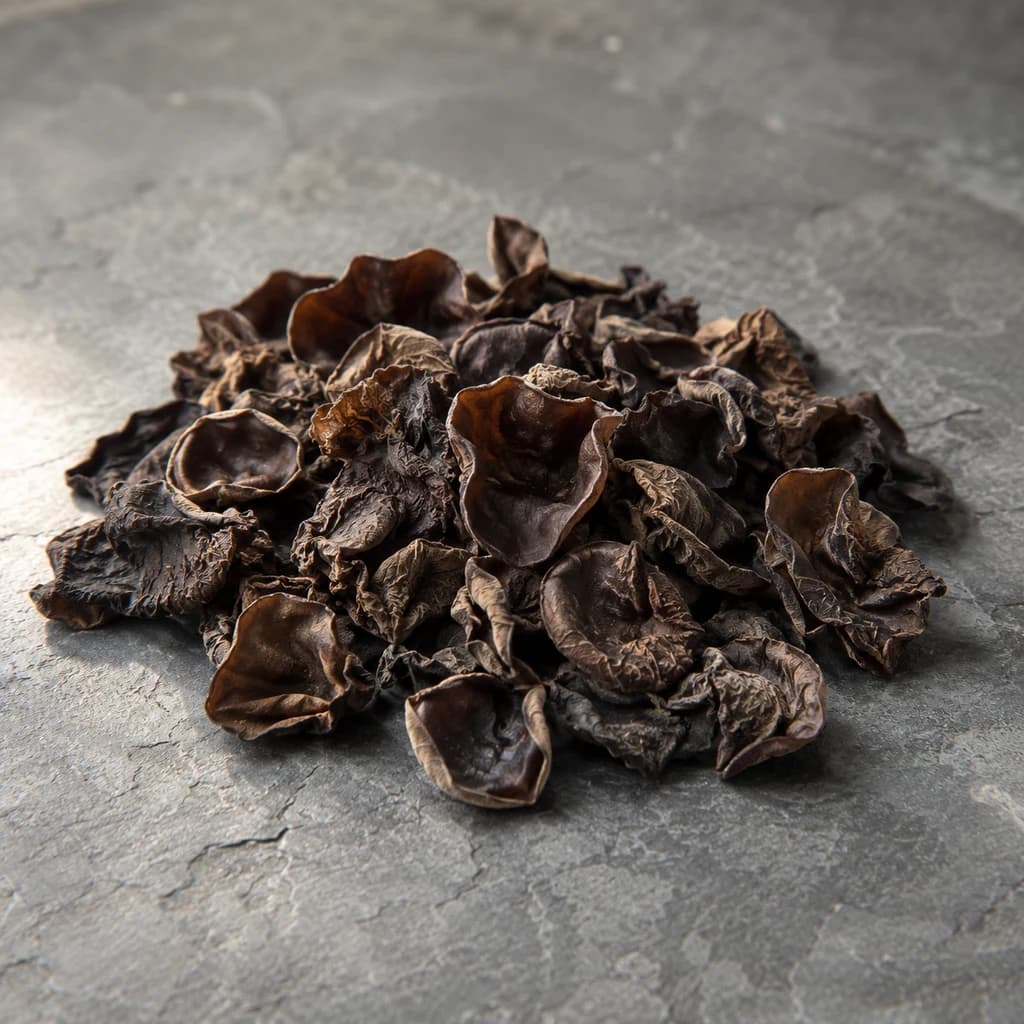
Dried wood ear fungus: small, dark, brittle chips sold in bulk before rehydration.
Teaches the most common retail form readers will encounter — small dark dried pieces — helping them recognize and buy this ingredient correctly.
Produce
Wood Ear Fungus
Dark gelatinous mushroom prized for crunchy texture in Chinese cooking.
Wood ear is a thin, dark, ear-shaped mushroom usually sold dried and rehydrated before use. It has almost no flavor of its own but a distinctive crunchy-gelatinous texture, making it popular in Chinese hot and sour soup, stir-fries and Korean japchae. Soaking expands the small dried pieces several times in size.
Wood ear fungus is a jelly fungus, not a true gilled mushroom, which explains its singular rubbery-gelatinous texture. Wild-harvested from dead hardwood trees across China and East Asia, it is sold dried and rehydrates to ten to fifteen times its original volume. Unlike most mushrooms that contribute earthy flavor, wood ear is prized purely as a textural vehicle—it absorbs surrounding flavors without asserting its own, delivering a pleasant, crunchy-chewy bite that contrasts beautifully with tender proteins and soft tofu. The common English name 'Judas ear' derives from the species epithet auricula-judae, reflecting an old European folk association, but in Chinese cooking this has no bearing whatsoever on its culinary value. The texture transforms dramatically with heat: raw wood ear is unpleasantly rubbery, but brief cooking—two to four minutes—produces that characteristic satisfying crunch that defines dishes like Mapo tofu, Buddha's delight, and hot pot.
- Measured in
- g
- Storage
- Pantry
Types & varieties
Thicker, darker flesh; more pronounced chew; standard for hot pots, stir-fries, and salads. Most common in Chinese cooking.
Thinner, more translucent; lighter texture; more common in Korean cuisine; preferred for delicate soups and desserts.
Distinct but related jelly fungus; sweeter profile; used in Chinese desserts and sweet soup tongsui.
The Texture is Everything
Wood ear's entire culinary purpose is textural. It is not meant to taste of anything. When you encounter wood ear in a dish, it should provide that distinctive elastic crunch—a contrast to soft braises, silky sauces, and tender meats. If your wood ear tastes strongly of anything, it has absorbed too much of a heavy seasoning. If it is mushy, it has been overcooked. If it is rubbery and unpleasant, it was either raw or cooked far too long.
- The transformation from raw to cooked takes only 2–4 minutes in hot liquid or a hot wok
- Overcooking dissolves the cellular structure into an unpleasant mush—watch the clock
- Undercooking leaves the rubbery, raw texture that no one enjoys
Rehydrating Properly
Proper soaking is non-negotiable. Dried wood ear requires 20–30 minutes in warm water to fully reconstitute. Cold water takes much longer and may leave the center still hard. Once pliable, separate the layers and rinse meticulously under cold running water to flush out trapped grit—sand is almost always present in wild-harvested specimens. After rinsing, trim and discard the tough central stem or any hardened bits at the base of the cap.
- Warm (not hot or boiling) water speeds rehydration without cooking the fungus
- 1 ounce dried yields approximately 3–4 ounces rehydrated, and it doubles again when cooked in liquid
- Always inspect the rehydrated mushroom for remaining grit in the layered folds
Common uses
Tips & pitfalls
- Soak dried wood ear in warm (not boiling) water 20–30 minutes until fully pliable and expanded.
- Always trim and discard the tough central stem or hard center bit after soaking.
- Rinse thoroughly under cold running water, separating layers to remove trapped grit.
- Cook only briefly — 2–4 minutes in wok or hot liquid. Overcooking dissolves the texture into mush.
- A small amount suffices; the volume doubles again when cooked in liquid.
- Add to stir-fries in the last 1–2 minutes of cooking to retain crunch.
- Store dried wood ear airtight away from moisture; it remains usable for 1–2 years in a cool, dark place.
Nutrition
Energy
134 kJ · per 100 g
Where the calories come from
Protein
1.5g
3% DV
Carbs
6.9g
2% DV
Fat
0.5g
1% DV
Fiber
3.8g
14% DV
Sugars
1.2g
of which
Sodium
9mg
0% DV
Source · USDA FoodData Central · approx. Mushrooms, Chanterelle, raw
View on FDC →In the shops
Matched grocery products
No matched grocery products for Wood Ear Fungus yet.
Good to know
- Also Called
- Cloud ear, tree ear, mu er (木耳), Judas ear, black fungus, white fungus, snow fungus
- Scientific Name
- Auricularia auricula-judae (black); Auricularia polytricha (cloud ear)
- Form
- Sold dried; rehydrates to 10–15× original size
- Color When Rehydrated
- Dark brownish-black (black wood ear) or pale beige/tan (cloud ear)
- Flavor
- Very mild, almost neutral; subtle earthy note
- Texture
- Gelatinous, rubbery when raw; pleasantly crunchy-chewy when briefly cooked
- Shelf Life
- Dried: 1–2 years stored airtight in cool, dark place
- Nutritional Note
- High in iron, dietary fiber, and B vitamins; low in calories
Substitutes
- Dried shiitake mushrooms — Different texture (meaty rather than gelatinous) but similarly neutral flavor; soak and use similarly.
- Fresh tiger lily buds (jin zhao) — Comparable crunch and neutral flavor; common in the same Chinese dishes.
- Enoki mushrooms — Similar delicate chew; use raw or briefly cooked; not a direct substitute for dried wood ear's texture after rehydration.
Pairs with
Also called
木耳 · Kikurage · Wood Ear Mushroom · Black Fungus
Appears in these dishes


Related
Tomato
Juicy, sun-sweet fruit for sauces, salads, and slow-cooked depth
Yellow Onion
The aromatic backbone of soups, sofritos, and braises
Garlic
Pungent cloves that perfume nearly every savory dish
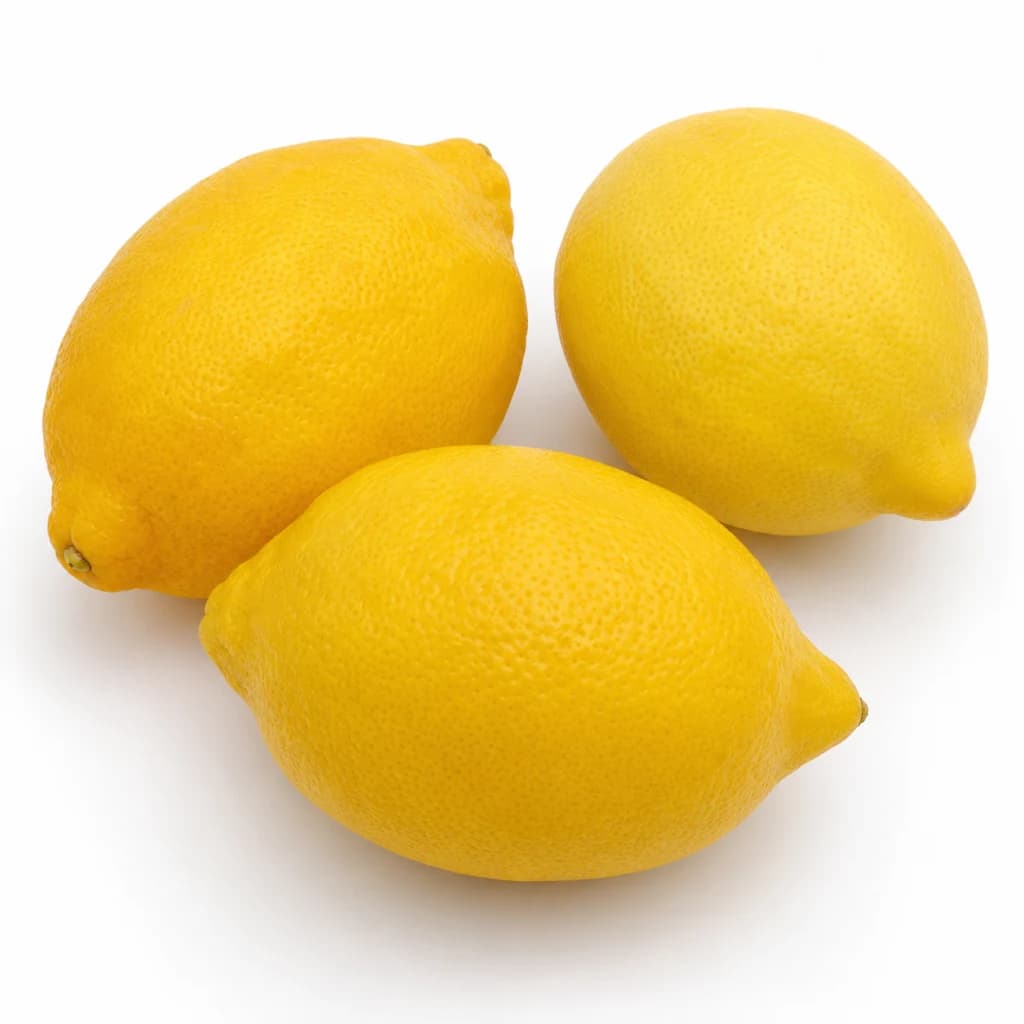
Lemon
Bright, acidic citrus that wakes up almost any dish
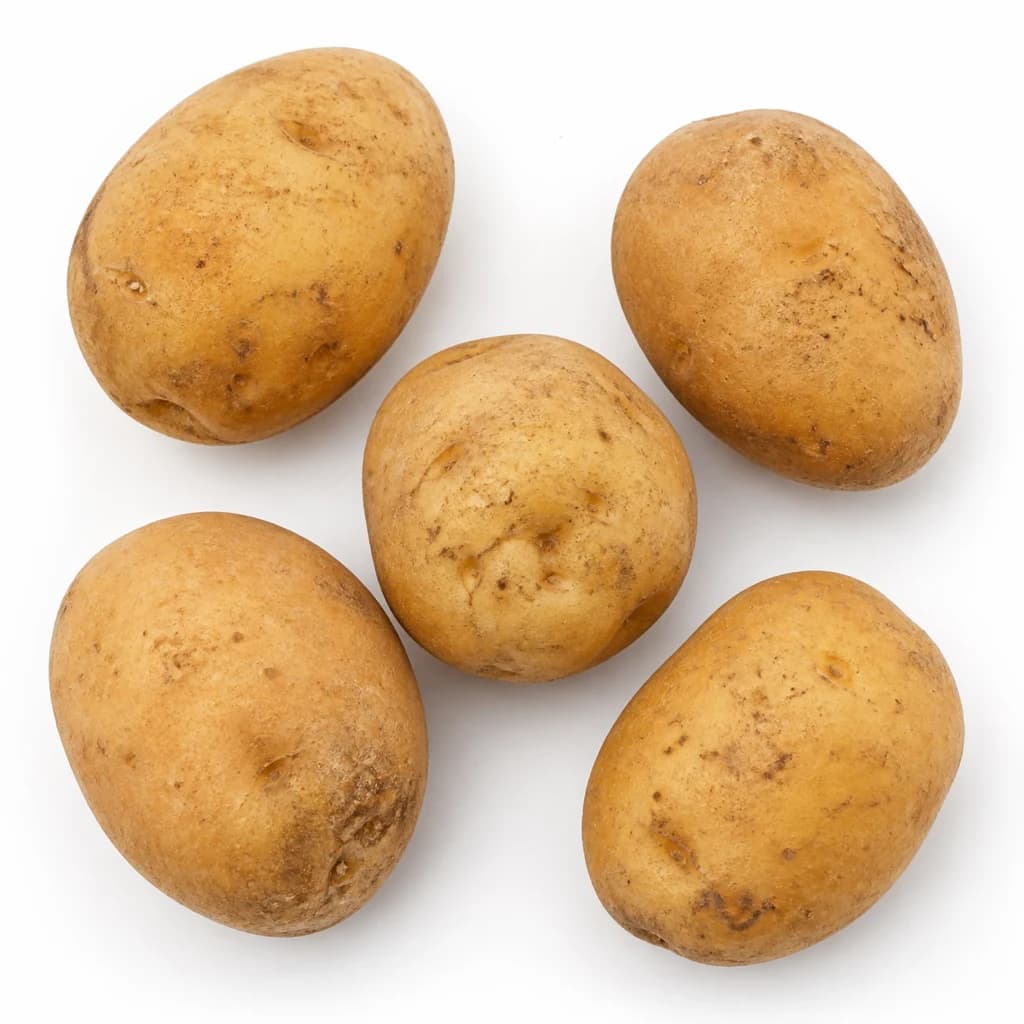
Potato
Humble, hearty staple — roast, mash, fry, or boil
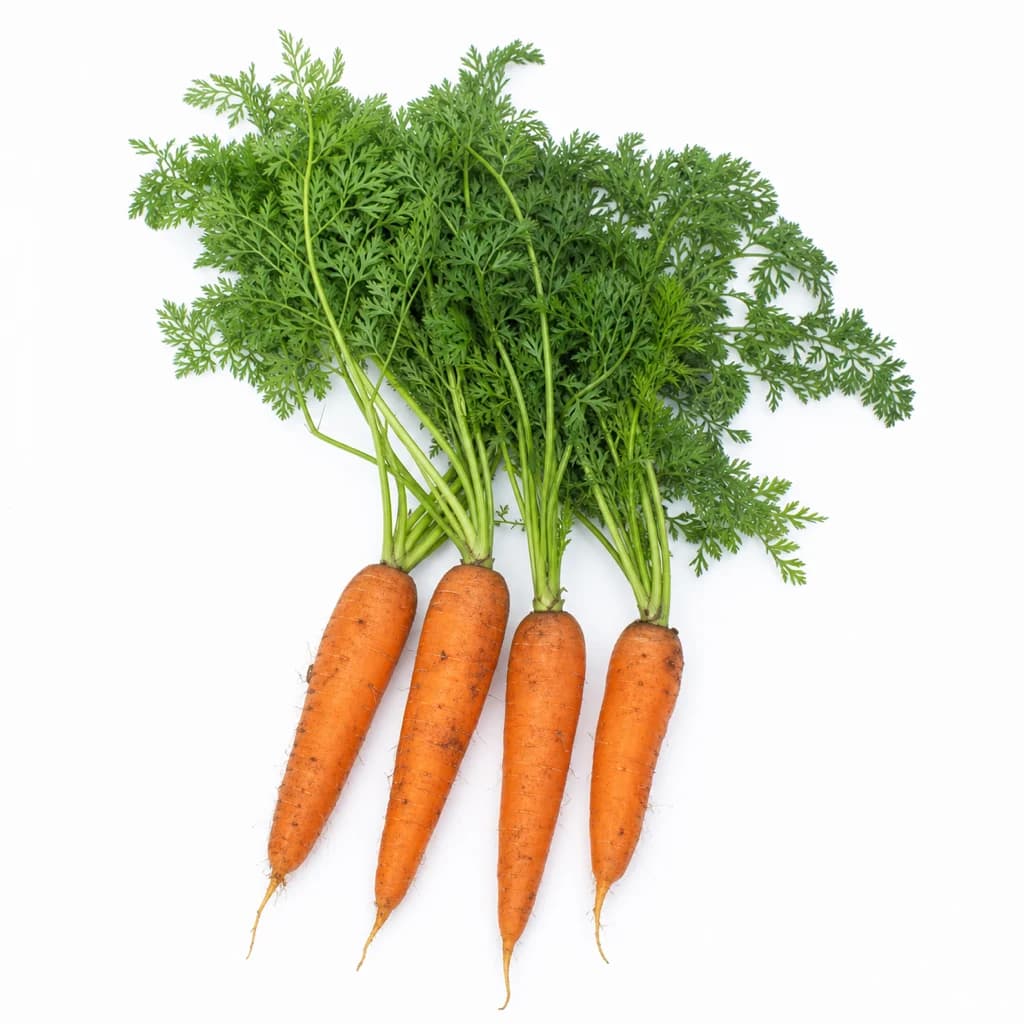
Carrot
Sweet, crunchy root — raw, roasted, or the base of a sofrito
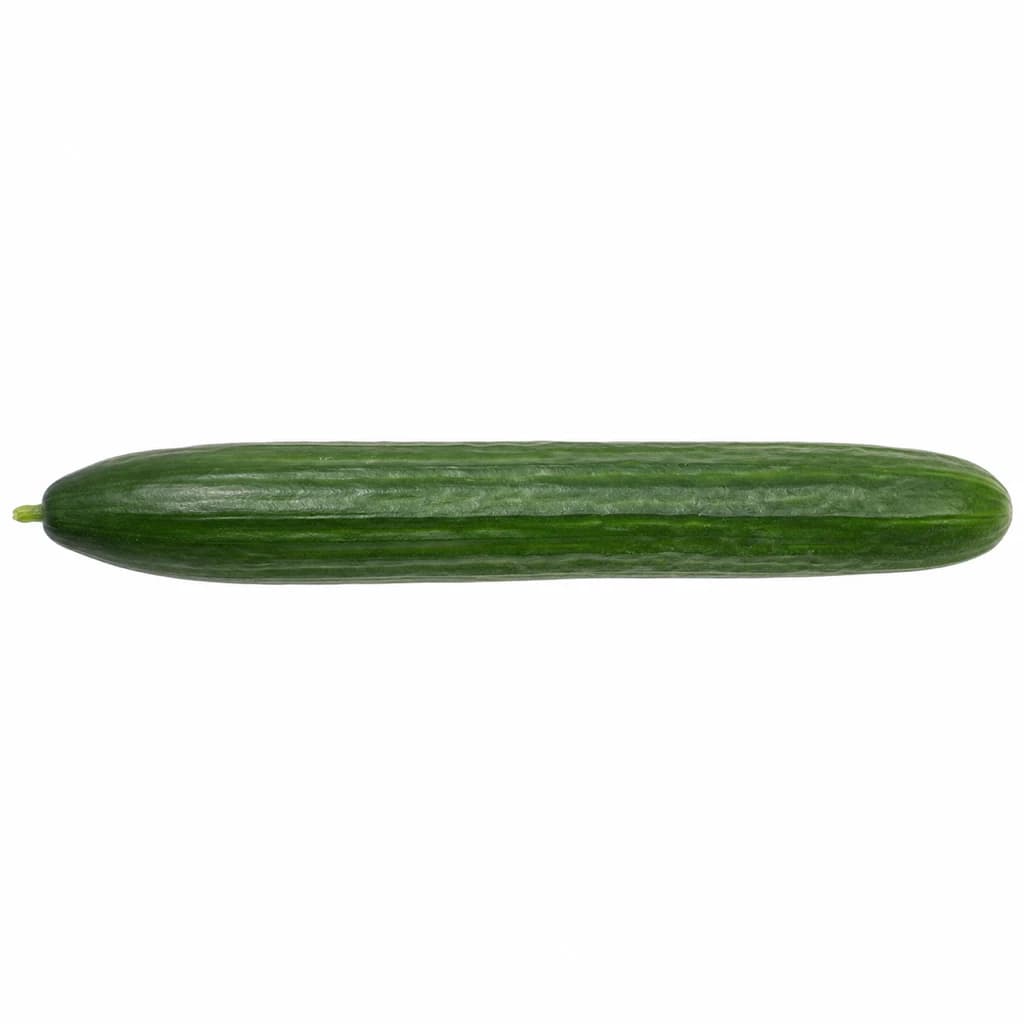
Cucumber
Cool, crisp, and watery — for salads, pickles, and tzatziki

Lettuce
Crisp leaves for salads, wraps, and a fresh crunch