Grains & Rice
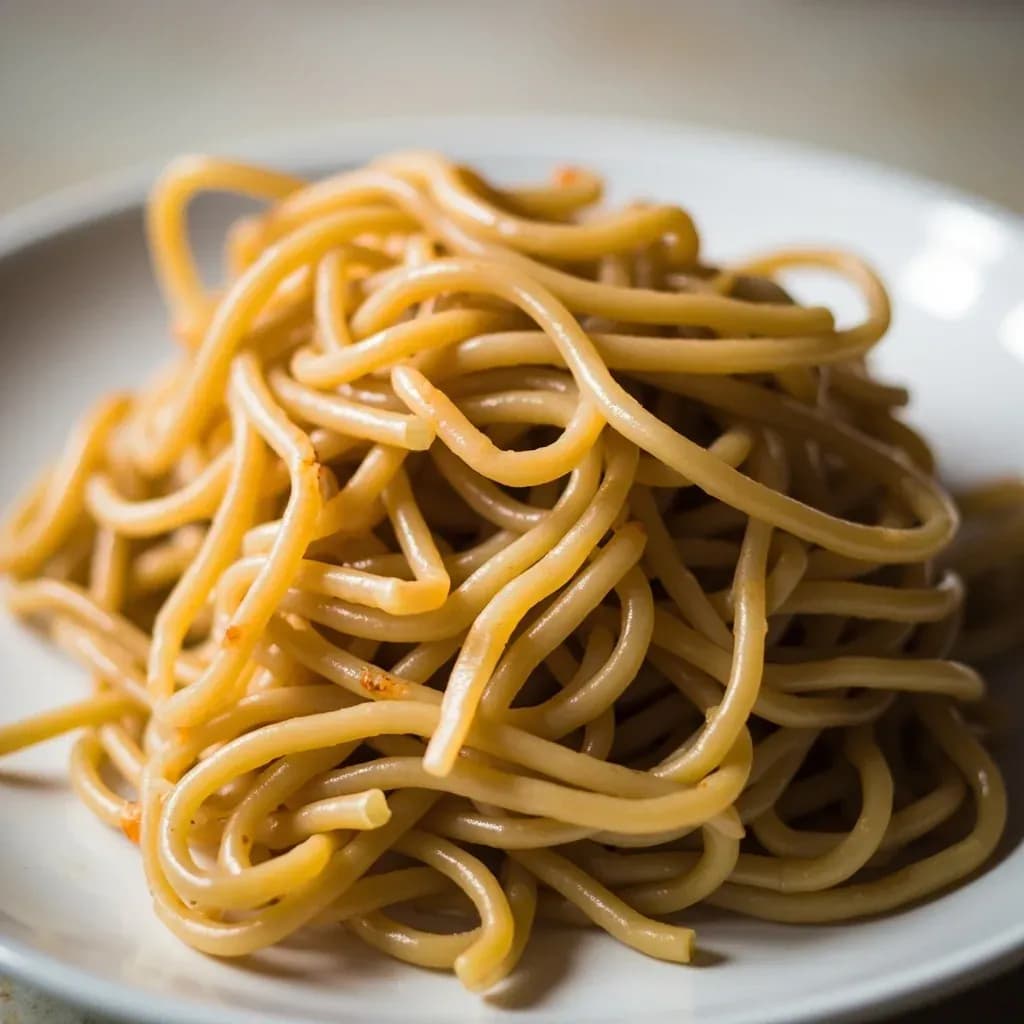
Yakisoba Noodle
Springy wheat noodles stir-fried in tangy-sweat yakisoba sauce.
Yakisoba noodles are steamed wheat noodles, similar to ramen noodles, used in the Japanese stir-fried dish yakisoba. They are tossed in a hot pan with cabbage, pork, and a thick Worcestershire-style yakisoba sauce until lightly browned. Despite the name 'soba,' they contain no buckwheat.
Yakisoba noodles are wheat-based, par-cooked noodles specifically formulated for high-heat stir-frying. They differ fundamentally from true soba (buckwheat) noodles—the yakisoba name is a post-war marketing legacy, not an accurate description. What makes them distinctive is kansui (alkaline water) or baked baking soda in the dough, which gives them their characteristic yellow color and that prized elastic, springy texture that holds up under aggressive tossing and pan-contact. Unlike fresh pasta or dried noodles that require full cooking, yakisoba noodles arrive pre-steamed and par-cooked, meaning your mission is purely reheating and charring. This par-cooked state is critical: it means 1–2 minutes of stir-frying is sufficient, and overcooking produces soggy, broken strands rather than the toothsome chew you want. The high alkalinity also creates a slight chemical reaction during cooking that encourages browning and a subtle nutty aroma when you press them firmly against a screaming-hot pan surface.
- Measured in
- g
- Storage
- Fridge
Allergens
Types & varieties
About 2mm width; most common; faster to cook through and achieve even char
About 4mm width; chewier bite; more popular in western Japan
Fully fresh noodles; requires brief boiling (1–2 minutes) before stir-frying
Steam-cooked by manufacturer; requires only 1–2 minutes of stir-frying to heat and develop char
Must be boiled until just al dente, then drained and stir-fried; produces less chewy result than fresh
Common uses
Tips & pitfalls
- Do not overcook—noodles are already par-cooked; 1–2 minutes of stir-frying is sufficient
- Use very high heat to achieve the characteristic char and smoky flavor; medium heat produces steamed, soggy noodles
- Separate noodles before cooking; clumped noodles steam rather than fry and stick together
- Add sauce in the final 30 seconds of cooking; early addition makes noodles absorb too much liquid and become soggy
- Work in batches if cooking for multiple servings to avoid overcrowding the wok and steaming
- Neutral-flavored oil with high smoke point (vegetable, canola, grapeseed) works best
- For extra char, press noodles firmly against the hot pan surface for 10–15 seconds per batch before tossing
- If using fresh or dried noodles instead of par-cooked, boil until just al dente and drain thoroughly before frying
- Store-bought yakisoba sauce varies widely in sweetness and tang; taste and adjust seasoning before adding
- Add cabbage and carrots early; add green onions and benishoga at the end for textural contrast
- Common mistake: treating yakisoba noodles like regular pasta that needs full cooking—resist this impulse
Nutrition
Energy
1971 kJ · per 100 g
Where the calories come from
Protein
10.9g
22% DV
Carbs
63.6g
23% DV
Fat
21.2g
27% DV
Fiber
6.7g
24% DV
Sugars
0g
of which
Sodium
866mg
38% DV
Source · USDA FoodData Central · approx. Noodles, chinese, chow mein
View on FDC →In the shops
Matched grocery products
No matched grocery products for Yakisoba Noodle yet.
Good to know
- Base Ingredients
- Wheat flour, water, salt, kansui (alkaline water) or baked baking soda
- Typical Color
- Yellow to pale amber, imparted by the kansui
- Texture
- Chewy, springy, and resilient when properly cooked
- Form
- Sold pre-cooked/par-boiled in bundles; fresh, refrigerated, frozen, or dried versions available
- Shelf Life (Fresh/Refrigerated)
- 5–7 days unopened, 2–3 days after opening
- Shelf Life (Dried)
- 6–12 months in a cool, dry place
- Shelf Life (Frozen)
- 3–6 months
- Yield
- One 200g bundle yields approximately 1 serving (about 1½ cups cooked volume)
- Origin
- Japan; yakisoba dish popularized post-WWII, influenced by Chinese stir-fried noodles
- Common Brand Examples
- Sun Noodle, Nissin, Maruchan, house brands
- Difficulty
- Easy; requires only brief pan-frying, not true cooking
- Equipment Needed
- Wok or large skillet; high-BTU burner preferred for proper char
Substitutes
- Fresh Ramen Noodles — Cook briefly in boiling water first, then proceed with stir-frying; slightly different chew but acceptable result
- Fresh Lo Mein Noodles — Similar method; noodles are also pre-cooked and need only brief heating to develop char
- Udon Noodles (fresh) — Thicker and softer; may require longer frying to develop char; sauce absorption differs noticeably
- Spaghetti (cooked al dente) — Rinse under cold water after cooking to remove starch; texture is softer; acceptable budget substitute
- Dried Chinese Egg Noodles — Cook until just under al dente, drain, then proceed with stir-frying; good chew with proper technique
Pairs with
Also called
Yakisoba · Chinese-style Wheat Noodle
Related

White Rice
Fluffy long-grain rice — the neutral base for almost any meal

White Bread
Soft sandwich loaf for toast, sandwiches, and crumbs
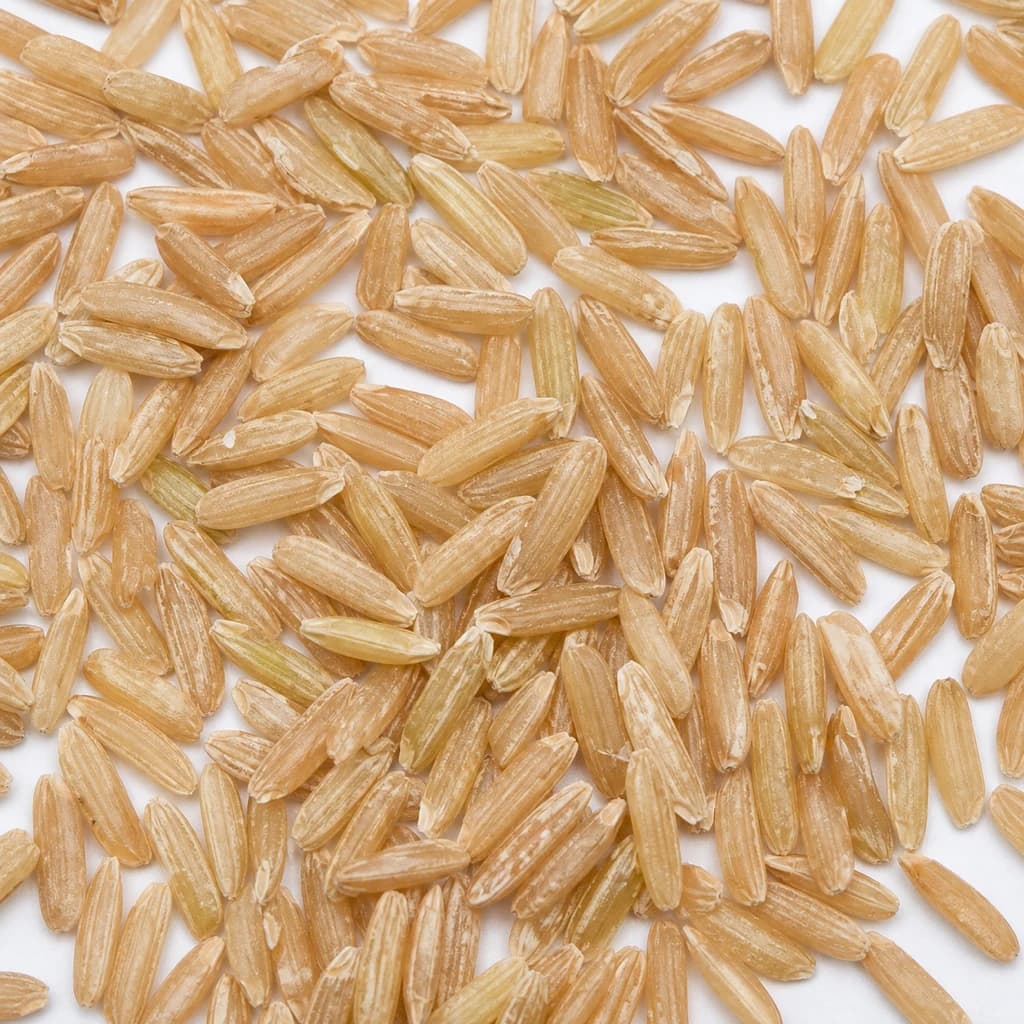
Brown Rice
Nutty, whole-grain rice with chew and extra fiber

Basmati Rice
Fragrant, long-grain rice that cooks up light and separate
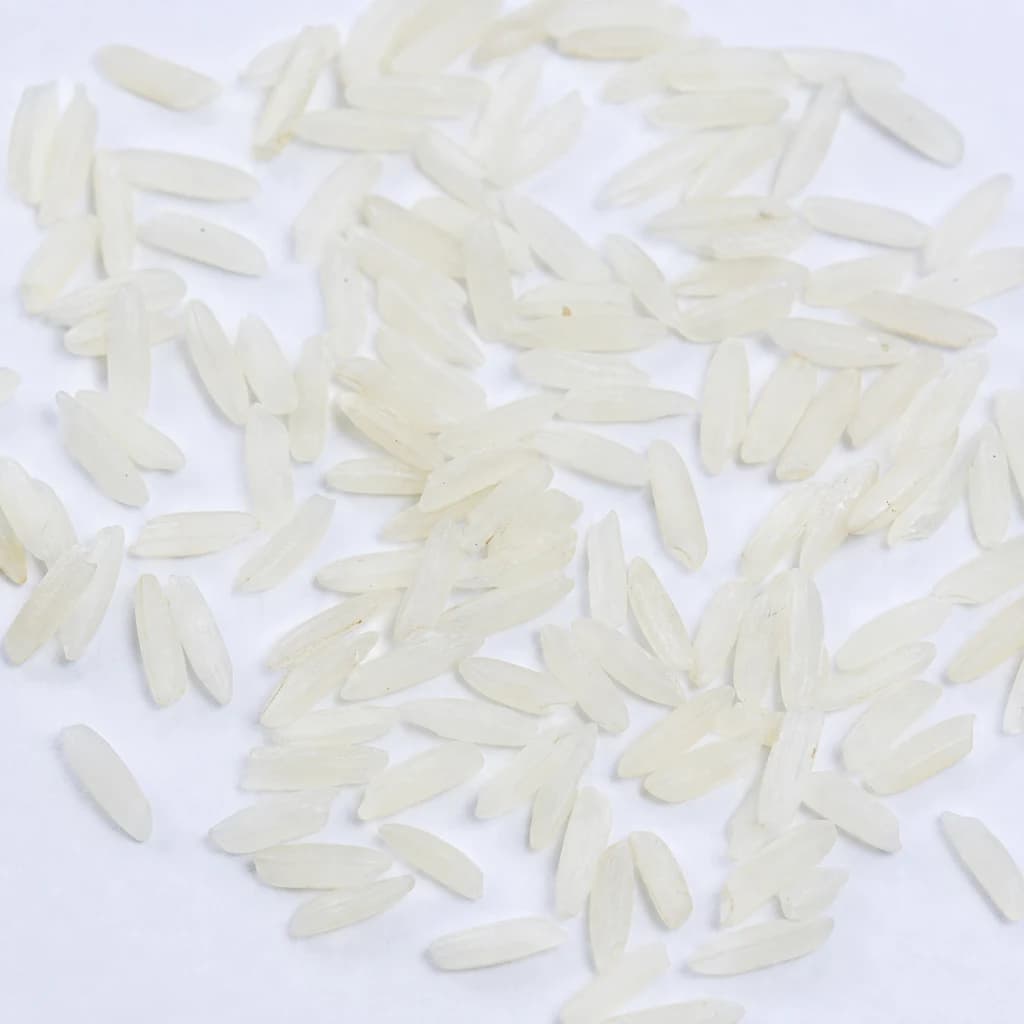
Jasmine Rice
Soft, floral-scented rice that's the pillar of Thai meals
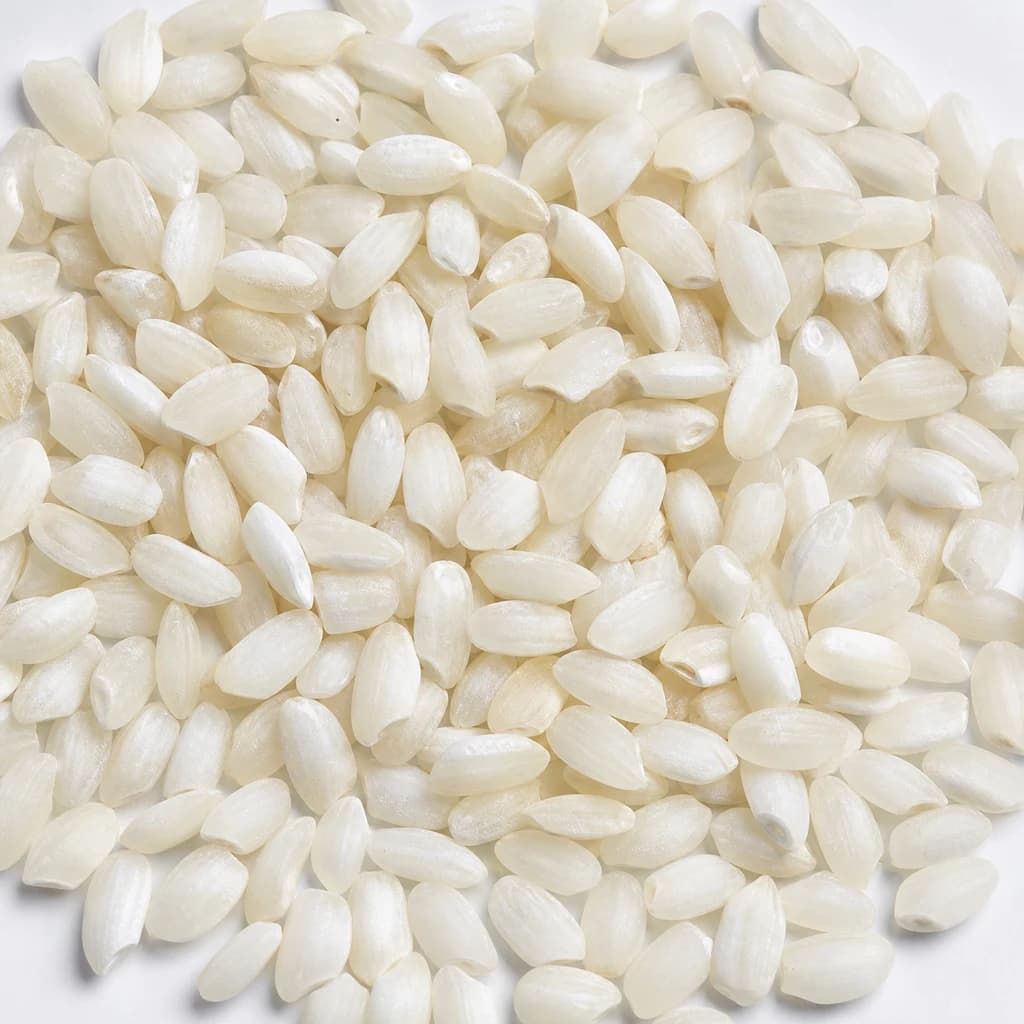
Arborio Rice
Plump, starchy rice that makes risotto creamy
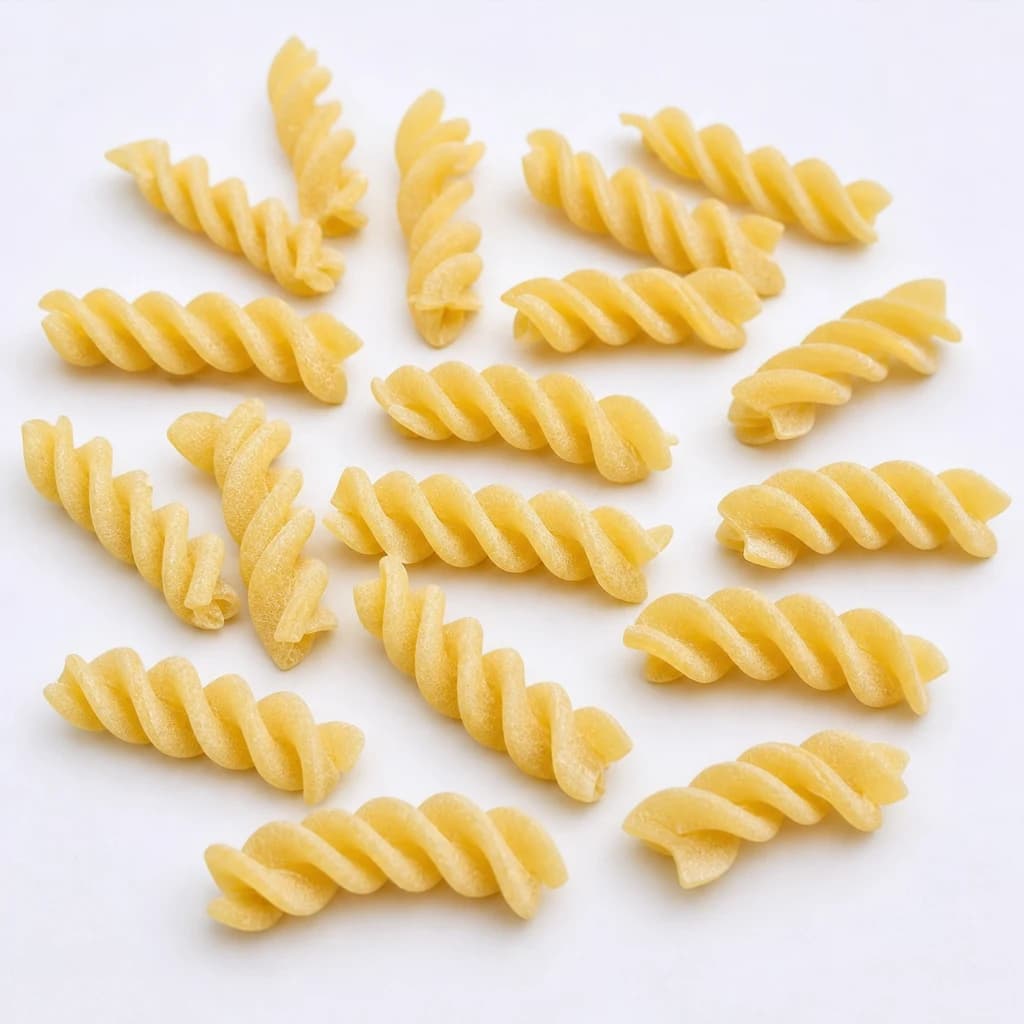
Fusilli
Spiraled pasta that twirls up sauce and dresses cold salads
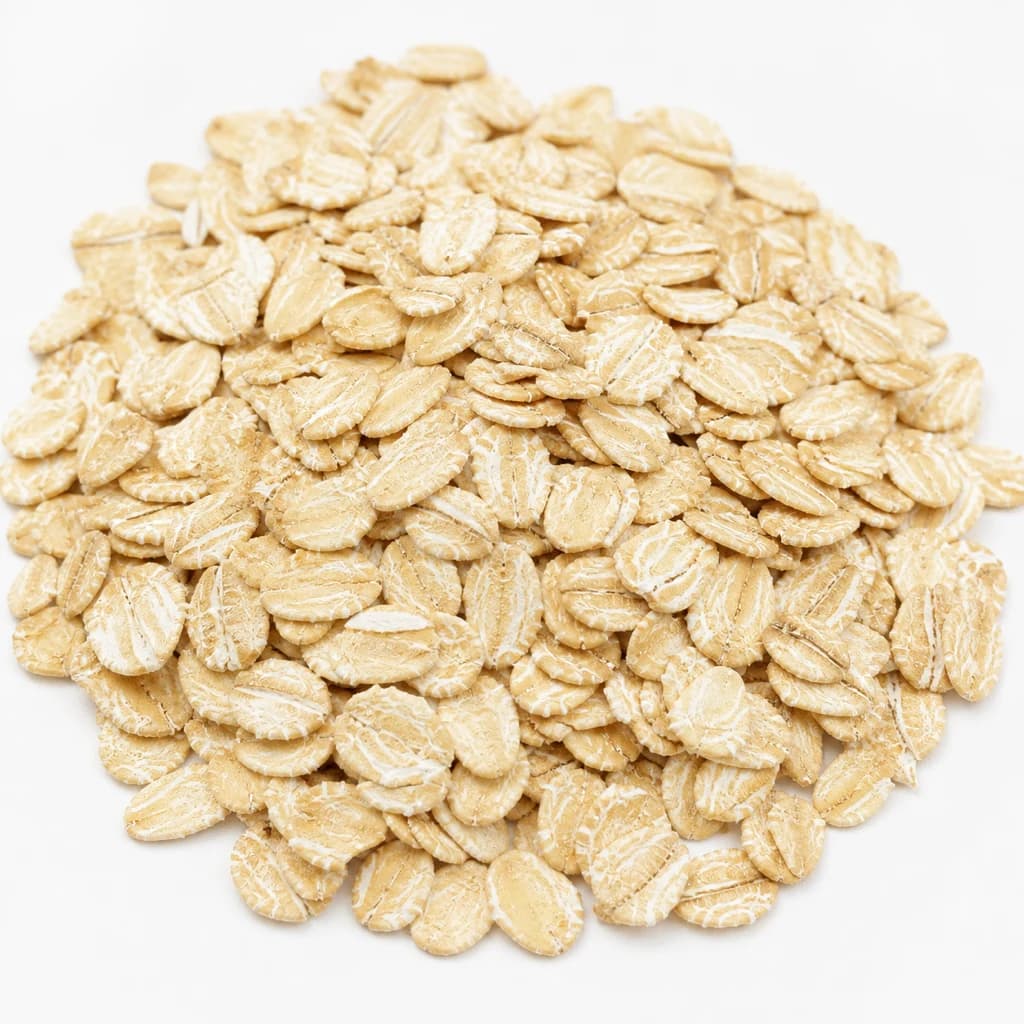
Rolled Oats
Hearty flakes for porridge, granola, and chewy cookies