Grains & Rice
Spaghetti
Long, round durum-wheat strands, the most iconic Italian pasta.
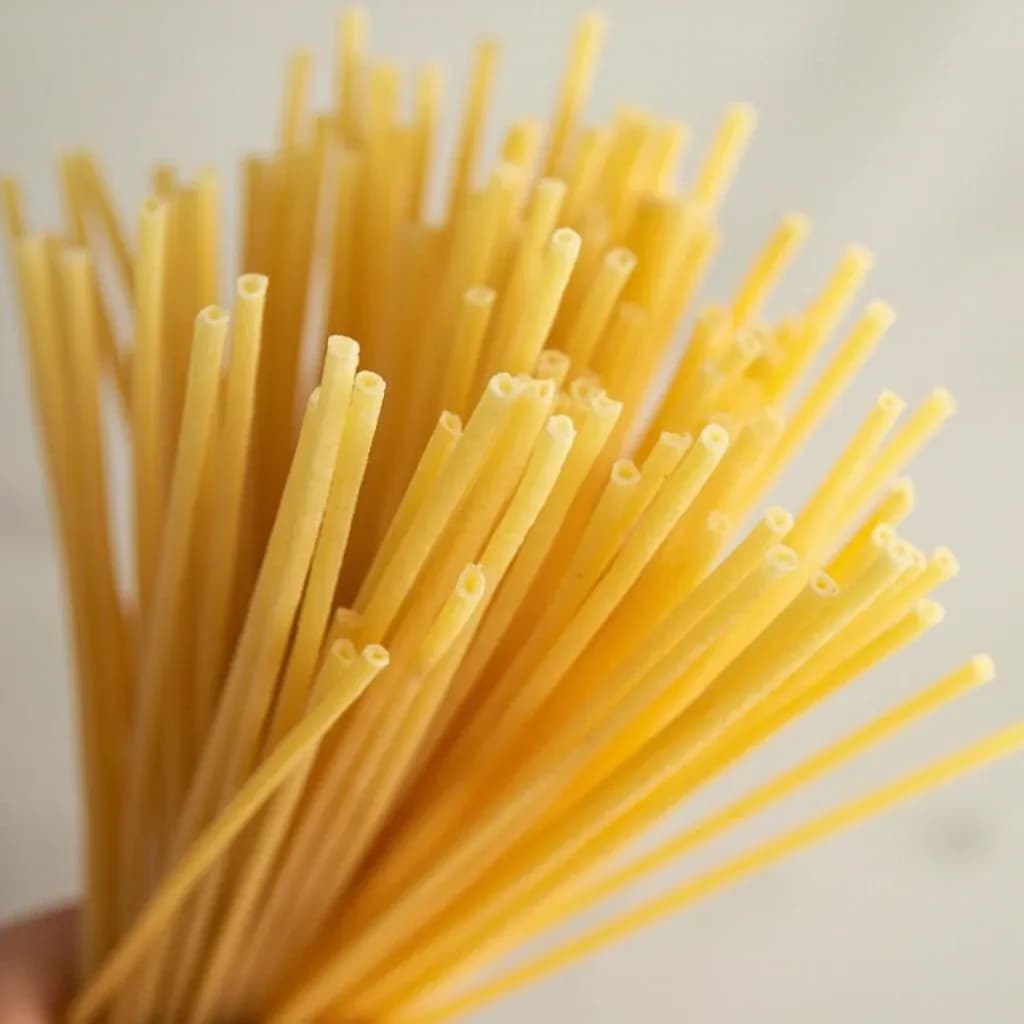
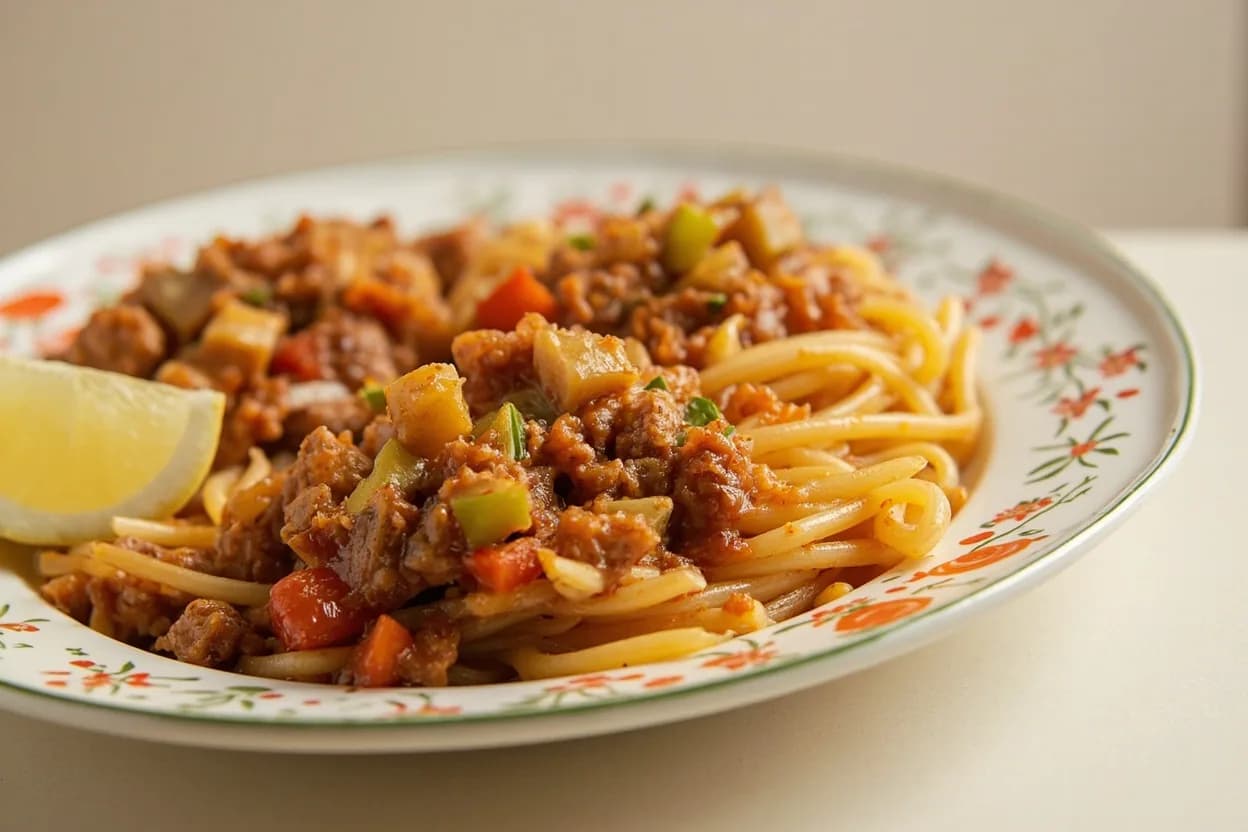
Spaghetti is long, thin, cylindrical pasta made from durum wheat semolina, sold dried in standard and finer (spaghettini) gauges. It is boiled to al dente and tossed with sauces from tomato to carbonara, and appears in dishes worldwide including Somali baasto. Its round shape suits both clinging and oil-based sauces.
Spaghetti is dried pasta made from durum wheat semolina and water, formed into long, round strands typically 25–30 cm in length. Its consistent diameter and rough surface (when bronze-die cut) create an ideal vehicle for sauce — the rounded cross-section rolls sauce upward as you fork it, delivering flavor with every bite. Originating in Southern Italy in the 19th century, spaghetti became the defining Italian pasta through its perfect balance of function and restraint: the wheat flavor is neutral enough to let the sauce dominate, yet substantial enough to provide satisfying texture. The quality of dried spaghetti depends on two factors: 100% durum wheat content (look for semola di grano duro on the label) and bronze-die extrusion, which creates microscopic surface roughness that grips sauce far better than the smooth finish of Teflon-die pasta. Fresh spaghetti — made with soft wheat flour and sometimes eggs — is a different product entirely: softer, quicker cooking, and better suited to butter or light cream sauces rather than heavy tomato ragù. Whatever the format, spaghetti is engineered to perform one task exceptionally well: delivering sauce from plate to mouth.
- Measured in
- g
- Storage
- Pantry
Allergens
Types & varieties
Thinner (≈1.25 mm); cooks in 6–8 minutes; better with light oil-based or delicate sauces
Thicker (≈2.5–3 mm); cooks in 10–14 minutes; holds up to hearty, chunky sauces
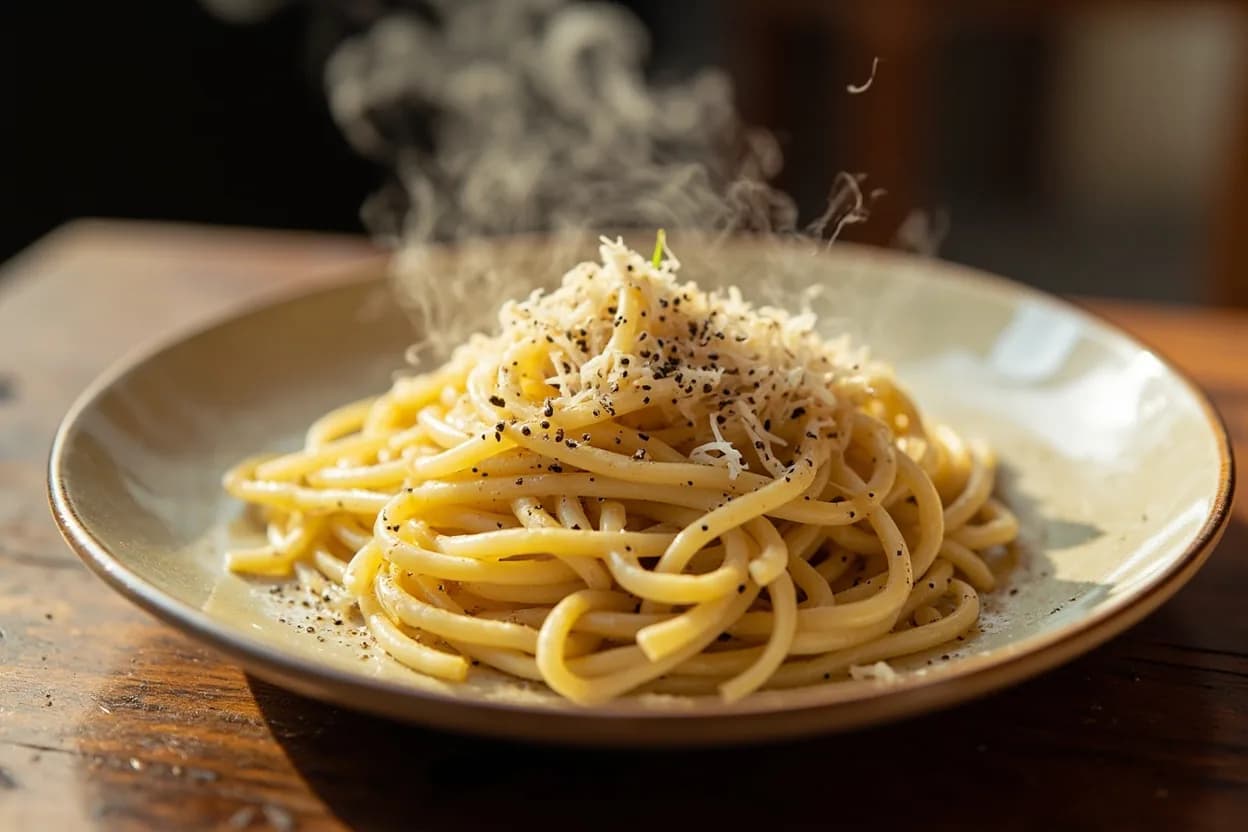
Hollow center spaghetti; requires longer cooking (11–13 minutes); sauce clings inside and out; traditional with amatriciana and cacio e pepe
Very fine (≈1 mm); cooks in 5–7 minutes; prone to clumping; works with light tomato or butter sauces
Square cross-section, cut on a guitar-like frame; slightly rougher surface; traditional in Abruzzo
Bronze-Die vs. Teflon-Die Pasta
The extrusion method dramatically affects how spaghetti performs in the pan. Bronze dies create a rough, matte surface with microscopic pores that sauce fills and grips. Teflon dies produce silky-smooth pasta that slides against sauce rather than holding it. For simple preparations like cacio e pepe or aglio e olio — where sauce adherence is everything — bronze-die pasta is worth seeking out. Higher-end Italian brands consistently use bronze dies; budget brands typically do not. The difference is visible: hold a strand up to the light and bronze-die spaghetti appears slightly off-white and granular, while Teflon-die pasta looks almost polished.
- Bronze-die: rough surface, better sauce grip, slightly longer cooking time
- Teflon-die: smooth surface, cheaper, sauce slides more easily
- Italian-made artisanal brands almost exclusively use bronze dies
- Packaging rarely specifies the die type; look for texture description or price as a proxy
Dried vs. Fresh Spaghetti
These are fundamentally different products. Dried spaghetti contains only durum wheat semolina and water (or water and sometimes eggs for some brands); the drying process creates a firm, resilient texture that holds up to aggressive sauce work. Fresh spaghetti uses softer wheat flour and may include whole eggs, producing tender strands that cook in 2–3 minutes and have a richer, almost custardy flavor when eggs are used. Fresh spaghetti works beautifully with butter-based sauces, light cream preparations, or simple aglio e olio — but it collapses in hearty meat ragù and becomes mushy in tomato sauces that require longer cooking. If a recipe doesn't specify, assume dried.
- Dried: durum semolina, lower moisture, firm texture, longer cooking
- Fresh: soft wheat flour (sometimes with eggs), higher moisture, tender texture, quick cooking
- Fresh spaghetti is not a substitute for dried in most traditional preparations
- Refrigerated fresh spaghetti lasts 2–3 days; frozen up to 1 month
Common uses
Tips & pitfalls
- Salt the water aggressively — it should taste like the sea (roughly 10g per liter, or 2 teaspoons per quart); this seasons the pasta itself, not just the surface
- Never add oil to the cooking water — it prevents sauce adhesion and is unnecessary if you use enough water and stir briefly after adding pasta
- Reserve at least 1 cup of pasta cooking water before draining — the starchy liquid is essential for sauce emulsification and helps sauce cling
- Cook pasta 1–2 minutes shy of al dente in the water; finish cooking in the sauce pan to marry flavors and achieve proper texture
- Use a spider or tongs rather than a slotted spoon to lift spaghetti; the water drains faster and you can gauge doneness
- Don't break spaghetti before cooking — hold the bundle and push into boiling water; it softens within seconds and cooks evenly
- For sauces that need tossing, add pasta to the sauce pan with a splash of cooking water and shake the pan (not stir) to coat evenly
- Avoid rinsing cooked pasta — the starch layer helps sauce adhere
Nutrition
Energy
1552 kJ · per 100 g
Where the calories come from
Protein
13g
26% DV
Carbs
74.7g
27% DV
Fat
1.5g
2% DV
Fiber
3.2g
11% DV
Sugars
2.7g
of which
Sodium
6mg
0% DV
Source · USDA FoodData Central · Pasta, dry, enriched
View on FDC →In the shops
Matched grocery products
No matched grocery products for Spaghetti yet.
Good to know
- Origin
- Southern Italy (Campania/Sicily); popularized nationally in the 19th century
- Primary Ingredient
- Durum wheat semolina and water; some commercial varieties include eggs
- Typical Length
- 25–30 cm (10–12 inches)
- Diameter
- 1.5–2 mm (standard); thicker varieties reach 2.5–3 mm
- Cooking Time
- 8–12 minutes for dried; 2–3 minutes for fresh
- Yield
- Approximately doubles in weight when cooked (100g dry ≈ 200g cooked)
- Storage (Dried)
- 1–2 years in a cool, dry container away from light and strong odors
- Storage (Fresh)
- 2–3 days refrigerated; freeze for up to 1 month
Substitutes
- Linguine — Flat variant with similar width; works with most spaghetti sauces, though the sauce sits differently on the rounded vs. flat surface
- Bucatini — Same length, hollow center; acceptable substitute but changes sauce interaction; not ideal for cacio e pepe where texture differs noticeably
- Angel hair (capellini) — Much thinner; cooks faster; suitable only for very light sauces; not a true equivalent for most preparations
- Thick spaghetti (spaghettoni) — When standard spaghetti is unavailable; adjust cooking time upward by 2–4 minutes
- Fresh egg pasta (thin strands) — Cooks in 2–3 minutes; richer flavor; acceptable in most preparations but requires different technique and yields softer texture
Pairs with
Also called
Baasto · spaghetti pasta · espaguetis · espagueti
Appears in these dishes
Related

White Rice
Fluffy long-grain rice — the neutral base for almost any meal

White Bread
Soft sandwich loaf for toast, sandwiches, and crumbs
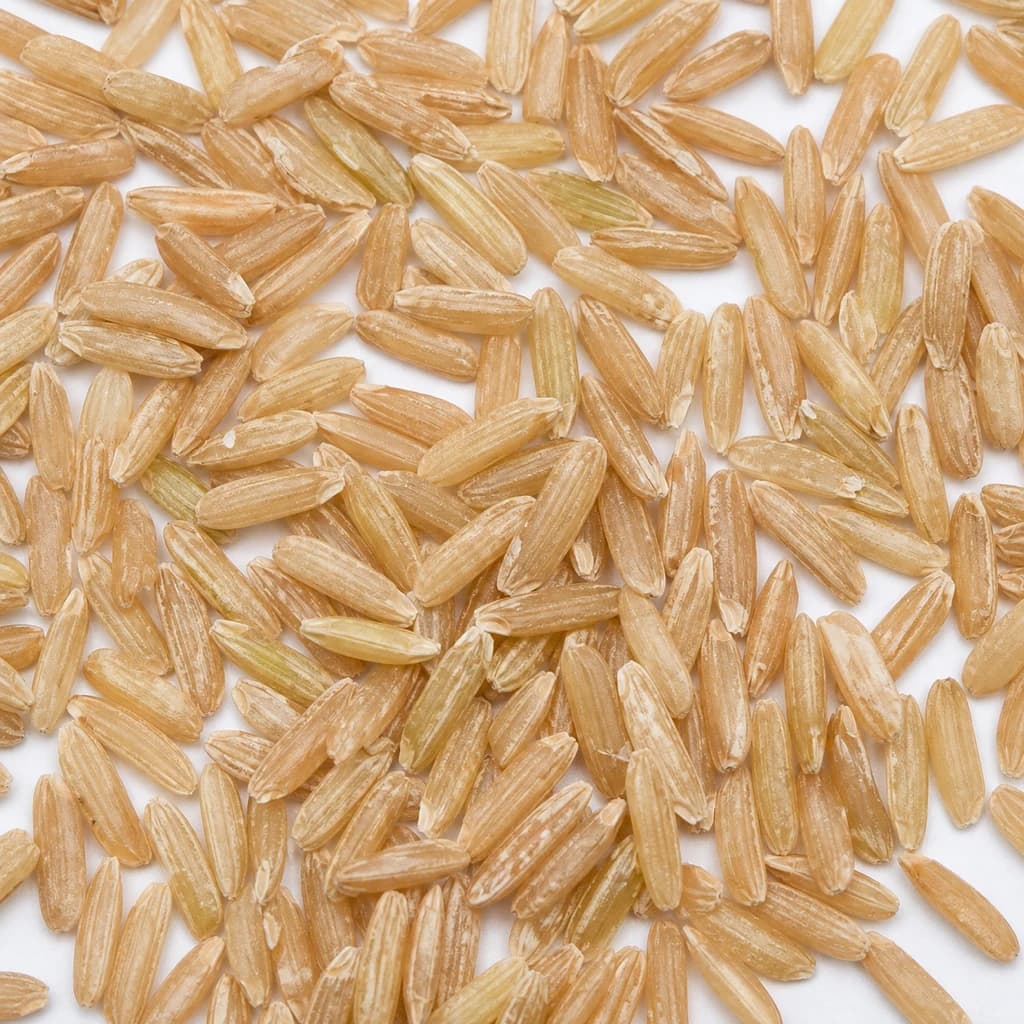
Brown Rice
Nutty, whole-grain rice with chew and extra fiber

Basmati Rice
Fragrant, long-grain rice that cooks up light and separate
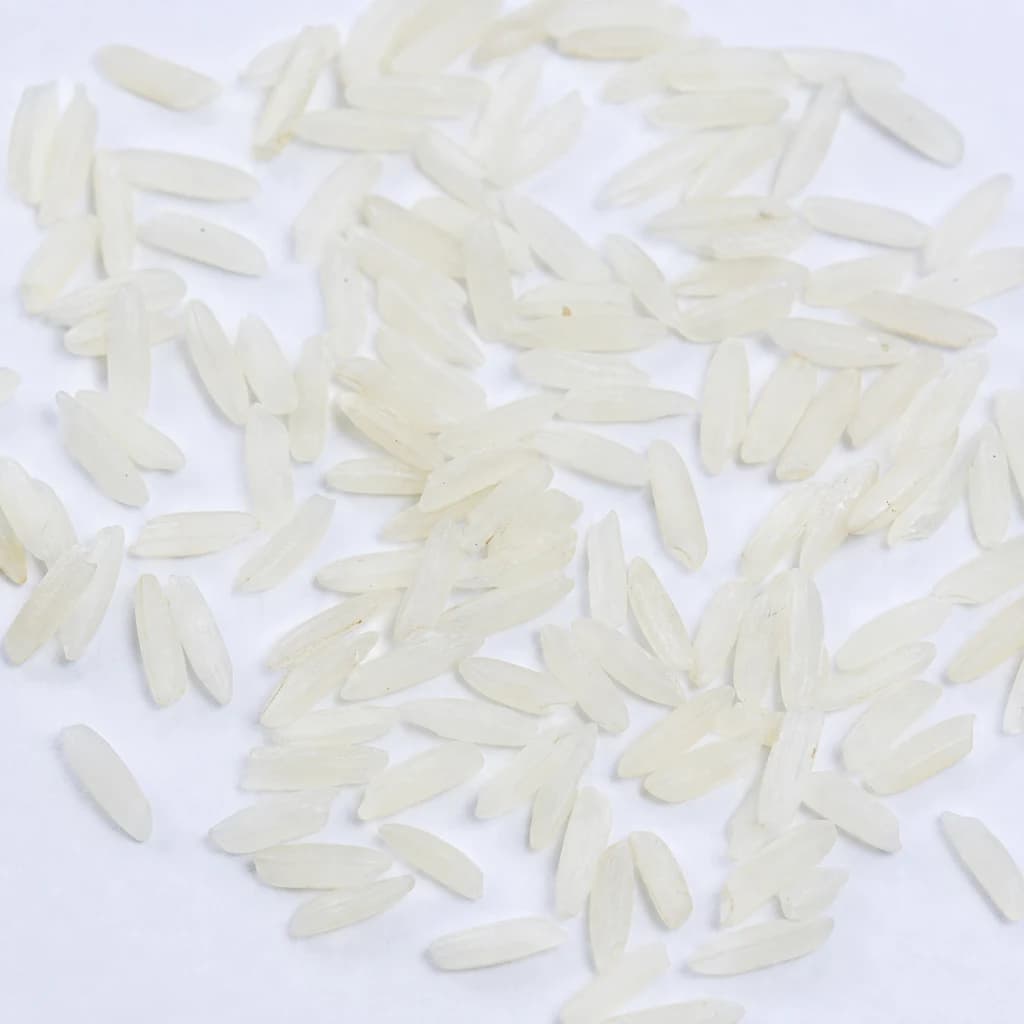
Jasmine Rice
Soft, floral-scented rice that's the pillar of Thai meals
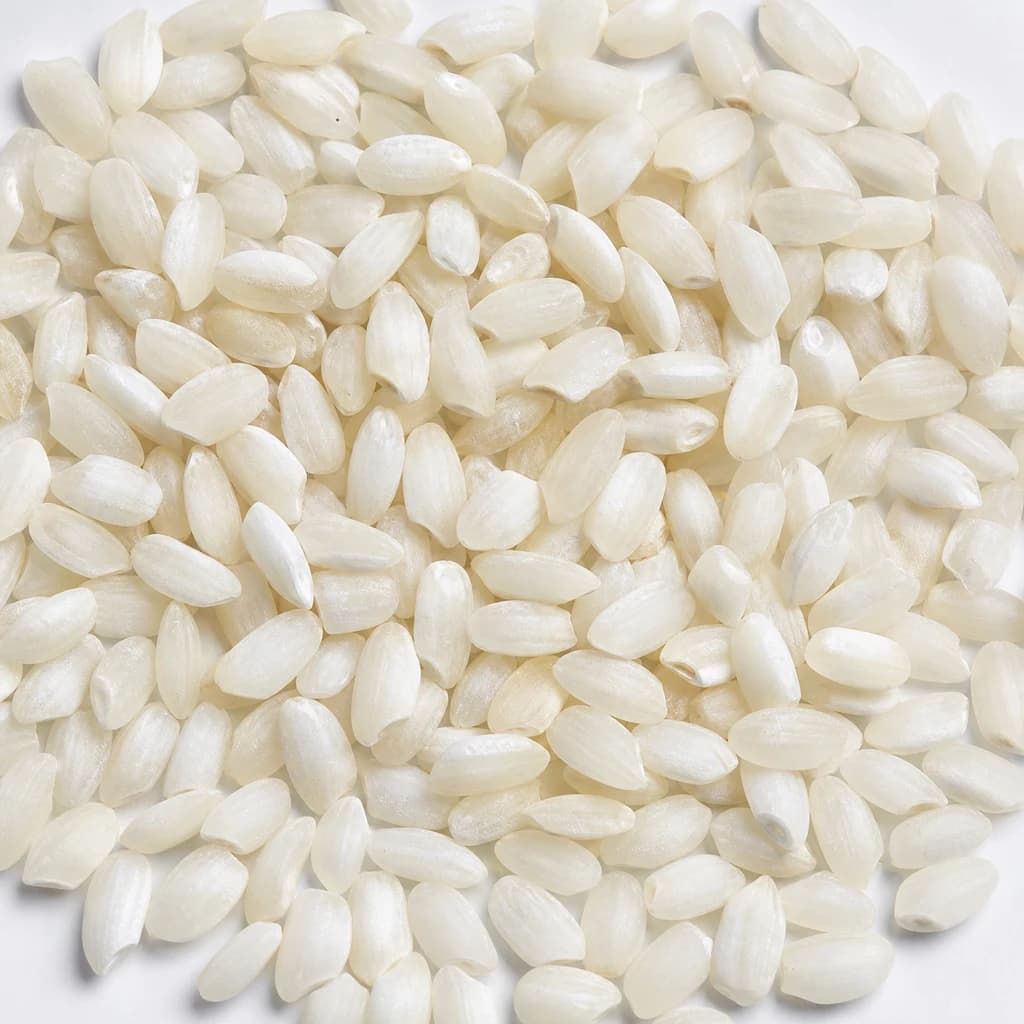
Arborio Rice
Plump, starchy rice that makes risotto creamy
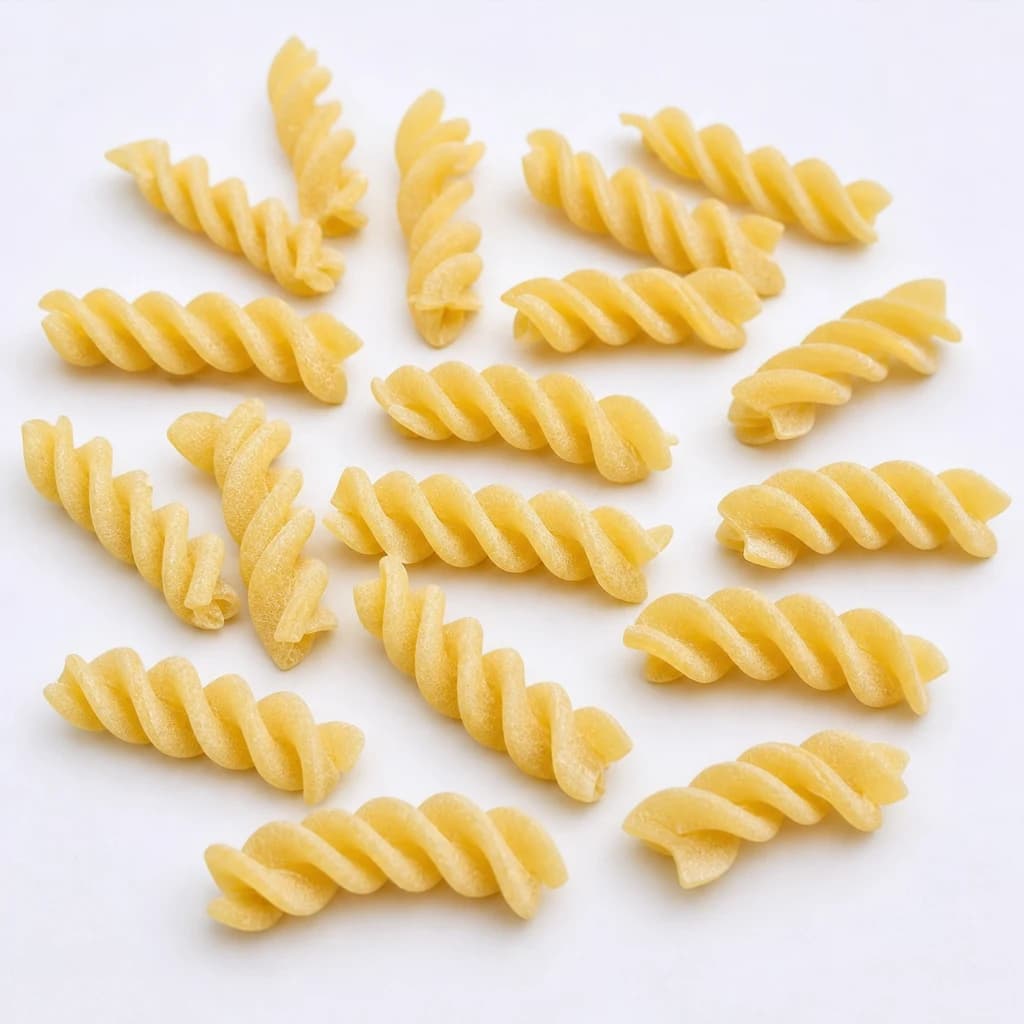
Fusilli
Spiraled pasta that twirls up sauce and dresses cold salads
Rolled Oats
Hearty flakes for porridge, granola, and chewy cookies