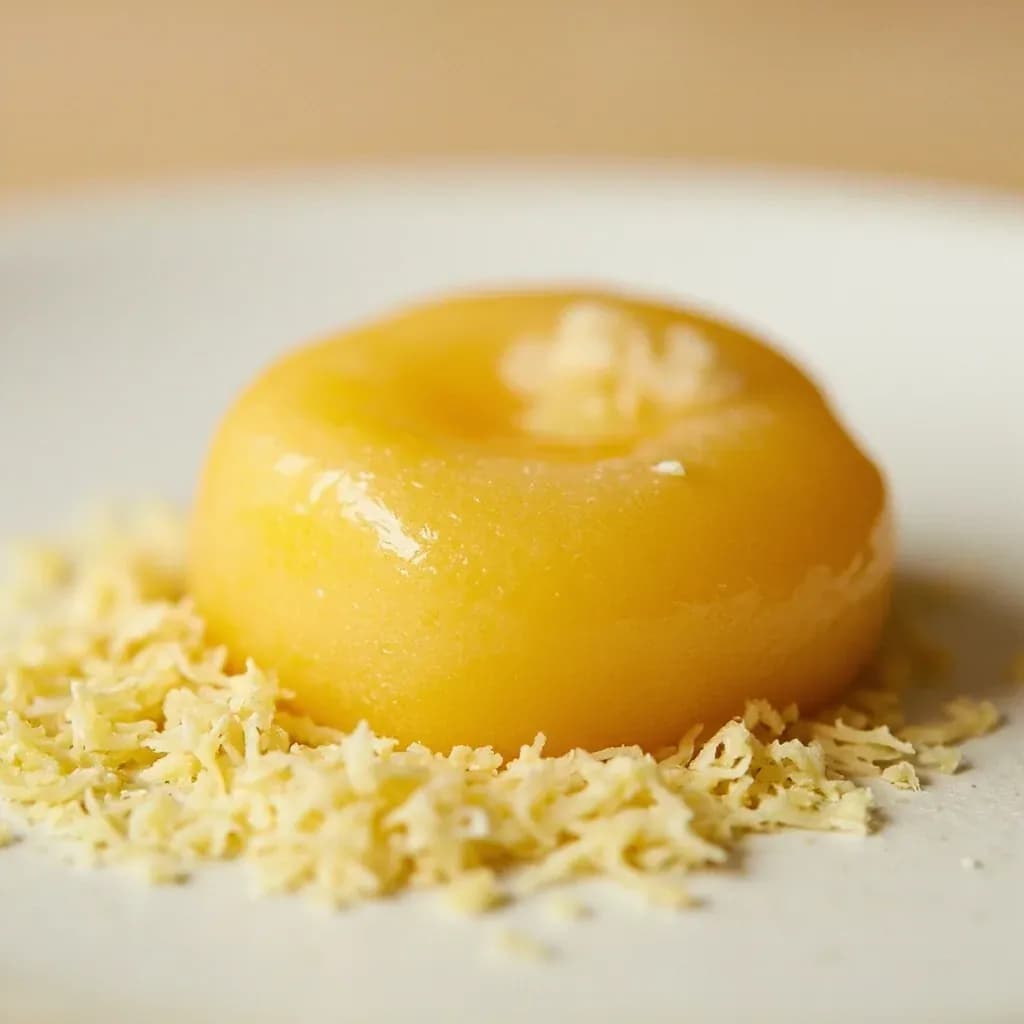
Proteins
Bottarga (Cured Fish Roe)
Salt-cured, pressed and dried fish roe (mullet or tuna), grated over pasta for a briny, umami punch.
Bottarga is the salted, pressed, and air-dried roe pouch of grey mullet (bottarga di muggine) or tuna (bottarga di tonno), a Mediterranean delicacy especially prized in Sardinia and Sicily. It is typically shaved or grated like a savory powder over spaghetti, salads, or buttered bread, where it delivers a concentrated briny, nutty, intensely umami flavor. Often called 'the poor man's caviar,' a little goes a long way.
Bottarga is one of the Mediterranean world's most potent umami ingredients—essentially salted, pressed, and sun-dried fish roe, most commonly from grey mullet or bluefin tuna. The process transforms fresh roe into dense, jewel-toned blocks with an intensely concentrated flavor that delivers oceanic brine, savory depth, and a clean mineral finish. It has been a staple of Sicilian and Sardinian cuisine since at least the medieval period, with roots reaching into North African and Middle Eastern traditions; the word itself derives from the Arabic butarkhā, reflecting centuries of culinary exchange across the Mediterranean.
Unlike cured fish like anchovies, bottarga is almost never cooked—its power lies in being shaved or grated over dishes at the last moment, where it melts into hot pasta, enriches eggs, or crowns a simple salad. A little goes extraordinarily far, making a single piece a pantry staple that lasts for months when properly stored. The finest bottarga di muggine still comes from the swamps around Cabras in Sardinia, where traditional pressing and sun-drying methods have remained largely unchanged for generations.
- Measured in
- g
- Storage
- Fridge
Allergens
Types & varieties
Grey mullet roe; the most prized and traditional variety, especially from Sardinia (Cabras, Oristano)
Bluefin tuna roe; slightly larger, milder flavor, more common in eastern Sicily and Calabria
Egyptian equivalent; heavier salting, traditionally from grey mullet; served as a ceremonial dish
Selecting Quality Bottarga
The best bottarga is sun-dried in the traditional manner, which develops a more complex flavor than industrial dehydrator versions. Pressed vacuum-sealed pieces from specialty grocers or Italian markets are preferable to pre-grated options, which lose their intensity quickly. A freshness test: genuine bottarga should have a faint seawater smell, not a strong fishy or ammonia odor, which indicates age or improper storage.
- Look for firm, dense roe with uniform deep orange color
- Avoid pieces that appear dry and cracked or excessively soft and wet
- Pre-grated packets lose flavor rapidly—grate whole pieces as needed
The Cabras Tradition
The finest bottarga di muggine still comes from the wetlands around Cabras in Sardinia, where the traditional methods of pressing and sun-drying have remained largely unchanged for centuries. The roe is harvested in late winter to early spring when the mullet are at their peak, then salted, pressed to remove excess moisture, and dried in the Mediterranean sun. This artisanal approach produces a product with superior depth and complexity compared to mass-produced versions.
- Traditional sun-drying develops more nuanced flavor than industrial methods
- Late winter to early spring harvest represents peak quality
- Sardinian Cabras bottarga carries a protected designation in Italy
Common uses
Tips & pitfalls
- Never cook bottarga—always add it off the heat or as a finishing garnish
- Grate on a microplane for the finest, almost powdery texture that melts into hot pasta
- Start with less than you think; the flavor is concentrated and salty
- Store whole pieces wrapped in plastic in the fridge, or freeze for longer storage
- If the roe is very hard, slice thin with a sharp knife rather than forcing it through a grater
- Quality bottarga should smell of clean seawater, not fishy or ammonia-like
- A little goes very far—a 50g piece will season dozens of portions
Nutrition
Energy
598 kJ · per 100 g
Where the calories come from
Protein
22.3g
45% DV
Carbs
1.5g
1% DV
Fat
6.4g
8% DV
Fiber
0g
0% DV
Sugars
0g
of which
Sodium
91mg
4% DV
Source · USDA FoodData Central · approx. Fish, roe, mixed species, raw
View on FDC →In the shops
Matched grocery products
No matched grocery products for Bottarga (Cured Fish Roe) yet.
Good to know
- Origin
- Mediterranean (Sicily, Sardinia, Egypt)
- Primary Fish
- Grey mullet (muggine), bluefin tuna
- Form
- Pressed, dried roe in flat rectangular blocks or cylinders, often vacuum-sealed or coated in beeswax
- Color
- Deep amber to burnt-orange when sliced; darker when whole
- Flavor Profile
- Intense brine, oceanic umami, savory with a clean finish
- Shelf Life
- Months refrigerated (whole); use opened portions within 2–3 weeks
- Yield
- A little goes very far — 1 block serves many portions
- Typical Purchase
- Whole pieces (20–80 g), pre-grated packets (less common)
- Equipment
- Microplane or fine cheese grater; sharp knife for slicing thin
- Season
- Available year-round; roe is traditionally harvested in late winter to early spring
Substitutes
- Tarama (cod or carp roe) — Milder and creamier when mixed with oil; not a close match but provides brine
- Flying fish roe (tobiko) — Crunchy texture but lacks depth of flavor; use in sushi contexts
- Lumpfish roe — Common substitute for color and briny notes but very different character
- Dried shrimp powder — Provides marine umami but no textural component
- Katsuobushi (dried bonito) — Similar umami depth but no brine; acceptable in non-seafood contexts
Also called
Cured Fish Roe · Tuna Bottarga · Bottarga di Tonno · Bottarga di Muggine · Mullet Roe
Appears in these dishes
Related
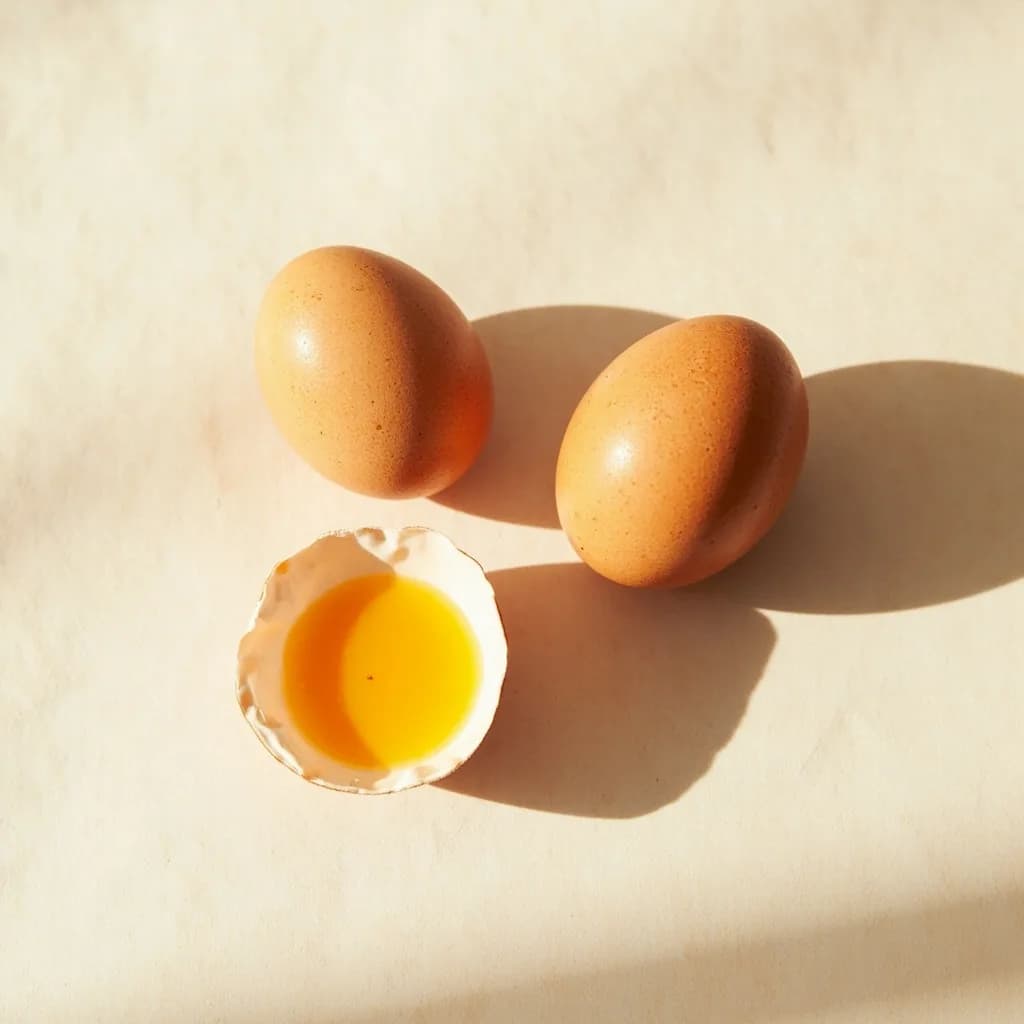
Egg
The kitchen's everything ingredient — bind, leaven, enrich, or fry
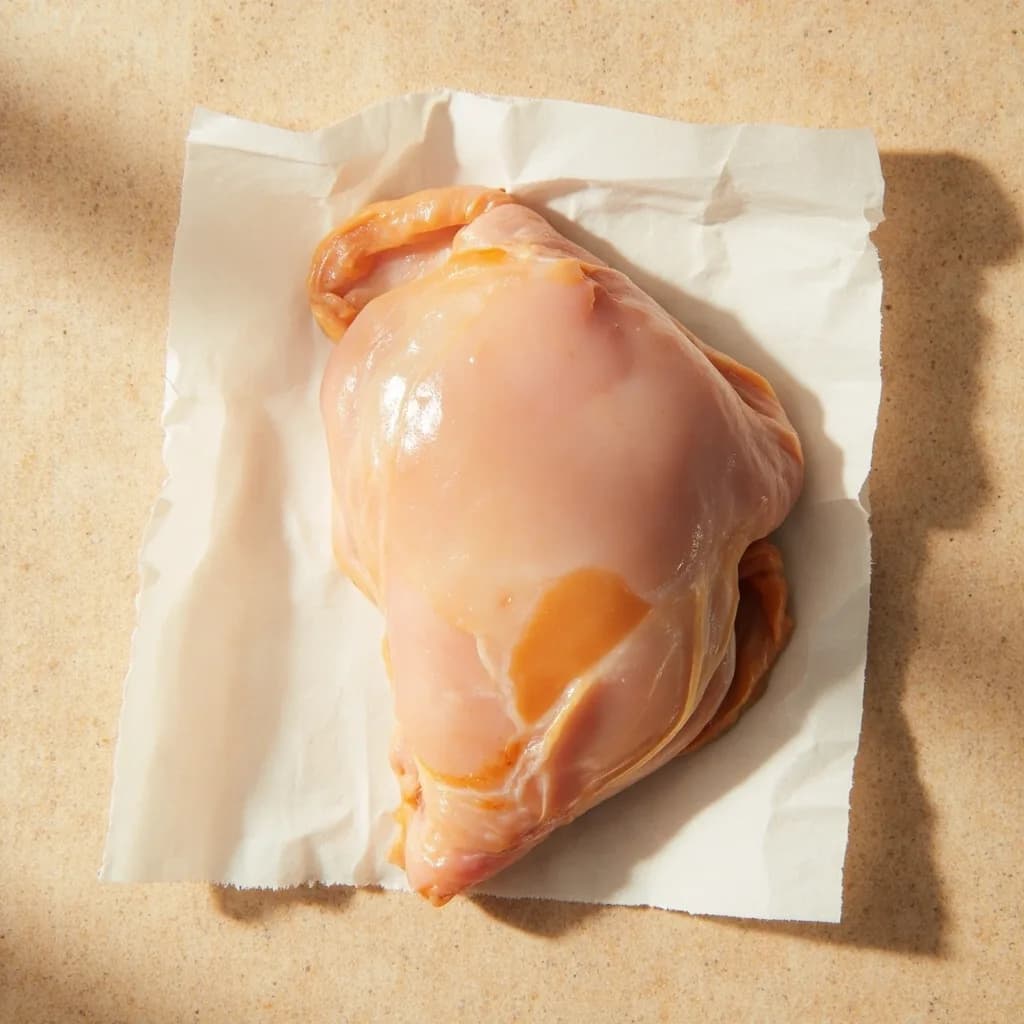
Chicken Breast
Lean, quick-cooking white meat for everyday dinners

Ground Beef
Versatile minced beef for burgers, ragù, tacos, and meatballs
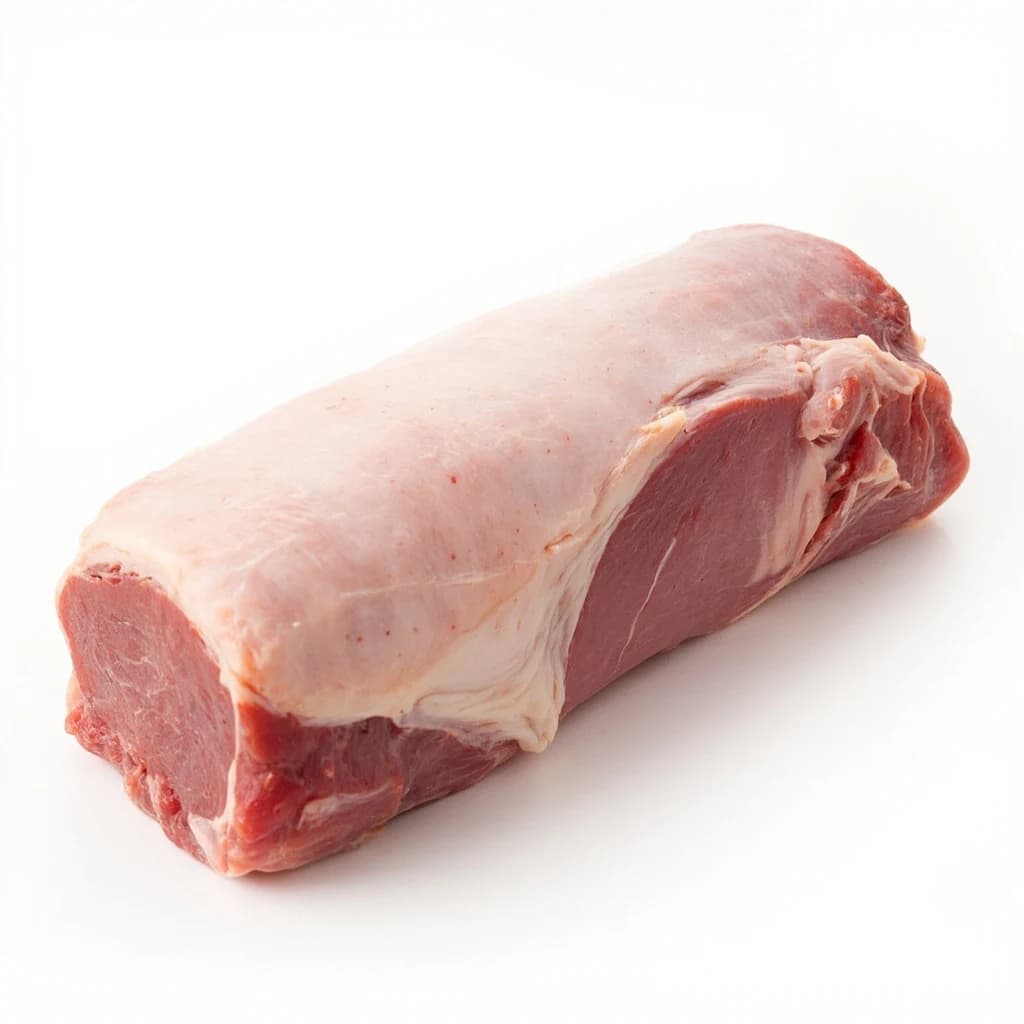
Pork Loin
Lean, tender roasting cut that stays juicy with care
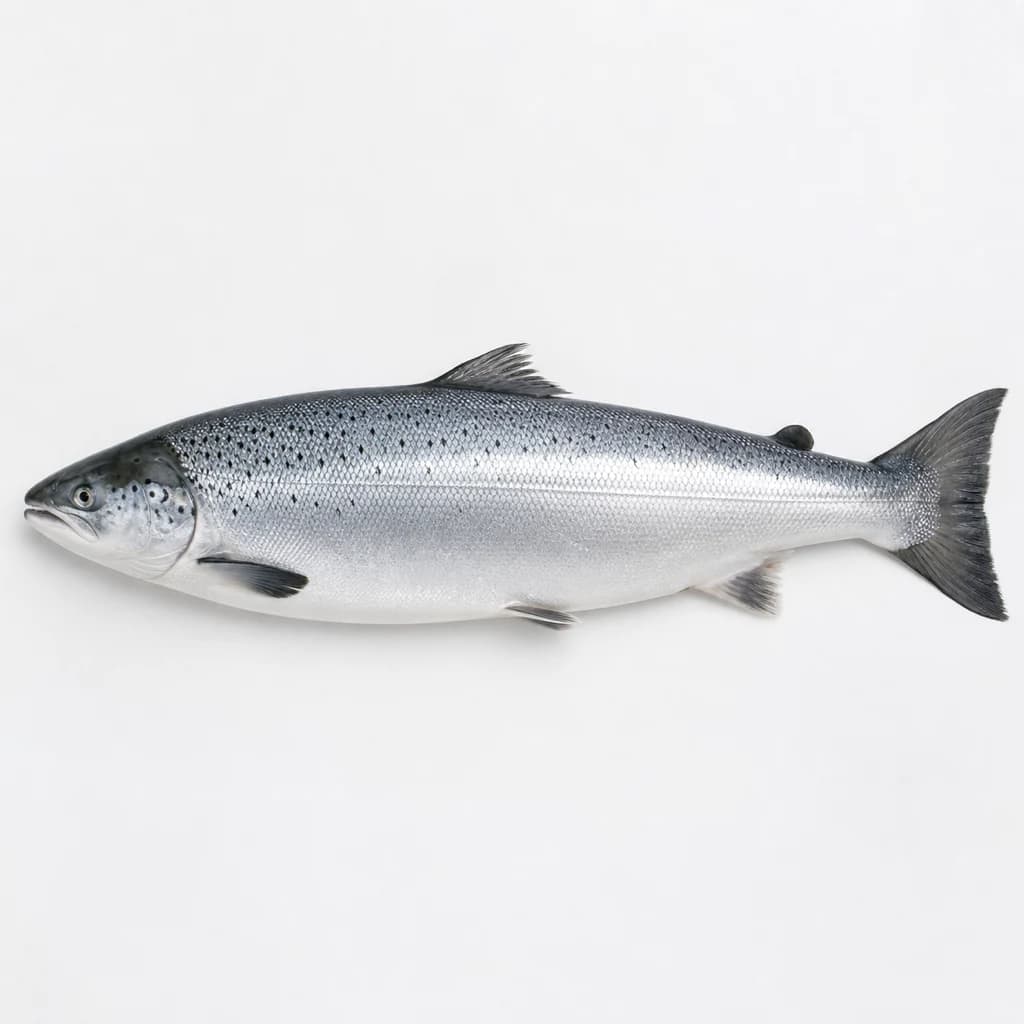
Salmon
Rich, rosy fish that roasts, grills, or cures beautifully

Egg White
Pure protein that whips to airy peaks for meringue and more
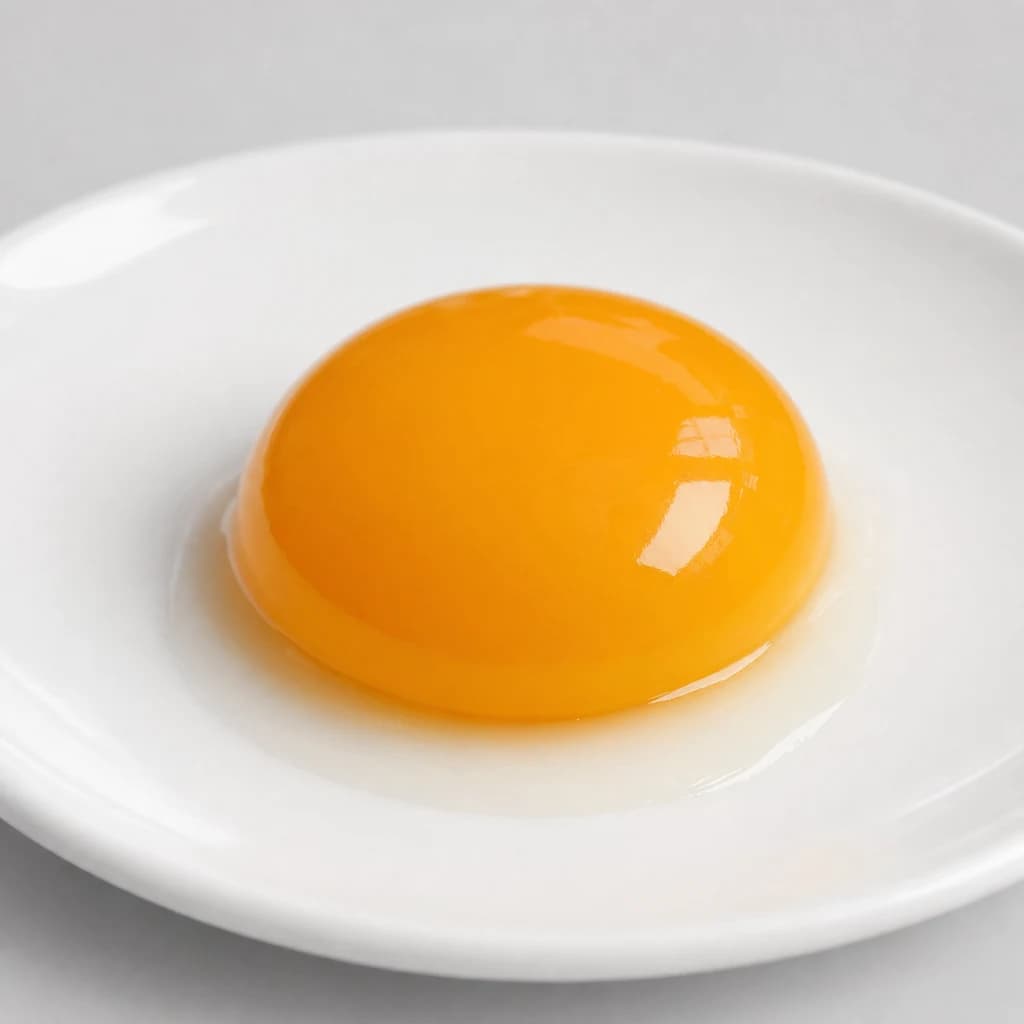
Egg Yolk
Rich, golden yolk for custards, mayonnaise, and pasta

Quail Egg
Tiny, speckled eggs for garnishing and elegant bites