Grains & Rice
Fresh Egg Pasta
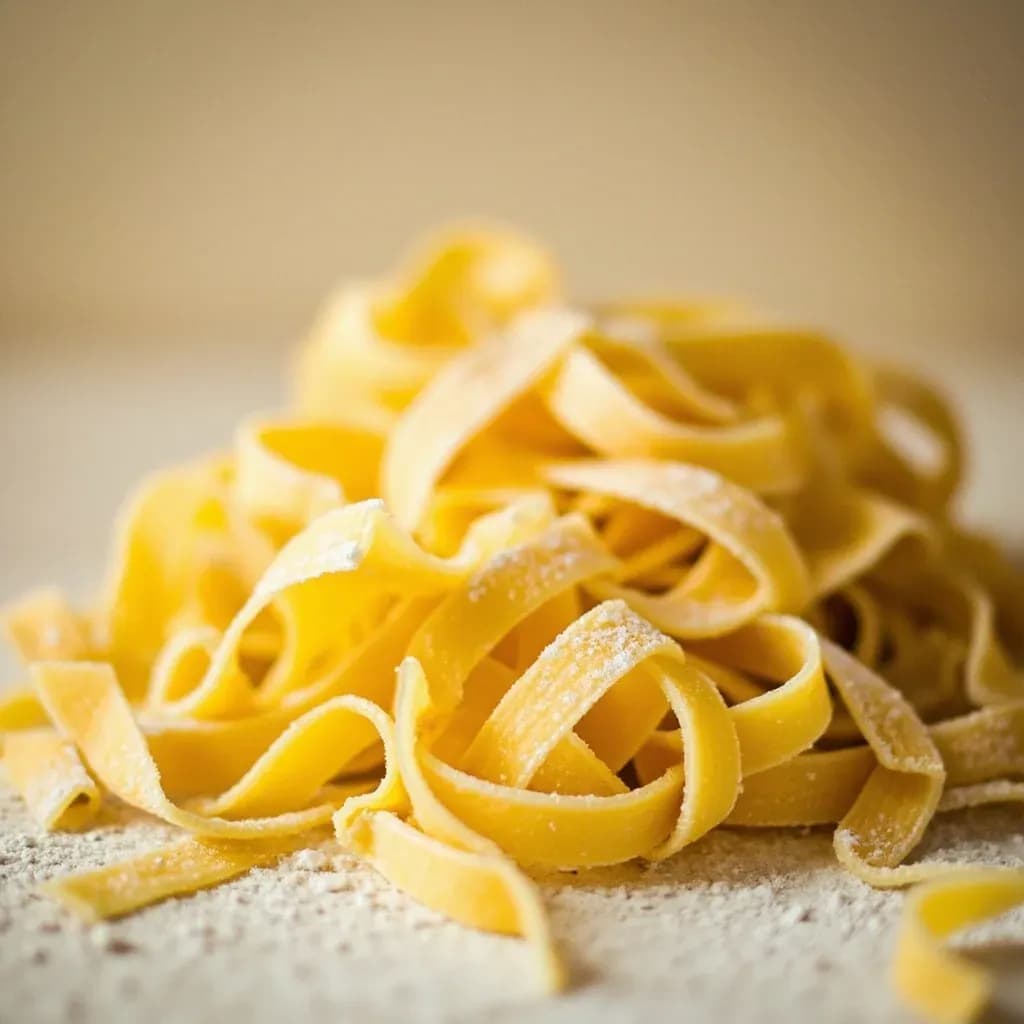
Soft Italian pasta made from flour and eggs, rolled thin for tagliatelle, ravioli and lasagne.
Fresh egg pasta, or pasta all'uovo, is a classic Italian dough made by working eggs into soft wheat flour, traditionally tipo 00. It is rolled thin and cut into ribbons like tagliatelle and fettuccine, or filled to make ravioli and tortellini. Richer and more tender than dried semolina pasta, it cooks in just a couple of minutes.
Fresh egg pasta is a living dough—flour and eggs formed into a pliable mass, rested, then rolled thin and cut. The eggs, especially the yolks, bring fat and a golden hue that dried durum pasta simply cannot achieve, giving the dough a tender, silky texture that collapses gently against refined sauces. Its higher hydration and lower protein structure make it a fragile thing: fresh pasta cooks in 2–4 minutes and demands respect from pot to plate. Where dried pasta is firm and resilient, fresh egg pasta is delicate, with a gentle chew that is best suited to sauces that mirror its refinement. The craft lives in two great Italian traditions. Bolognese pasta-makers hand-roll to tissue‑thin transparency, producing ribbons that seem to float on sauce. Roman pasta-makers often incorporate semolina for a firmer bite and welcome the pasta machine. Both traditions agree that fresh egg pasta is not an everyday substitute for dried—it is a distinct ingredient suited to its own repertoire of preparations.
- Measured in
- g
- Storage
- Fridge
Allergens
Types & varieties
Flat ribbon 6–7mm wide, the signature pasta of Bologna; traditionally served with ragù alla Bolognese
Flat ribbon 3–4mm wide; associated with Rome and Lazio; often served with butter and sage or Alfredo
Wide ribbons 20–25mm wide; ideal for rich, hearty sauces like wild boar or game
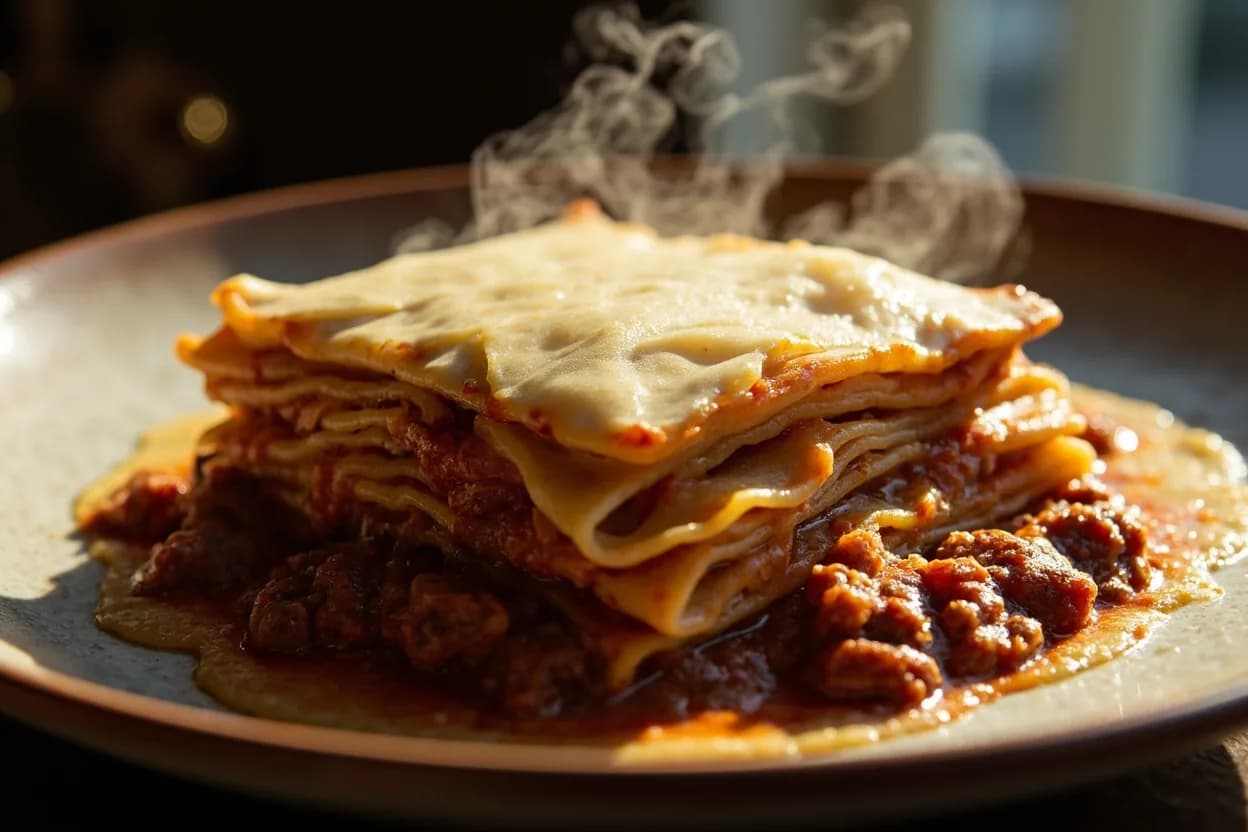
Broad, thin sheets layered with ragù, béchamel, and cheese; verde (green) incorporates spinach
Stuffed squares with various fillings; pinched or crimped edges; 1–2 inches square
Ring-shaped stuffed pasta from Bologna/Modena; traditionally filled with pork, prosciutto, and Parmigiano
Pinched agnolotti from Piedmont; small, crescent-shaped with multiple pinched edges
Roughly cut irregular pieces; literally means "badly cut"; made from pasta scraps
Square-section spaghetti from Lazio; hand-rolled using a comb-like tool (pettine)
The Two Traditions: Bologna and Rome
Emilia-Romagna and Lazio represent the two great poles of fresh egg pasta. Bolognese tradition emphasizes hand-rolling to gossamer‑thin sheets, producing delicate ribbons that seem to dissolve against sauces. The dough is often made with 00 flour only, yielding a silky, refined texture. Roman tradition frequently incorporates semolina flour for certain varieties, giving a firmer, more substantial bite that holds up to robust treatments. Both traditions agree on the primacy of the pasta itself: quality ingredients, minimal interference, and sauces designed to complement rather than overwhelm.
- Emilia-Romagna: 00 flour, hand-rolled, tissue‑thin, delicate ribbons for refined sauces
- Lazio: semolina sometimes incorporated, firmer bite, pasta machines common, suited to bold preparations
The Role of Eggs
Eggs are not a shortcut—they are the soul of the dough. Whole eggs provide structure and hydration; yolks bring fat and color, producing that characteristic golden hue and a tender, almost melt‑in‑the‑mouth quality. A richer dough substituting extra yolks for whole eggs yields pasta that is almost custard‑like in its delicacy. This richness means fresh egg pasta demands sauces with some body—dairy, butter, or unctuous meats—not watery tomato preparations built for dried pasta.
- Whole eggs: balanced structure, moderate richness
- Extra yolks: deeper color, more tender, richer mouthfeel
- More fat = more delicacy = refined sauces only
Common uses
Tips & pitfalls
- Rest dough at least 30 minutes wrapped in plastic to hydrate gluten; prevents springy shrinkage during rolling
- Skipping the rest period causes dough to spring back and tear when rolling
- Overworking dough develops too much gluten, resulting in tough, rubbery pasta
- Roll dough thin enough to read a newspaper through it for tagliatelle and lasagne
- Not dusting cut pasta enough causes sticking; use semolina flour for better separation
- Overcooking—taste at 2 minutes; it should be tender but with slight resistance (al dente for fresh)
- Substitute 1–2 whole eggs with additional yolks for richer, more golden, more tender pasta
- For stuffed pasta, roll extremely thin—machine setting 5–6 on most pasta machines
- Add flour sparingly while kneading—the dough should be slightly tacky, never dry
- For machine-rolled pasta, progress gradually through all thickness settings; never skip settings
- Cut tagliatelle immediately after final rolling pass while dough is still pliable; dust generously with flour
- Boil in well-salted water (roughly 1 tablespoon per liter) and serve immediately
- To freeze, flash-freeze cut pasta on a floured sheet pan, then transfer to bags to prevent clumping
- Adding olive oil to the dough is optional; it can make the finished pasta slightly less tender
Nutrition
Energy
544 kJ · per 100 g
Where the calories come from
Protein
5.3g
11% DV
Carbs
23.5g
9% DV
Fat
1.7g
2% DV
Sodium
83mg
4% DV
Source · USDA FoodData Central · approx. Pasta, homemade, made with egg, cooked
View on FDC →In the shops
Matched grocery products
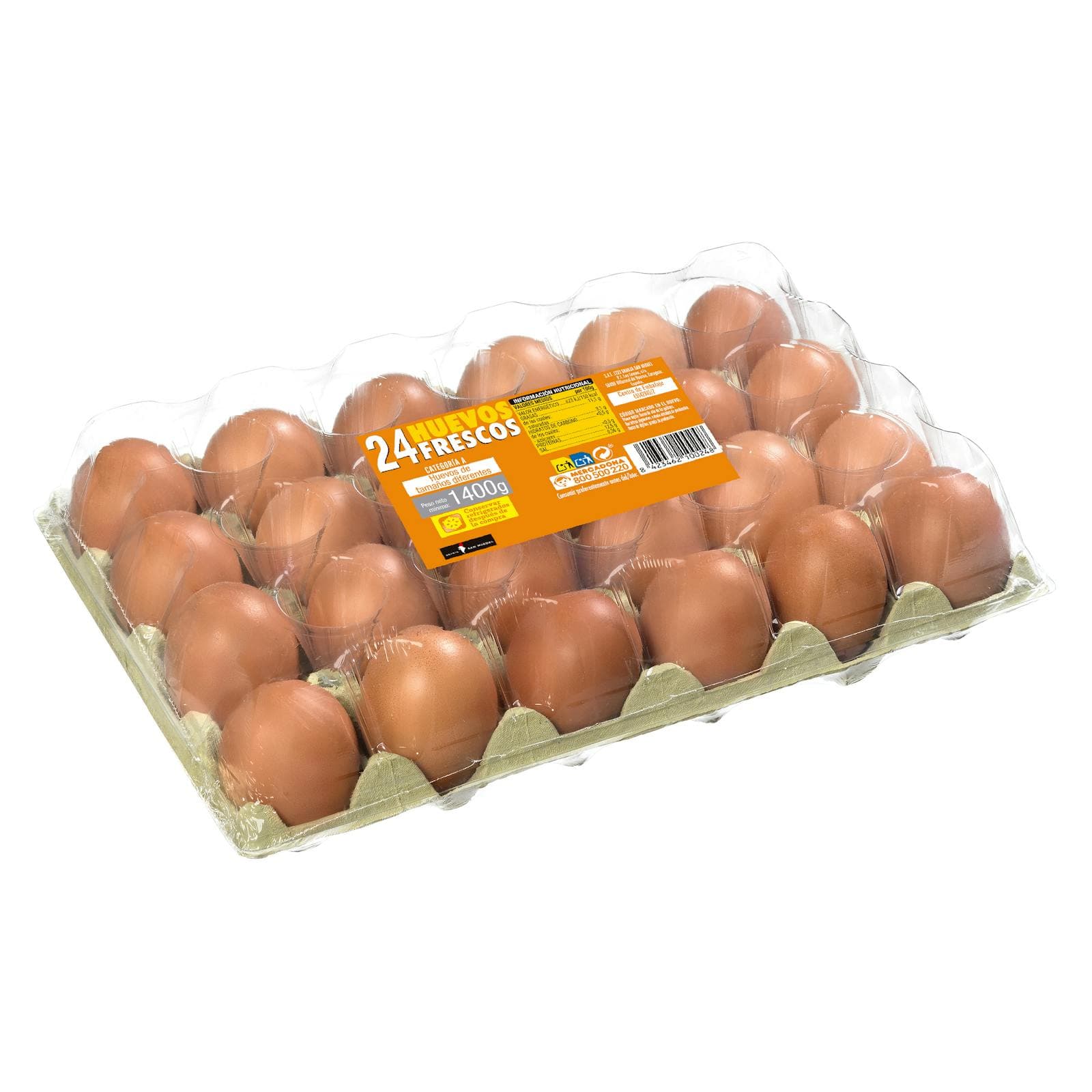 €5.60
€5.60Eggs
24 dz · Mercadona
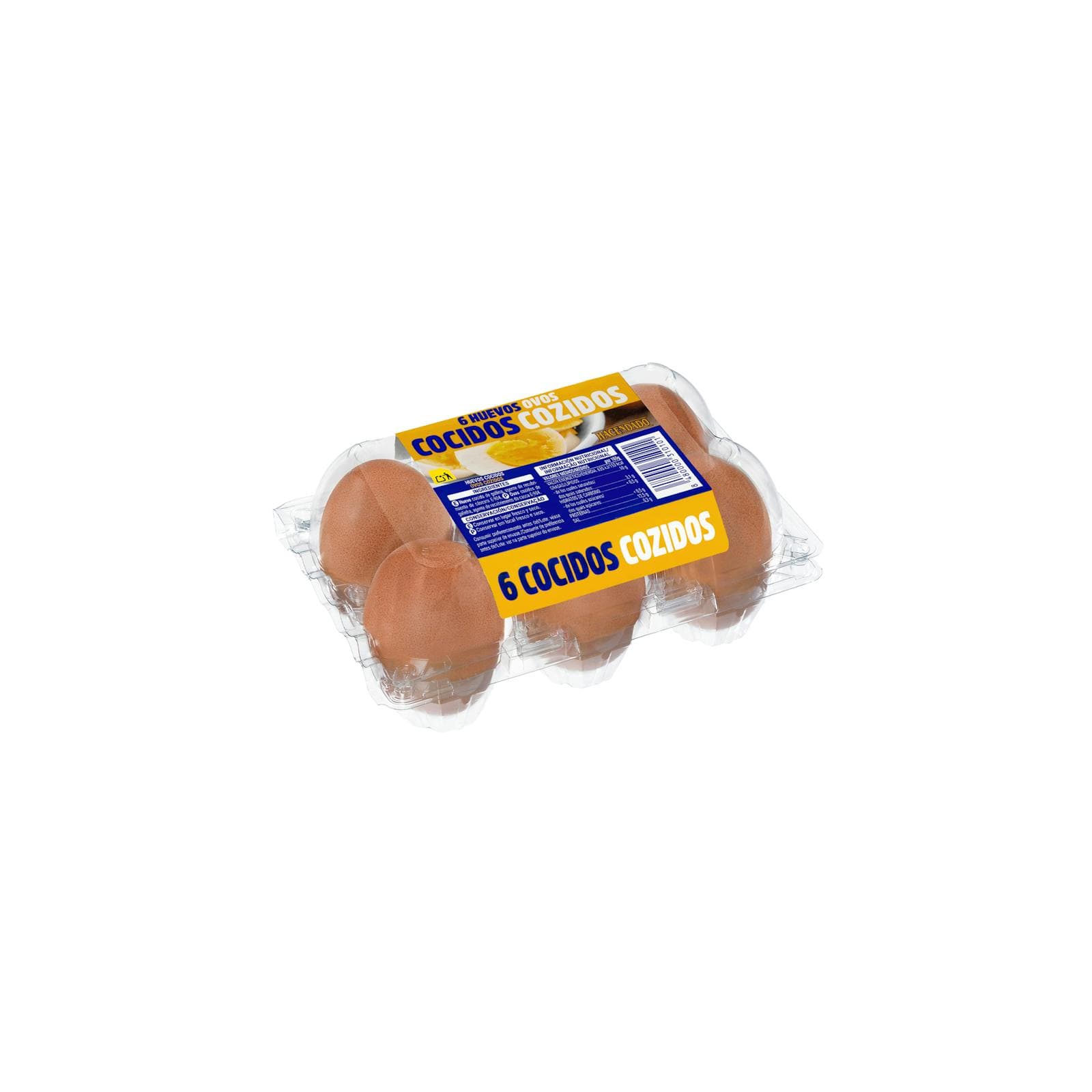 €2.20
€2.20Cooked Eggs
6 dc · Mercadona
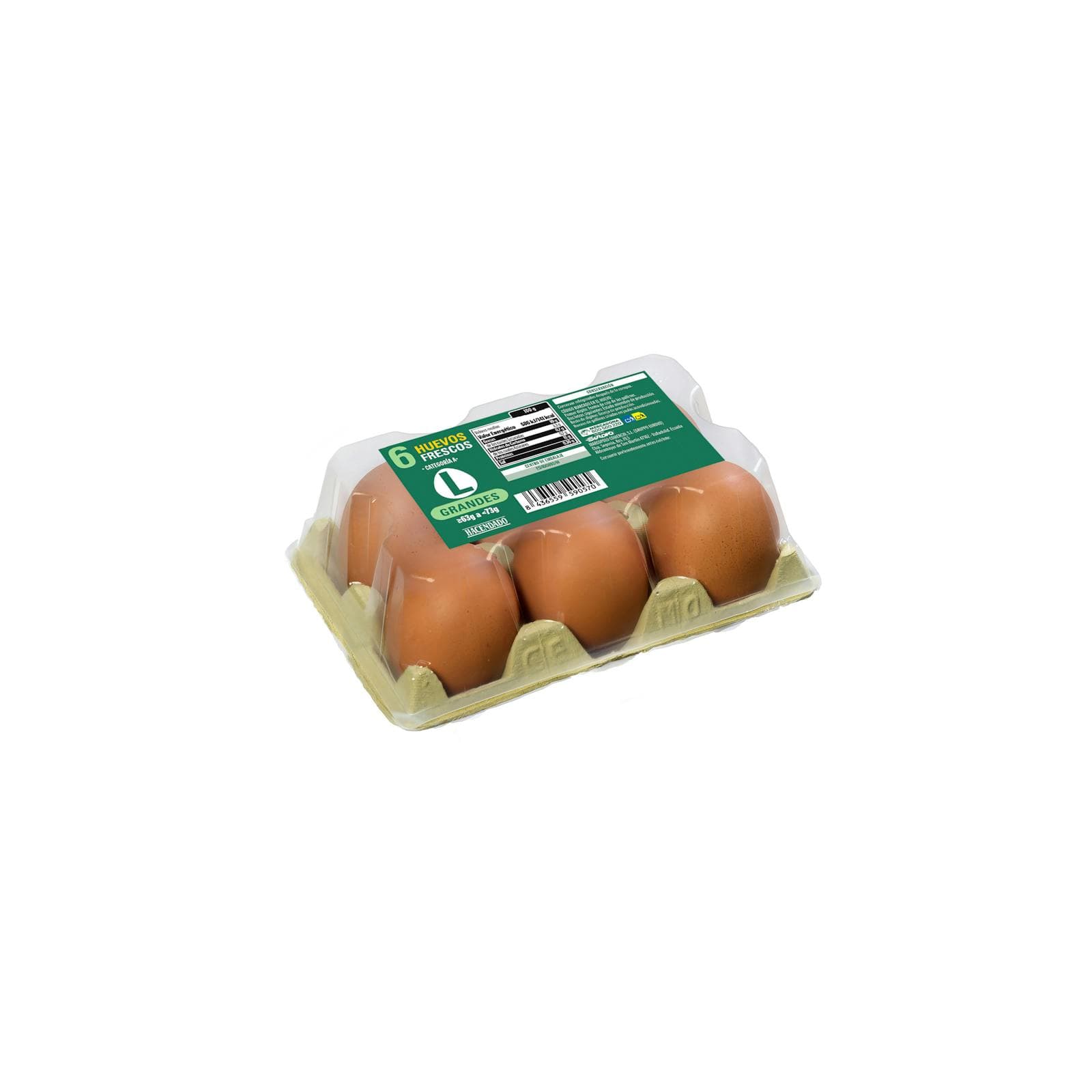 €1.80
€1.80Large Eggs
6 dc · Mercadona
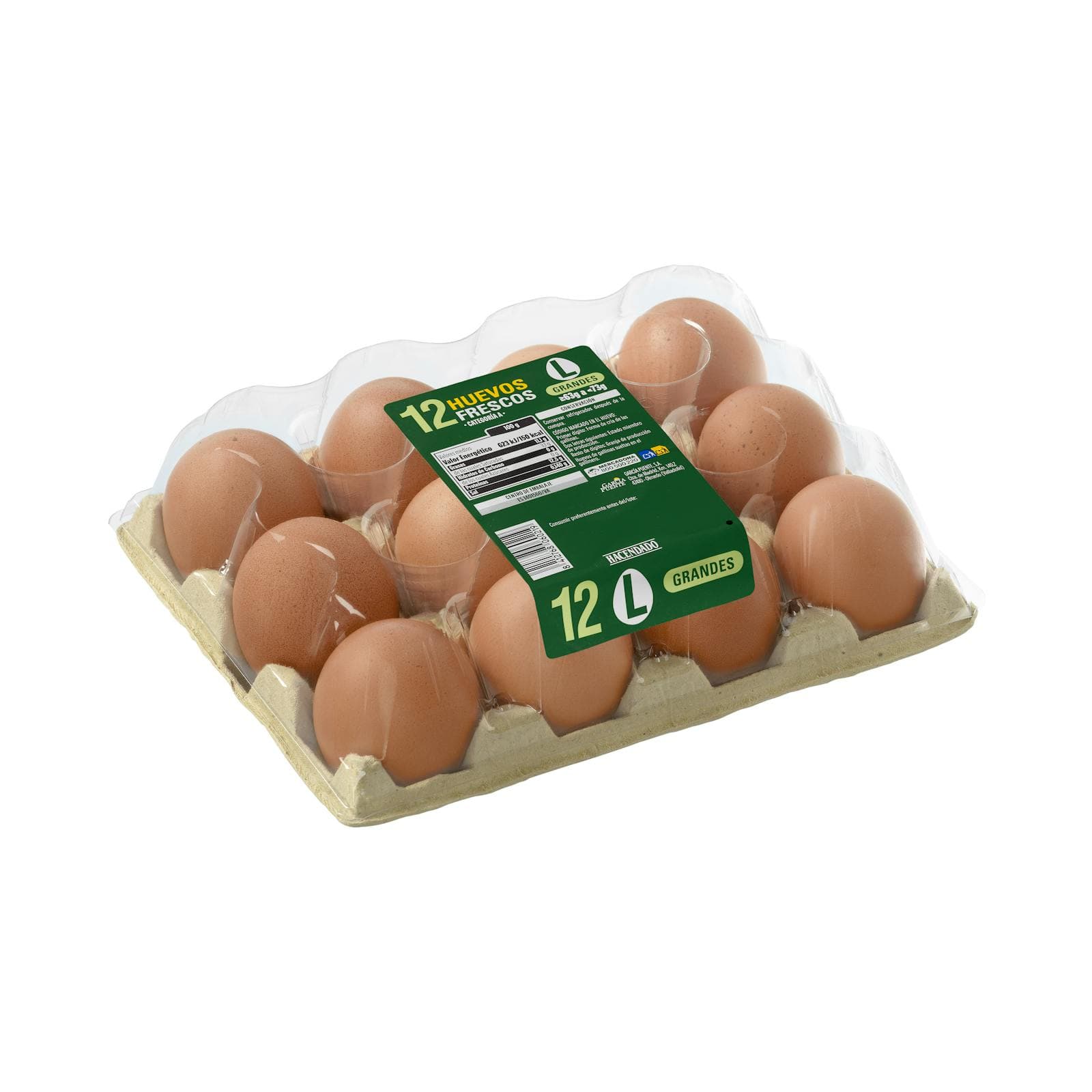 €3.20
€3.20Large Eggs
12 dc · Mercadona
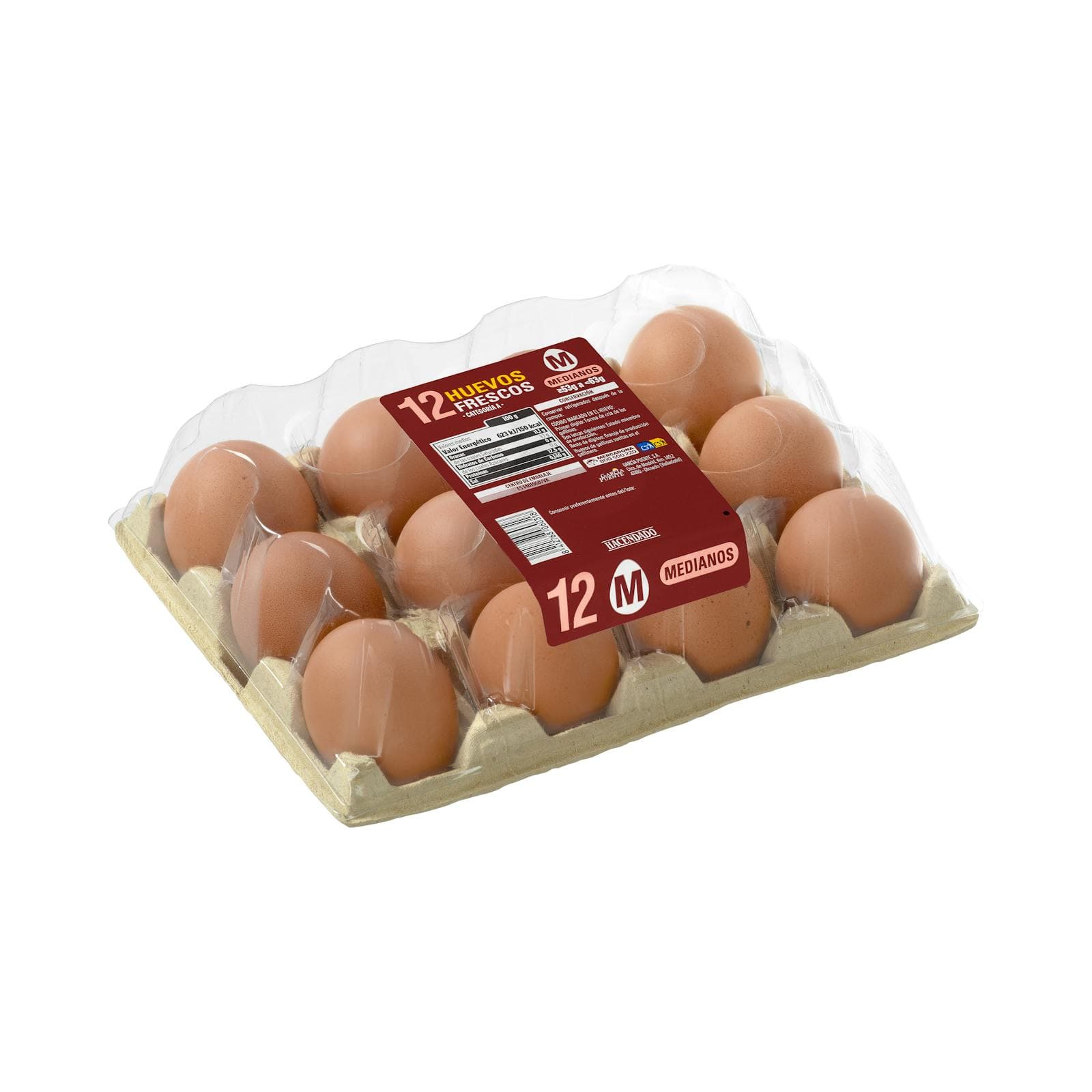 €3.00
€3.00Medium M Eggs
12 dc · Mercadona
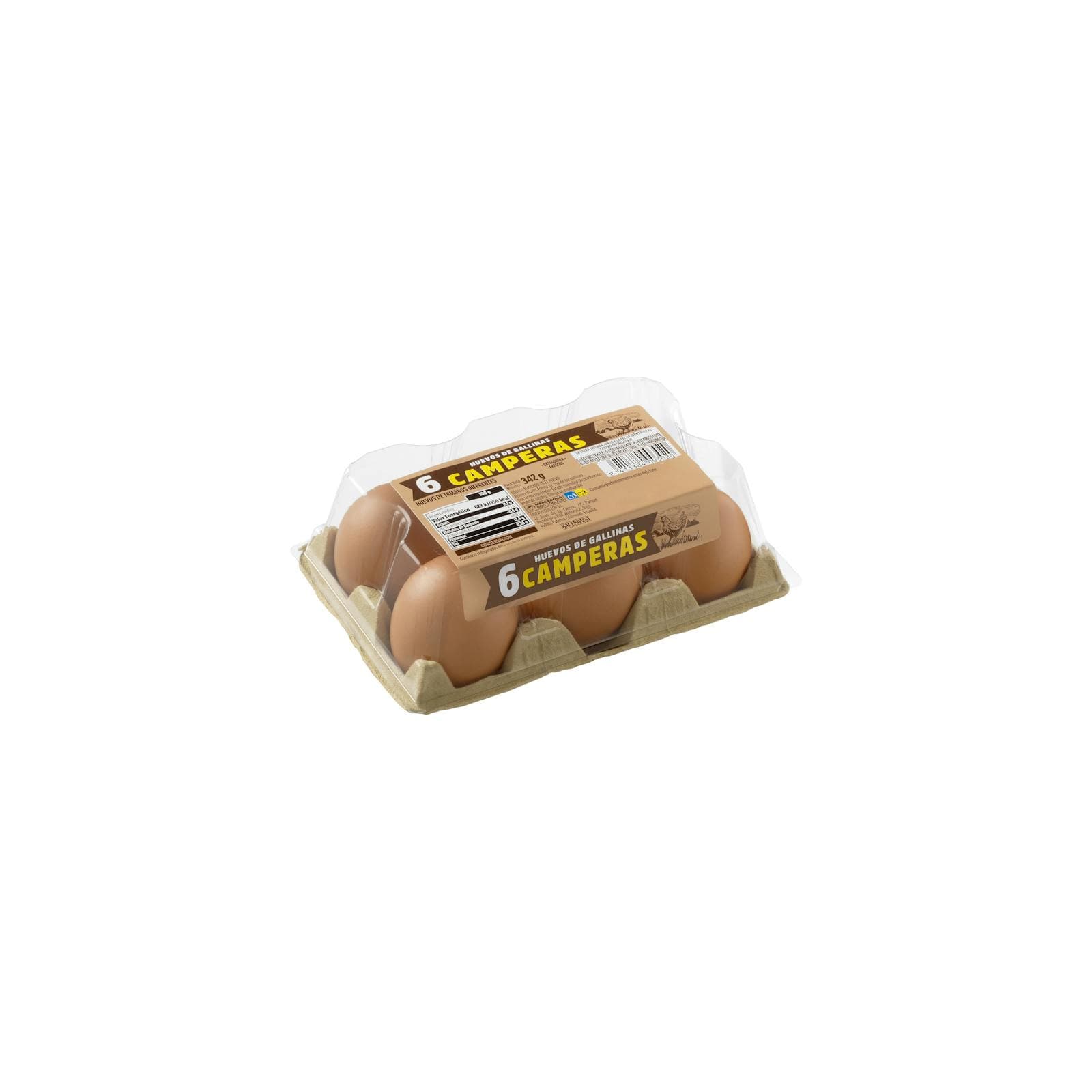 €2.10
€2.10Free-Range Eggs
6 dc · Mercadona
Good to know
- Main ingredients
- Wheat flour (typically 00 or all-purpose) and whole eggs or egg yolks
- Classic ratio
- 100g flour + 1 whole egg per serving; richer pasta uses 50g flour + 1 yolk per person
- Origin
- Northern Italy, especially Emilia-Romagna (Bologna, Modena) and Lazio (Rome)
- Texture
- Tender, silky, slightly chewy when cooked; much softer than dried durum pasta
- Cooking time
- 2–4 minutes fresh versus 10–12 minutes for dried pasta
- Shelf life
- 1–2 days refrigerated (dusted with flour in plastic bag); up to 3 months frozen
- Fat content
- Significantly higher than dried pasta due to egg yolks; contributes to tenderness
- Hydration
- Eggs provide moisture; dough is wetter than typical bread doughs
Substitutes
- Fresh pasta from specialty shops or grocery refrigerated section — Commercially made but acceptable substitute; check ingredients for artificial additives
- Fresh Asian egg noodles — Different flour (often wheat or rice-wheat blend) and thinner profile; use within 1–2 days
- Dried egg pasta (egg-enriched dried pasta) — Slightly firmer texture; cook 5–7 minutes; acceptable substitute for sauces
- Homemade no-egg pasta dough — Flour and water only; significantly different flavor and texture—more neutral, slightly more chewy
- Wonton wrappers — Thinner and smaller; acceptable for ravioli-style stuffed preparations in a pinch
Pairs with
Also called
Pasta all'Uovo · Egg Pasta · Sfoglia
Appears in these dishes
Related

White Rice
Fluffy long-grain rice — the neutral base for almost any meal

White Bread
Soft sandwich loaf for toast, sandwiches, and crumbs
Brown Rice
Nutty, whole-grain rice with chew and extra fiber

Basmati Rice
Fragrant, long-grain rice that cooks up light and separate
Jasmine Rice
Soft, floral-scented rice that's the pillar of Thai meals
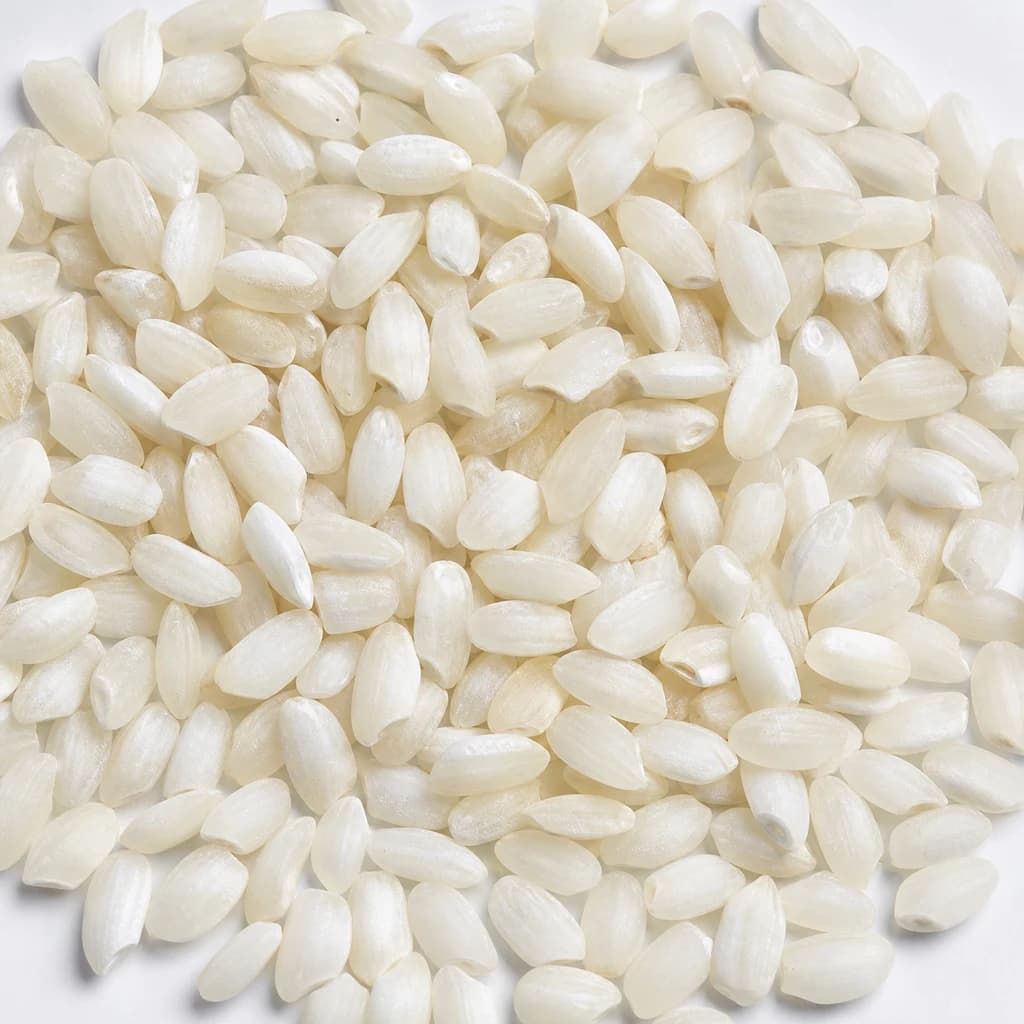
Arborio Rice
Plump, starchy rice that makes risotto creamy
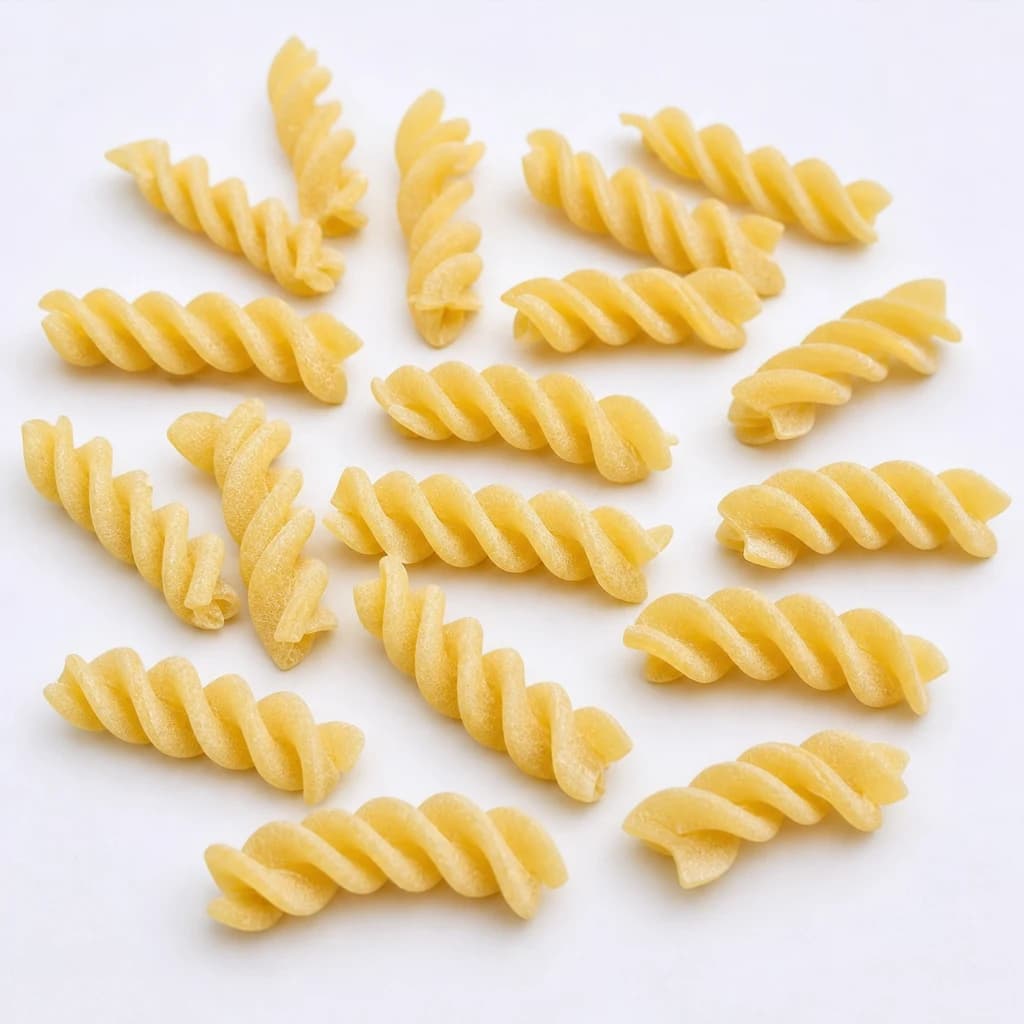
Fusilli
Spiraled pasta that twirls up sauce and dresses cold salads
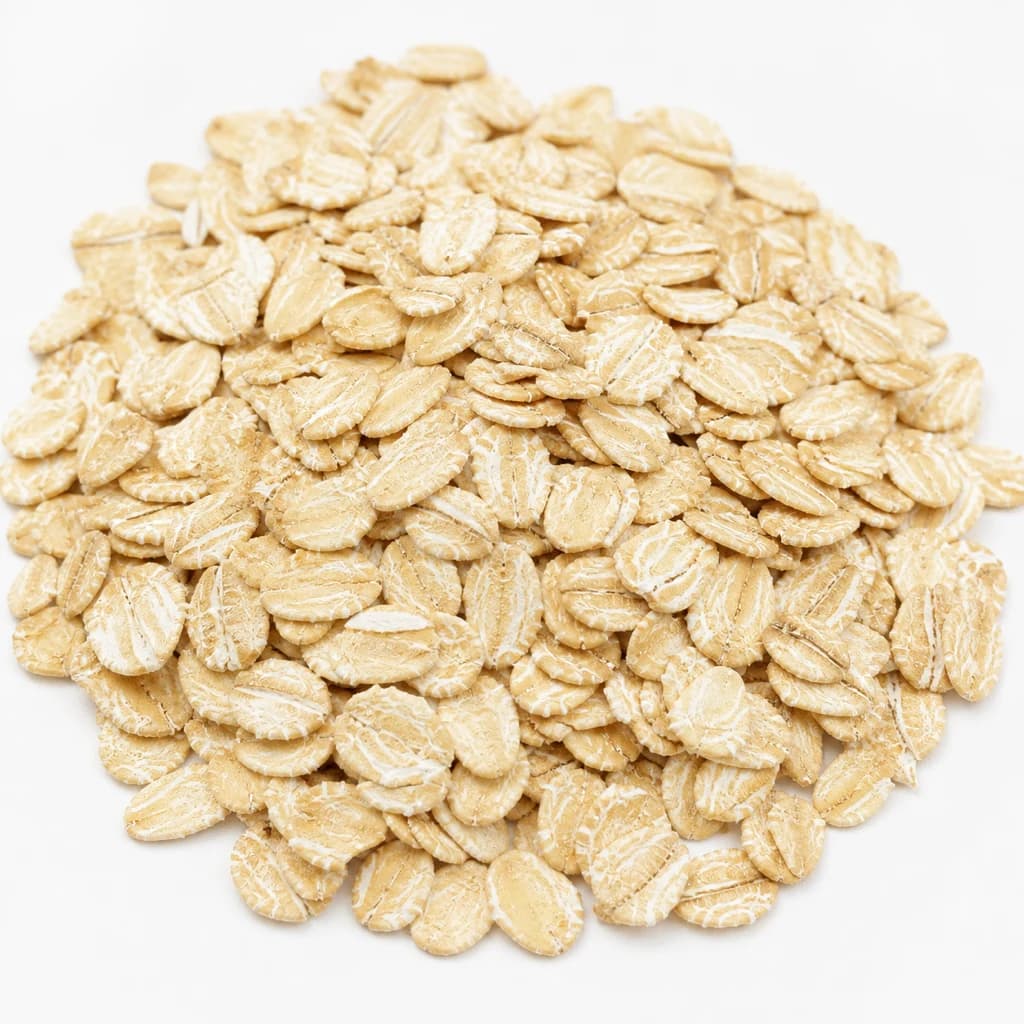
Rolled Oats
Hearty flakes for porridge, granola, and chewy cookies