Grains & Rice
Tagliatelle
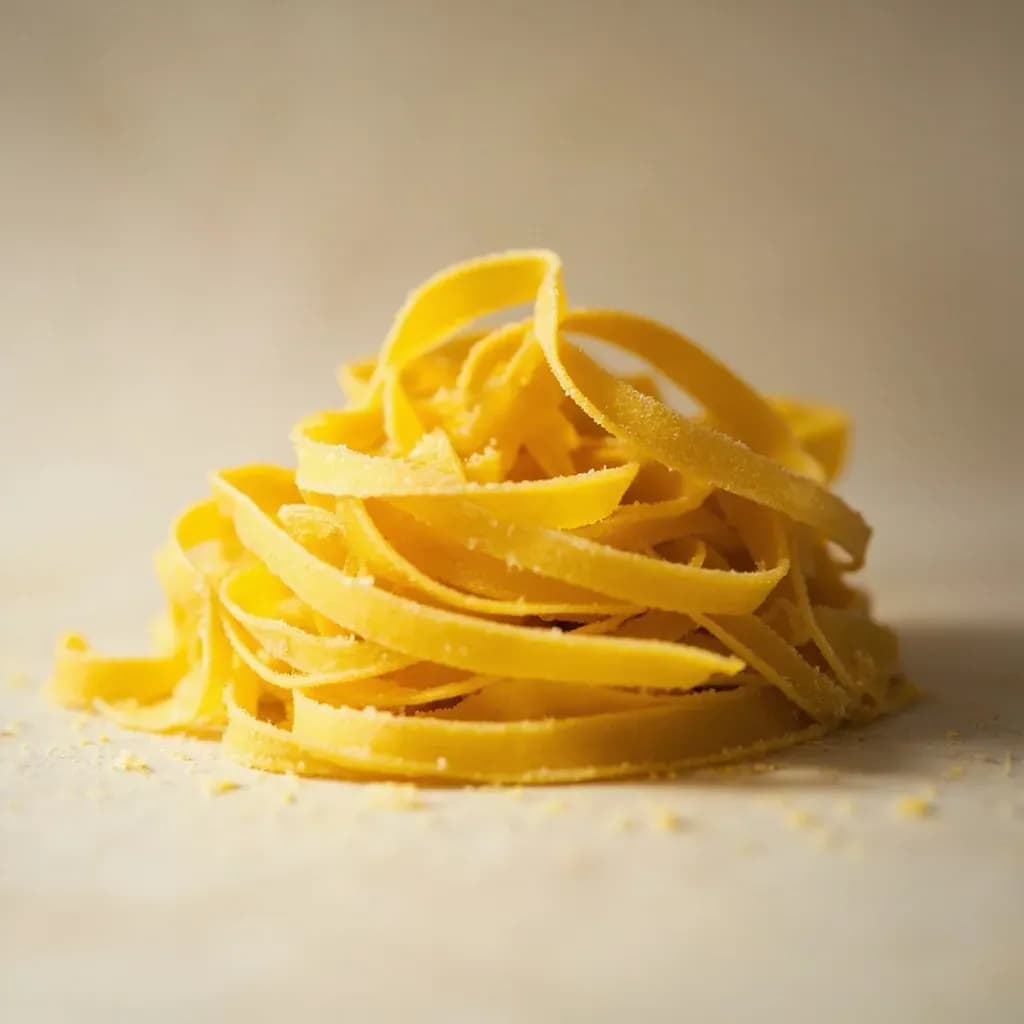
Long flat egg-pasta ribbons from Emilia-Romagna, the classic partner to ragù alla bolognese.
Tagliatelle are long, flat ribbons of egg pasta about 6 to 8 mm wide, originating in Emilia-Romagna. Their porous, slightly rough surface clings beautifully to rich meat sauces, making them the traditional pairing for ragù alla bolognese. They are also served with mushroom, cream or simple butter sauces.
Tagliatelle are long, flat egg-pasta ribbons that represent one of the defining culinary traditions of Emilia-Romagna, particularly the city of Bologna. The pasta is cut from a sheet of egg-enriched dough into strands approximately 6–7 mm wide and 1.5 mm thick — a width carefully calibrated to hold thick, slow-cooked meat sauces without overwhelming them. Traditional Bolognese tagliatelle are made with a high ratio of eggs to flour (often 100 or more eggs per kilogram of flour), giving the dried pasta a deep golden hue and a tender, almost silky texture when cooked. The pasta's flat, porous surface — especially when extruded through bronze dies or rolled by hand — creates ideal conditions for sauce adhesion, making it functionally superior to round-strand pastas for meat-based ragùs.
Fresh tagliatelle cook in 2–4 minutes and should be served immediately, while dried tagliatelle requires 6–8 minutes. The standard serving is 100–120 g per person, typically one nest of fresh pasta. In Bologna, the preparation of tagliatelle is taken with near-legal seriousness: tagliatelle al ragù must contain no cream, and the ragù itself follows a strict protocol of beef, pork, tomato, soffritto, milk, and white wine — never shortcuts, never compromises. The 1972 legend of Countess Belfardini's golden hair inspiring the pasta's dimensions is apocryphal, but it speaks to the deep cultural weight this humble ribbon carries in its homeland.
Homemade tagliatelle delivers noticeably superior texture and flavor compared to most commercial products, with a tenderness and sauce-clinging ability that dried industrial pasta struggles to match. However, high-quality bronze-die dried tagliatelle from producers like De Cecco or Rummo offers a reliable shortcut that honors the tradition. Whether fresh or dried, tagliatelle demands respect: undersalting the cooking water, overcooking the pasta, or rinsing it after draining are errors that undermine even the finest sauce.
- Measured in
- g
- Storage
- Pantry
Allergens
Types & varieties
The classic egg pasta; 100% egg version from Bologna with no water added
Spinach-colored; spinach purée added to the dough, yielding tender pale-green ribbons
Tomato-enriched version with a reddish-orange hue and faintly sweet flavor
Chestnut flour added to the dough, giving a nutty, slightly bitter note
Colored black with squid or cuttlefish ink; used with seafood sauces
Fresh basil puréed into the dough for a fragrant green pasta
Extremely thin (2–3 mm) version from Piedmont; often served with white truffle and butter
Round-strand version of similar thickness; distinctly different cross-section from tagliatelle
The Bolognese Law of Tagliatelle
In Bologna, tagliatelle al ragù is not merely a pasta dish — it is a civic identity. The Associazione degli Esercenti Ristoranti e Bar di Bologna has codified what constitutes authentic tagliatelle al ragù, and cream is explicitly prohibited. Any dish bearing this name must feature the slow-cooked meat sauce of beef, pork, soffritto, tomato, milk, and wine on tagliatelle. This rigidity is not pedantry; it reflects the Emilian conviction that the wide ribbon and the thick ragù are a matched pair developed over centuries, and that adding cream — a northern innovation — fundamentally disrupts that balance.
- The canonical ragù bolognese contains no cream, no garlic (Bolognese chefs consider garlic in ragù an abomination), and no shortcuts like bottled sauces
- Bolognese ragù simmers for a minimum of 3–4 hours, with some traditional preparations going 6 hours or longer
- Milk is added to deglaze and tenderize the meat, a step that distinguishes Bolognese ragù from Neapolitan ragù
Fresh vs. Dried: When Each Serves
Fresh tagliatelle, made with a high egg ratio, has a tender, almost custardy texture that pairs best with butter-based sauces, light creams, or ragùs that have been cooked long enough to develop silky texture. Dried tagliatelle, particularly bronze-die extruded pasta, has a slightly firmer bite and more pronounced wheat flavor, which holds its own against robust meat sauces. For the classic ragù alla bolognese, either works, but the sauce should drive the decision: delicate sauces benefit from fresh; bold, long-cooked sauces accommodate dried.
- Fresh pasta cooks in 2–4 minutes and deteriorates quickly — serve immediately
- Dried tagliatelle can be cooked directly from the package; it requires no pre-drying unlike freshly cut homemade ribbons
- Bronze-die dried pasta has a rougher surface than Teflon-die pasta, improving sauce adhesion significantly
Common uses
Tips & pitfalls
- Salt the cooking water aggressively — it should taste distinctly of the sea; undersalting is the single most common mistake and ruins the dish regardless of sauce quality
- Do not overcook. Tagliatelle should be al dente, with slight resistance at the core; fresh pasta goes from perfectly cooked to mushy in under a minute
- Reserve 1–2 cups of starchy pasta water before draining; add it to the sauce to emulsify and create a cohesive coating that clings to every ribbon
- Add drained pasta directly to the sauce in the pan over low heat; toss and fold for 1–2 minutes to marry the flavors
- If making tagliatelle from scratch, briefly dry the fresh-cut ribbons on a floured cloth for 10–20 minutes before cooking to set the structure and prevent sticking
- Never rinse tagliatelle after draining — the starch on the surface is essential for sauce adhesion
- The classic proportion for fresh egg pasta is one large egg per 100 g of flour; more egg makes a richer, more tender dough, while less egg makes a firmer, more assertive pasta
- When making from scratch, rest the dough wrapped in plastic for at least 30 minutes at room temperature before rolling; this relaxes the gluten and prevents spring-back
- Homemade tagliatelle has noticeably superior texture and flavor compared to most commercial products, but high-quality bronze-die dried tagliatelle is a reliable shortcut
- Tagliatelle nests should be placed gently in boiling water; they will expand and separate as they cook
Nutrition
Nutrition
No USDA FoodData Central match for Tagliatelle yet. We surface a per-100 g profile once a generic whole-food entry is matched and verified.
In the shops
Matched grocery products
No matched grocery products for Tagliatelle yet.
Good to know
- Origin
- Emilia-Romagna, Italy (Bologna region)
- Primary Ingredients
- 00 flour or all-purpose flour, eggs (100+ eggs per kg of flour in traditional Bologna recipes)
- Typical Dimensions
- 6–7 mm wide, 1.5 mm thick, cut in long flat ribbons from sheet dough
- Form
- Sold in loose nests (fresh) or boxed (dried)
- Fresh Shelf Life
- 2–3 days refrigerated; 1–2 months frozen
- Dried Shelf Life
- 12–24 months in a cool, dry pantry
- Fresh Cooking Time
- 2–4 minutes in well-salted boiling water
- Dried Cooking Time
- 6–8 minutes
- Standard Yield
- 100–120 g fresh pasta per person (about one nest)
- Per Serving Ratio
- 100 g flour + 1 whole egg for traditional fresh egg pasta
- Gluten Type
- Wheat gluten; cannot be substituted with gluten-free flours without textural failure
Substitutes
- Fettuccine — Slightly wider than tagliatelle and often commercial egg pasta; a reliable substitute in any sauce, especially creamy ones
- Pappardelle — Wider ribbons (2–3 cm); excellent with robust ragùs and braised meat sauces; not interchangeable for lighter sauces
- Linguine — Can work in a pinch but its rounded cross-section holds less sauce than flat ribbons; better suited to seafood sauces
- Spaghetti — Only acceptable as a last resort; shape difference means sauce clings far less effectively; avoid for bolognese specifically
- Fresh lasagnette — Cut from lasagna sheets into narrow strips; nearly identical in width and behavior to tagliatelle
Pairs with
Also called
Egg Tagliatelle
Appears in these dishes

Related

White Rice
Fluffy long-grain rice — the neutral base for almost any meal

White Bread
Soft sandwich loaf for toast, sandwiches, and crumbs
Brown Rice
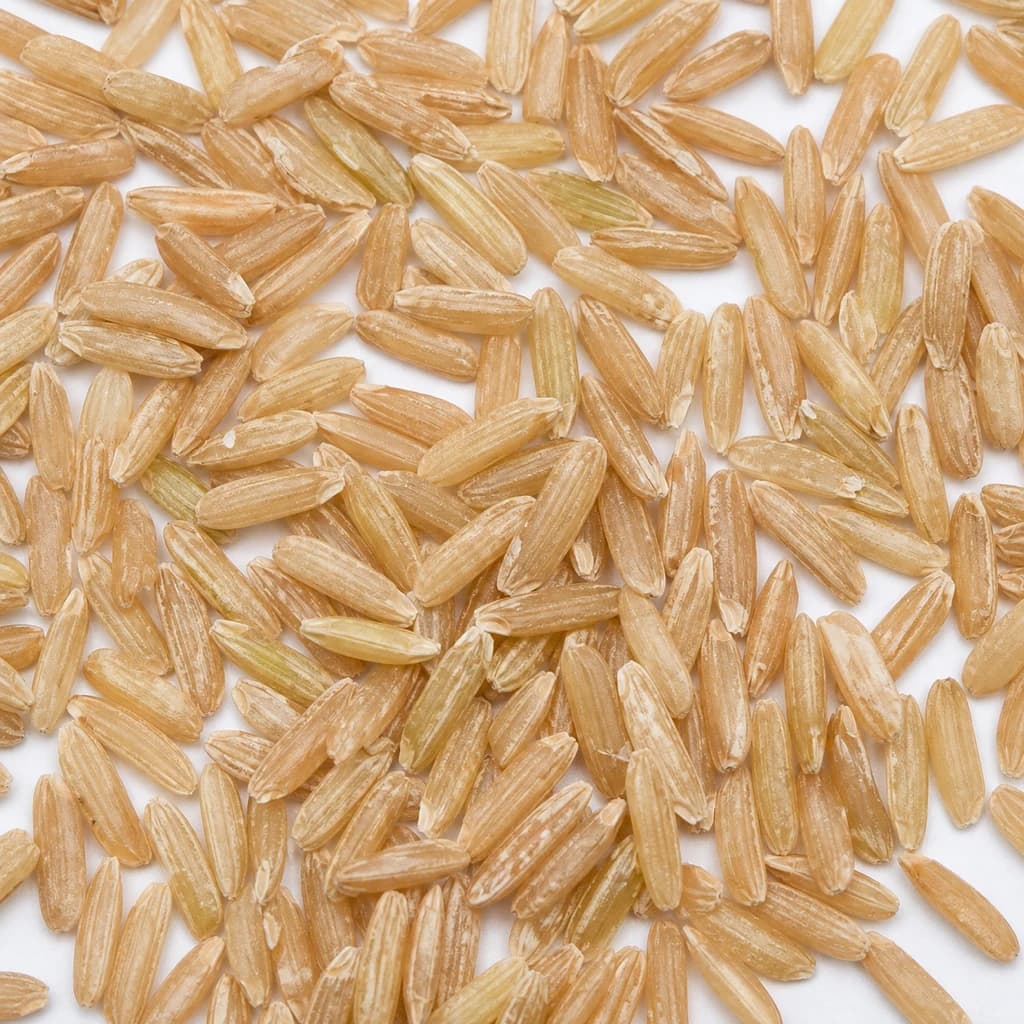
Nutty, whole-grain rice with chew and extra fiber

Basmati Rice
Fragrant, long-grain rice that cooks up light and separate
Jasmine Rice
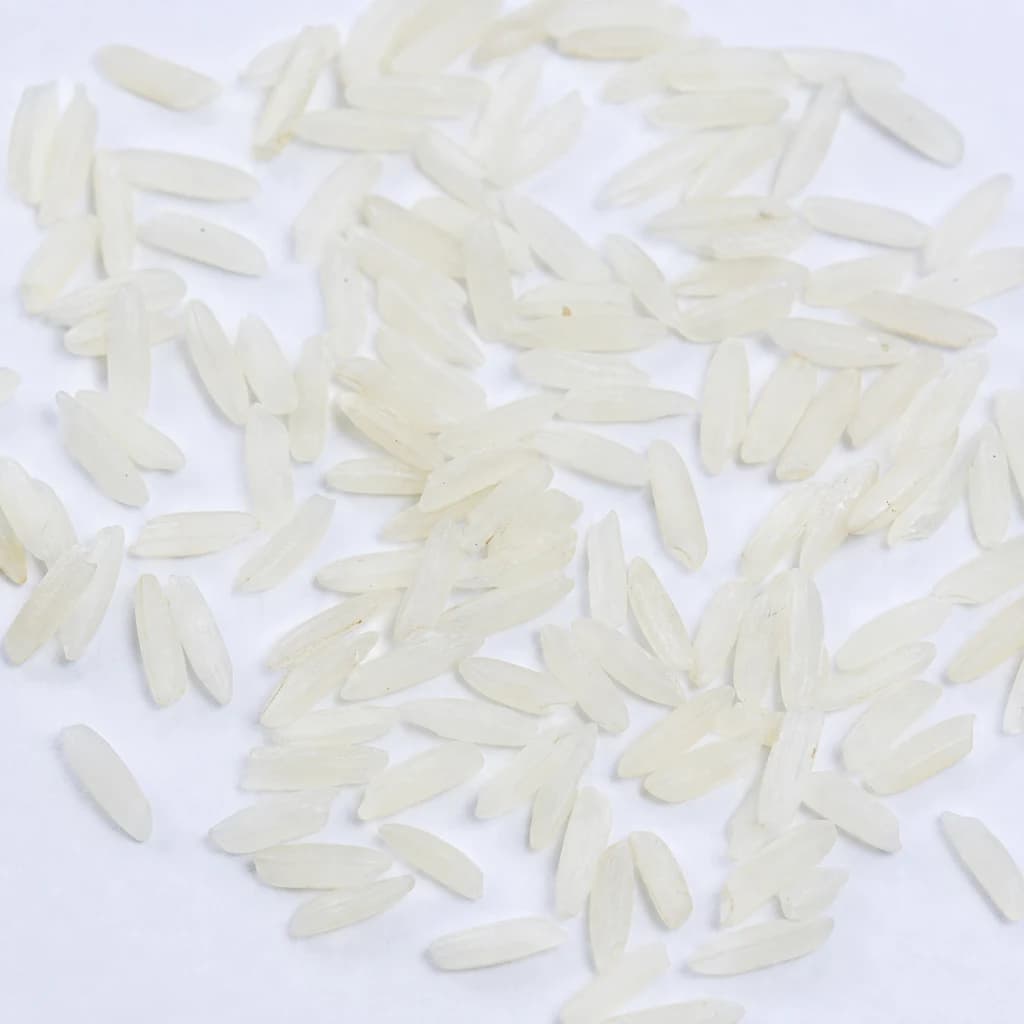
Soft, floral-scented rice that's the pillar of Thai meals
Arborio Rice
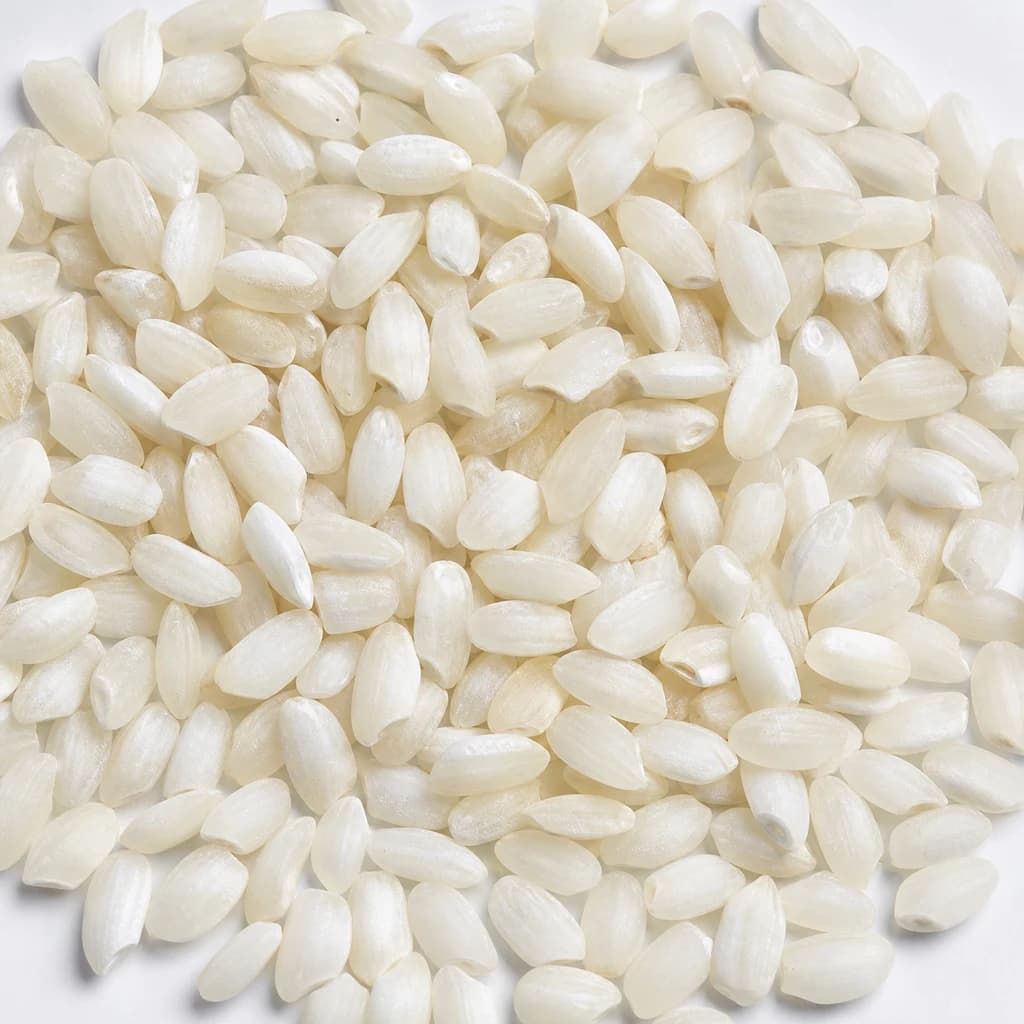
Plump, starchy rice that makes risotto creamy
Fusilli
Spiraled pasta that twirls up sauce and dresses cold salads
Rolled Oats
Hearty flakes for porridge, granola, and chewy cookies