Grains & Rice
Pappardelle
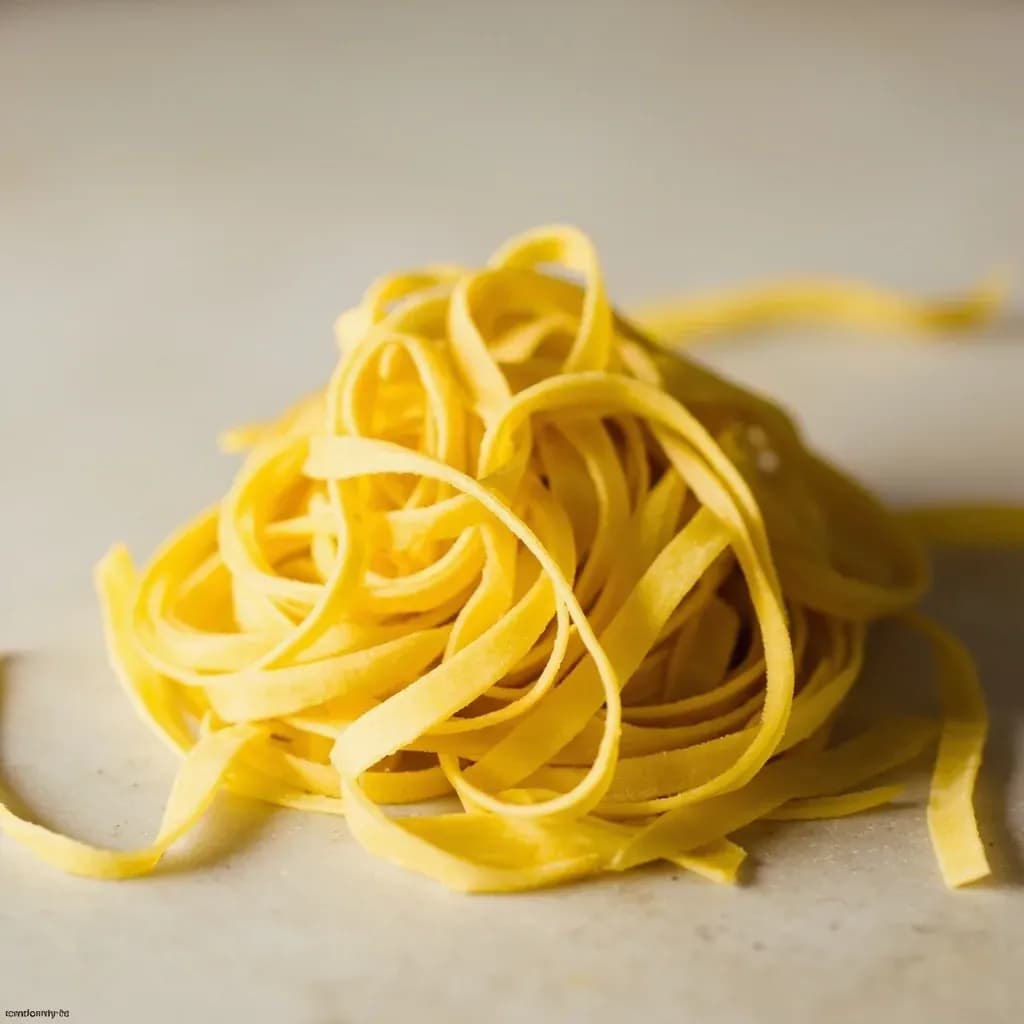
Broad, flat egg-pasta ribbons from Tuscany, ideal for rich game and meat ragùs.
Pappardelle are wide, flat ribbons of fresh egg pasta originating in Tuscany. Their broad surface clings to hearty, rustic sauces such as wild boar ragù, braised beef, and mushroom sauces. Made from soft wheat flour and eggs, they have a tender, silky texture.
Pappardelle are broad, flat egg-pasta ribbons that represent one of Tuscany's most beloved pasta forms. Traditionally rolled and cut—never extruded—which gives them a characteristically rough, porous surface that makes them exceptionally good at holding sauce. Their width of 2–3 cm (roughly 3/4 to 1+ inch) provides substantial surface area, meaning each bite delivers maximum contact with whatever sauce accompanies it. The name derives from the Tuscan verb "pappare," meaning to gobble or eat with enthusiasm—a fitting etymology for a pasta meant to be enjoyed in generous, satisfying portions.
Fresh pappardelle made with 00 flour and whole eggs (typically 1 egg per 100g of flour, sometimes richer at 1 per 50g) produce a softer, more delicate texture that cooks in just 3–5 minutes. Dried versions made from durum wheat semolina and water are firmer and take 6–8 minutes. The distinction matters: fresh pappardelle have a tender, almost silk-like quality that pairs beautifully with rich, slow-cooked sauces, while dried versions hold up better in chunkier preparations. In either form, the pasta should be rolled thin—about 2mm before cutting—and cut into lengths of 25–30 cm when made by hand.
The canonical use for pappardelle is game ragù: wild boar, venison, hare, or rabbit braised low and slow until the meat collapses into a rich, wine-dark sauce. This is not accidental—the wide, flat ribbons are specifically designed to capture and deliver substantial, hearty sauces in a way that narrower pastas cannot. While lighter preparations exist, pappardelle truly shine when matched with bold, complex flavors that have had time to develop depth.
- Measured in
- g
- Storage
- Pantry
Allergens
Types & varieties
Fresh egg pappardelle; the most common variety in restaurants and homemade versions; softer texture, richer flavor from whole eggs
Dried pappardelle; more readily available commercially; firmer texture, longer shelf life, made from durum semolina
Extruded pappardelle made using a pasta press (torchio); visible ridges from the mold create different sauce-holding characteristics; less common
Narrower version, approximately 1.5–2 cm wide; occasionally found in certain Italian regions; still wider than fettuccine
Why Width Matters
Pappardelle's 2–3 cm width is not arbitrary—it serves a specific culinary purpose. The broad, flat surface creates more contact points with sauce than any tubular or narrower ribbon pasta. When you drag a fork through a pool of rich ragù, the sauce fills the spaces between and around each ribbon. This is particularly important with hearty, slow-cooked meat sauces that have depth and complexity but might slide off thinner pastas. The generous width also means each strand holds its structural integrity while still being tender enough to eat comfortably, creating a satisfying mouthfeel that matches the robust sauces traditionally paired with pappardelle.
- Wider surface area = more sauce per bite
- The rough, porous texture from rolling creates natural sauce-holding channels
- Width distinguishes pappardelle from fettuccine (~6mm) and tagliatelle
Fresh vs. Dried: When to Use Which
Fresh pappardelle (all'uovo) have a tender, almost melt-in-the-mouth quality that pairs harmoniously with rich, unctuous ragùs. They cook quickly and absorb sauce rapidly during the final minute of cooking in the pan. Dried pappardelle (secche) have more bite and structure, making them preferable when the sauce is very thick or when you want the pasta to hold its shape more assertively. Quality matters regardless of fresh or dried—look for bronze-die cut dried pasta with visible rough texture, or make fresh pasta from high-quality 00 flour and the freshest eggs available. Industrial dried pappardelle with smooth surfaces will not perform the same way.
- Fresh: 3–5 minutes cook time, delicate texture, richer flavor
- Dried: 6–8 minutes cook time, firmer bite, longer shelf life
- Bronze-die cut dried pasta holds sauce better than smooth extrusion
Common uses
Tips & pitfalls
- The wide, flat shape means significantly more surface area for sauce to cling to—ensure your ragù is abundant and rich enough to coat every strand properly
- Fresh pappardelle cooks in minutes—do not walk away; test frequently starting at 3 minutes for fresh, 6 for dried
- If making from scratch, roll dough thin (about 2mm) before cutting; too thick defeats the purpose of the wide format and creates doughy ribbons
- Use the freshest, highest-quality eggs available for homemade pappardelle; the eggs are a primary flavor component, not just a binder
- For dried pappardelle, seek out rough-textured surfaces (bronze-die cut) rather than smooth extrusion—rougher texture holds sauce better
- Common mistake: underpacing the sauce—pappardelle needs generous, abundant sauce; err on the side of excess rather than restraint
- Do not oil fresh pappardelle before forming nests; the oil prevents sauce adhesion and you'll end up with clumped, slippery pasta
- When finishing with thick ragù, add a ladle of pasta cooking water to the sauce to emulsify and create a cohesive, glossy coating that clings to every ribbon
- The pasta should finish cooking in the sauce for the final minute or two—this standard technique in serious kitchens allows the pasta to absorb flavors while finishing to perfect doneness
- Fresh pappardelle does not improve with sitting; cook and serve immediately—unlike dried pasta, it has no structural integrity to hold up in a holding situation
Nutrition
Nutrition
No USDA FoodData Central match for Pappardelle yet. We surface a per-100 g profile once a generic whole-food entry is matched and verified.
In the shops
Matched grocery products
No matched grocery products for Pappardelle yet.
Good to know
- Origin
- Tuscany, Italy
- Shape
- Broad, flat ribbons with rough, porous surfaces from rolling and cutting
- Typical Width
- 2–3 cm (roughly 3/4 to 1+ inch)
- Typical Length
- 25–30 cm when handmade; often sold in nests when fresh
- Fresh Dough Ingredients
- 00 flour with whole eggs (1 egg per 100g flour; traditional recipes use up to 1 egg per 50g)
- Dried Dough Ingredients
- Durum wheat semolina and water
- Fresh Cooking Time
- 3–5 minutes to al dente
- Dried Cooking Time
- 6–8 minutes to al dente
- Etymology
- From Tuscan verb "pappare" meaning to eat with enthusiasm
- Storage (Fresh)
- Refrigerate in airtight container dusted with flour; use within 1–2 days
- Storage (Dried)
- Cool, dry place; use within 1–2 years
Substitutes
- Fettuccine — Slightly narrower (about 6mm versus 2–3cm) but acceptable substitute; less traditional for game ragù but works well with lighter cream or butter sauces
- Tagliatelle — Similar width to fettuccine; originates from Emilia-Romagna rather than Tuscany; acceptable substitute with most sauces
- Lasagnette — Shorter, wider noodles cut into rectangles; not ideal but usable in a pinch when proper pappardelle is unavailable
- Homemade wide egg noodles — Essentially the same thing when made from scratch with egg pasta dough rolled thin and cut to 2–3cm width
Pairs with
Also called
Egg Pappardelle
Related

White Rice
Fluffy long-grain rice — the neutral base for almost any meal

White Bread
Soft sandwich loaf for toast, sandwiches, and crumbs
Brown Rice
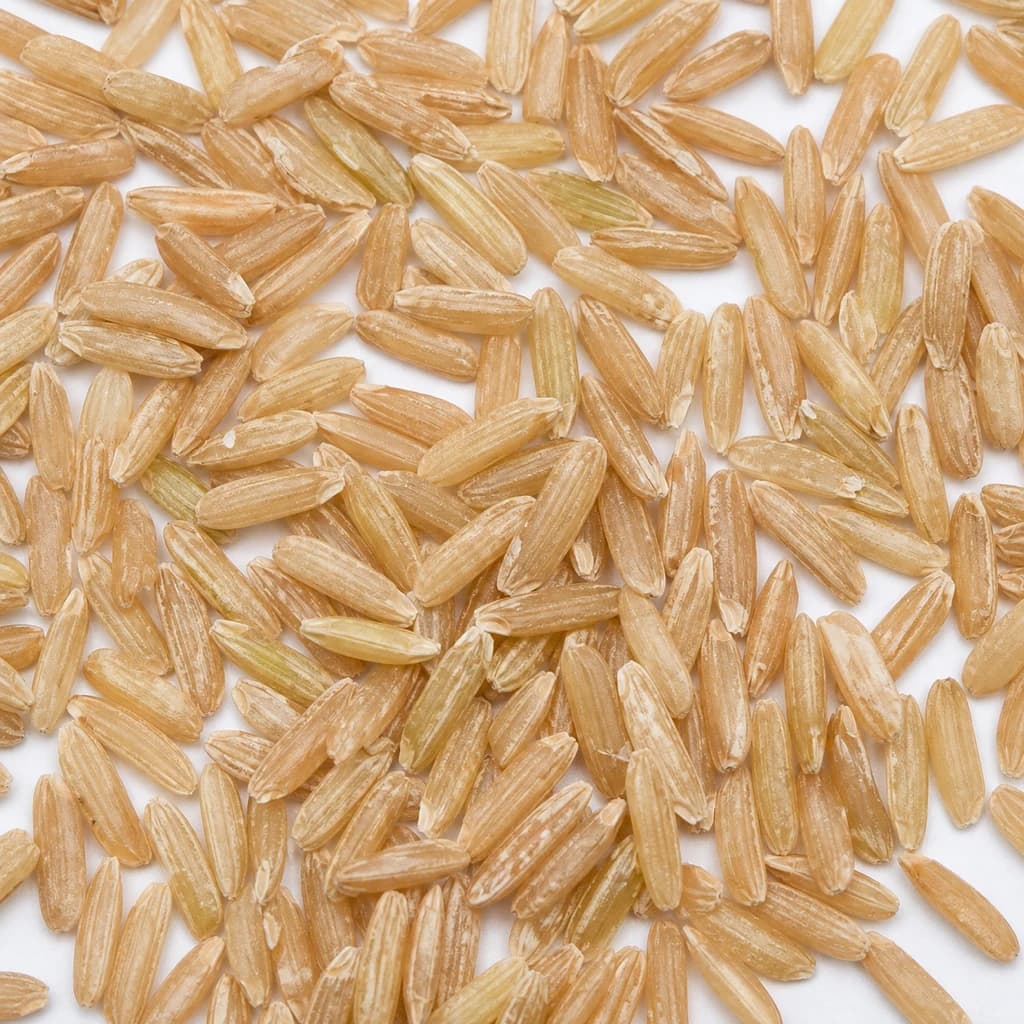
Nutty, whole-grain rice with chew and extra fiber

Basmati Rice
Fragrant, long-grain rice that cooks up light and separate
Jasmine Rice
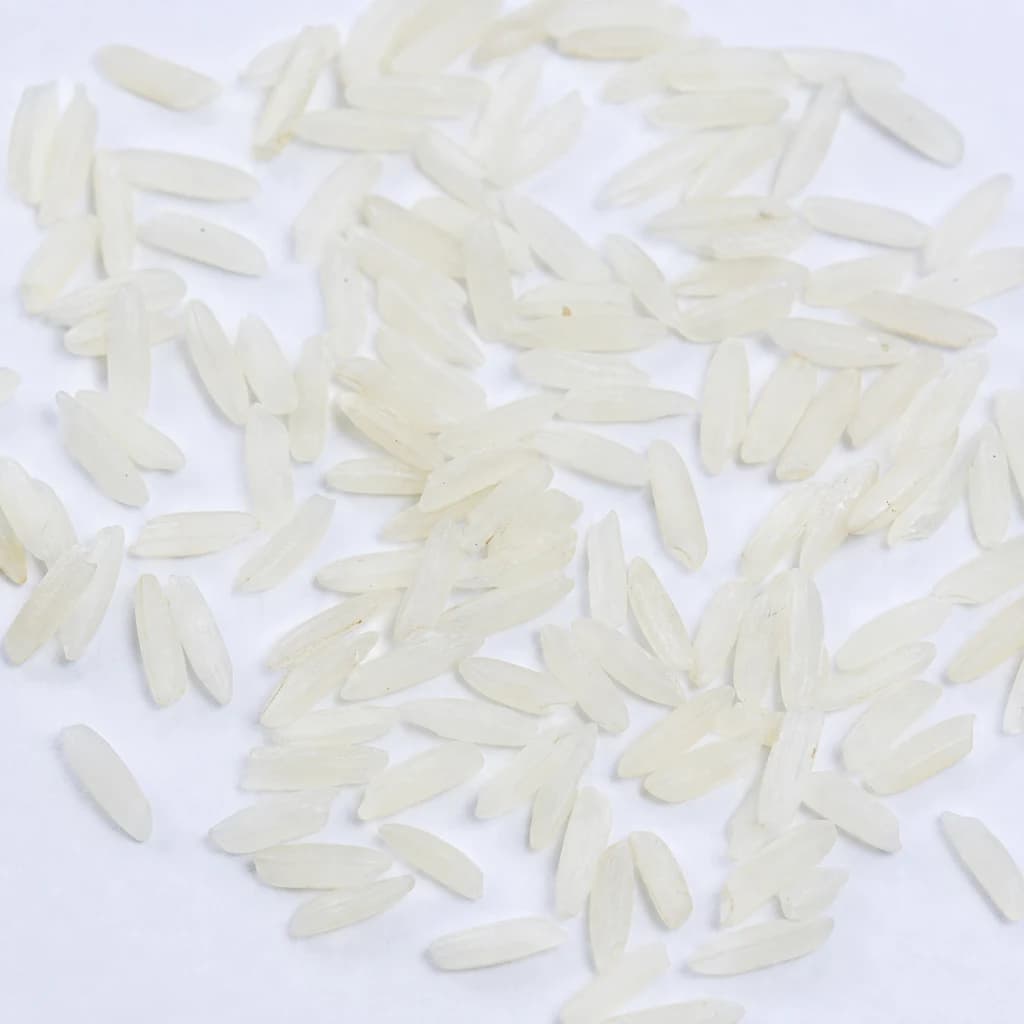
Soft, floral-scented rice that's the pillar of Thai meals
Arborio Rice
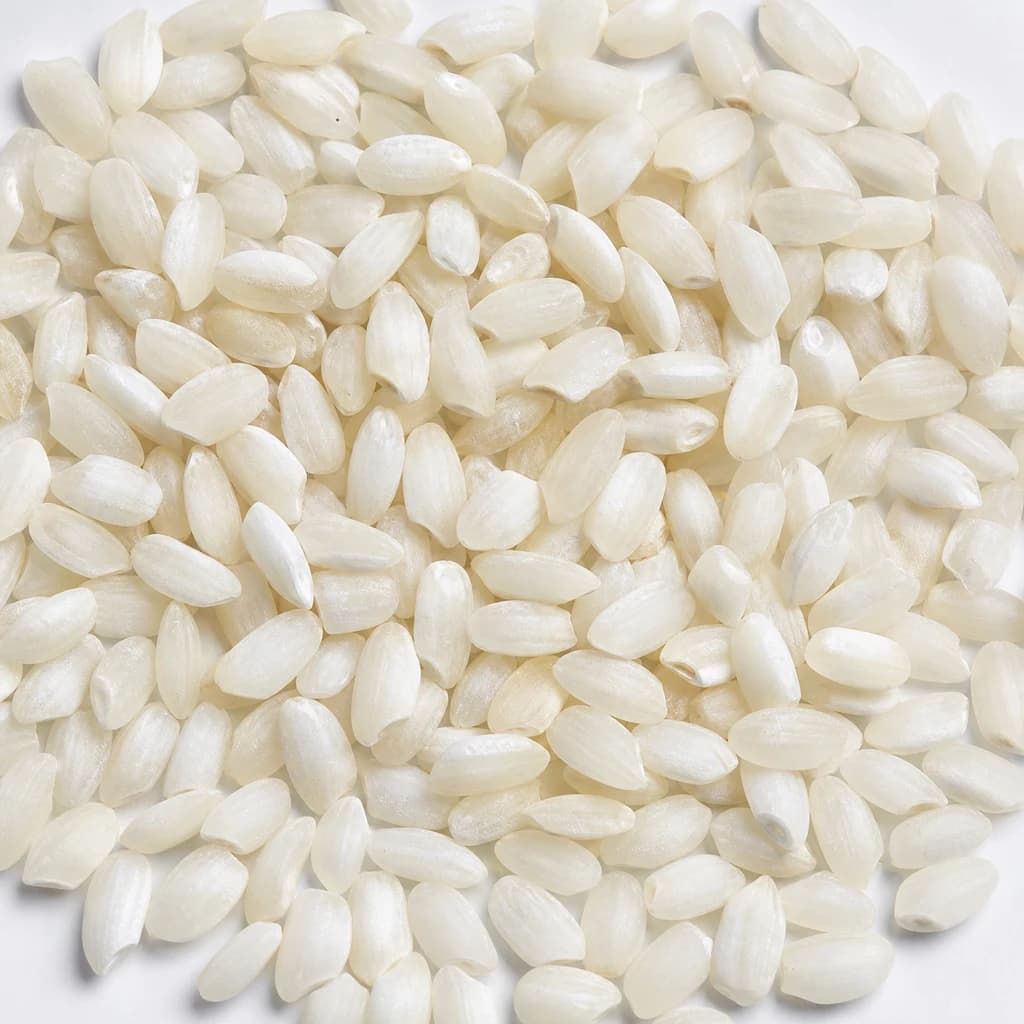
Plump, starchy rice that makes risotto creamy
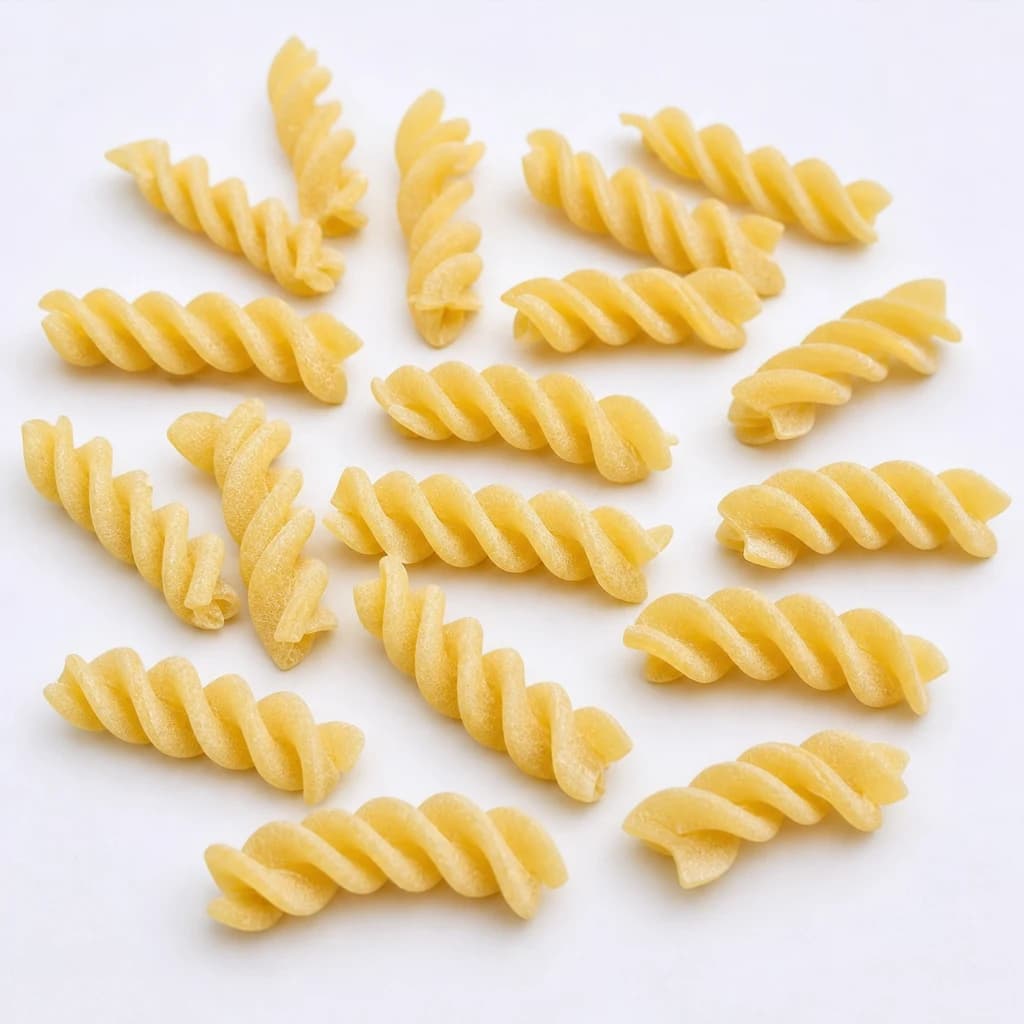
Fusilli
Spiraled pasta that twirls up sauce and dresses cold salads
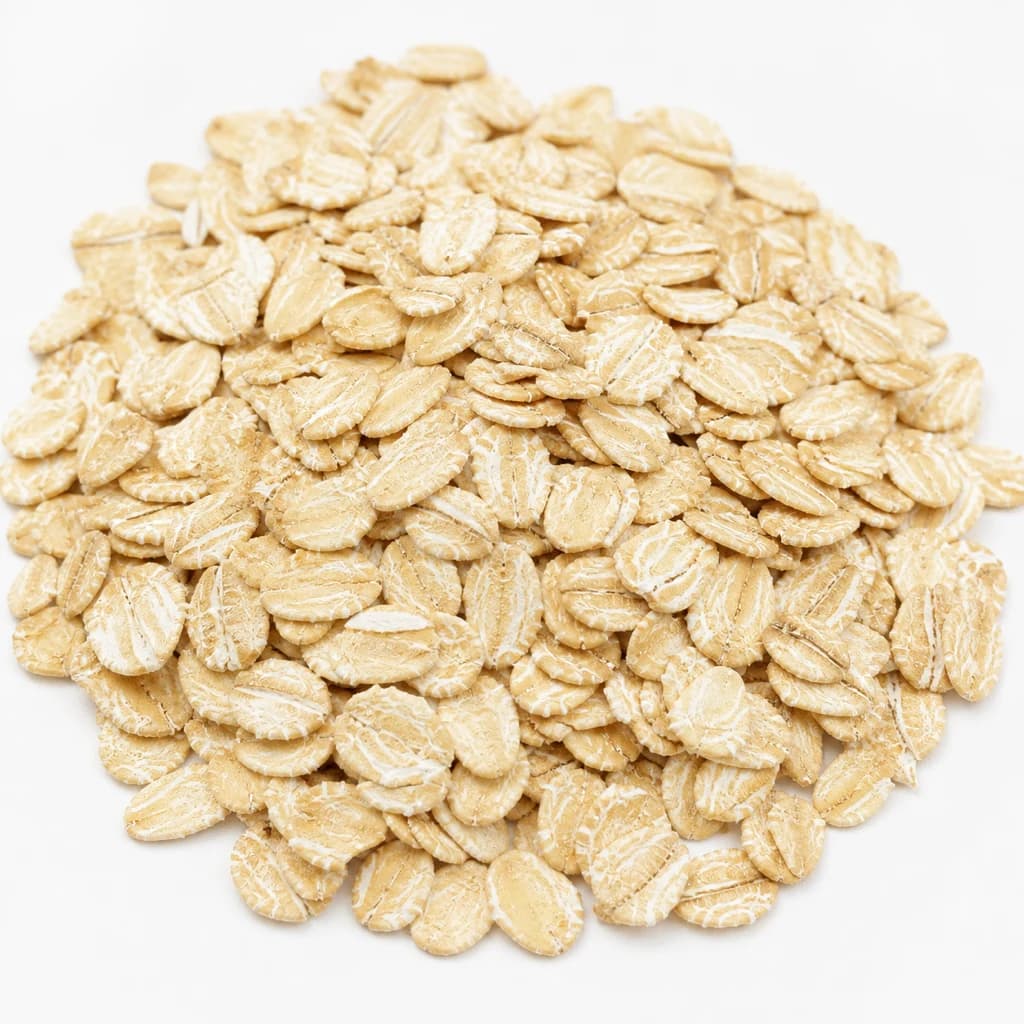
Rolled Oats
Hearty flakes for porridge, granola, and chewy cookies