
Natural form
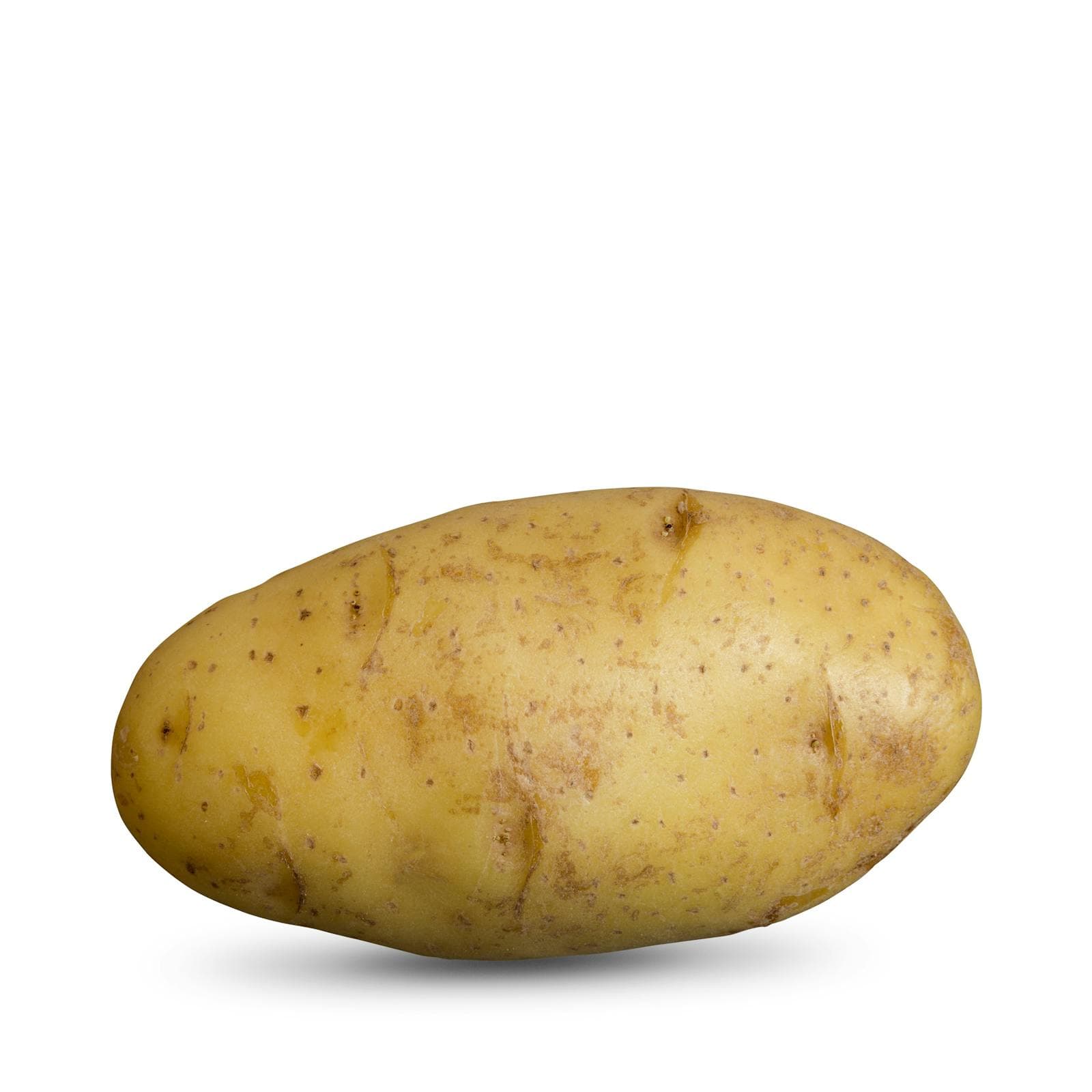
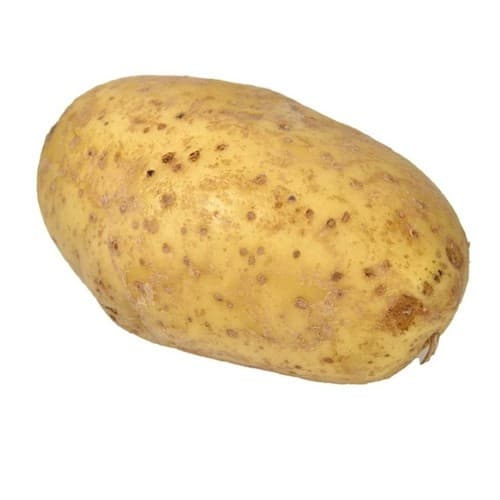
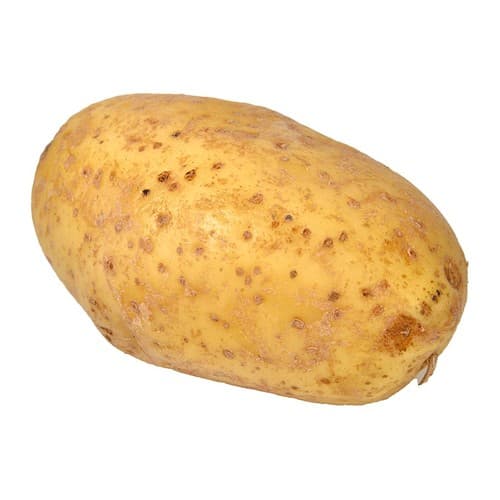
Yukon Gold potatoes whole, showing their smooth thin skin and golden color.
Shows the reader the defining external characteristics — smooth pale-gold skin, rounded oval shape — that distinguish Yukon Gold from russets and red potatoes.
Produce
Yukon Gold Potato
All-purpose yellow potato with thin skin and creamy flesh, great for mashing, roasting, and boiling.
Yukon Gold is a popular potato variety with smooth thin skin and moist, golden, slightly waxy flesh. Its balanced starch content makes it versatile for mashing, roasting, boiling, and pan-frying. It holds its shape better than russets while still mashing to a buttery, creamy consistency.
Yukon Gold is a true all-purpose potato that has become a staple in North American kitchens since its release from the University of Guelph in 1980. Bred from a cross between a white-skinned cultivar and a yellow-fleshed Peruvian breeding line, it was developed to combine the best qualities of its parentage: the storage reliability of white potatoes and the rich color and flavor of yellow-fleshed varieties. What makes Yukon Gold exceptional is its medium starch content (14–18%), which places it between waxy new potatoes and high-starch russets. This balance gives it remarkable versatility — it holds its shape better than russets when boiled yet mashes creamier than waxy varieties without becoming gluey.
The potato's defining trait is its resistance to the gluey texture that plagues overworked mashed potatoes. Russet potatoes contain long protein strands that, when agitated during mashing, form gluten-like bonds that create a sticky, heavy result. Yukon Gold's finer-grained flesh and lower protein content mean you can work it more aggressively without consequence, producing a silky, cohesive mash that clings beautifully to butter and cream. Its thin, smooth yellow-to-light-buff skin needs no peeling for most applications, and the flesh beneath carries a naturally buttery, faintly nutty flavor amplified by lutein, the same carotenoid that gives the potato its golden color.
Seasonally, Yukon Golds peak in quality after a few weeks of storage — late fall through winter offers the most flavorful, well-cured tubers. Always taste before purchasing when possible; quality varies considerably by season and storage conditions. Look for firm, unblemished potatoes with vibrant yellow flesh visible at cut ends or where the skin has been nicked. Stored properly in a cool, dark, well-ventilated space at 45–50 °F (7–10 °C), they keep for up to a month, though one to two weeks at room temperature is acceptable for immediate use.
- Measured in
- g
- Storage
- Pantry
Types & varieties
The original cultivar; medium starch, yellow flesh, thin skin. Most widely available in North America.
Descendant of Yukon Gold; slightly darker flesh, higher yield, better disease resistance. Comparable cooking properties.
Later breeding line; deeper golden flesh, similar texture to Yukon Gold but reportedly slightly drier.
Pink-skinned relative; yellow flesh, similar waxy-all-purpose character, primarily a specialty variety.
Common uses
Tips & pitfalls
- Bring potatoes to room temperature before cooking — cold potatoes cook unevenly and the exterior can blow apart before the interior is tender.
- Salt the cooking water generously (about 1 tablespoon per quart) — the potatoes absorb seasoning as they cook, not just on the surface.
- For roasting, don't crowd the pan — a single layer with space between each piece ensures contact with the hot pan for browning rather than steaming.
- When mashing, heat the milk or cream before adding — cold dairy cools the mash and makes it difficult to achieve a smooth, light texture.
- Avoid peeling if possible — the thin skin contributes minimal fiber and the flesh just beneath the skin is the most flavorful and nutrient-dense portion.
- Cut pieces uniformly — uneven cuts mean some pieces overcook while others stay raw, especially important for roasting and gratins.
- For the best texture in roasted or fried applications, spread cut potatoes on a sheet pan and refrigerate uncovered for 15–30 minutes — surface moisture evaporates, leading to crispier results.
- Do not store near onions — both emit ethylene gas and moisture, causing each other to sprout and degrade faster.
Nutrition
Energy
243 kJ · per 100 g
Where the calories come from
Protein
2.6g
5% DV
Carbs
12.4g
5% DV
Fat
0.1g
0% DV
Fiber
2.5g
9% DV
Sodium
10mg
0% DV
Source · USDA FoodData Central · approx. Potatoes, raw, skin
View on FDC →In the shops
Matched grocery products
 €0.40
€0.40Potato
210 g · Mercadona
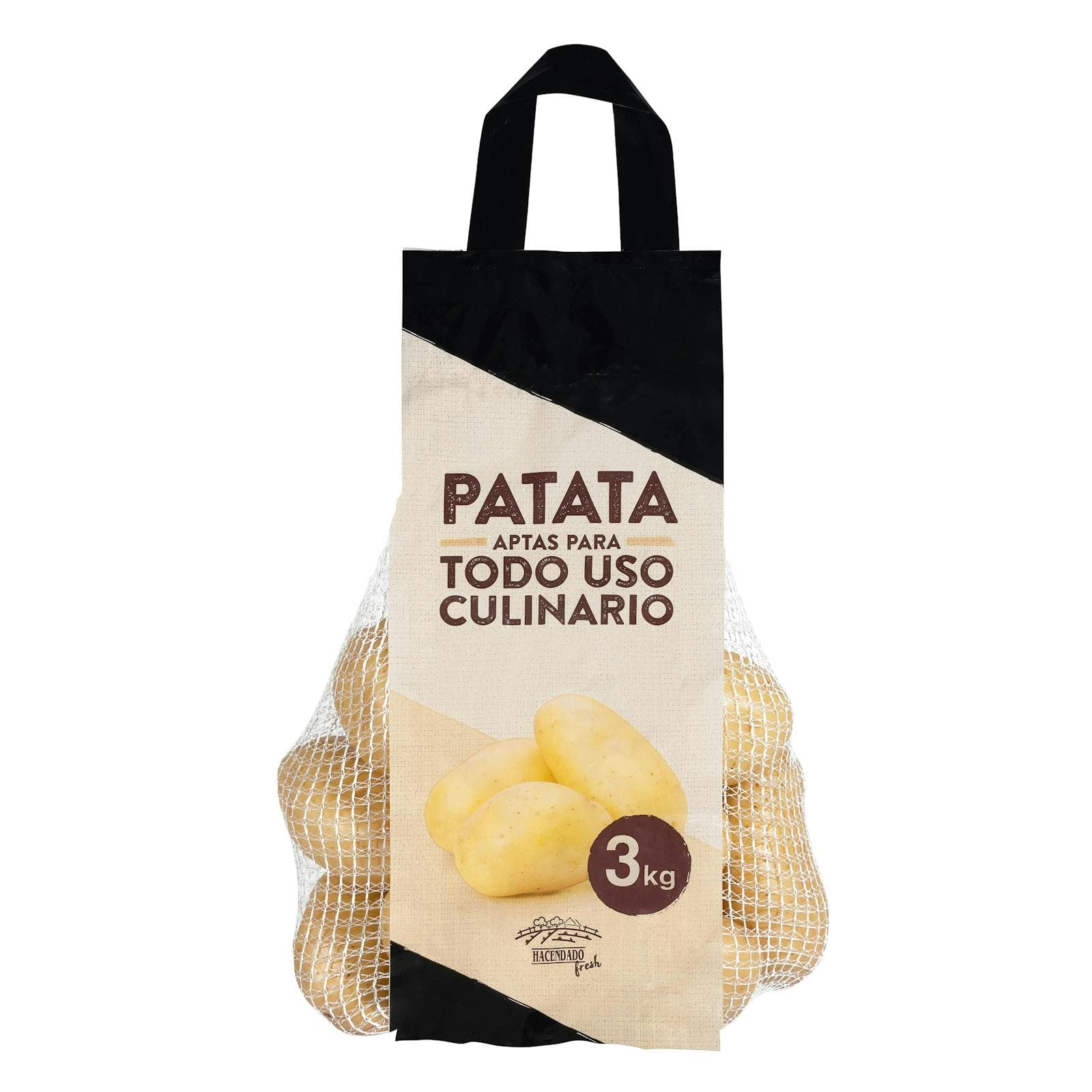 €4.65
€4.65Potatoes
3 kg · Mercadona
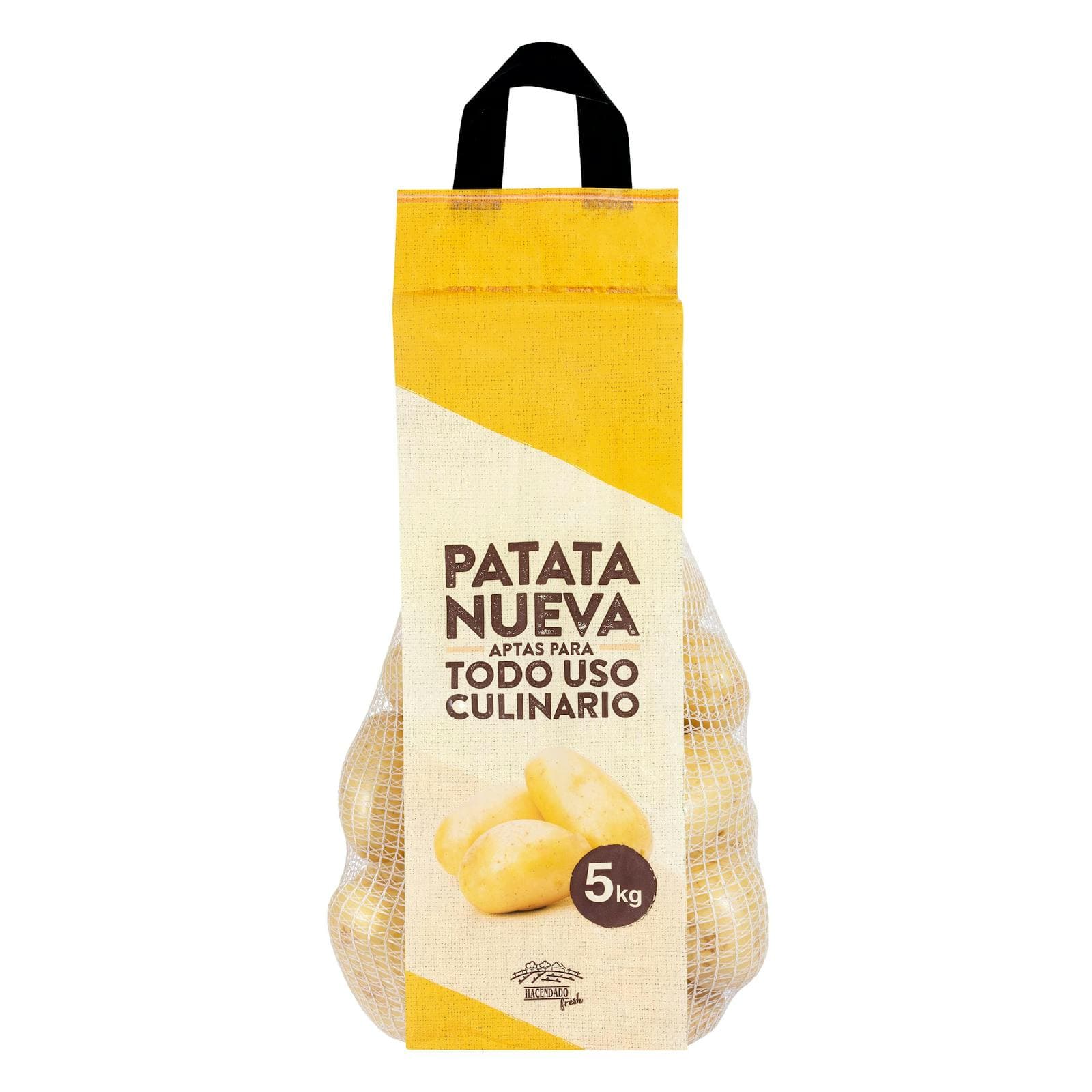 €5.60
€5.60Potatoes
5 kg · Mercadona
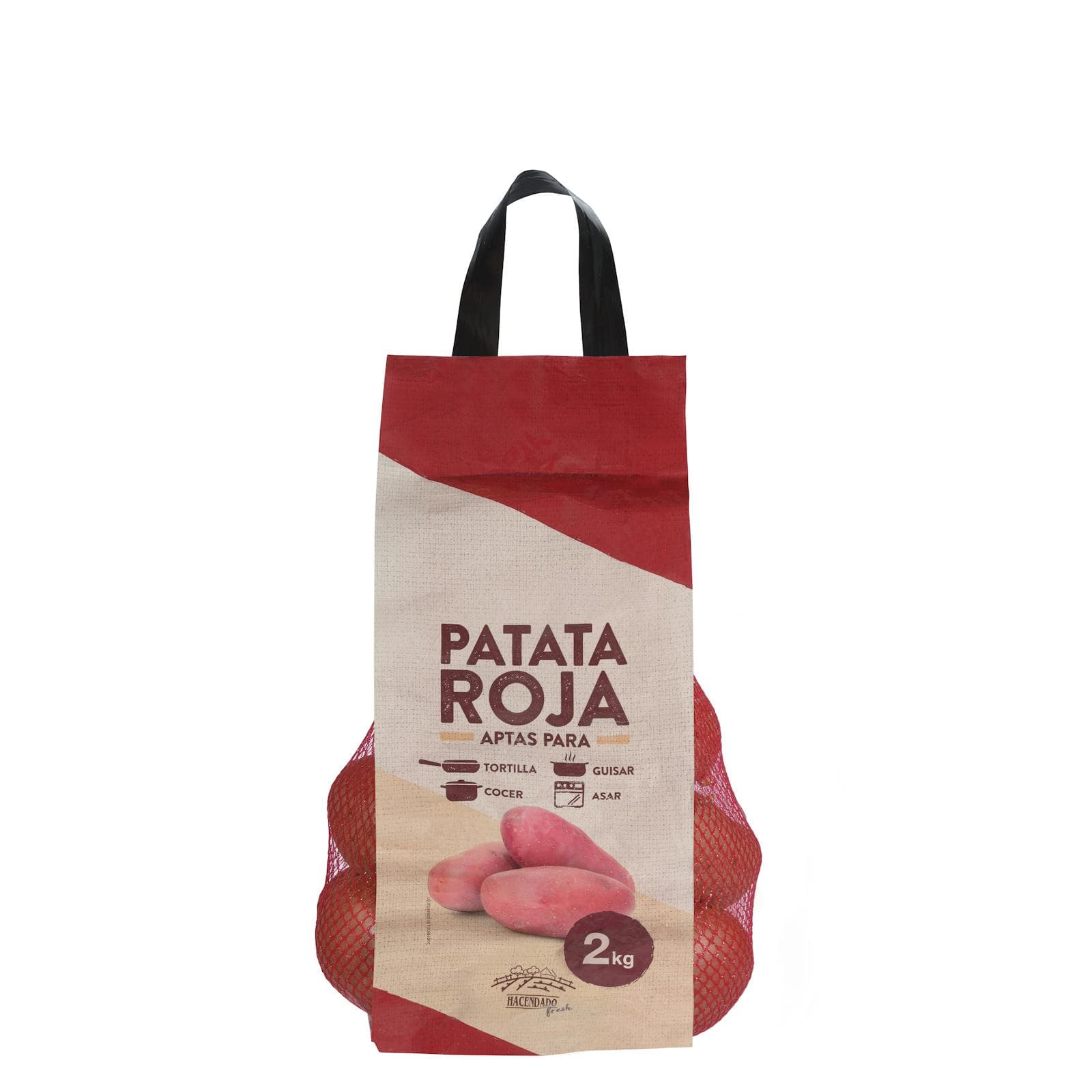 €3.80
€3.80Red Potatoes
2 kg · Mercadona
 €0.45
€0.45Potato 1 unit
Bonpreu
 €0.70
€0.70Potato 1 unit
ud · Bonpreu
Good to know
- Origin
- University of Guelph, Ontario, Canada; released 1980 by breeder Gary Johnston and colleagues
- Parentage
- Cross of a white-skinned cultivar and a yellow-fleshed Peruvian breeding line (Yukon × Gaitech)
- Skin
- Thin, smooth, yellow to light-buff with shallow eyes
- Flesh
- Yellow to deep golden yellow, fine-grained, and moist
- Starch Content
- Medium (14–18%); waxy-to-all-purpose texture
- Season
- Peak harvest in early fall; best quality from storage (late fall through winter); available year-round
- Key Characteristic
- Holds shape better than russets but mashes creamier than new or red potatoes
- Shelf Life
- 1–2 weeks at room temperature; up to 1 month in a cool, dark, well-ventilated space (45–50 °F / 7–10 °C)
Substitutes
- Yellow Finn (Finnish Potato) — Nearly identical texture and flavor; slightly firmer flesh, nuttier taste. The closest substitute overall.
- Nicola — German variety with waxy yellow flesh; excellent for potato salad and boiling; slightly sweeter. Good substitute for mashing but not as creamy.
- Kennebec — White, medium-starch American variety; holds shape well, mild flavor. Substitute for roasting and frying when Yukon Gold is unavailable.
- German Butterball — Yellow-fleshed and buttery; slightly waxier than Yukon Gold. Substitute for mashing and roasting.
- Russet Burbank — High-starch, low-moisture; works for roasting and frying but produces drier, fluffier mash — a distant second for that application.
Pairs with
Also called
Yukon Potato · Yellow Gold Potato
Appears in these dishes
Related

Tomato
Juicy, sun-sweet fruit for sauces, salads, and slow-cooked depth

Yellow Onion
The aromatic backbone of soups, sofritos, and braises

Garlic
Pungent cloves that perfume nearly every savory dish

Lemon
Bright, acidic citrus that wakes up almost any dish

Potato
Humble, hearty staple — roast, mash, fry, or boil

Carrot
Sweet, crunchy root — raw, roasted, or the base of a sofrito

Cucumber
Cool, crisp, and watery — for salads, pickles, and tzatziki

Lettuce
Crisp leaves for salads, wraps, and a fresh crunch