Tying & Fastening
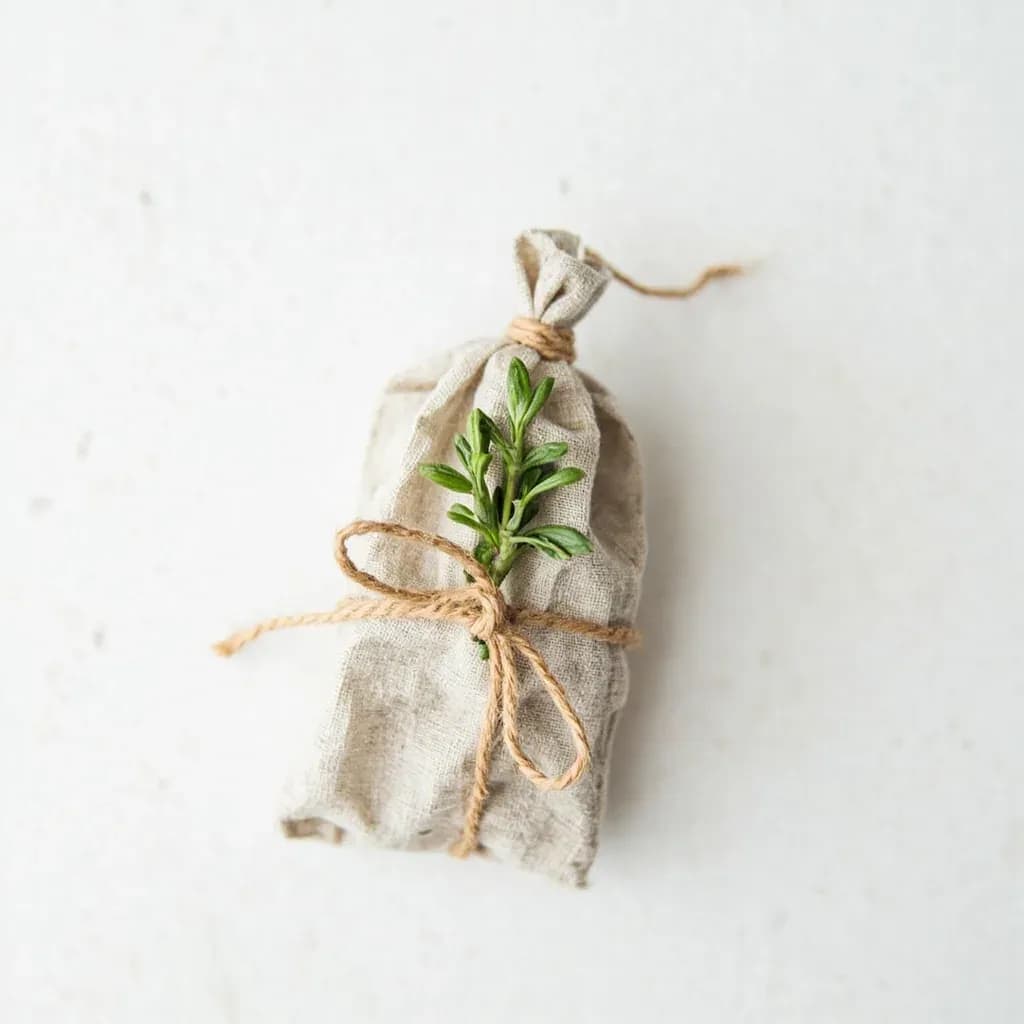
Bouquet Garni Sachet
A small bag that holds herbs and spices for flavoring stocks and stews, then lifts out clean.
A bouquet garni sachet is a muslin or mesh bag that bundles herbs, peppercorns, and aromatics so they infuse a stock, soup, or stew without scattering. When the dish is done, the whole sachet lifts out, leaving the liquid clear and free of loose leaves. Dashi and spice-blend bags work the same way for stock and broth bases.
A bouquet garni sachet is the cloth envelope that holds the classical French herb bundle — typically parsley stems, thyme, and a bay leaf — during long, wet cooking. It solves a specific problem: herbs left loose in a stockpot shed their leaves, settle into corners, and end up either skimmed off and wasted or floating in a finished broth that should be clear. The sachet contains everything in one tidy parcel that drops in, simmers, and lifts out with a single tug of its trailing twine.
The sachet matters less for the flavor it adds (any bouquet garni would do that) and more for the control it gives the cook. You can drop it into a three-hour veal stock, fish it out before clarification, or pull it the moment a court bouillon has reached the right intensity — control that a loose bundle of fresh herbs cannot easily offer. Heat tolerance is generous: muslin, cheesecloth, nylon mesh, and cotton all hold up through extended simmering without shedding fibers or breaking down.
In practice the term is often used interchangeably with "bouquet garni" itself, which causes confusion. The sachet is specifically the bag; the bundle is what goes inside it. A related tool, the sachet d'épices, holds pickling spices (peppercorns, allspice, cloves) for court bouillon and brine — same physical format, different filling. Modern reusable nylon-mesh bags have largely displaced muslin in restaurant kitchens for waste-reduction and cost reasons, while home cooks still default to pre-cut muslin squares or improvised cheesecloth because they require no special equipment.
Alternatives
Types & varieties
Pre-cut bleached or unbleached cotton squares, sometimes with a drawstring; the classic single-use choice and the easiest option for a cook who does not want to fold and tie.
Two or three layers of cheesecloth gathered around the herbs and tied with twine; an improvised sachet that costs almost nothing but requires the doubling to keep fine leaf fragments inside.
Fine-mesh nylon pouch with a drawstring; washable, dishwasher-safe, and now the standard in professional kitchens for sustainability and labor reasons.
A sturdier reusable cloth bag, often sold as 'bouquet garni bags'; can be laundered and used dozens of times, and is the most economical long-term option for a home cook who simmers stocks weekly.
A latched metal cage used as an alternative for whole spices; technically a 'sachet d'épices' format rather than a true bouquet garni sachet, since fresh herb stems do not fit well inside.
When to Add, When to Remove
The sachet is at its best in liquids that simmer long enough for the herb bundle to give up its full aromatic charge, but not so long that the herbs turn dusty or bitter. A few practical rules cover most situations.
- Drop the sachet in at the start of any cook lasting more than 45 minutes — stocks, bean pots, braises, court bouillon. The long, gentle extraction is the whole point.
- For delicate preparations (a quick fish poach, a cream infusion for béchamel, a custard base), add the sachet only in the last 20–30 minutes; otherwise the parsley can read as hay and the thyme as medicine.
- Always remove the sachet before reducing the liquid further or finishing the sauce — the residual heat will keep extracting flavor and can push the dish past the line into bitterness.
- Give the sachet a firm squeeze against the side of the pot with a spoon or tongs before discarding. A surprising amount of usable flavor is still in there, and a polite press can be the difference between a stock that tastes fully seasoned and one that needs a second bundle.
Choosing the Right Material
The five formats all do the same job but trade convenience, cost, and sustainability against each other. Most home cooks end up settling on one disposable and one reusable option.
- Muslin squares are the default for one-off jobs: pre-cut, no folding required, no leakage of fine herbs. They are cheap enough (a few cents apiece in bulk packs of 12–100) that trying to wash and reuse them is not worth the time.
- Cheesecloth works in a pinch but must be doubled or tripled. A single layer is too open a weave and will leak thyme and parsley fragments into the liquid, which then have to be strained out separately — defeating the purpose of the sachet.
- Nylon mesh bags are the professional standard now. They cost a few dollars each, survive years of dishwashing, and pay for themselves quickly if you simmer stocks more than a handful of times a year.
- Cotton drawstring pouches sit between muslin and nylon: more durable than muslin, more natural-feeling than nylon, and a good choice for cooks who prefer not to cook with synthetic materials in prolonged contact with food.
- Stainless spice balls belong with the sachet d'épices family — they are best for whole spices in a short brine, not for fresh herb stems in a long stock.
Common uses
Tips & pitfalls
- Always leave one end of the twine 8–10 inches long and tie it to the pot handle or drape it over the rim. A short string is the most common mistake: the sachet sinks to the bottom, gets lost under a bone or a layer of vegetables, and is never seen again.
- Do not overpack the sachet. A tight bundle flavors the liquid slowly and unevenly; the herbs need a little room to move and release their essential oils into the surrounding liquid.
- Bruise fresh herbs — especially thyme sprigs and parsley stems — by pressing them firmly with the back of a knife before bagging. Whole, unbruised stems give up surprisingly little of their flavor over a simmer.
- Cheesecloth needs at least two layers. Single-layer cheesecloth is one of the most common causes of murky stocks, because fine leaf fragments migrate through the weave into the liquid.
- Never use scented, dyed, or printed fabric — no decorative cotton from a craft store, no fabric softener on a reusable bag. Dyes and finishes leach into food during long simmers and can ruin a stock.
- Label the trailing twine with a small piece of tape when running multiple sachets in different pots on the same stove; otherwise a thyme-and-bay and a thyme-and-sage are visually identical until you cut them open.
- Reusable nylon or cotton bags should be washed with hot soapy water and thoroughly dried before storage. Any retained aroma from the last use will transfer into the next dish, sometimes unpleasantly.
Good to know
- Also called
- Sachet d'épices (when holding pickling spices) or bouquet garni bag
- Typical contents
- Fresh parsley stems, fresh thyme, bay leaf; sometimes leek greens, celery leaves, peppercorns, or dried herbs
- Common materials
- Bleached or unbleached muslin, cheesecloth (double-layered), reusable nylon mesh, cotton drawstring pouches
- Typical size
- Roughly 3–4 inches (7–10 cm) square; large enough to hold a small bundle of herbs without crushing them
- Closure method
- Kitchen twine; one end left long (8–10 inches) so the sachet can be tied to the pot handle
- Origin
- Classical French cuisine; the term documented in 19th-century French cookbooks
- Reusability
- Muslin and cheesecloth are single-use; nylon mesh and cotton drawstring versions are washable and reusable
- Heat tolerance
- All common materials tolerate extended simmering (3+ hours) without breaking down
- Storage (empty)
- Reusable bags stored dry; disposable muslin bags sold flat in packs of 12–100
- Cost
- Disposable muslin bags are inexpensive (a few cents each in bulk); reusable nylon mesh bags run a few dollars apiece
Also called
Bouquet Garni Spice Sachet Bag · Dashi Soup Stock Bag · Muslin Steeping Bag · spice sachet
Related

Skewers
Thread meat and vegetables for kebabs and grilling

Toothpicks
Pin rolls shut and test cakes for doneness

Kitchen Twine
Food-safe string for trussing roasts and tying bundles

Butcher Paper
Breathable wrap for resting barbecue and storing meat
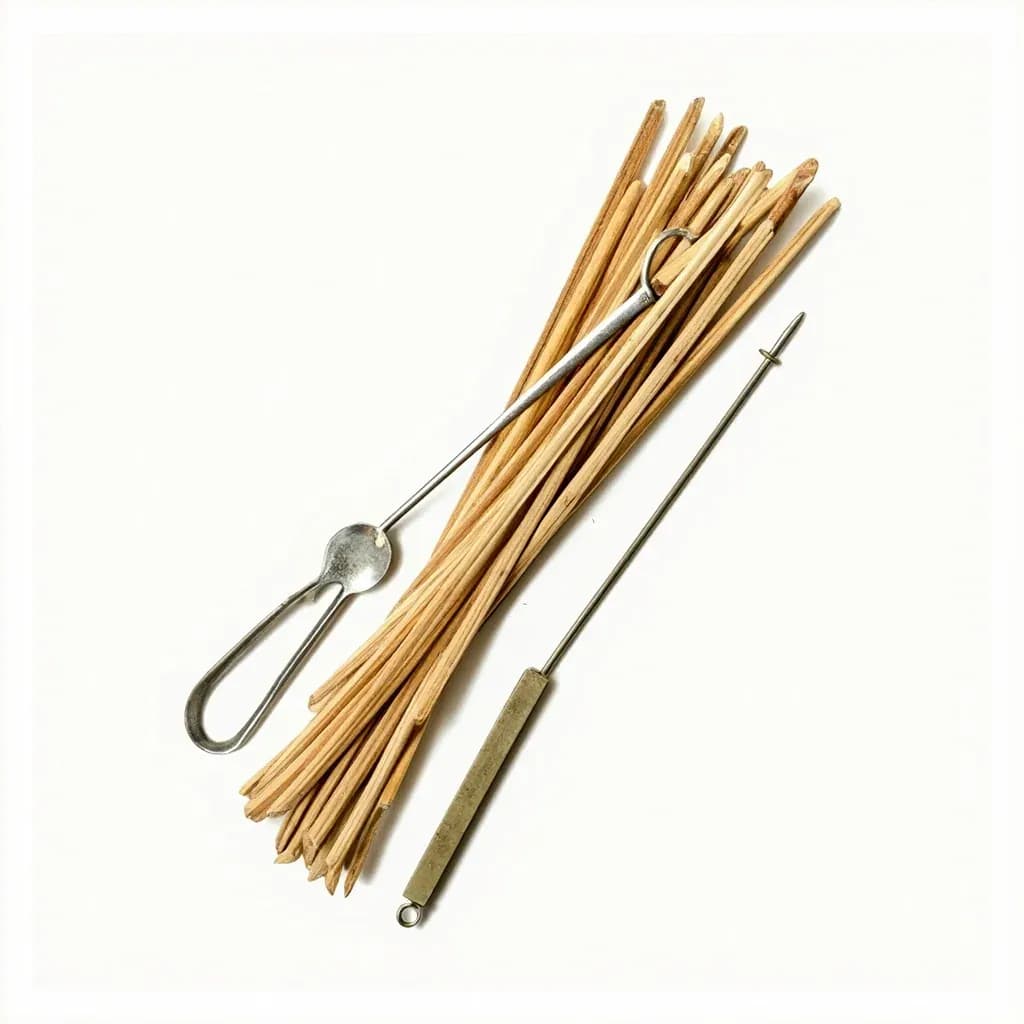
Skewer (Metal / Wooden / Bamboo)
Thin pointed rod that threads meat and vegetables for grilling, roasting, or testing doneness.
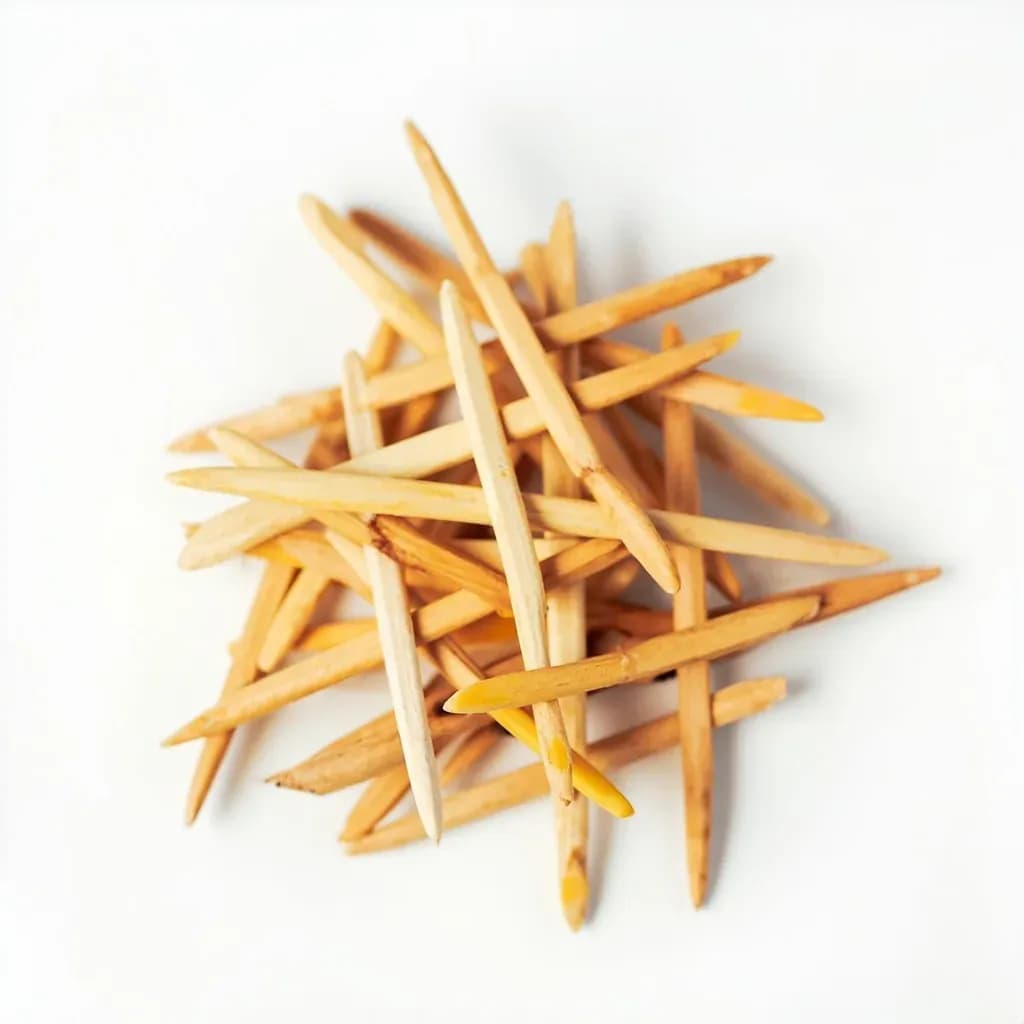
Toothpick
Small pointed wooden pick that pins rolled food shut and tests baked goods for doneness.
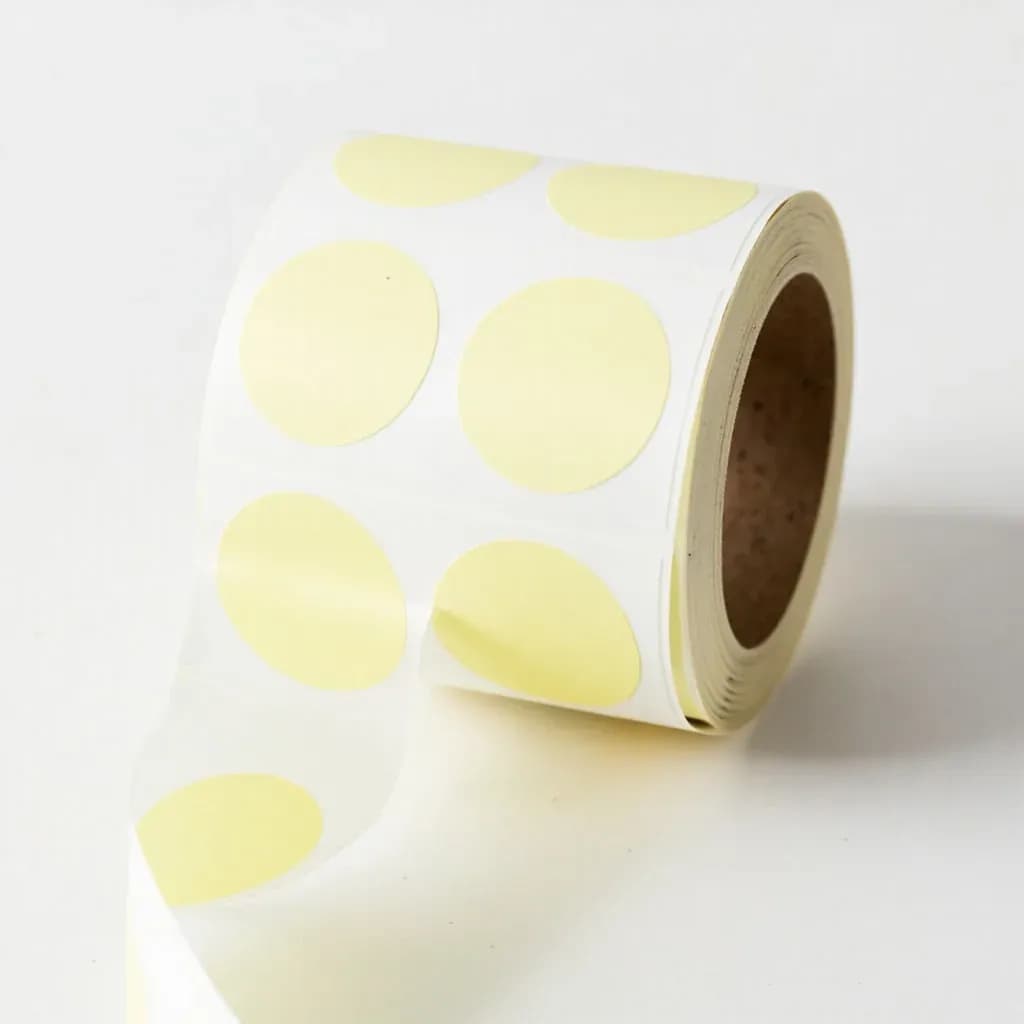
Food Storage Label (Day-Dot)
Stick-on label marking date, contents, or batch info for safe stock rotation.
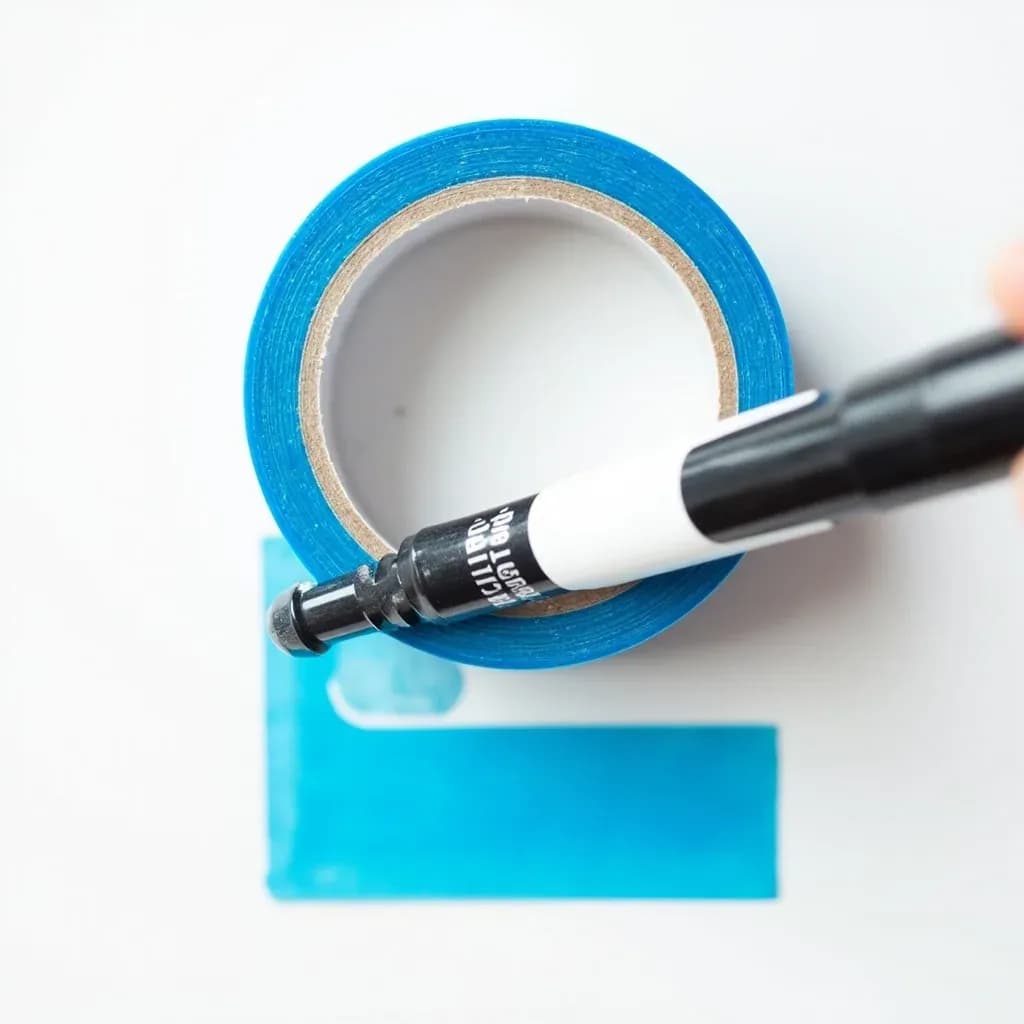
Labeling Tape
Write-on tape for marking containers with contents and dates, peeling off cleanly later.