
Tying & Fastening
Kitchen Twine
Food-safe string for trussing roasts and tying bundles
Heat-safe cotton string for trussing poultry, tying roasts into an even shape, and bundling herbs into a bouquet garni. An even truss helps meat cook uniformly and hold its form. Use natural cotton — synthetic string can melt in the oven.
Kitchen twine is heat-safe natural-cotton string used to truss poultry, tie roasts into an even cylinder, secure stuffing, and bundle herbs into a bouquet garni. The reason it matters is geometry: an evenly tied roast cooks uniformly and holds its shape on the platter, where a loose, sprawling one cooks unevenly and falls apart. The 'natural cotton' part is non-negotiable — synthetic or dyed string can melt or leach in the oven. A spool lasts a long time and is one of those quiet tools that makes meat look (and cook) like a pro did it.
Types & varieties
The standard — natural, food-safe, oven- and smoker-proof.
Stronger and used by some butchers; also natural fiber and oven-safe.
A long, stout needle with a large eye for threading kitchen twine through poultry and roasts, sewing cavities shut and cinching legs so a bird holds its shape and cooks evenly.
Why truss at all
Trussing pulls a chicken's legs and wings in tight so it roasts as a compact, even shape — the breast doesn't dry out while the thighs catch up, and the bird sits handsomely on the platter. Tying a boneless roast into an even cylinder does the same: uniform thickness means uniform cooking and clean slices.
- Even shape = even cooking
- Holds stuffing and shape together
- Cleaner, prettier slices and presentation
Tying technique
For roasts, loop a length around the meat, knot it, and repeat every inch or two to hold the shape. Keep tension snug but not so tight it cuts into the meat. Snip the twine off before slicing and serving. To make a bouquet garni, tie herb stems in a tidy bundle with a tail of twine to fish it out later.
Common uses
Tips & pitfalls
- Use only natural cotton or linen twine — synthetics melt and can leach into food.
- Tie roasts every inch or two for an even shape and even cooking.
- Leave a long tail when tying a bouquet garni so you can pull it from the pot.
- Tension matters: snug holds shape, too tight cuts into the meat.
- Remove all twine before slicing and serving.
Good to know
- Material
- Natural undyed cotton (food-safe, oven-safe)
- Avoid
- Synthetic, plastic, or dyed string — can melt or leach
- Heat safe
- Yes — withstands roasting and smoking temperatures
- Also called
- Butcher's twine
- Reusable?
- Single-use (it cooks with the food)
- Price range
- Inexpensive; a spool lasts ages
Also called
butcher's twine · cooking string · butcher twine
Related

Skewers
Thread meat and vegetables for kebabs and grilling

Toothpicks
Pin rolls shut and test cakes for doneness

Butcher Paper
Breathable wrap for resting barbecue and storing meat
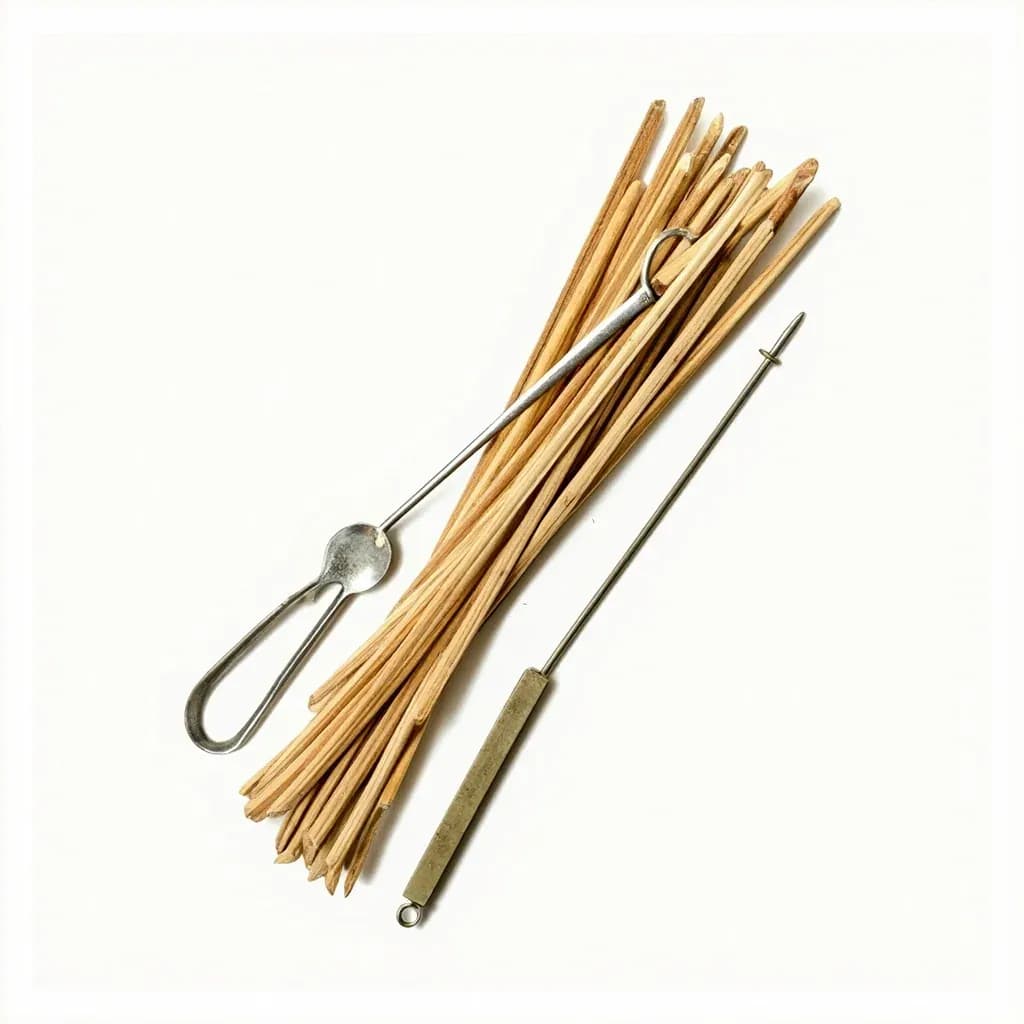
Skewer (Metal / Wooden / Bamboo)
Thin pointed rod that threads meat and vegetables for grilling, roasting, or testing doneness.
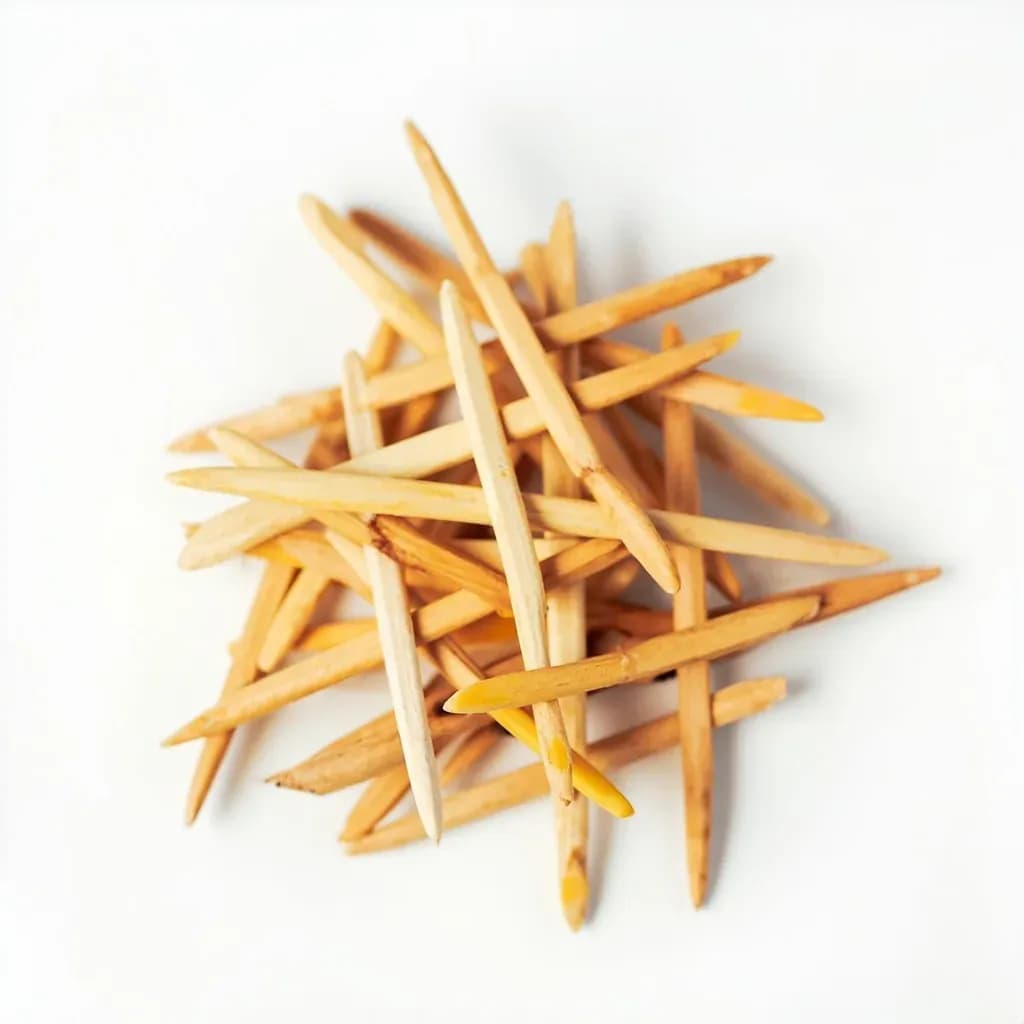
Toothpick
Small pointed wooden pick that pins rolled food shut and tests baked goods for doneness.
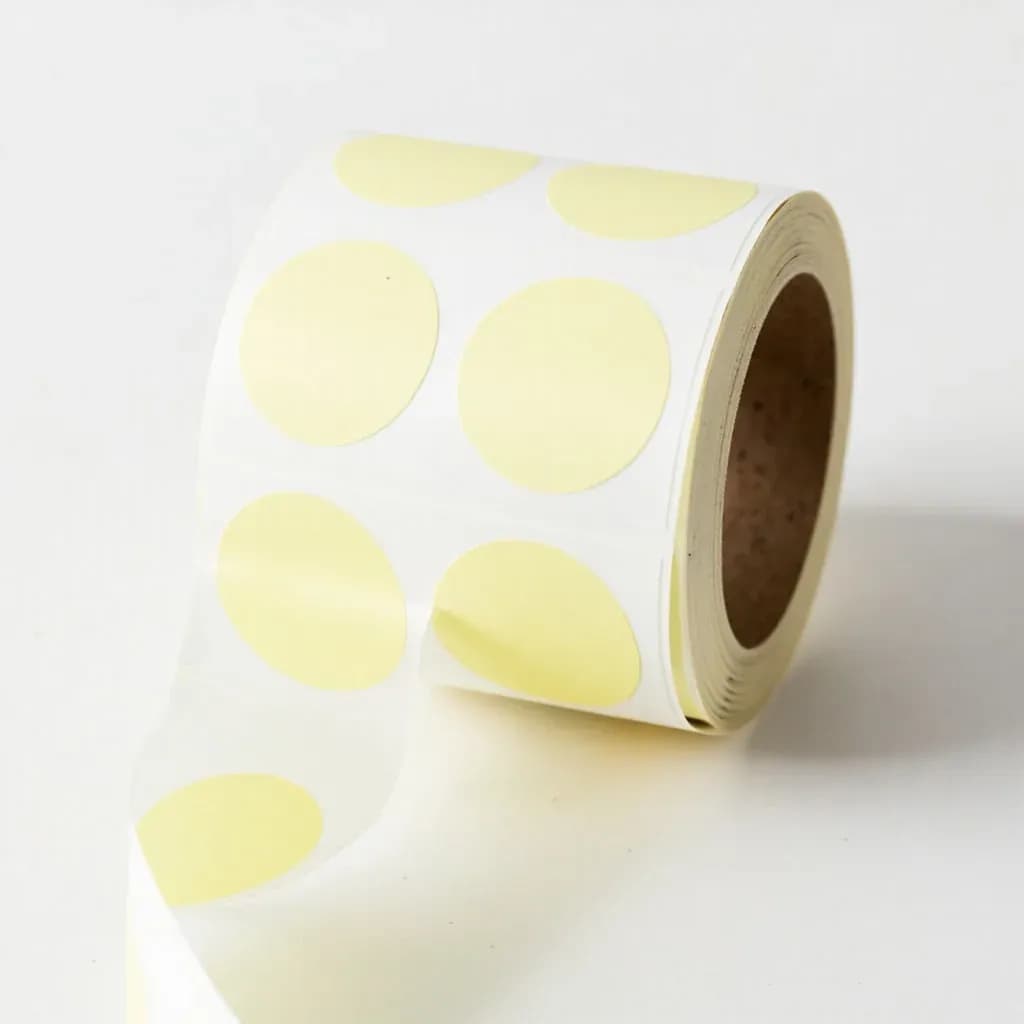
Food Storage Label (Day-Dot)
Stick-on label marking date, contents, or batch info for safe stock rotation.
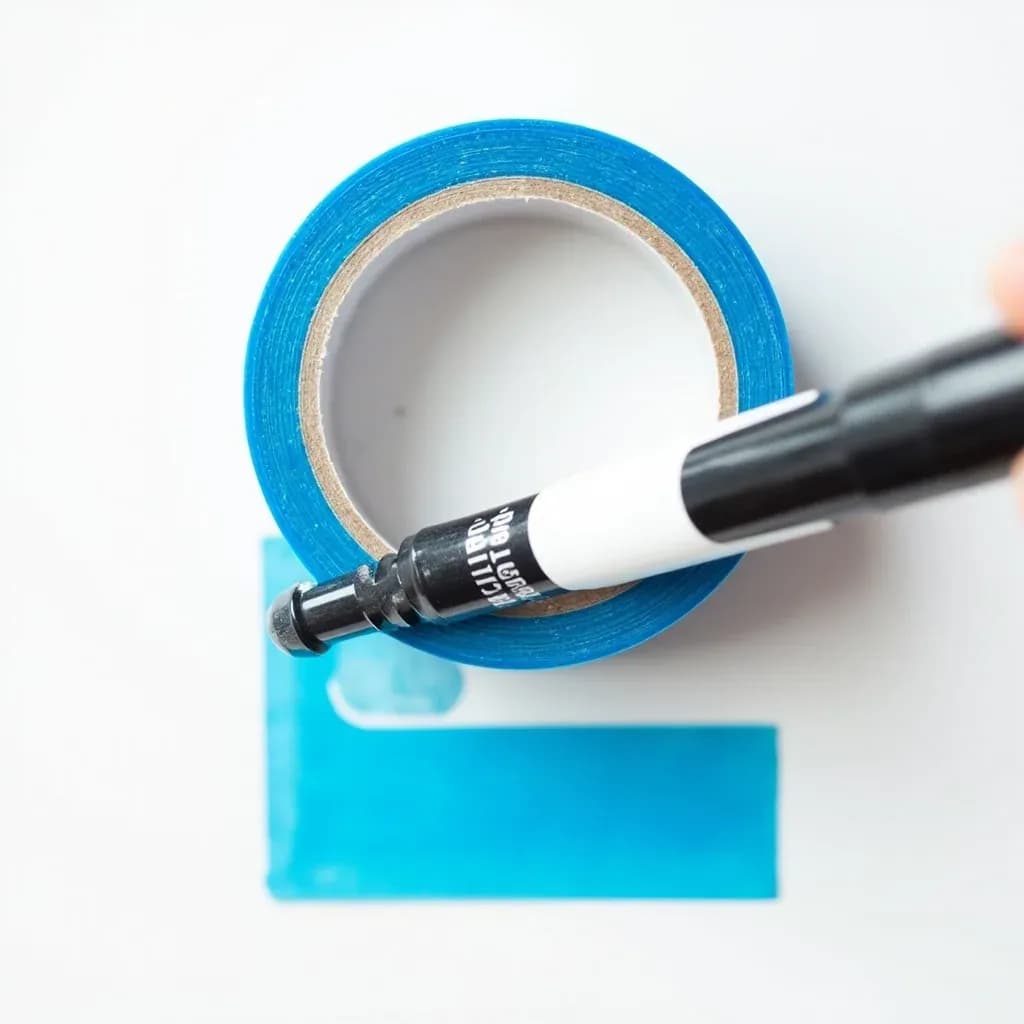
Labeling Tape
Write-on tape for marking containers with contents and dates, peeling off cleanly later.
Canning Jar Lid
Sealing lid that closes a canning jar and forms a vacuum seal for preserving.