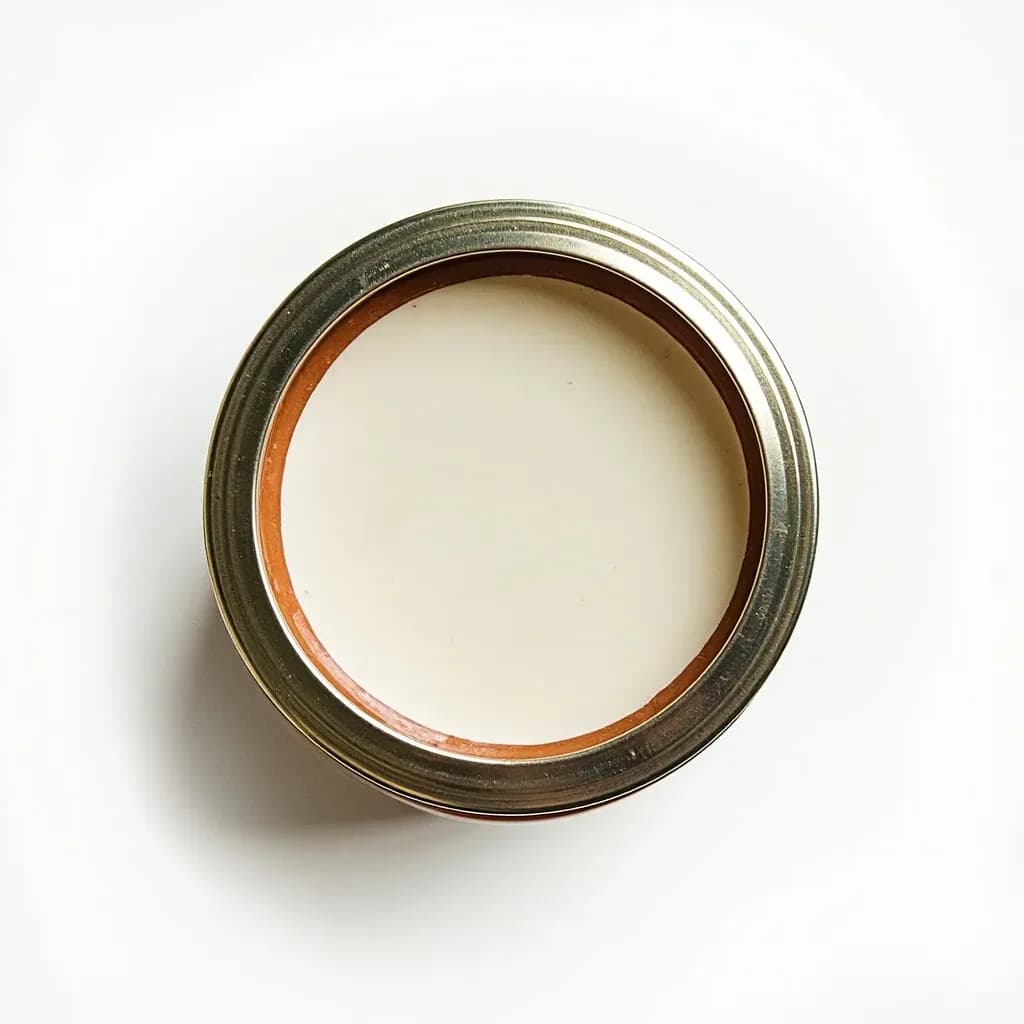
Tying & Fastening
Canning Jar Lid
Sealing lid that closes a canning jar and forms a vacuum seal for preserving.
A canning jar lid closes a preserving jar and, on a two-piece system, forms the airtight vacuum seal that makes home-canned food shelf-stable. The flat sealing disc with its rubberized rim is paired with a screw band during hot processing, then the band is removed once the lid pops down. Flat canning discs are single-use for safe sealing, while twist-off and storage lids can be reused.
The canning jar lid is the critical sealing component of the two-piece metal lid system developed for Mason jars in the mid-19th century and refined by the Ball Corporation in the early 1900s. Unlike a simple cover, it is an engineered device: the flat disc carries a plastisol (PVC) gasket on its underside that softens during heat processing, flows to fill microscopic gaps between lid and jar rim, then hardens as the jar cools to create a permanent vacuum seal. This vacuum is what preserves food safely—the inward pressure keeps oxygen and spoilage organisms out for months or years. The screw band holds everything in place during processing but serves no sealing function once cooled.
Two fundamental types exist: the flat sealing lid (single-use, contains the plastisol compound) and the screw band (reusable plain steel). These are sold together but function differently and have different lifespans. The flat lid compresses irreversibly during its first use; the plastisol does not recover. Reusing flat lids is the single most consequential mistake in home canning, and the primary cause of failed seals and potential food spoilage. Always use fresh flat lids each canning session—the investment is trivial compared to losing a batch of preserved food.
Modern flat lids use BPA-free plastisol, addressing historical concerns about chemical leaching. They are rated to 400°F (204°C), safe for both water bath and pressure canning, and will last 5+ years unused if stored flat in cool, dry conditions away from strong odors. The distinction between canning lids and simple storage caps is absolute: storage lids create friction seals only, will not withstand processing temperatures, and must never be used for actual canning.
Alternatives
Types & varieties
Flat metal disc with plastisol gasket plus screw band; standard for home canning since the 1910s
86 mm diameter; fits wide-mouth mason jars; easier loading of whole fruits, vegetables, and pints of pickles
70 mm diameter; traditional size; better suited for liquids, pourable foods, and narrower contents like string beans
No plastisol coating; requires paraffin wax or separate gasket; used for high-acid foods like pickles when chemical interaction is a concern
Food-grade silicone; for refrigerator and dry storage only, not for canning; creates friction seal, not vacuum seal
Twist-off metal lid with integral threads; common on commercial preserved foods; not standard for home canning
Common uses
Tips & pitfalls
- Apply screw band until barely finger-tight—over-tightening prevents air escape during processing, which prevents proper vacuum formation
- Use fresh flat lids each canning session; the plastisol compresses and loses resilience on first use and cannot reseal reliably
- Inspect lids before use: discard any with rust, dents, scratches, or dried or crumbly sealing compound
- After processing, check seals within 24 hours: press center of lid—properly sealed lids will not flex up and down
- Remove screw bands after 24 hours once seal is confirmed; leaving them on can trap moisture and cause rust
- Store sealed jars without screw bands to prevent false sense of security from a stuck-but-unsealed band
- Pre-warm lids in hot (not boiling) water for 5 minutes to soften the plastisol for better initial seal
- For repeated canning, write the date and batch on flat lids with a felt-tip marker before processing to track freshness
Good to know
- Composition
- Tin-coated steel or chromium steel with BPA-free plastisol (PVC) sealing compound on the underside; screw bands are plain steel, often enamel-coated
- Standard Sizes
- 70 mm regular mouth; 86 mm wide mouth
- Seal Mechanism
- Plastisol gasket softens during processing, flows to fill lid-to-jar gaps, then hardens as it cools to create permanent vacuum seal
- Temperature Limit
- Sealing compound rated to 400°F (204°C); safe for water bath and pressure canning
- Reusability
- Flat sealing lids are single-use only; screw bands are reusable indefinitely unless dented or rusty
- Shelf Life
- Unused flat lids last 5+ years if stored flat in cool, dry conditions away from strong odors
- BPA Status
- Most manufacturers now use BPA-free plastisol; traditional plastisol contained bisphenol compounds
- Origin
- Two-piece metal lid system developed for Mason jars in the 1850s–1880s; popularized by Ball Corporation in the early 1900s
Also called
canning-jar-lid · canning-lid · twist-off-jar-lid · mason-jar-lid · preserving-lid
Related

Skewers
Thread meat and vegetables for kebabs and grilling

Toothpicks
Pin rolls shut and test cakes for doneness

Kitchen Twine
Food-safe string for trussing roasts and tying bundles

Butcher Paper
Breathable wrap for resting barbecue and storing meat
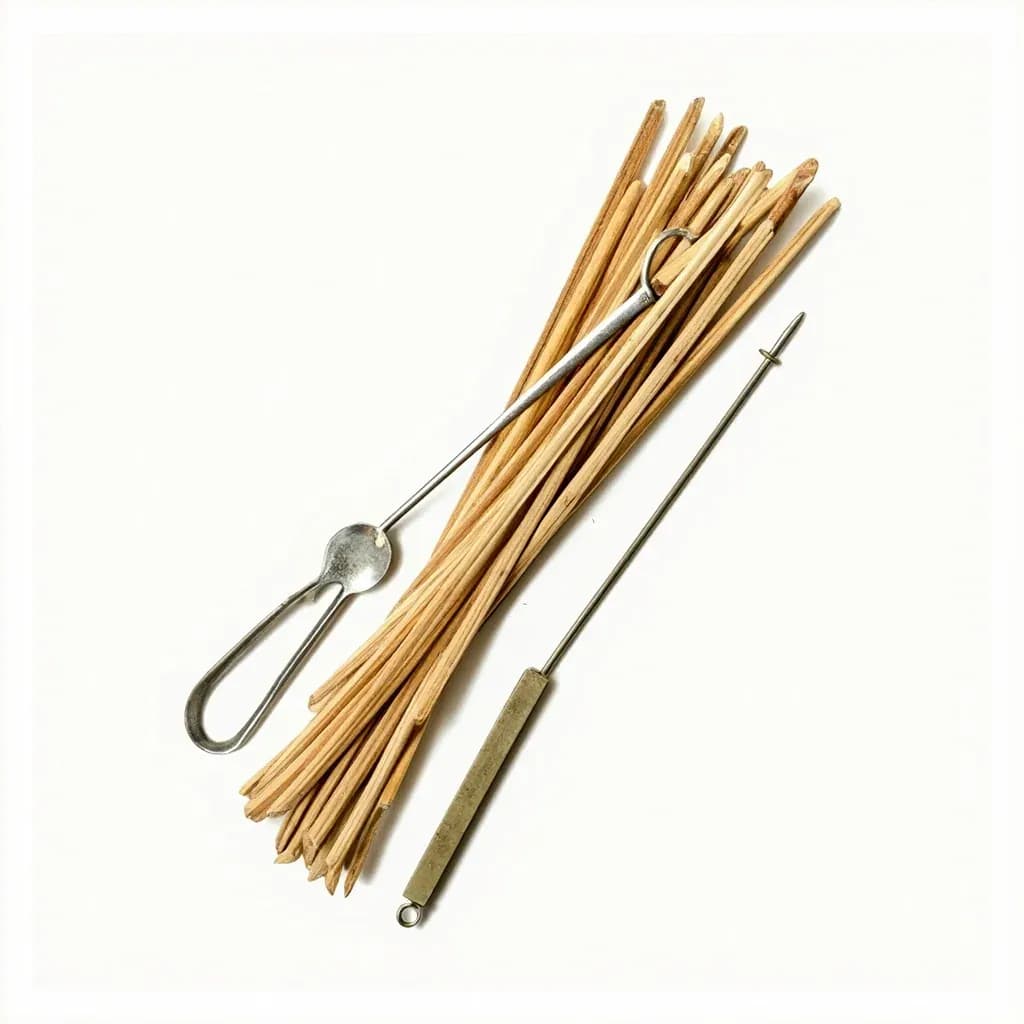
Skewer (Metal / Wooden / Bamboo)
Thin pointed rod that threads meat and vegetables for grilling, roasting, or testing doneness.
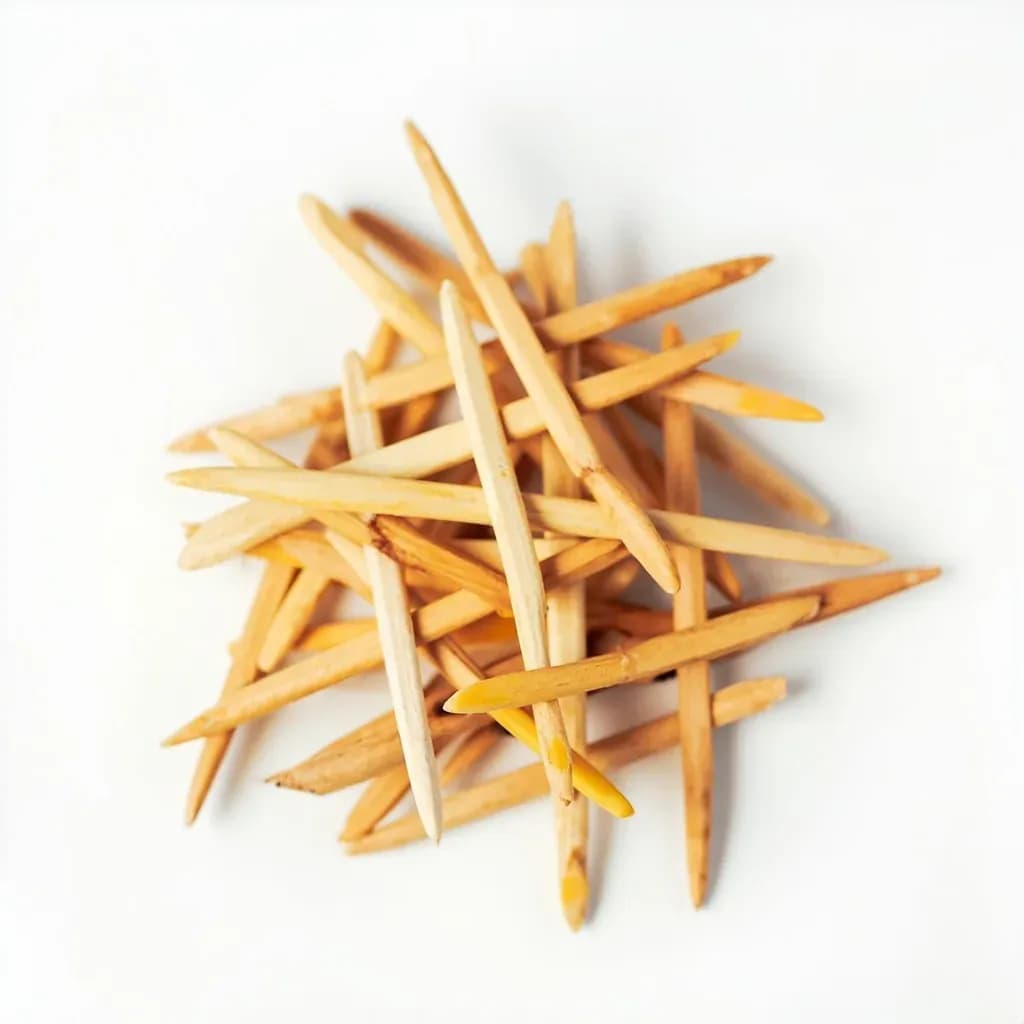
Toothpick
Small pointed wooden pick that pins rolled food shut and tests baked goods for doneness.
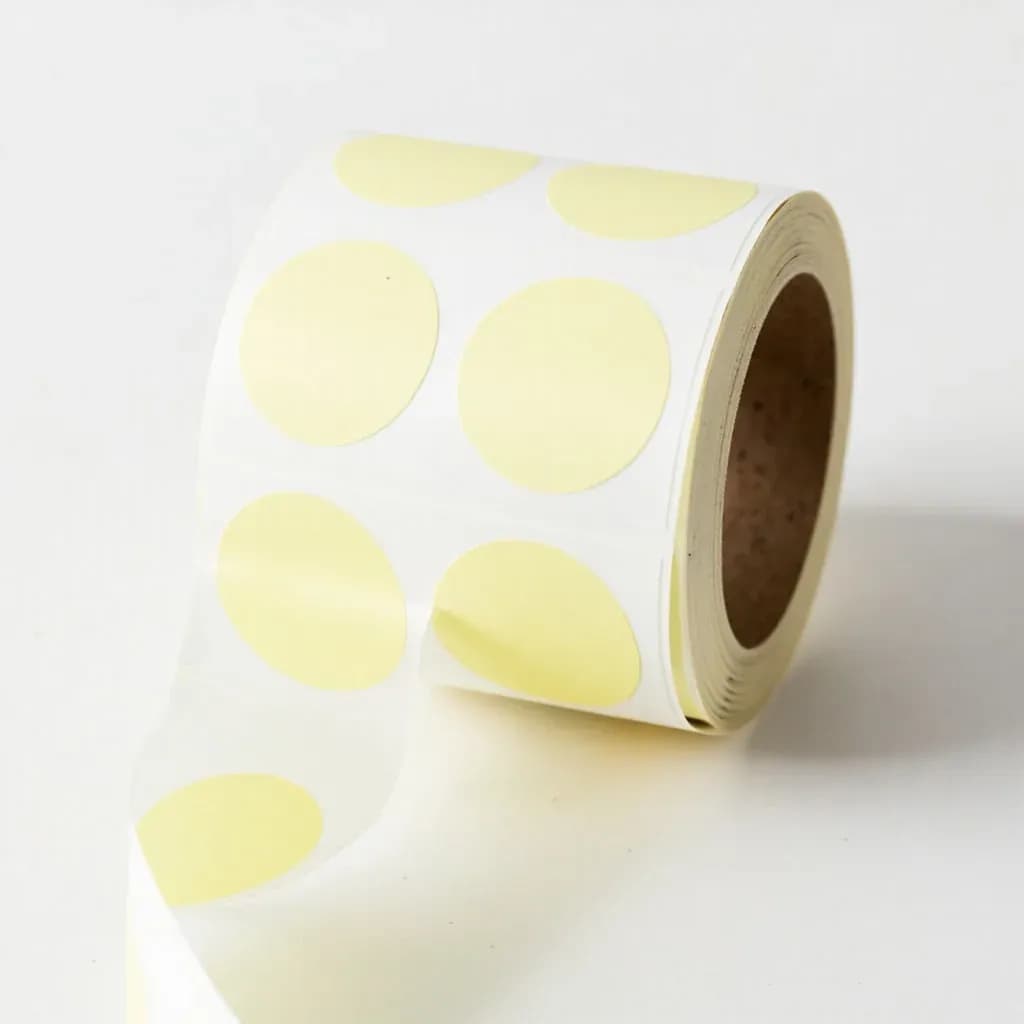
Food Storage Label (Day-Dot)
Stick-on label marking date, contents, or batch info for safe stock rotation.
Labeling Tape
Write-on tape for marking containers with contents and dates, peeling off cleanly later.