Tying & Fastening
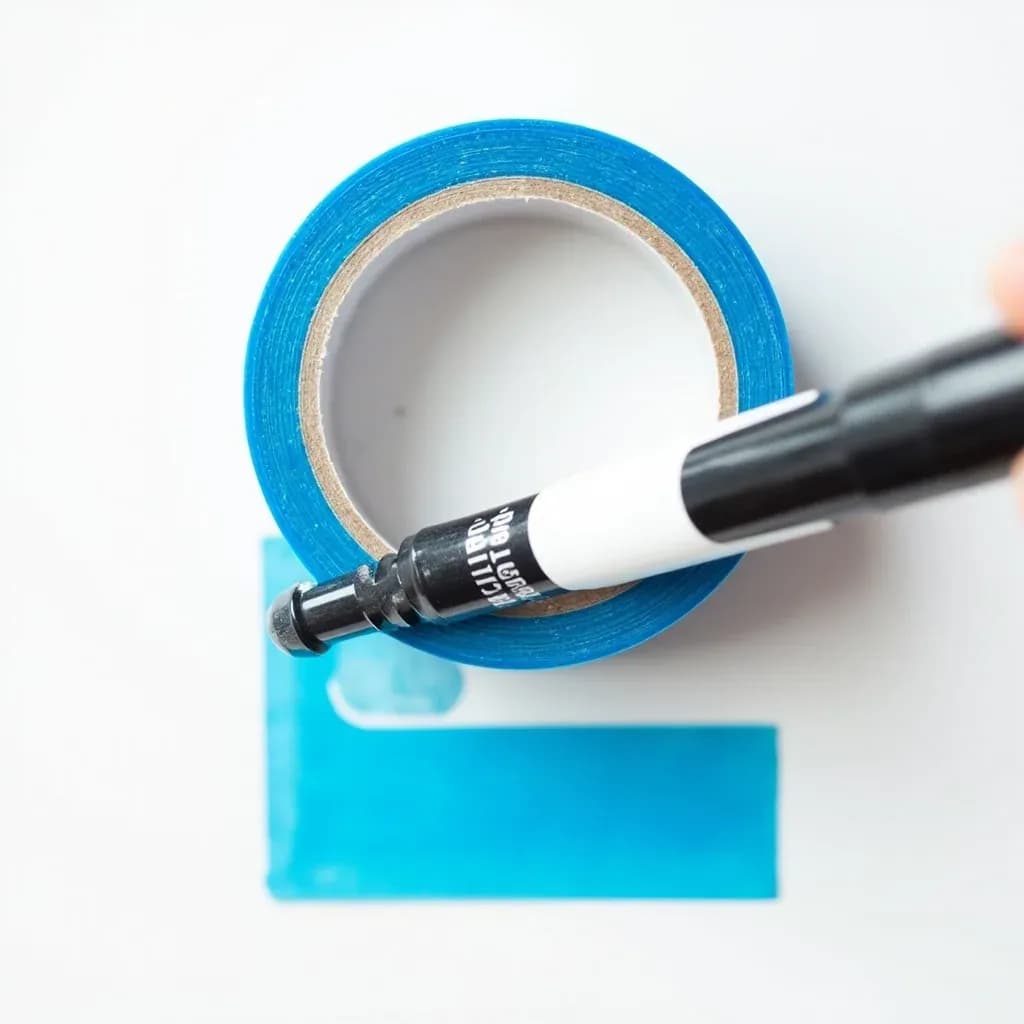
Labeling Tape
Write-on tape for marking containers with contents and dates, peeling off cleanly later.
Labeling tape is a write-on tape, often masking or blue painter's tape, used to mark containers, jars, and trays with contents and dates. Cooks write on it with a marker and stick it to anything that needs identifying for stock rotation and meal prep. It is favored because it peels off without leaving residue and can be reused on different containers as inventory changes.
Labeling tape is a pressure-sensitive tape with a writable matte surface and low-tack removable adhesive, designed specifically for temporary container identification in kitchen environments. Unlike masking tape or packing tape, its adhesive releases cleanly from plastic, glass, and metal surfaces without leaving residue or damaging container finishes—a critical distinction in professional food service where the same containers are cleaned and reused hundreds of times. The writable surface accepts pens, pencils, and permanent markers, making it a flexible tool for handwritten date labels, content identification, and color-coded organization systems. In any kitchen where food is prepped, stored, or rotated for service, labeling tape is a quiet but essential part of food safety practice, supporting FIFO (First In, First Out) rotation, health inspection compliance, and organized mise en place.
Alternatives
Types & varieties
Paper-based, general-purpose for refrigerator storage; the standard choice for most home and commercial kitchen use
Film-backed or specially treated paper that adheres in cold temperatures and peels off cleanly after freezing
Ultra-low tack for surfaces where residue-free removal is critical; common in shared kitchen equipment
Tape rolls pre-stamped with date fields or days-of-week grids; popular in high-volume prep kitchens for rapid labeling
Colored tapes used in rotation systems (e.g., day-of-week color coding) or for allergen identification across a kitchen
Tape vs. Label Makers
Many commercial kitchens invest in dedicated label makers like Brother P-Touch or similar thermal-transfer systems for durable, printed labels. These produce smudge-proof, uniform labels that look professional and meet strict health inspection standards. However, write-on labeling tape remains the practical choice for quick, disposable labeling of mise en place containers during a service rush, or anywhere you need flexibility and speed without switching tools. The two systems often coexist in professional kitchens: label makers for permanent inventory and compliance labeling, write-on tape for day-to-day prep labeling.
- Label makers produce smudge-proof, legible printed labels ideal for health inspections
- Write-on tape offers speed and flexibility for service-side prep labeling
- Both systems serve different purposes in an organized professional kitchen
Common Mistakes to Avoid
Several recurring errors reduce the effectiveness of labeling tape and can compromise your food safety systems.
- Using standard masking tape, painter's tape, or packing tape instead of proper labeling tape—these adhesives leave residue and can damage container surfaces
- Writing with washable markers or ballpoint pens that smear or fade in refrigerated conditions
- Applying tape to damp or greasy container surfaces, causing the adhesive to fail and the label to fall off
- Leaving tape corners unpressed, creating lifting points that worsen in cold storage
- Forgetting to remove tape before commercial dishwasher cycles, which bakes adhesive residue onto racks and containers
- Using faded or aging tape without replacing it—inks migrate and labels become illegible over time
Common uses
Tips & pitfalls
- Use fine-tip permanent markers or oil-based pens for smudge-resistant labels that last in refrigerated conditions
- Apply to clean, dry surfaces only—adhesive fails on damp or greasy container surfaces
- Write on the matte side of tape for better ink adhesion than glossy surfaces
- Press tape edges firmly to prevent corners lifting during cold storage
- Keep tape rolls sealed when not in use to prevent the adhesive from drying out
- Remove tape before containers go through commercial dishwashers to prevent adhesive residue on racks
- Replace tape every 6–12 months in long-term storage even if not peeling—inks can fade or migrate
Good to know
- Material
- Paper or film substrate with pressure-sensitive adhesive
- Adhesive Type
- Removable (low-tack) adhesive that lifts off cleanly without residue
- Marking Method
- Writable surface compatible with pens, pencils, and permanent markers
- Common Widths
- 3/4-inch to 1.5-inch rolls
- Temperature Tolerance
- Some varieties rated for freezer use (-40°F); standard for refrigerator use
- Use Context
- Food prep, storage, and inventory management in commercial and home kitchens
Also called
labelling-tape · Masking Tape · masking-tape · Blue Painter's Tape (Labeling) · painters-tape · Label Tape (Day-Dot) · Masking Tape Labels
Related

Skewers
Thread meat and vegetables for kebabs and grilling

Toothpicks
Pin rolls shut and test cakes for doneness

Kitchen Twine
Food-safe string for trussing roasts and tying bundles

Butcher Paper
Breathable wrap for resting barbecue and storing meat
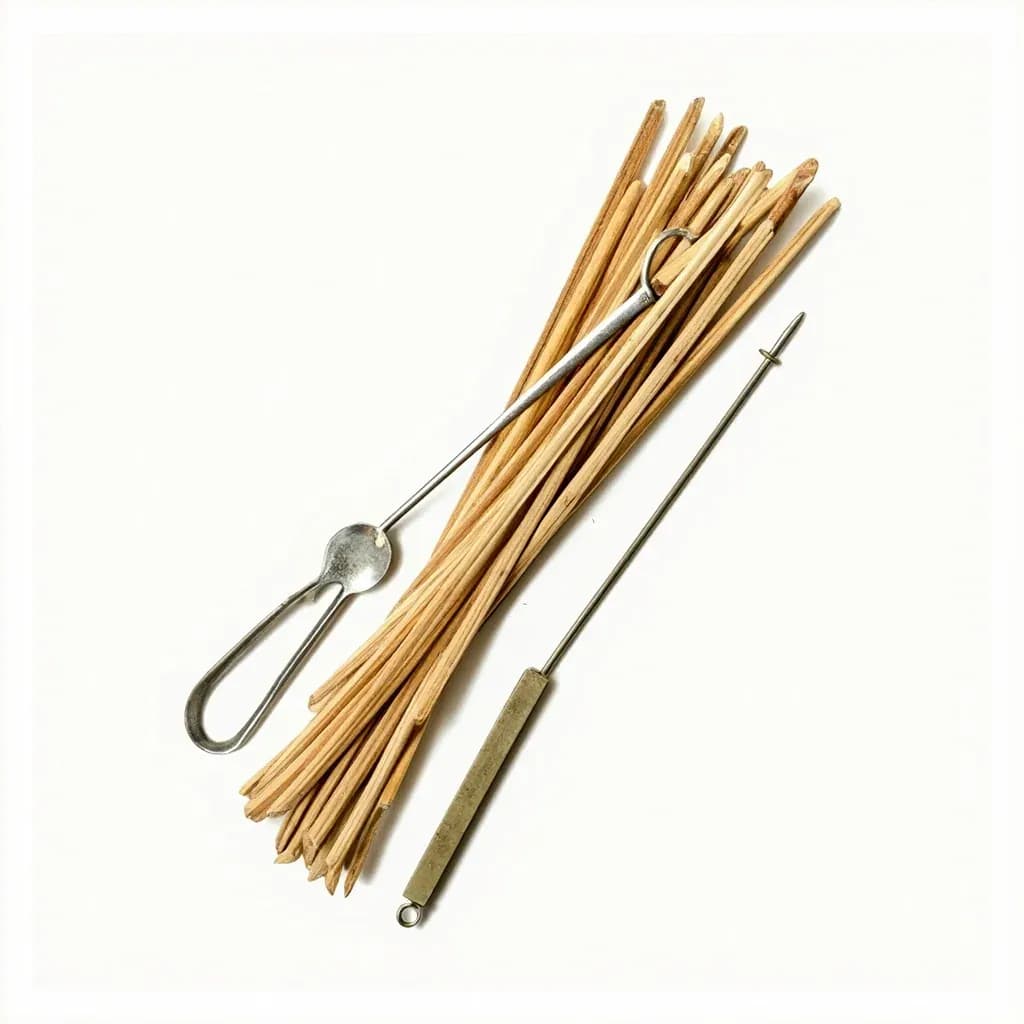
Skewer (Metal / Wooden / Bamboo)
Thin pointed rod that threads meat and vegetables for grilling, roasting, or testing doneness.
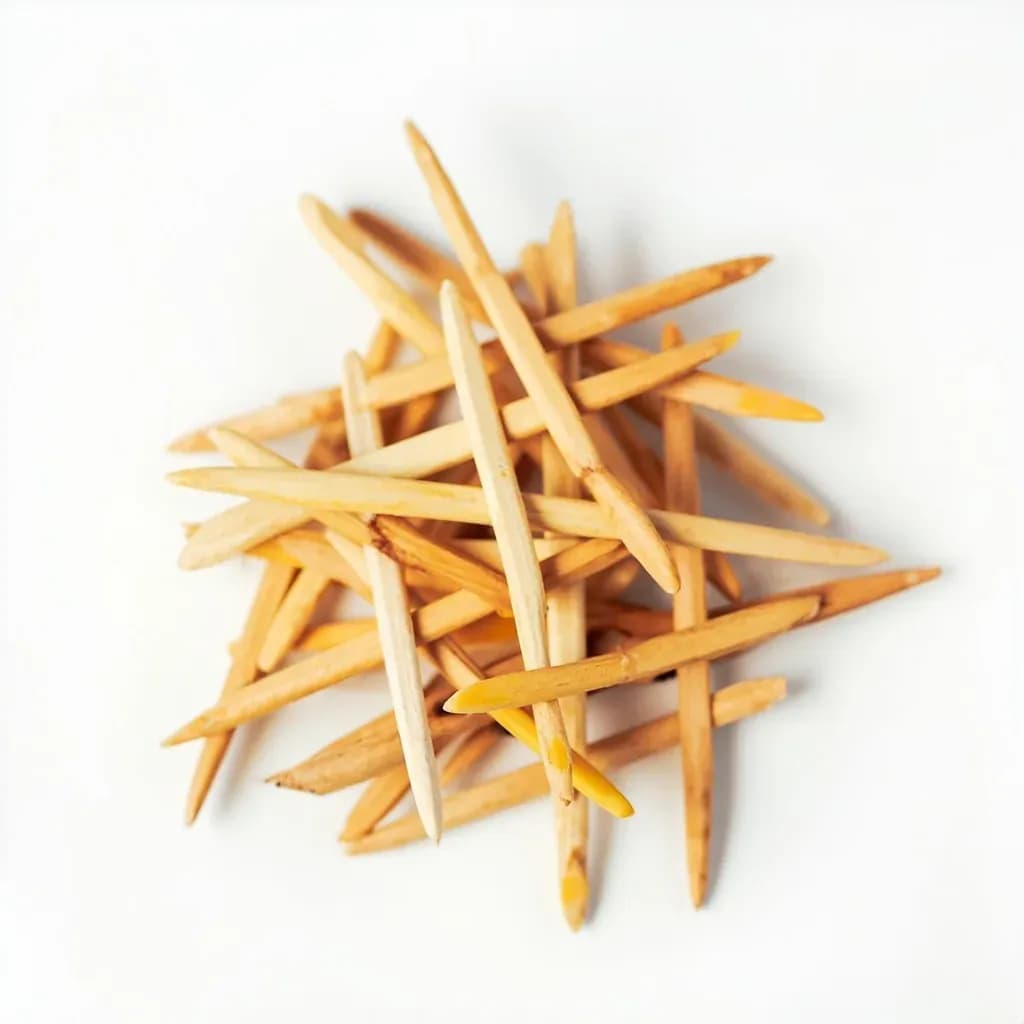
Toothpick
Small pointed wooden pick that pins rolled food shut and tests baked goods for doneness.
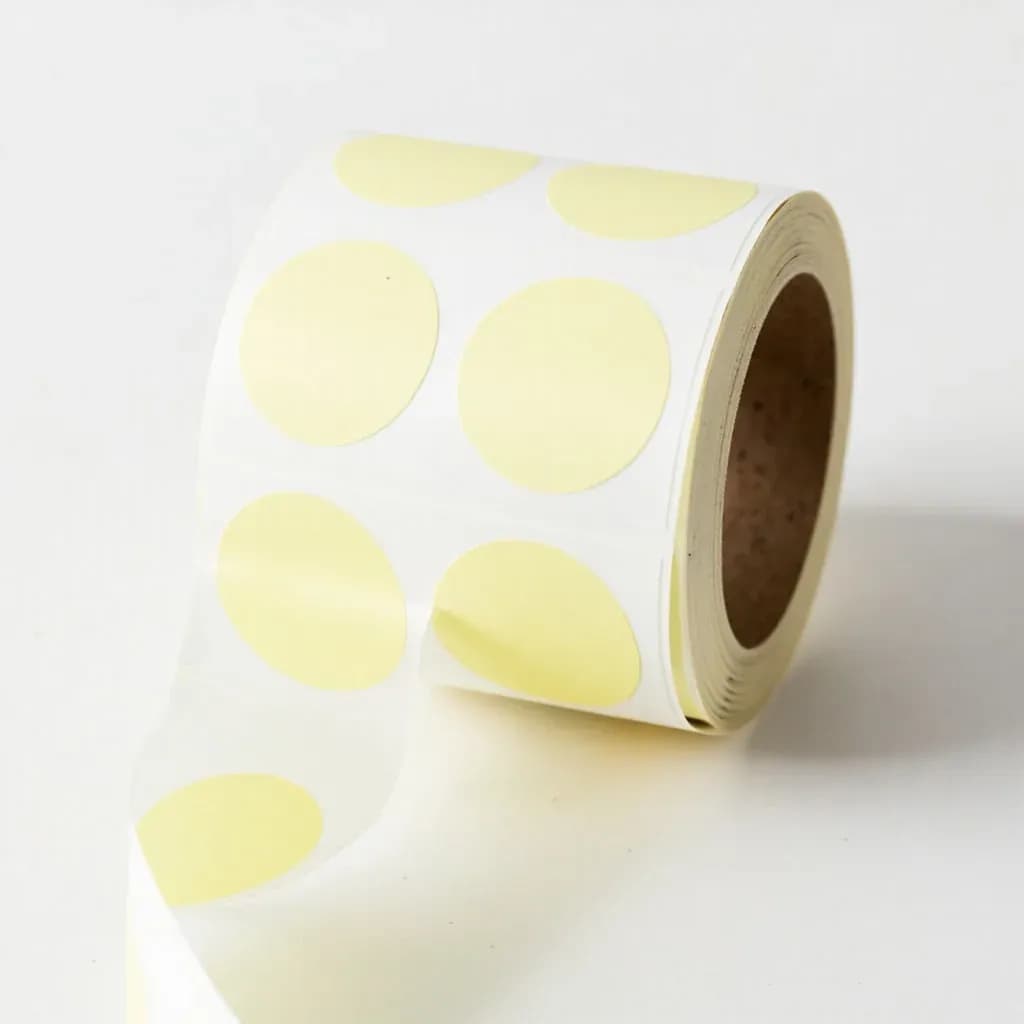
Food Storage Label (Day-Dot)
Stick-on label marking date, contents, or batch info for safe stock rotation.
Canning Jar Lid
Sealing lid that closes a canning jar and forms a vacuum seal for preserving.