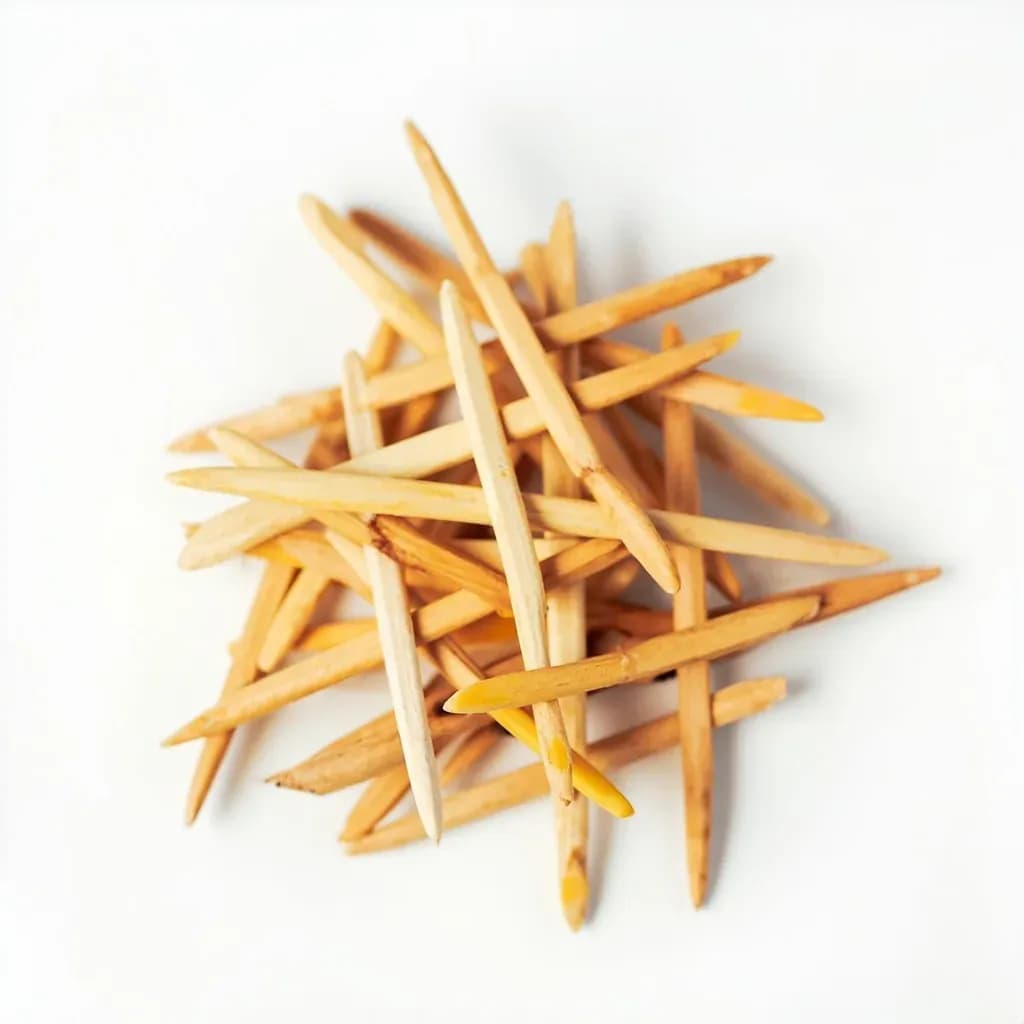
Tying & Fastening
Toothpick
Small pointed wooden pick that pins rolled food shut and tests baked goods for doneness.
A toothpick is a small, pointed wooden pick used in cooking to pin rolled or stuffed foods closed, secure bacon-wrapped bites, and hold canapés together. Inserted into a cake or quick bread, it tests doneness by coming out clean. Cooks remove any toothpicks holding food shut before serving, and color-coded picks are sometimes used to mark cooking temperatures on a platter.
The toothpick is one of the most versatile and underappreciated tools in a kitchen. Beyond its namesake dental use, it serves as an essential aid for securing, testing, and assembling food. Made from natural wood—typically birch, bamboo, maple, or pine—these slender, pointed implements are inexpensive, disposable, and food-safe. Their small size belies their importance: they perform tasks that range from the critical (determining whether a cake is done) to the practical (keeping a stuffed breast closed during roasting). In professional and home kitchens alike, toothpicks are indispensable for work that requires a temporary, non-reactive fastener.
The choice of material affects performance. Bamboo grows rapidly and regenerates quickly, making it a more sustainable option than slower-growing hardwoods like birch or maple. Most toothpicks measure approximately 2 inches (5 cm) in length and come in round or flat cross-sections. Flat toothpicks grip food more effectively and are preferred for culinary tasks that demand a secure hold. Round toothpicks, while adequate for testing baked goods, are more prone to slipping when used to secure rolled foods. Some toothpicks feature colored tips—dyed with food-safe colorants—for visibility, which is useful when the pick must be located quickly in a finished dish.
Wooden toothpicks are heat-safe within typical oven temperatures (350–450°F / 175–230°C), making them safe for most baking and roasting applications. They are single-use by design: inexpensive enough to discard after food contact, which eliminates the risk of cross-contamination that can come from attempting to clean and reuse them. Keeping a supply in a clean, dry container prevents moisture absorption and warping, ensuring they remain straight and functional when needed.
Alternatives
Types & varieties
Cylindrical profile; best for testing baked goods; less effective at holding food closed.
Wider, thin profile; superior grip when securing rolled or folded foods; the preferred choice for culinary tasks.
Longer, with a slightly thicker handle; designed for appetizers and skewering small items.
Wooden with a colored tip for visibility; dye is food-safe; useful for locating in finished dishes.
May have decorative tops such as plastic or glass beads; decorative only—verify food-safety before using in cooking.
Short decorative pick that spears olives, onions, and citrus garnishes for drinks or pins canapés and appetizers, with a frilled or beaded top.
The Toothpick Test: How It Works and When to Trust It
The toothpick test is a classic method for checking doneness in cakes, quick breads, brownies, and muffins. Insert a clean toothpick into the center of the baked good—not near the edges, where the item cooks faster—then withdraw it. A clean toothpick or one with a few moist crumbs clinging indicates the item is done. Streaks of wet batter mean it needs more time.
However, the test has limits. Ingredients like chocolate chips, dried fruit, nuts, and coconut can melt or cling to the toothpick even when the surrounding crumb is fully set. In these cases, rely on internal temperature as the primary indicator: cakes are done at 200–210°F (93–99°C), brownies at 210–215°F (99–102°C). For items with mix-ins, take the toothpick test as a secondary confirmation, not the final word.
- Insert toothpick into the center, not near edges, at the minimum bake time.
- Account for added ingredients that may cling to the pick: chocolate, fruit, nuts.
- Use internal temperature (200–210°F / 93–99°C for cakes) as the definitive doneness check for items with mix-ins.
Choosing the Right Toothpick for the Task
Not all toothpicks are interchangeable. Flat toothpicks should be your default for securing rolled or folded foods—egg rolls, spring rolls, nori rolls, Swiss roll cakes, and stuffed vegetables—because the wider surface grips the food and prevents slipping during handling and cooking. Round toothpicks are perfectly adequate for testing baked goods and for lighter tasks like holding sandwiches or burgers together. For appetizers and skewering small items (cherry tomatoes, olives, cheese cubes), a longer tapered cocktail pick gives you better control and a more substantial grip.
Bamboo flat toothpicks are the workhorse choice for most culinary applications: sturdy, sustainable, and effective. Avoid decorative picks with non-food-safe materials (plastic beads, glass tops) when cooking, as they may not withstand heat or could introduce unwanted substances into your food.
- Default to flat toothpicks for securing rolled or folded foods.
- Use round toothpicks for doneness testing and light assembly tasks.
- Reserve cocktail picks for appetizers and skewering.
Common uses
Tips & pitfalls
- Use flat toothpicks instead of round ones when securing food; the wider surface prevents slipping and creates a tighter seal.
- Break toothpicks in half for smaller items or when you need less protrusion from the food for presentation.
- Remove all toothpicks before serving; alert guests if toothpicks were used during cooking so no one is injured.
- Keep a dedicated supply of plain wooden toothpicks for cooking; do not use decorative picks with non-food-safe materials.
- Insert toothpicks at an angle when securing rolled foods to prevent them from sliding out during handling.
- When testing cake doneness, insert the toothpick into the center of the cake, not near the edges, and check at the minimum bake time.
- For dense baked goods with mix-ins (chocolate chips, nuts, fruit), rely on internal temperature rather than the toothpick test as your primary doneness indicator.
Good to know
- Common materials
- Birch, bamboo, maple, or pine wood; bamboo is the most sustainable option.
- Standard length
- Approximately 2 inches (5 cm).
- Cross-section shapes
- Round (standard) or flat (preferred for culinary use—better grip, tighter seal).
- Color options
- Natural wood tone, or dyed tips (typically red or blue) for visibility; food-safe dyes only.
- Heat resistance
- Safe in baked goods up to typical oven temperatures (350–450°F / 175–230°C).
- Storage
- Keep in a clean, dry container to prevent moisture absorption and warping.
- Sustainability note
- Bamboo regenerates rapidly; birch and maple are slower-growing hardwoods.
Also called
toothpicks · wooden-toothpick · cocktail-stick
Related

Skewers
Thread meat and vegetables for kebabs and grilling

Toothpicks
Pin rolls shut and test cakes for doneness

Kitchen Twine
Food-safe string for trussing roasts and tying bundles

Butcher Paper
Breathable wrap for resting barbecue and storing meat
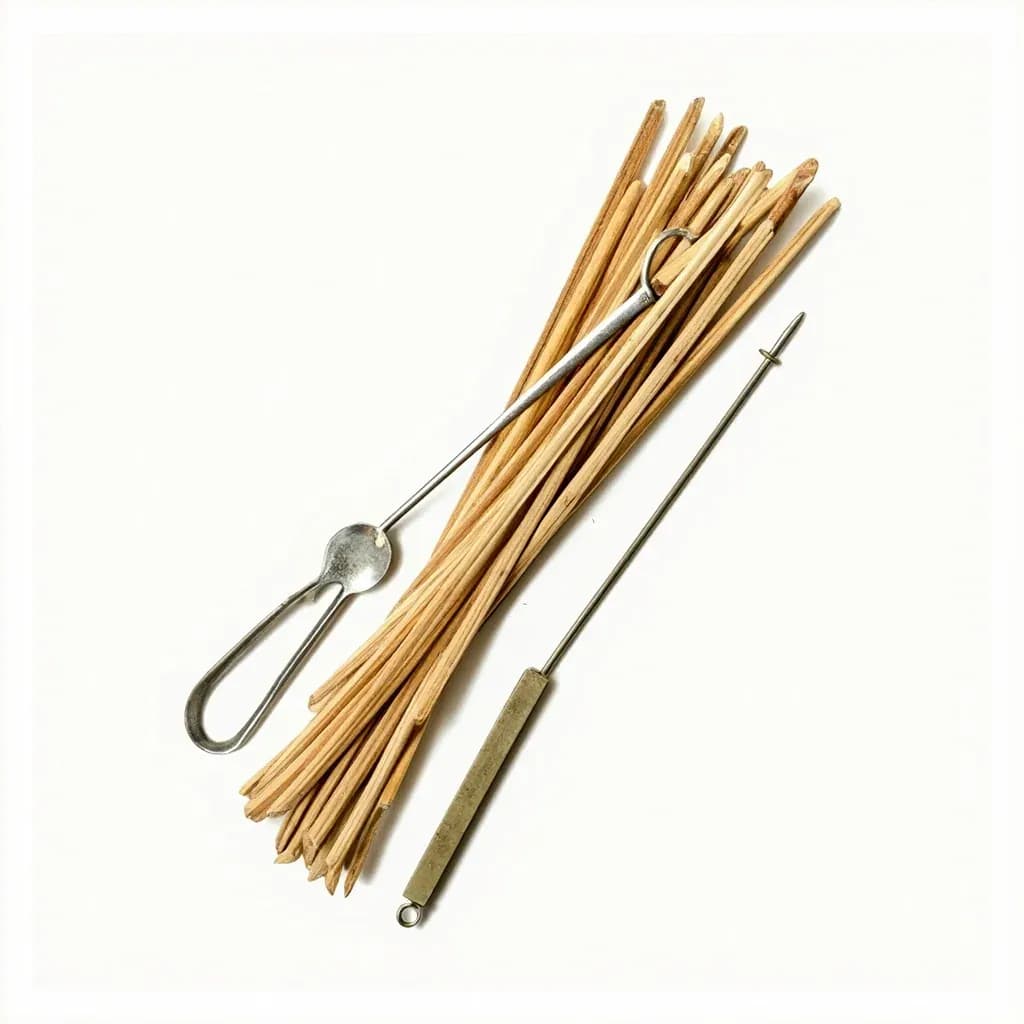
Skewer (Metal / Wooden / Bamboo)
Thin pointed rod that threads meat and vegetables for grilling, roasting, or testing doneness.
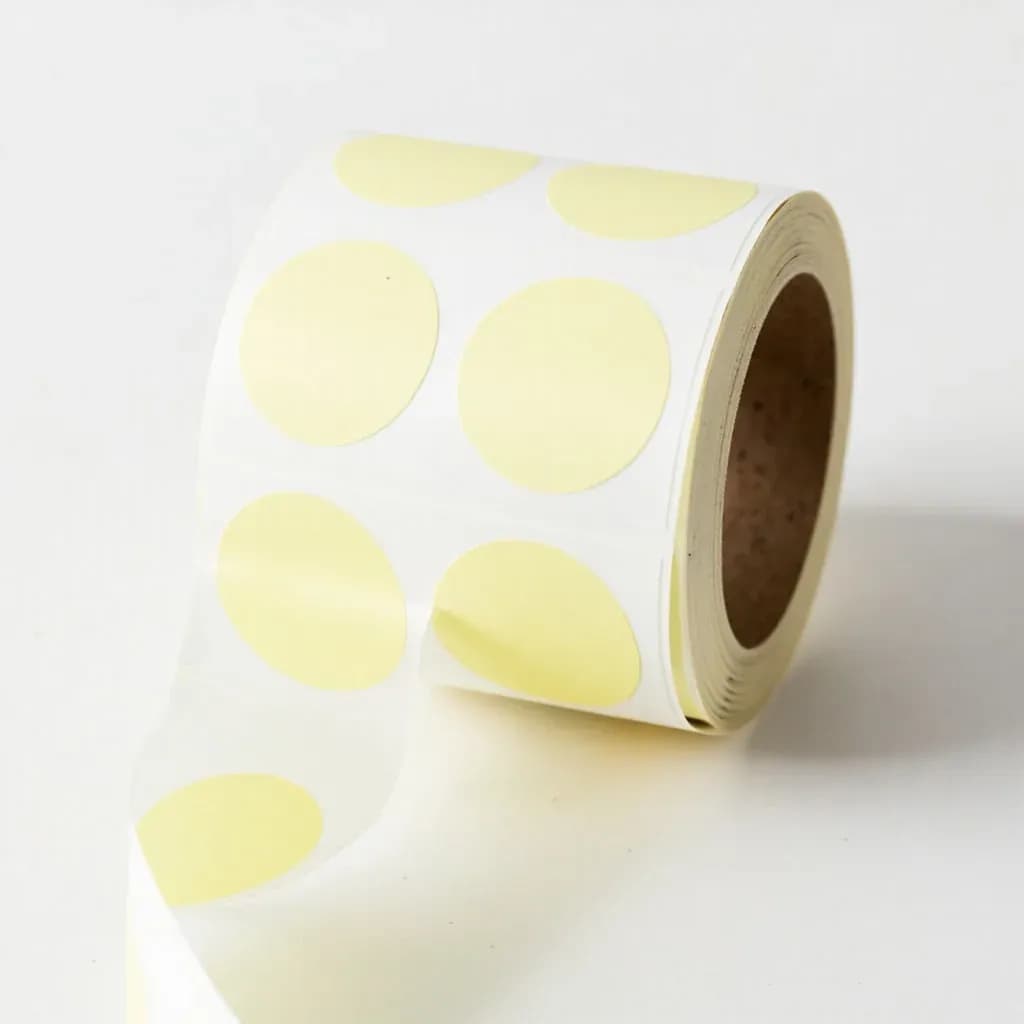
Food Storage Label (Day-Dot)
Stick-on label marking date, contents, or batch info for safe stock rotation.
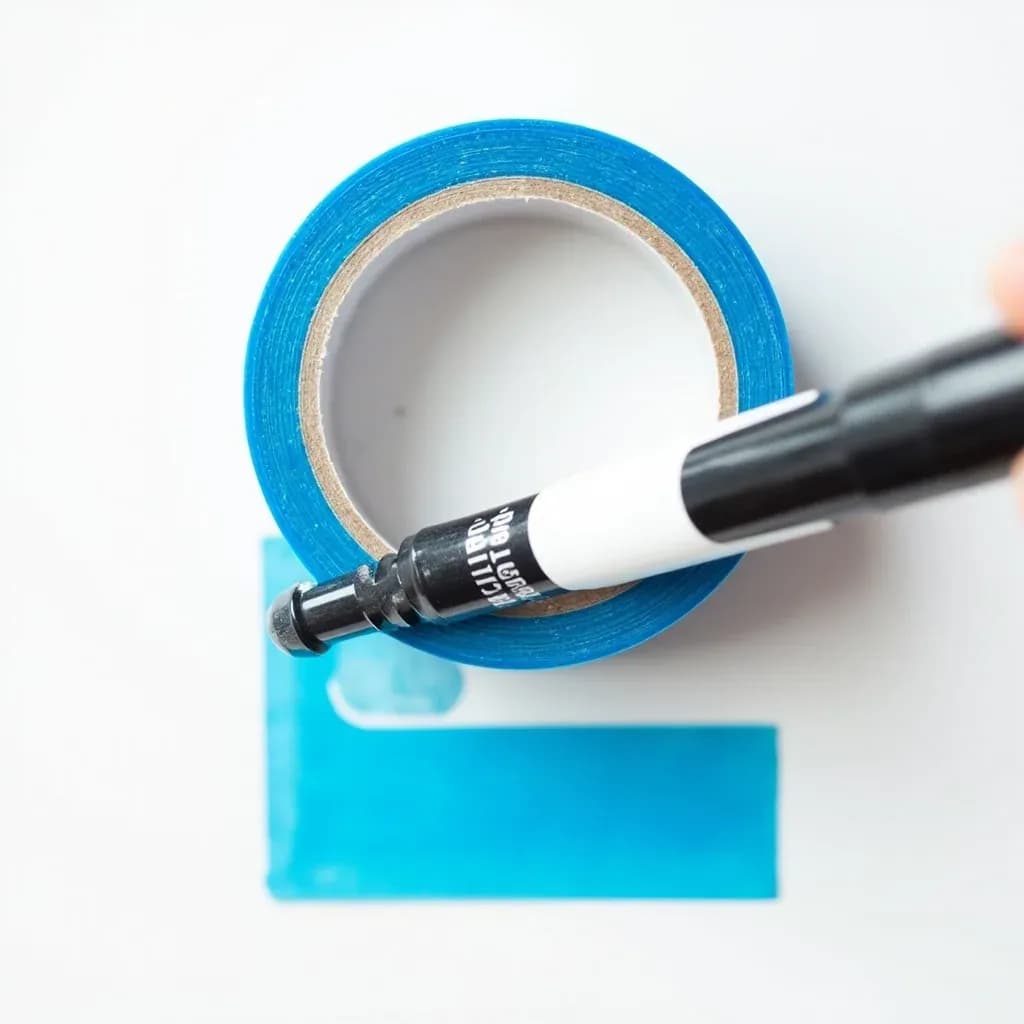
Labeling Tape
Write-on tape for marking containers with contents and dates, peeling off cleanly later.
Canning Jar Lid
Sealing lid that closes a canning jar and forms a vacuum seal for preserving.