
Tying & Fastening
Butcher Paper
Breathable wrap for resting barbecue and storing meat
A sturdy, breathable paper for wrapping meat, resting barbecue (the famous 'Texas crutch'), and lining a serving board. Unlike foil, it lets some steam escape so brisket bark stays firm. Pink or peach paper is uncoated and food-safe.
Butcher paper is a sturdy, breathable kraft paper traditionally used to wrap and store cuts of meat — and beloved by barbecue cooks for the 'Texas crutch,' where wrapping a brisket part-way through the smoke pushes it through the stall while letting just enough steam escape to keep the bark firm. That breathability is the difference from foil, which seals tight and softens the crust. The pink or peach uncoated variety is food-safe and the pitmaster's standard; it also makes a rustic liner for serving boards and a casual table covering.
Types & varieties
Uncoated food-safe paper; the barbecue standard for wrapping brisket.
Clean look for serving boards, table covers, and deli wrapping.
A poly-coated relative — moisture-proof for freezing meat, but not breathable for smoking.
The Texas crutch
Smoked brisket and pork hit a 'stall' where evaporative cooling parks the internal temperature for hours. Wrapping in butcher paper traps enough heat and moisture to break through the stall faster, while the paper's breathability lets surface steam escape — so the bark stays firm and crisp rather than turning soft, the way it does in a foil wrap.
- Wrap to push past the stall faster
- Breathable paper keeps bark firm (foil softens it)
- Rest the wrapped meat to redistribute juices
Beyond the smoker
Use only uncoated, food-grade butcher paper against food — never the waxed or coated kind near heat. White paper lines a serving board or covers a table for a rustic spread, and it wraps sandwiches and deli cuts the old-fashioned way. Don't confuse it with freezer paper, whose plastic side makes it great for freezing but wrong for smoking.
Common uses
Tips & pitfalls
- Use uncoated pink/peach paper for barbecue — coated or waxed paper can melt or leach.
- Wrap brisket in paper (not foil) to power through the stall while keeping the bark.
- Don't confuse butcher paper with freezer paper — the latter's plastic side blocks the breathability you want for smoking.
- White butcher paper makes a handsome rustic liner for serving boards.
- Rest wrapped meat in the paper after smoking to let the juices settle.
Good to know
- Material
- Uncoated kraft paper; food-grade pink/peach or white
- Vs. foil
- Breathable — lets steam escape so bark stays firm
- Vs. freezer paper
- Freezer paper has a plastic-coated side; butcher paper is uncoated and breathable
- Heat
- Used inside the smoker; uncoated and oven-tolerant at low temps
- Reusable?
- Single-use
- Price range
- Inexpensive (long rolls)
Also called
peach paper · freezer paper
Related

Skewers
Thread meat and vegetables for kebabs and grilling

Toothpicks
Pin rolls shut and test cakes for doneness

Kitchen Twine
Food-safe string for trussing roasts and tying bundles
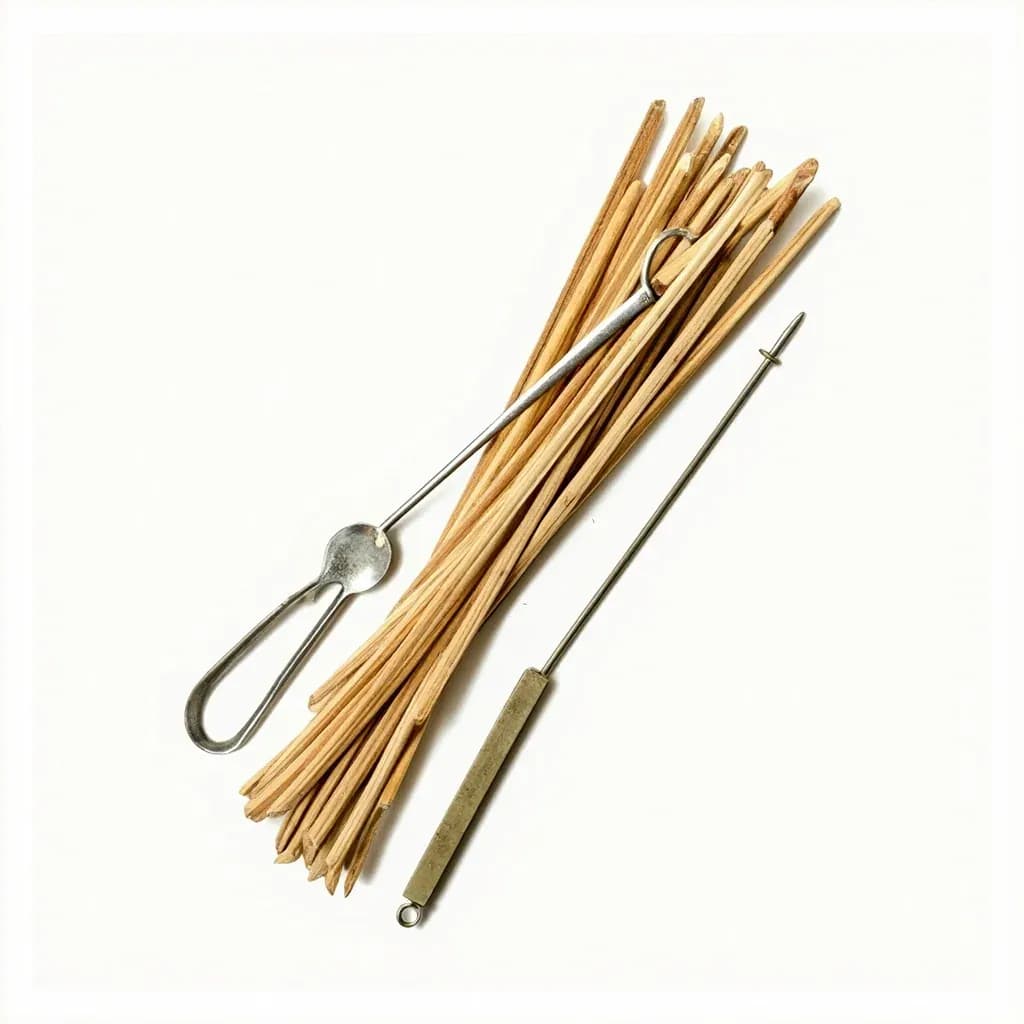
Skewer (Metal / Wooden / Bamboo)
Thin pointed rod that threads meat and vegetables for grilling, roasting, or testing doneness.
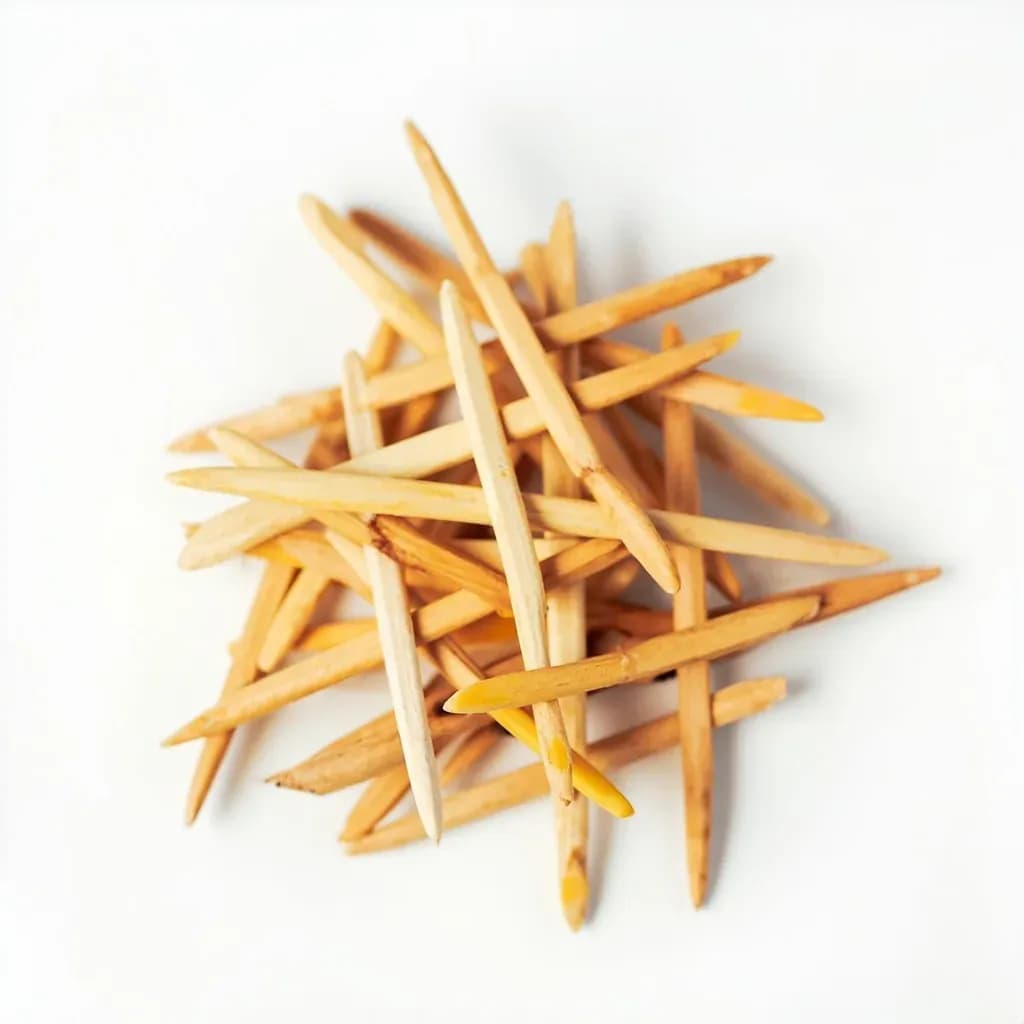
Toothpick
Small pointed wooden pick that pins rolled food shut and tests baked goods for doneness.
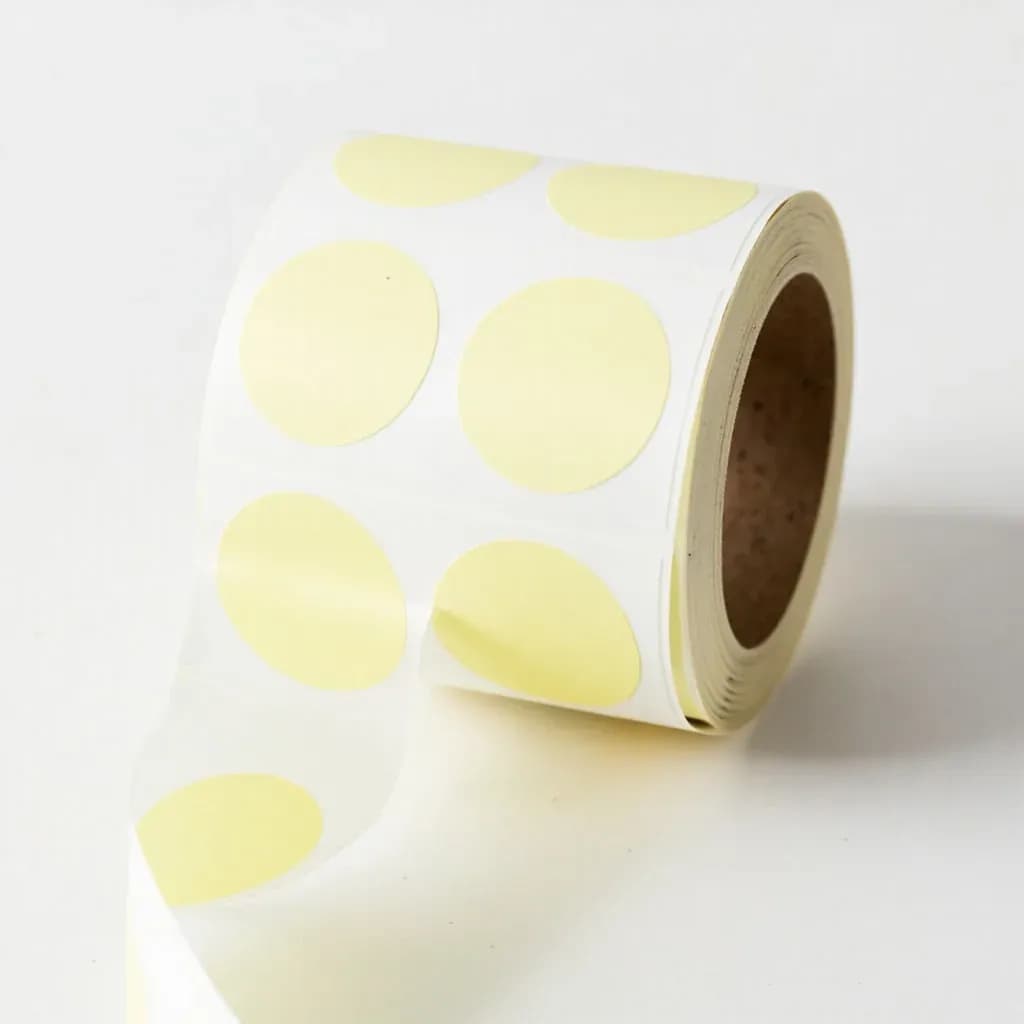
Food Storage Label (Day-Dot)
Stick-on label marking date, contents, or batch info for safe stock rotation.
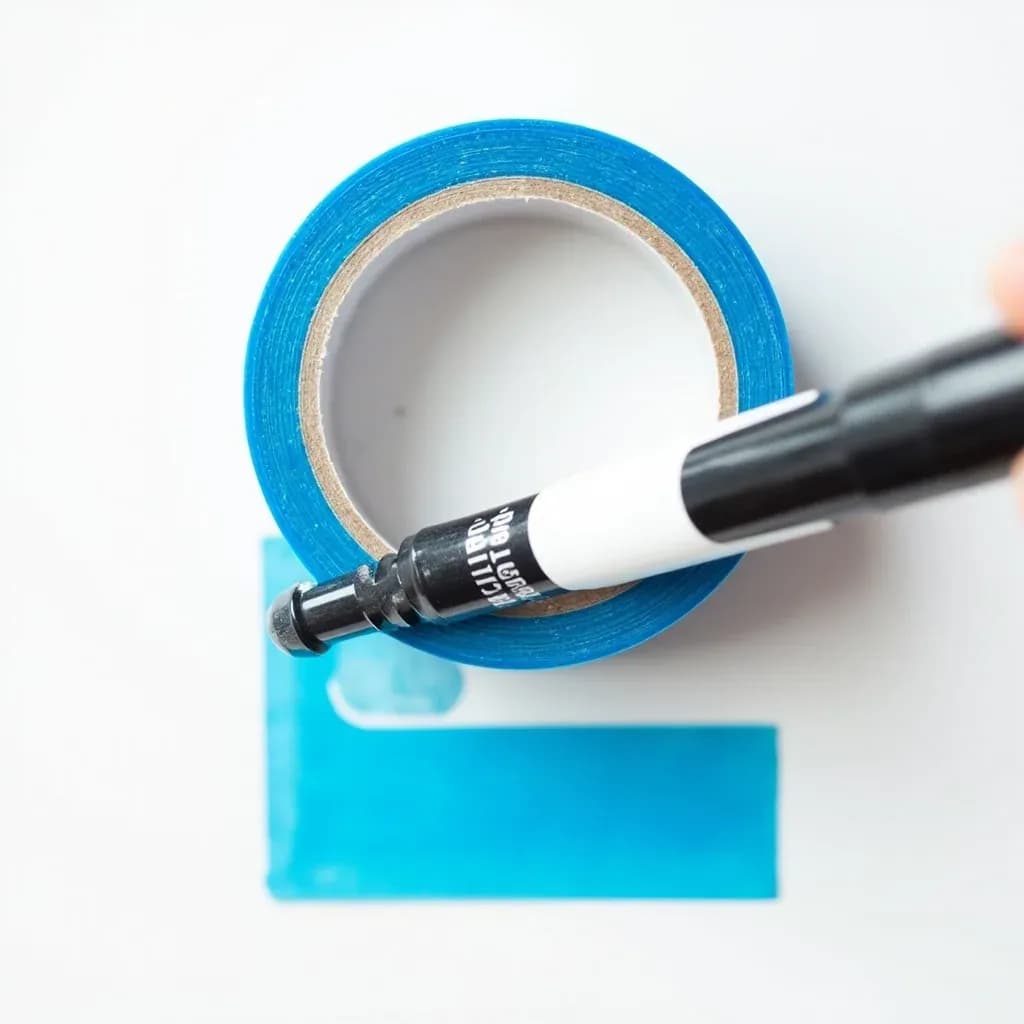
Labeling Tape
Write-on tape for marking containers with contents and dates, peeling off cleanly later.
Canning Jar Lid
Sealing lid that closes a canning jar and forms a vacuum seal for preserving.