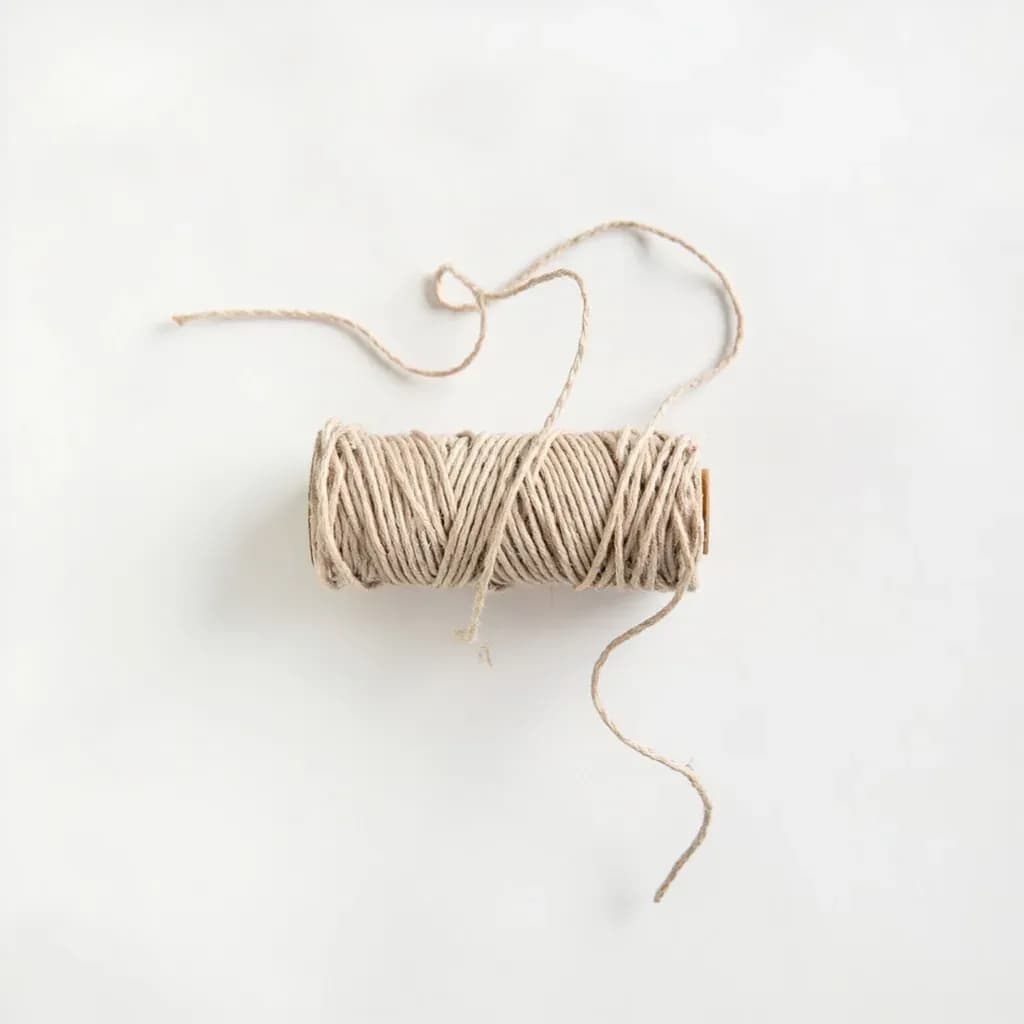
Tying & Fastening
Butcher's Twine
Heat-safe cotton string for trussing poultry and tying roasts into an even shape.
Butcher's twine is a sturdy, food-safe cotton string used to truss poultry, tie rolled roasts, and bind herbs so meats cook evenly and hold their shape. Pure cotton is chosen because it withstands oven heat without melting or shedding synthetic fibers into food. It is cut away after cooking, before carving.
Butcher's twine is a plain, food-grade cotton (or, traditionally, linen) string used to hold meat in shape while it cooks. The strands are twisted from multiple plies — three to sixteen in commercial products — with no dyes, finishes, or sizing that could transfer to food or scorch in the oven. Sold by the spool or ball at butcher shops, kitchen-supply stores, and most supermarket cooking aisles, with a 500-foot spool running only a few dollars.
In practice, butcher's twine does three jobs: it trusses whole poultry so the bird cooks evenly and looks tidy on the platter; it ties boneless roasts and stuffed rolls into compact cylinders that slice neatly; and it closes openings — the cavity of a stuffed chicken, the seam of a stuffed loin — so nothing escapes into the pan. A well-tied roast also browns more uniformly, because the surface stays smooth and rounded, with no loose flaps drying out in the heat.
The numbers stamped on a spool (#4, #5, #8, #12, #16) describe thickness, not a regulated strength grade: higher numbers mean heavier string. Cotton tolerates normal roasting temperatures up to about 400°F (200°C); above that, or under a direct flame or broiler, the fibers can singe and snap. Linen twine is the classical French choice — finer, stronger, and slightly more heat-tolerant — but cotton has become the kitchen standard because it is softer, cheaper, and easier to handle.
Alternatives
Types & varieties
The everyday standard; soft, food-safe, easy to knot. Sold bleached white or unbleached (natural/ecru).
Traditional French choice; stronger, finer, more heat-resistant, slightly stiffer to handle, and more expensive.
Thin; good for cornish hens, quail, butterflied birds, herb bundles, and delicate trussing.
The most versatile home-kitchen weight; whole chickens, small turkeys, pork loins, and small rolled roasts.
Thicker and stronger; large turkeys, capons, geese, and rolled roasts that cook for a long time.
Professional butchery and charcuterie weights; used for tying whole primals during dry-curing, smoking, or hanging.
Pre-cut, pre-knotted cotton loops sold in packs; convenient for trussing whole birds without tying knots.
Red, blue, green, or purple cotton twine used by butchers and chefs for visual identification of different cuts or species; still food-grade cotton.
Choosing the Right Weight
Most home cooks need only one spool. The ply numbers stamped on a spool describe thickness, not a regulated strength grade, so pick by the size of bird or roast you cook most often.
- #4 (light): cornish hens, quail, butterflied small birds, and herb bundles.
- #5 (medium): the workhorse — whole chickens, small turkeys, pork loins, and most rolled roasts.
- #8 (heavy): large turkeys, capons, geese, and roasts that cook for several hours.
- #12 and #16 (extra heavy): professional butchery and charcuterie — curing, smoking, and hanging whole primals.
- If you buy one spool, make it #5 cotton, bleached or unbleached. Step up to #8 for a holiday goose or a long-smoked ham.
Trussing a Whole Bird
Trussing — pulling the legs and wings close to the body so the bird cooks evenly and presents well — is the single most common reason a cook reaches for twine. The goal is a compact, evenly shaped bird that sits flat on the rack and browns uniformly; over-tight trussing squeezes the breast and prevents the skin from crisping.
- Pat the bird dry and tuck the wing tips behind the back so they don't flop out and scorch.
- Cut a length of twine about 18 inches for a chicken, longer for a turkey.
- Center the bird breast-up. Slide the twine underneath, just above the tail (vent end).
- Bring the two ends up, cross them over the drumsticks, and pull the legs gently toward the body.
- Pull snug — firm enough to hold shape, loose enough that the skin isn't compressed — and finish with a double knot or bow.
- For stuffed birds, truss after the cavity is filled and the opening is closed with skewers or additional ties.
Tying a Rolled Roast
A rolled roast needs ties every 1.5–2 inches along its length plus a final lengthwise wrap to lock the seam closed. The ties keep the roll from unrolling as it browns, and the even spacing helps the roast hold a uniform shape that slices cleanly into rounds.
- Lay the meat flat on a board, season or arrange stuffing, then roll it tightly from one short end to the other.
- Cut several pieces of twine, each about twice the width of the roast.
- Slip one tie under the roast at a time and tie snugly across the top — a surgeon's knot holds well on slippery meat.
- Space the ties evenly; the roll should feel firm but not compressed.
- Finish with one long piece wrapped lengthwise around the entire roast, threading it under each cross-tie and pulling tight at the ends.
- Rest the roast 10–15 minutes after cooking, snip the twine with kitchen shears, and remove all pieces before carving.
Common uses
Tips & pitfalls
- Never substitute synthetic twine, polypropylene rope, jute, garden string, or treated horticultural twine — these can melt, ignite, or leach chemicals into the food.
- Unwaxed, unflavored dental floss works in a pinch for trussing, but cotton butcher's twine is thicker, safer at high heat, and easier to grip.
- Soak the cut length in water for 5–10 minutes before tying a roast or bird. Damp twine contracts gently as it dries in the oven, tightening the shape and resisting scorch marks.
- Use a square (reef) knot or surgeon's knot and finish with a bow or doubled loop so the twine is easy to release after the meat has rested.
- Tie snugly, not tightly. Over-tightening squeezes juices out of the meat and leaves deep string marks on the finished roast.
- Space ties about 1.5–2 inches apart along a rolled roast; one tie every 1.5 inches is enough for a whole chicken.
- Trim the twine ends to about ½ inch past the knot so they don't singe into long black whiskers in the oven.
- Always remove twine before slicing, and warn guests — dark string against a roasted bird or a mahogany crust is easy to miss.
- Choose twine color for visibility: white bleached twine shows up against a dark beef roast; unbleached (natural) twine is easier to spot against a pale roasted chicken.
- Keep a spool in a kitchen drawer — twine has a way of disappearing the moment you need it.
Good to know
- Material
- 100% cotton is the standard; linen is the traditional European alternative
- Construction
- Twisted multi-ply — commonly 3-, 4-, 6-, 8-, 12-, or 16-ply
- Standard home size
- #5 (medium) covers most poultry and small-roast work
- Heat tolerance
- Safe to about 400°F (200°C); will scorch under direct flame or broiler
- Form sold
- Spools, balls, or pre-tied loops; 50 ft to 1,000 ft common
- Food safety
- Must be food-grade: no dyes, waxes, or chemical finishes
- Cost
- Inexpensive — a 500 ft cotton spool typically runs a few dollars
Also called
butcher twine · kitchen twine · cooking string · trussing string
Related

Skewers
Thread meat and vegetables for kebabs and grilling

Toothpicks
Pin rolls shut and test cakes for doneness

Kitchen Twine
Food-safe string for trussing roasts and tying bundles

Butcher Paper
Breathable wrap for resting barbecue and storing meat
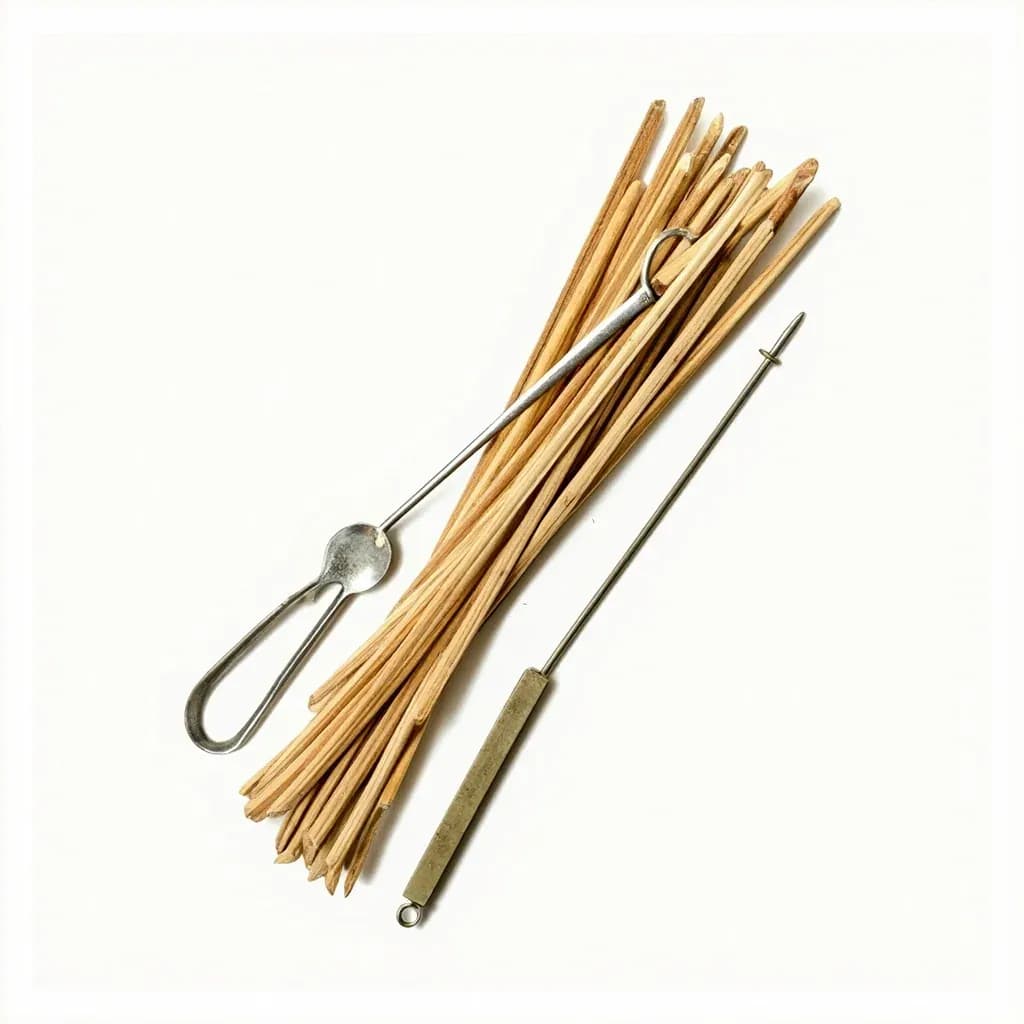
Skewer (Metal / Wooden / Bamboo)
Thin pointed rod that threads meat and vegetables for grilling, roasting, or testing doneness.
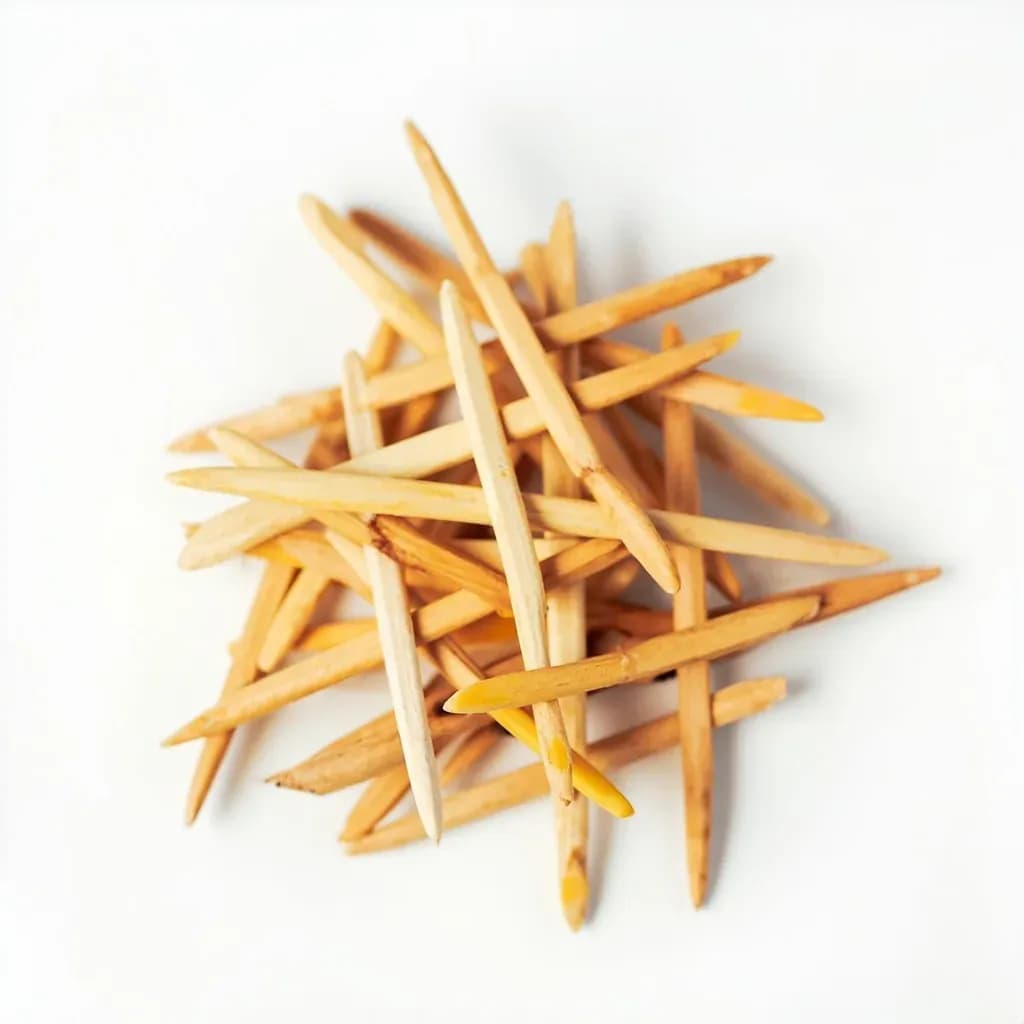
Toothpick
Small pointed wooden pick that pins rolled food shut and tests baked goods for doneness.
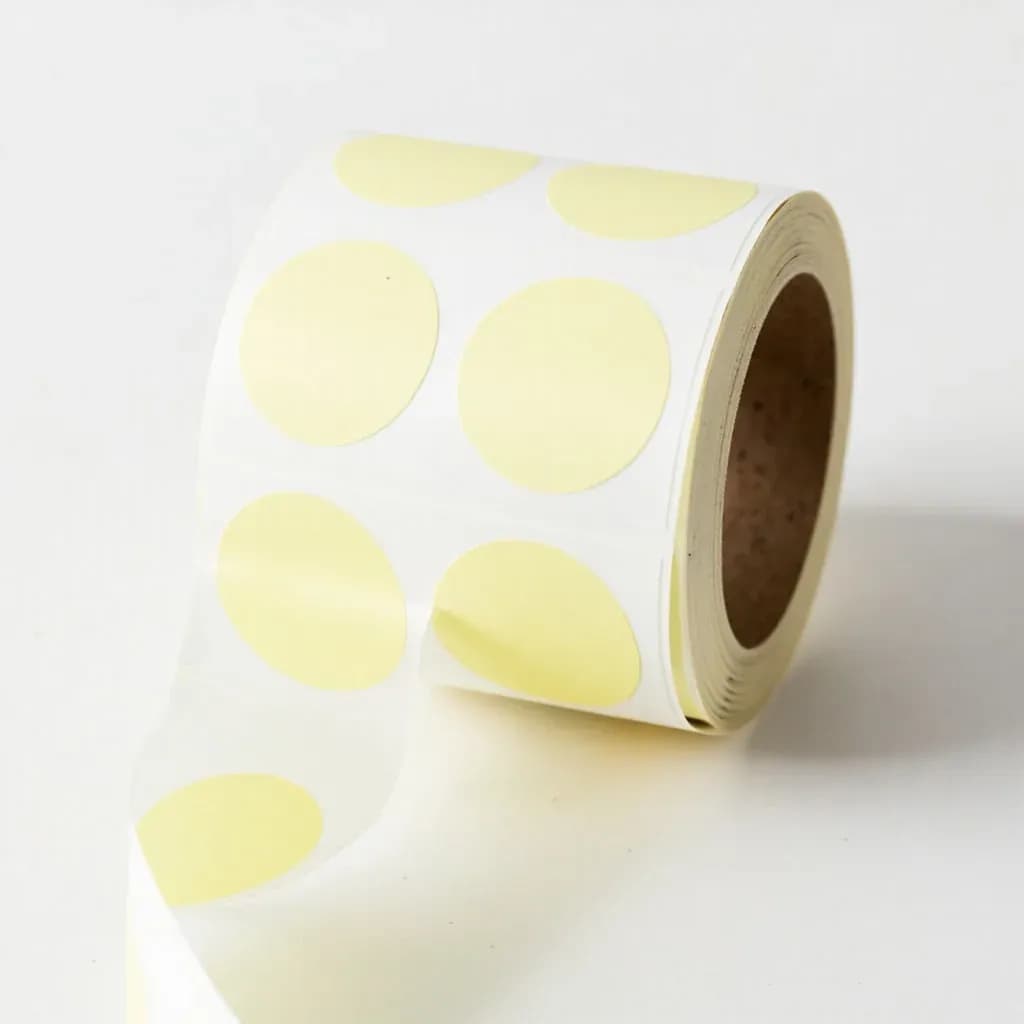
Food Storage Label (Day-Dot)
Stick-on label marking date, contents, or batch info for safe stock rotation.
Labeling Tape
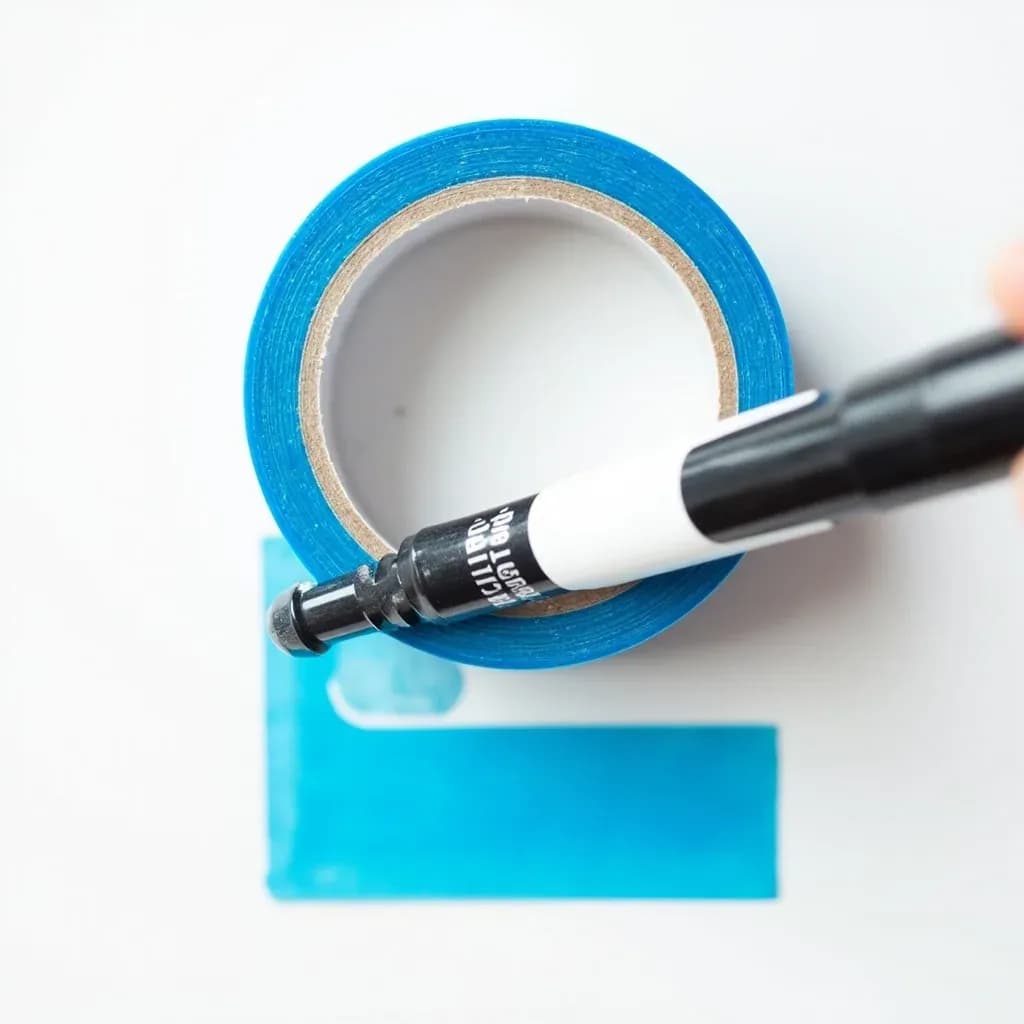
Write-on tape for marking containers with contents and dates, peeling off cleanly later.