Tying & Fastening
Canning Band / Ring
A threaded metal ring that holds a canning lid in place during processing.
A canning band is a screw-on metal ring that secures a flat sealing lid onto a mason jar during water-bath or pressure canning. It holds the lid steady while the jar processes and a vacuum forms, then is removed for storage once the seal sets. Bands are reusable as long as they stay free of rust and dents.
A canning band — also called a canning ring, screw band, or jar ring — is the threaded metal collar that screws onto the mouth of a Mason jar to hold the flat metal lid in place during heat processing. It is one half of the two-piece home-canning lid system that has been standard in North American kitchens since Ball Brothers introduced it in the 1930s, replacing the older wax-seal and zinc-cap closures. The band itself is reusable season after season, while the flat lid's sealing compound is generally considered single-use.
The band does not create the seal. Its only job during processing is to clamp the flat lid loosely against the jar rim so it stays put while the contents boil and air vents from the headspace. As the jar cools, the contracting contents pull a vacuum that draws the lid's rubbery sealing compound down onto the glass, forming a hermetic seal. Once that happens, the band has done its work and is no longer required to keep the jar closed — which is why experienced canners unscrew and store their jars without bands.
Knowing this distinction is the difference between jars that seal reliably and jars that don't. Crank a band down tight and you buckle the sealing compound, block the air vent, and trap headspace pressure; leave it too loose and the lid can float off in the canner. The right torque is the modest, almost-too-loose feel known as "fingertip tight," and it's the single most important habit to learn with this otherwise humble piece of hardware.
Alternatives
Types & varieties
Smaller diameter (~70 mm); fits standard pint, half-pint, and quart jars.
Larger diameter (~86 mm); fits wide-mouth pints, quarts, and half-gallon jars.
Standard economy band; will rust if stored wet or left on sealed jars long-term.
Rust-resistant upgrade from specialty suppliers; can be reused indefinitely.
Coated in assorted colors; the paint layer tends to chip after repeated sterilization.
Sold as part of the Tattler two-piece reusable system with replaceable rubber gaskets.
Why "fingertip tight" matters
The sealing compound on a flat canning lid is a soft, plasticky ring designed to deform gently against the glass rim as a vacuum forms during cooling. If the band is torqued down hard, it presses the lid flat before the jar cools and locks the compound into a stressed, partially compressed shape. Air can no longer vent freely from the headspace during processing, the lid may buckle upward, and the eventual vacuum pulls against an already-distorted seal — often producing a false seal or no seal at all. Fingertip tight (resistance, then about a quarter-turn back) leaves just enough play for trapped air to escape while still keeping the lid centered and submerged beneath the water.
- Screw down until you feel clear resistance from the gasket meeting the rim.
- Back off roughly 1/4 inch — the lid should still be held firmly but visibly loose.
Why bands come off after processing
Once a jar has cooled and the lid has sealed, the band is no longer doing useful work and keeping it on causes problems. A band left on a sealed jar traps any residual moisture against the threads, where it can rust a tin-plated band onto the jar and stain the lid — and if the seal later fails, the rust and trapped water can mask the failure during inspection. Stored bands-off, you can lift each jar by the lid to confirm the seal, hear the reassuring "ping" as the vacuum completes, and spot a concave lid at a glance.
- Wait 12–24 hours after removing the canner from heat.
- Unscrew bands, wash and dry them, and store jars in a cool, dark place without them.
Care and inspection
Bands are the most durable part of the lid system, but they are not immortal. Before each use, run a finger along the threads and the interior seam; rust, deep dents, or stripped threads mean the band should be retired, not reused. A warped band will not seat flat against the jar shoulder, leaving the lid crooked and prone to floating during processing.
- Wash in hot soapy water and dry thoroughly before storing — moisture is the enemy.
Common uses
Tips & pitfalls
- Apply fingertip tight — resistance, then about a quarter-turn back — so air can vent and a vacuum can form.
- Never crank a band down hard; an over-tightened band buckles the sealing compound and prevents a proper seal.
- Remove bands 12–24 hours after processing so you can see and hear the seal, and so trapped moisture does not rust the band onto the jar.
- Match band size to jar size (regular vs. wide mouth); the threads simply will not seat if they are mismatched.
- Discard any band with rust, deep dents, warping, or stripped threads — a bad band lets the lid float off in the canner.
- Keep a small stash of spare bands: they outlast lids but still disappear into the pantry over the years.
- If a band seizes after processing, run warm water over it or use a rubber jar gripper — never pry with a metal tool that can crack the jar or chip the rim.
- Remember that the band does not make the seal; the flat lid's compound against the glass does. Treat the band as a clamp, not a fastener.
Good to know
- Also called
- Canning ring, screw band, jar ring, lid band
- Material
- Tin-plated steel (standard); stainless steel for rust-resistant long-term use
- Standard sizes
- Regular mouth (~70 mm) and wide mouth (~86 mm) — must match the jar
- Pairs with
- Two-piece lid: a flat metal lid with sealing compound, fitted to Ball, Kerr, Mason, or Bernardin jars
- Reusable
- Yes — bands last many seasons; flat lids are generally single-use
- Tension rule
- "Fingertip tight" — screwed down to resistance, then back off about 1/4 inch
- Seal-maker
- The flat lid's sealing compound, not the band; the band is only a clamp
- Storage
- Remove bands 12–24 hours after processing; store jars without bands
- Introduced
- Ball Brothers two-piece system, 1930s
Also called
Canning Band · Canning Ring · Mason Jar Ring
Related

Skewers
Thread meat and vegetables for kebabs and grilling

Toothpicks
Pin rolls shut and test cakes for doneness

Kitchen Twine
Food-safe string for trussing roasts and tying bundles

Butcher Paper
Breathable wrap for resting barbecue and storing meat
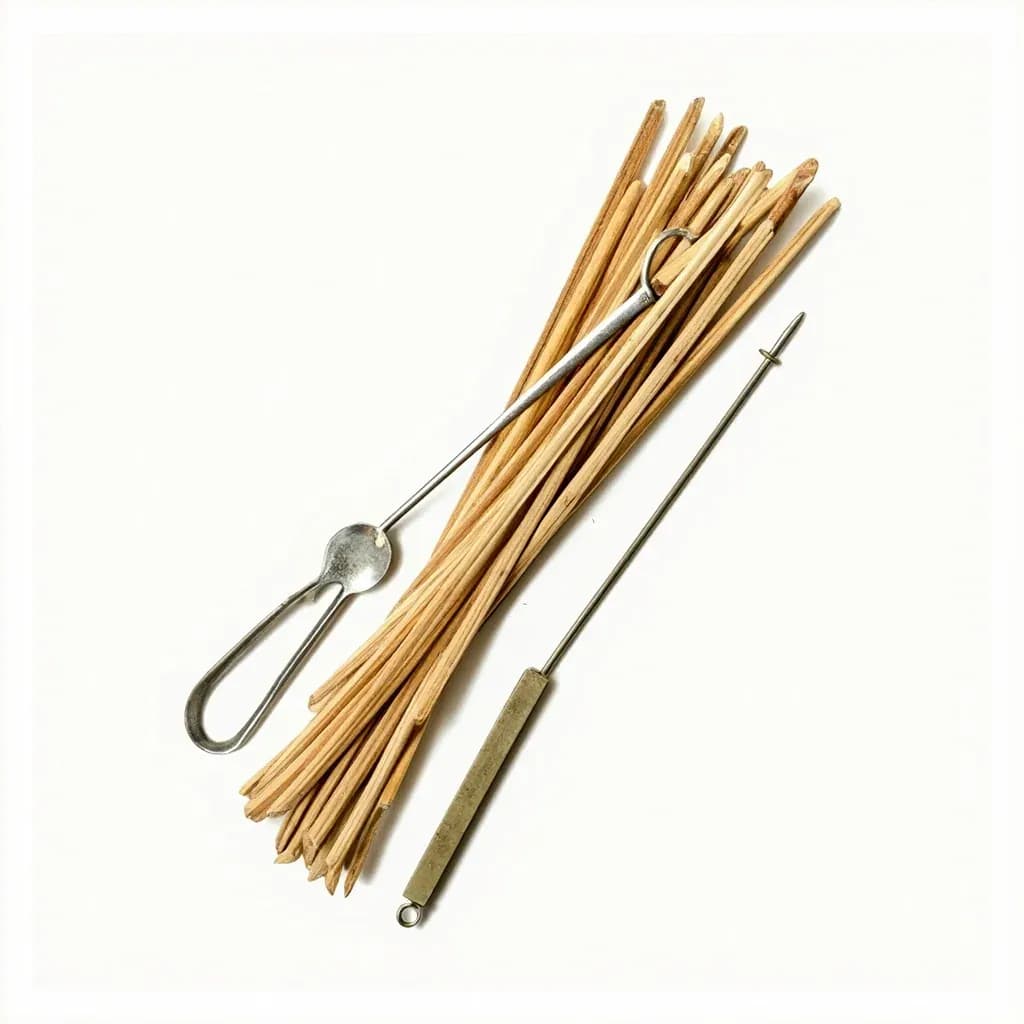
Skewer (Metal / Wooden / Bamboo)
Thin pointed rod that threads meat and vegetables for grilling, roasting, or testing doneness.
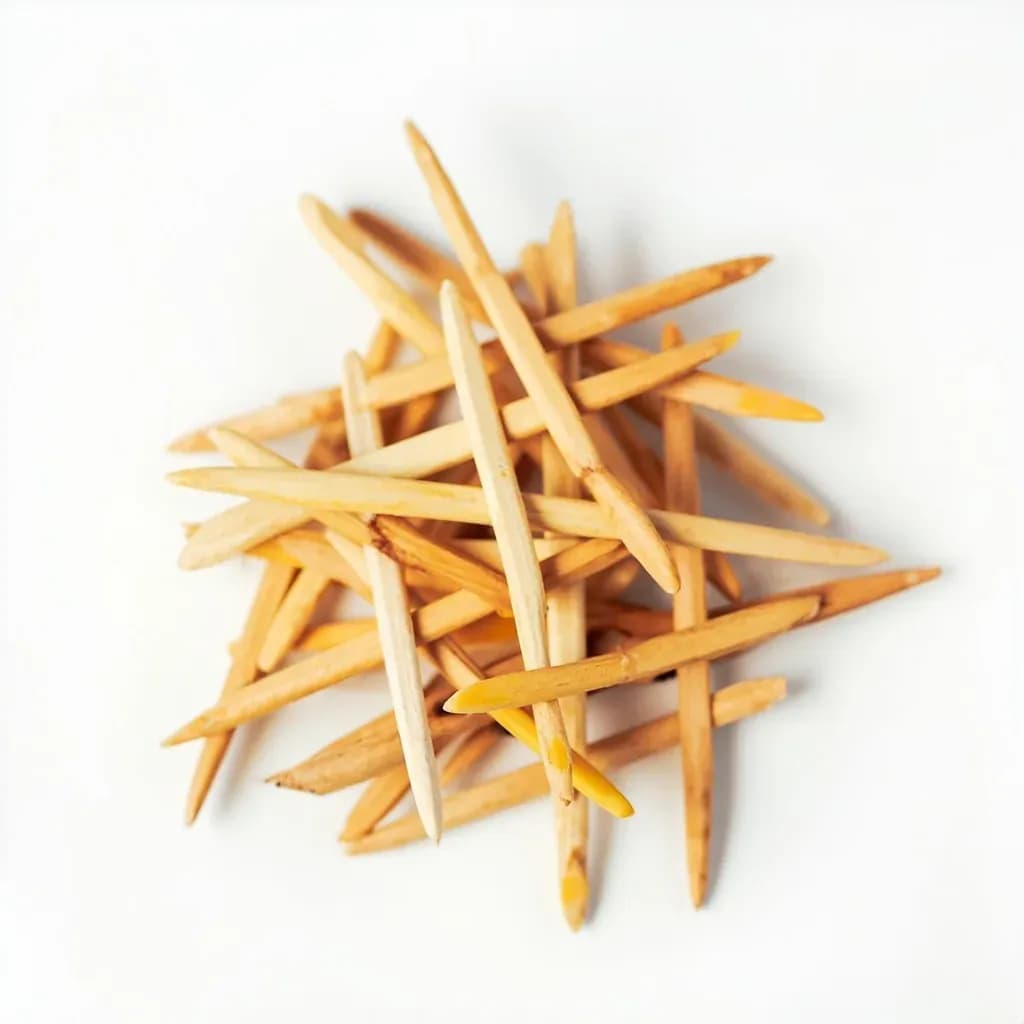
Toothpick
Small pointed wooden pick that pins rolled food shut and tests baked goods for doneness.
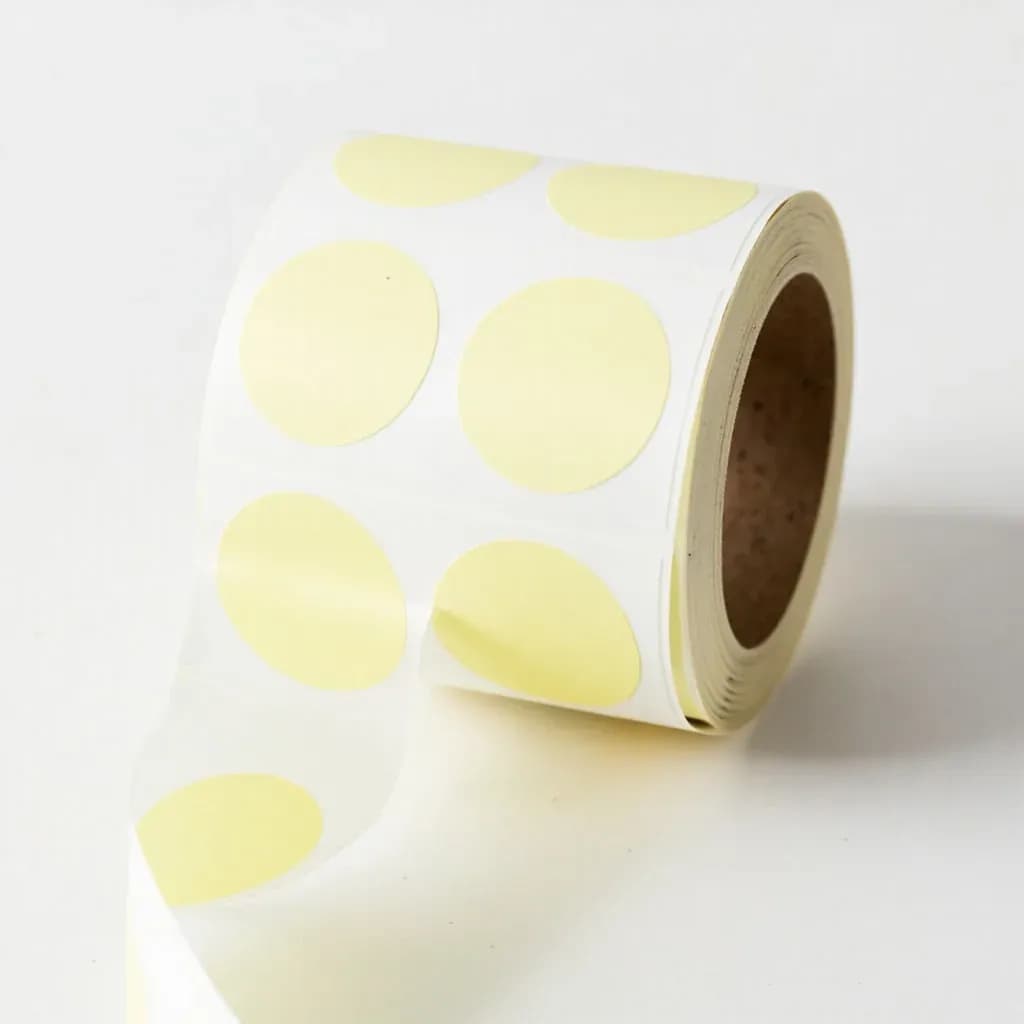
Food Storage Label (Day-Dot)
Stick-on label marking date, contents, or batch info for safe stock rotation.
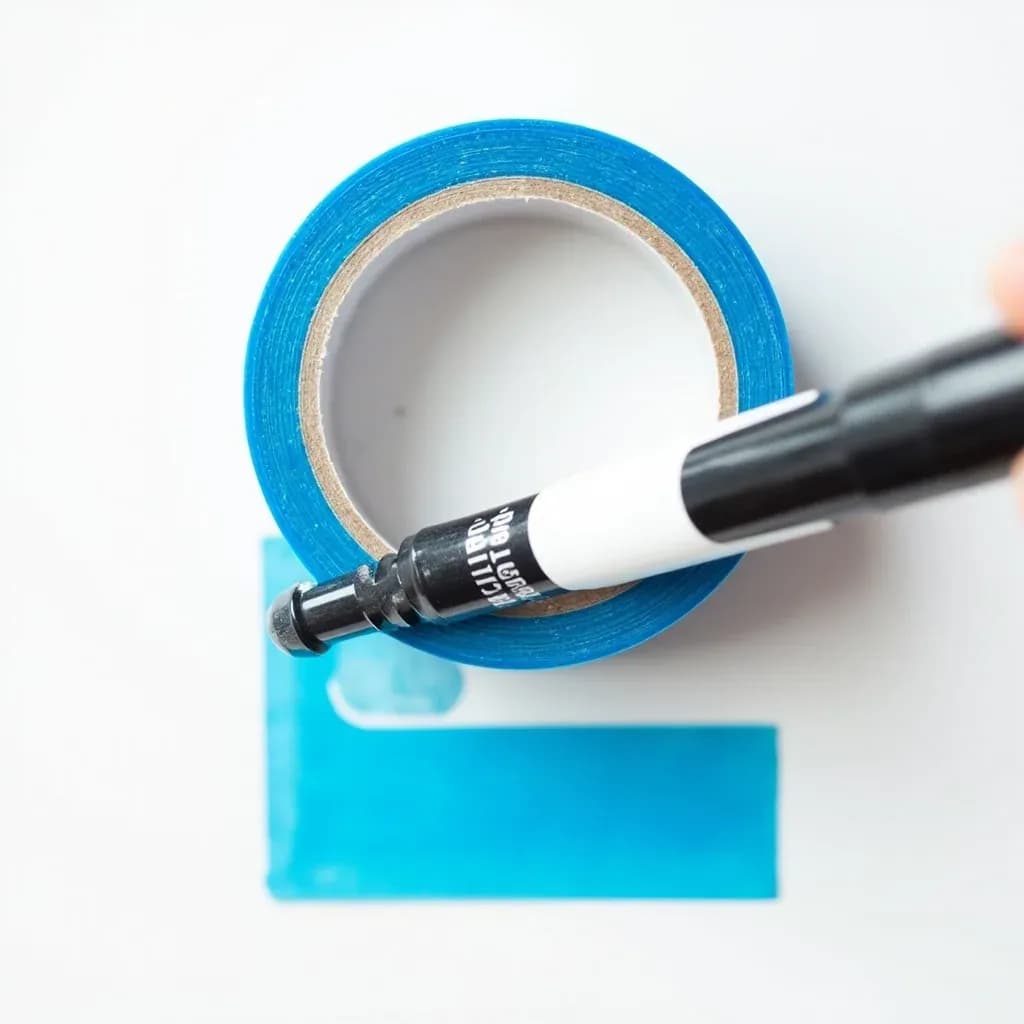
Labeling Tape
Write-on tape for marking containers with contents and dates, peeling off cleanly later.