Tying & Fastening
Casing Clip (Hog Ring)
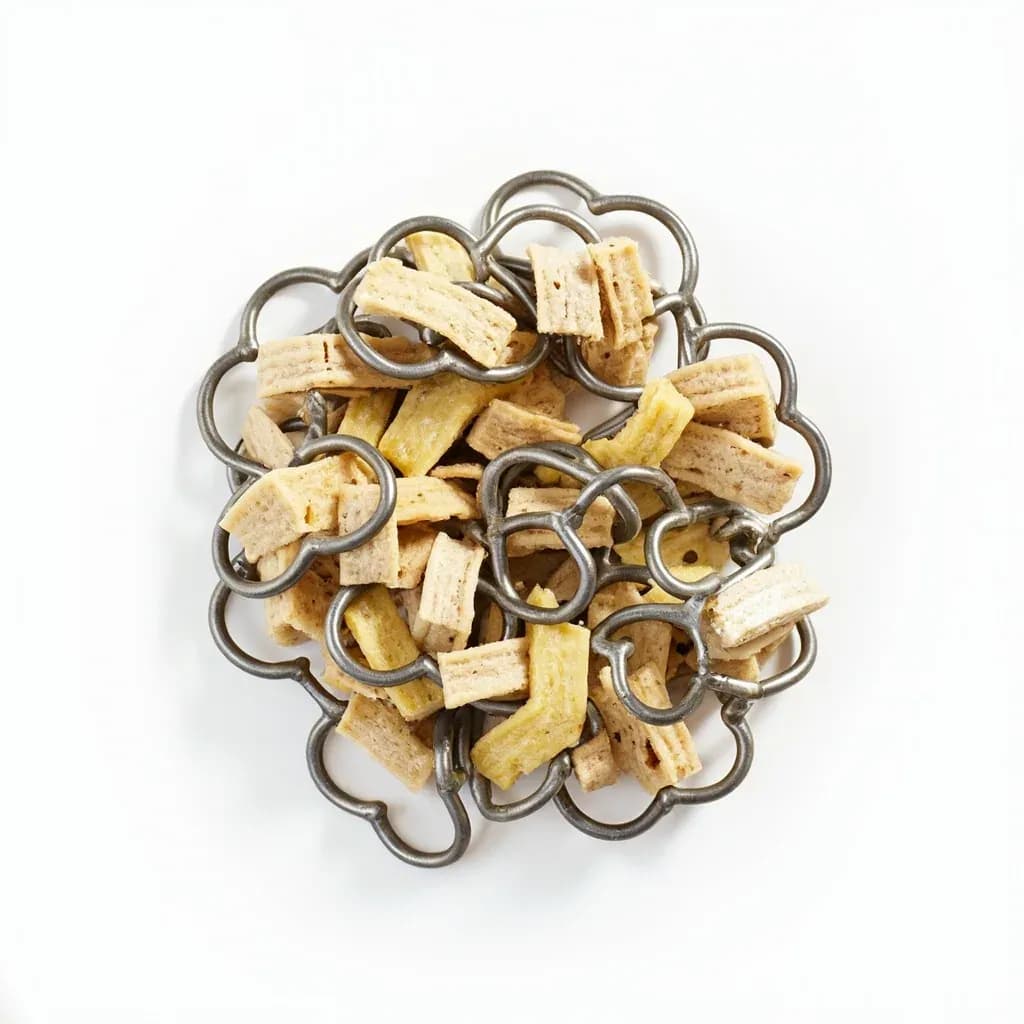
Metal clip crimped onto a stuffed sausage or ham casing to seal the ends.
A U-shaped aluminum or steel clip squeezed shut with a clipping tool to seal the ends of stuffed sausage, salami, or ham casings. It replaces hand-tying with twine, giving a fast, airtight, consistent closure ideal for vacuum or netted products. Clips come sized to the casing diameter and are applied while the casing is gathered tight to prevent the filling from sliding.
A casing clip—most often a small, pre-formed C-shaped steel ring—is the fastest mechanical seal a sausage maker or butcher has. You slide the open ring over the gathered end of a stuffed casing, squeeze a special pair of pliers, and the ring closes into a tight oval that locks the casing shut. No drying time, no knot-tying skill, no waiting for a string to set. The clip deforms permanently in the act, which is exactly why the seal is so reliable.
Hog rings (the name comes from their original use fastening identification tags to hogs' ears and repairing pen fencing) are the workhorse closure of small-scale charcuterie and sausage production because they cost almost nothing, seal in a fraction of a second, and hold through stuffing, hanging, cooking, and weeks of dry curing. They work equally well on natural, collagen, fibrous, and plastic casings, and they are the standard way to close the gathered neck of elastic ham netting over a deboned ham. A single pair of hog-ring pliers and a box of rings will outlast a decade of weekend sausage-making.
The trade-off is that the clip is metal, so it is visible on the finished product and considered inappropriate in some traditional preparations—most notably classic French and Italian saucisson sec, where a hand-tied string or skewer-poked closure is expected. For anything acidic, long-cured, or destined for pale meat like boudin blanc or bratwurst, you also need to step up from standard galvanized rings to stainless steel, or you will end up with rust pits and grayish bleed-through within a few weeks.
Alternatives
Types & varieties
Standard, inexpensive clip for fresh sausage, cooked sausages, and short-term storage.
Required for long cures, vinegared or wine-based brines, and any application where corrosion or off-flavors are a concern.
Lightweight and corrosion-resistant but softer; used less often and harder to source.
A flatter, more rounded closure profile used by some European processors; needs a matching D-ring plier.
Coiled wire fed from a roll through a specialty plier; favored in high-volume production for speed.
A closed loop with a single sharp point that bites through the casing when closed; common on small-diameter snack sticks.
Choosing the right size and material
Most beginners lose more casings to wrong-sized rings than to any other mistake. A ring that is too small crushes the meat and the casing can split as the sausage cools and contracts; a ring that is too large simply slips off, or it nips the casing so lightly that the seal blows out under stuffing pressure. As a working rule, the closed ring should be just snug enough to dimple the casing without cutting into the meat—about 1/8 in. of gathered casing inside the ring once crimped. When in doubt, test a single ring on a scrap of casing before committing to a whole batch.
- Use #1 rings for snack sticks, breakfast links, and other casings under 22 mm.
- Use #2 rings for fresh bratwurst, Italian sausage, and most collagen casings in the 24–30 mm range.
- Use #3 rings for fibrous salami casings, bologna, boneless hams in elastic netting, and capicola.
- Reach for stainless rings whenever the recipe contains vinegar, wine, or citrus, or will hang for more than a few days.
Working with the pliers
Hog-ring pliers look like a cross between locking pliers and a staple gun. The magazine at the jaw holds a stack of pre-loaded rings, and each squeeze seats and crimps one ring, then indexes the next into position. The tool feels coarse at first because it was originally designed for fence repair, but with a little practice you can clip a link every two or three seconds, one-handed, while the other hand controls the sausage.
When not to use a hog ring
Tradition aside, there are a few cases where a clip is the wrong tool. Very delicate fresh sausages in narrow natural casings can tear if the clip's cut wire ends are oriented incorrectly. Long-aged whole-muscle cures in natural casings (prosciutto-style) are usually closed with a string, skewer hole, or staple because the casing needs to breathe and a metal crimp can trap moisture. And any sausage destined for a clear display case will look better with a string closure, since the metal ring is always visible.
Common uses
Tips & pitfalls
- Match the ring size to the casing diameter: too small crushes the meat, too large won't bite the casing and slips off.
- Switch to stainless-steel rings for any cure that contains vinegar, wine, or citrus, or that will be held for weeks—the galvanizing on standard rings will pit and discolor the meat.
- Pre-load 5–10 rings into the plier magazine before stuffing so you can crimp one-handed while holding the link with the other.
- Crimp with the seam of the ring on the side, not the top, so the cut ends of the wire don't tear through a delicate natural casing under tension.
- Leave about 1/4 in. of slack casing above the meat before clipping—if you clip flush, the casing can split as it shrinks during drying or cooking.
- If the clip is bending rather than closing cleanly, the plier jaws are worn or the ring gauge is wrong for that plier; do not force it.
- Store galvanized rings in a dry, sealed container; humidity will flash-rust them and the rust will bleed into pale-colored sausages like bratwurst or boudin blanc.
- Keep a small magnet nearby when working over a stainless table—dropped rings vanish instantly and end up in dishware.
- Don't try to reopen a crimped ring to re-use it; cut the casing above the clip and re-clip with a fresh ring instead.
Good to know
- Material
- Galvanized steel (standard), stainless steel (for acidic or long-cured applications), occasionally aluminum
- Shape
- Pre-formed open C-ring that is crimped closed around the casing
- Common sizes
- #1, #2, and #3 (numbered by closure diameter); #1 for thin breakfast-sausage casings, #3 for bologna, salami, and ham
- Closure diameter when crimped
- Roughly 1/4 in. (#1) to 1/2 in. (#3), depending on manufacturer
- Application tool
- Hog-ring pliers (casing-clip pliers) that load a single ring and crimp it in one squeeze
- Reusability
- Single-use; the clip deforms permanently when crimped
- Compatibility
- Natural, collagen, fibrous, and plastic casings, plus elastic ham netting
- Also called
- Sausage clip, casing clip, meat clip, C-ring, ham clip
Also called
Sausage Hog Ring / Clip · Hog Ring · Sausage Clip · Casing Clip
Related

Skewers
Thread meat and vegetables for kebabs and grilling

Toothpicks
Pin rolls shut and test cakes for doneness

Kitchen Twine
Food-safe string for trussing roasts and tying bundles

Butcher Paper
Breathable wrap for resting barbecue and storing meat
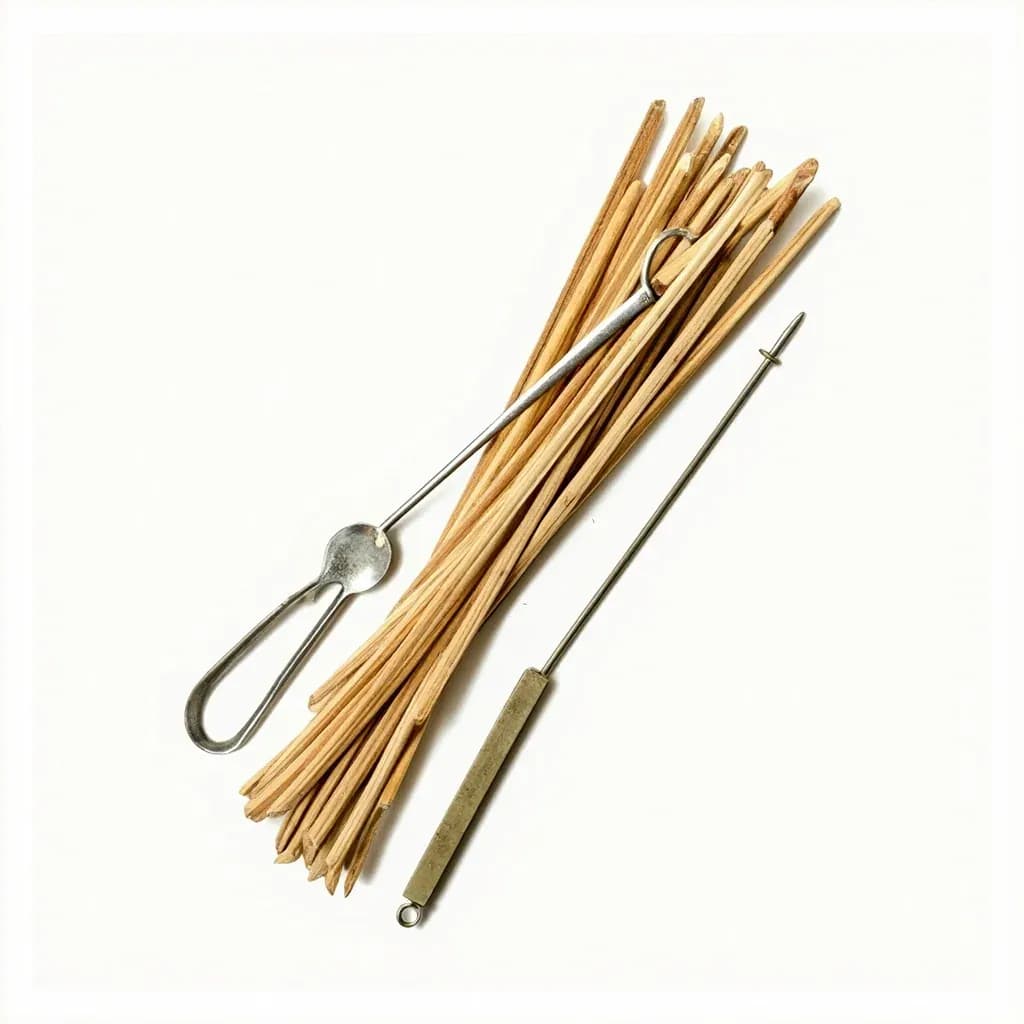
Skewer (Metal / Wooden / Bamboo)
Thin pointed rod that threads meat and vegetables for grilling, roasting, or testing doneness.
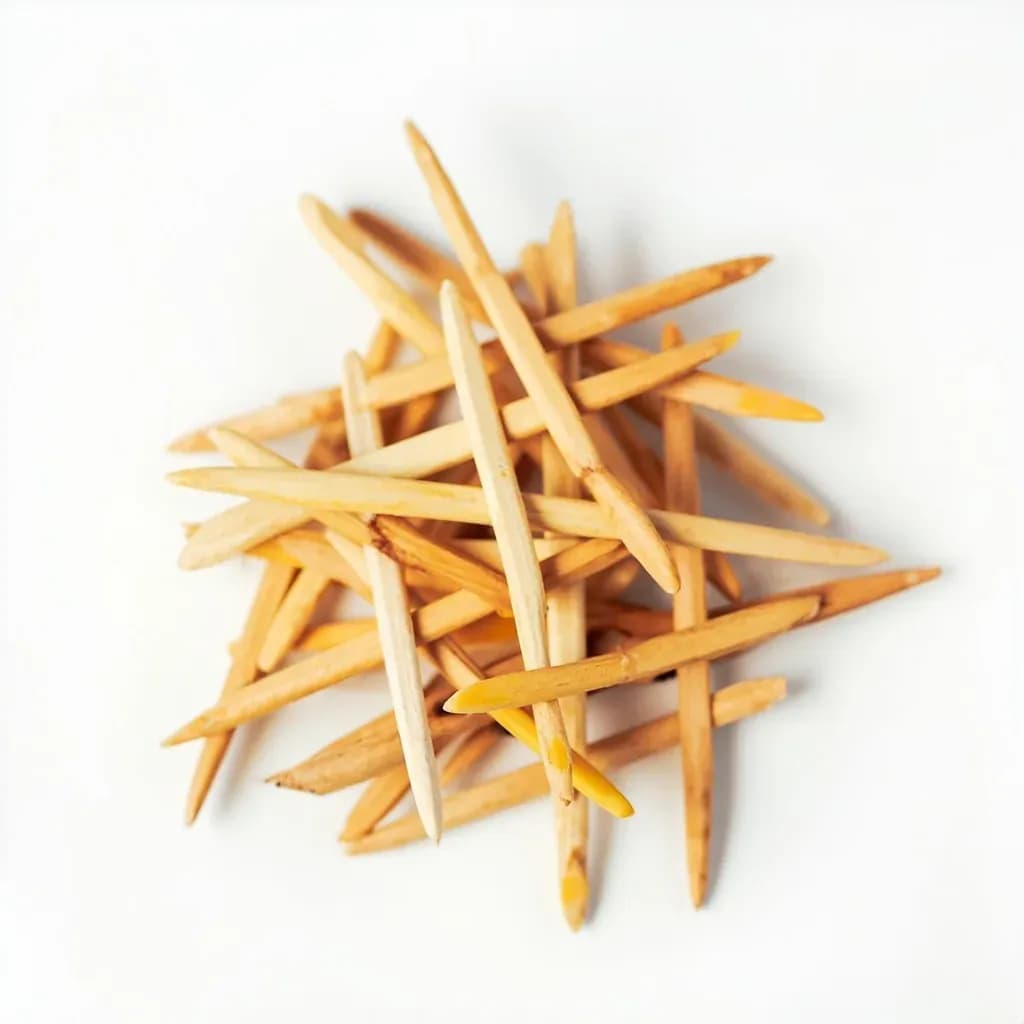
Toothpick
Small pointed wooden pick that pins rolled food shut and tests baked goods for doneness.

Food Storage Label (Day-Dot)
Stick-on label marking date, contents, or batch info for safe stock rotation.
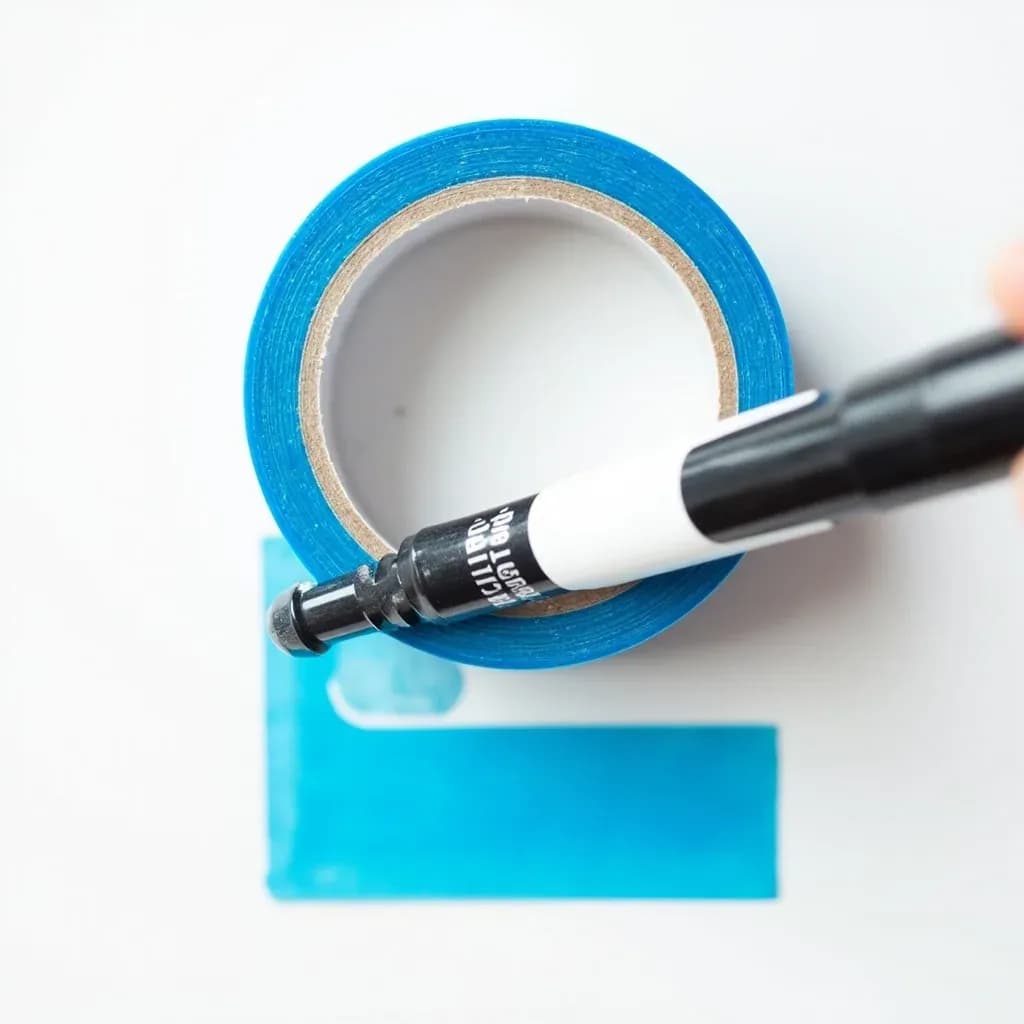
Labeling Tape
Write-on tape for marking containers with contents and dates, peeling off cleanly later.