
Tying & Fastening
Champagne Corks & Cages
Mushroom-shaped corks and wire cages that seal sparkling wine under pressure.
Champagne corks are dense, mushroom-shaped stoppers held in place by a twisted-wire cage called a muselet that contains the pressure of sparkling wine. Home winemakers and brewers use them to bottle and seal carbonated drinks safely. The cage keeps the cork from blowing out until it is deliberately removed.
A champagne closure is a matched system: a mushroom-shaped cork seated in the bottleneck and held down by a twisted wire cage called a muselet. Together they seal sparkling wine against the 5–6 bar of internal pressure that develops during secondary fermentation. The cork is almost always agglomerated — a cylinder of compressed cork granules topped with a disc of natural cork on the wine-facing end — chosen because its elastic cell structure can be squeezed into a neck barely 17.5 mm across and then rebound into a tight, long-lived seal.
After bottling, the lower third of the cork absorbs moisture and swells outward against the bottle's sloped shoulder. That mechanical lock is what keeps the cork from being shot out by gas pressure, and it is also what gives aged sparkling-wine corks their characteristic flared profile. The muselet — a basket of galvanized steel wire loops terminating in a small twisted tab — resists the constant outward thrust that would otherwise eject the cork, and a foil or plastic capsule over the top hides the assembly and shields it from light and pests. Because cork allows a slow trickle of micro-oxygenation, the closure quietly shapes how a sparkling wine ages and how its aromas develop in bottle.
Alternatives
Types & varieties
Industry standard: compressed granule body with a natural cork disc on the wine-contact end for a smoother seal.
Made entirely of compressed granules; lower cost, common on entry-level sparkling wines.
Finer granules for a denser, more uniform surface; frequently specified for premium cuvées and long aging.
Surface treated or dusted with cork powder and binder to even out pores and improve sealing and appearance.
Oversized corks for 1.5 L bottles and up, thicker and longer, paired with heavier-gauge muselets.
Reusable modern alternative for non-traditional sparkling beverages; functional but lacks the classic mushroom flare.
Anatomy of a Sparkling-Wine Closure
Understanding the parts helps you open bottles confidently and use the components elsewhere.
- Cork head: the flat or branded top, usually stamped with the producer's name or the word 'Champagne'/'Mousseux.' It stays still while the bottle is rotated during opening.
- Cork body: the agglomerated cylinder that does the actual sealing; the wine-facing third is the natural-cork disc on two-piece versions.
- Muselet tab: the small twisted loop you hook a thumb under to begin untwisting; never yank it straight up.
- Wire basket: five to seven loops that bite into the cork's neck and transfer pressure onto the bottle lip.
- Foil or plastic capsule (hood): decorative and protective; remove it fully before untwisting the cage so the wire does not scrape the glass rim.
Why the Mushroom Shape Matters
The flared profile is not a manufacturing quirk — it is a direct readout of how a sparkling wine has been stored and aged.
- A pronounced flare indicates long contact with wine and humid cellar conditions; the lower portion expands against the bottle's shoulder over time.
- Corks from young, recently disgorged bottles tend to be nearly cylindrical with only a slight lip.
- Collectors prize heavily mushroomed corks from long-aged vintage Champagnes as visual proof of provenance and cellar time.
- If you reuse corks for crafts, the flared base makes an attractive natural foot for trivets and knife handles.
Storing and Reusing Corks
Used corks have a second life, but only if you treat them right.
- Rinse off wine residue, then air-dry flat so they do not warp.
- Discard any that crumbled on extraction; fragments can harbor bacteria and will not reseal reliably.
- Keep a small stash for short-term re-sealing of half-finished sparkling bottles paired with a clamp-style stopper; the original cork alone will not hold pressure once extracted.
- Unused fresh corks store best in a cool, slightly humid spot — a sealed bag in a wine cellar or a basement cupboard. Dry corks lose compressibility and leak.
Common uses
Tips & pitfalls
- Never substitute a standard still-wine cork for a sparkling bottle — its smaller diameter cannot hold 5–6 bar and the bottle will leak or burst.
- Open safely: chill the bottle fully, keep it at a 45° angle away from people and objects, untwist the cage with the bottle tilted, then rotate the bottle (not the cork) until the cork eases out with a quiet hiss rather than a pop.
- If a cork shatters on extraction, strain the wine through a fine-mesh sieve or coffee filter before pouring; small cork fragments are unpleasant but not harmful.
- Do not reseal a sparkling bottle with just the original cork — once extracted it cannot be re-compressed to hold pressure; use a purpose-built clamp stopper instead.
- When collecting branded corks for crafts or memorabilia, note the producer and vintage on the cork head with a fine marker before the ink wears off.
- Saw or sand corks only with a dust mask; fine cork dust irritates the airways and can trigger sensitivity in some people.
Good to know
- Primary material
- Agglomerated cork body (compressed cork granules) bonded to a natural cork disc; muselet is twisted galvanized or stainless steel wire.
- Cork source tree
- Quercus suber (cork oak), harvested mainly in Portugal and Spain.
- Cork dimensions
- About 30–31 mm wide and 48 mm long before insertion; compresses into a bottleneck of roughly 17.5 mm.
- Pressure rating
- Engineered to hold 5–6 bar (≈75–90 psi) of internal pressure.
- Mushroom shape
- Forms over months or years as the wine-soaked lower portion flares outward against the bottle shoulder.
- Muselet inventor
- Adolphe Jacquesson, 1844, replacing the older hemp-twine-and-wax sealing method.
- Bottle-size scaling
- Magnums, jeroboams, and larger formats use progressively longer, thicker corks paired with heavier wire cages.
- Terminology
- Strictly 'Champagne cork' applies to wine from the Champagne region; otherwise use 'sparkling wine cork' or 'mushroom cork.'
Also called
Sparkling Wine Cork · Muselet Cage · Wire Hood
Related

Skewers
Thread meat and vegetables for kebabs and grilling

Toothpicks
Pin rolls shut and test cakes for doneness

Kitchen Twine
Food-safe string for trussing roasts and tying bundles

Butcher Paper
Breathable wrap for resting barbecue and storing meat
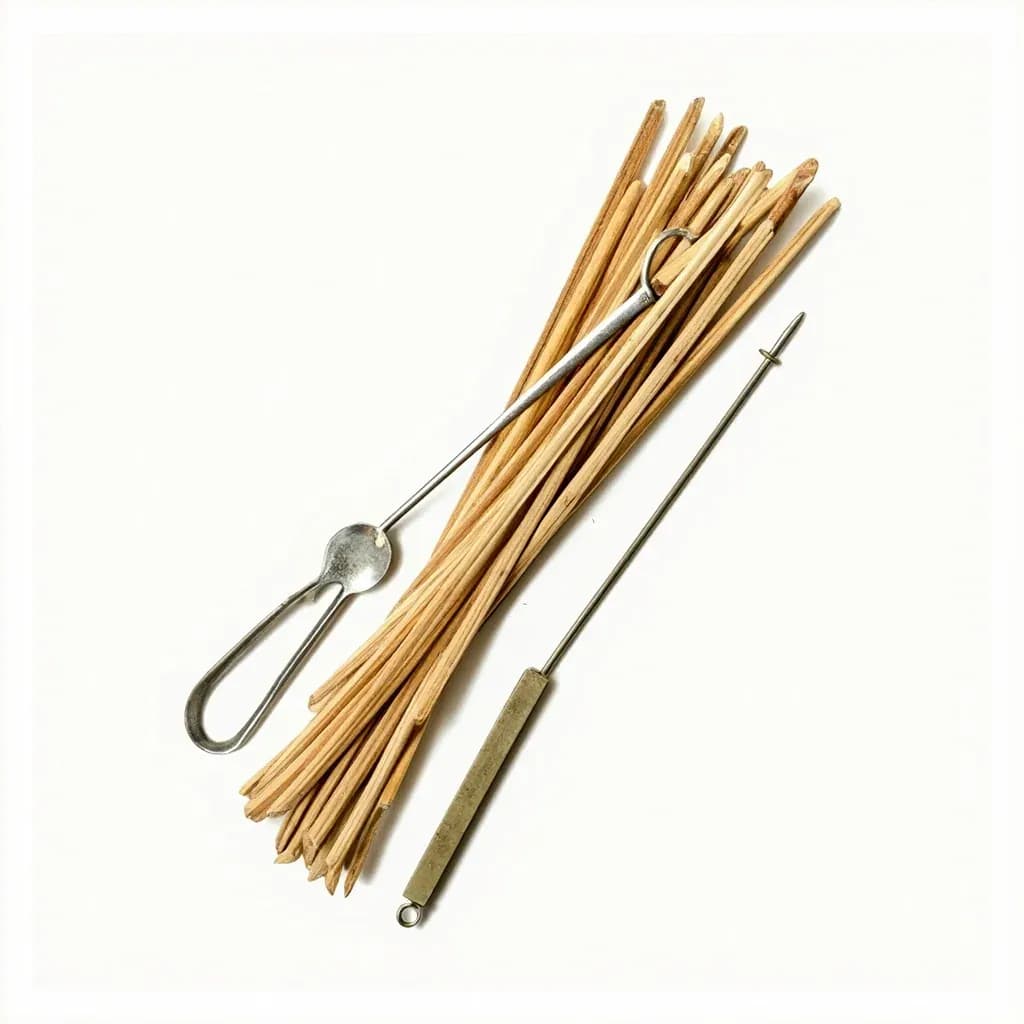
Skewer (Metal / Wooden / Bamboo)
Thin pointed rod that threads meat and vegetables for grilling, roasting, or testing doneness.
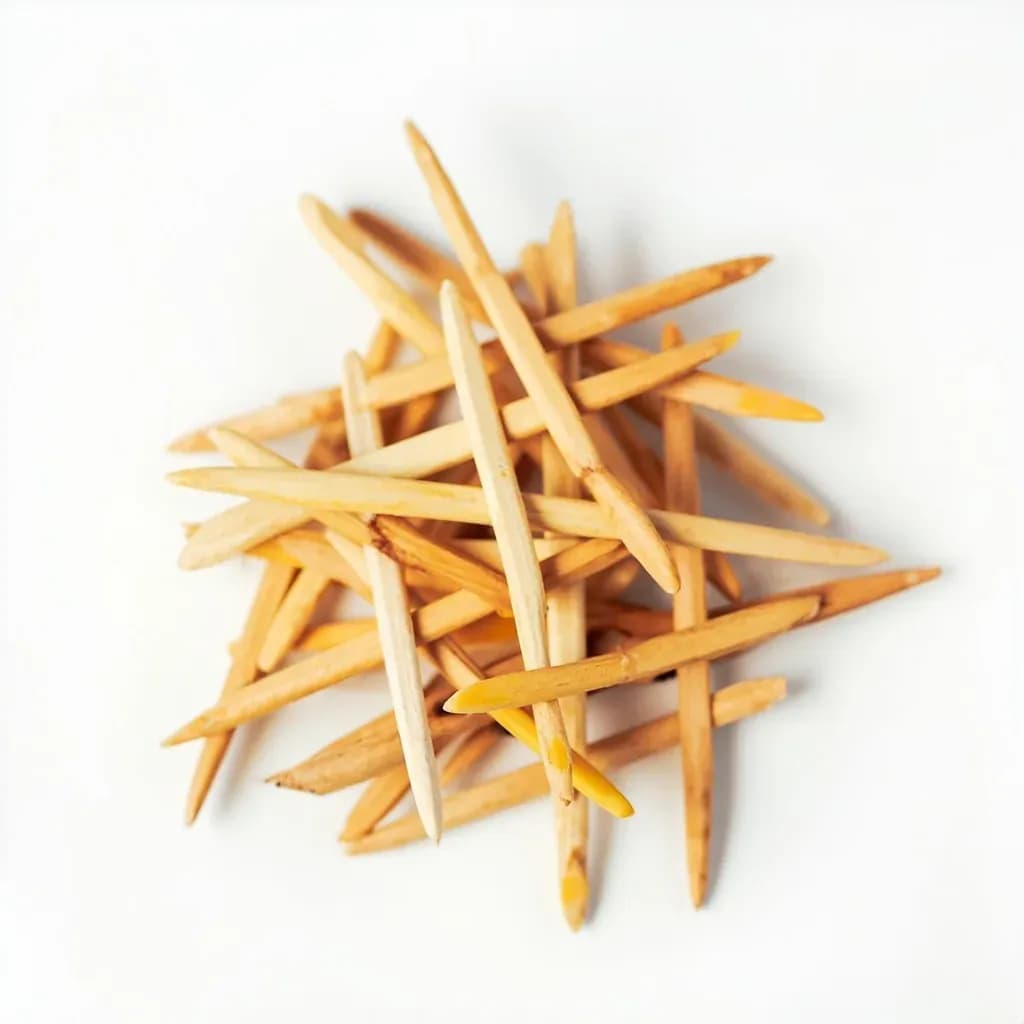
Toothpick
Small pointed wooden pick that pins rolled food shut and tests baked goods for doneness.
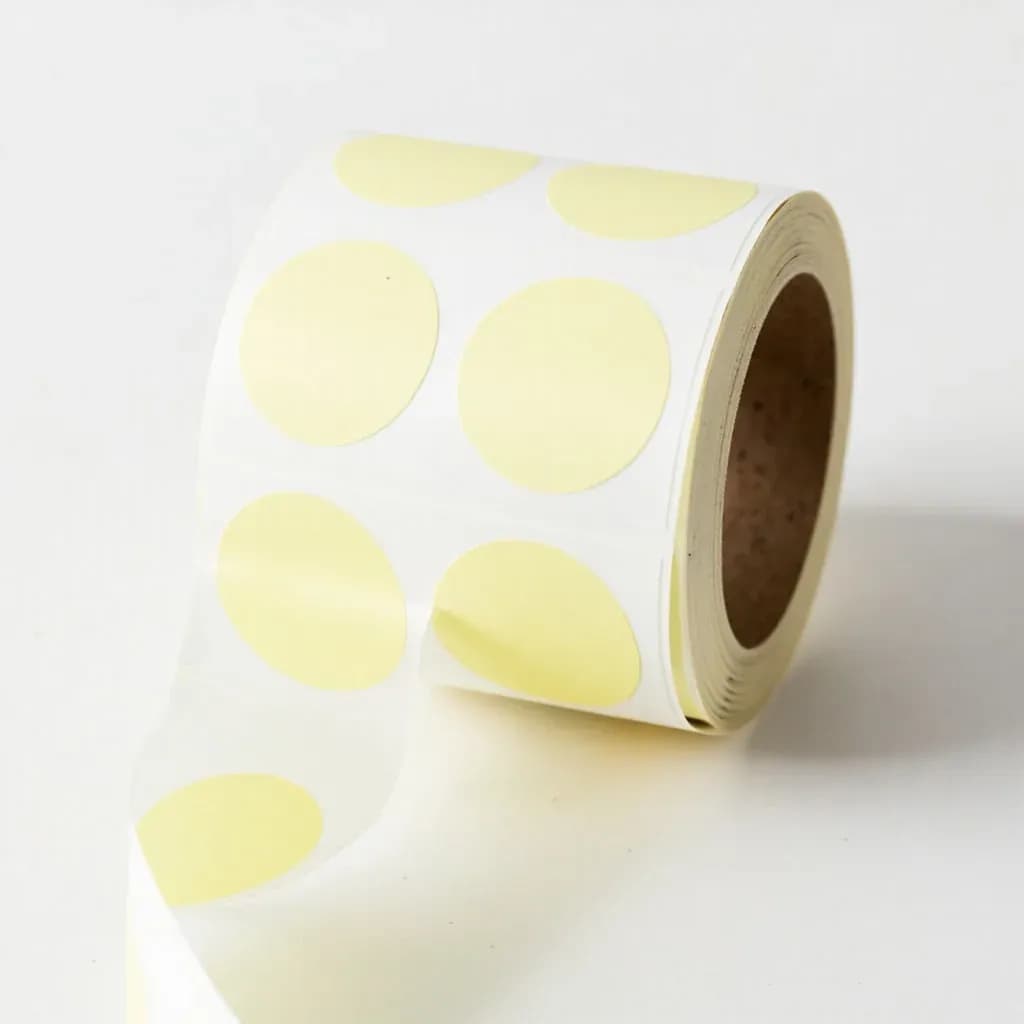
Food Storage Label (Day-Dot)
Stick-on label marking date, contents, or batch info for safe stock rotation.
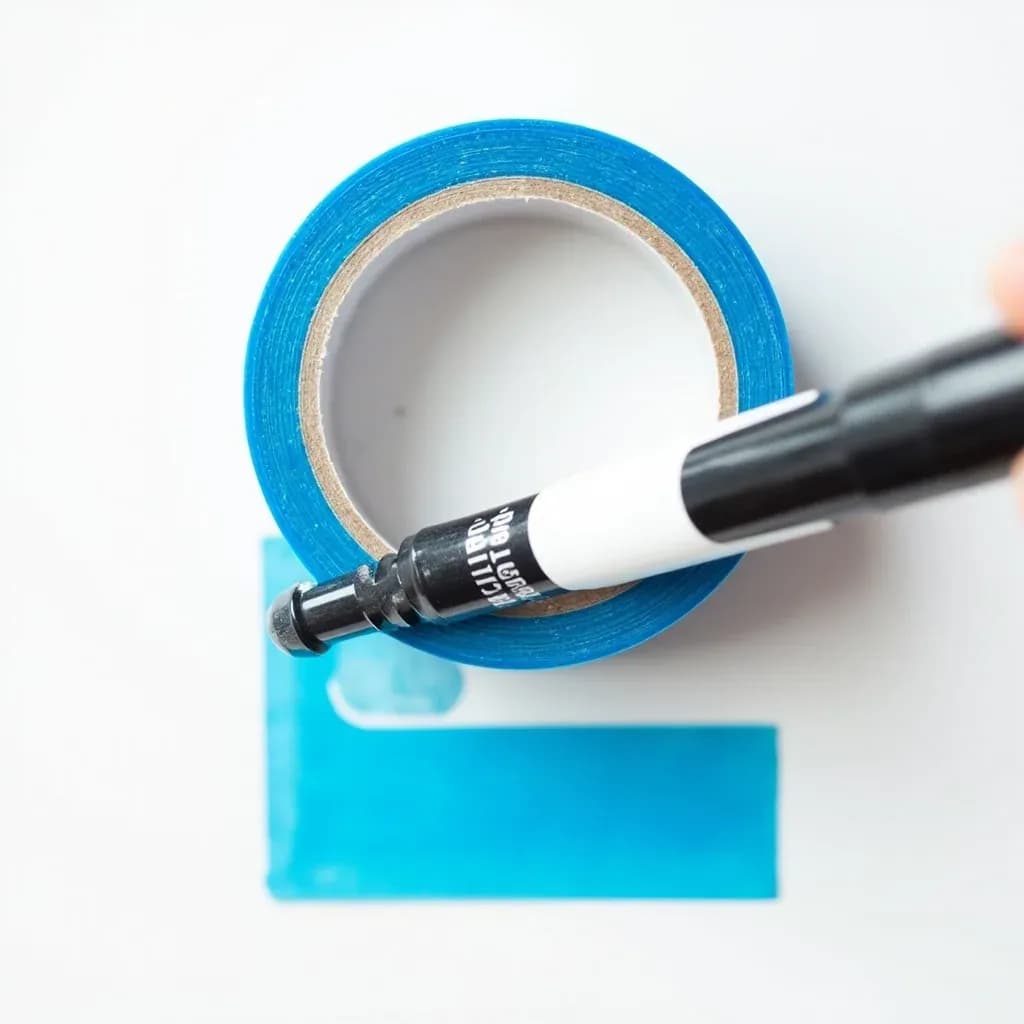
Labeling Tape
Write-on tape for marking containers with contents and dates, peeling off cleanly later.