
Tying & Fastening
Coconut Leaf Rib Pin (Lidi)
A thin stiff coconut-frond midrib used like a skewer or pin to fasten leaf wrappers and snacks.
A coconut leaf rib pin, called lidi in parts of South and Southeast Asia, is the stiff central spine stripped from a coconut frond. Cooks use it as a natural skewer or pin to fasten banana-leaf parcels, hold steamed cakes together, or thread small items. It is a cheap, biodegradable alternative to metal pins and toothpicks in traditional kitchens.
The lidi is the stiff midrib, or rachis, of a coconut palm frond — the woody spine left behind once the long green leaflets have been stripped away for thatching, basket weaving, or ceremonial work. In kitchens across maritime Southeast Asia, that by-product has become one of the most useful small tools in the pantry: a ready-made pin or skewer for holding banana-leaf parcels shut during steaming, for skewering small grilled snacks, and for fastening pandan-leaf wrappers around kueh. It is sold by the bundle (ikat lidi) at wet markets for almost nothing, which is why cooks reach for it instinctively rather than reaching for string or a manufactured pick.
In the hand, a dried lidi feels like a pale, fibrous sliver of wood — rigid, slightly rough, and just stiff enough to punch through a folded banana leaf without folding back on itself. When fresh it is greener and more pliant; once sun-dried it becomes brittle and must be softened briefly with water or steam before it will pierce a tough leaf cleanly. The material contributes essentially nothing to flavor, which is precisely the point: its job is structural, not aromatic, and it is almost always removed before the food is eaten.
Lidi should not be confused with bamboo skewers (tusuk sate bambu), which serve a similar purpose but are smoother, rounder in cross-section, and lack the slight rough surface that grips a folded leaf in place. Nor is it the same as janur, the young, still-folded coconut leaflets used decoratively in cooking and ceremony. The lidi is the rib underneath — plain, practical, and quietly indispensable to anyone making pepes, otak-otak, pempek, or pandan-wrapped kueh at home.
Alternatives
Types & varieties
Cut from young fronds; greener, more pliable, and less likely to snap. Preferred when slight flex is needed to wrap around soft packages or delicate kueh.
The market standard. Cream-colored, stiff, and brittle. Must be softened briefly in water or held over steam before it will pierce tough leaves cleanly.
Dried over a fire, giving a tan-to-brown color and a faint smoky fragrance; occasionally specified for grilled preparations.
Sold in short lengths of about 4–6 cm, ready to use as fasteners for small snacks and kueh. The most convenient form for everyday kitchen use.
Cut to 10–20 cm for satay-style skewers, pempek, otak-otak, and other grilled or fried snacks that need a longer handle.
Where lidi comes from
Coconut palms are constantly shedding fronds, and every frond has two usable parts. The long, narrow leaflets are stripped off first — these may be woven into thatch, plaited into baskets, or used ceremonially as janur in Indonesian and Malay cooking and ritual. What remains is the bare central rib, which is gathered, sun-dried, and bundled for sale. The result is a kitchen supply with almost no environmental footprint: it is a true by-product, not a separately farmed crop.
Buying and storing lidi
At pasar and wet markets, lidi is sold in tight bundles (ikat lidi) or by the kilogram for larger users. Choose bundles that feel dry and rigid with no signs of mould, dark spotting, or a musty smell; a healthy dried bundle should snap cleanly when bent. At home, store it upright in a glass jar or tin with a loose lid in a dry cupboard — humidity will cause the ribs to warp and absorb kitchen smells, which can transfer faintly to food.
- Keep bundles upright rather than lying flat to prevent warping.
- Reject any bundle that smells sour or shows dark fungal spots.
- A dry cupboard is fine for months; refrigeration is unnecessary.
Lidi versus bamboo skewers
Bamboo skewers are the most common substitute and the one most readers will have on hand, but they are not interchangeable. Bamboo is smoother on the surface and round in cross-section, so it tends to slide through a folded leaf rather than grip it. Lidi, with its slightly rough, fibrous surface and tapered profile, holds a banana-leaf parcel shut during steaming in a way bamboo does not. For visual authenticity on dishes such as pepes or pandan chicken, lidi is also the expected fastener at the table.
- Use bamboo skewers for grilling heavier items where structural strength matters more than grip.
- Use lidi for steamed or baked leaf parcels where the pin must hold the wrapper closed.
- Trim lidi flush with the food before frying or grilling to prevent the exposed ends from scorching.
Common uses
Tips & pitfalls
- If a dried lidi snaps as you push it through a leaf, dip just the tip in water for 10–15 seconds or pass it briefly over steam — it will pierce cleanly without splintering.
- Always sharpen one end with a small knife on a wooden board before use; the natural tip is often too blunt or too frayed to puncture a tough banana leaf.
- Cut on a chopping board rather than snapping by hand — hand-snapping shreds the fibers and produces a useless, frayed end.
- Insert the pin at a shallow angle so it grips the folded leaf rather than punching straight through; this is what holds parcels shut during steaming.
- Remove the lidi before serving unless the dish is meant to be picked up and eaten directly from the leaf wrapper.
- Avoid long exposure to very high open-flame heat; the pin will scorch and may flavor the food with smoke. Brief grilling or pan-searing is fine.
- If grilling or frying the skewered item, soak the lidi in water for 5–10 minutes first to slow charring.
- For an authentic finish on satay or pempek, trim the exposed ends flush with the food so they do not burn at the tips.
- Never re-use a lidi that has been in contact with raw protein and then cooked — they are cheap enough to be treated as single-use.
Good to know
- Material
- Midrib (rachis) of the coconut palm frond (Cocos nucifera)
- Also known as
- Lidi (Indonesian/Malay), lidih, coconut frond midrib, coconut leaf rib
- Origin region
- Indonesia, Malaysia, Singapore, Philippines, southern Thailand; also Sri Lanka, coastal India, and the Maldives
- Typical length
- Whole midribs run 30–100 cm; pre-cut pins are sold 4–6 cm, skewer lengths 10–20 cm
- Diameter
- Roughly 3–6 mm at the base, tapering toward the tip
- Color
- Pale cream to tan when sun-dried; pale green when fresh
- Texture
- Stiff, woody, fibrous, slightly rough; brittle when fully dry
- Flavor contribution
- Essentially neutral; a faint grassy scent when fresh, none when dried
- Edibility
- Non-toxic but fibrous and unpleasant to chew; removed before eating
- Storage
- Indefinite if kept dry and out of sunlight; store upright in a jar or bundle
- Cost
- Very low; sold by the bundle (ikat) or by the kilogram at wet markets
- Eco profile
- Biodegradable, single-use, by-product of thatch and basket weaving
Also called
Lidi · Coconut Frond Midrib · Coconut Stick Pin
Related

Skewers
Thread meat and vegetables for kebabs and grilling

Toothpicks
Pin rolls shut and test cakes for doneness

Kitchen Twine
Food-safe string for trussing roasts and tying bundles

Butcher Paper
Breathable wrap for resting barbecue and storing meat
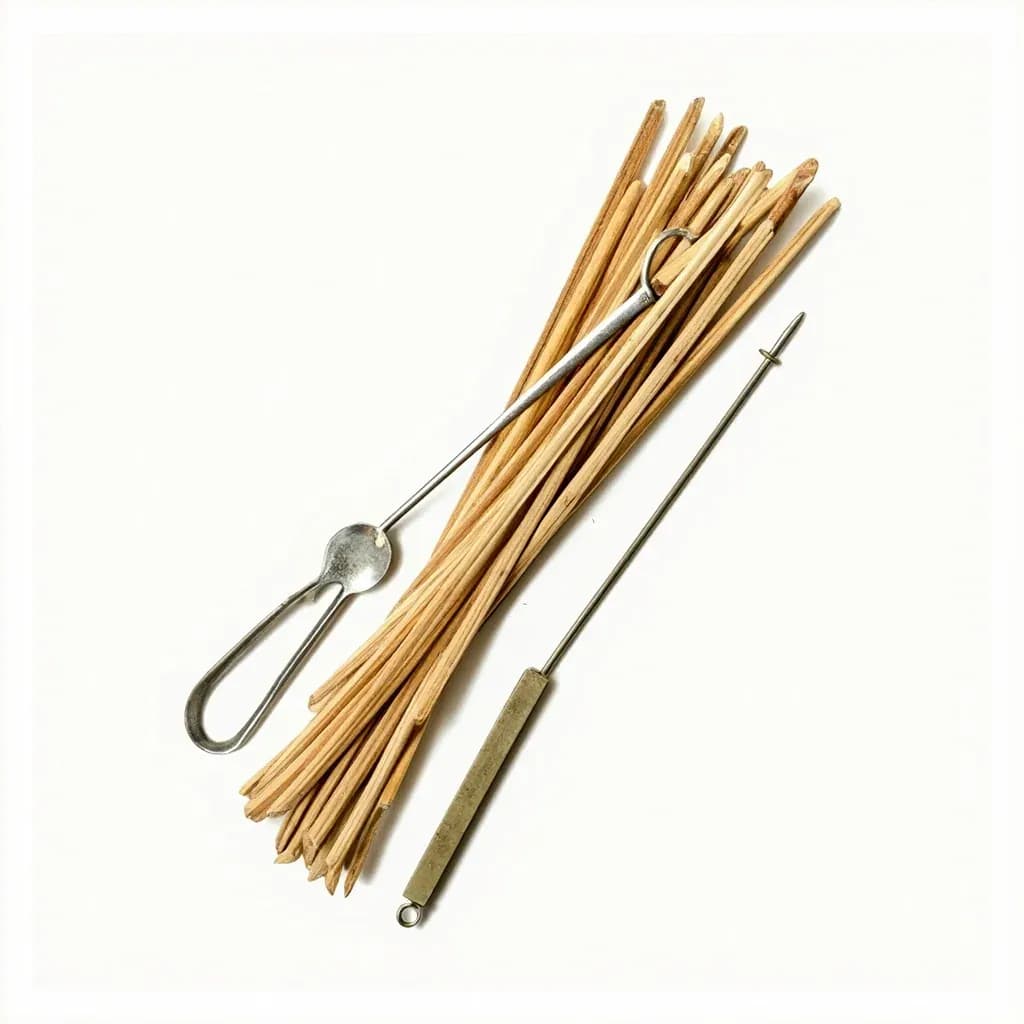
Skewer (Metal / Wooden / Bamboo)
Thin pointed rod that threads meat and vegetables for grilling, roasting, or testing doneness.
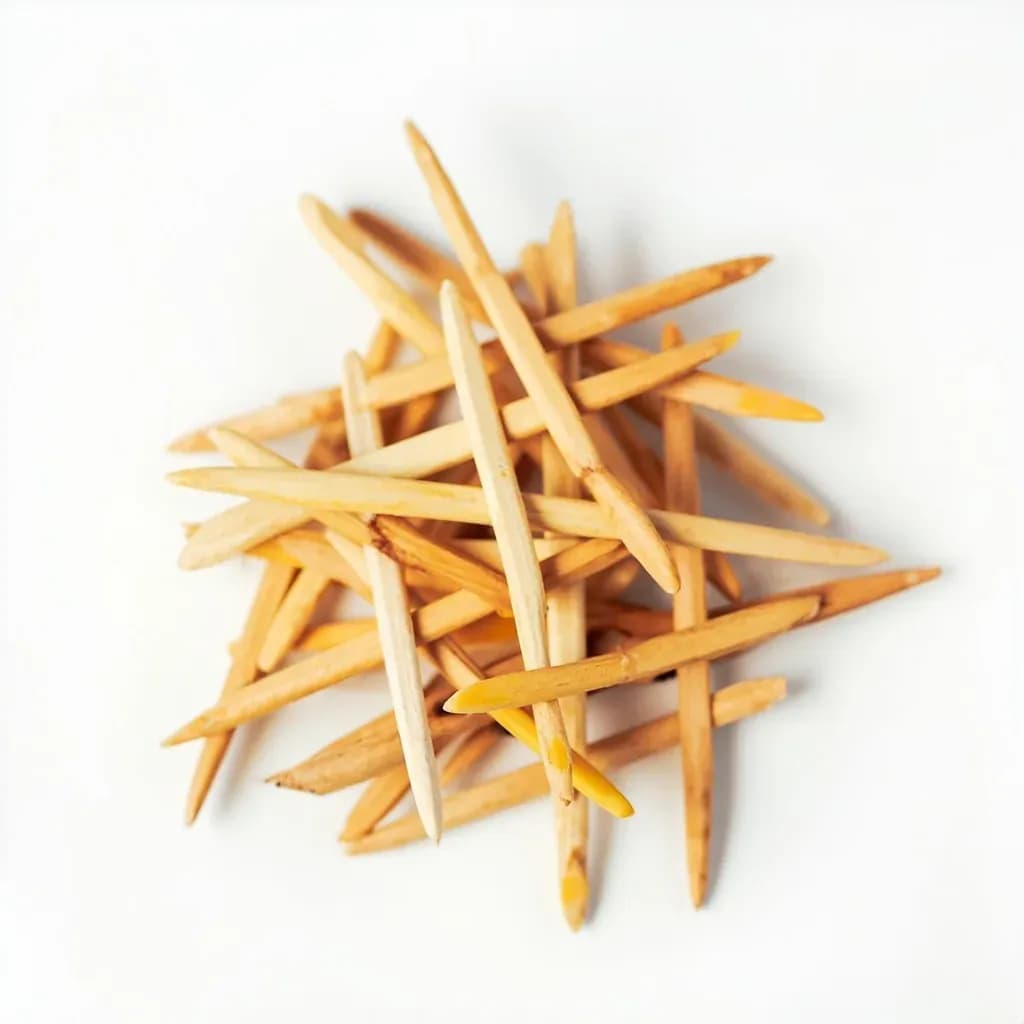
Toothpick
Small pointed wooden pick that pins rolled food shut and tests baked goods for doneness.
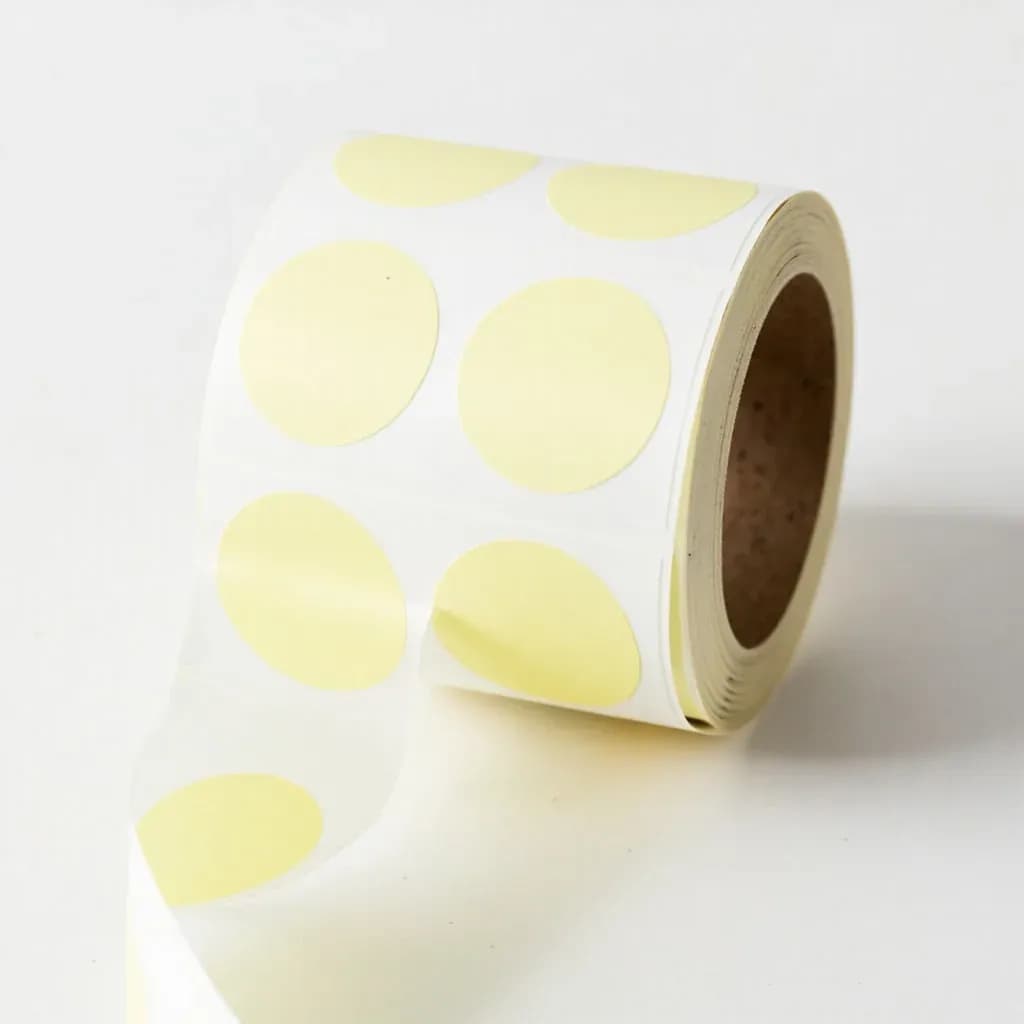
Food Storage Label (Day-Dot)
Stick-on label marking date, contents, or batch info for safe stock rotation.
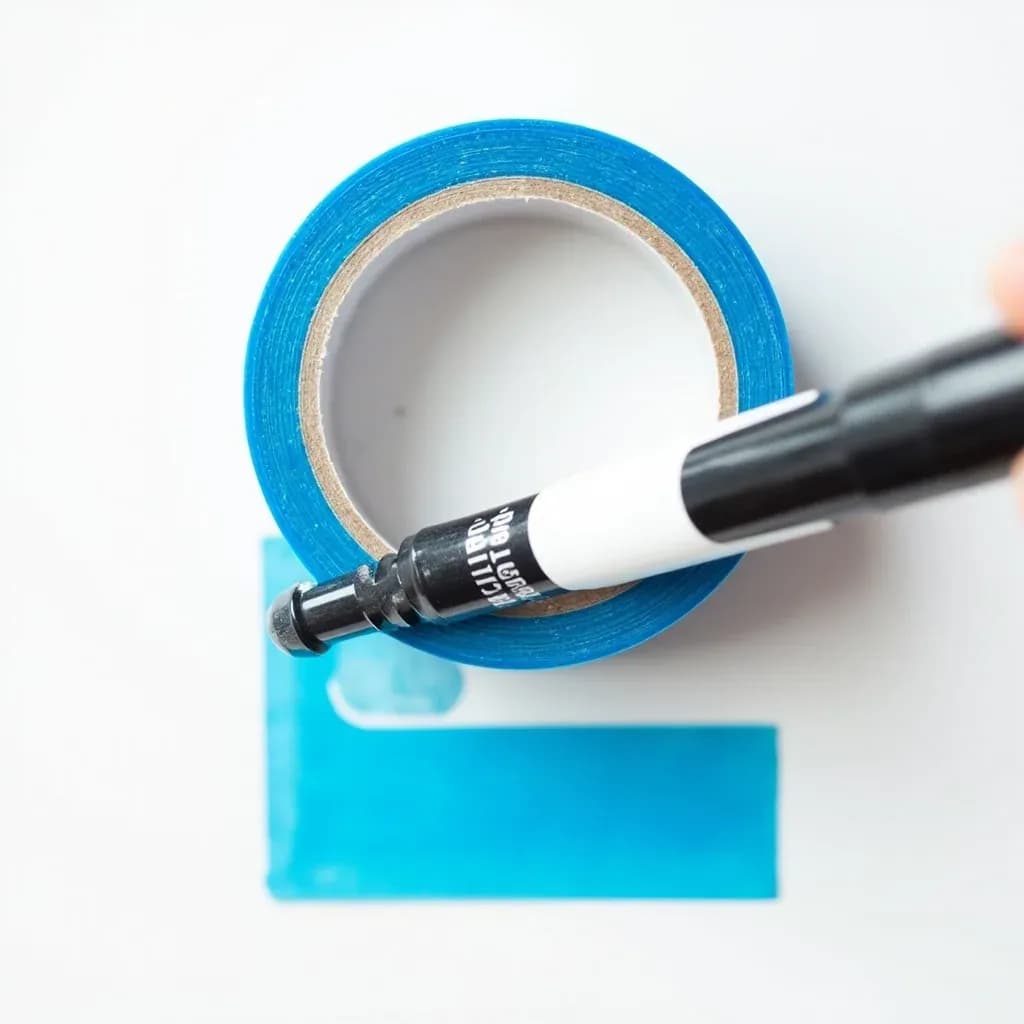
Labeling Tape
Write-on tape for marking containers with contents and dates, peeling off cleanly later.