Tying & Fastening
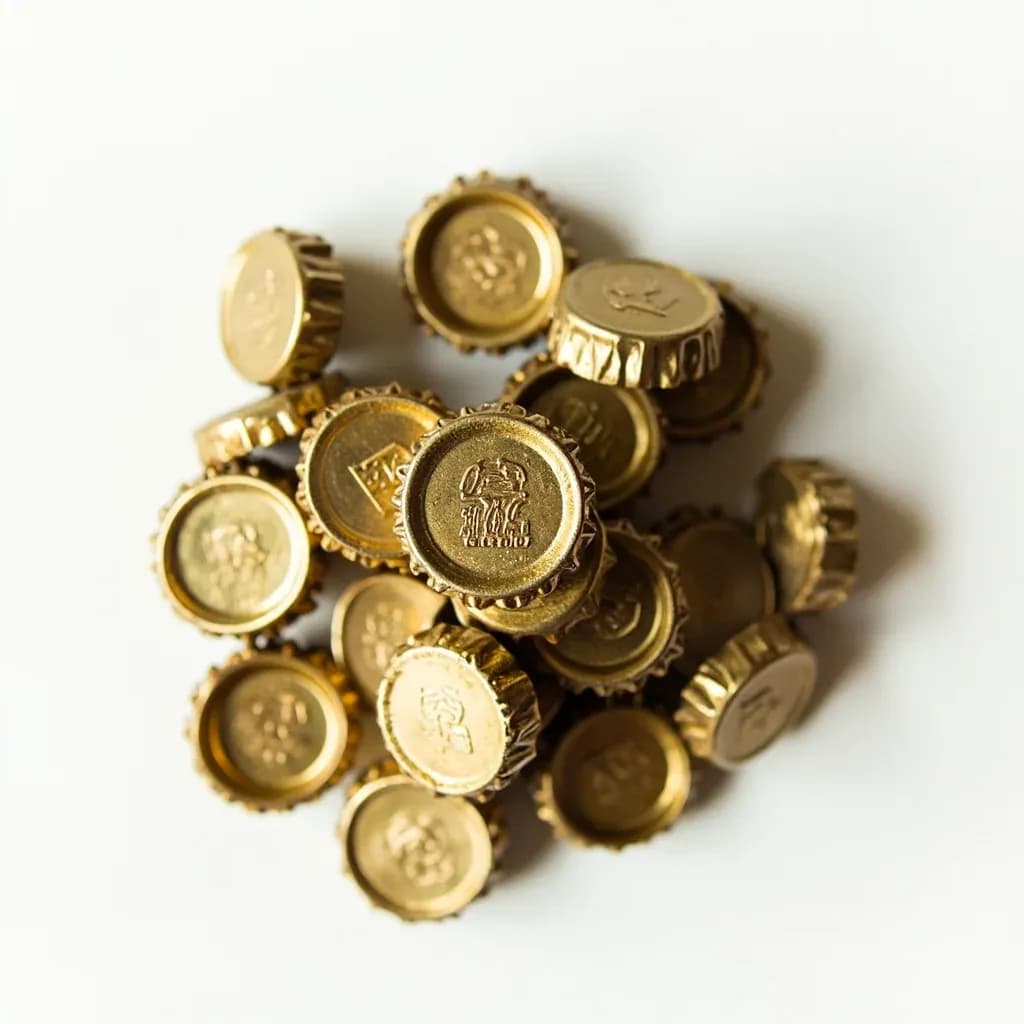
Crown Bottle Cap
A crimped metal cap that seals bottled drinks, sodas, and home-brewed ferments.
A crown bottle cap is a fluted metal cap crimped onto glass bottles to seal carbonated drinks, sodas, and home-brewed beer or kombucha. The corrugated edge grips the bottle lip to hold pressure from carbonation. Home brewers apply them with a capping tool and use new caps each batch for a reliable seal.
The crown bottle cap is a crimped metal closure designed to seal carbonated beverages in glass bottles. Invented in 1892 by William Painter for the Crown Cork & Seal Company, it remains the gold standard for homebrewers and craft soda makers because its 24-point serrated edge and internal plastic liner create a dependable airtight seal that holds pressure indefinitely when properly applied. The system is elegantly self-reinforcing: the CO₂ inside the bottle presses outward against the cap, which actually tightens the seal rather than weakening it.
The cap consists of tin-plated steel (or aluminum for specialty uses) formed into a shallow cup with a serrated skirt and a compressible PVC or plioseal liner on the inside face. When a capper drives the cap down over the bottle lip, the skirt folds and crimps around the rim while the liner compresses into microscopic imperfections in the glass, creating a seal that resists both pressure loss and contamination. This mechanical grip is one-time only—the crimp deforms irreversibly, which is why crown caps are single-use. For home bottlers, mastering the capping process is as critical as the brewing itself; an imperfect seal means flat beer, oxidized flavors, and potentially spoiled product.
Modern variants address specific concerns: oxygen-absorbing linings reduce oxidation in craft and homebrew, while plastic crown-cap-style replacements allow reuse on swing-top bottles for non-carbonated ferments. The 26mm standard size fits the vast majority of 12 oz and 22 oz beer bottles worldwide, making crown caps a universally compatible tool in any kitchen that bottles its own drinks.
Alternatives
Types & varieties
Tin-plated steel with PVC liner. The everyday workhorse for beer, soda, and homebrew. Available in dozens of colors for batch organization—black for stouts, gold for Belgian styles, red for IPAs, white for wheat beers.
Contains an iron-based oxygen-absorbing lining that actively scavenges residual O₂ inside the bottle after capping. Particularly valuable for hop-forward styles and any brew where freshness is paramount.
Molds over swing-top bottle necks; provides a crown-cap-style seal with reusability. Designed for non-carbonated ferments such as kombucha second ferment or water kefir where twist-off convenience is preferred over pressure retention.
Lighter than steel, naturally corrosion-resistant. Used for specialty beverages and some craft applications where aluminum's slightly different aesthetic is desired.
Mechanically distinct from the standard pry-off crown. Has internal threads and a pull-tab; not interchangeable with standard pry-off crowns and requires bottles with matching threaded finishes.
Not a structural variant but a functional tradition in homebrewing. Color-coding finished bottles by style aids organization and helps identify batches at a glance, especially when multiple ferments are aging simultaneously.
Why the Crown Cap Holds Pressure Better Than Anything Else
No other bottle closure matches the crown cap's ability to retain carbonation over time. Swing-top gaskets age, shrink, and lose elasticity. Screw threads on twist-off bottles rely on a deformable liner that can creep under sustained internal pressure. The crown cap's serrated skirt bites into the bottle lip with 24 points of contact, and the crimp geometry means the force holding the cap in place actually increases as internal pressure builds. This self-tightening behavior is unique to the design and is why professional breweries use crown caps on all small-format bottles regardless of automation level.
- 24-point serration distributes grip evenly around the rim, preventing weak spots
- The compressed liner fills glass imperfections at the microscopic level
- Internal CO₂ pressure creates a secondary sealing force, not a separating one
- Unlike gaskets, there is no elastomer to dry out, crack, or compress permanently over time
Choosing the Right Bottle for Crown Caps
Not all bottles accept crown caps. The bottle finish (the lip and thread area) must be designed for pry-off crowns—look for a smooth, unthreaded lip with a slight outward flare. Standard American long-necks and many European Euro bottles are compatible. Bottle rims must be free of chips, cracks, or irregularities; even a small chip creates a leak path that no cap can seal. Inspect every bottle before filling. Old commercial bottles work well but may have accumulated scratches or damage. New amber beer bottles from a homebrew supplier are the most reliable choice for consistent rim quality.
- Test rim smoothness by running a finger gently around the lip—if you feel a catch or irregularity, discard the bottle
- Amber glass protects light-sensitive brews (especially hoppy beers) better than clear or green glass
- Bottles with pry-off finishes have a slightly flared, smooth lip; twist-off bottles have threads and are incompatible
- Sanitize bottles with a dedicated bottle rinse before filling—visual cleanliness is not enough
Common uses
Tips & pitfalls
- Always use a bench-mounted capper for consistent, reliable seals; handheld cappers work but require more practice and often produce inconsistent crimp depth
- Inspect bottle rims carefully before every capping—chips, cracks, or glass burrs will cause immediate seal failure and carbonation loss
- Apply caps immediately before bottling; leaving bottle rims exposed even briefly allows dust, airborne wild yeast, and contamination to settle on the sealing surface
- Never reuse crown caps—the crimp deforms irreversibly on first application and the plastic liner loses its compressibility, producing unreliable seals
- Match cap size to bottle exactly; standard 26mm caps fit American beer bottles and most European long-neck bottles, but some European bottles use 29mm caps
- Store caps in a dry environment—moisture promotes corrosion on tin-plated steel and can degrade the internal liner before use
- For homebrew, let carbonation develop fully at room temperature before chilling; cold liquid holds less dissolved CO₂ and cold bottles may not build sufficient pressure to confirm a proper seal
- Test seal integrity before storage: submerge the capped bottle in water and look for escaping bubbles—any bubble stream indicates a failed seal that must be re-capped or the batch may oxidize
- Apply caps squarely and vertically; a tilted capper crimps unevenly, creating a weak point on one side of the skirt
- Do not overtighten with excessive capper spring pressure—this deforms the cap skirt without improving the seal and can chip the bottle rim
Good to know
- Material
- Tin-plated steel (standard); aluminum (specialty)
- Diameter
- 26mm — fits standard 12 oz and 22 oz beer bottles
- Seal Mechanism
- 24-point serrated edge crimped over bottle lip; internal plastic liner compresses to fill microscopic imperfections in glass
- Internal Liner
- PVC or plioseal compound (single-use; degrades with removal)
- Invented
- 1892 by William Painter for Crown Cork & Seal Company
- Reusability
- Metal crowns are single-use only; plastic swing-top replacements are reusable
- Equipment
- Hand capper (bench-mounted or handheld) or capper pliers required
- Shelf Life
- Indefinite when properly sealed and stored away from heat and light
Also called
Crown Caps · bottle cap · beer cap
Related

Skewers
Thread meat and vegetables for kebabs and grilling

Toothpicks
Pin rolls shut and test cakes for doneness

Kitchen Twine
Food-safe string for trussing roasts and tying bundles

Butcher Paper
Breathable wrap for resting barbecue and storing meat
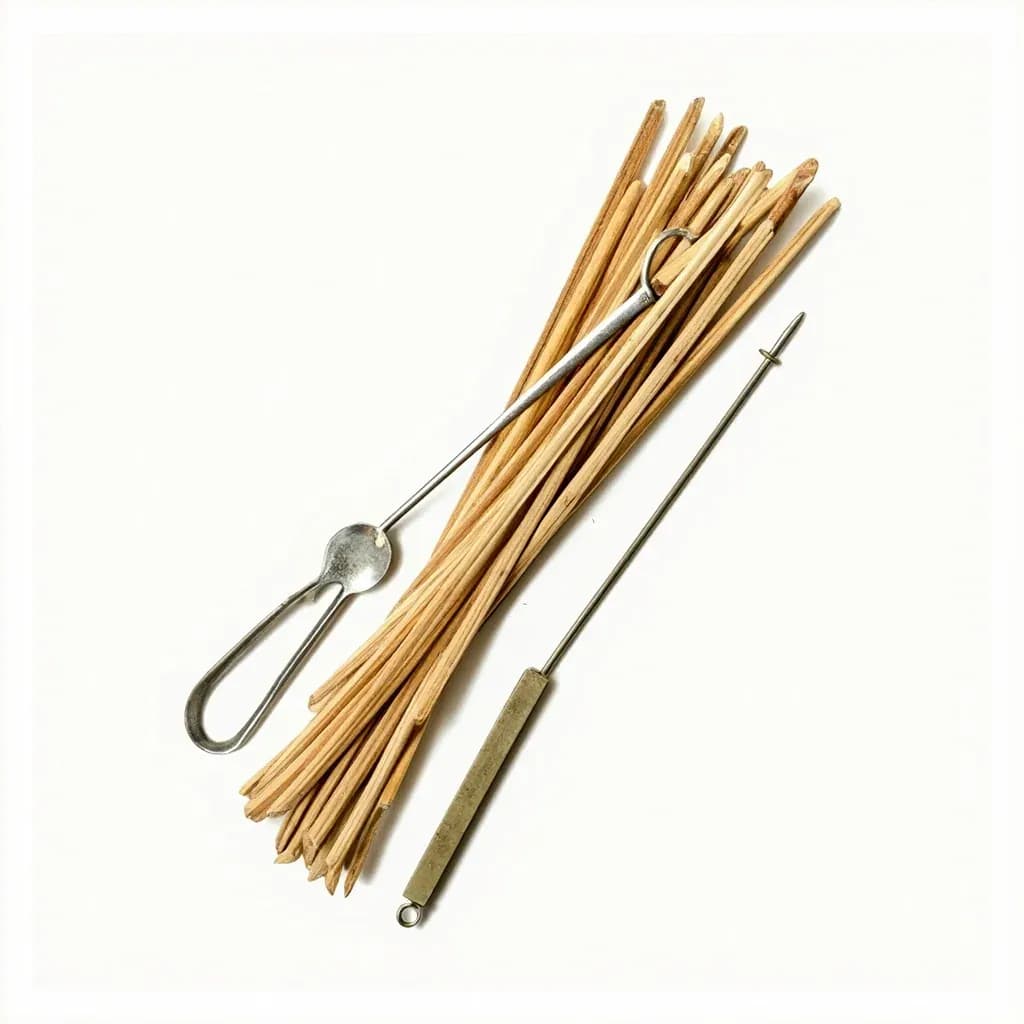
Skewer (Metal / Wooden / Bamboo)
Thin pointed rod that threads meat and vegetables for grilling, roasting, or testing doneness.
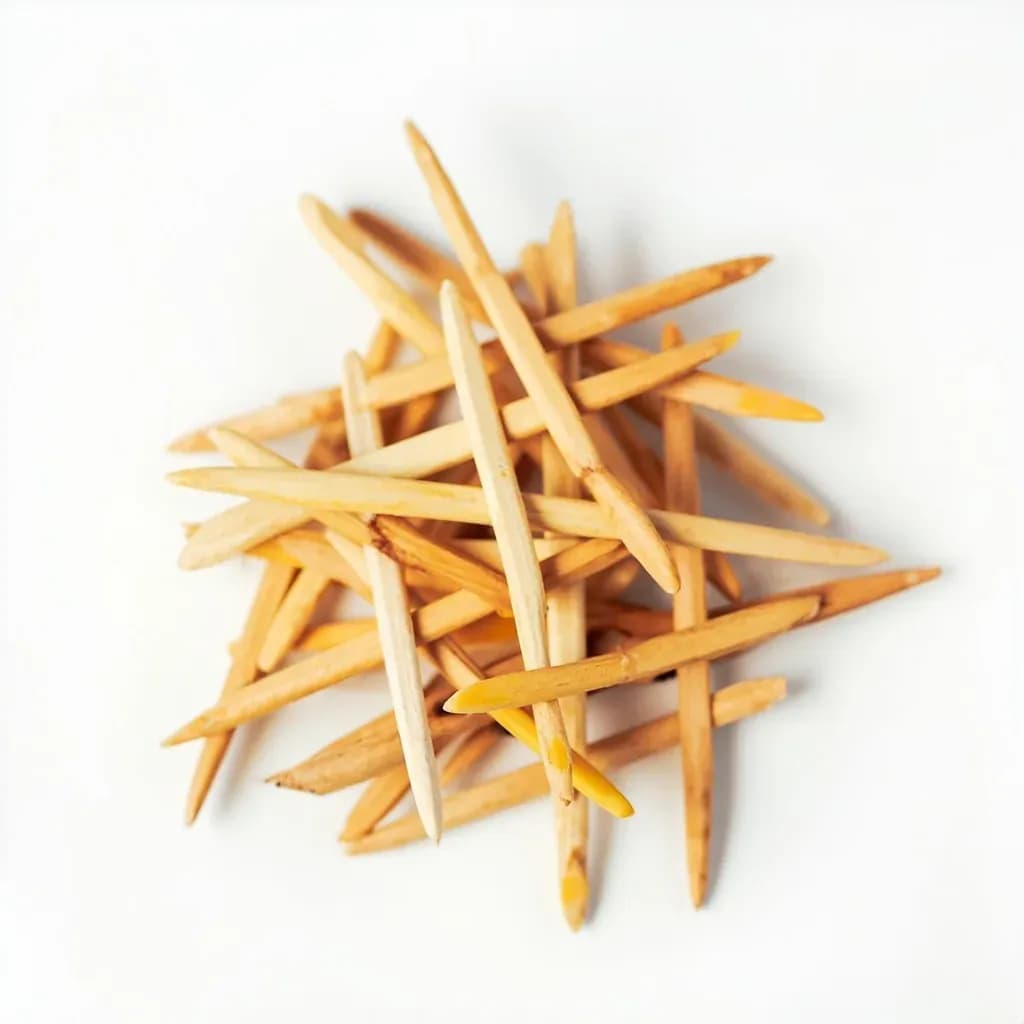
Toothpick
Small pointed wooden pick that pins rolled food shut and tests baked goods for doneness.
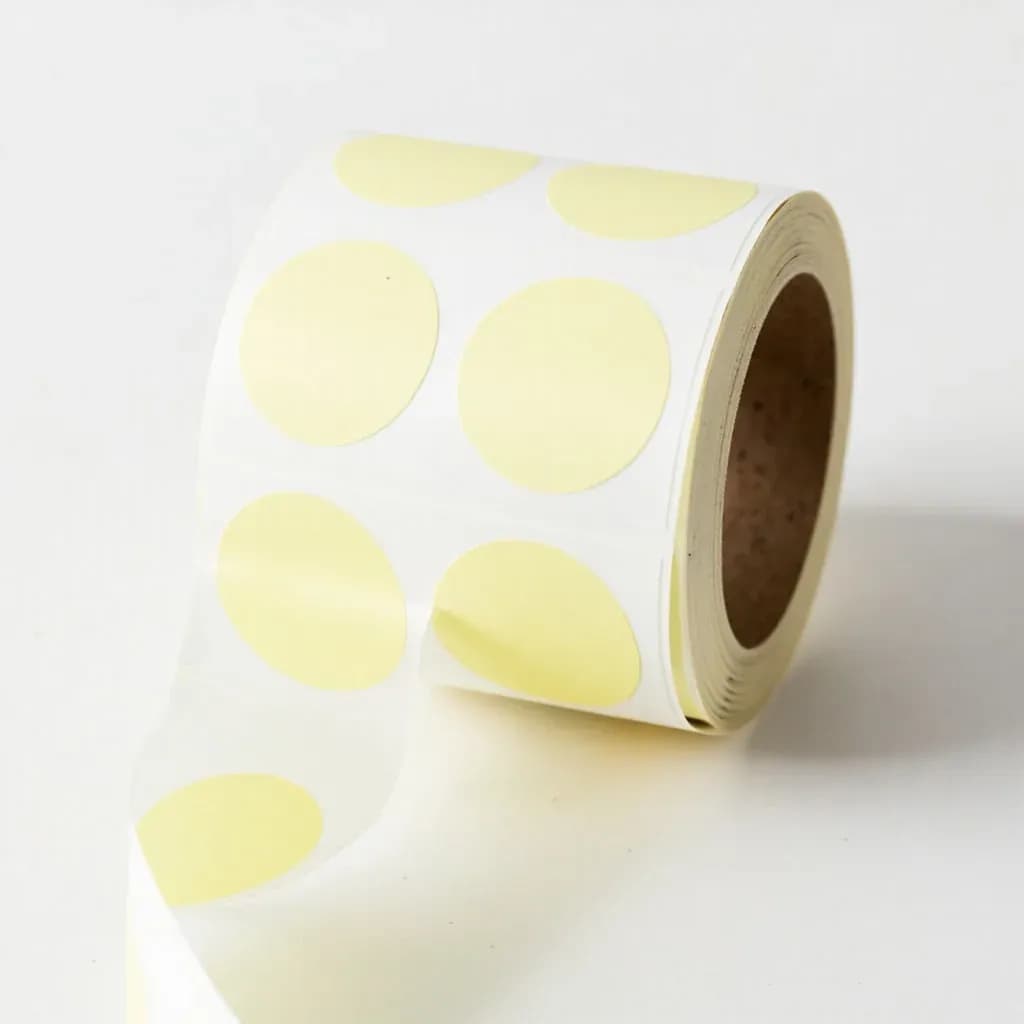
Food Storage Label (Day-Dot)
Stick-on label marking date, contents, or batch info for safe stock rotation.
Labeling Tape
Write-on tape for marking containers with contents and dates, peeling off cleanly later.