Tying & Fastening
Dough Strip (Dum Sealing)
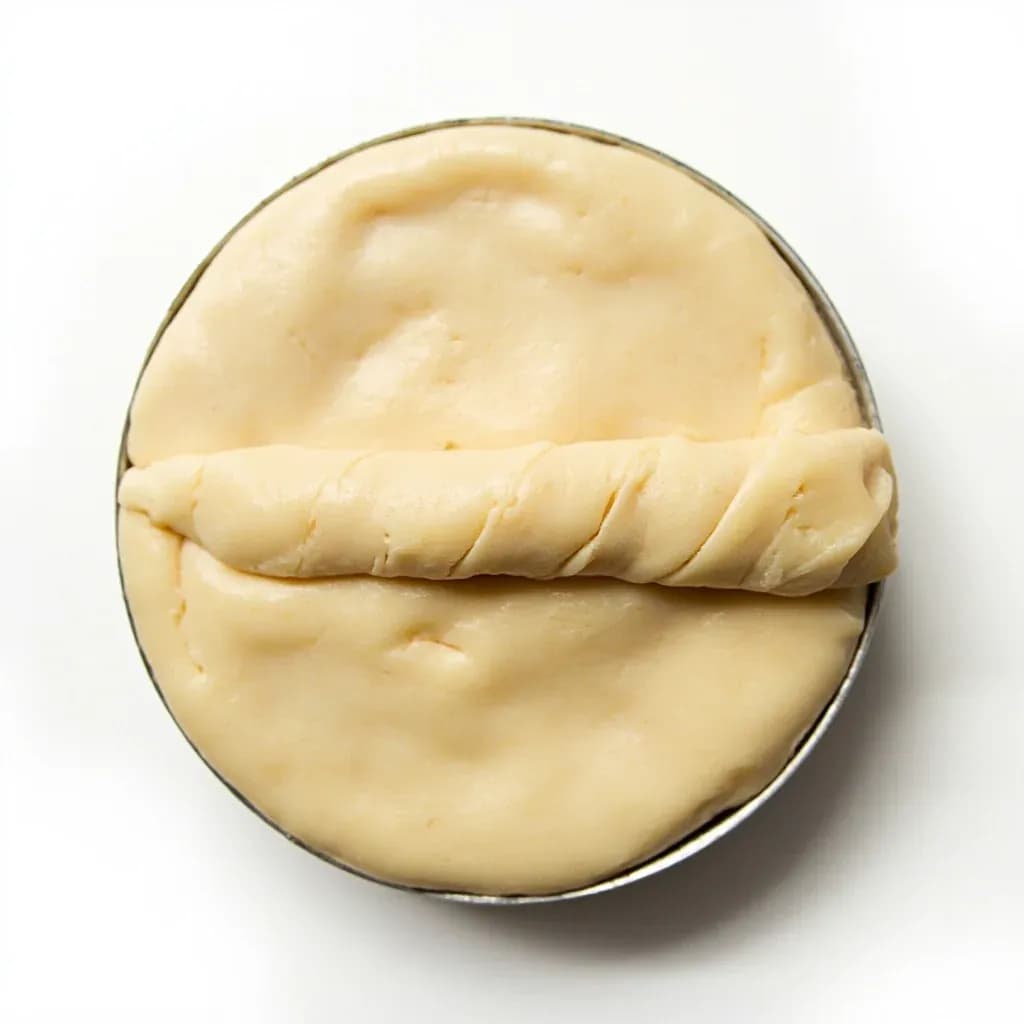
A rope of wheat dough pressed around a lid to airtight-seal a pot for dum (slow steam) cooking.
A dough sealing strip is a hand-rolled rope of stiff wheat-flour dough used in dum cooking, as for biryani. It is pressed into the gap between a pot and its lid to form an airtight seal so steam and aroma stay trapped inside while the dish cooks gently on low heat. The hardened dough is broken off and discarded when the pot is opened at the table.
A dough strip — called a dum seal, aata ki lakdi, or simply a dough gasket — is a rope of plain wheat-flour dough rolled out by hand and pressed around the rim of a lidded pot before slow-cooking. Its job is purely mechanical: it converts an ordinary handi, deg, or Dutch oven into a near-airtight vessel so that food finishes in its own trapped vapor rather than losing moisture and aromatics to the open air. Once the lid is weighted and the pot returns to heat, the wet rope dries, shrinks slightly, and hardens into a brittle crust that effectively welds the lid to the pot for the duration of the cook.
The technique is inseparable from dum cooking, the slow steam-and-smoke method perfected in the kitchens of the Mughal nawabs and Nizams and still foundational to Hyderabadi and Awadhi cookery. Whole wheat atta is the flour of choice because its bran and gluten produce a cohesive, non-crumbly rope that holds shape better than refined maida alone. The finished seal is never eaten — it is a disposable gasket, peeled off and discarded after the pot is opened, much like the wax seal on a confit jar. The craft lies in getting the dough consistency, rope thickness, and rim preparation right so the seal neither cracks open prematurely nor sticks the lid down permanently.
Alternatives
Types & varieties
The standard traditional seal; cheapest, most reliable, and what most professional kitchens use.
Marginal gluten tightening; irrelevant to flavor since the seal is discarded, but useful for structural insurance.
A 50/50 mix of whole wheat and all-purpose flour produces a smoother, more pliable rope — easier for beginners to roll evenly.
A teaspoon or two of ghee per 100 g of flour makes the rope silkier to roll and less prone to cracking on long cooks.
Some cooks roll the dough into a long ribbon rather than a rope and lay it over the rim before lidding; useful for very wide handis.
Anatomy of a reliable seal
Three small decisions separate a leak-proof seal from one that hisses steam for the entire cook. The dough must be kneaded past the point where it feels merely combined and into the range where it is smooth, cool, and only faintly tacky — under-kneaded dough crumbles when rolled and fractures under the lid. The rim and the lid's underside must be wiped completely dry, because even a thin film of water turns the wet rope into slip and lets the lid shift. Finally, the rope should sit a touch thicker than the actual gap between pot and lid; the weight of the lid (and whatever you stack on top of it) compresses the rope into a true gasket, so a too-thin rope leaves voids that vent steam.
- Knead 3–5 minutes until the dough is smooth, cool, and non-sticky — like modeling clay.
- Wipe both rim and lid edge with a clean, dry cloth before applying.
- Roll the rope slightly thicker than the visible gap; compression does the rest.
- Press the lid down firmly and weight it for the first 10 minutes so the seal sets before the pot comes to steam.
Reading the seal during the cook
A healthy seal is mostly silent. In the first few minutes you may hear a faint, brief hiss as residual air expands and escapes through the dough's outer skin; after that the pot goes quiet, and you can tell doneness by timing and aroma rather than by sound. A loud, continuous sibilance means steam is forcing its way through a crack or a thin spot — typically because the rim was damp, the rope was uneven, or the lid was bumped. Once steam escapes, the seal cannot self-heal, so the rule is never to lift the lid mid-cook. If you must check, accept that the dum is effectively broken and finish the dish with the lid off, adding a splash of water to compensate.
- Faint initial hiss followed by silence = good seal.
- Loud continuous whistling = leak; finish with lid ajar.
- Never lift the lid mid-cook; the seal will not re-form.
Modern shortcuts and where they fall short
Aluminum foil rings, silicone lid covers, and pressure-cooker gaskets are often offered as easier alternatives to a rolled dough seal. Each works in a narrow sense — they all trap some steam — but experienced dum cooks tend to reject them. Foil rings vent slightly at the crimp and conduct heat into the lid, often scorching the top layer of rice in a biryani. Silicone lids sit on top of the pot rather than inside the rim, so they trap less aromatic vapor and let condensate drip back unevenly. Pressure-cooker gaskets are designed to release at a set pressure and will vent long before a true dum is finished. A hand-rolled atta rope remains the most reliable seal for the slow, gentle, fully trapped finish that defines classic dum cookery.
- Foil rings vent at the crimp and can scorch the top layer of rice.
- Silicone lids trap less vapor and redirect condensate unevenly.
- Pressure-cooker gaskets vent by design — wrong tool for a slow dum.
- A rolled atta rope remains the reference seal for classic preparations.
Common uses
Tips & pitfalls
- Knead the dough 3–5 minutes until smooth and clay-like — under-kneaded dough cracks and leaks steam from the first whistle.
- Wipe the pot rim and the underside of the lid completely dry before laying the rope; even a thin film of water makes the seal slip the moment the pot heats.
- Roll the rope slightly thicker than the actual rim gap; the lid's weight compresses it into a true gasket.
- Weight the lid with a clean stone, a kettle of water, or a heavy skillet for the first 10 minutes so the seal sets before steam builds.
- Never lift the lid mid-cook — once steam escapes, the seal cannot re-form and the dum is effectively broken.
- A faint initial hiss that fades to silence is correct; loud continuous sibilance means a leak and the lid should be re-seated before you lose too much moisture.
- After cooking, tap the hardened ring with a spoon handle and it cracks off cleanly in one piece — discard it, never eat it, as it is leathery and flavorless.
- If you run short of flour, a leftover ball of chapati or roti dough works as a quick substitute; the bran content makes it behave almost identically to fresh atta dough.
Good to know
- Also known as
- dum seal, dum ki lakdi, aata ki lakdi, dough gasket
- Primary materials
- whole wheat atta and water, kneaded to a firm, clay-like dough
- Typical rope
- 1–1.5 cm (finger-thick), rolled long enough to circle the pot rim in one continuous piece
- Approximate yield
- 80–100 g flour per 30 cm of pot rim circumference
- Mix and roll time
- 3–5 minutes mixing and kneading, about 2 minutes to roll the rope
- Single-use
- made fresh per cook; the hardened crust is cracked off and discarded
- Seal duration
- holds for 30 minutes to several hours depending on moisture load and heat
- Tradition
- Mughlai, Awadhi, and Hyderabadi cookery — the defining feature of dum technique
Also called
Dum Dough Seal · Atta Seal · Dough Seal
Related

Skewers
Thread meat and vegetables for kebabs and grilling

Toothpicks
Pin rolls shut and test cakes for doneness

Kitchen Twine
Food-safe string for trussing roasts and tying bundles

Butcher Paper
Breathable wrap for resting barbecue and storing meat
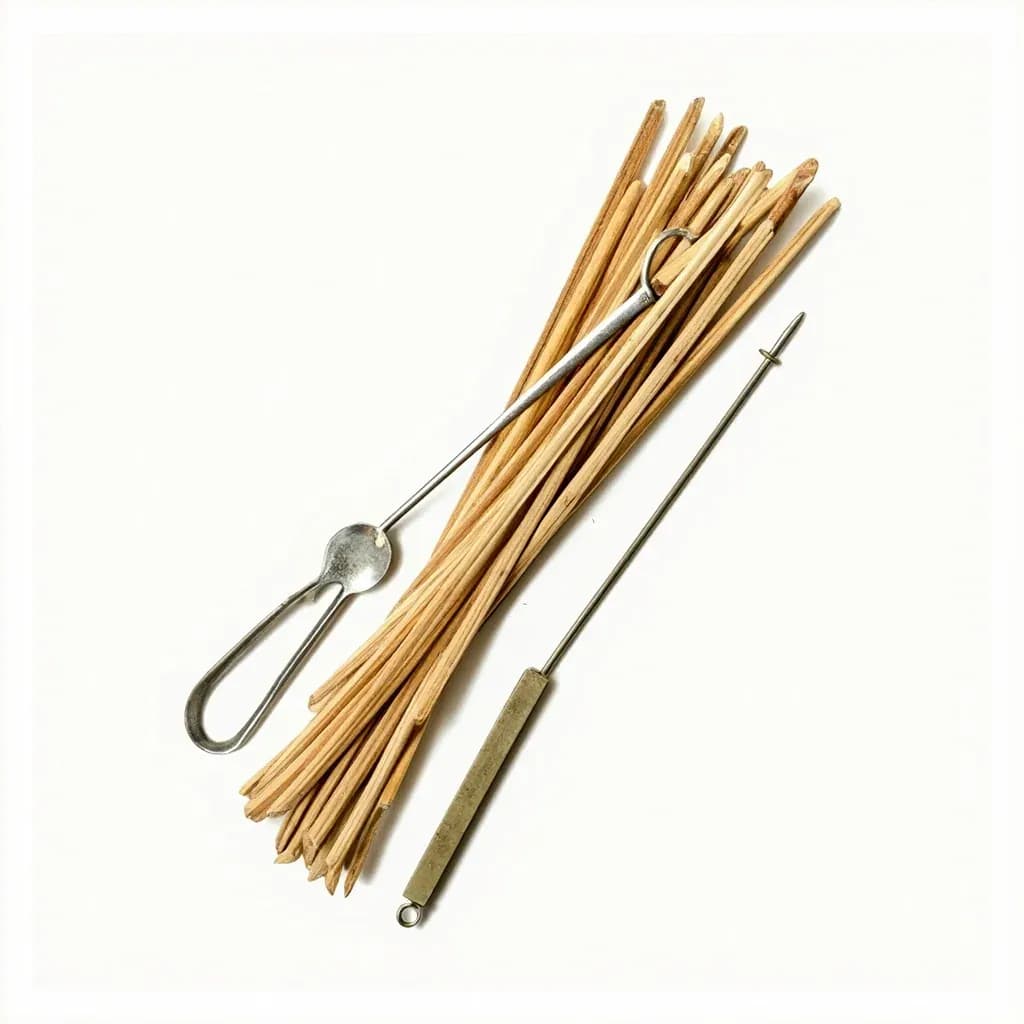
Skewer (Metal / Wooden / Bamboo)
Thin pointed rod that threads meat and vegetables for grilling, roasting, or testing doneness.
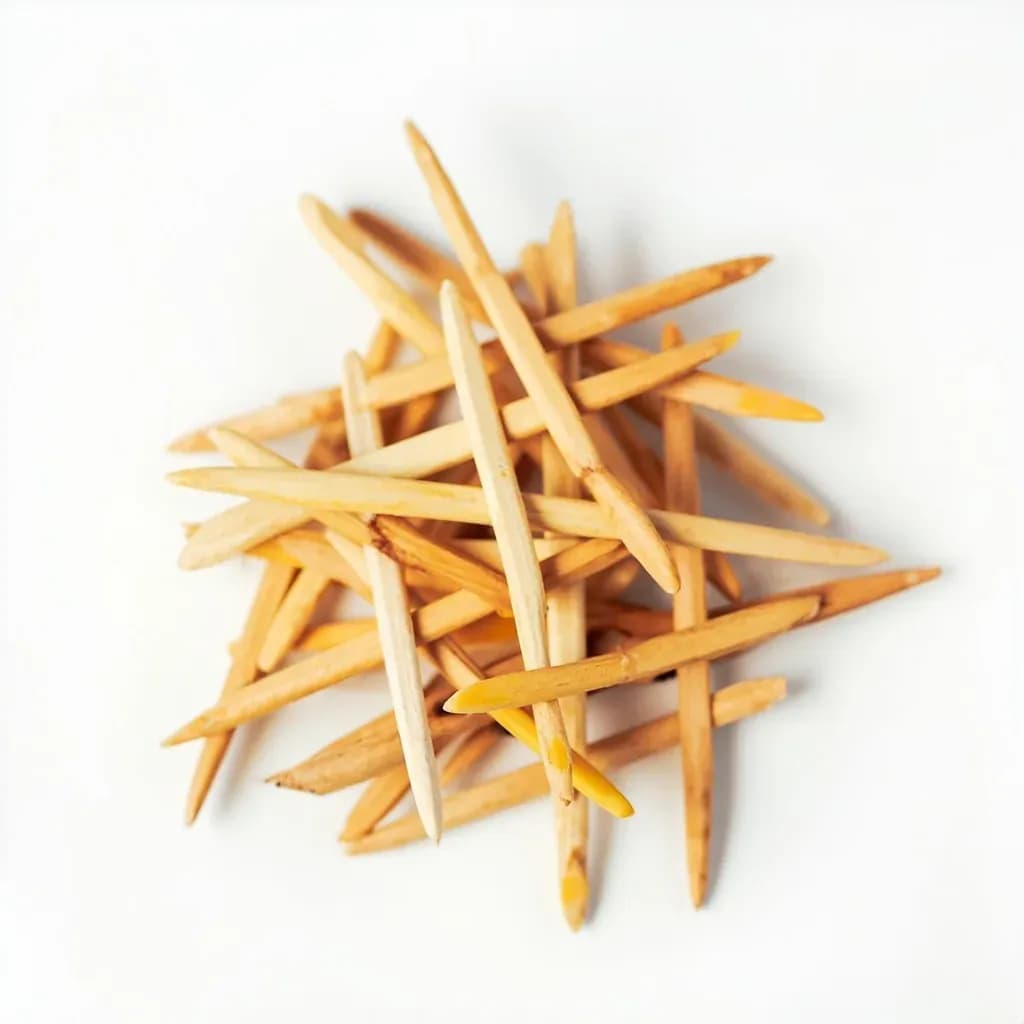
Toothpick
Small pointed wooden pick that pins rolled food shut and tests baked goods for doneness.
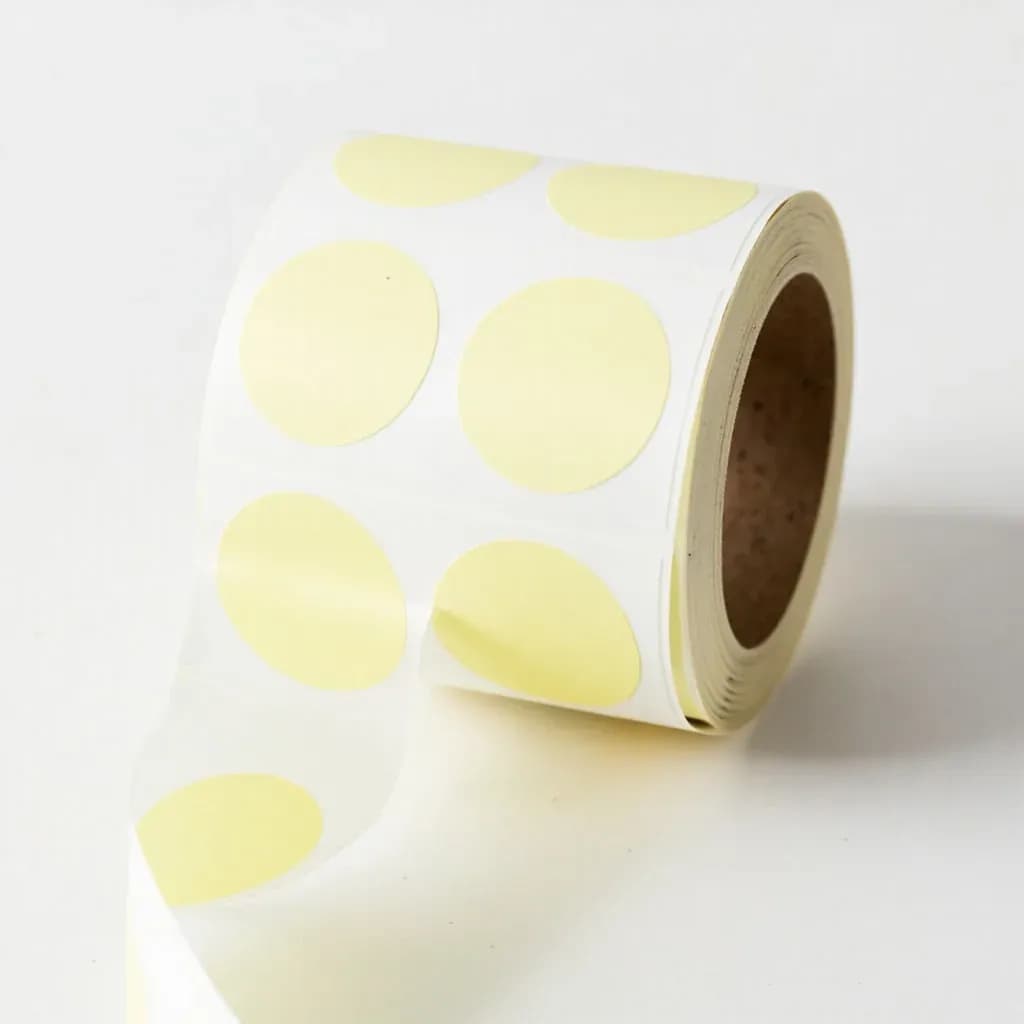
Food Storage Label (Day-Dot)
Stick-on label marking date, contents, or batch info for safe stock rotation.
Labeling Tape
Write-on tape for marking containers with contents and dates, peeling off cleanly later.