Tying & Fastening
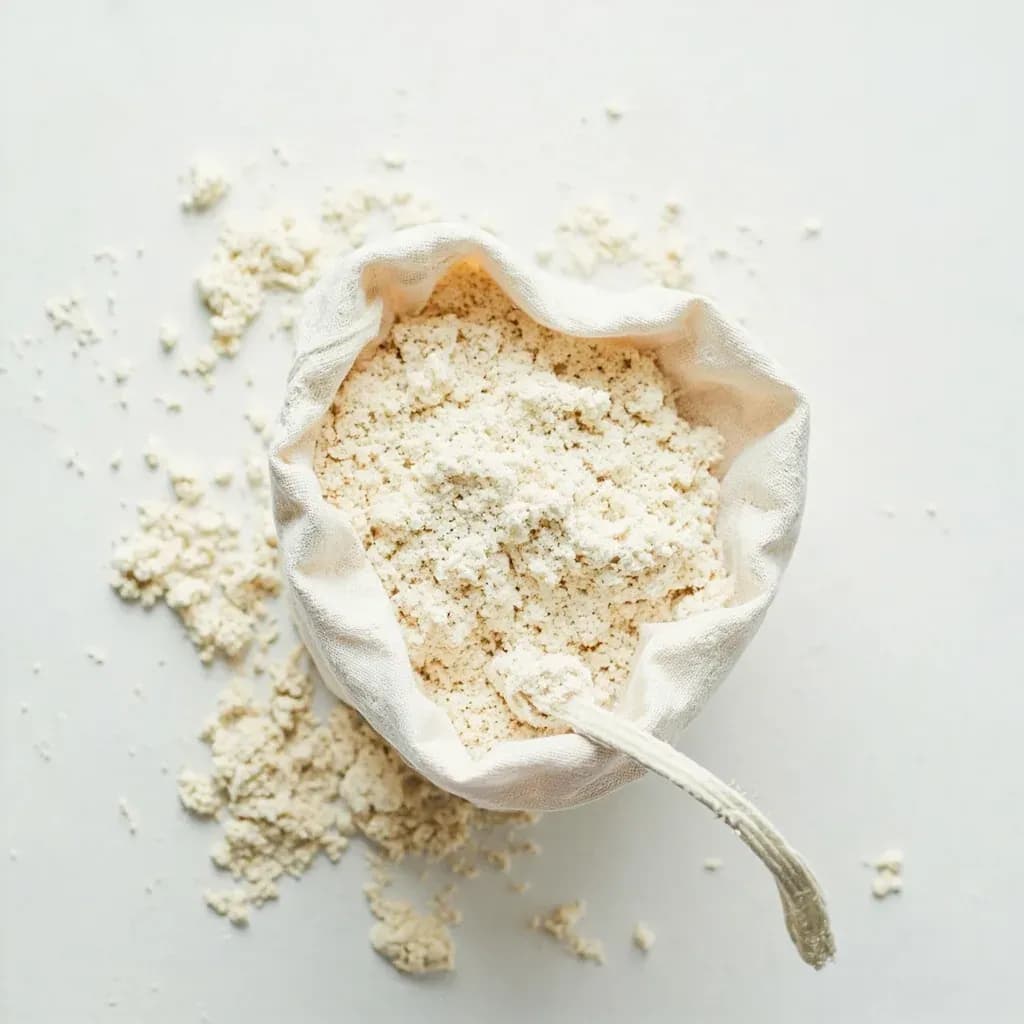
Dusting Flour Sack
A cloth shaker sack that puffs a fine, even layer of flour over dough and surfaces.
A dusting flour sack is a loosely woven cloth pouch filled with flour for dusting. Tapping or patting it releases a fine, even cloud of flour onto dough, bannetons, and work surfaces without clumps. Bakers favor it over scattering by hand because it gives lighter, more controlled coverage.
A dusting flour sack is a small, tightly woven cloth pouch, filled partway with flour, gathered at the neck, and shaken or tapped to release a fine, even layer of flour onto a work surface, dough, or pan. Unlike a perforated metal dredger, which strains flour through holes, the cloth sack works more like a tiny bellows: a squeeze of the side pushes a controlled puff of flour through the weave itself. That mechanism is why a cloth duster lays down a softer, more even coat than a tin shaker — the flour arrives as a fine dust rather than a sprinkle, with far fewer clumps and almost no visible bursts when tapped correctly.
The tool matters in baking and pastry work because flour distribution is one of those small variables that decides whether dough sticks, whether a loaf slides cleanly off a peel, and whether a rolled-out round has bald patches. A heavy-handed fistful of flour from a measuring cup leaves streaks and gummy spots; a properly filled, properly tapped sack produces a uniform, sandy dusting that behaves predictably. In professional pizzerias a semolina-filled cloth duster is the standard tool for prepping a peel, and the same logic applies to bannetons, cake pans, and pie dough.
Though commercially available, the dusting sack is one of the easiest pieces of kitchen equipment to improvise: a scrap of muslin, a corner of a flour-sack towel, or a square of linen napkin, filled, gathered, and tied, will do the job for years. This homemade character is part of why the tool has stayed in use even as more elaborate sifters and shakers have come and gone.
Alternatives
Types & varieties
A pre-made small cotton pouch with a cord; the most common commercial form, ready to fill and use.
A square of muslin gathered at the neck and secured with twine or a twist tie; the classic DIY version.
A handful of flour wrapped in several layers of cheesecloth and tied off; a quick substitute when no proper sack is on hand, though it tends to shed more lint.
A small cotton flour-sack cloth folded and tied; favored for its tight, even weave.
A scrap of plain linen napkin tied into a ball; long-lasting and dusts very finely, useful for delicate pastry work.
Origin and history
Cloth dusting sacks are an old bakery tool, predating the small hand-cranked sifters and mesh shakers that became common in twentieth-century home kitchens. Their direct ancestor is the cheesecloth bundle — a square of cheesecloth filled with flour, gathered, and tied with kitchen string, still used today in traditional pizzerias and artisan bakeries. The fabric itself, the cotton flour-sack towel, became widely available in the late nineteenth and early twentieth centuries when mills sold flour in printed cotton sacks that housekeepers washed, bleached, and reused as kitchen towels, pillowcases, and even clothing. Squares cut from those towels were a natural choice for a homemade flour duster, which is why the two terms — flour sack the textile and flour sack the duster — share a name. In professional pizzerias, a semolina-filled cloth shaker remains the standard tool for prepping the peel; the cloth weave releases semolina in a controlled, sandy layer rather than a single plume.
How to make your own
Cut a 20–25 cm (8–10 in) square of tightly woven cotton, muslin, or linen. Place ½ to 1 cup (60–120 g) of sifted flour in the center of the square. Gather the four corners up into a pouch, leaving a little working room at the top so the flour can shift inside. Twist the neck closed and secure it firmly with kitchen twine, a rubber band, or a small twist tie. Trim excess fabric if it flaps into your hand or gets in the way of the dusting motion. The finished pouch should feel soft and slightly under-filled — heavy, rock-hard sacks will not puff properly.
How to use effectively
Hold the sack a few inches above the work surface with the twisted neck gripped in your fist. With a quick squeeze, tap the bottom or side of the sack against the heel of your other hand — this releases a short, controlled puff rather than a long shake. Move the sack in a sweeping motion across the surface. For a pizza peel, a single firm puff is usually enough; for a bench, work in overlapping passes to build up an even layer. For a banneton or couche, dust directly into the basket, then tap out the excess before setting the shaped dough in. The squeeze-and-tap motion is what separates an even, professional dusting from a cloud of wasted flour.
Common uses
Tips & pitfalls
- Fill only about one-third full. A heavy sack clumps, doesn't shift, and won't puff a fine, even layer.
- Twist the neck tightly and secure with a rubber band, twine, or twist tie so flour doesn't escape from the top while you work.
- Squeeze and tap the side of the sack against your other hand rather than shaking from a height — this gives far more control and prevents wasteful bursts of flour.
- Choose a tightly woven fabric; loose-weave muslin or cheesecloth can shed lint onto the dough.
- Sift or whisk the flour before filling the sack to break up lumps that would otherwise fall out as clumps and mark the surface.
- Keep a separate sack for sweet dusting (cocoa, powdered sugar) so savory and sweet flavors don't cross.
- Don't reuse the same sack for both flour dusting and oily dredging without laundering in between — oil coats the fabric and blocks the flour from passing through evenly.
- If the sack feels damp, air-dry it fully before refilling; any moisture will cake the flour inside and ruin the dusting action.
- Common mistake: overfilling, which is the single most frequent reason a homemade duster disappoints.
- Common mistake: shaking from too high, which creates a cloud, wastes flour, and leaves an uneven coat on the dough.
Good to know
- Category
- Tying & Fastening / Baking accessory
- Also called
- Flour shaker, flour duster, dusting bag, cloth dredger
- Material
- Tightly woven natural fabric — cotton, muslin, linen, or repurposed flour-sack toweling
- Typical filled size
- Palm-sized pouch, roughly 10–15 cm (4–6 in) across when one-third full
- Working capacity
- About ½ to 1 cup (60–120 g) of flour for a comfortable shake; overfilling causes clumping
- Closure
- Twist-and-tie, drawstring, rubber band, or kitchen twine around the gathered neck
- Best flour for filling
- All-purpose, bread flour, or semolina for peels; sift first if lumpy
- Storage
- Hung or kept dry; moisture will cake the flour inside
- Care
- Empty, shake out, launder periodically; replace every few years as the weave thins
- Cost
- Inexpensive — often homemade from a scrap of muslin or a flour-sack towel
Also called
Flour Shaker Sack · Dusting Pouch · Flour Sock
Related

Skewers
Thread meat and vegetables for kebabs and grilling

Toothpicks
Pin rolls shut and test cakes for doneness

Kitchen Twine
Food-safe string for trussing roasts and tying bundles

Butcher Paper
Breathable wrap for resting barbecue and storing meat
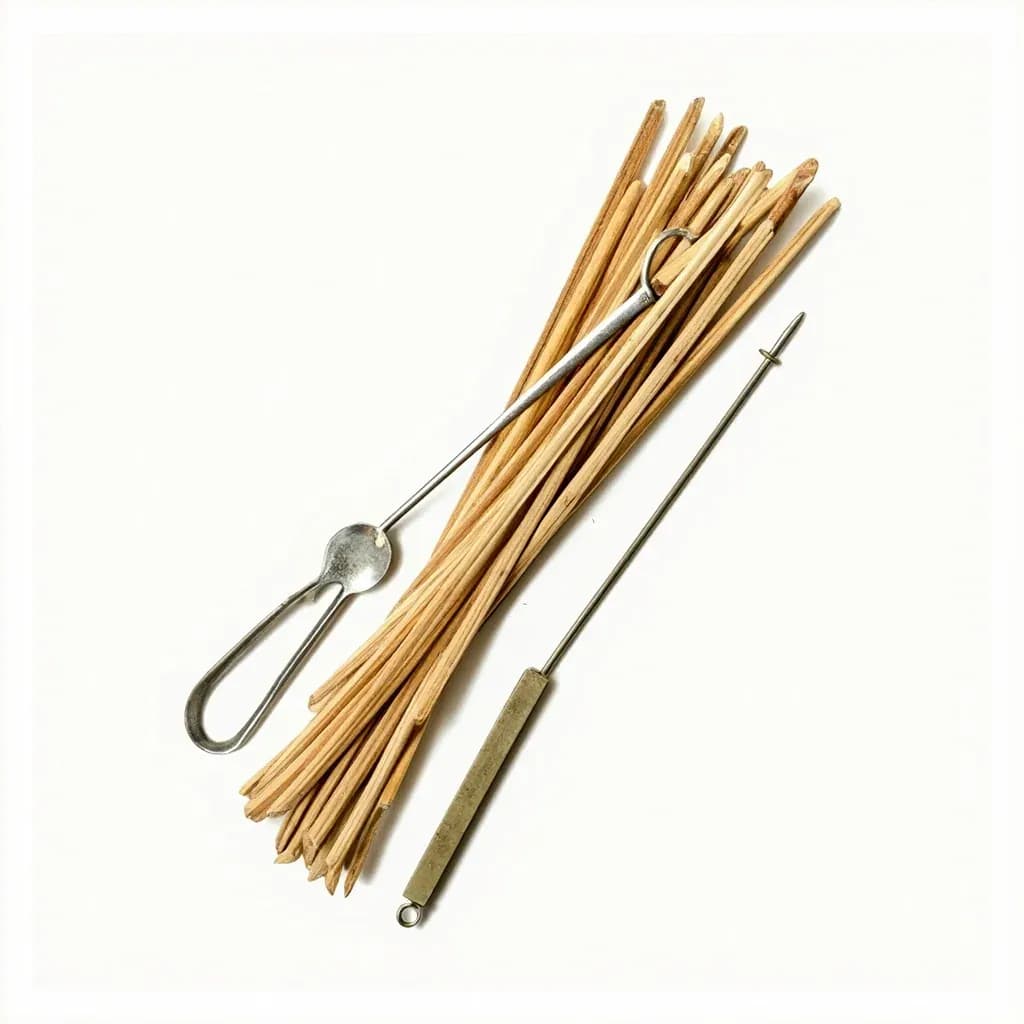
Skewer (Metal / Wooden / Bamboo)
Thin pointed rod that threads meat and vegetables for grilling, roasting, or testing doneness.
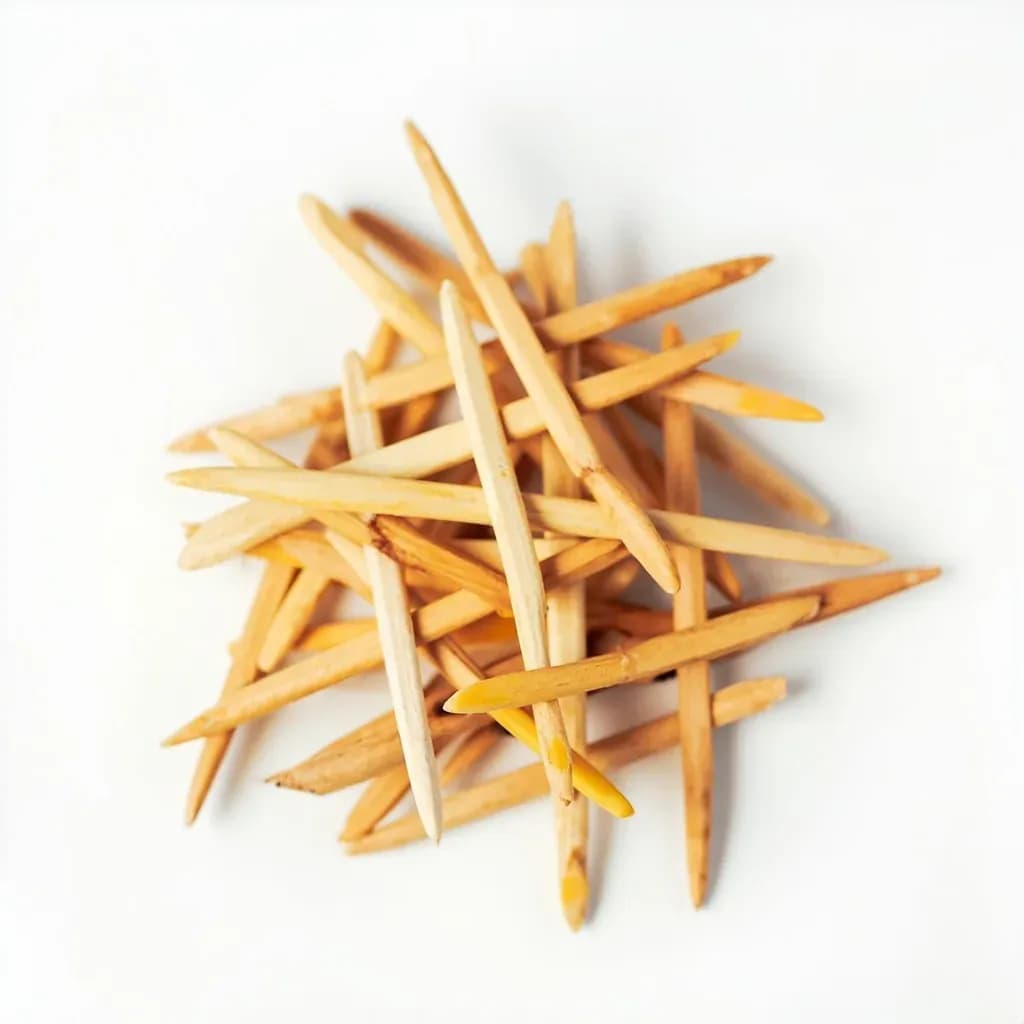
Toothpick
Small pointed wooden pick that pins rolled food shut and tests baked goods for doneness.
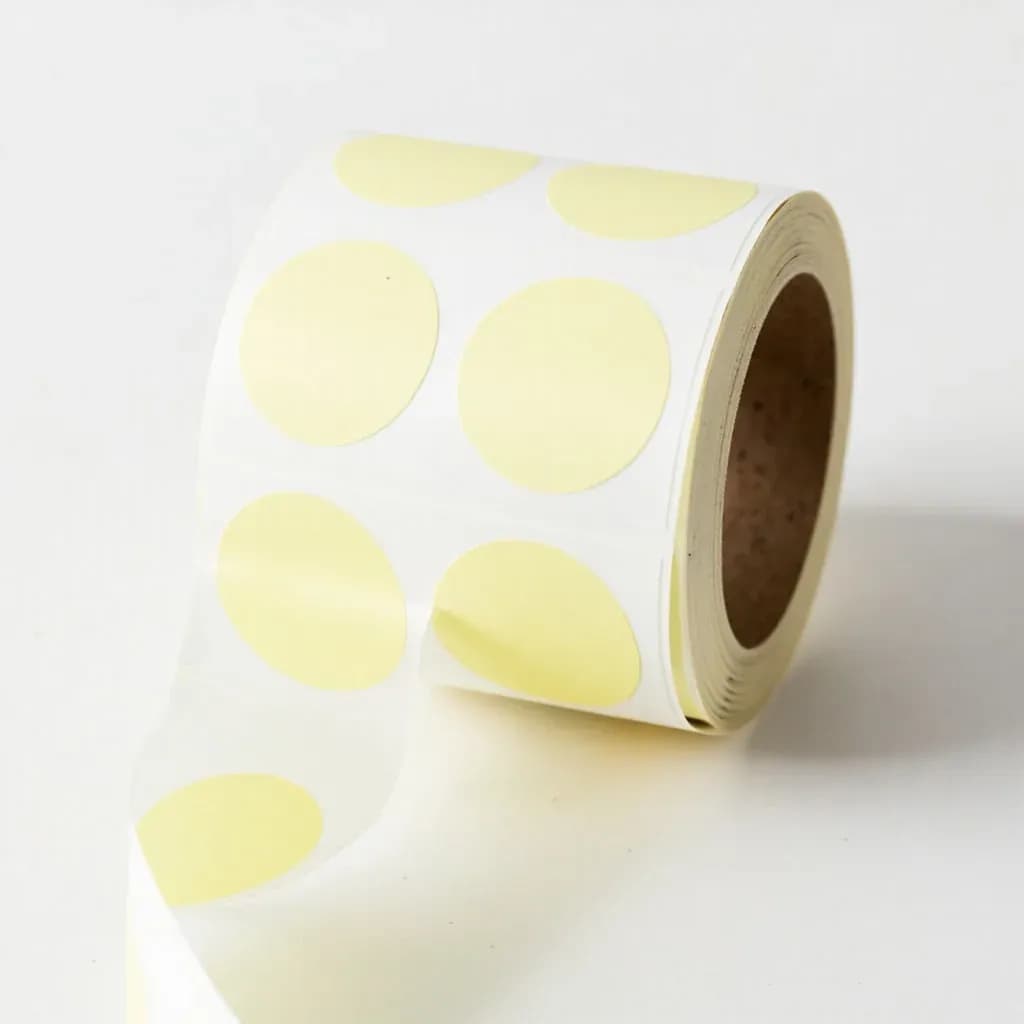
Food Storage Label (Day-Dot)
Stick-on label marking date, contents, or batch info for safe stock rotation.
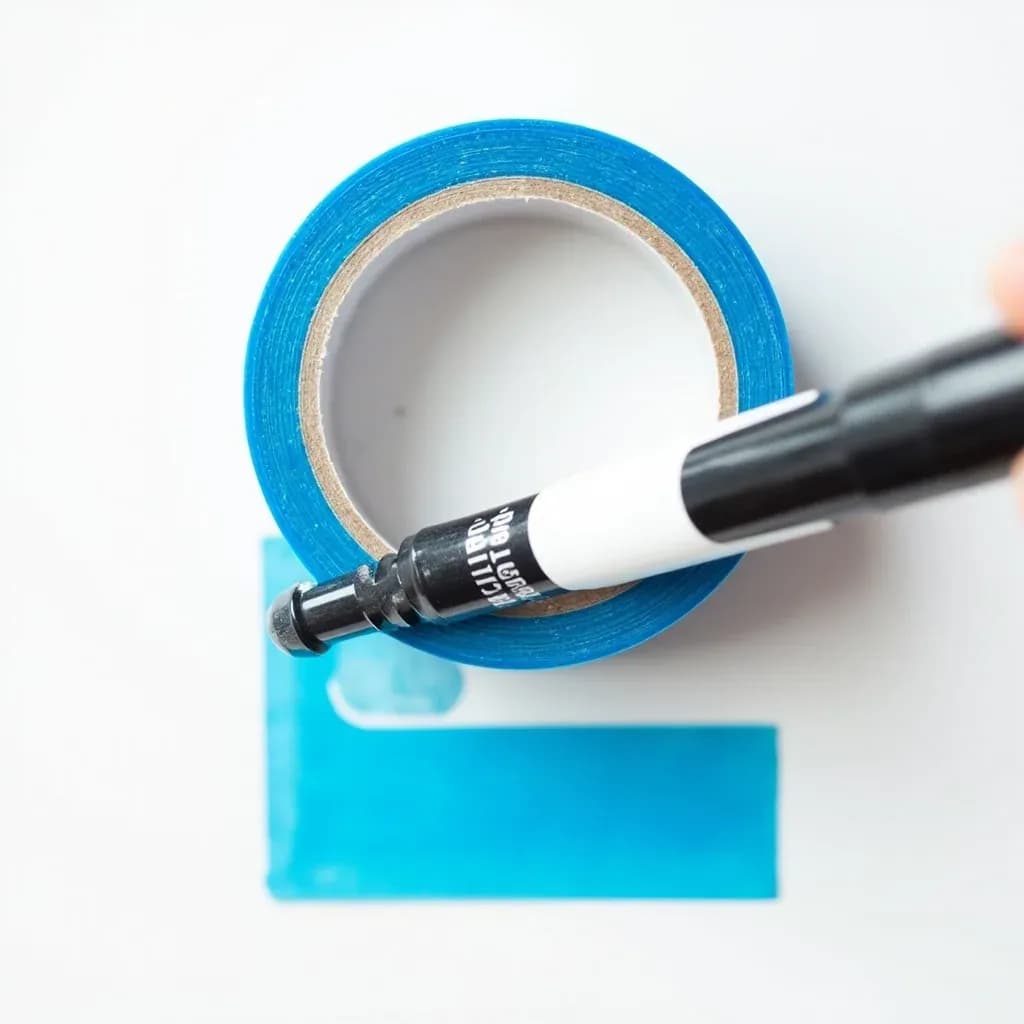
Labeling Tape
Write-on tape for marking containers with contents and dates, peeling off cleanly later.