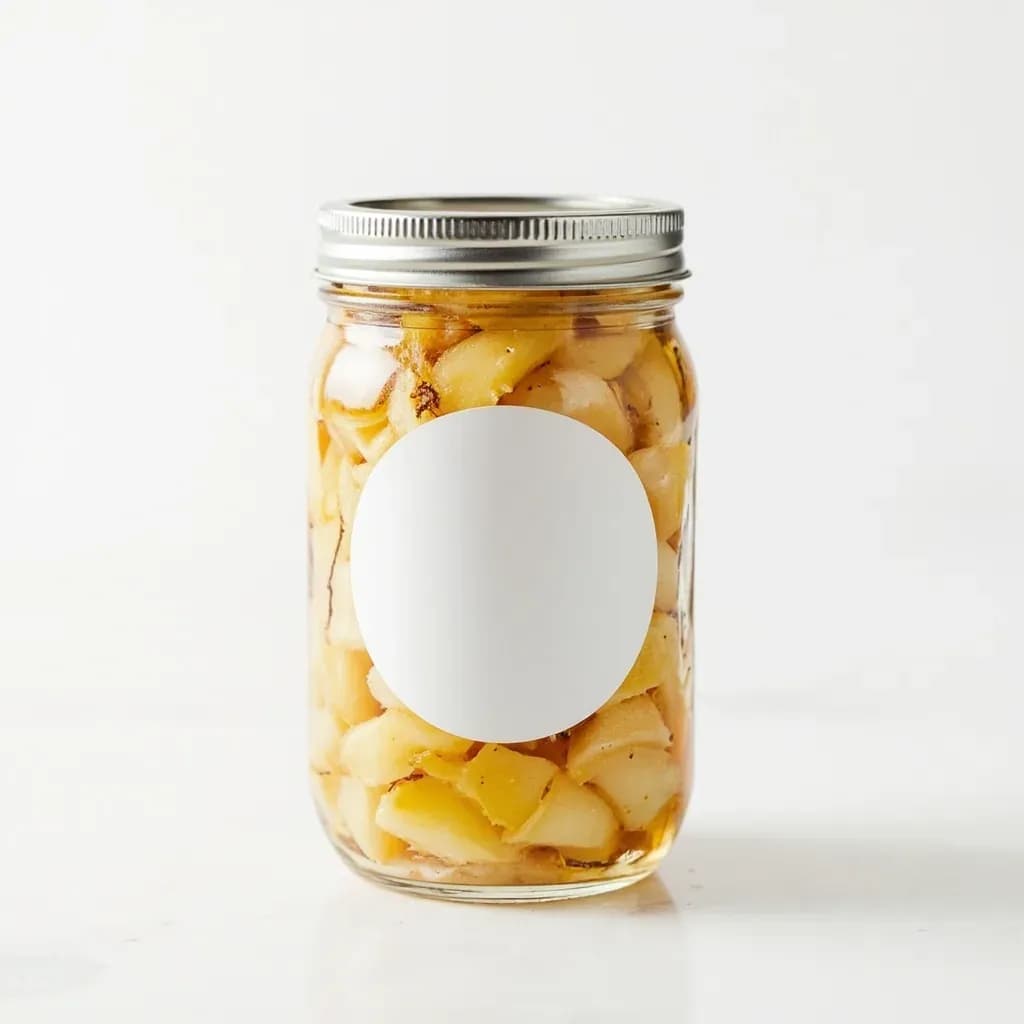
Tying & Fastening
Jar Label
An adhesive label for marking jar contents and dates on preserves, ferments, and pantry stock.
A jar label is an adhesive sticker applied to canning jars and storage jars to record contents, batch, and date. Home canners and fermenters use them to track what is inside and when it was made, which matters for rotation and food safety. Removable or dissolvable labels are popular because they peel off cleanly when the jar is reused.
A jar label is an adhesive-backed tag used to record the contents, date, and provenance of a filled jar — and in the context of home preserving, it functions as quietly essential safety equipment. The label tells you not just what is inside, but how the food was processed, when it was packed, and how long it can be trusted. That distinction matters most for home canning, where the difference between a water-bath pickle and a pressure-canned low-acid vegetable is the difference between a safe meal and a serious case of foodborne illness.
Labels behave very differently depending on their stock and adhesive. A plain paper or kraft label looks charming on a pantry shelf of dried beans, but it will soften, curl, and detach the moment it meets condensation in the refrigerator or the dry cold of a freezer. Vinyl, BOPP film, and freezer-grade stocks use acrylic or rubber-based adhesives engineered to survive moisture, sub-zero temperatures, and years of handling. Choosing the right label for the storage environment — and pairing it with a writing instrument that survives the same conditions — is the single most consequential decision a labeler makes.
Alternatives
Types & varieties
Inexpensive and handsome on dry pantry goods; will absorb grease, soften in condensation, and peel in the fridge or freezer.
Waterproof, tear-resistant, and the most popular choice for preserves, ferments, and anything that lives in a cold, damp environment.
Use a rubber-based adhesive that stays bonded at sub-zero temperatures; pair with a freezer-safe ballpoint or a #2 pencil since most gel and felt inks fail when frozen.
Made from sodium carboxymethyl cellulose or similar; dissolve in warm water, typically within seconds to a few minutes, leaving jars clean for reuse or recycling. Favored in production kitchens and for short-cycle ferments.
Matte black stock designed for chalk or liquid chalk markers; wipe clean and relabel repeatedly.
Sized to fit the recessed lid disc (2.5" regular-mouth, 3" wide-mouth) or the curved jar side; commonly sold in bulk printable sheets.
Leave a void pattern or break apart when peeled; used on commercial preserves, fermented hot sauces, and cottage-food sales.
Activated by water or heat; old-fashioned craft look, often seen on gift jars of jelly and small-batch preserves.
Choosing a label by storage environment
Match the label stock to where the jar will live. The wrong pairing is the single most common reason labels fail in the kitchen.
- Dry pantry (dried beans, grains, spices, baking supplies): Standard paper or kraft labels are fine; they are cheap, writeable, and will not see moisture.
- Refrigerator (opened preserves, condiments, ferments in progress): Vinyl or BOPP film with an acrylic adhesive resists condensation and frequent handling.
- Freezer (stock, soup, fruit, cooked beans): Freezer-grade stock with a rubber-based adhesive, paired with a freezer-safe ballpoint or #2 pencil; regular Sharpies and gel inks smear or become unreadable at freezing temperatures.
- Ferments that will be washed off and reused (commercial or production kitchens): Dissolvable labels rinse clean in warm water and leave no residue.
- Gift jars with a short shelf life: Gummed paper or chalkboard labels give a craft look without committing to permanent adhesive.
What every canning label should say
On home-canned food the label is a safety record, not a decoration. A 'best by' date alone tells you nothing about whether the jar was processed safely.
- Contents: the specific product, including low-acid additions like garlic, onions, or chili that affect processing requirements.
- Fill or pack date: the actual day the jar was sealed, not the day it was opened or gifted.
- Canning method and time: 'water-bath 10 min,' 'pressure canned 11 psi 75 min,' or 'atmospheric steam 20 min.' This is the information that matters when revisiting a jar a year later.
- Batch or recipe reference: a number or short name linking back to the recipe notebook, useful when a batch needs to be recalled or reproduced.
- For ferments: the start date and the expected ready date, so jars can be sorted by maturity rather than opened by guesswork.
Common uses
Tips & pitfalls
- Apply labels to clean, dry, room-temperature glass — oil, dust, condensation, or a cold jar straight from the fridge will prevent the adhesive from bonding.
- Use a freezer-safe ballpoint pen or a #2 pencil for anything going into the freezer; standard permanent markers and gel inks smear or become illegible at sub-zero temperatures.
- Test your marker on a scrap of the actual label stock before committing — some 'permanent' markers bead up on vinyl and BOPP and rub off after curing.
- Avoid running the label over the jar's seam or mold line, where the adhesive lifts first and the label peels within days.
- Leave a small gap between the band ring and the label so the ring can be unscrewed without tearing the paper.
- If using dissolvable labels, remove the label before washing the jar — a submerged dissolvable label disintegrates into adhesive residue, not into a clean surface.
- Store unused labels flat in a sealed bag; humidity curls the edges and gradually degrades even permanent adhesive.
Good to know
- Category
- Tying & Fastening (labeling supply)
- Primary function
- Identifying contents, dates, and batch information on filled jars
- Common materials
- Paper (matte, kraft, gloss), vinyl, BOPP film, polyester, and cloth or fabric
- Adhesive types
- Permanent acrylic, removable, freezer-grade rubber-based, and water-soluble (dissolvable)
- Standard shapes
- Round (2.5" for regular-mouth Mason lids, 3" for wide-mouth), oval, and rectangular
- Ink and print methods
- Pre-printed, laser/inkjet printable, handwritten with permanent or freezer marker, chalk or paint pen on chalkboard stock
- Storage tolerance
- Standard paper: dry storage only; vinyl, BOPP, and freezer-grade: refrigerator and freezer safe; dissolvable: single-use, washes off in warm water
- Temperature range (freezer-grade)
- Typically rated -40°F to +200°F (-40°C to +93°C)
- Typical label life
- Permanent adhesive labels: several years in pantry conditions; dissolvable: single-use by design
- Removal method
- Peel by hand; warm soapy water for residue; vinegar or a light oil for stubborn adhesive; dissolvable types rinse clean
Also called
Jar Labels · Canning Label · Preserve Label
Related

Skewers
Thread meat and vegetables for kebabs and grilling

Toothpicks
Pin rolls shut and test cakes for doneness

Kitchen Twine
Food-safe string for trussing roasts and tying bundles

Butcher Paper
Breathable wrap for resting barbecue and storing meat
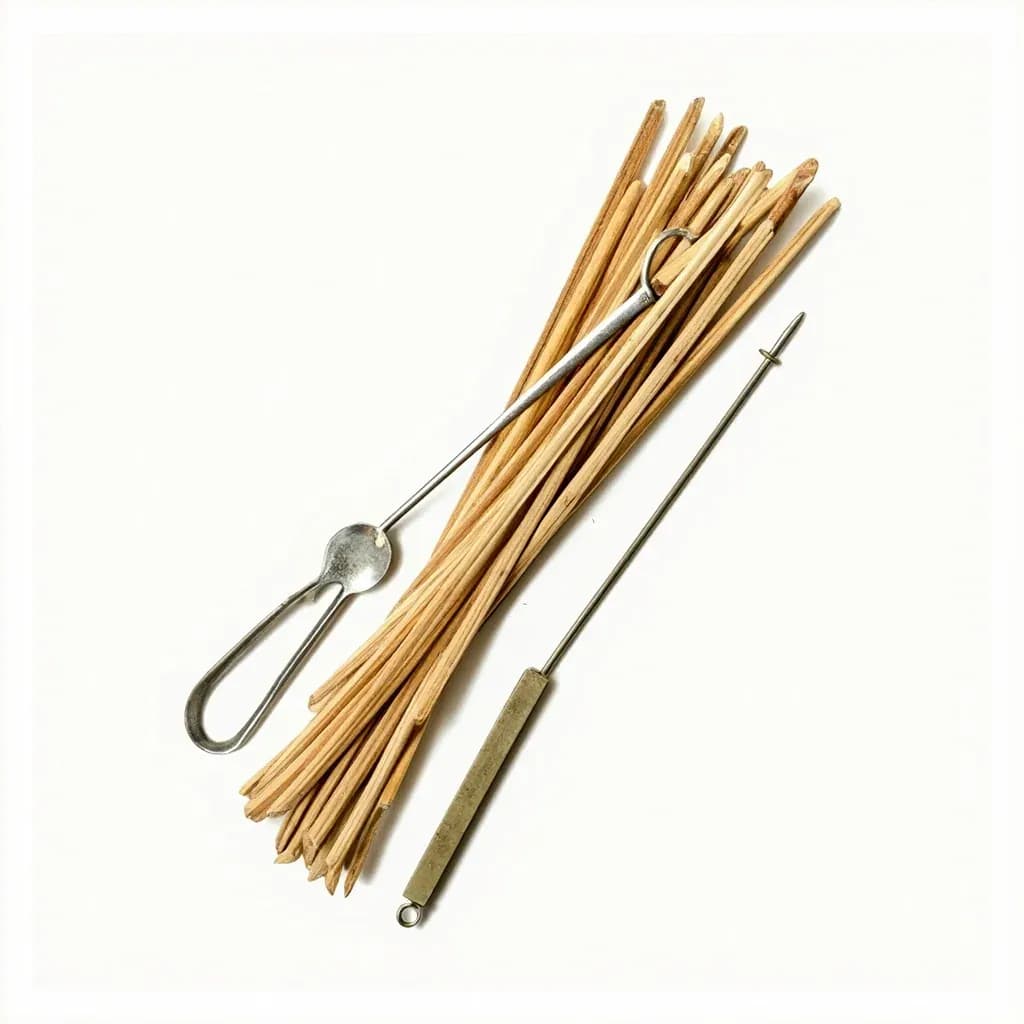
Skewer (Metal / Wooden / Bamboo)
Thin pointed rod that threads meat and vegetables for grilling, roasting, or testing doneness.
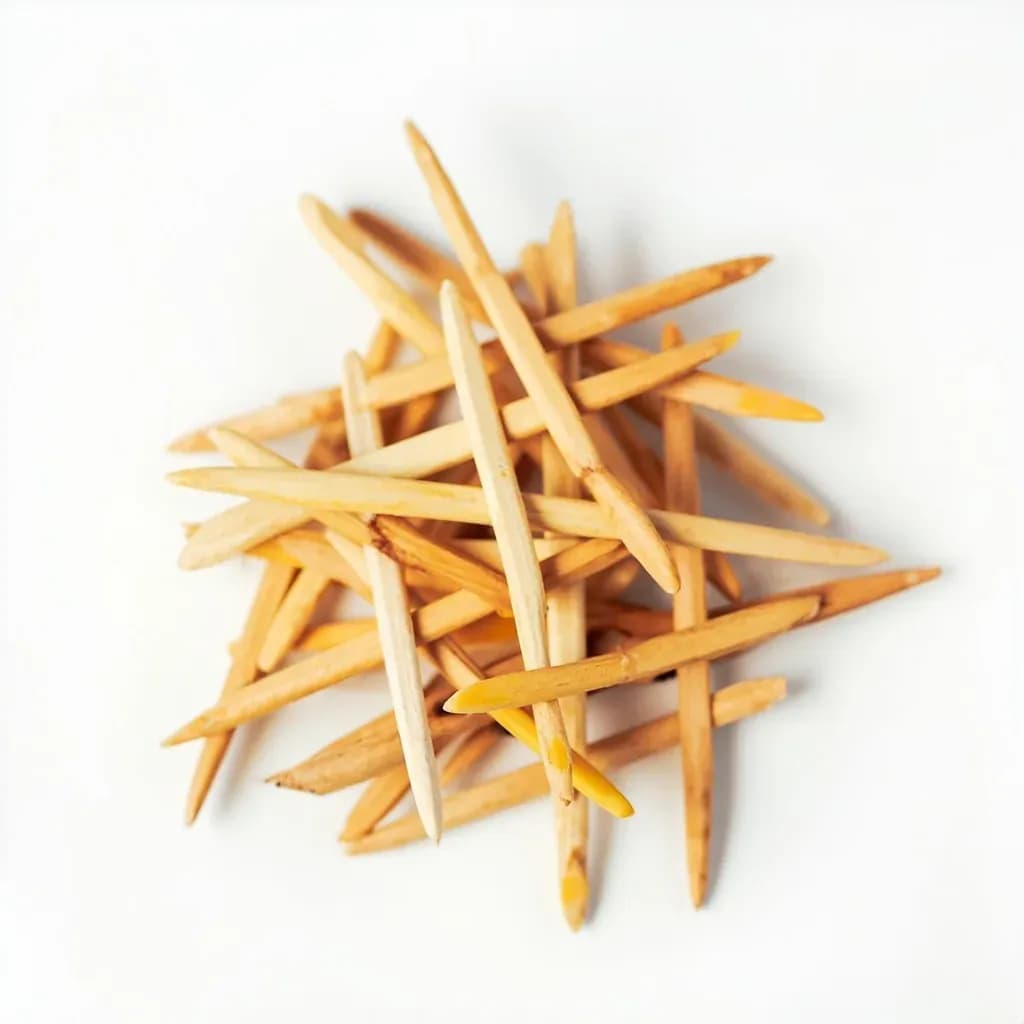
Toothpick
Small pointed wooden pick that pins rolled food shut and tests baked goods for doneness.
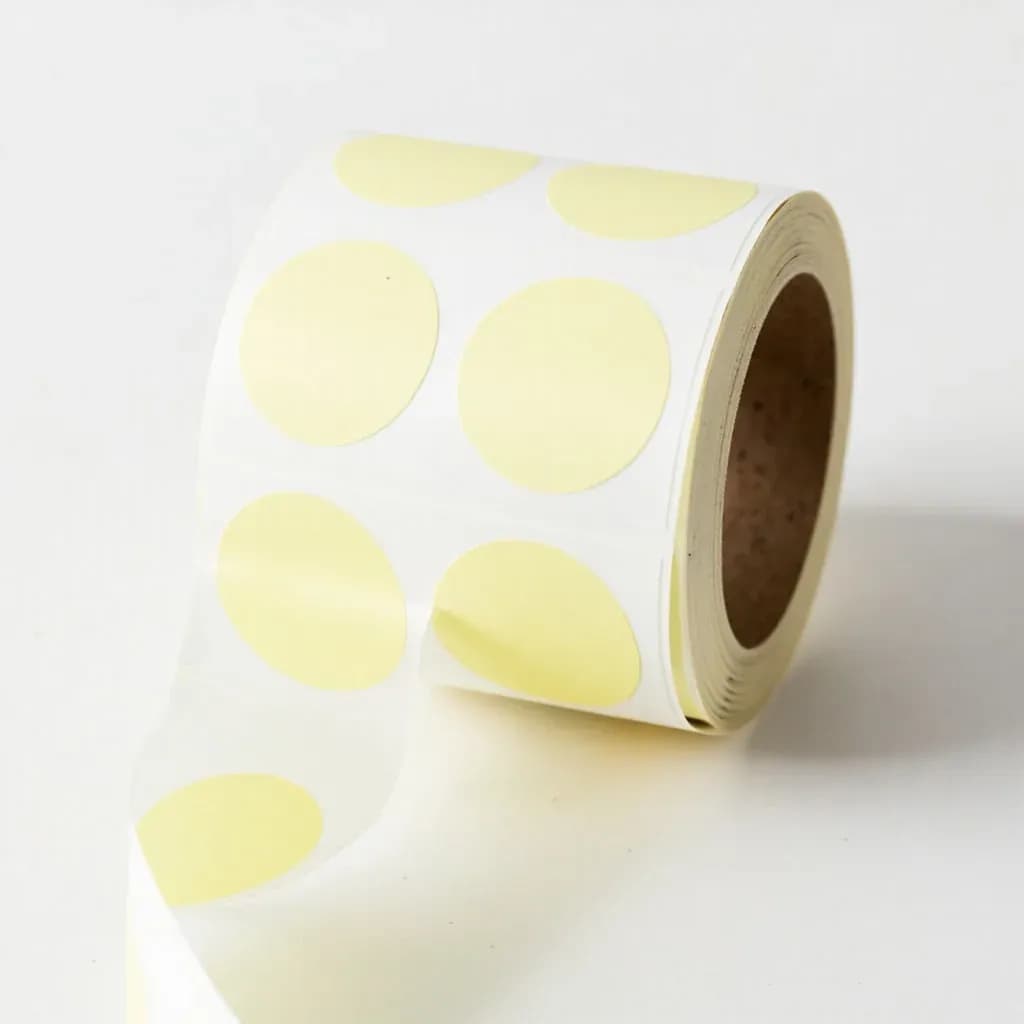
Food Storage Label (Day-Dot)
Stick-on label marking date, contents, or batch info for safe stock rotation.
Labeling Tape
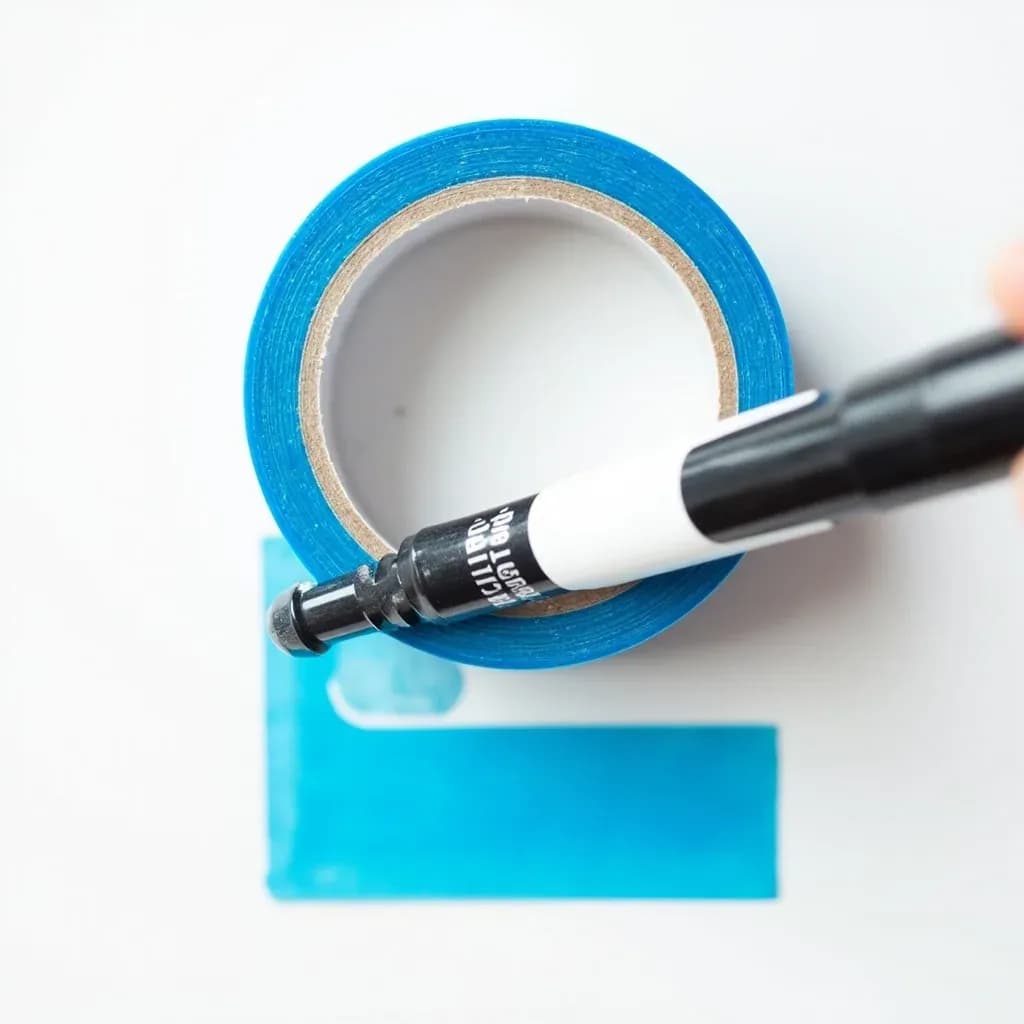
Write-on tape for marking containers with contents and dates, peeling off cleanly later.