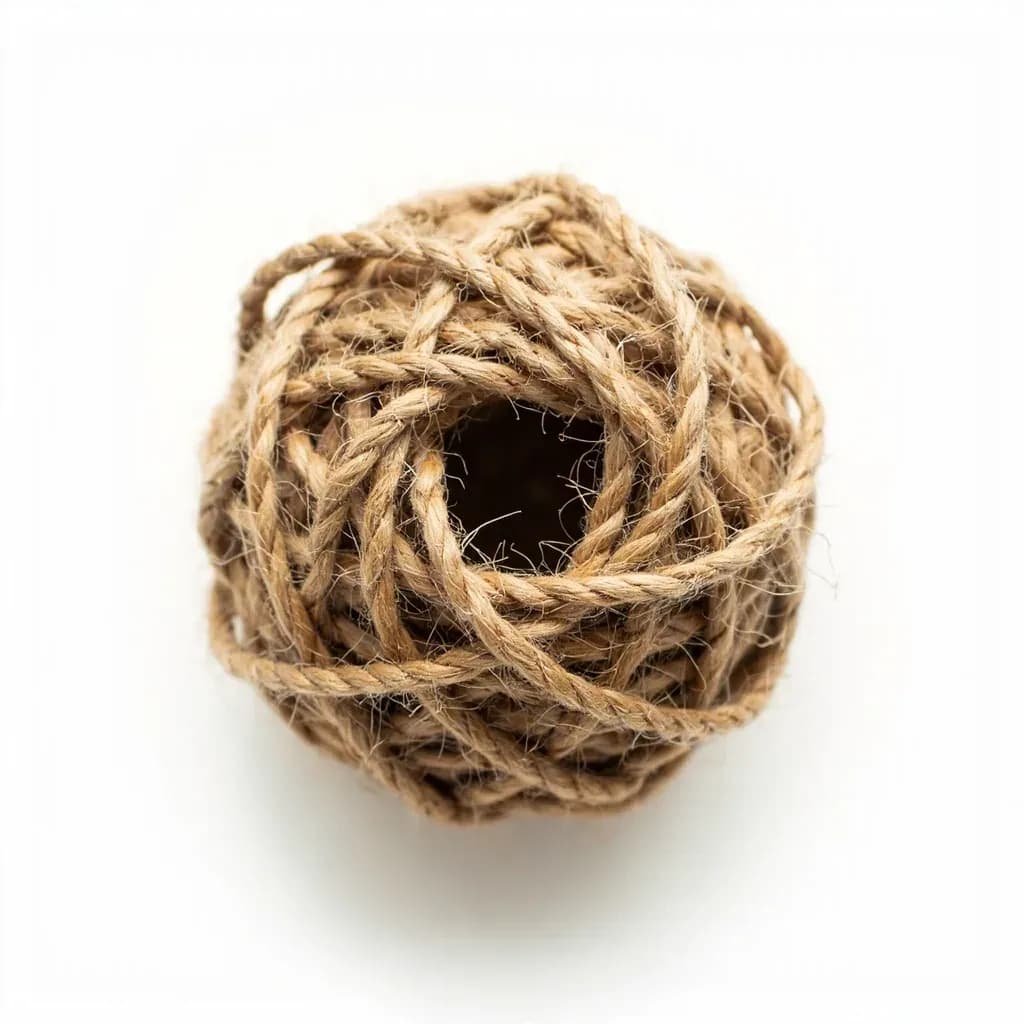
Tying & Fastening
Jute Twine
Natural plant-fiber string for tying bundles, wraps, and parcels in the kitchen.
Jute twine is a coarse natural-fiber string used to tie herb bundles, secure leaf-wrapped parcels, and bind sacks of dry goods. Plant-fiber twines like banana, sisal, and jute are common where cotton butcher's twine is scarce, and are often soaked before use near heat. For direct food contact during cooking, food-safe cotton twine is preferred over treated jute.
Jute twine is a coarse, tan-to-brown string spun from the bast fibers of plants in the genus Corchorus — chiefly C. capsularis (white jute) and C. olitorius (tossa jute) — grown primarily in the Ganges-Brahmaputra delta of India and Bangladesh, with secondary output in China, Myanmar, and Nepal. It is the second most-produced natural plant fiber in the world after cotton, which is why it is so cheap and so easy to find in hardware stores, garden centers, and even pantry aisles. In the hand it feels rougher and more hairy than cotton or linen kitchen twine, and it carries a noticeable earthy, plant-like odor that intensifies when wet or warmed.
In professional and reference cooking, jute is a secondary choice rather than the default. Cotton kitchen twine (the 'butcher's twine' sold at meat counters) and linen twine tolerate oven and grill temperatures far better; jute chars, sheds loose fibers, and can leave a grassy off-note in food. Its place in the kitchen is narrower but genuine: tasks where the twine is removed before cooking, where only moderate heat is involved, or where its grippy, rustic character is itself the point.
That grippy, fibrous surface is jute's defining working trait. It holds knots without slipping, which makes it useful for bundling herbs, braiding garlic and onions, hanging cured sausages, and tying parcels of leaves for steaming. It absorbs moisture readily, frays more readily than cotton, and transfers its earthy smell to pale or delicate foods more easily than smoother fibers. A cook who understands those properties can deploy jute to good effect; a cook who treats it as interchangeable with cotton will be frustrated by burnt ends and grassy broths.
Alternatives
Types & varieties
Lightest gauge; used for light bundling and craft work, less common in serious kitchen tasks.
Standard hardware-store form; the workhorse gauge for tying poultry, roasts, and herb bundles.
Chemically lightened for a cleaner, paler look; still jute, still not rated food-grade, still low heat tolerance.
Thicker, softer construction more often used in crafts, rustic wrapping, and table presentation than in cooking.
Coarse, untreated bundles sold for gardening; the roughest option and the one most likely to shed fibers into food.
Jute, cotton, or linen: choosing the right twine
The conventional hierarchy in butcher and charcuterie work runs from cotton (general purpose) to linen (highest heat) to jute (low heat, removed before serving, or decorative). The right choice depends on whether the twine stays on through cooking, how hot the cook gets, and what the finished dish looks like on the plate.
- Cotton kitchen twine (butcher's twine) — the standard for trussing poultry, tying roasts, and securing stuffed meats; rated for typical oven temperatures; smooth surface ties and unties cleanly.
- Linen twine — the most heat-tolerant natural option; preferred for grill work, high-heat roasts, and any task where the twine will see direct flame or sustained 400 °F+ heat.
- Jute twine — best for non-cooked or low-heat tasks (herb bundles, cured-goods hanging, parchment wraps, rustic presentation); grippy texture is an advantage for non-slip bundling but a liability under high heat.
- Synthetic twines (polyester, polypropylene) — strong and heat-tolerant but not biodegradable; some melt or off-gas; rarely preferred in serious home or professional cooking.
Common uses
Tips & pitfalls
- Reach for cotton kitchen twine or linen twine for any dish that cooks with the twine still on — jute chars at oven and grill temperatures and sheds loose fibers into food.
- If jute is all you have, untie or cut it off before browning, grilling, broiling, or finishing under high heat, and remove it before serving.
- Wet the working length of twine briefly before tying — damp jute is less prone to fraying and slipping than dry jute, and it tightens uniformly as it dries.
- Do not saw the twine into the meat; jute's hairy surface grips aggressively, so over-tightening cuts deeper than smoother cotton would at the same tension.
- Tie with a square knot and finish in a bow, not a tight double knot — once cinched, jute's grippy texture makes knots very difficult to undo without scissors.
- Trim tails short after tying so they do not singe, wick fat onto oven walls, or catch fire on a grill.
- Look for twine labeled for kitchen or food use; many jute products sold in hardware and garden stores are not graded for direct food contact and may carry machine oils or sizing.
- Store coiled and dry — jute absorbs moisture readily and mildews quickly in a damp kitchen or cellar, and a mildewed twine will transfer that smell to anything it touches.
- Jute's earthy smell is most noticeable on delicate or pale foods (poached chicken, white fish, vanilla custards) — use cotton or linen for those.
Good to know
- Material
- Natural bast fiber from plants of the genus Corchorus, mainly C. capsularis (white jute) and C. olitorius (tossa jute)
- Primary source
- India and Bangladesh (Ganges-Brahmaputra delta); also China, Myanmar, Nepal
- Color
- Natural tan to brownish; can be bleached lighter but remains jute fiber
- Texture
- Coarse, slightly hairy, and rougher than cotton or linen kitchen twine
- Heat tolerance
- Low — chars and burns at oven and grill temperatures; not suitable over direct flame
- Strength
- Moderate tensile strength; weaker wet than dry; less strong than hemp or linen of equal thickness
- Food contact
- Generally not rated food-grade; most cooks remove it before serving
- Common thicknesses
- Sold in 2-ply and 3-ply constructions, typically light (~1 mm) and medium (~2 mm) gauges
- Biodegradability
- Fully biodegradable and compostable
- Cost
- Inexpensive — among the cheapest natural fiber twines
Also called
banana-fiber-twine · banana-fiber · banana-stem-fiber · sisal-rope · plant-fiber twine
Related

Skewers
Thread meat and vegetables for kebabs and grilling

Toothpicks
Pin rolls shut and test cakes for doneness

Kitchen Twine
Food-safe string for trussing roasts and tying bundles

Butcher Paper
Breathable wrap for resting barbecue and storing meat
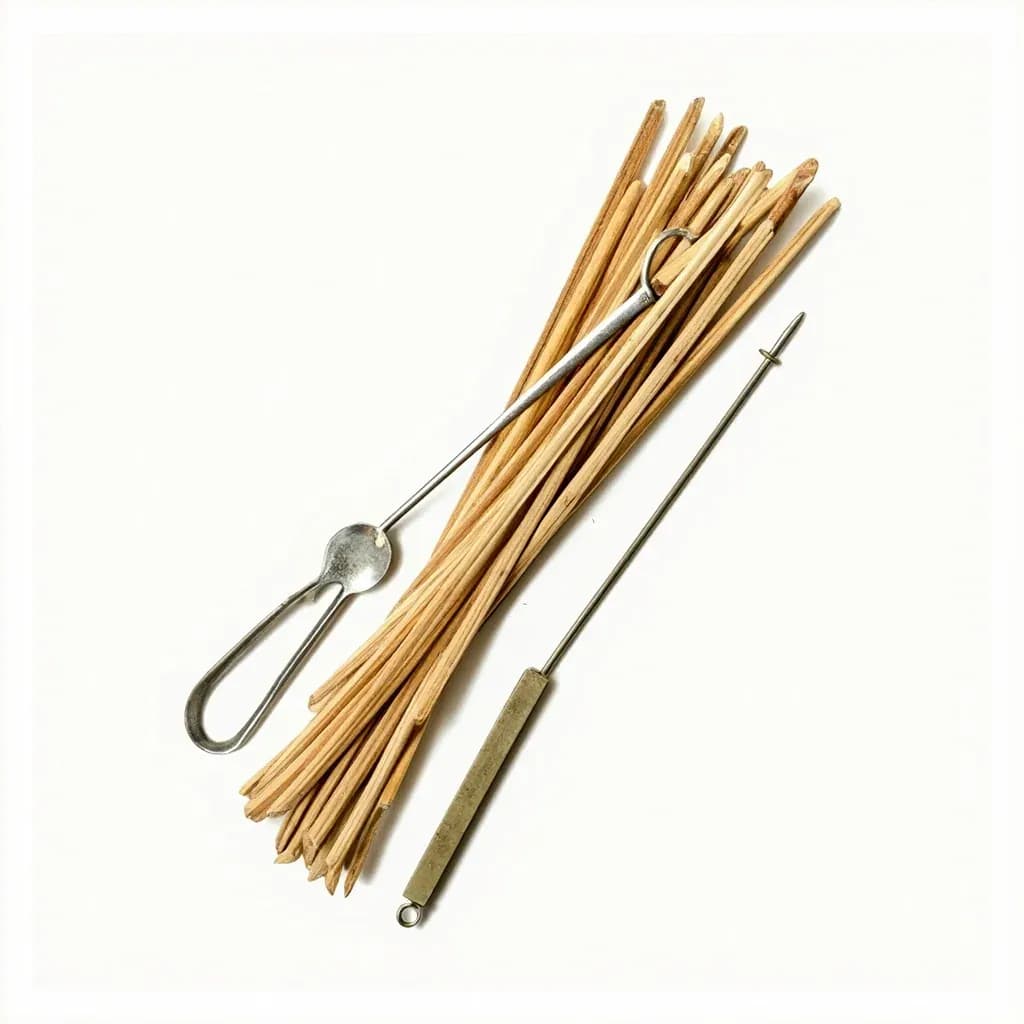
Skewer (Metal / Wooden / Bamboo)
Thin pointed rod that threads meat and vegetables for grilling, roasting, or testing doneness.
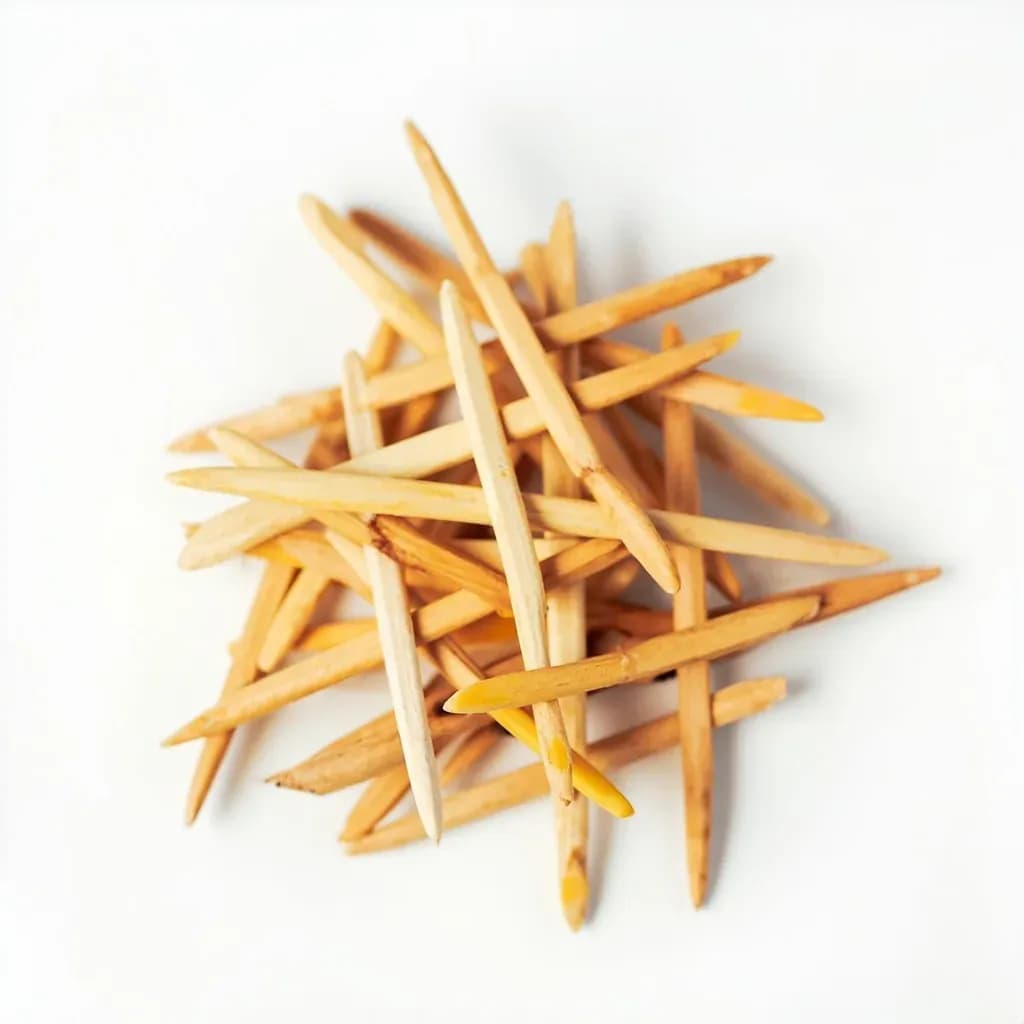
Toothpick
Small pointed wooden pick that pins rolled food shut and tests baked goods for doneness.
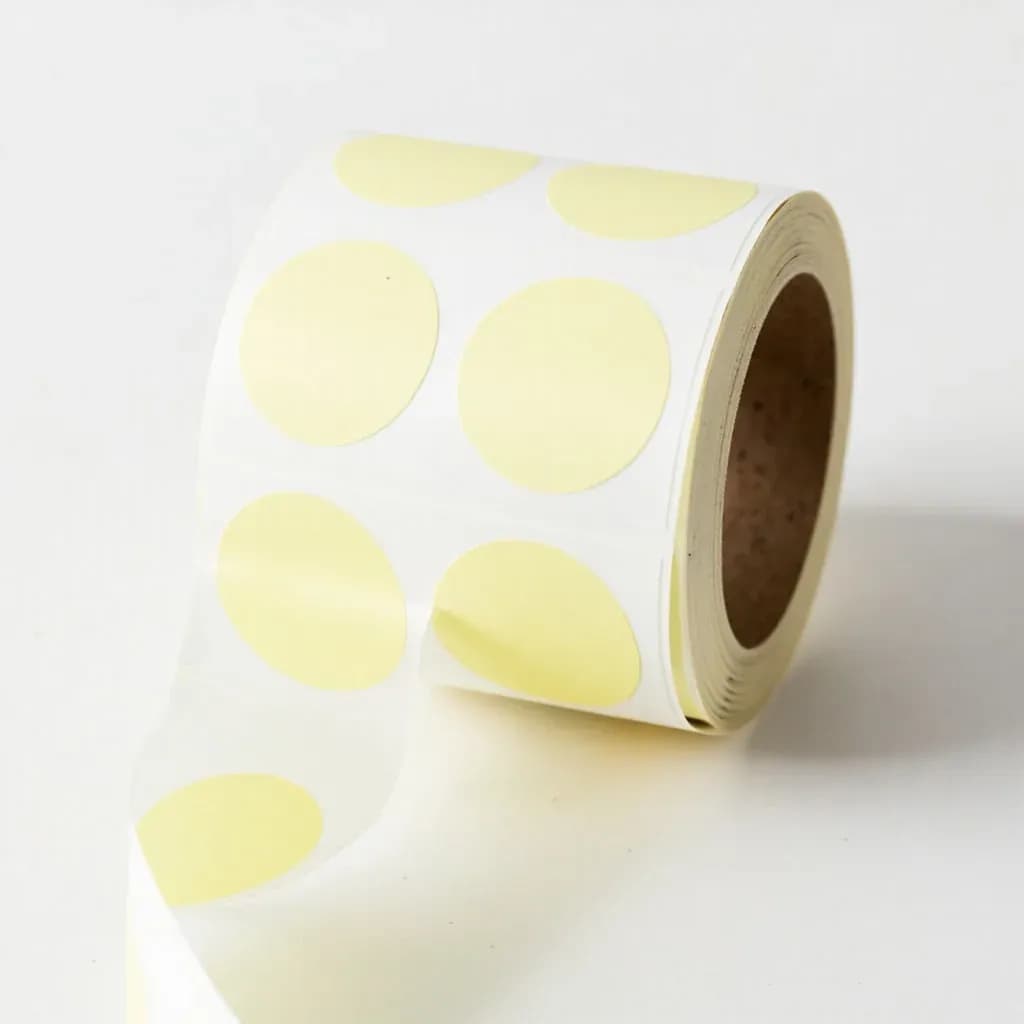
Food Storage Label (Day-Dot)
Stick-on label marking date, contents, or batch info for safe stock rotation.
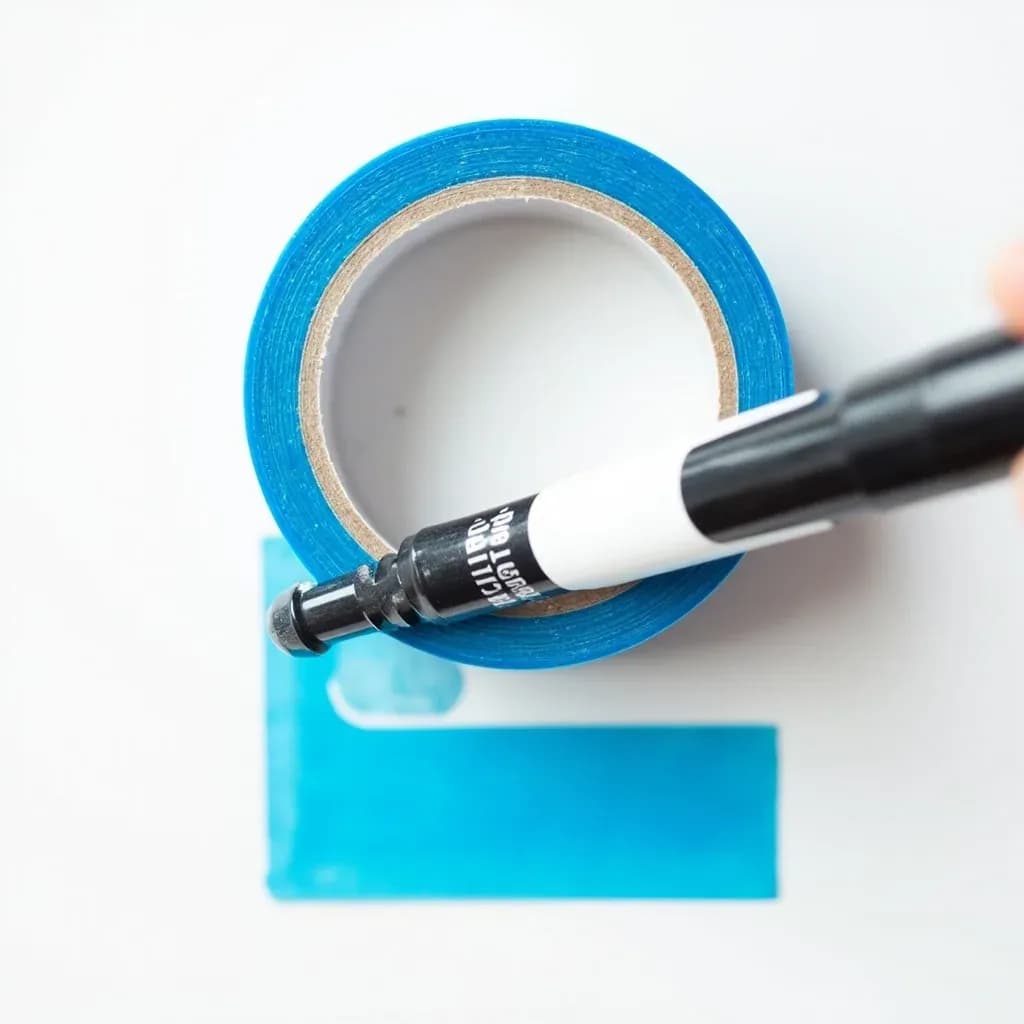
Labeling Tape
Write-on tape for marking containers with contents and dates, peeling off cleanly later.