Tying & Fastening
Lemongrass Stalk Skewer (for Sate Lilit)
A trimmed lemongrass stalk used as an aromatic skewer that perfumes minced-meat satay as it grills.
A lemongrass stalk skewer is a firm trimmed stem of lemongrass used in place of a wooden stick, classically for Balinese sate lilit. Seasoned minced meat or fish is molded directly around the stalk, which both holds the satay and releases citrusy aroma into the meat as it grills. The fibrous stalk doubles as flavoring and skewer, an edible-adjacent twist on the usual bamboo stick.
The lemongrass stalk skewer is the defining tool behind Sate Lilit, Bali's signature minced-meat satay. Unlike most satay — which threads chunks of meat onto bamboo — Sate Lilit (lilit meaning "to wrap around") is molded around a peeled section of fresh lemongrass stalk that does double duty as both a rigid handle and an aromatic infuser. As the meat grills over coconut-husk coals, the stalk's bruised oil glands release bright citrus-ginger perfume that penetrates the meat from the inside out, producing a satay that tastes of lemongrass even before any marinade enters the picture.
Choosing the right section of stalk is the craft that separates a good skewer from a splintery, bitter disappointment. The pale, pliable inner core — stripped of its tough green outer leaves — gives a section roughly 15–20 cm long that bends without snapping and grips minced meat without splitting. Properly prepared, the stalk tolerates direct grill heat well; most cooks still soak it briefly to slow charring and let the meat cook through before the wood blackens to carbon.
Where other Indonesian satay traditions (Madura, Padang) rely on bamboo skewers, Sate Lilit is identified specifically by the lemongrass stalk and the wrapped, rather than threaded, construction — making this tool a category of its own among regional grilling implements.
Alternatives
Types & varieties
Traditional approach: seasoned meat mixture molded directly onto a peeled, split lemongrass section. Maximum aroma, but structurally delicate — best for short skewers and patient grilling.
Modern practical hybrid: a soaked bamboo skewer provides the rigid core, with a thin strip of lemongrass wrapped or tied around it for flavor and the visual signature. Easier to turn and harder to snap.
Uses the pale, flexible upper portion of young stalks for delicate fish or chicken lilit; requires gentler heat and a short cooking time.
Sturdier, more fibrous bottom portion used straight as a stick; better for denser pork or beef mixtures and longer cooking times.
Selecting and Preparing the Stalk
The stalk you reach for matters as much as the meat mixture. Lemongrass has three distinct zones: a woody base too hard to bend, a pale and pliable middle section roughly 15–20 cm long, and a thin green top that is watery and too delicate to hold weight. Aim for the middle. Strip the tough outer leaves by folding them back and snapping them off at the seam until you reach the ivory core; this is where the essential oil sits, and the green layers contribute bitterness rather than fragrance.
- Trim the ends with a sharp knife or cleaver to make clean cuts — splintered fibers grip meat poorly.
- Bruise the section firmly with the flat side of a heavy blade or a rolling pin to rupture the oil cells; you should smell lemongrass within seconds.
- If the stalk is thick, split it lengthwise once to flatten it and increase the surface area in contact with the meat.
- Soak prepared skewers in cold water for 10–15 minutes before grilling to slow scorching.
Molding the Meat Onto the Stalk
Sate Lilit is bound by adhesion rather than by skewering. The meat mixture — typically minced pork, chicken, mackerel, or beef combined with grated coconut, coconut cream, shallots, garlic, candlenut, chilies, coriander seed, and kaffir lime — contains enough fat and coconut solids to stick to the bruised stalk when compressed firmly with damp hands. A compact, uniform layer about 1–1.5 cm thick cooks evenly and stays put; heavy mounds detach at the first turn. Coconut cream brushed on the outside during grilling both prevents sticking to the grate and complements the lemongrass aromatics already infusing from within.
Common uses
Tips & pitfalls
- Choose the middle of the stalk — woody at the base will not bend, and the very top is too tender and watery to hold meat.
- Strip the tough green outer leaves until you reach the pale, pliable inner core; the green layers add bitterness rather than fragrance.
- Bruise the stalk firmly with the flat of a heavy knife or a rolling pin to rupture the oil cells before molding meat around it.
- Pat the meat mixture firmly and compress it onto the stalk so it adheres; grated coconut and coconut cream in the base help it bind.
- Soak prepared skewers in cold water for 10–15 minutes before grilling to slow scorching of the lemongrass over high heat.
- Brush lightly with coconut oil rather than neutral oil — it complements the aromatics and prevents sticking to the grate.
- Avoid thick mounds: a uniform layer about 1–1.5 cm cooks evenly and stays on the skewer; heavy piles fall off during turning.
- Cook over medium coals and rotate frequently so the meat cooks through before the stalk carbonizes; very high direct flame will scorch the lemongrass before the center is done.
Good to know
- Origin
- Bali, Indonesia; the signature skewer for Sate Lilit, a minced-meat satay
- Material
- Fresh lemongrass stalk (Cymbopogon citratus), called sereh in Indonesian
- Usable length
- 15–20 cm per skewer, trimmed from a single full stalk
- Yield per stalk
- Roughly 1–2 usable skewer sections per full stalk, depending on thickness
- Function
- Acts as both skewer (or wrapping core) and aromatic infuser during grilling
- Typical grill setup
- Charcoal grill, often fueled with coconut husks for smoky, high heat
- Storage
- Fresh stalks keep 2–3 weeks refrigerated wrapped in damp paper; frozen several months
- Cultural note
- Lilit means "to wrap around"; the meat is molded around the stalk rather than threaded through it
Also called
Lemongrass Skewer · Serai Skewer · Sate Lilit Stick
Related

Skewers
Thread meat and vegetables for kebabs and grilling

Toothpicks
Pin rolls shut and test cakes for doneness

Kitchen Twine
Food-safe string for trussing roasts and tying bundles

Butcher Paper
Breathable wrap for resting barbecue and storing meat
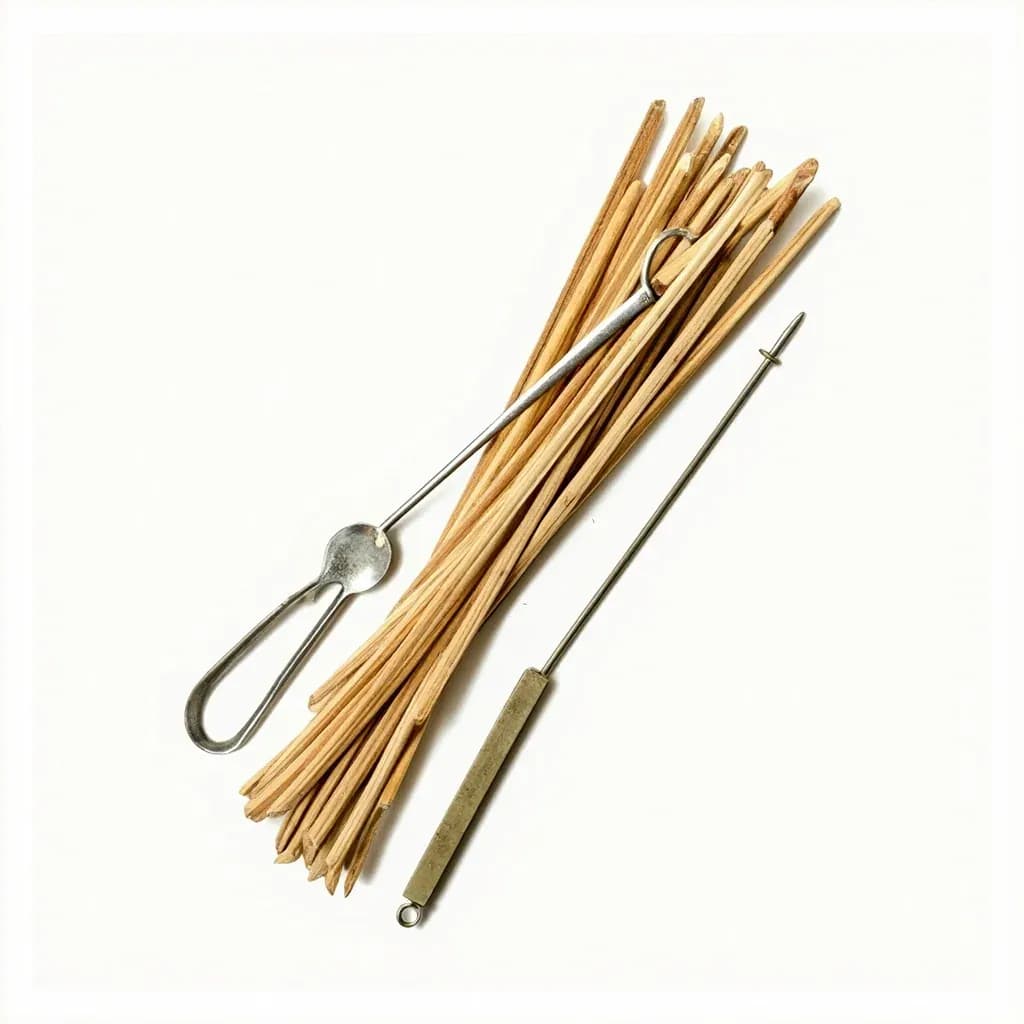
Skewer (Metal / Wooden / Bamboo)
Thin pointed rod that threads meat and vegetables for grilling, roasting, or testing doneness.
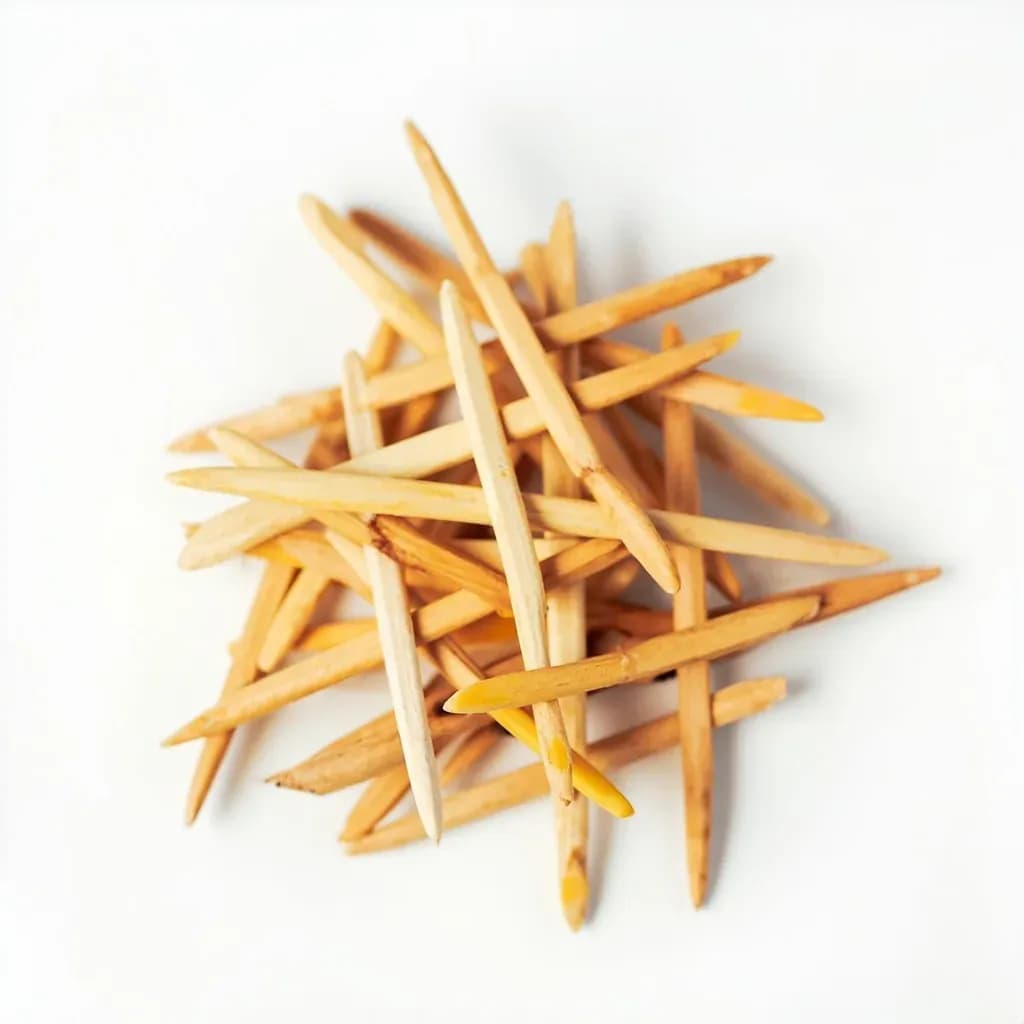
Toothpick
Small pointed wooden pick that pins rolled food shut and tests baked goods for doneness.

Food Storage Label (Day-Dot)
Stick-on label marking date, contents, or batch info for safe stock rotation.
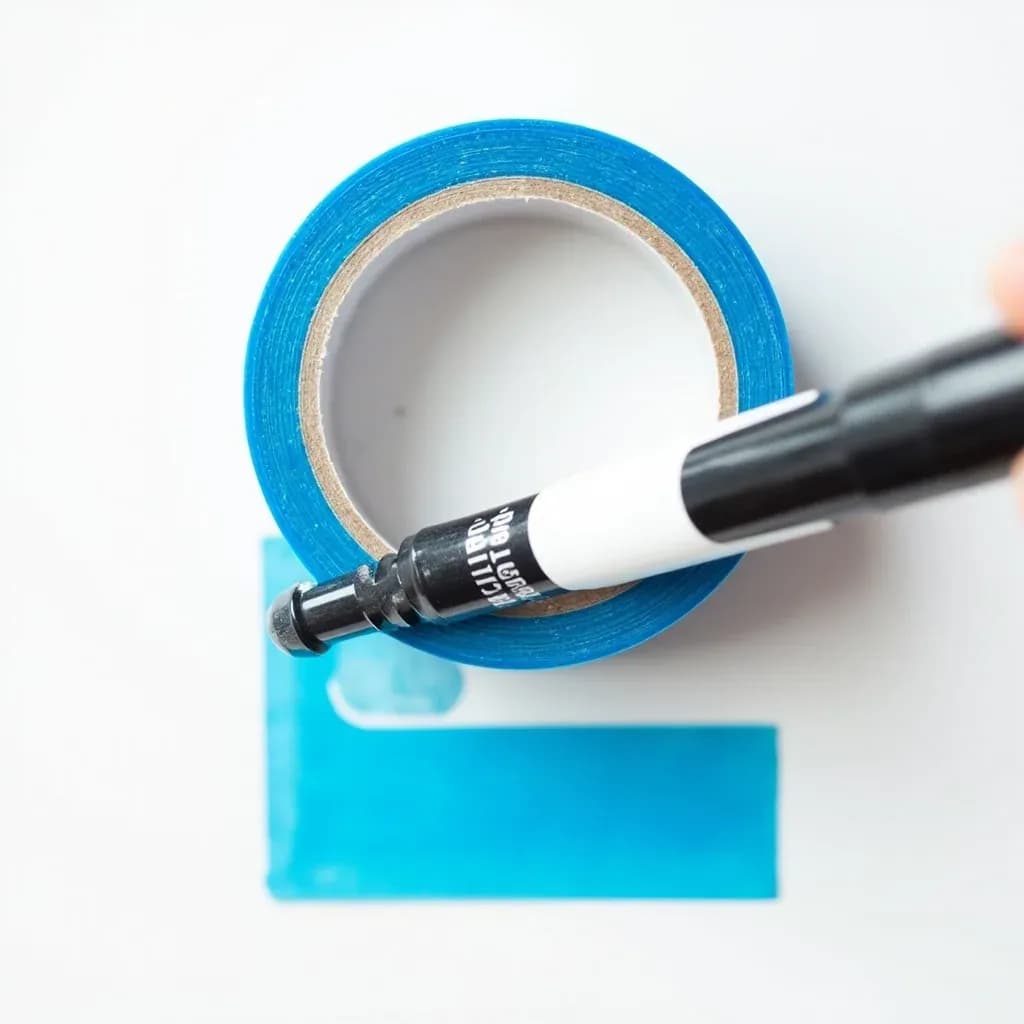
Labeling Tape
Write-on tape for marking containers with contents and dates, peeling off cleanly later.