Tying & Fastening
Masking Tape & Label
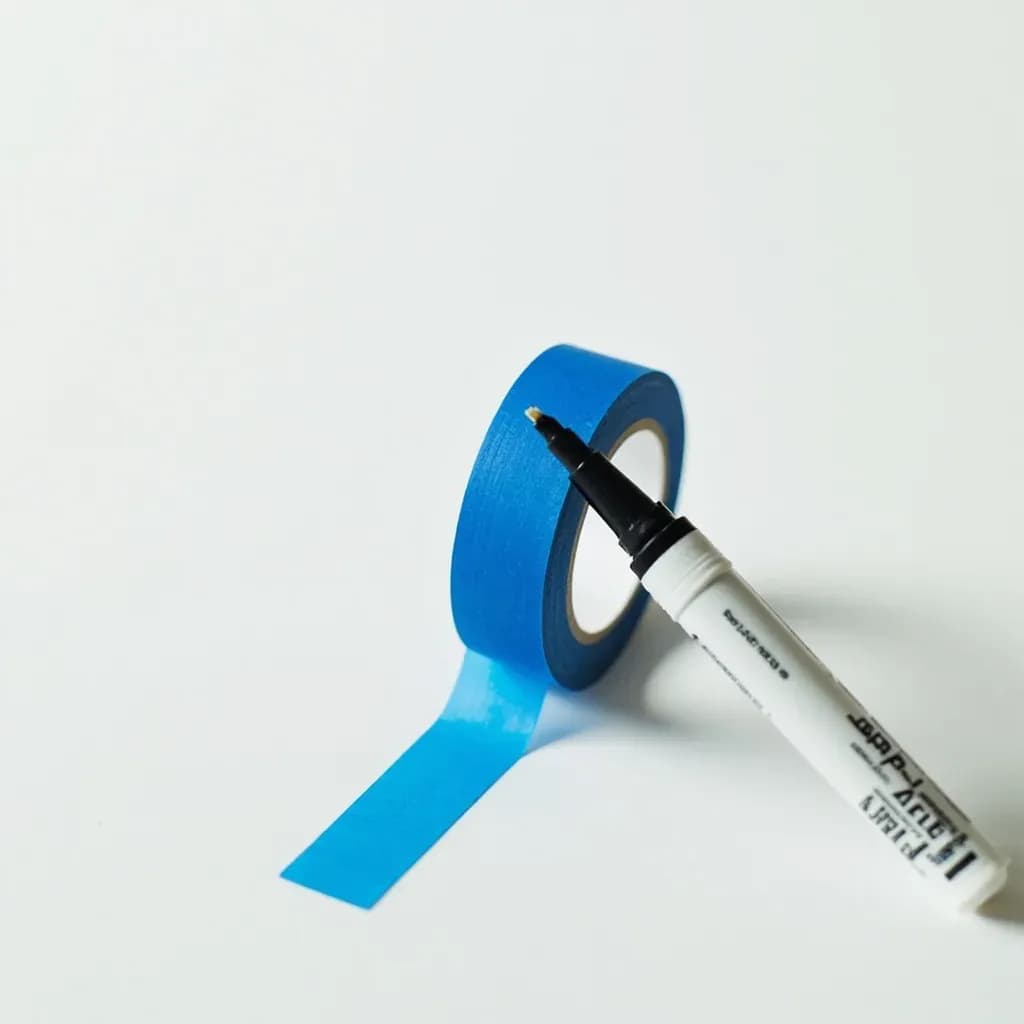
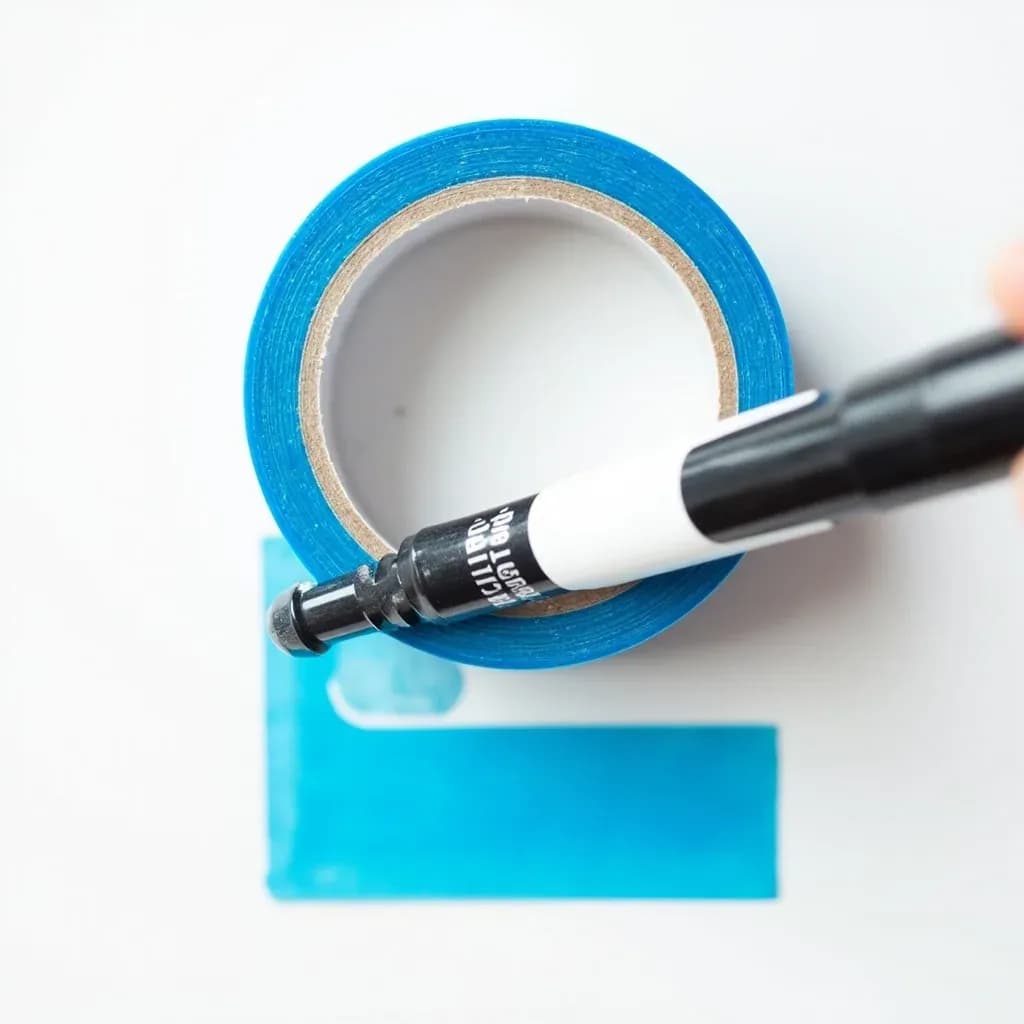
Removable tape written on to date and label containers, prep bins, and leftovers.
Masking tape and label is the workhorse of kitchen labeling: a strip of removable paper tape marked with contents and a date. Cooks slap it on prep containers, sauce squeeze bottles, and walk-in bins so everything is dated for rotation and food safety. It peels off cleanly when the container is washed, which is why it beats permanent labels for daily mise en place.
Masking tape — usually the tan crepe-paper kind or its cleaner-release cousin, blue painter's tape — is the de facto labeling system in working kitchens. A roll costs a few dollars, tears by hand, accepts a permanent marker without bleeding, and peels off most hard, dry surfaces without tools. That combination of cheapness, removability, and writability is why cooks reach for it before any other label: it solves the daily problem of identifying what's in a Cambro, when it was prepped, and who put it there.
In a professional brigade, masking tape is the substrate that makes FIFO (first-in, first-out) rotation actually work. Strips go on hotel pans, deli tubs, lowboy bins, squeeze bottles, and walk-in buckets, carrying prep dates, use-by dates, cook initials, and contents. The system is low-tech but only effective if the format is consistent across the kitchen — a single agreed-upon date convention and a habit of writing before sticking, so the marker never touches the container itself.
For a home cook, a single roll of 1-inch blue painter's tape and a fine-point permanent marker covers the great majority of leftover dating, freezer inventory, and prep-bin labeling. The two habits that turn it from a sticky strip into a real system are using one house-wide date format (ISO 8601, YYYY-MM-DD, which removes all ambiguity) and writing the prep date, not the use-by date, so the cook reaching for the container last never has to do math.
Alternatives
Types & varieties
The original crepe-paper tape; inexpensive, tears easily by hand, but tends to leave gummy residue on plastic after a day or two.
Multi-surface removable tape (3M ScotchBlue and similar); the modern professional-kitchen default because it pulls cleanly from polycarbonate, polypropylene, and stainless.
Rubber-based adhesive formulated to bond at 0 °F / –18 °C; sticks through freezer storage on deli containers and foil.
Paper labels with a starch-based adhesive used on deli and rotisserie containers; rinse off in the dish pit, no scraping needed.
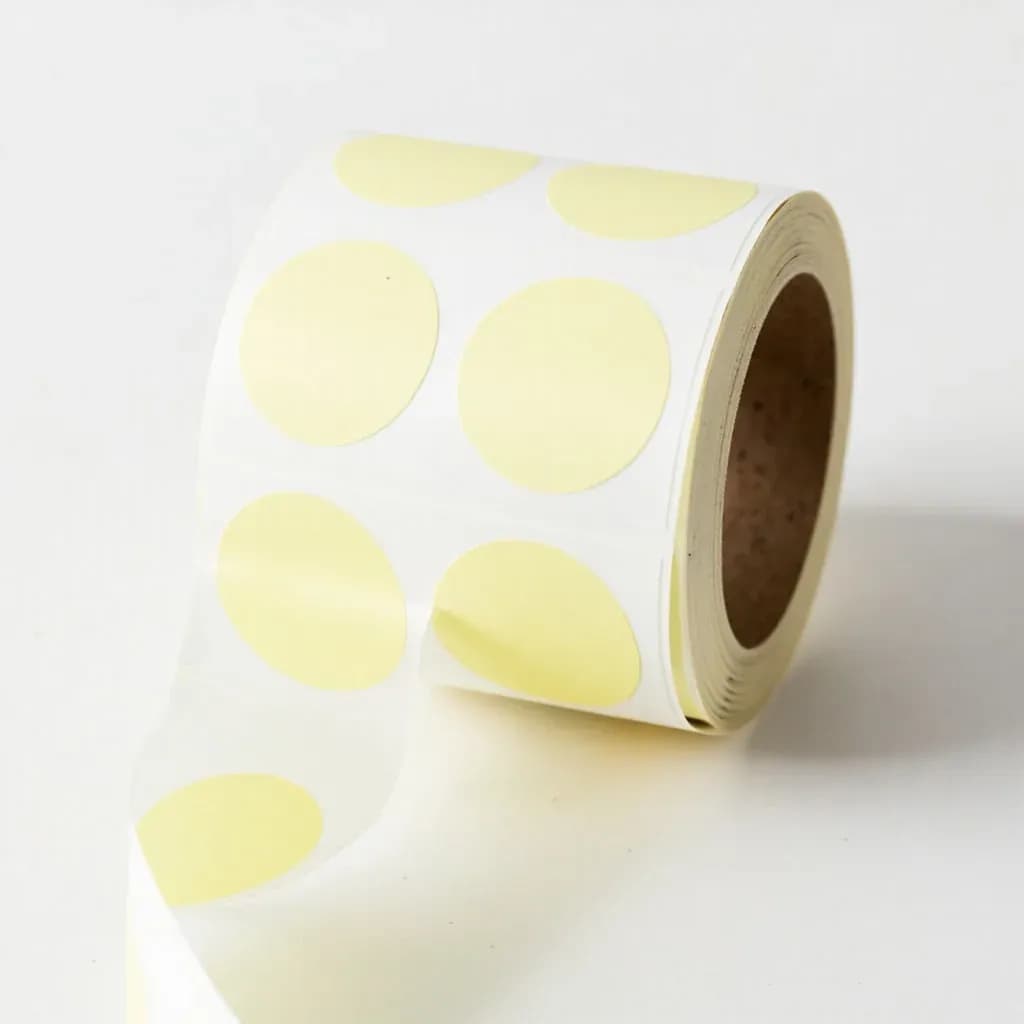
Color-coded round labels (Sun–Sat) that enforce a 7-day shelf-life rotation on prepped and par-cooked items.
Rolls with USE BY, PREP, THAWED, and date-grid lines pre-printed; speeds up line labeling in high-volume kitchens.
Setting up a labeling system that actually gets used
A roll of tape on a shelf is not a system. The kitchens that label reliably run on three small habits: a single date format, a single marker type at every station, and a written rule about what goes on the strip. The simplest workable rule is: write the date the item went into the container (prep, cook, or thaw date) plus the cook's initials and a short contents description. The use-by date is then derived from a posted shelf-life chart, not written on the tape, so the label never has to be re-written when policy changes.
- Post a one-page shelf-life chart at the prep station so cooks don't have to memorize how long cooked rice, raw proteins, or deli salads last.
- Stock the same marker (a fine-point Sharpie) at every station — color and brand consistency makes missing labels instantly obvious.
- Mount a tape dispenser at the prep line; the friction of pulling tape off a roll is the single biggest reason labels get skipped.
- Train new cooks on the format during their first week and audit a random Cambro in the walk-in at the end of every shift for the first month.
Choosing the right tape for the job
The two variables that decide which tape to grab are surface and duration. For dry, hard plastic or stainless containers that will be washed within a day, standard tan masking is fine and is the cheapest option. For anything that sits longer than 24 hours — leftover hotel pans, prepped proteins, anything going to the walk-in — blue painter's tape earns its few extra cents by releasing cleanly and saving the dish pit from scrubbing residue. For the freezer, only freezer-rated tape will hold; the rubber adhesive in standard masking goes brittle and falls off at sub-zero temperatures.
- Cambro polycarbonate and polypropylene: standard masking for under 24 h, blue painter's tape for longer holds, freezer tape below 0 °F / –18 °C.
- Stainless steel hotel pans and sheet pans: blue painter's tape is safest; residue on stainless shows up under the pass lights.
- Glass and deli containers: any of the three, but dissolvable labels are preferred in retail and foodservice deli operations for dish-pit speed.
- Equipment and cutting boards: use a distinct color (often green or red) reserved for sanitation tags so it can't be confused with date labels.
Common uses
Tips & pitfalls
- Adopt one house date format — YYYY-MM-DD — and write it identically every time; this kills the 03/04 vs 04/03 ambiguity in any mixed brigade.
- Use a permanent alcohol-based marker, never a ballpoint; ballpoint skips on crepe paper and washes off in a steamy walk-in.
- Pre-strip a dozen lengths onto the edge of a speed rack or a tape dispenser before service so line cooks can grab-and-write without unspooling the roll.
- Switch to blue painter's tape for any container that will sit more than 24 hours; it releases cleanly from polycarbonate and polypropylene where standard masking leaves gummy residue on Day 2.
- Use freezer-specific tape for anything going into the walk-in freezer; standard masking adhesive stiffens and pops off below freezing.
- Always include cook initials alongside the date — initials make it possible to trace a labeling habit back to one person during a health-department review.
- Replace tape strips on long-stored containers rather than writing over them; layered marker ink becomes unreadable and the old adhesive weakens.
- Avoid taping over wet or condensation-covered surfaces; the adhesive won't bite. Dry the spot with a clean towel first.
- For deep-clean or maintenance tags, write on the tape before sticking it so the marker never bleeds onto the equipment surface.
- Discard and re-tape rather than peeling and re-using — used tape loses tack, curls at the corners, and invites contamination.
Good to know
- Category
- Tying & fastening / Kitchen supply
- Invented
- 1925 by Richard Drew at 3M, originally for automotive paint masking
- Material
- Crepe paper backing with a rubber- or acrylic-based pressure-sensitive adhesive
- Typical widths
- 1/2 in (12 mm), 3/4 in (19 mm), 1 in (25 mm), 2 in (50 mm)
- Adhesion
- Removable; designed to peel off cleanly from hard, dry surfaces for up to several days
- Temperature range
- Standard masking holds to roughly 60–200 °F (15–93 °C); freezer-grade tape is rated for sub-zero use
- Best marker
- Permanent alcohol-based marker (Sharpie or equivalent); ballpoint smears on crepe paper
- House date format
- ISO 8601 (YYYY-MM-DD) — the professional-kitchen convention for unambiguous FIFO dating
- Residue behavior
- Standard masking can leave adhesive ghosting after 3+ days; blue painter's tape is engineered to release cleanly
- Cost
- Pennies per foot — a roll of 1 in × 60 yd typically under $5
Also called
Painters Tape Labels · Masking Tape and Labels · Prep Tape · Day-Dot Tape
Related

Skewers
Thread meat and vegetables for kebabs and grilling

Toothpicks
Pin rolls shut and test cakes for doneness

Kitchen Twine
Food-safe string for trussing roasts and tying bundles

Butcher Paper
Breathable wrap for resting barbecue and storing meat
Skewer (Metal / Wooden / Bamboo)
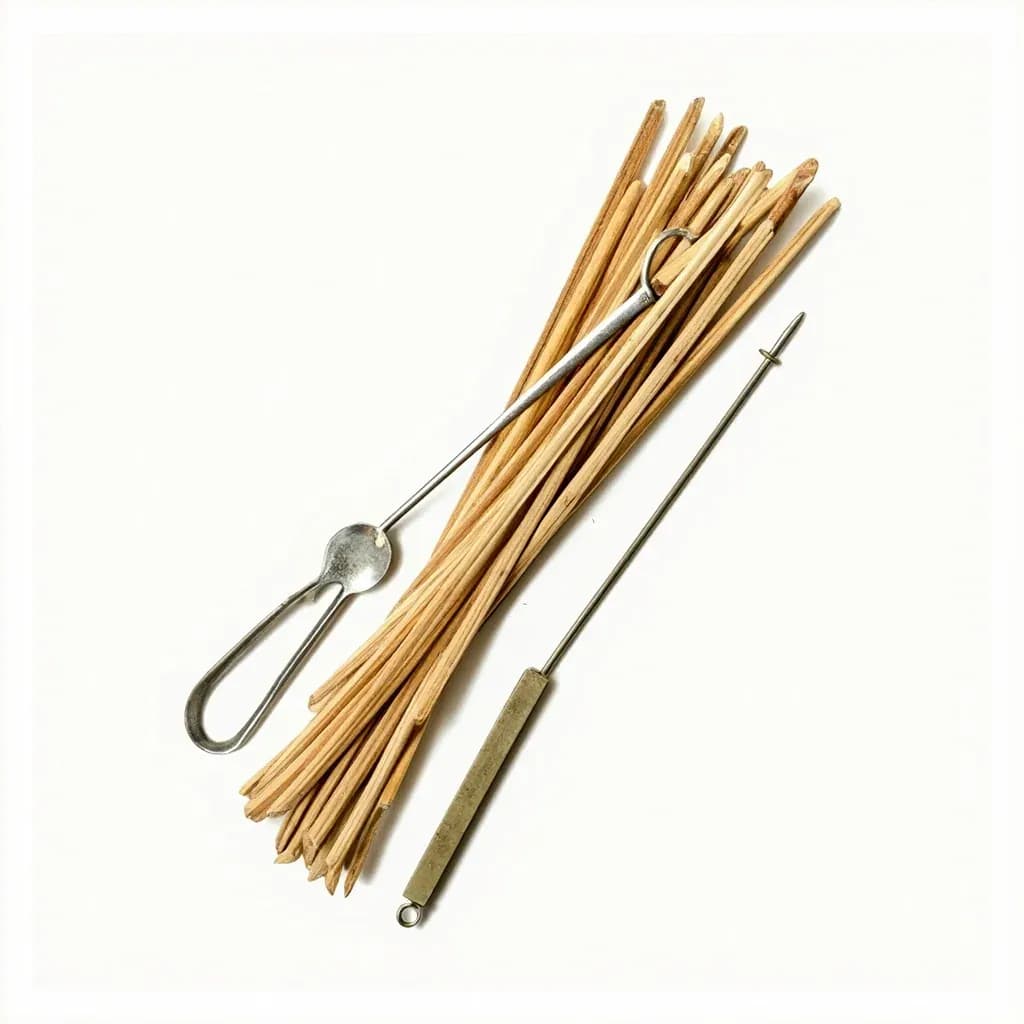
Thin pointed rod that threads meat and vegetables for grilling, roasting, or testing doneness.
Toothpick
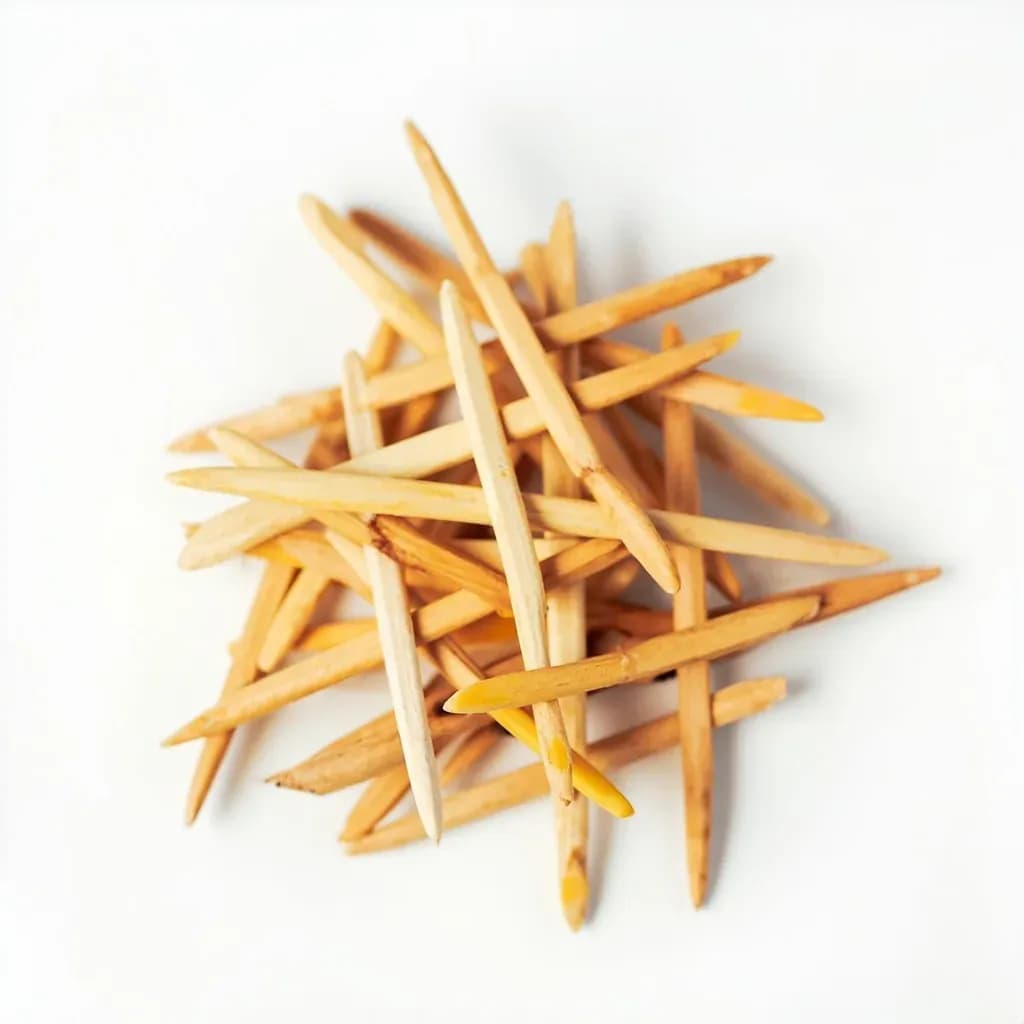
Small pointed wooden pick that pins rolled food shut and tests baked goods for doneness.
Food Storage Label (Day-Dot)
Stick-on label marking date, contents, or batch info for safe stock rotation.
Labeling Tape
Write-on tape for marking containers with contents and dates, peeling off cleanly later.