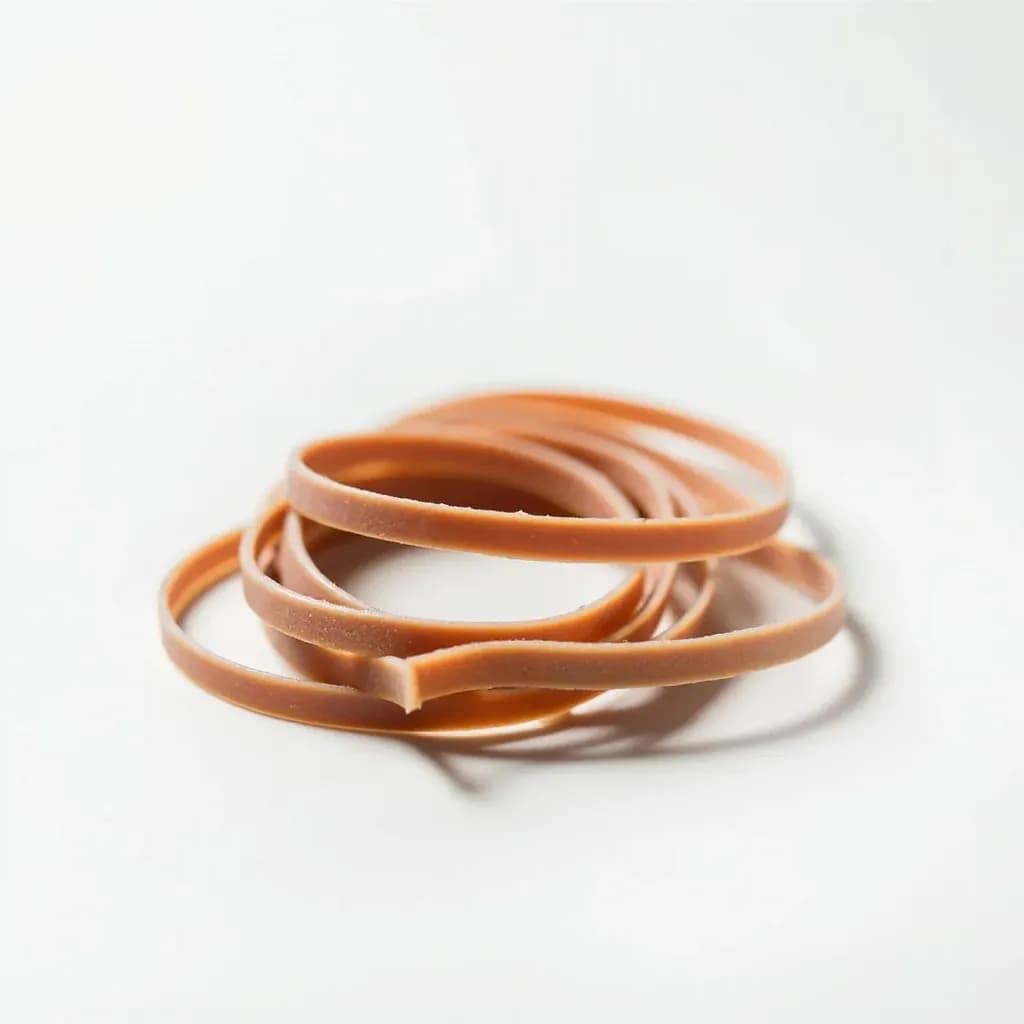
Tying & Fastening
Rubber Band
An elastic loop for sealing bags, bundling herbs, and securing container lids.
Rubber bands are stretchy elastic loops used in the kitchen to close opened bags, bundle herbs or asparagus, and hold lids and wraps in place. They give a quick reusable seal where a clip or tie is not handy. Heat and oil degrade them, so they belong on cold or dry storage rather than near the stove.
A rubber band is an elastic loop of stretched elastomer that holds, seals, and bundles items in the kitchen. Though humble, it is one of the most versatile and inexpensive tools in any cook's arsenal — it preserves pantry staples, organizes prep, extends produce life, and enforces food-safety rotation. The critical culinary consideration is material: standard office rubber bands contain petroleum residues and plasticizers that can migrate into food, so any band touching food directly must be explicitly labeled food-grade, FDA-compliant, or kitchen-safe. Beyond safety, material choice governs performance: natural rubber tolerates light tasks well but degrades in heat and cold, while silicone bands withstand freezer and microwave temperatures without cracking or leaching. Maintaining a small assortment of food-safe bands in a few sizes pays off daily in a well-organized, waste-reducing kitchen.
Alternatives
Types & varieties
Standard elastic; avoid for food contact if latex allergy is a concern
Latex-free alternative; oil-resistant and durable; preferred in professional kitchens for food-safe applications
Heat-resistant to ~400°F; microwave and freezer safe; most inert option for direct food contact
Used in commercial kitchens; colors indicate days of week for FIFO food-rotation tracking
Stretch lids that replace single-use plastic wrap and rubber bands for sealing bowls and containers; highly durable and food-safe
Choosing the Right Band for the Job
Not all rubber bands behave the same under kitchen conditions. Match the band material to the environment your food will encounter.
- For room-temperature pantry storage (dried goods, grains, snacks): natural rubber or nitrile bands are sufficient and cost-effective.
- For freezer use or items that will be submerged in ice water: silicone bands are the only reliable choice; natural rubber cracks and loses elasticity at freezing temperatures.
- For microwave tasks such as covering a bowl of reheated food: silicone bands are heat-stable; never use standard rubber in a microwave.
- For direct food contact (wrapping a cut melon half, bundling herbs): use nitrile or silicone; both are food-safe and latex-free.
Common uses
Tips & pitfalls
- Purchase rubber bands specifically marketed as food-safe or kitchen-grade; they are formulated without petroleum residues or harmful plasticizers that can migrate into food
- Wrap a rubber band twice around a bag opening, then fold the bag back over the band for a more secure, airtight seal than a single wrap alone
- For sealing glass jars with metal lids, stretch the band horizontally around the lid's circumference to keep the seal from popping during cold storage
- Keep a small assortment of sizes in a kitchen drawer: small (#10–16) for herbs and light tasks, medium (#32–64) for standard bag sealing, large (#80+) for jars and bundling
- Use silicone bands instead of rubber when the sealed item will contact heat (e.g., securing a spice sachet in simmering liquid) or extreme cold (freezer storage)
- Color-coded bands are an inexpensive food-safety tool: assign each color to a day of the week and apply to prepared foods; discard any item whose band color is outdated
- Replace rubber bands that feel sticky or look cracked—degraded bands leave sticky residue on food and containers and may no longer be food-safe
- Common mistake: using a rubber band that is too small and too tightly stretched, which can tear paper bags or crush delicate produce like fresh herbs
- For a nonslip cutting board surface, wrap a band around each corner of the board; the slight grip prevents sliding on tile or stainless steel counters
Good to know
- Material
- Natural rubber (latex) or synthetic elastomers; food-safe versions use FDA-compliant formulations
- Common Sizes
- 1/4" to 4" flat width (unstretched); sized by number (e.g., #12, #32, #64)
- Food-Safety Note
- Standard office rubber bands are NOT rated for food contact; use only bands labeled food-grade or explicitly safe for culinary use
- Heat Sensitivity
- Natural rubber degrades and becomes brittle when exposed to heat, light, or ozone; store in a cool, dark place
- Latex Allergies
- Natural rubber bands contain latex proteins; use nitrile or silicone alternatives in allergen-sensitive kitchens
- Shelf Life
- Approximately 2–3 years when stored properly; replace if sticky, cracked, or hardened
Also called
elastic band
Related

Skewers
Thread meat and vegetables for kebabs and grilling

Toothpicks
Pin rolls shut and test cakes for doneness

Kitchen Twine
Food-safe string for trussing roasts and tying bundles

Butcher Paper
Breathable wrap for resting barbecue and storing meat
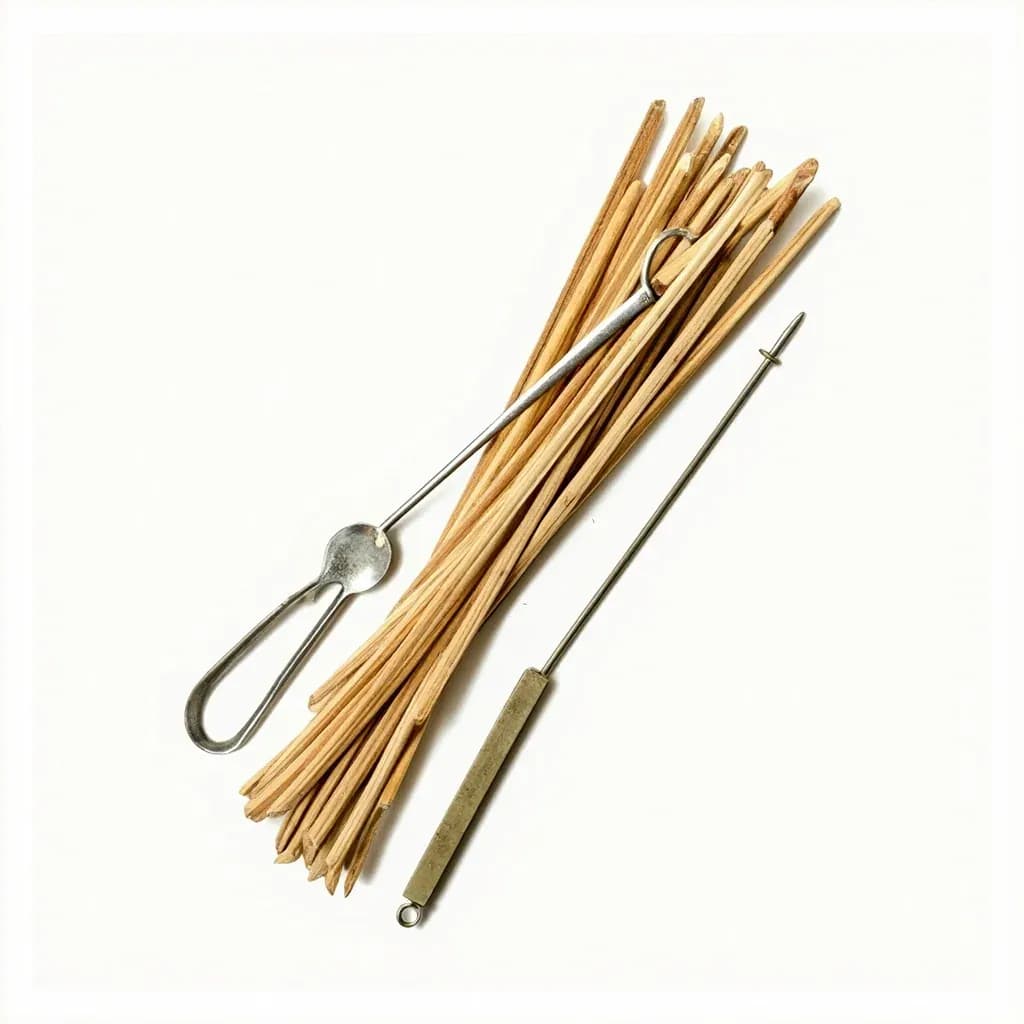
Skewer (Metal / Wooden / Bamboo)
Thin pointed rod that threads meat and vegetables for grilling, roasting, or testing doneness.
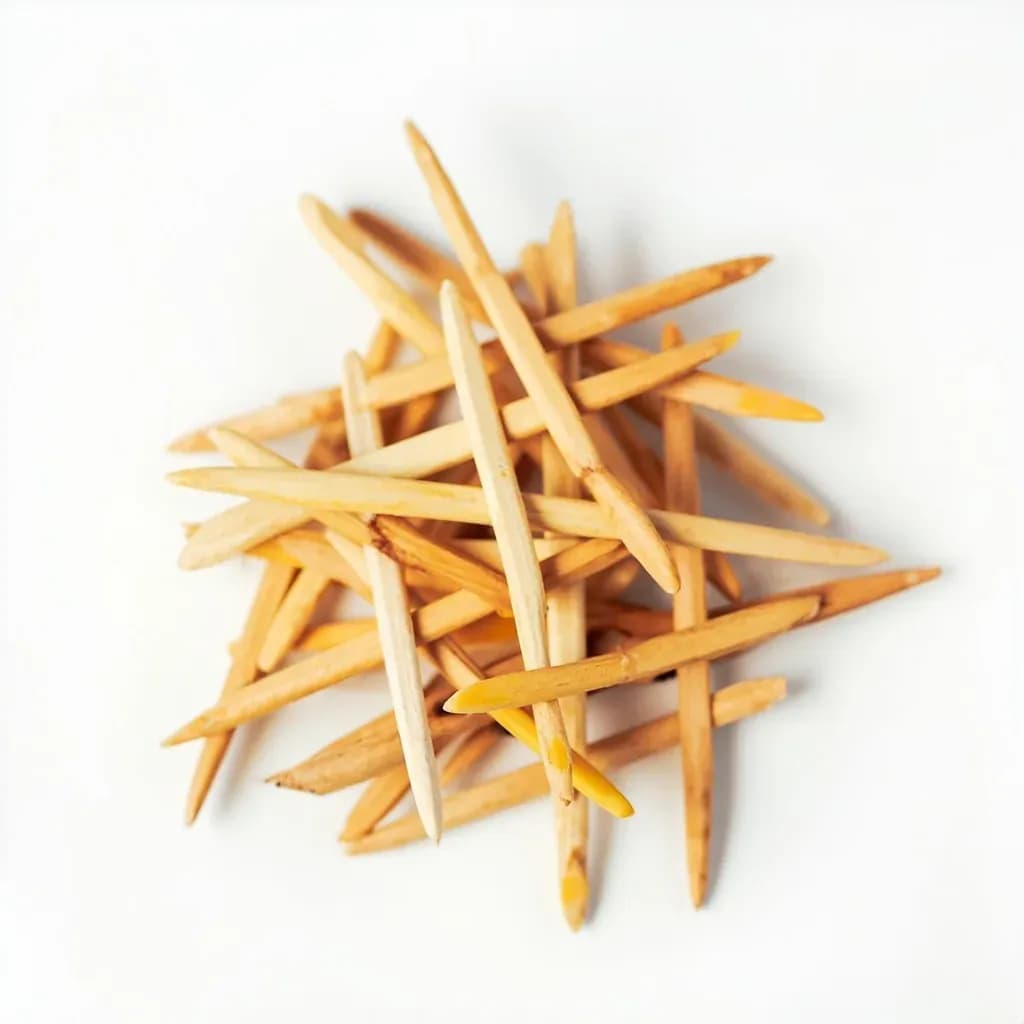
Toothpick
Small pointed wooden pick that pins rolled food shut and tests baked goods for doneness.
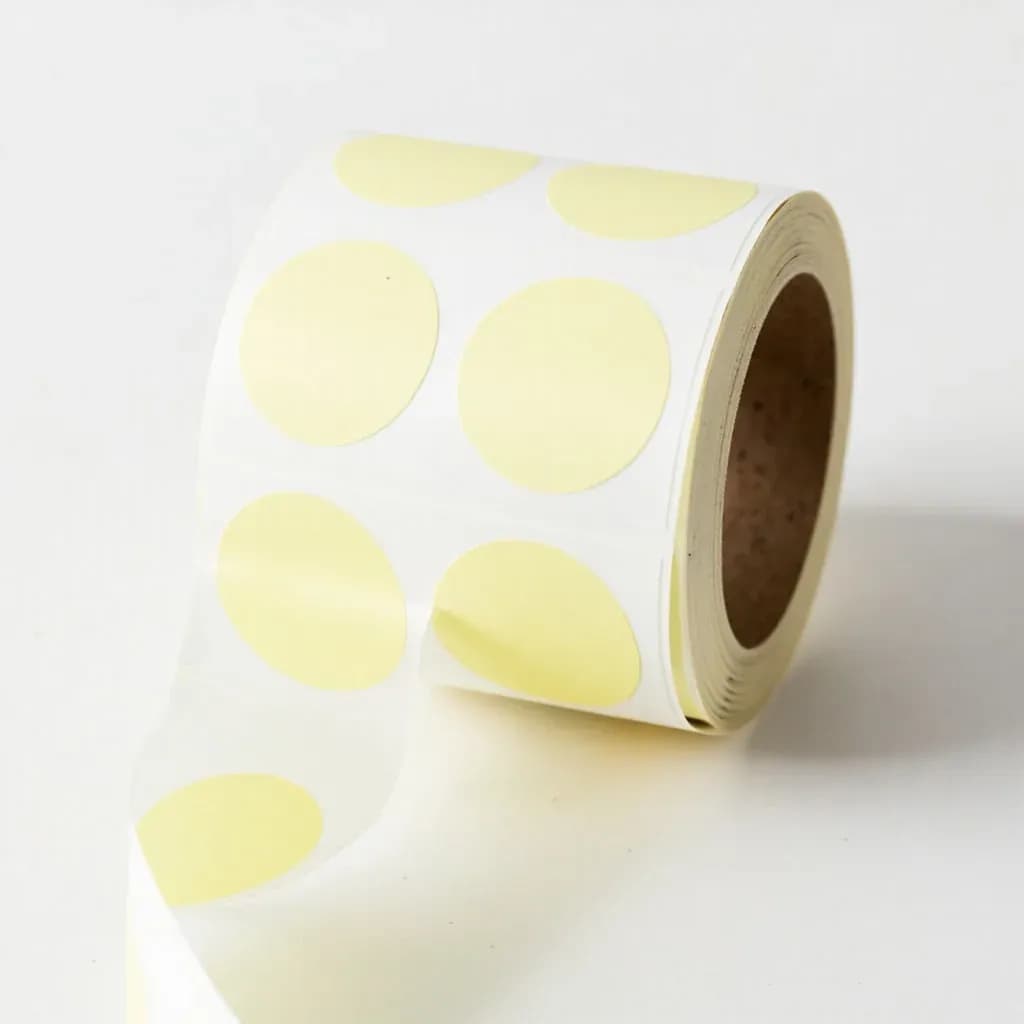
Food Storage Label (Day-Dot)
Stick-on label marking date, contents, or batch info for safe stock rotation.
Labeling Tape
Write-on tape for marking containers with contents and dates, peeling off cleanly later.