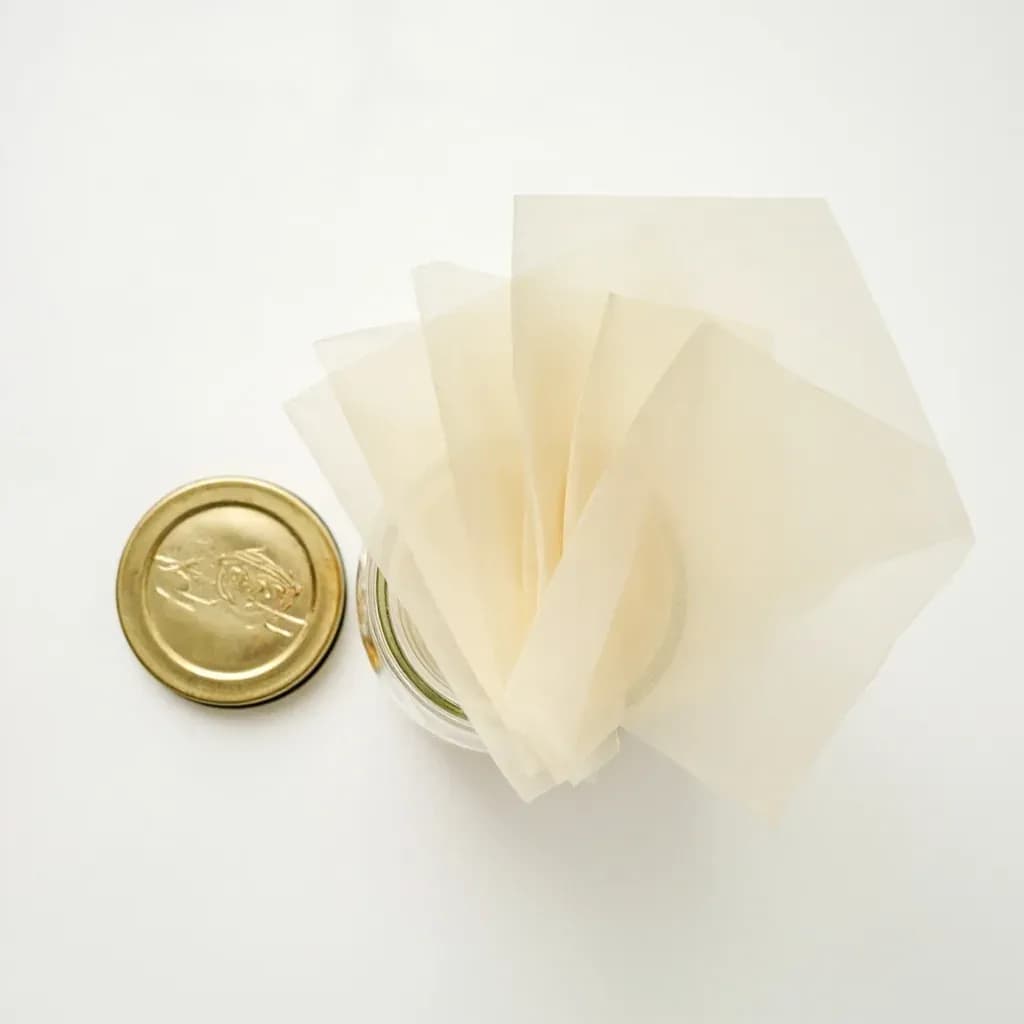
Tying & Fastening
Tamper-Evident Shrink Sleeve
Plastic band that shrinks with heat to seal jar and bottle lids with a tamper-evident seal.
A tamper-evident shrink sleeve is a plastic band slipped over a jar or bottle cap that shrinks tight when heated to form a secure, tamper-showing seal. Small producers of sauces, jams, oils, and beverages use them so customers can see the product hasn't been opened. A quick blast from a heat gun, hair dryer, or hot-water dip shrinks the band, and a perforated tear strip lets the consumer remove it.
A tamper-evident shrink sleeve is a thin plastic tube, slipped loose over a capped jar or bottle, that contracts tightly around the cap and neck once heated. The film is made from an oriented polymer that was stretched during manufacture and locked into its larger diameter; reheating releases the tension and the sleeve snaps back toward its original, smaller size. The result is a snug plastic band that cannot be removed and replaced without visible damage — which is the entire point of the exercise.
Most home cooks first encounter shrink sleeves as the perforated neck bands on jars of commercial jam, hot sauce, or flavored vinegar. The horizontal micro-perforation is engineered to tear cleanly the first time the cap is twisted, leaving a tell-tale ring of plastic on the bottle neck as proof the seal was broken. For small-batch food businesses, cottage-industry preservers, and anyone selling or gifting homemade goods, the same technology offers a retail-grade finish without the cost of induction sealers or dedicated capping machinery.
Sleeves are typically 40–70 microns thick and shrink primarily in the circumferential (transverse) direction, so length stays roughly constant while diameter pulls in. Activation temperatures run from about 80 °C (175 °F) for soft PVC films up to 120 °C (250 °F) for stiffer PET-G and PLA. A handheld heat gun or even a powerful hair dryer is enough to apply a band one jar at a time; commercial heat tunnels do the same job in a few seconds on a production line.
Alternatives
Types & varieties
Most common food-grade variant; a horizontal micro-perforation tears cleanly when the cap is twisted, leaving a ring on the neck as evidence of opening.
Has a small protruding tab, usually vertical, that the consumer pulls to split the band open without twisting the cap.
No built-in tear line; the consumer cuts or peels the band to reach the cap. Cheaper, but less obviously tamper-evident.
Short sleeve covering only the cap and upper neck; the standard form for jams, sauces, and beverages.
Covers the entire container and doubles as the printed label; needs precise body fit and is harder to apply by hand.
Already seamed into a cylinder; the most forgiving format for home and small-batch use because it slides on without seaming.
Continuous flat film cut to length and seamed (with solvent or hot air) around the bottle; standard on production lines.
Traditional, inexpensive choice; shrinks at lower temperatures with high clarity but yellows under UV and is being phased out in some regions.
Shrinks at higher temperatures (~100 °C), holds clarity longer, and has a better recyclability profile. The modern default for food use.
Stiffer feel with a good print surface and moderate shrink temperature; more common in cosmetics and personal care than in food packaging.
Bio-based and industrially compostable; requires a higher and narrower shrink window, so it is less forgiving in hand application.
Choosing the right material
The four common sleeve plastics behave differently, and the choice has real consequences for appearance, durability, and ease of application.
- PVC: easy to shrink at low heat, but yellows in sunlight and is being phased out in some regions over plasticizer concerns; best for short-shelf-life or craft items used within months.
- PET-G: the workhorse for modern food-grade sleeves. Needs a higher heat-gun setting than PVC, but the finished band stays clear for years and is widely accepted by recyclers.
- OPS: favored when you want crisp printed graphics; more common in cosmetics and personal care than in food packaging.
- PLA: bio-based and industrially compostable. Has the narrowest processing window and highest shrink temperature, so it punishes uneven heat with wrinkles and scorching.
Sizing the sleeve to the jar
A sleeve that is too tight will not slide on; one that is too loose will wrinkle and never sit flat. Measure before you order.
- Measure the lay-flat width of the sleeve and compare it to the combined diameter of the cap plus the neck ring; the lay-flat width should be about 2–4 mm larger.
- Measure the height from the top of the cap to the point on the neck where you want the band to end, and order a sleeve a few millimetres longer so the band tucks cleanly under the cap edge.
- Pre-formed tubes are sized by inside diameter; the same 2–4 mm clearance rule applies once you account for the cap and neck profile.
Common uses
Tips & pitfalls
- Start on the lowest heat setting of your heat gun and increase only as needed; higher heat scorches PVC, yellows PET-G, and warps printed graphics.
- Rotate the jar or bottle slowly as you apply heat so the band shrinks evenly with no cold spots, pleats, or unshrunk tails.
- Hold the heat source 10–15 cm (4–6 in) away and keep it moving; a stationary blast will blister the print and shrink one side faster than the other.
- For perforated bands, align the perforation so it sits just below the cap edge; this leaves a visible, intact ring on the neck after opening.
- Test on one finished jar before committing a full batch — cap profile, neck ring, and even glass thickness change how the band settles.
- Let sterilized glass come back to room temperature before sleeving; the thermal shock of localized heat on a cold jar can crack thick glass.
- Work in a ventilated area when shrinking PVC; the brief smell during activation is plasticizer off-gassing and is unpleasant even at low levels.
- Store unused sleeves flat in a cool, dry drawer away from radiators and sunny windows; once creased, folded, or pre-shrunk by warmth, they will not finish cleanly.
Good to know
- Item type
- Heat-shrink plastic sleeve (PVC, PET-G, OPS, or PLA), usually supplied as a pre-formed tube or flat roll film
- Activation temperature
- Roughly 80–120 °C (175–250 °F); PVC shrinks at the low end, PET-G and PLA at the high end
- Typical thickness
- 40–70 microns; most food and beverage sleeves land in the 40–55 micron range
- Shrink direction
- Primarily transverse (circumferential); a small amount of length shrink is normal
- Application time
- Roughly 5–20 seconds with a handheld heat gun; seconds in a commercial heat tunnel
- Equipment needed
- Heat gun or hair dryer for small batches; steam or hot-air heat tunnel for production runs
- Food-contact safety
- Must be FDA-grade (or equivalent) food-contact material when used on consumables
- Storage
- Store rolls flat in a cool, dry place away from direct sunlight and heat sources to prevent premature shrinking or warping
- Skill level
- Beginner-friendly for pre-formed tubes; moderate for flat roll film
- Diameter fit
- Lay-flat width should exceed cap-plus-neck diameter by about 2–4 mm so the sleeve slides on and shrinks snug
Also called
Shrink Tamper-Evident Bands · Tamper-Seal Band · Shrink Bottle Seals · shrink band · tamper band
Related

Skewers
Thread meat and vegetables for kebabs and grilling

Toothpicks
Pin rolls shut and test cakes for doneness

Kitchen Twine
Food-safe string for trussing roasts and tying bundles

Butcher Paper
Breathable wrap for resting barbecue and storing meat
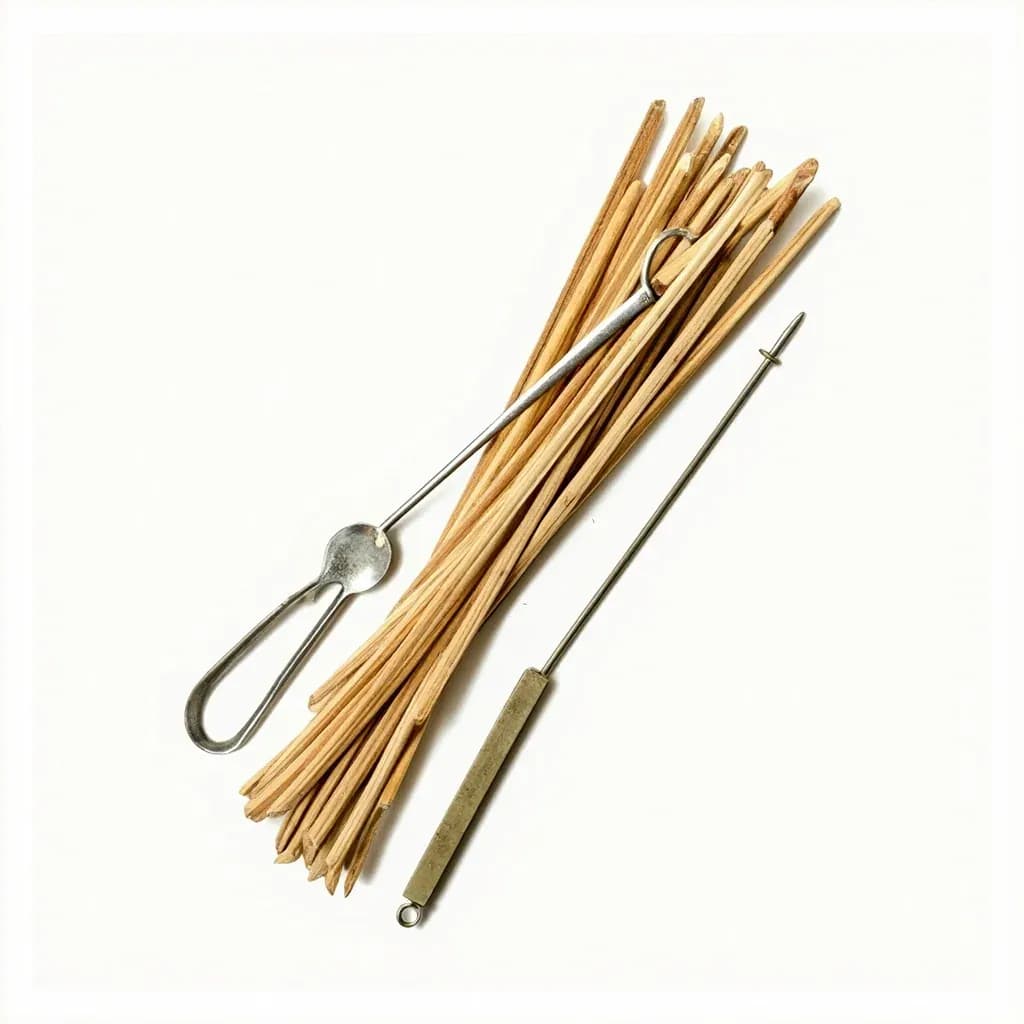
Skewer (Metal / Wooden / Bamboo)
Thin pointed rod that threads meat and vegetables for grilling, roasting, or testing doneness.
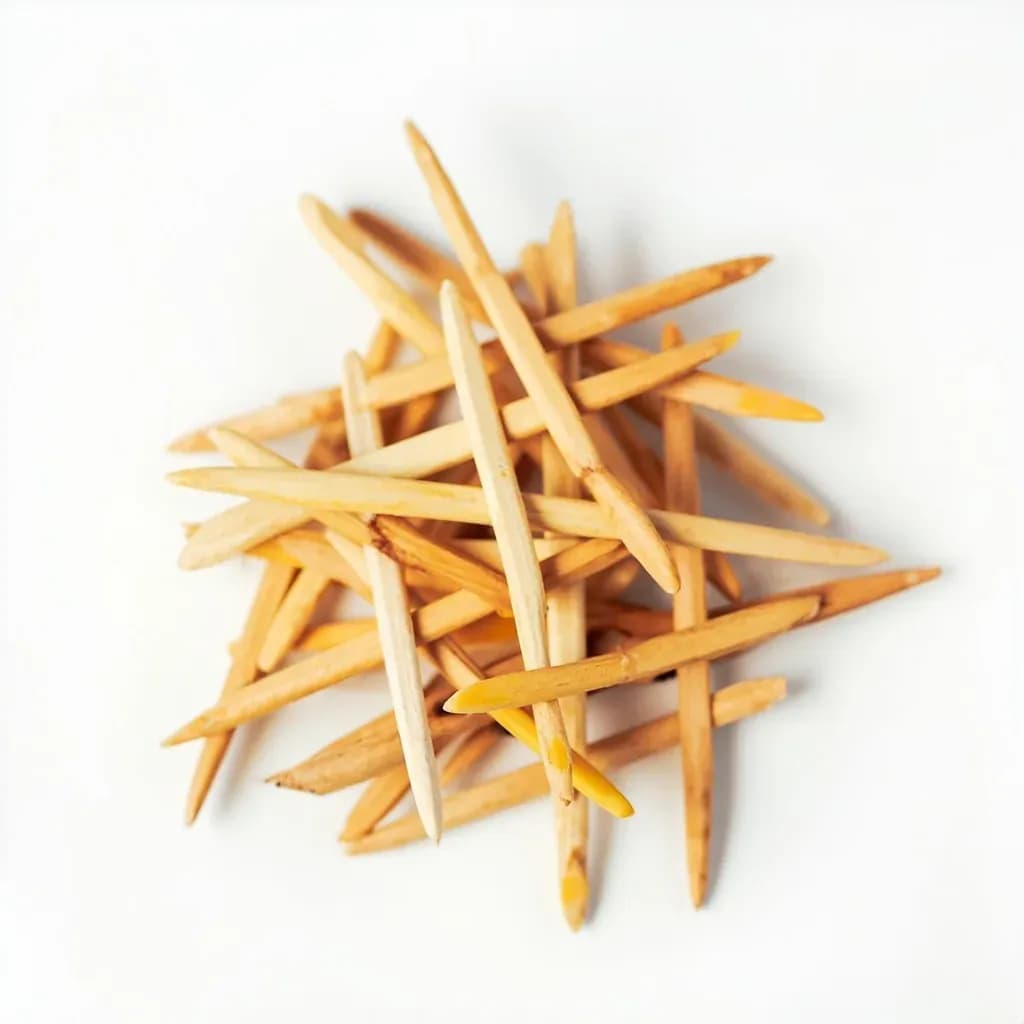
Toothpick
Small pointed wooden pick that pins rolled food shut and tests baked goods for doneness.
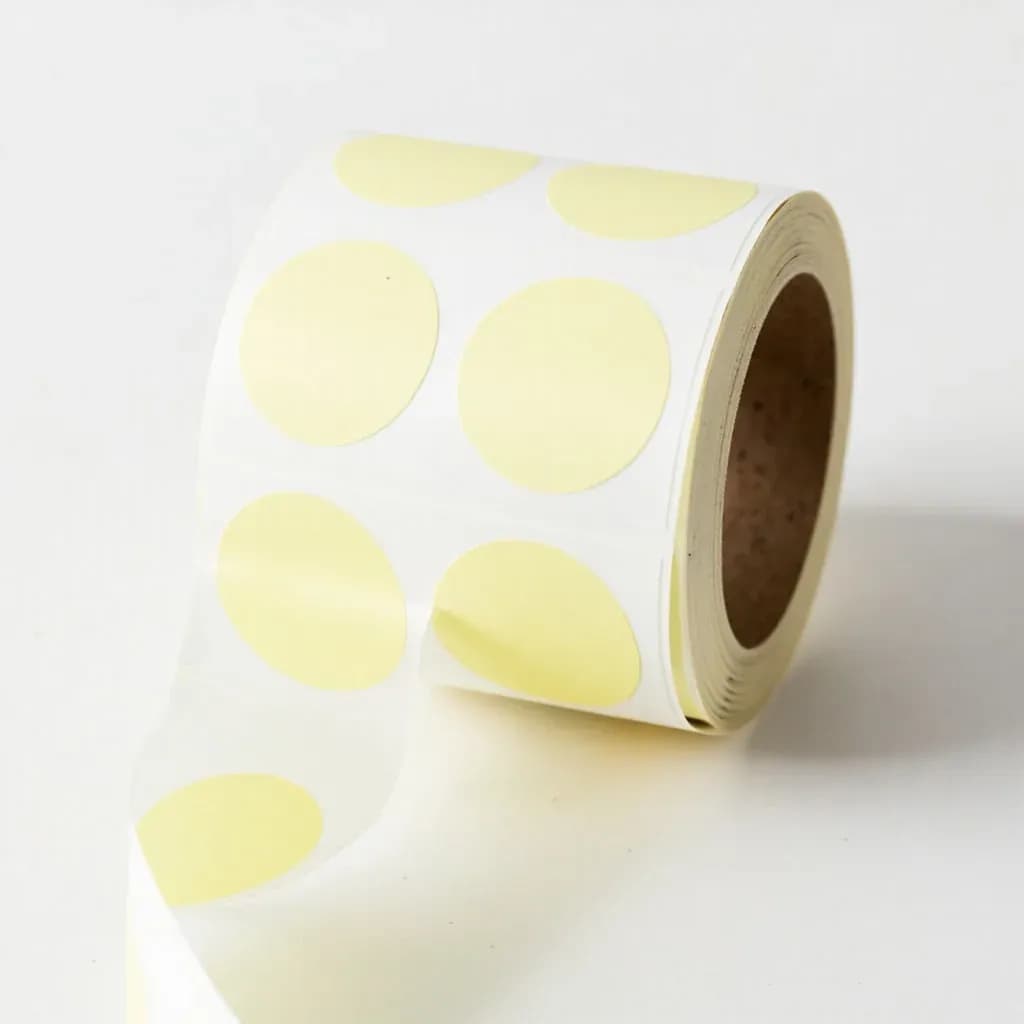
Food Storage Label (Day-Dot)
Stick-on label marking date, contents, or batch info for safe stock rotation.
Labeling Tape
Write-on tape for marking containers with contents and dates, peeling off cleanly later.