
Tying & Fastening
Tea Filter Bag
A fillable paper or mesh bag for steeping loose tea, spices, or soup aromatics.
A tea filter bag is an empty paper or fine-mesh pouch a cook fills with loose tea, ground spices, or stock aromatics so they steep without leaving grit in the liquid. Larger food-grade soup bags hold bones and herbs in stocks and braises for easy removal. The bag is dropped in, steeped, and lifted out whole.
A tea filter bag is a fillable, flexible vessel—made from paper, mesh, or cloth—used to contain loose tea leaves, spices, herbs, or aromatics during steeping or infusion. Unlike rigid tea infusers, filter bags are soft-sided and designed to conform to any vessel shape, from a single cup to a stockpot, making them equally useful at the breakfast table and in professional kitchens. The bag holds the botanicals while allowing water or cooking liquid to circulate freely, then is removed entirely when steeping is complete, containing loose ingredients so they don't need to be fished out individually.
The distinction between a tea filter bag and a tea infuser matters in practice: infusers are reusable metal or silicone cages with handles, while filter bags are typically disposable (paper) or washable and reusable for a season or more (mesh, muslin, hemp). Paper bags are compostable and convenient for single use; mesh and cloth versions offer economy and sustainability across dozens of steepings when properly cleaned and dried.
For culinary applications beyond the teacup—soups, stocks, braises, poaching liquids, and infused syrups—larger sizes (4"×5" and 5"×7") are standard. Professionals favor reusable nylon mesh for durability and heat resistance up to 275°F; home cooks often prefer unbleached paper for its disposability and compostability. The principle remains the same: create a permeable pouch that holds aromatics in place, allows full extraction, and comes out cleanly without leaving residue or fiber in your finished dish.
Alternatives
Types & varieties
Single-use and compostable; more permeable than bleached, may impart slight paper taste to very delicate teas
Reusable, heat-resistant to 275°F, fine mesh catches tiny particles; pyramid shape improves water circulation
Reusable and washable, natural fiber; absorbs oils and flavors over time, requires thorough drying to prevent mildew
Eco-friendly and durable, naturally antimicrobial; stiffer texture may affect steep timing slightly
Compostable alternative to nylon with similar properties; requires industrial composting for full degradation
Traditional and extremely fine; reusable but delicate; food-safe when untreated and washed regularly
Large capacity for pots; easy to fill and remove; string provides secure closure without glue or staples
Pre-formed with no glue or staples; popular in professional kitchens for consistent portion control
Choosing the Right Bag for the Task
Match bag material and size to your application. For tea, most any clean bag works; for delicate white or green teas, use unbleached paper or silk to avoid any off-flavors. For cooking, size matters more: a standard 3"×4" bag is fine for a single cup of tea but far too small for a pot of stock. Use large (4"×5") or extra-large (5"×7") bags for soups, stocks, and braises—you want the aromatics fully submerged with room for water to circulate. For cold brewing or long infusions, nylon mesh or muslin handles repeated use better than paper, which will eventually disintegrate over hours.
- Tea: any clean, food-safe bag—paper for convenience, mesh for reusability
- Soups and stocks: large or extra-large bags to accommodate volume
- Delicate teas (white, green, very light oolong): unbleached paper or silk
- Heavy spice loads (whole cinnamon, large bay leaves): muslin or hemp for durability
- Cold infusions: mesh or muslin, never paper which softens and tears
Material Considerations and Trade-offs
Each material makes different trade-offs between filtration, durability, and flavor impact. Paper bags produce a slightly cloudy result because they allow fine particles to pass; mesh bags yield a clearer liquid. Muslin and hemp absorb aromatic oils, which deepens some preparations (a muslin bag in mulled wine builds complexity over time) but creates flavor transfer between uses unless thoroughly cleaned. Nylon mesh is the most neutral, releasing flavors cleanly and resisting absorption. PLA bioplastic offers compostability with synthetic durability but requires industrial composting facilities that many households lack.
- Need clearest liquid: nylon mesh
- Want oil absorption for depth: cotton muslin
- Single-use, compostable: unbleached paper
- Avoid flavor transfer between uses: nylon mesh
- Compostable but durable: PLA bioplastic
Common uses
Tips & pitfalls
- Fill to only 50–75% capacity—tea leaves and spices expand significantly during steeping and need room to circulate water
- Tie or seal securely before steeping; test by submerging briefly and checking for leaks before committing the full steep time
- For paper bags, fold the top at least twice to create a secure seal; the fold line itself helps prevent slippage
- Use unbleached, food-grade paper bags to avoid imparting chlorine or chemical flavors to delicate teas
- For mesh bags, knot the drawstring and clip to the pot rim or cup edge for easy removal without burning fingers
- Squeeze gently after removal to extract remaining liquid—residual liquid holds concentrated flavor and nutrients
- Store mesh/muslin bags in a sealed container to prevent absorption of pantry odors
- Label mesh bags if using for specific purposes; strong spices like star anise or cloves will linger through washing
- For stock or soup, tie the bag to the pot handle with kitchen twine for easy retrieval before serving
- Avoid metal staples entirely in food-contact applications; opt for heat-sealed or string closures
- For high-fat infusions (oils, butters), use cheesecloth or a coffee filter within a fine mesh bag for better filtration
- Remove bags before holding hot liquids on warming plates—prolonged steeping extracts bitter tannins and overpowering flavors
Good to know
- Common Names
- Tea filter bag, tea infuser bag, tea steeping bag, refillable tea bag, spice bag, muslin tea bag
- Primary Materials
- Unbleached paper, food-grade nylon mesh, cotton muslin, hemp cloth, PLA bioplastic
- Typical Sizes
- Small (2"×3"), Standard (3"×4"), Large (4"×5"), Extra-large (5"×7") for pots or stocks
- Closure Types
- Fold-over flap, drawstring, heat-sealed top (avoid metal staples)
- Heat Resistance
- Paper: up to 212°F; Nylon mesh: up to 275°F; Muslin: up to 250°F
- Reusability
- Paper: single-use; Nylon and muslin: 20–50 uses with washing
- Origin Context
- Paper tea bags invented approximately 1904 by Roberta C. Lawson; refillable versions emerged mid-20th century as a loose tea alternative
- Food Safety
- Use FDA food-contact compliant bags; unbleached preferred to avoid chlorine or chemical flavors; avoid glue or staples in food-contact applications
- Common Use Temperature
- 185–212°F for tea; up to 212°F for culinary infusions
- Disposal
- Paper: compostable if unbleached; mesh/cloth: washable and reusable; check local guidelines for industrial composting where applicable
Also called
paper-tea-filter · tea-strainer · food-grade-soup-bag · plastic-soup-bag · empty tea bag
Related

Skewers
Thread meat and vegetables for kebabs and grilling

Toothpicks
Pin rolls shut and test cakes for doneness

Kitchen Twine
Food-safe string for trussing roasts and tying bundles

Butcher Paper
Breathable wrap for resting barbecue and storing meat
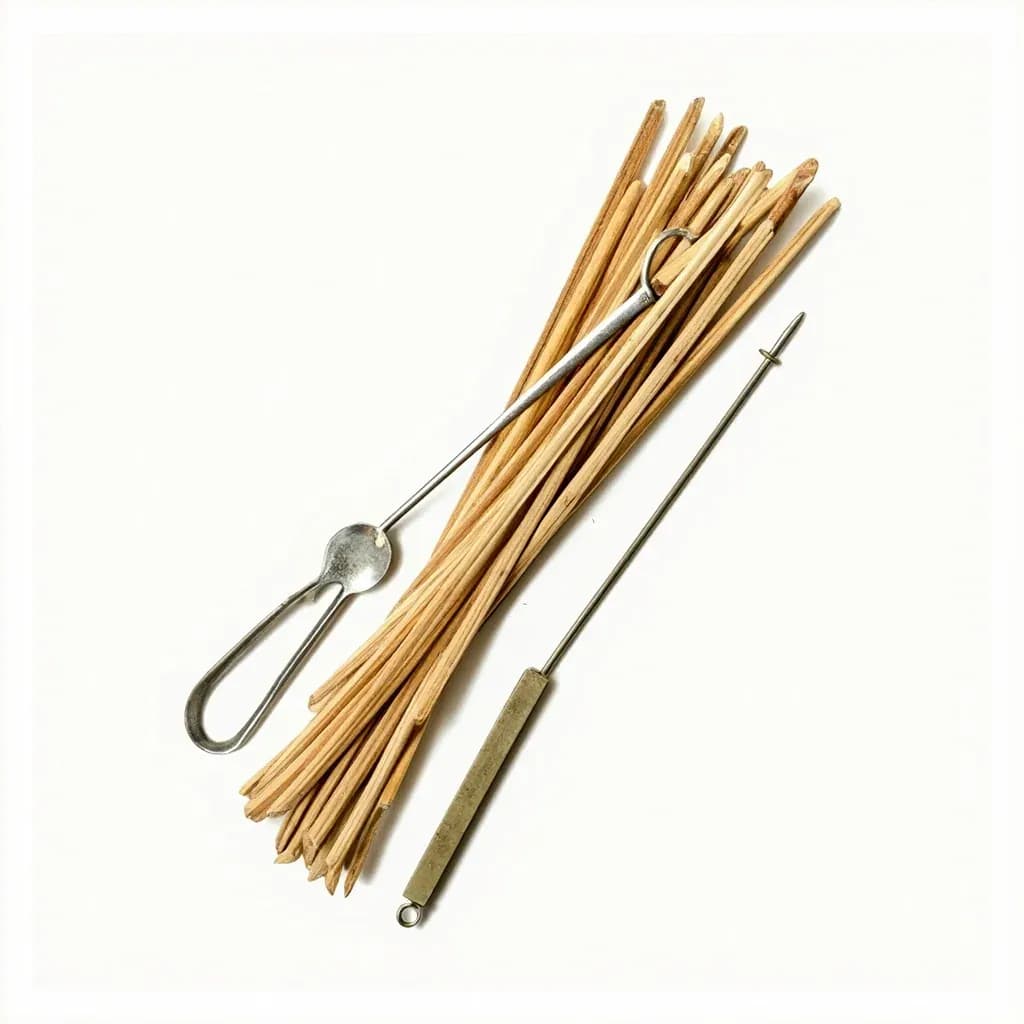
Skewer (Metal / Wooden / Bamboo)
Thin pointed rod that threads meat and vegetables for grilling, roasting, or testing doneness.
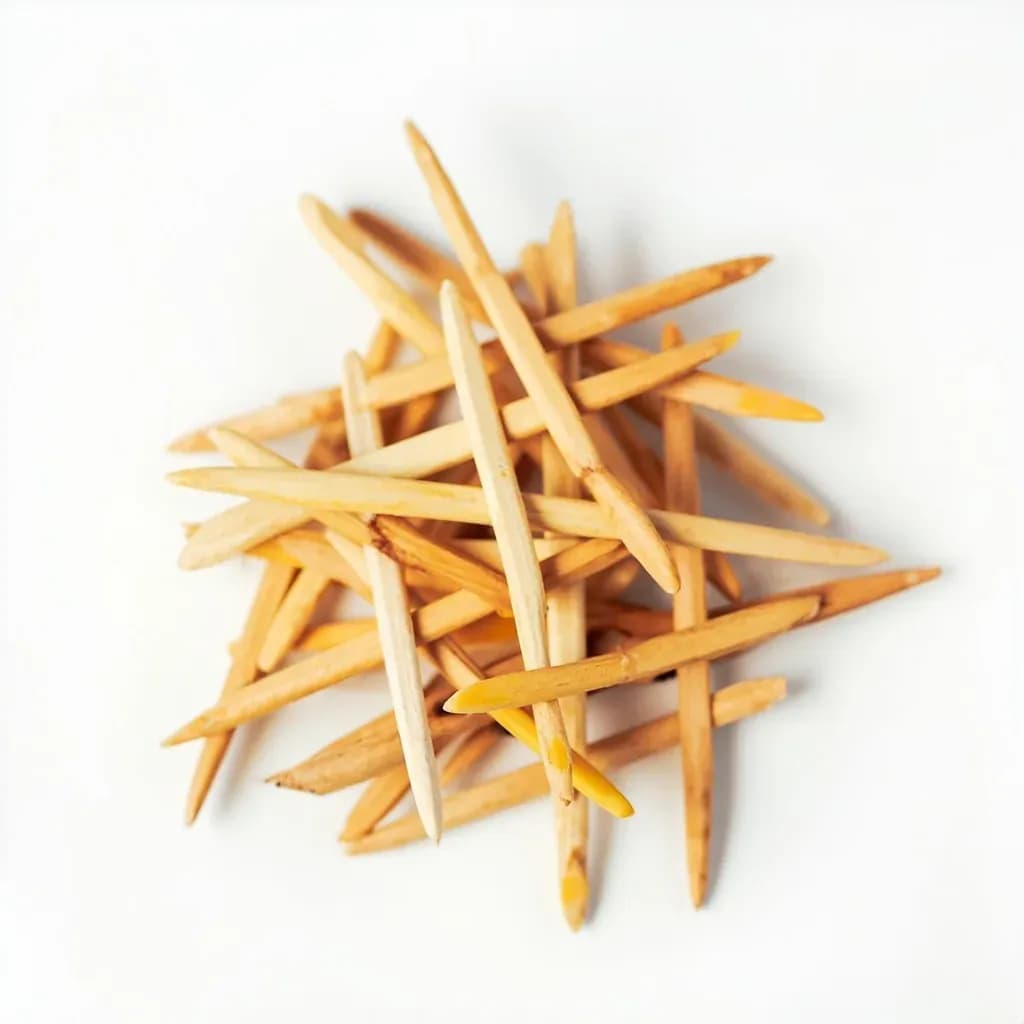
Toothpick
Small pointed wooden pick that pins rolled food shut and tests baked goods for doneness.
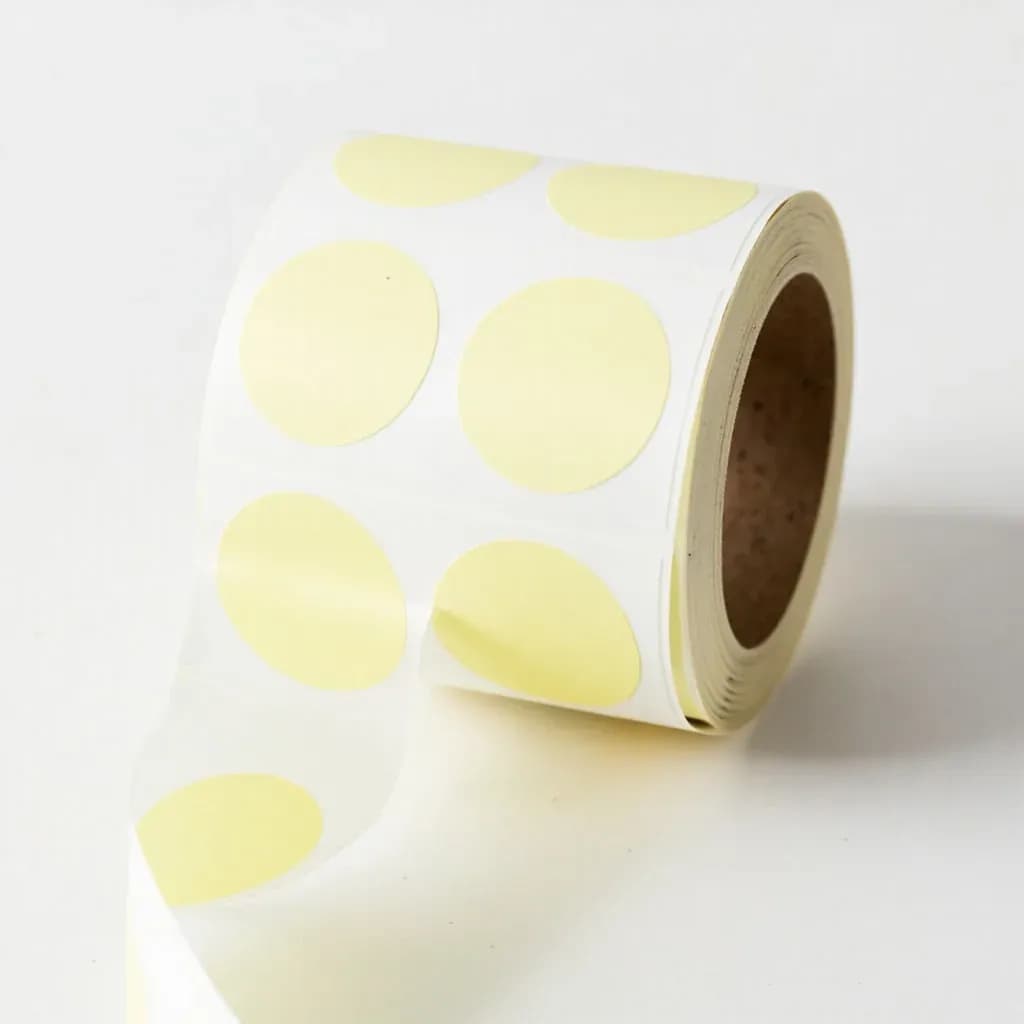
Food Storage Label (Day-Dot)
Stick-on label marking date, contents, or batch info for safe stock rotation.
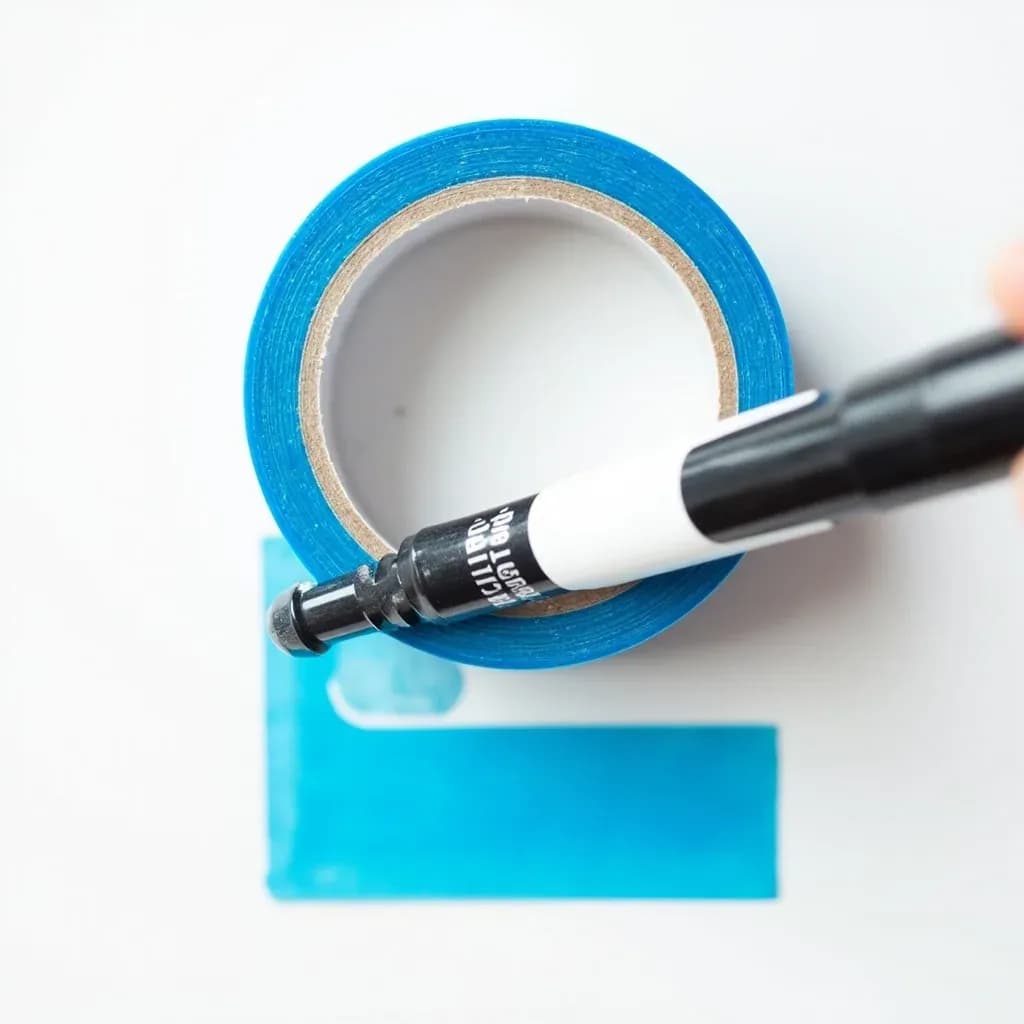
Labeling Tape
Write-on tape for marking containers with contents and dates, peeling off cleanly later.