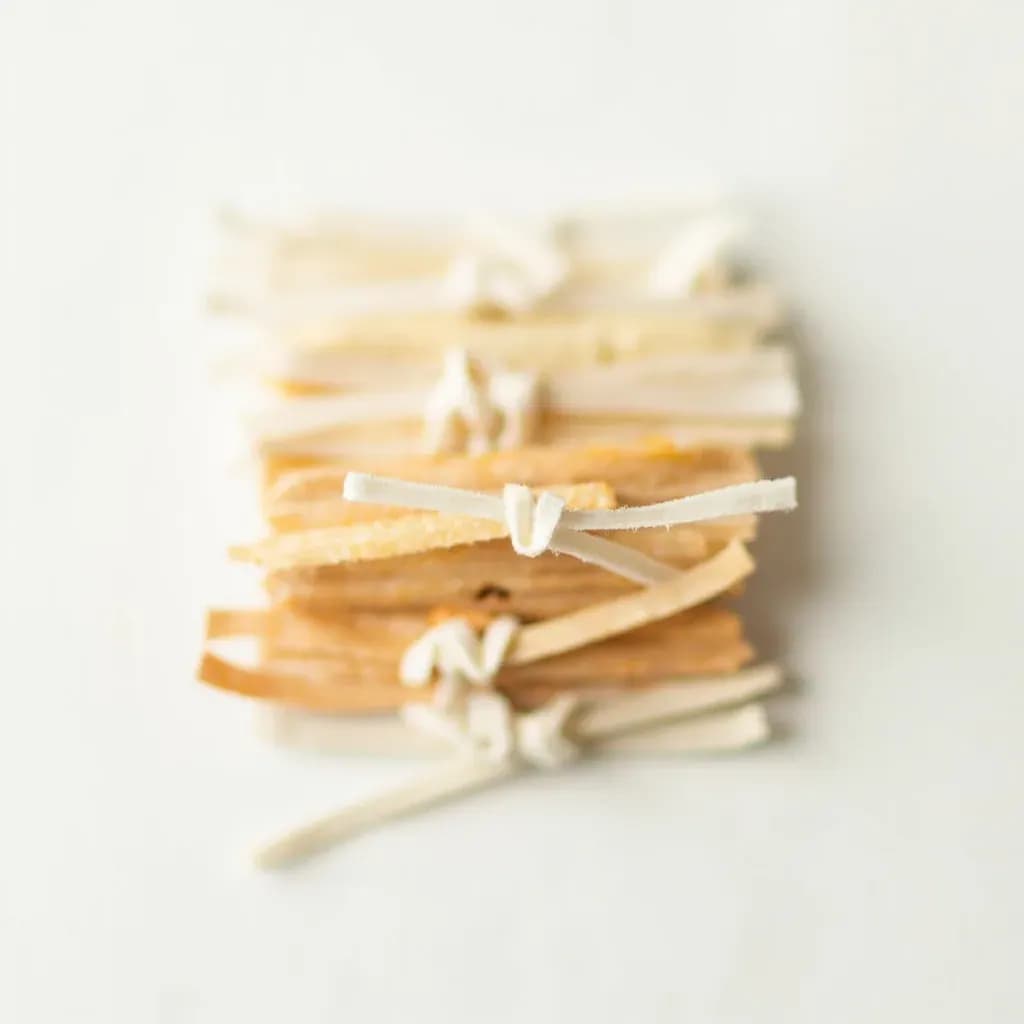
Tying & Fastening
Twist Tie
Bendable wire-and-paper tie for closing bags and bundling stems.
A twist tie is a short length of thin wire sheathed in paper or plastic that is twisted to fasten. Kitchens use them to close bread and produce bags, secure piping-bag tops, and bundle herb stems or asparagus. They are reusable, hold firmly yet release easily, and come in precut lengths or continuous spools.
A twist tie is the simplest closure in the pantry: a short length of flexible metal wire—usually galvanized steel around 24 to 26 gauge—sheathed in paper, plastic, or foil and sold pre-bent into a U-shape. Paper-covered versions entered American bakeries in the 1930s as a clean, low-cost way to seal waxed bread bags, and the format has barely changed since; the modern tie is still a four- to eight-inch strip of bendable metal with a printed or dyed jacket that grips when twisted and releases when untwisted. That reversibility is its quiet superpower: a single tie can close a bread bag on Monday and reseal a freezer pouch on Friday without losing its hold.
In the kitchen, treat a twist tie as a 'soft' fastener rather than a structural one. It is unbeatable for closing bags of dry goods, bundling herb stems into a bouquet garni, or lashing scallions and asparagus into tidy bundles, but it lacks the tensile strength and food-safe profile of butcher's twine for serious trussing. The wire can nick meat during a long roast, and its metal core combined with a combustible jacket rules it out of any application involving heat—no oven, no stovetop, no microwave. Paper ties absorb moisture over time and turn brittle when frozen; plastic and foil jackets resist both, which is why freezer aisles lean on them.
The final point worth internalizing is material. Paper-jacketed ties compost in municipal facilities and have a low-key charm—bakers print date codes on them, and you can write a use-by directly on the jacket with a ballpoint pen. PVC- and foil-jacketed versions shrug off freezer condensation and humid pantries but persist in landfill and conduct electricity, so they should never go near a microwave. Match the jacket to the job, and a twist tie becomes one of the most versatile, low-cost tools a cook owns.
Alternatives
Types & varieties
The original format, often pre-attached to bread bags; waxed or dyed paper over steel wire. Compostable, takes ink for date-coding, but not water-resistant.
Water-resistant and freezer-friendly; smoother to handle and less likely to snap when cold. The most common modern grocery-bag tie.
Aluminum-foil jacket over wire; attractive on coffee, tea, and cheese packaging. Excellent moisture barrier but conductive—keep out of microwaves.
Thicker wire (18–22 gauge) and longer lengths, usually with a tougher plastic coating. Doubles as a kitchen tie for trussing poultry or bundling large herb bundles.
Short cut lengths sold on a cardboard holder or in bundles; sized for closing chip, cereal, frozen-vegetable, and bulk-bin bags.
Paper tie with a stamped or printed tag area, standard in bakeries for marking production or use-by dates; blank versions can be written on at home.
Decorative metallic tie common on imported and gourmet dry goods; food-safe and moisture-tight, microwave-unsafe.
Choosing the Right Jacket for the Job
The jacket determines nearly everything about how a twist tie behaves in the kitchen. Match it to the storage conditions and you'll avoid the two most common failures: ties that snap when cold and ties that smear ink or fall apart when wet.
- Dry pantry staples (rice, pasta, dried beans, flour): any jacket works; paper ties are inexpensive and easy to label.
- Refrigerated or humid storage (cheese paper, fresh herbs in the crisper): choose plastic- or foil-jacketed ties so the closure doesn't weaken from condensation.
- Freezer bags and vacuum rolls: PVC or polyethylene jackets stay flexible at sub-zero temperatures; paper ties go rigid and crack.
- Reusable wraps (beeswax, silicone, cloth): a plastic tie cinches gently without tearing the wrap; paper is fine for short-term use only.
- Date-coding or labeling: paper jackets accept ballpoint, marker, and ink-stamp impressions cleanly; plastic and foil require a label sticker or grease pencil.
Heat Safety
Twist ties and heat are incompatible. The metal core can arc in a microwave—producing sparks against the cavity wall and the food—while the jacket will scorch in an oven, melt on a stovetop, or leach into simmering liquids. Treat the tie as a closure, never as a cooking tool.
- Never leave a twist tie on a bag placed in the microwave, even loosely; the exposed wire end is enough to arc.
- Remove twist ties from packaging before pouring boiling water over the contents (loose tea, dried mushrooms, stock mixes); plastic jackets soften and paper disintegrates.
- If a tie accidentally ends up in a hot pan or oven, turn off the heat immediately—the paper jacket ignites around 200 °C/400 °F.
- For oven-bagged items that originally had a twist tie closure, transfer the contents to a sealed vessel or replace with oven-safe kitchen twine.
Common uses
Tips & pitfalls
- Mount a spool or small jar of twist ties on the inside of a cabinet door so they're always within reach; loose ties vanish into the back of a drawer.
- When sealing a bag, twist the neck of the bag tightly first, then double-loop the tie over the twist—stiffer paper ties tend to spring open from a single loop.
- For freezer use, switch to PVC- or polyethylene-jacketed ties; paper ties absorb freezer moisture and snap when stiff.
- Strip the paper or plastic jacket off the last centimeter of wire before sliding the tie under a trussed roast—bare wire cinches more tightly and won't tear the meat as it shrinks.
- Never put a twist tie in the microwave or leave it on a bag entering the oven; the metal arcs and the jacket can scorch or ignite.
- Write the date, contents, or lot number directly on a paper jacket with a ballpoint pen to label jars, leftovers, and bulk-bin refills without using stickers.
- Salvage kinked ties rather than throwing them out: cut the still-flexible section off for a shorter closure, or save kinked ones for tying up garden stakes and trellis lines.
- For homemade bread, focaccia, or granola given as gifts, slip the recipient's name and a use-by date onto the twist tie—it doubles as closure and label.
Good to know
- Category
- Tying & Fastening
- Core construction
- Flexible galvanized steel (sometimes aluminum) wire, ~24–26 AWG, sheathed in paper, plastic, or foil
- Typical length
- 10–20 cm (4–8 in) for household/food use; 15–30 cm for garden and plant ties
- Jacket materials
- Waxed or dyed paper (classic), PVC or polyethylene, aluminum foil, occasionally Mylar
- Heat tolerance
- Not suitable for oven, stovetop, or microwave; paper scorches around 200 °C/400 °F and metal arcing occurs in microwaves
- Reusability
- Generally reusable many times until the jacket splits or the wire kinks permanently
- Storage
- Store dry; paper-jacketed ties can degrade or grow mold if kept damp
- Disposal
- Paper-jacketed ties are commercially compostable; PVC-jacketed versions are not curbside compostable and persist in landfill
Also called
bag tie · wire tie · bread tie
Related

Skewers
Thread meat and vegetables for kebabs and grilling

Toothpicks
Pin rolls shut and test cakes for doneness

Kitchen Twine
Food-safe string for trussing roasts and tying bundles

Butcher Paper
Breathable wrap for resting barbecue and storing meat
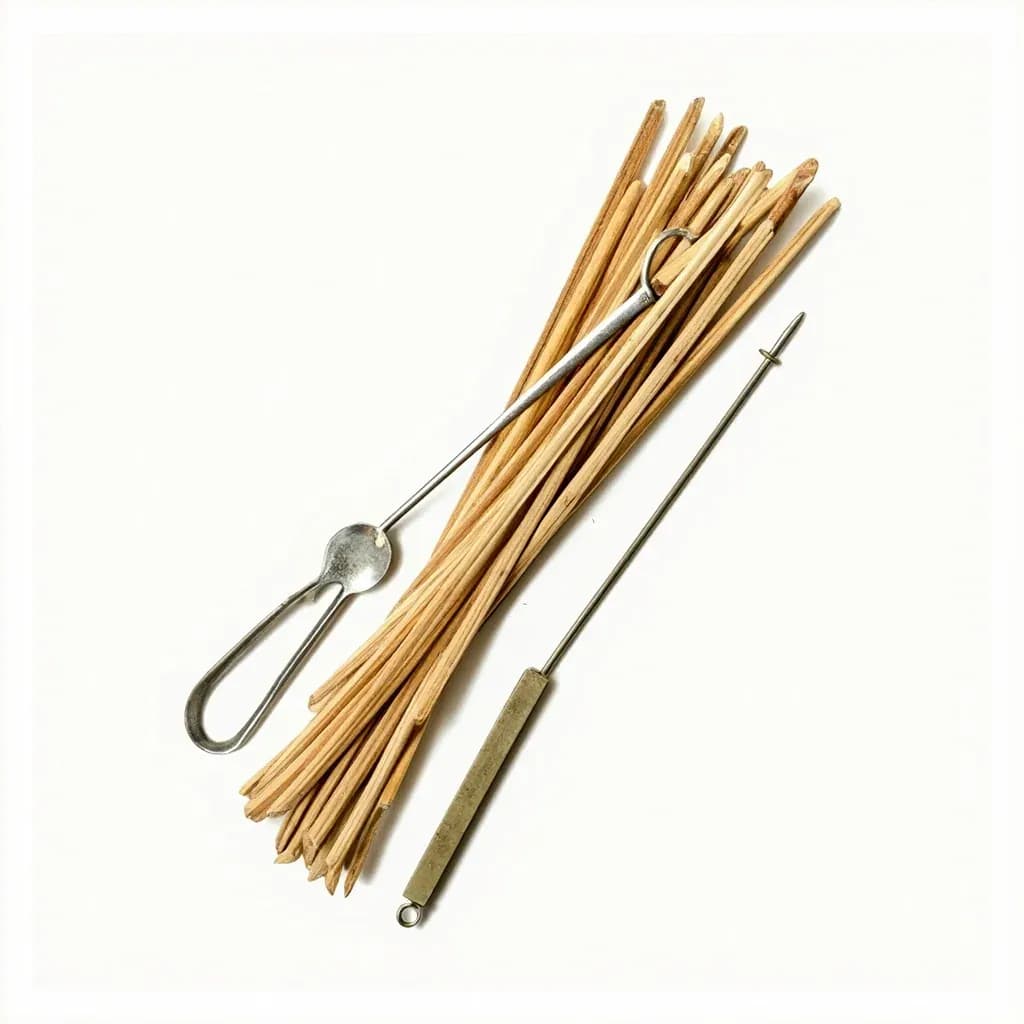
Skewer (Metal / Wooden / Bamboo)
Thin pointed rod that threads meat and vegetables for grilling, roasting, or testing doneness.
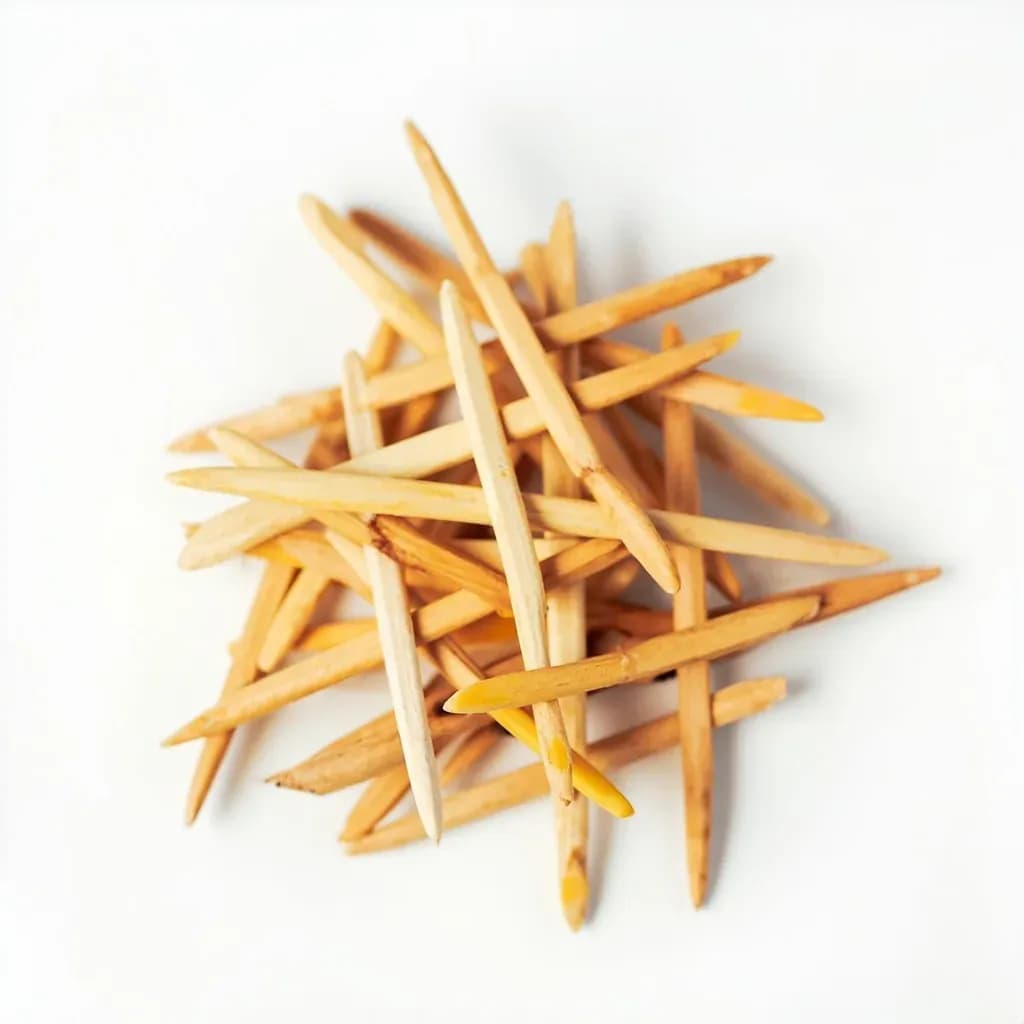
Toothpick
Small pointed wooden pick that pins rolled food shut and tests baked goods for doneness.
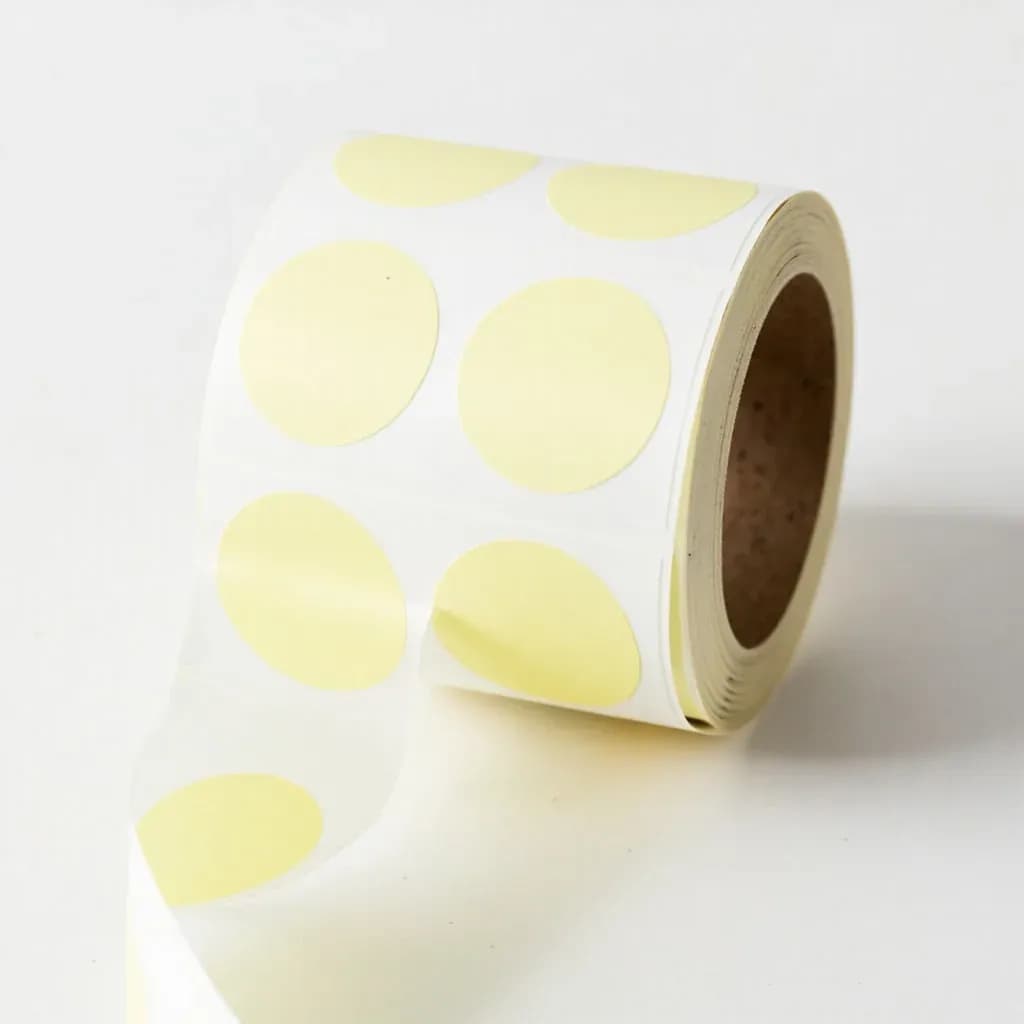
Food Storage Label (Day-Dot)
Stick-on label marking date, contents, or batch info for safe stock rotation.
Labeling Tape
Write-on tape for marking containers with contents and dates, peeling off cleanly later.