Tying & Fastening
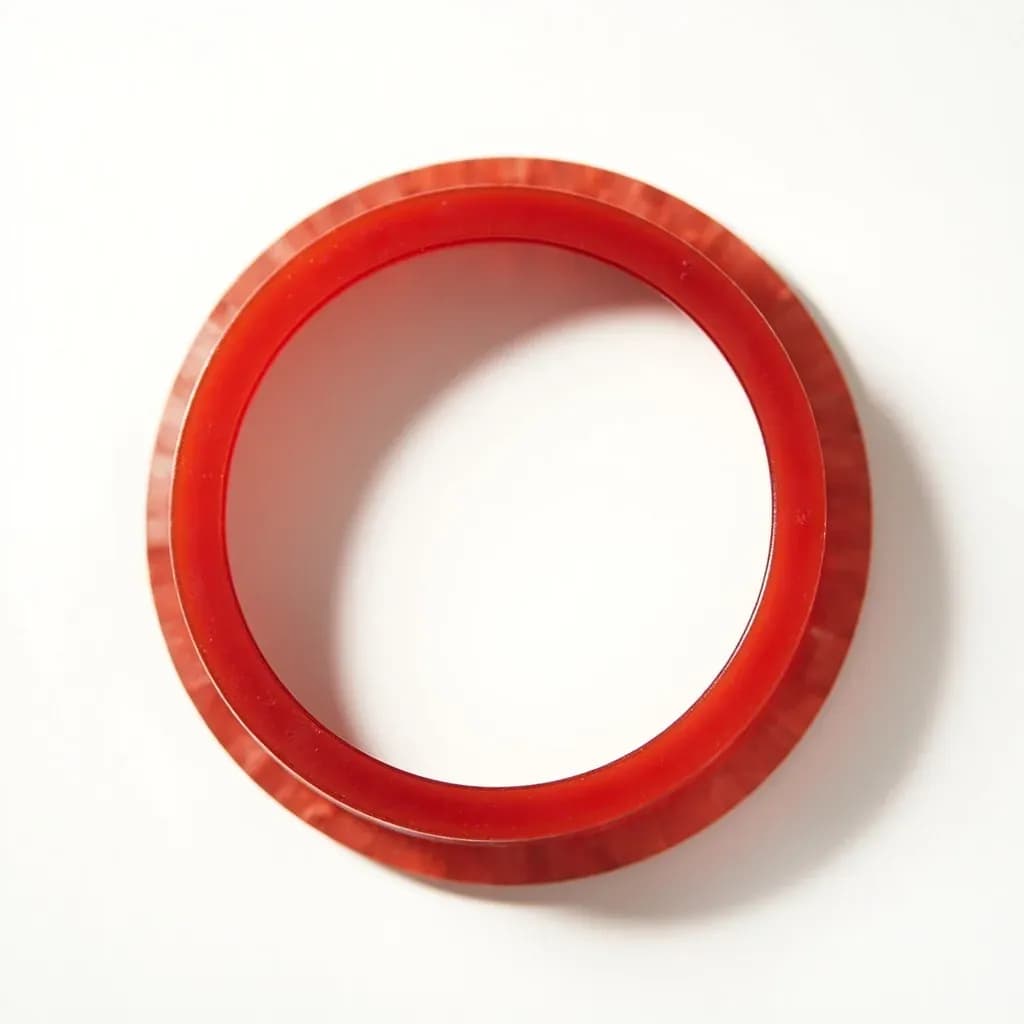
Weck Rubber Sealing Ring
Reusable rubber gasket that seals Weck-style canning jars between lid and rim.
A Weck rubber sealing ring is a reusable rubber gasket that sits between a Weck jar's glass lid and rim to form an airtight seal during canning. Metal clamps hold the lid while the contents process, and as the jar cools the ring is pulled down to lock the seal. A properly sealed ring shows a downward tab; if it pops level, the seal has failed and the jar needs refrigerating.
The Weck rubber sealing ring is the only flexible, consumable component in the Weck canning system, and its condition is the single most important variable in whether a jar seals successfully. A flat gasket of natural rubber that sits in a channel around the rim of a Weck glass jar, the ring is compressed by a glass lid held down with two stainless-steel spring clips. During heat processing, air and steam escape past the gasket; as the jar cools, the contracting air inside creates a vacuum that pulls the lid down tightly against the ring, locking in a hermetic seal. Because the ring is rubber, it is also the only part that wears out, stretches, or harbors residue, and the only one that must be inspected and replaced over the life of a Weck jar.
Weck's system is fundamentally different from the two-piece metal-lid systems common in North America. Ball and Mason lids crimp onto a threaded band and seal against a separate plastisol lining; the lid itself is single-use. Weck's glass lid, rubber ring, and steel clip can all be reused indefinitely, with the ring as the routine replacement part. This makes Weck jars a more sustainable choice for canners who process a lot of food, and a more attentive one, because the cook has to learn to read the rubber.
Practically, this means a Weck user is checking a piece of rubber the way a mechanic checks a gasket. Scent, stretch, surface flatness, and visible cracks all tell you whether the ring will do its job. The rings are inexpensive and sold in multi-packs sized to specific Weck jar mold numbers, so building a small rotating inventory is part of working with the system.
Alternatives
Types & varieties
The basic red rubber gaskets sold for every Weck jar shape and size; sized to specific mold numbers.
Sized for the signature Weck tulip-shaped jars (e.g., 745, 900, 1000 ml) where the rim profile differs from a straight-sided jar.
Wider gaskets for Weck's straight-sided mold and aspic jars used for pâtés, terrines, and jellied dishes.
Multi-size packs (often 3–5 sizes) marketed for refreshing an aging inventory with a single purchase.
Sometimes distinguished by retailers for refrigerator storage versus canning use, though the physical gasket is the same natural-rubber ring.
How the Weck seal actually works
Understanding the physics of the seal helps a cook know when to trust a ring and when to suspect it. The glass lid is rigid, the clip is metal, and only the rubber gives. Heat processing expands the air inside the jar and pushes a small amount of it, along with steam, out from under the lid. As the jar cools in still air, the air inside contracts; with no path back in past the compressed gasket, a partial vacuum forms. Atmospheric pressure pushes the lid down, the rubber conforms to both glass surfaces, and the lid pulls with a characteristic little pop. A properly seated ring is what allows that pop to happen, and a gentle fingertip test of the cooled lid confirms it: the lid should resist lifting, with no give or movement.
Reading a ring before you use it
A used Weck ring should pass a quick three-sense check before it goes back on a jar.
- Sight: Look for cracks, deep scoring, permanent stretching, or flat spots where the rubber has lost its round profile. A shiny or glazed surface means the rubber is hardening and losing elasticity.
- Smell: A sour or otherwise off odor coming from a damp ring usually signals microbial growth in the pores of the rubber; that ring should be retired rather than boiled and reused.
- Touch: Pinch and stretch gently. A good ring snaps back; a tired one feels gummy, stays stretched, or has lost its rebound.
- History: Rings that are several years old, even if they look fine, are nearing the end of their reliable life. Label and rotate stock so older rings get used or replaced first.
Care and storage
A small amount of attention goes a long way toward ring longevity. Treat rubber gently, keep it clean without harsh chemistry, and let it rest between uses.
- Hand-wash in warm water with a mild, unscented soap if desired, and rinse well; many canners skip soap entirely and just rinse.
- Skip the dishwasher: prolonged high heat and modern detergents shorten the working life of natural rubber significantly.
- Store rings loose, dry, and out of direct light, not clamped onto a jar under spring tension, which can slowly deform the gasket.
- Keep a small stash by mold number; running out of the right size mid-batch is the most common reason cooks reuse a tired ring they should have retired.
Common uses
Tips & pitfalls
- Soak rings briefly in warm water before fitting them to a dry jar rim; the softened rubber seats flat and evenly without pinching or twisting in the channel.
- Run a finger around the seated ring before clipping the lid. A twisted, folded, or pinched gasket is the single most common reason a Weck jar fails to seal.
- Never oil or grease the ring. Oils interfere with the rubber-to-glass contact and can harbor bacteria in small surface pockets.
- Leave the spring clips on until the jar has cooled completely and the lid has audibly pulled down; removing clips too early can break the vacuum while the seal is still forming.
- Once a seal is confirmed, take the clips off for storage. Storing jars with clips under constant tension shortens both the clip springs and the rubber.
- Hand-wash rings in warm water without harsh detergent; dishwasher detergents and prolonged high heat degrade natural rubber far faster than gentle washing.
- Do not substitute a Ball or Mason rubber ring for a Weck ring, or vice versa. The rim diameters and gasket profiles are different and will not seal.
- Label your inventory with the year and rotate stock; rubber degrades even when sitting unused, so very old spares are a frequent source of unexpected seal failure.
Good to know
- Manufacturer
- J. Weck & Co., Öflingen, Germany (founded 1900 by Johann Weck)
- Material
- Natural rubber; some replacement versions in food-grade synthetic
- Compatible system
- Weck glass jars with glass lids and stainless-steel spring clips only
- Standard color
- Reddish-orange (natural rubber tone)
- Sizes available
- Match Weck jar mold numbers (e.g., 290, 580, 740, 745, 750, 761, 776, 900, 1000)
- Reusability
- Reusable; inspect for cracks, stretching, flat spots, and off odors before each use
- Sterilization
- Can be boiled, simmered, or processed in the canner with the jars
- Storage
- Store dry, away from sunlight and heat, and never under tension
- Price tier
- Inexpensive consumable, typically sold in multi-packs
Also called
weck rubber seal · Weck sealing ring · Weck gasket · canning rubber ring
Related

Skewers
Thread meat and vegetables for kebabs and grilling

Toothpicks
Pin rolls shut and test cakes for doneness

Kitchen Twine
Food-safe string for trussing roasts and tying bundles

Butcher Paper
Breathable wrap for resting barbecue and storing meat
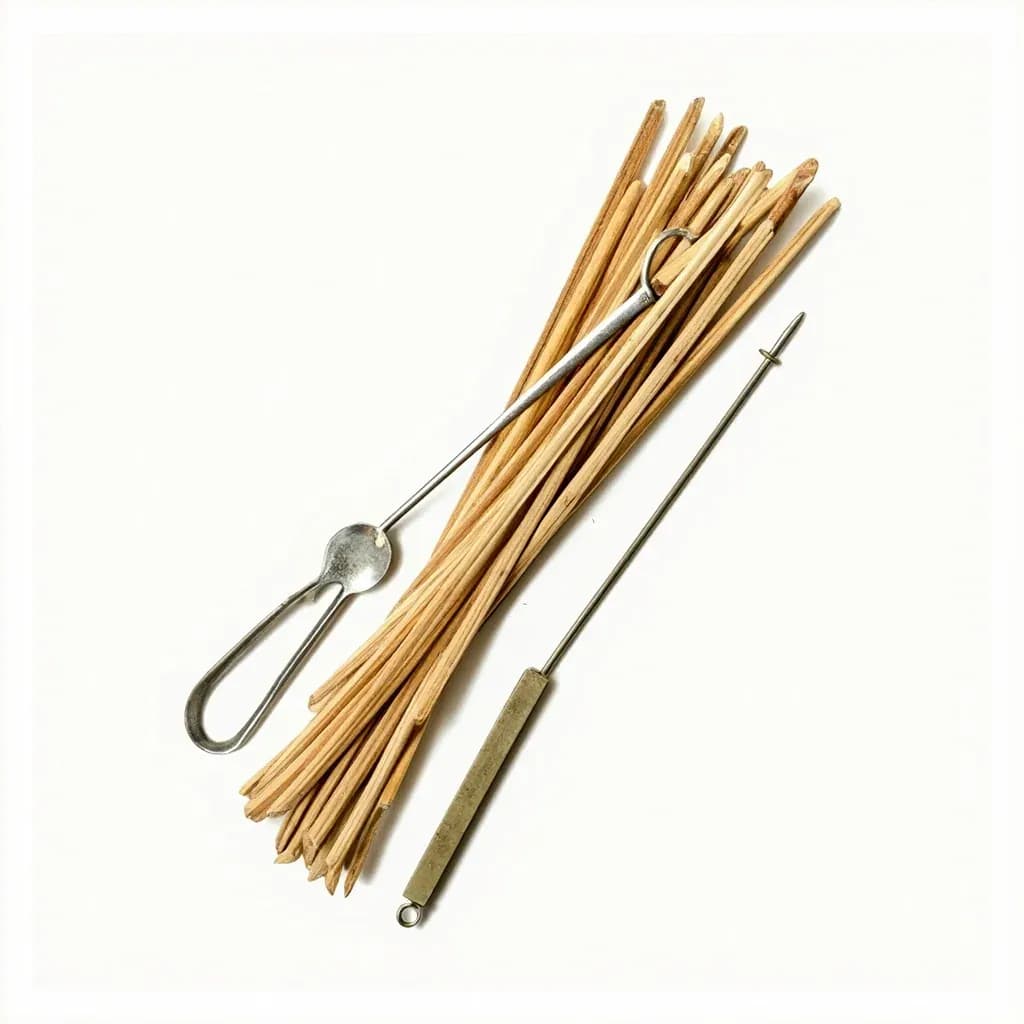
Skewer (Metal / Wooden / Bamboo)
Thin pointed rod that threads meat and vegetables for grilling, roasting, or testing doneness.
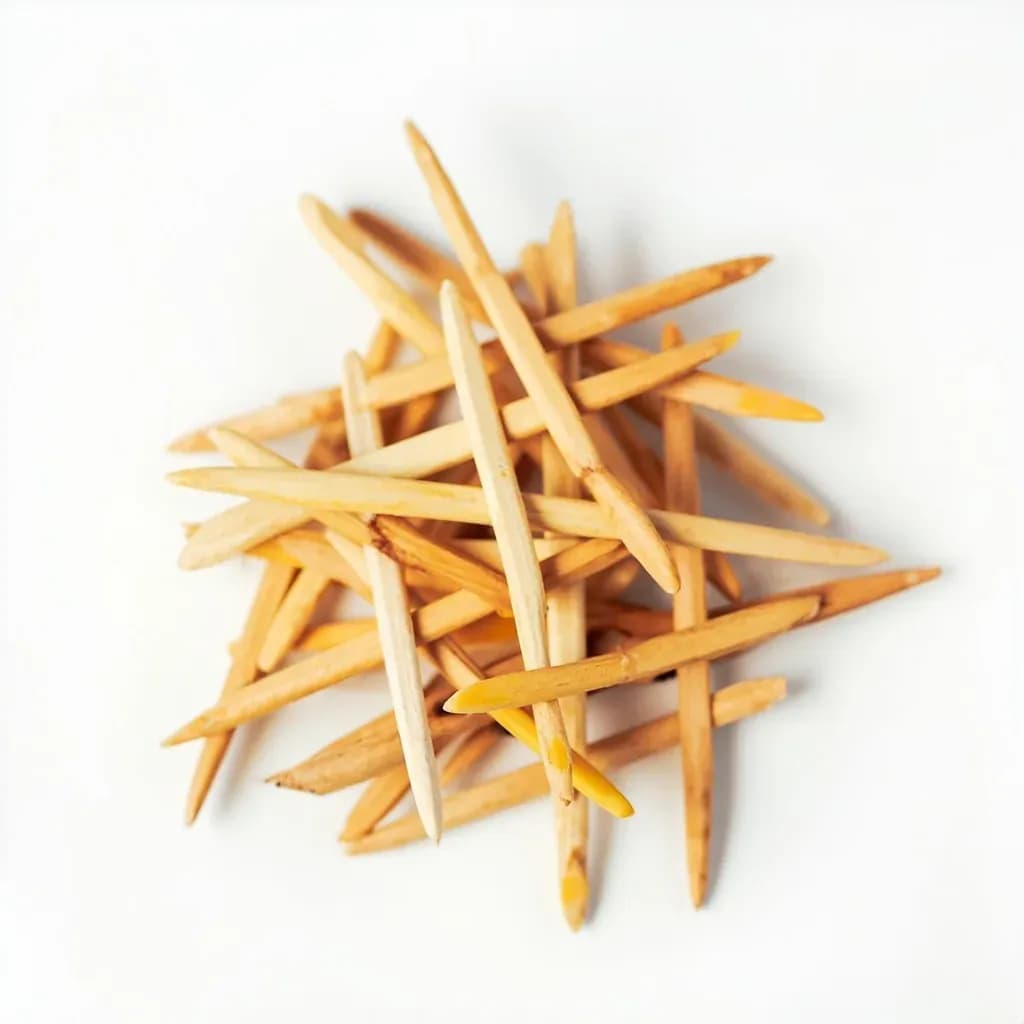
Toothpick
Small pointed wooden pick that pins rolled food shut and tests baked goods for doneness.
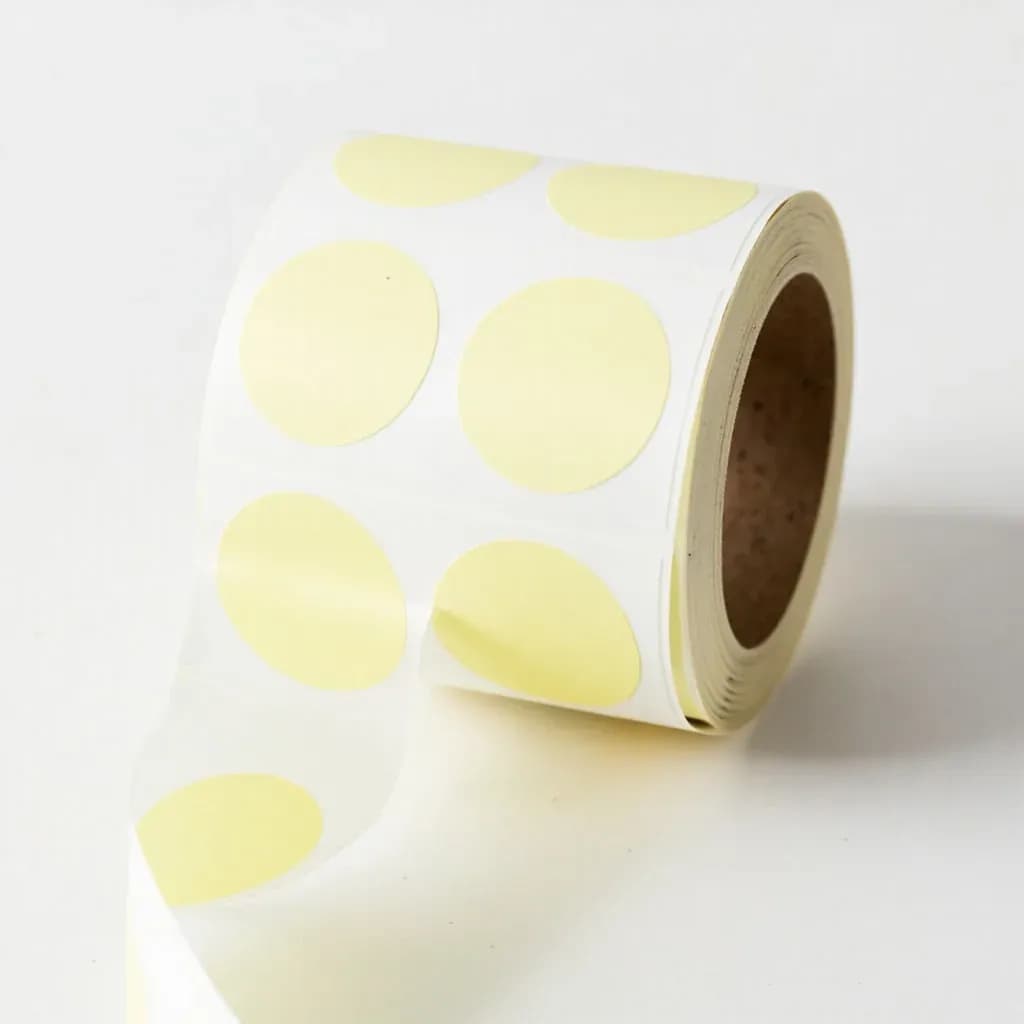
Food Storage Label (Day-Dot)
Stick-on label marking date, contents, or batch info for safe stock rotation.
Labeling Tape
Write-on tape for marking containers with contents and dates, peeling off cleanly later.