South America
Colombian (Eje Cafetero & Coastal)
Also: Colombian cuisine, Cocina Colombiana, Eje Cafetero cooking, Pacific Colombian cuisine, Coastal Colombian cuisine
Colombia's staggering biodiversity — Andean highlands, Pacific rainforest, Caribbean coast, and coffee-belt valleys — produces a family of regional cuisines so distinct they might belong to different countries, united by an arepa, a pot of sancocho, and the world's best coffee.
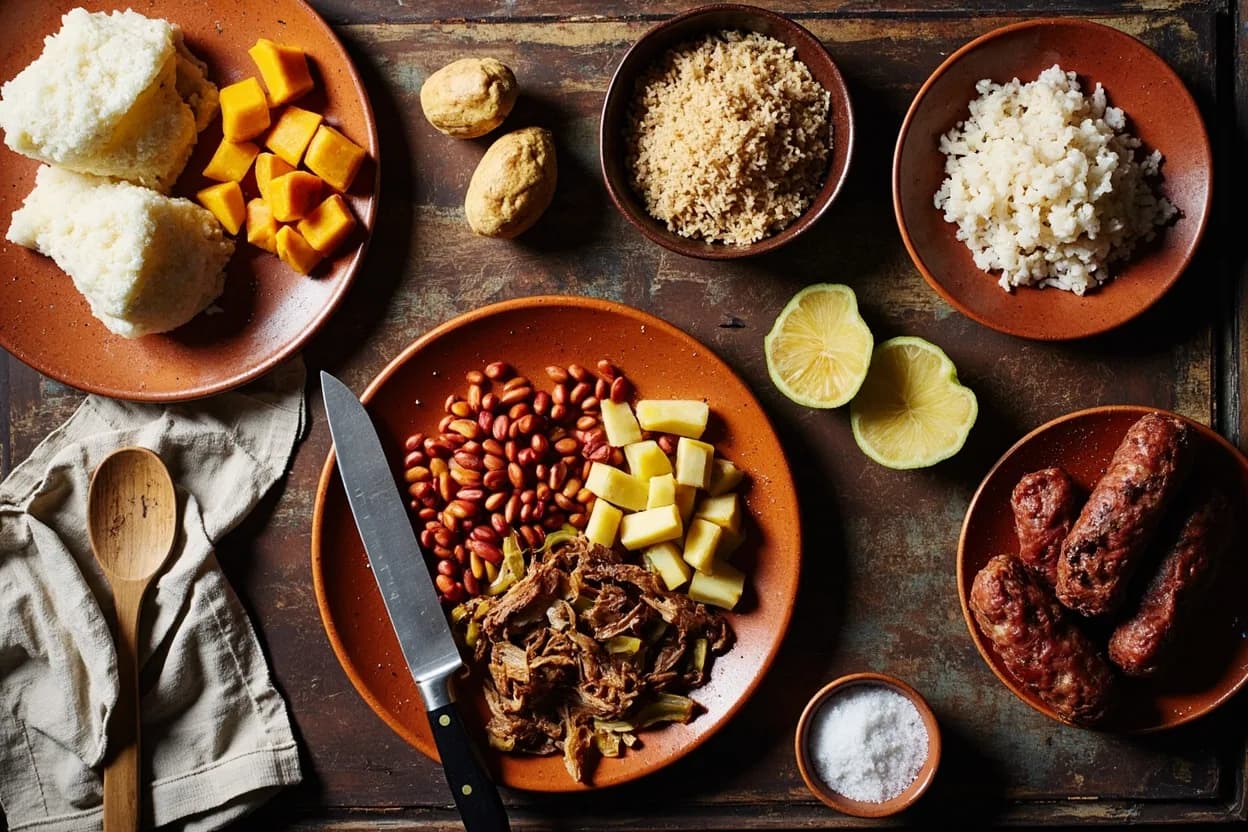
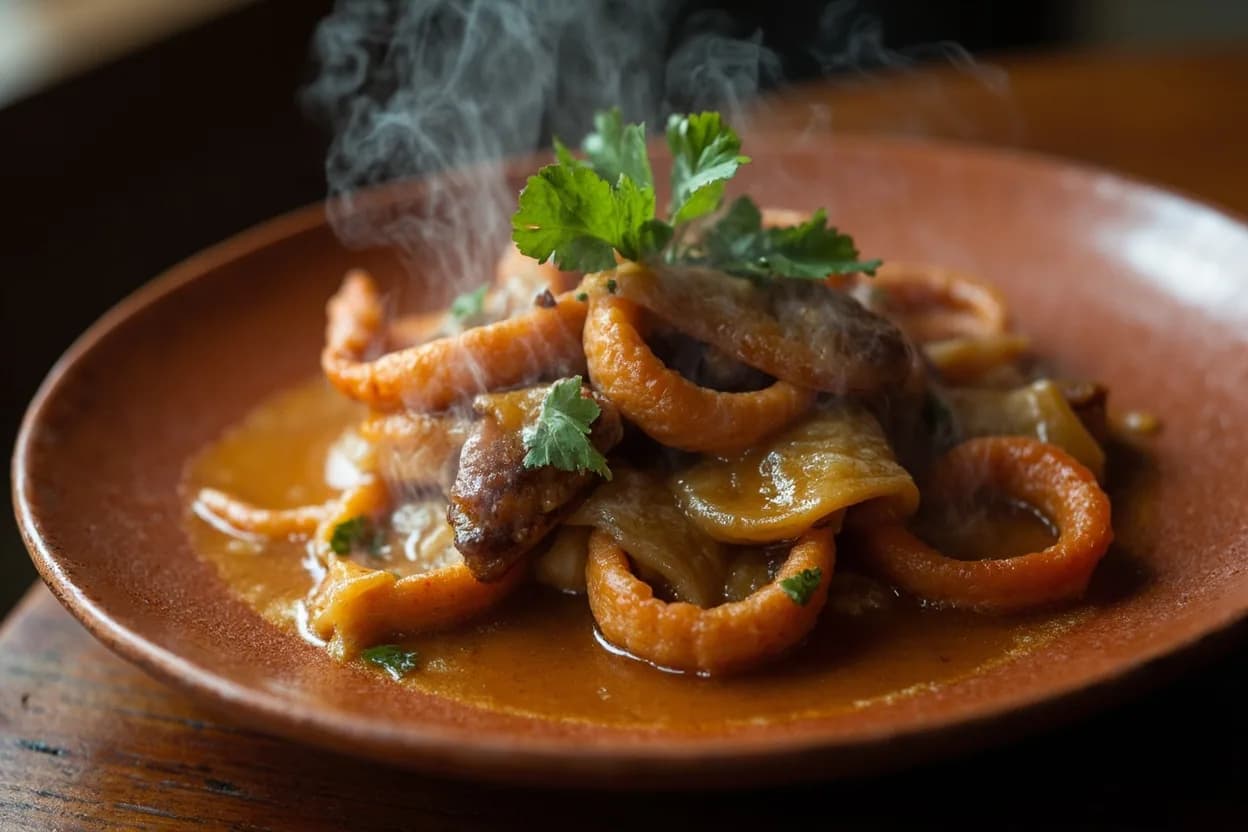
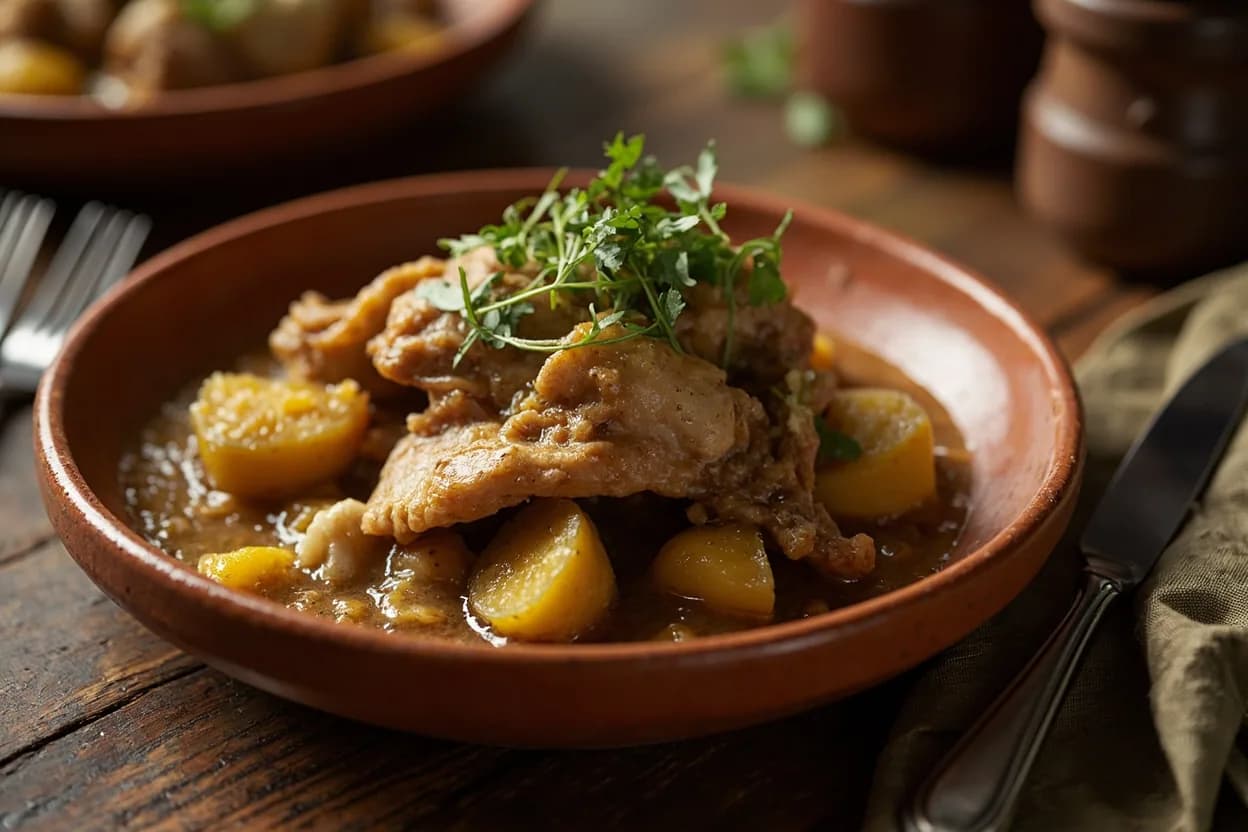
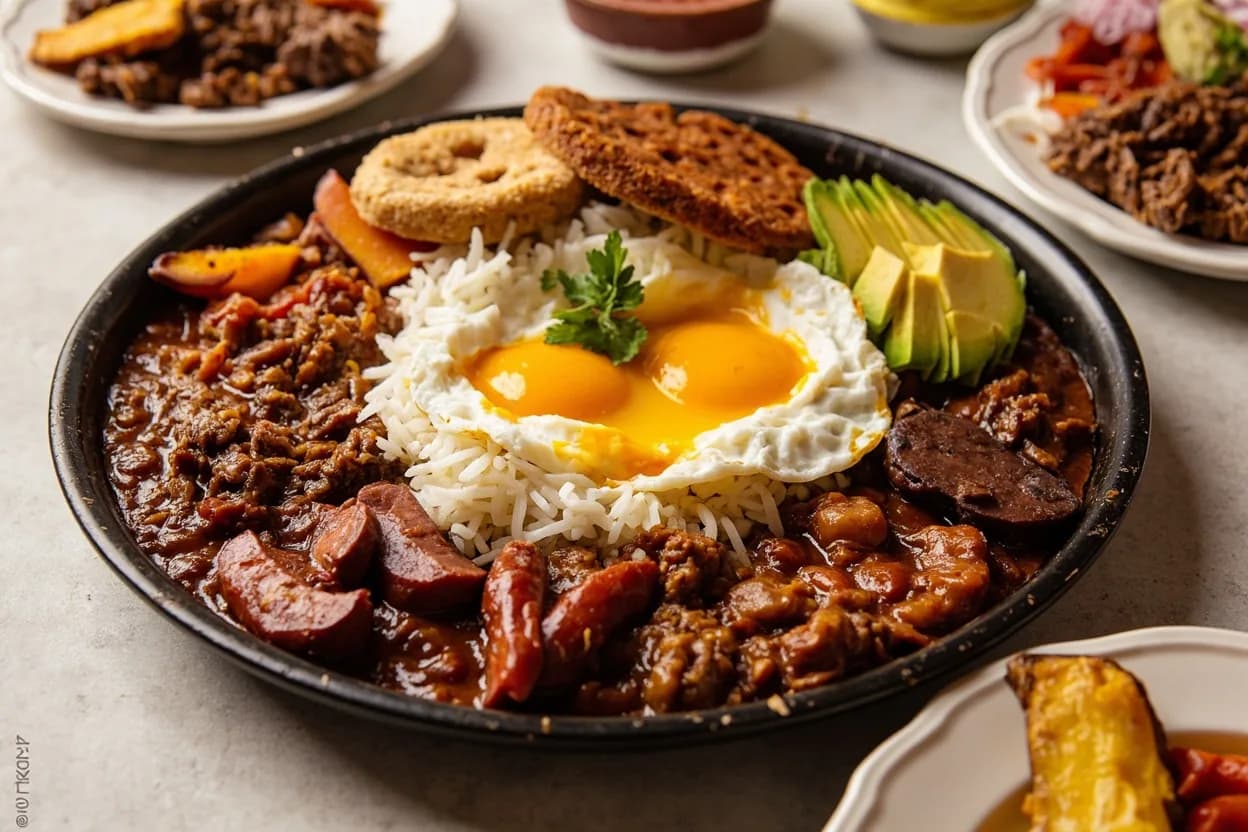
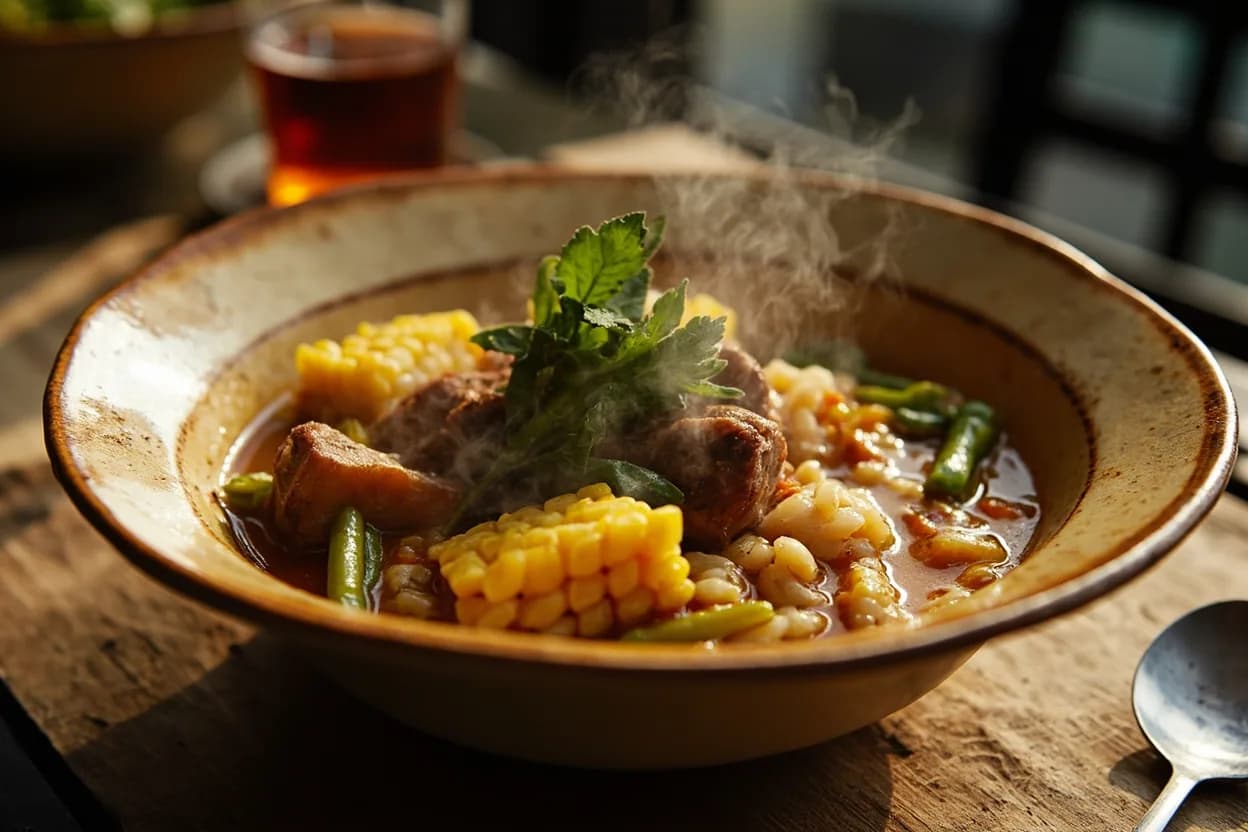
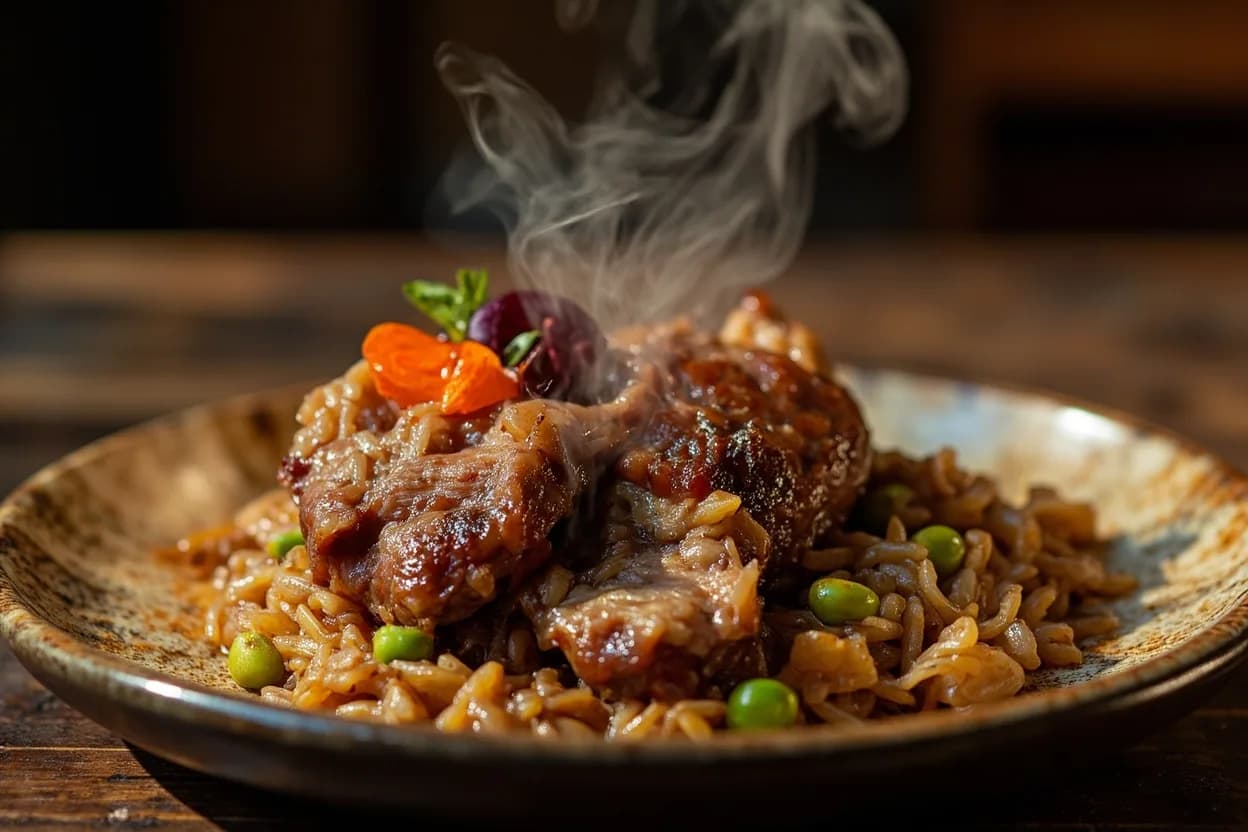
Colombian cuisine is not one tradition but a mosaic of regional kitchens shaped by geography as much as by culture. The Andean coffee-growing belt (Eje Cafetero — Caldas, Risaralda, Quindío, and Antioquia departments) produces the bandeja paisa tradition: the maximal working plate of the mountain farmer, heaped with red beans, rice, chicharrón, carne asada, chorizo, fried egg, avocado, plantain, and an arepa. The highland capital Bogotá claims the creamy ajiaco — a chicken soup built around three varieties of potato — as its civic dish. The Caribbean coast, stretching from Cartagena to Santa Marta, operates on a coastal grammar of fried fish, coconut rice, and patacones. The Pacific Black Colombian coast (Chocó and Valle del Cauca littoral) maintains one of the most distinct regional cuisines in Latin America, with African-derived food traditions centered on plantain, coconut, river fish, and arroz atollado. The Llanos (eastern savannas) roast whole cattle-country meats on spits. Colombia is the Americas' most biologically diverse country; its cuisine reflects this in the sheer variety of fruit, tuber, fish, and legume in daily use.
The flavour base
Hogao — a slow-cooked sofrito of tomato and scallion (or long onion, cebolla larga) — is the Colombian culinary mother sauce, appearing as the base or topping for nearly every major dish. Cumin, garlic, and fresh herbs (cilantro, guasca in Bogotá) form the aromatic structure. Coconut milk enters on the coast; ají amarillo and local peppers provide mild to moderate heat.
Pantry staples
Key ingredients
Signature techniques
Signature dishes
Colombian (Eje Cafetero & Coastal) on the table
At the table
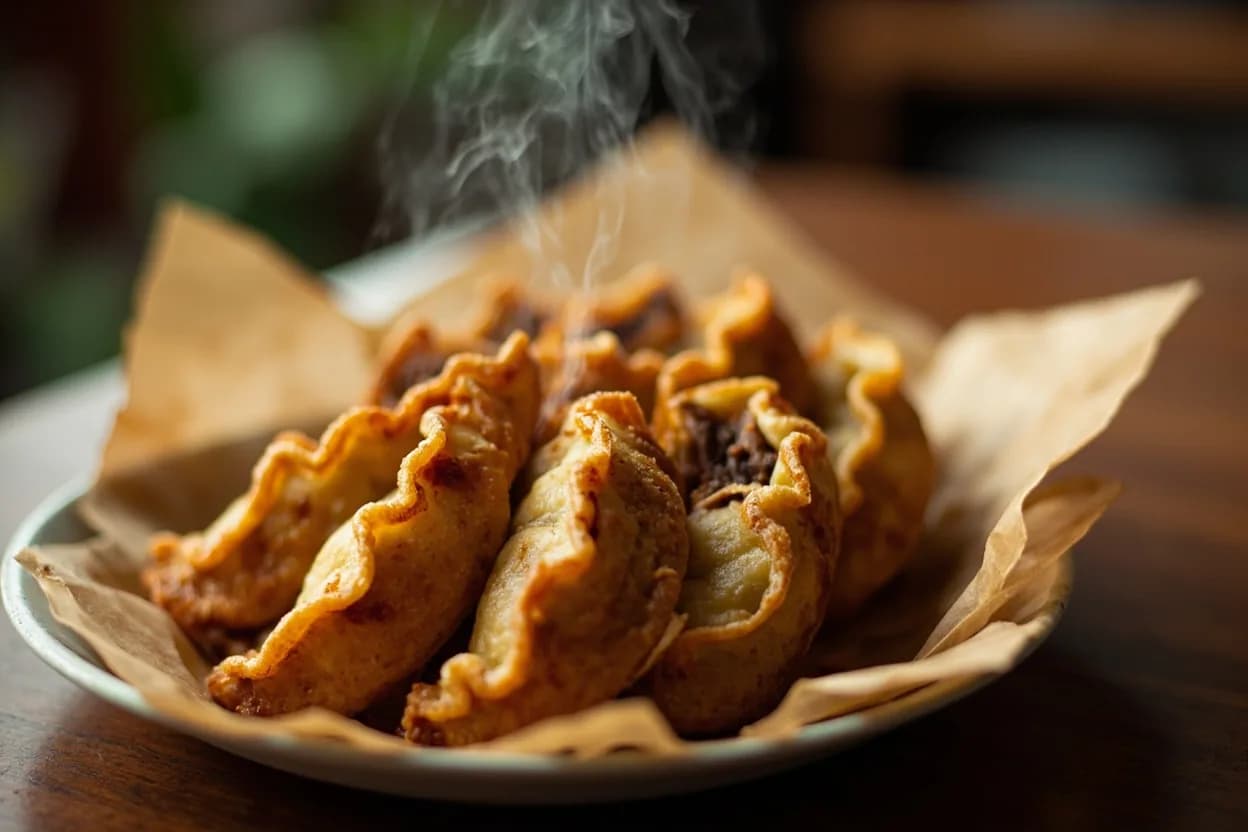
Colombian meals follow a substantial three-course structure: a sopa (soup) is expected at the main midday meal (almuerzo), followed by the seco (the dry plate — rice, protein, salad, plantain), and ending with a dulce or fruit juice. Breakfast is arepa-centered: in the coffee belt, arepa with eggs and hogao; on the coast, arepa de huevo (egg-filled fried arepa). Afternoon tinto (black coffee) with a small sweet or savory bite is a national ritual. Street food — empanadas, buñuelos, obleas — is constant throughout the day.
History & context
Pre-Columbian civilizations — Muisca in the highlands, Zenú on the coast, Emberá in the Pacific — built food systems around maize, potato, yuca, quinoa, cacao, and the extraordinary fruit diversity of the equatorial zone. Spanish colonization from 1499 introduced cattle, pigs, rice, wheat, and sugar cane, which fused with Indigenous staples to create the bedrock of modern Colombian cooking. Enslaved Africans brought to work coastal plantations and gold mines introduced West African food techniques — the entire encocado and Pacific coast tradition is essentially African cooking adapted to Colombian ingredients. The 19th-century coffee boom transformed the Eje Cafetero region: colonization by Antioqueño settlers cleared cloud forests for coffee and established the paisa agricultural identity that produced the bandeja paisa as a fuel-load working meal. Mass internal migration in the 20th century (accelerated by conflict and urbanization) mixed regional traditions in Bogotá, Medellín, and Cali, while each city retained distinct local pride in its home dishes.
Regional variations
- Antioquia / Eje Cafetero (paisa region)
The bandeja paisa tradition; conservative, bean-and-pork-centered diet; arepa blanca (thin white corn) is the everyday bread; buñuelos and natilla for Christmas.
- Bogotá and Cundinamarca highlands
Ajiaco with three potato varieties and guasca herb is the civic specialty; changua (milk-and-egg breakfast soup) is a Bogotano identity marker; tamales cucuteños with pork and chickpeas.
- Caribbean coast (Cartagena, Barranquilla)
Coconut rice (arroz con coco) served with almost everything; fresh seafood dominant; patacones; fried fish with limón; posta negra (dark-braised beef in panela sauce).
- Pacific coast (Chocó, Buenaventura)
Most distinctly African-Colombian of all regions; encocado (coconut milk stews) with river and sea fish; arroz atollado; chontaduro (palm fruit) as a daily starch; cholado (shaved ice with fruit and condensed milk).
- Valle del Cauca (Cali)
Chuleta valluna (breaded pork chop); lulada (lulo-based cold drink); pandebono (cheese bread); significant Afro-Colombian and Indigenous Nasa culinary influence.
- Nariño (southern Andes, Ecuador border)
Strong Andean Indigenous influence; empanadas de pipián (peanut-based filling); cuy (guinea pig); colada de maíz; diet more similar to Ecuadorian highland cooking.
Related cuisines
- Venezuelan
Shared arepa tradition and sancocho culture; different regional emphases (Venezuela more llanos cattle-country, Colombia more mountain-and-coast diversity).
- Ecuadorian (Andean)
Southern Colombian Nariño shares potato, cuy, and corn cultures with Ecuadorian highlands; adjacent populations with overlapping Indigenous Pasto heritage.
Pacific Black Colombian encocado and dendê-oil parallels suggest shared West African roots, even without direct contact; both traditions built on coconut, palm, and African spice logic.
Canonical recipes
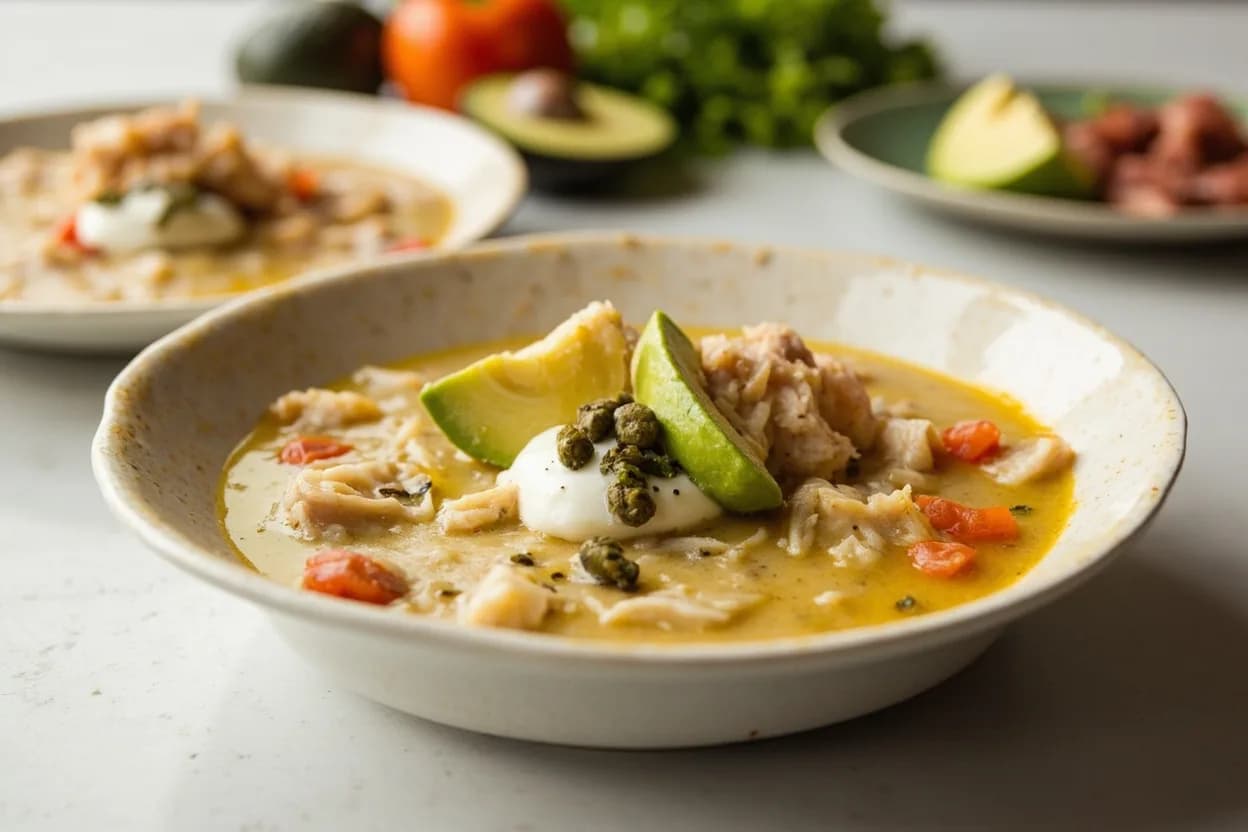
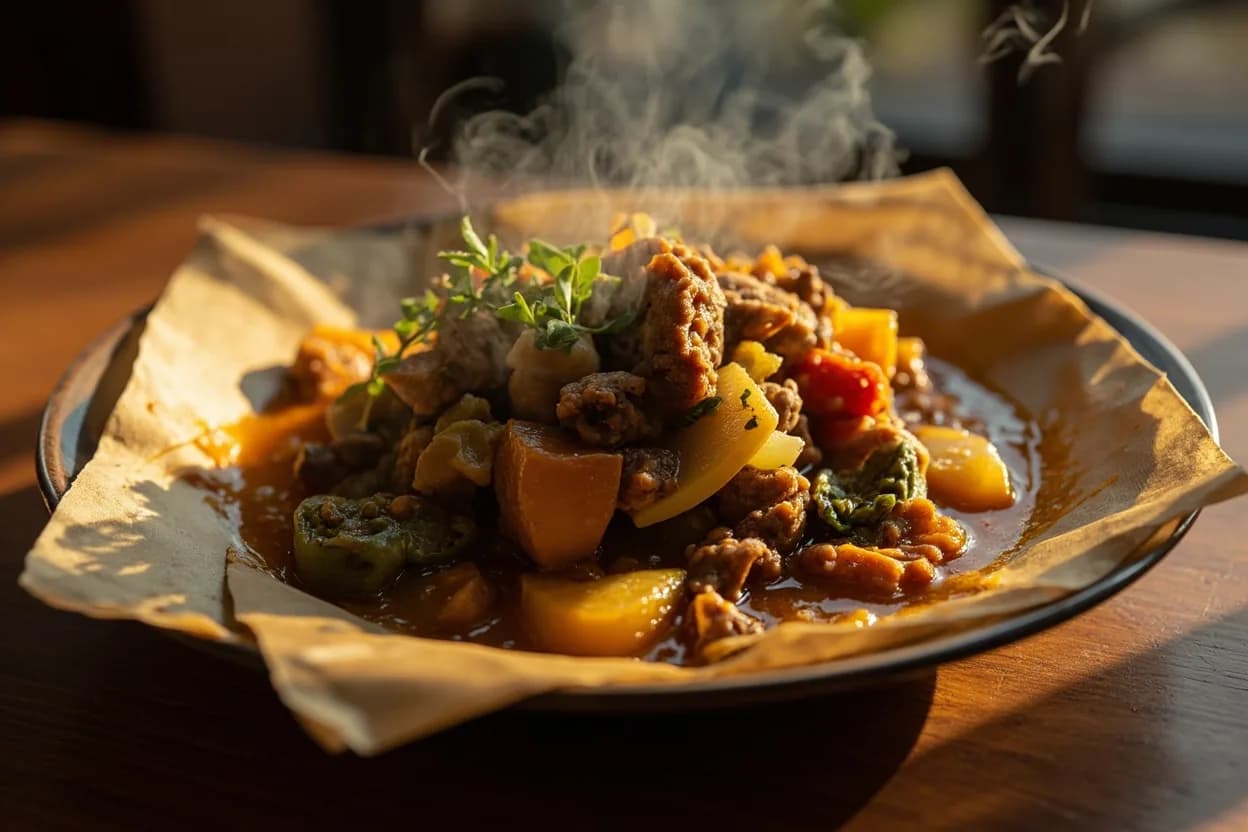
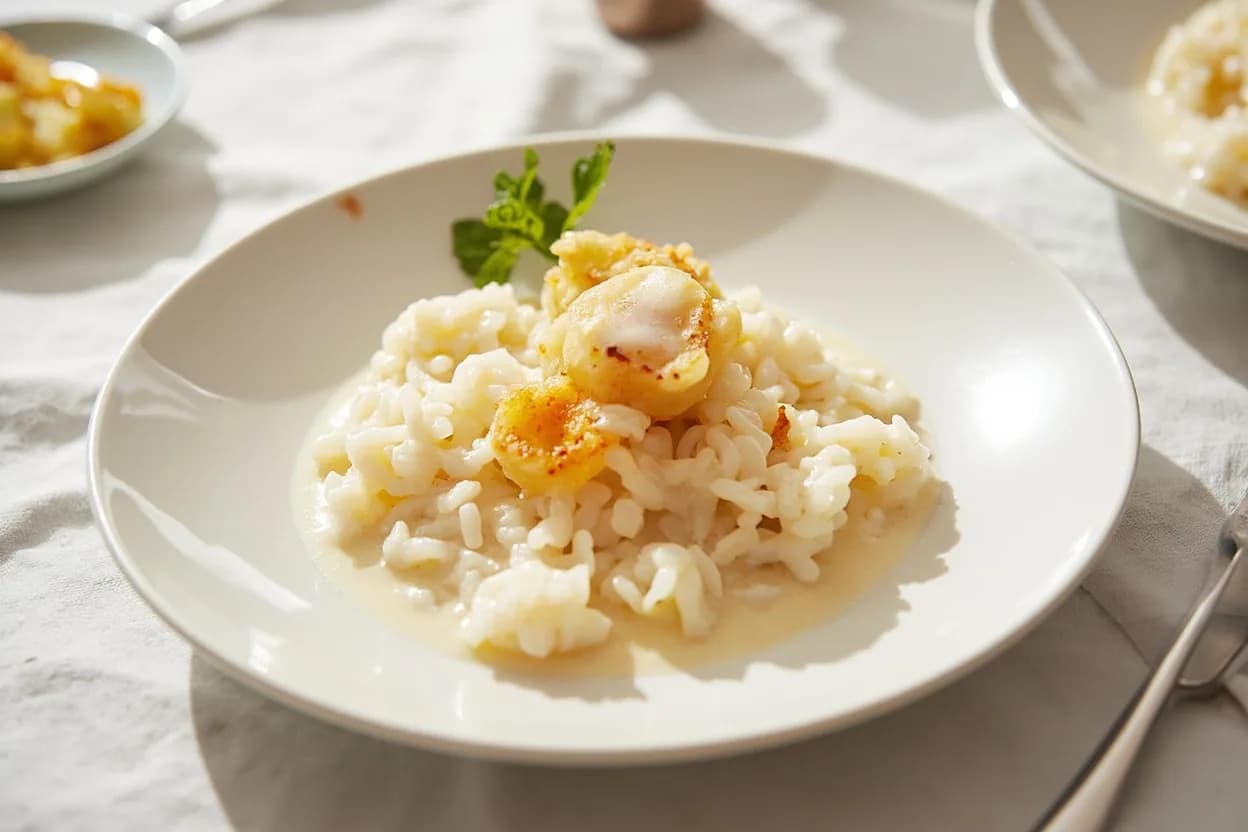
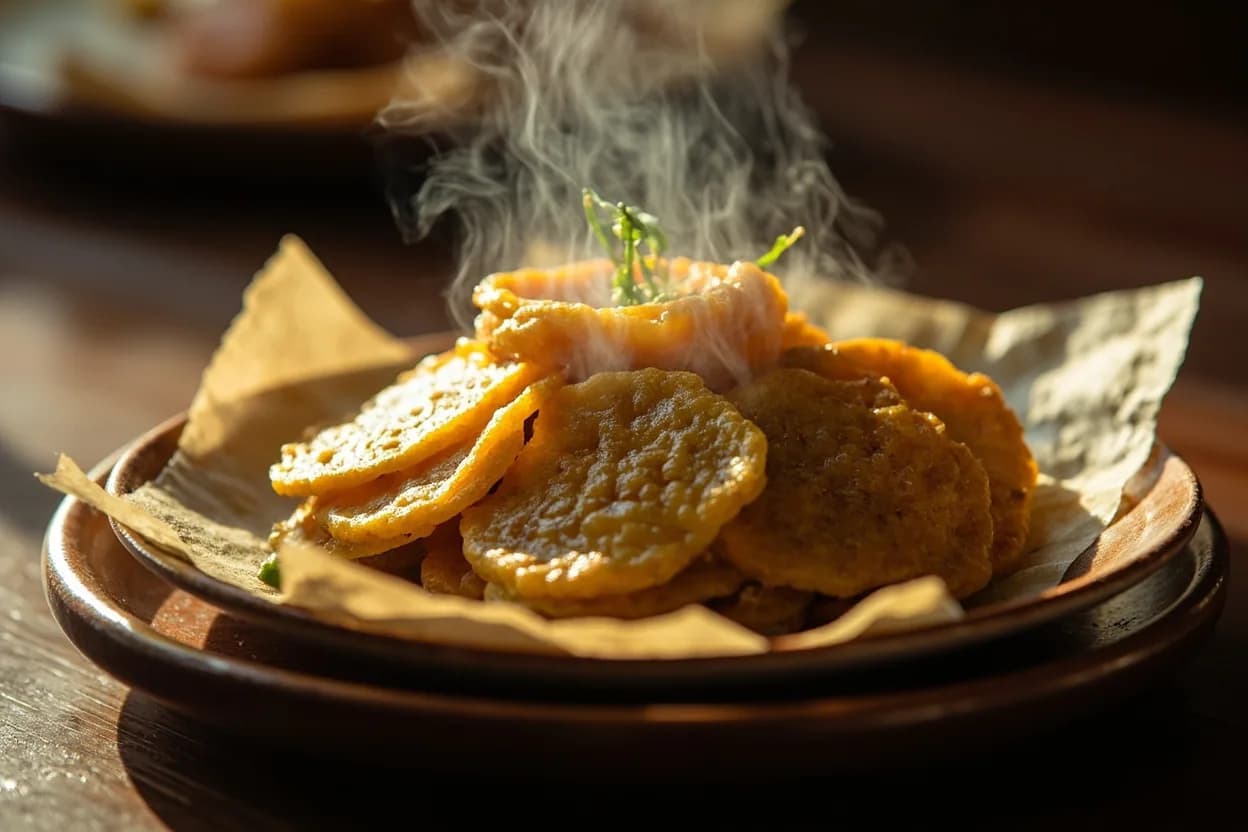
The dishes that define Colombian (Eje Cafetero & Coastal), documented in the Canon.
References
- 1.Gran Cocina Latina: The Food of Latin America — Maricel E. Presilla (2012)
- 2.The Oxford Companion to Food — Alan Davidson (3rd ed., 2014)
- 3.Colombia: A Culinary Journey — Carole Cancler
- 4.Sabores de Colombia — various authors, Ministerio de Cultura de Colombia
- 5.Cocinando con las manos — Piedad Caballero (2001)
Confidence: high
Notes
The arepa: Colombia's daily bread
The arepa — a round, griddled or grilled cake of nixtamalized or fresh-ground white or yellow maize — is the single most unifying element of Colombian cuisine, present in every region in different forms. The thin, white Antioqueña arepa is a neutral vehicle for hogao, eggs, or cheese. The coastal arepa de huevo is fried and egg-stuffed. The Bogotá arepa is thicker and grainy. Chocó's arepa de choclo is sweet and soft. Colombia and Venezuela share the arepa with mutual conviction that their version is the original; the debate is intractable and beloved.
Coffee belt identity
The Eje Cafetero (coffee axle) — the department trio of Caldas, Risaralda, and Quindío, plus coffee-producing Antioquia — was colonized primarily by mestizo Antioqueño settlers from the mid-19th century onward, who cleared the cloud forest and built the distinctive bamboo-and-bahareque architecture now recognized by UNESCO. The paisa identity (industrious, entrepreneurial, Catholic, pork-loving) shapes the entire food culture: the bandeja paisa is less a recipe than a statement of values — abundance, hard work, and nothing wasted. Colombian Supremo and Huila coffee from this region is among the world's most prized.