Western Europe
Classical French
Also: French Classical, Cuisine Classique, Grande Cuisine
The codified canon of French haute cooking — mother sauces, consommés, and brigade kitchens — that became the global grammar of professional cookery.
Classical French cuisine is the systematic body of technique and recipe that was organized and published by Auguste Escoffier (Le Guide Culinaire, 1903) and Marie-Antoine Carême before him. It rests on a hierarchy of stocks and derivative sauces, precise knife work, and the brigade de cuisine — a militarized kitchen division of labor. Every element of a dish is intentional and reproducible: the hallmarks are clarity of flavor, structural elegance, and mastery of heat. The five mother sauces (Béchamel, Velouté, Espagnole, Sauce Tomat, Hollandaise) underpin thousands of derivative preparations, and the vocabulary — brunoise, chiffonade, nappe, monter au beurre — became the shared language of trained cooks worldwide.
The flavour base
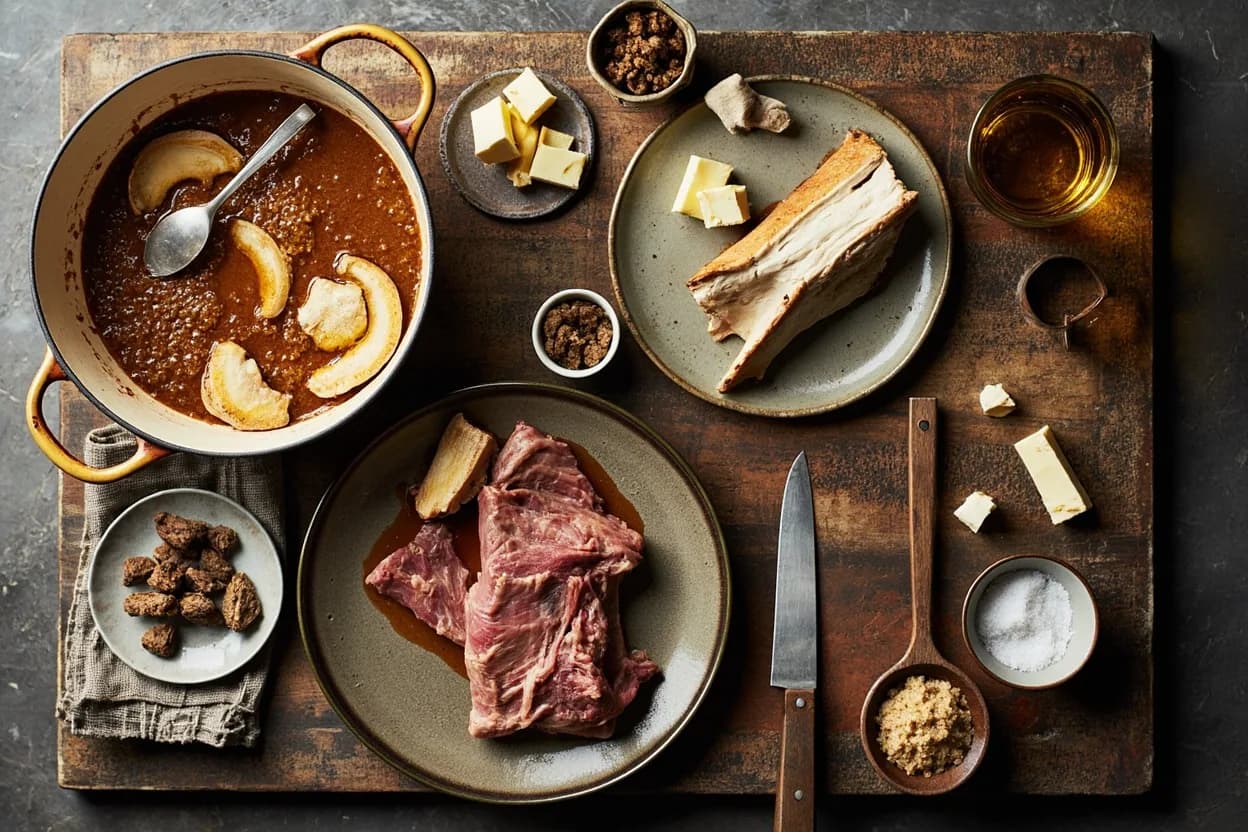
Fond (stock) is the absolute foundation — veal, chicken, fish, and vegetable stocks reduced and clarified to transparent intensity. Mirepoix (onion, carrot, celery) forms the aromatic backbone of virtually every braise, sauce, and soup. Butter enrichment at service (monter au beurre) adds gloss and roundness. The bouquet garni — parsley stems, thyme, bay — is the universal perfume.
Pantry staples
Key ingredients
Signature techniques
Signature dishes
Classical French on the table

At the table
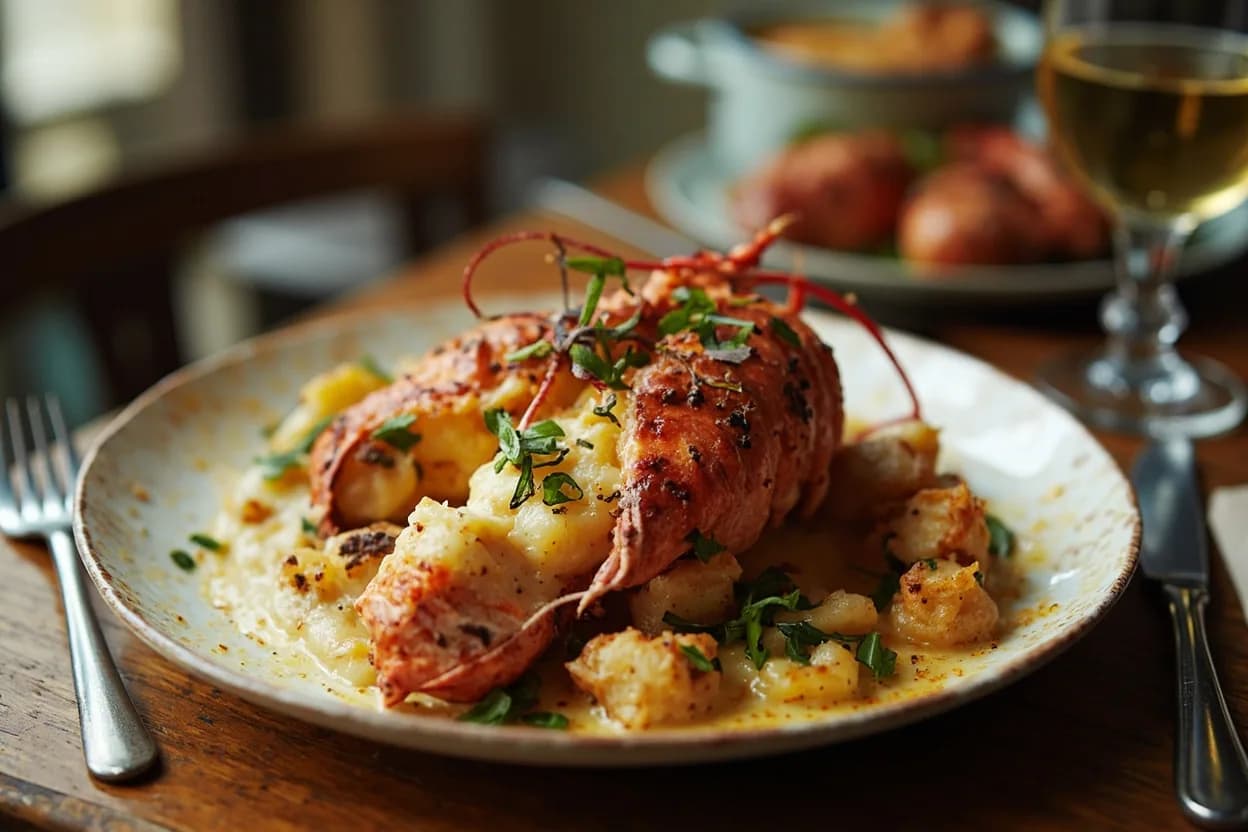
The classical French meal follows a strict progression: hors d'oeuvres → potage (soup) → relevé → entrée → rôti (roast) with salad → entremets (vegetables/sweets) → dessert → café. In formal service, dishes arrive sequentially via service à la russe (plated individually) rather than the older service à la française (all courses at once). Portions are measured; sauces are applied by the cook, not the diner.
History & context
French classical cuisine evolved from the opulent tables of the Ancien Régime, where cooks like La Varenne (Le Cuisinier François, 1651) began shifting from medieval spice-heavy cooking toward herb-driven sauces and butter. Marie-Antoine Carême in the early 19th century created the 'grande cuisine' framework and its theatrical pièces montées. Escoffier rationalized Carême's baroque complexity into reproducible recipes for the new grand hotel kitchens of the Belle Époque (Ritz Paris, Savoy London), codifying the brigade system and the mother-sauce taxonomy. This codification made classical French technique exportable: culinary schools from New York to Tokyo adopted it as the neutral standard of professional cooking, a dominance only partially disrupted by the Nouvelle Cuisine revolt in the 1970s.
Regional variations
- Parisian
The court-derived center of classical codification; most restaurant classics originate here.
Heavy cream and Calvados inflect the classical framework with regional dairy richness.
- Bordelaise
Bordeaux wine reductions and shallot-based sauces (sauce bordelaise) give the classical tradition a wine-region character.
Related cuisines
The elite restaurant expression of the same classical foundations, elevated with luxury ingredients and formal plating.
A deliberate rejection of classical heaviness, retaining the technique while discarding flour-thickened sauces.
- Lyonnaise
Bouchon tradition preserves rustic roots that preceded Escoffier's codification.
Canonical recipes
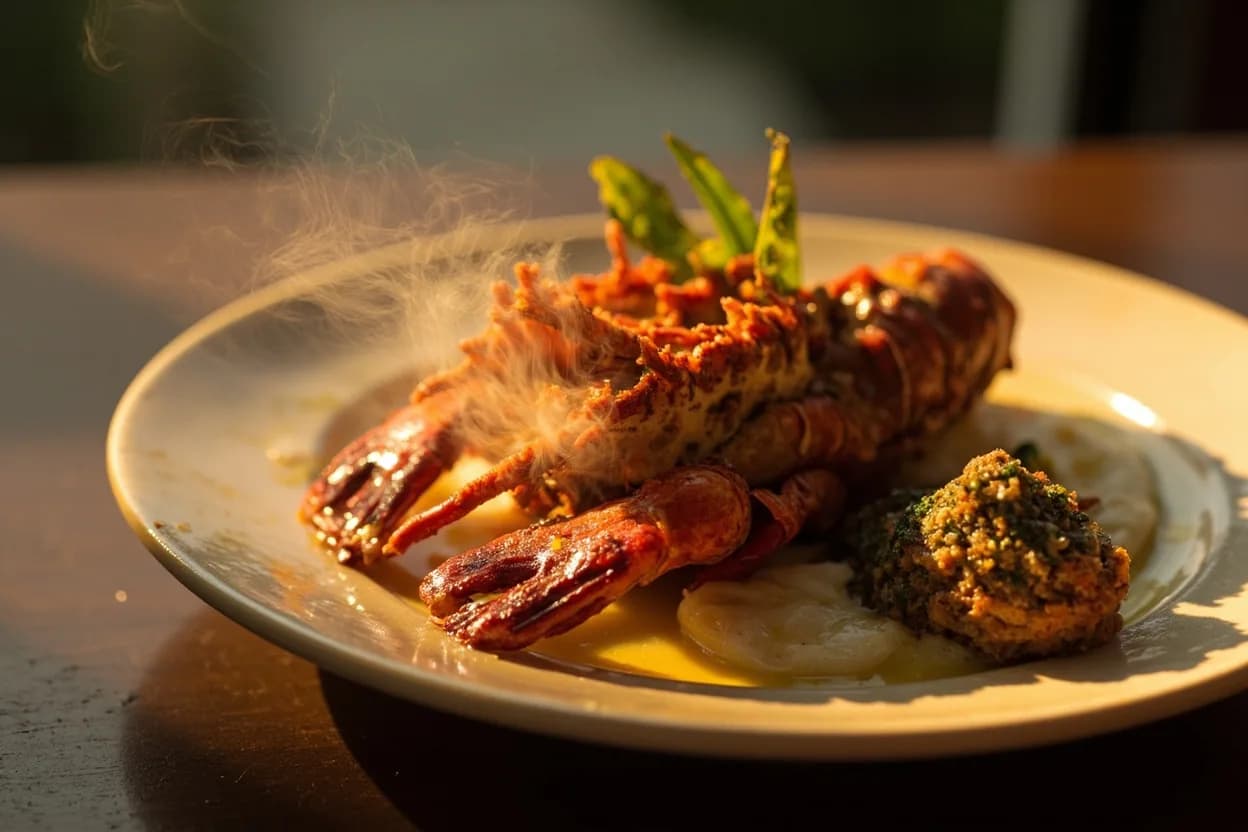
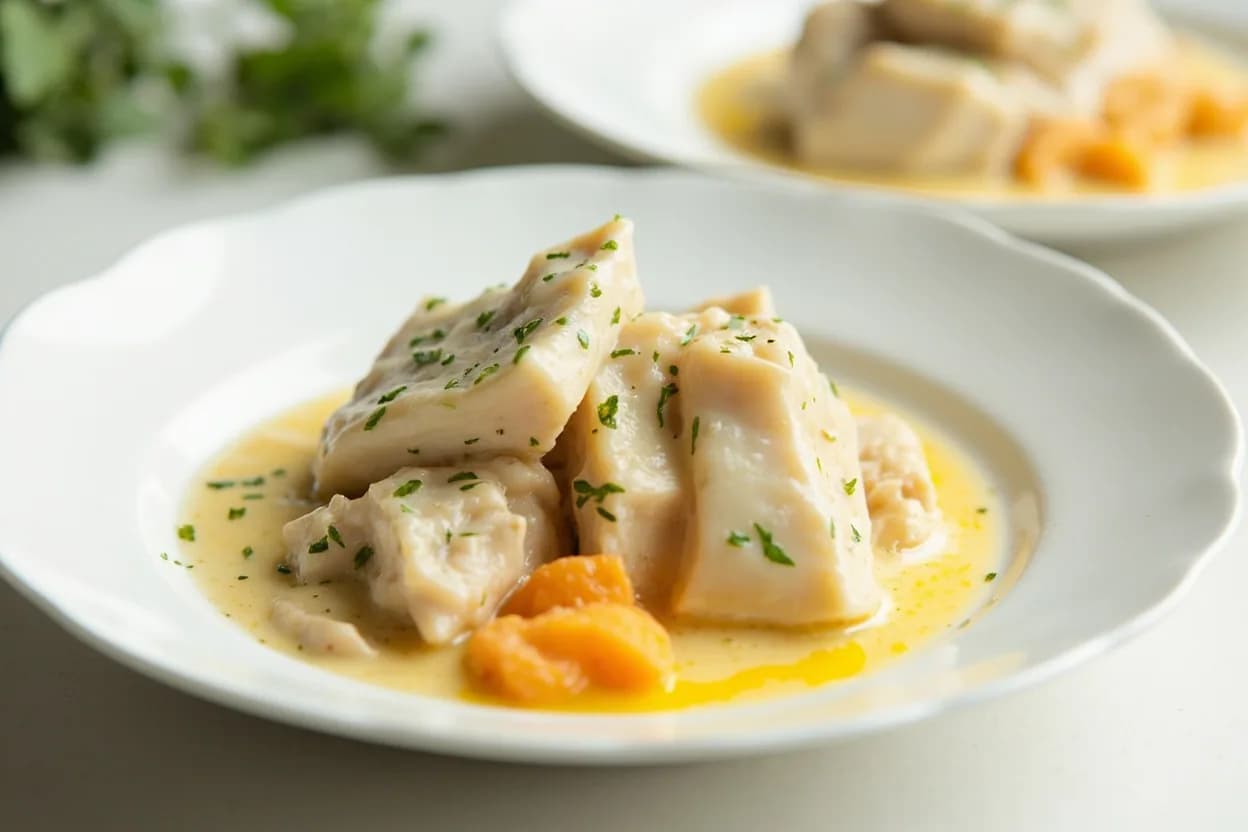
The dishes that define Classical French, documented in the Canon.
References
- 1.Le Guide Culinaire — Auguste Escoffier (1903)
- 2.L'Art de la Cuisine Française — Marie-Antoine Carême (1833)
- 3.The French Laundry Cookbook — Thomas Keller (1999)
- 4.Sauces: Classical and Contemporary Sauce Making — James Peterson (2008)
Confidence: high
Notes
The brigade today
Modern kitchens rarely operate with the full Escoffier brigade (saucier, poissonnier, garde manger, entremetier, pâtissier, etc.), but the division of labor and mise en place discipline remain the operative logic of any serious professional kitchen, regardless of cuisine.