Produce
Creole Potato (Papa Criolla)
Small, golden-yellow Andean potato with a buttery, creamy flesh used in Colombian stews and soups.
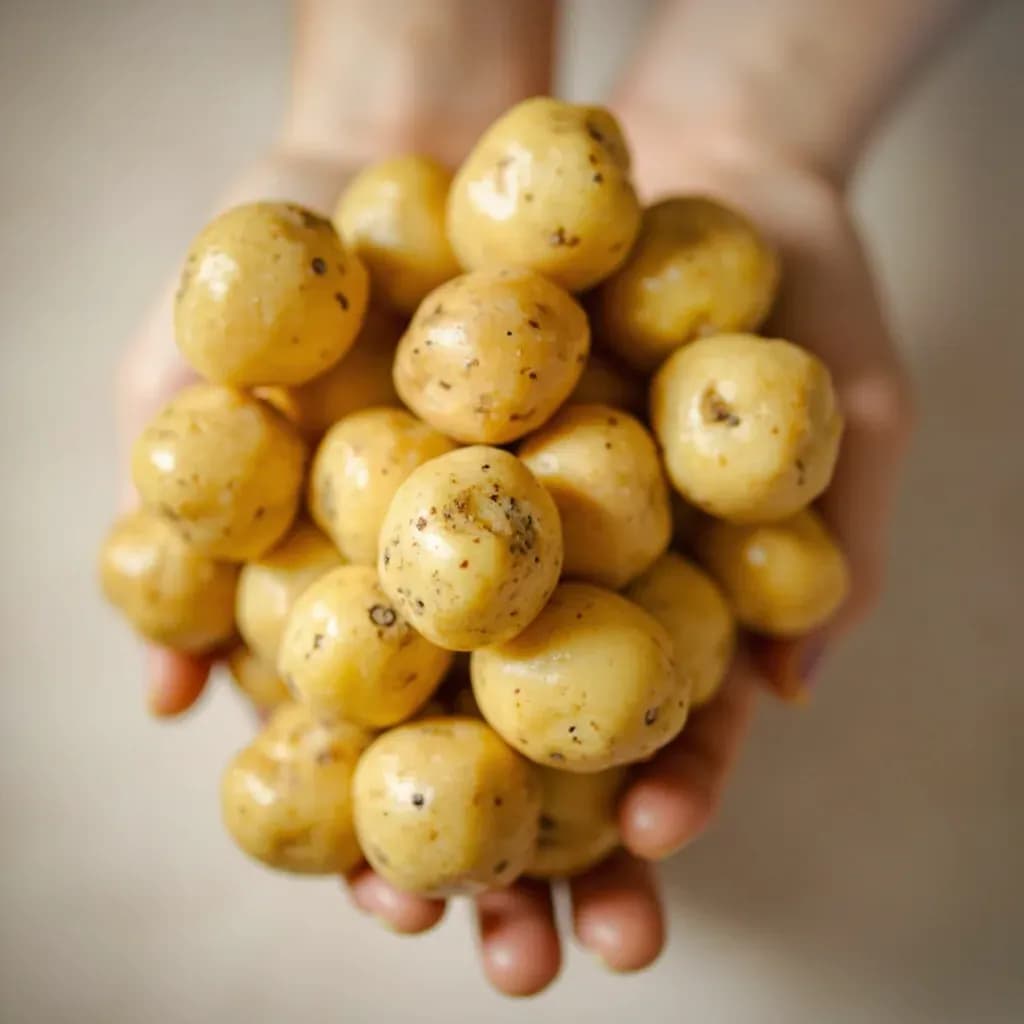
Papa criolla is a tiny, intensely yellow potato native to the Colombian Andes with a smooth, almost waxy-creamy texture. It is the signature thickener and garnish of dishes like ajiaco soup and is often fried whole or simmered until it nearly melts into the broth. Its rich flavor and vivid color come from a high carotenoid content.
Papa criolla is a small Andean potato (Solanum tuberosum, Phureja group) cultivated for centuries in the high altitudes of the Colombian Andes, primarily in Cundinamarca, Boyacá, and Nariño. The term 'criolla' means 'native' in Spanish, reflecting its indigenous pre-Columbian heritage. Unlike common Russet or Yukon Gold varieties, papa criolla belongs to the Phureja group—short-cycle potatoes bred for high-altitude growing conditions that develop a characteristically high dry matter content, giving them a buttery, creamy texture without any added fat.
The tubers are small, typically 4–7 cm in diameter, with thin smooth yellow-golden skin that is always eaten along with the flesh. When cooked, the flesh deepens to a rich yellow or golden-orange and transforms from a firm, slightly waxy raw state into a fine-grained, melt-on-the-tongue quality that holds its shape beautifully in liquid. This waxy density means papa criolla should never be baked or prepared for fluffy mashed potatoes—it excels where its virtues of creaminess and structural integrity in soups and stews are paramount.
In Colombian markets, look for firm, smooth-skinned tubers that feel heavy for their size. Avoid any with green discoloration, sprouting eyes, or soft spots. The potatoes stain easily when cut, so work quickly with dry utensils and do not soak cut pieces.
- Measured in
- g
- Storage
- Pantry
Types & varieties
The standard commercial variety; consistent golden flesh and creamy texture throughout
A named cultivar developed for disease resistance and uniformity; widely grown across growing regions
Locally adapted varieties from Boyacá and Nariño; may vary in color intensity and subtle flavor nuances
Understanding the Phureja Difference
Papa criolla belongs to the Phureja group of potatoes, distinct from the tuberosum group that dominates North American and European markets. Phureja potatoes evolved in the Andes at elevations above 2,500 meters, developing a shorter growing cycle and higher dry matter content than their lowland cousins. This high dry matter is what creates that signature buttery, almost enriched texture without any added fats—the potato simply contains more starch and less water than common varieties. The trade-off is that Phureja potatoes behave differently in the kitchen: they steam and boil to creamy perfection but will not yield a fluffy baked potato or light mashed texture no matter what technique you apply.
- Phureja potatoes have notably higher dry matter than standard table potatoes
- The high starch content creates natural creaminess that holds together in liquid
- Not a baking or fluffy-mashing potato—respect its waxy character
Buying and Storing
Select papa criolla that feels heavy for its small size—this indicates good moisture content and freshness. The skin should be smooth and unblemished, without any green-tinged areas (which indicate solanine buildup from light exposure) or sprouting eyes. Unlike larger potato varieties, papa criolla's thin skin means even minor damage can lead to rapid deterioration. Store unwashed in a paper bag or cloth sack in a cool, dark, well-ventilated cabinet—never in the refrigerator, where cold temperatures convert starches to sugars and degrade texture. Keep away from onions and apples, whose ethylene gas accelerates sprouting. Under proper conditions, expect 2–4 weeks of good storage.
- Buy firm, heavy-for-size tubers with smooth skin
- Avoid green discoloration or sprouting—signs of improper storage or age
- Store unwashed in cool, dark, ventilated conditions; never refrigerate
- Keep away from ethylene-producing fruits and vegetables
Common uses
Tips & pitfalls
- Select firm, unblemished tubers of uniform small size for even cooking; avoid any with green discoloration or sprouting eyes
- Do not peel—scrub the thin skin thoroughly under cold water; the skin contributes to the creamy texture when cooked
- Cook starting in cold salted water or broth and bring to a gentle boil; vigorous boiling causes the delicate tubers to break apart
- For soups and stews, add potatoes in the last 20–25 minutes so they absorb flavor without disintegrating
- If substituting larger potatoes, cut into 3–4 cm pieces to approximate cooking time and texture absorption
- Overcooking is the most common mistake—papa criolla becomes gluey and loses its buttery character if boiled too long; test frequently after 15 minutes
- For frying, parboil briefly (5–7 minutes), then fry at 160°C until golden; this prevents raw centers while achieving crisp exterior
- Handle cut potatoes quickly with dry utensils; the flesh stains easily and will absorb water if soaked, diluting flavor
Nutrition
Energy
243 kJ · per 100 g
Where the calories come from
Protein
2.6g
5% DV
Carbs
12.4g
5% DV
Fat
0.1g
0% DV
Fiber
2.5g
9% DV
Sodium
10mg
0% DV
Source · USDA FoodData Central · approx. Potatoes, raw, skin
View on FDC →In the shops
Matched grocery products
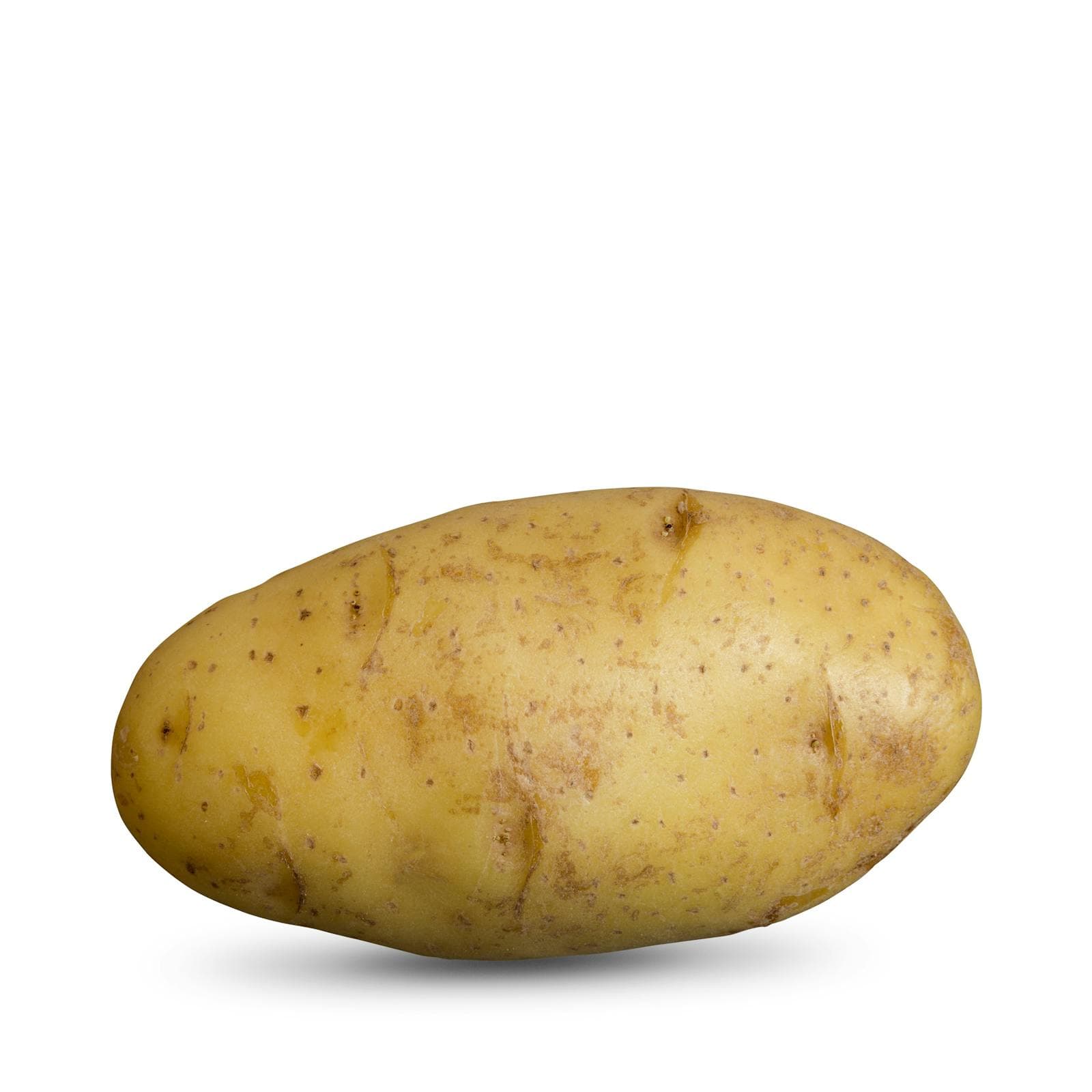 €0.40
€0.40Potato
210 g · Mercadona
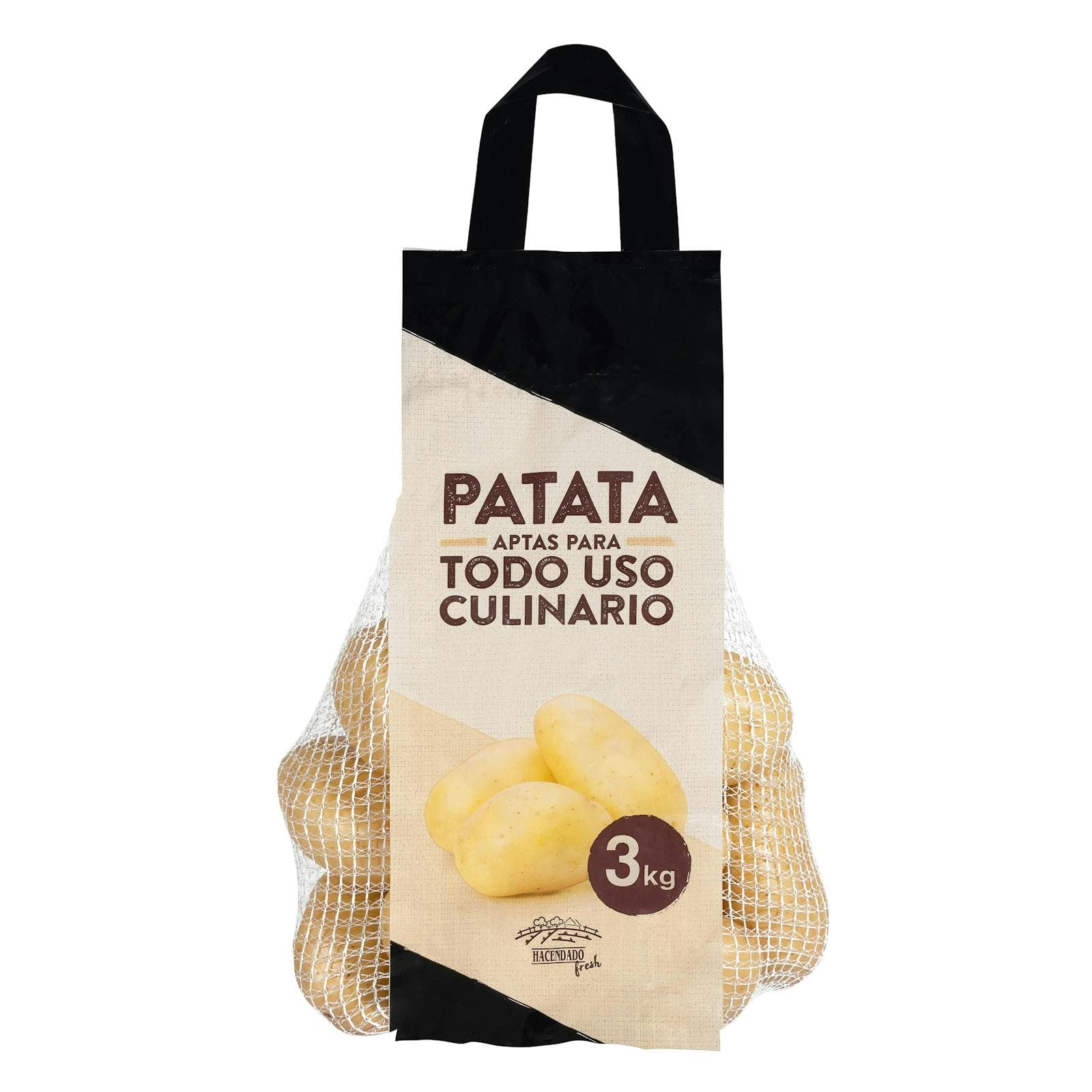 €4.65
€4.65Potatoes
3 kg · Mercadona
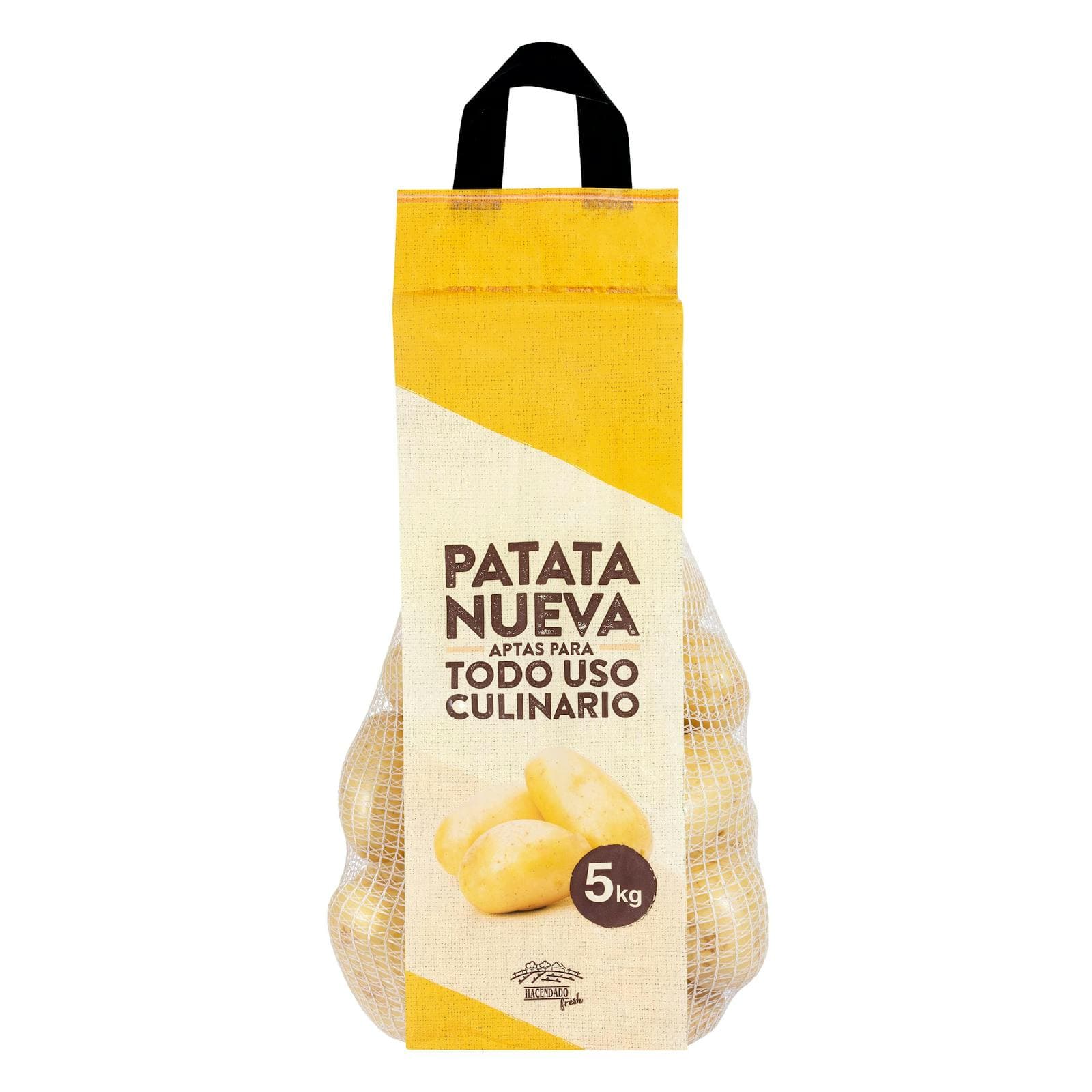 €5.60
€5.60Potatoes
5 kg · Mercadona
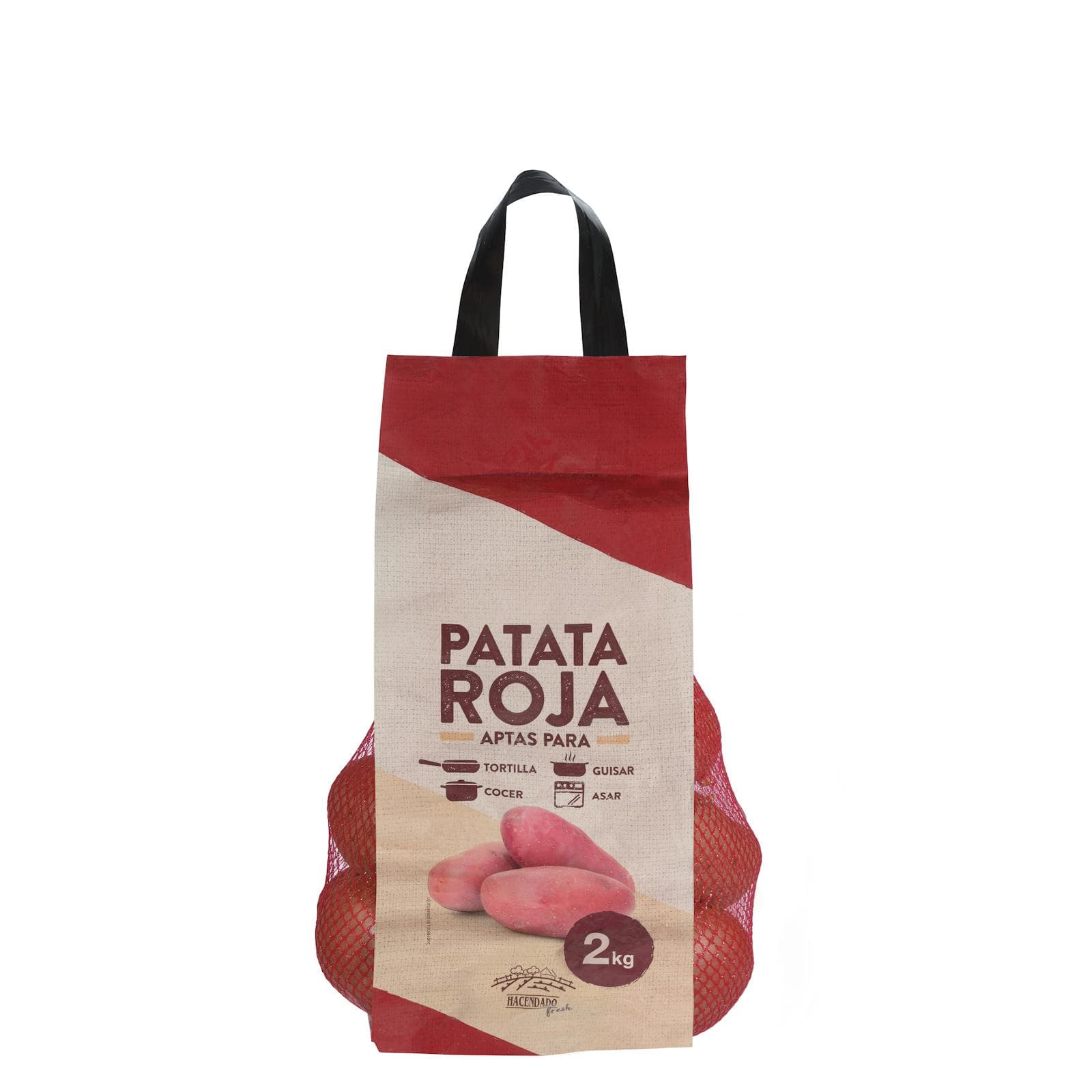 €3.80
€3.80Red Potatoes
2 kg · Mercadona
 €0.45
€0.45Potato 1 unit
Bonpreu
 €0.70
€0.70Potato 1 unit
ud · Bonpreu
Good to know
- Origin
- Colombian Andes; cultivated in Cundinamarca, Boyacá, and Nariño at 2,500–3,500 meters elevation
- Species
- Solanum tuberosum, Phureja group (short-cycle potatoes)
- Size
- 4–7 cm diameter; irregular round to oblong shape
- Skin
- Thin, smooth, yellow to golden-yellow; eaten along with flesh
- Flesh (cooked)
- Deep yellow to golden-orange; creamy, buttery, fine-grained
- Texture (cooked)
- Waxy; holds shape well in liquid; dense and creamy
- Peak Season
- June–August and December–February (varies by region)
- Shelf Life
- 2–4 weeks stored cool, dark, and ventilated; never refrigerate
Substitutes
- Peruvian Yellow Potato (Papa Amarilla) — Closest substitute; same waxy, creamy texture and buttery flavor; may be slightly larger, so cut to 3–4 cm pieces
- Yukon Gold — Acceptable substitute in soups; similar creamy interior but less intensely buttery; cut into smaller pieces for comparable cooking time
- Charlotte Potato — Good for salads and soups; holds shape well and has a mild, buttery flavor that approximates papa criolla
- Baby Dutch Yellow — Waxy texture suitable for soups; flavor is milder than papa criolla, so consider seasoning accordingly
Pairs with
Also called
Papa Criolla · Yellow Creole Potato
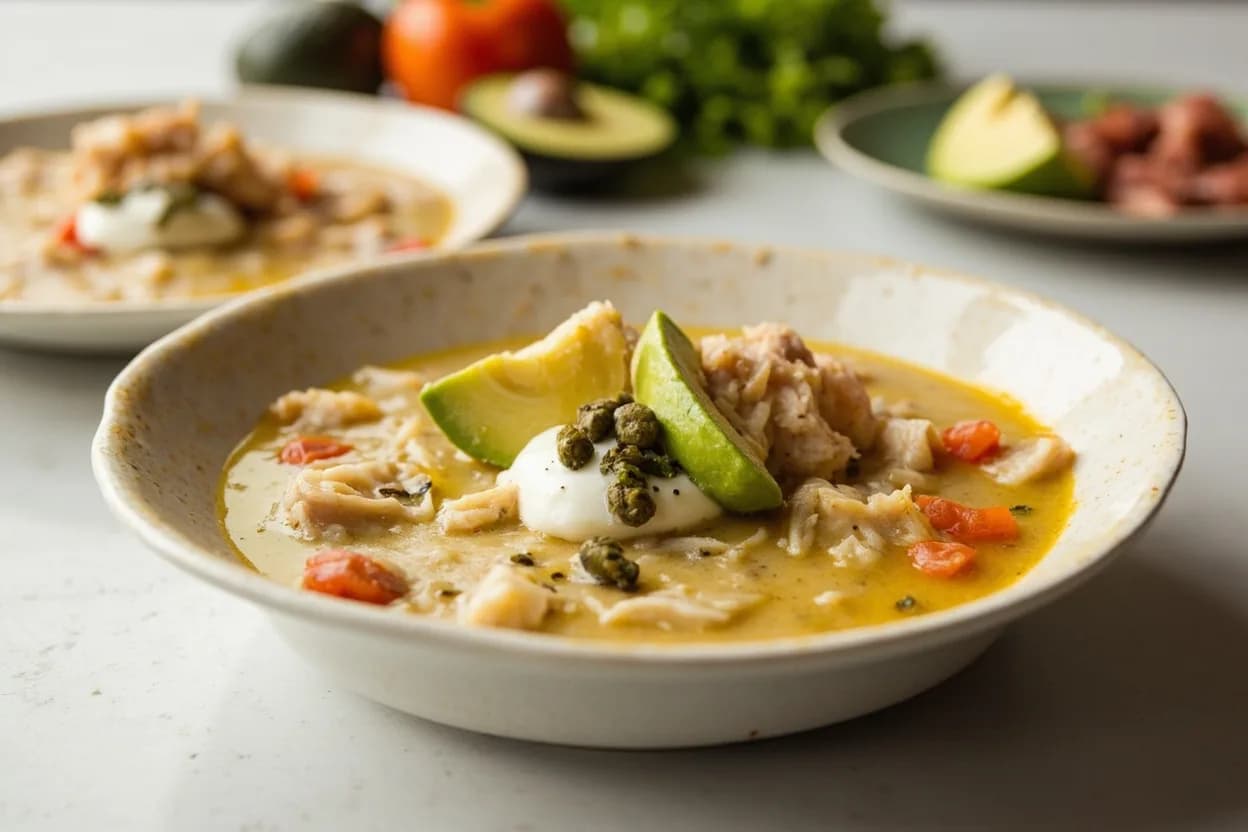
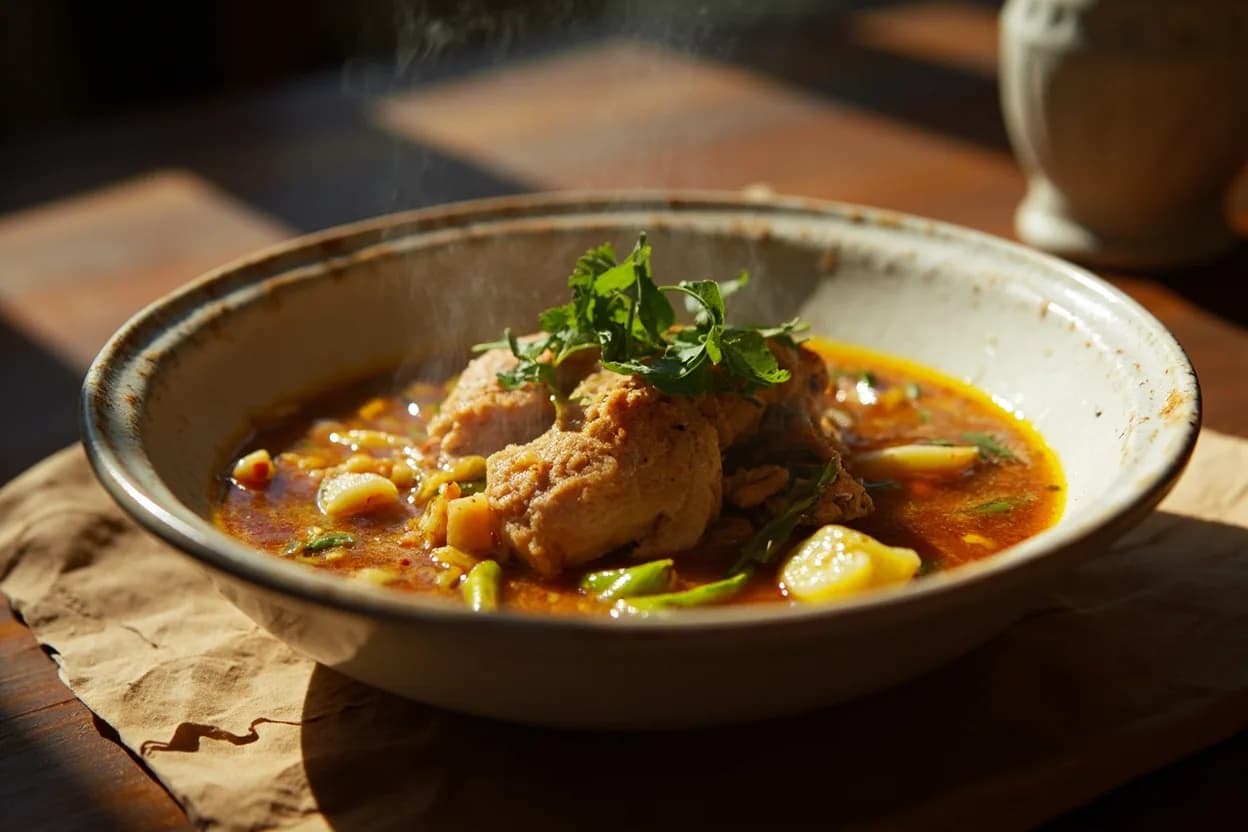
Appears in these dishes
Related
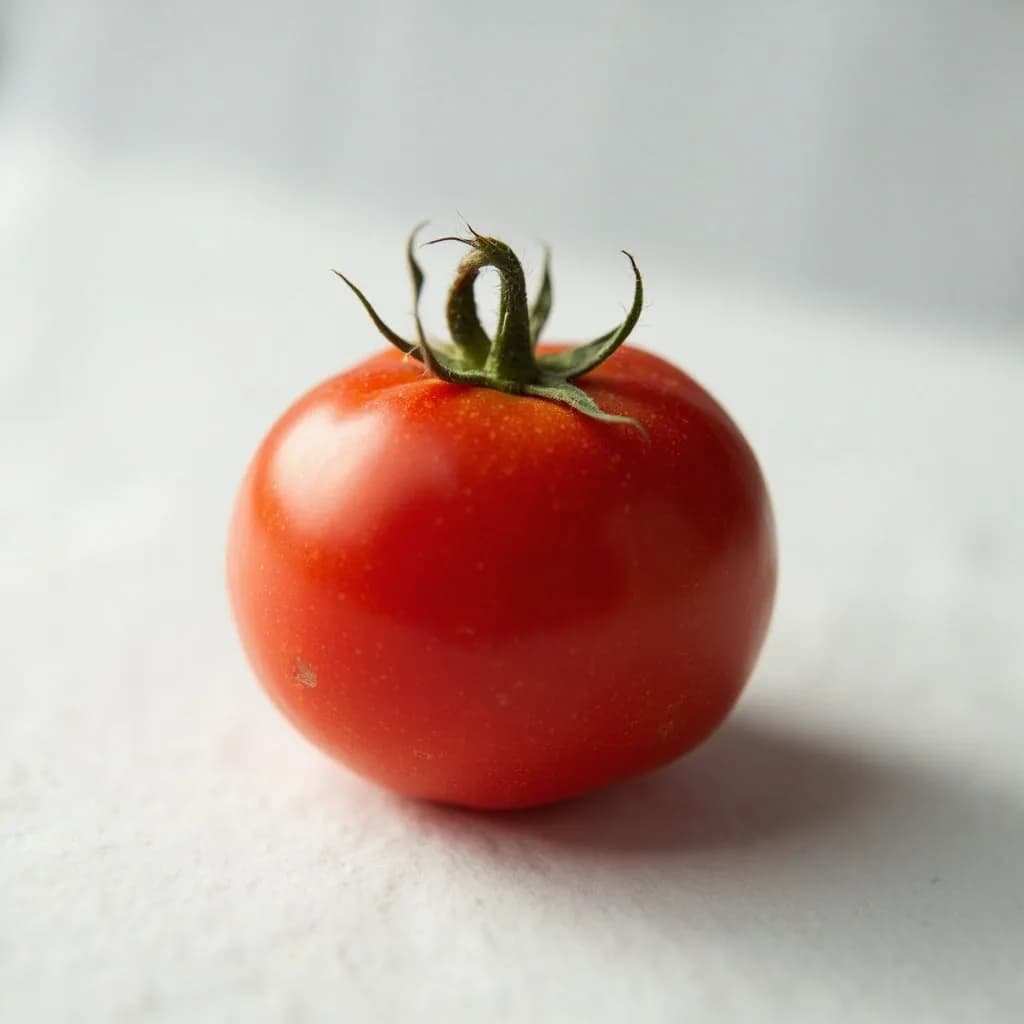
Tomato
Juicy, sun-sweet fruit for sauces, salads, and slow-cooked depth
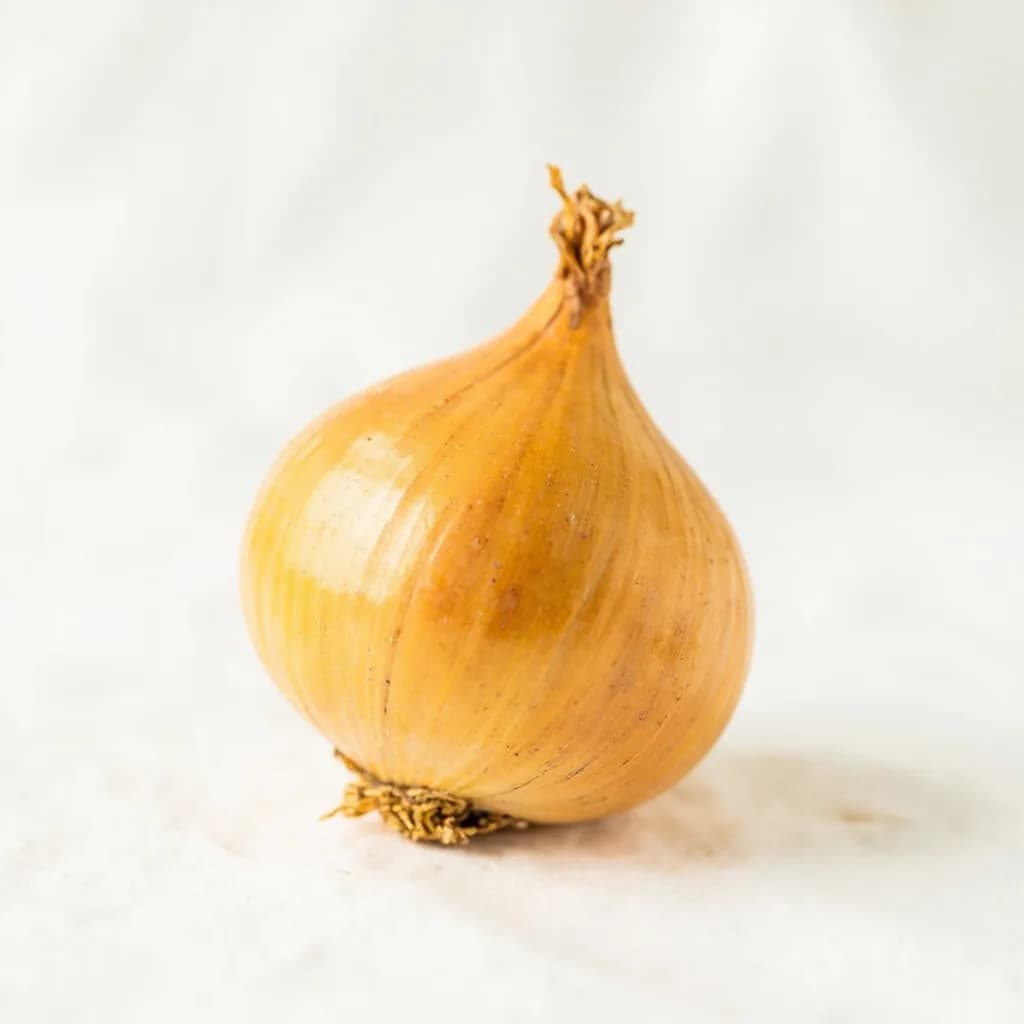
Yellow Onion
The aromatic backbone of soups, sofritos, and braises
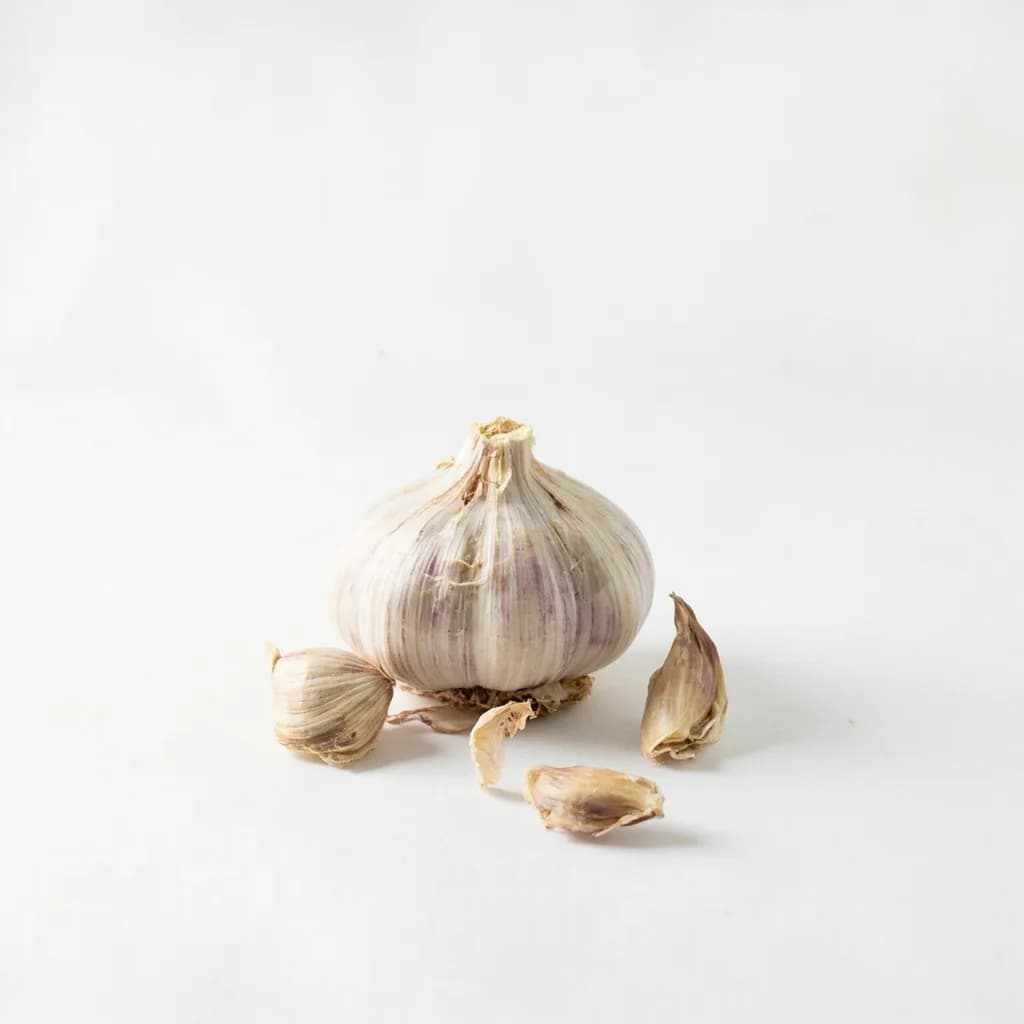
Garlic
Pungent cloves that perfume nearly every savory dish
Lemon
Bright, acidic citrus that wakes up almost any dish
Potato
Humble, hearty staple — roast, mash, fry, or boil
Carrot
Sweet, crunchy root — raw, roasted, or the base of a sofrito
Cucumber
Cool, crisp, and watery — for salads, pickles, and tzatziki

Lettuce
Crisp leaves for salads, wraps, and a fresh crunch