East Asia
Shanghainese (Benbang)
Also: Hu Cuisine, Ben Bang Cai, Shanghai Cuisine, Haipai Food
The rich, sweet-savory cuisine of the Yangtze River Delta, built on red-braising, Shaoxing wine, and the commercial bounty of China's most cosmopolitan city.
Benbang cuisine — literally 'local cuisine' — is the native cooking tradition of Shanghai and the surrounding Jiangnan region, distinct from the waves of immigrant cooking that also shaped the city. It is characterized by a pronounced sweet element introduced via rock sugar and Shaoxing rice wine, a deep umami depth from soy-braised meats and fermented condiments, and a meticulous technique rooted in slow braising and skilled knife work. The cuisine reflects the wealth of the Yangtze Delta: abundant freshwater fish and crab, superior pork, and access to refined pantry goods that made Shanghai a culinary capital alongside Beijing and Guangzhou.
The flavour base
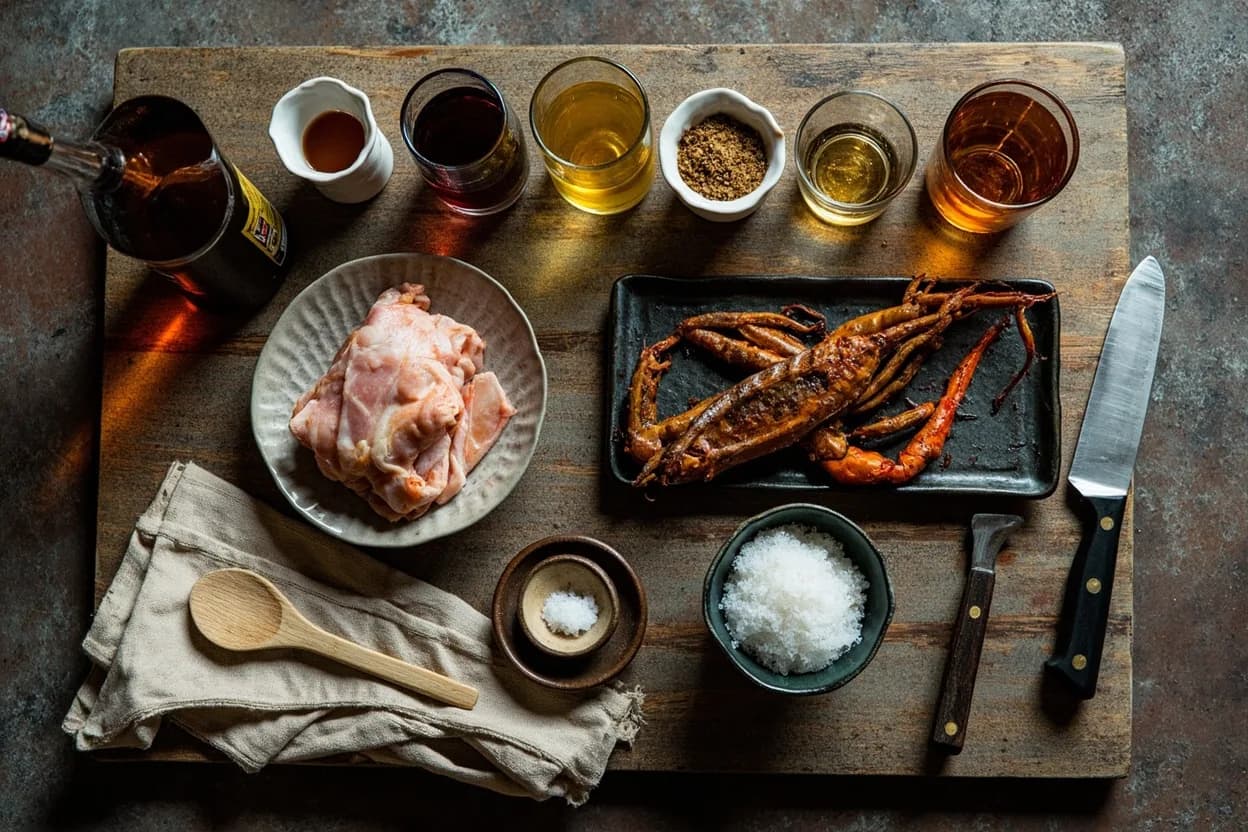
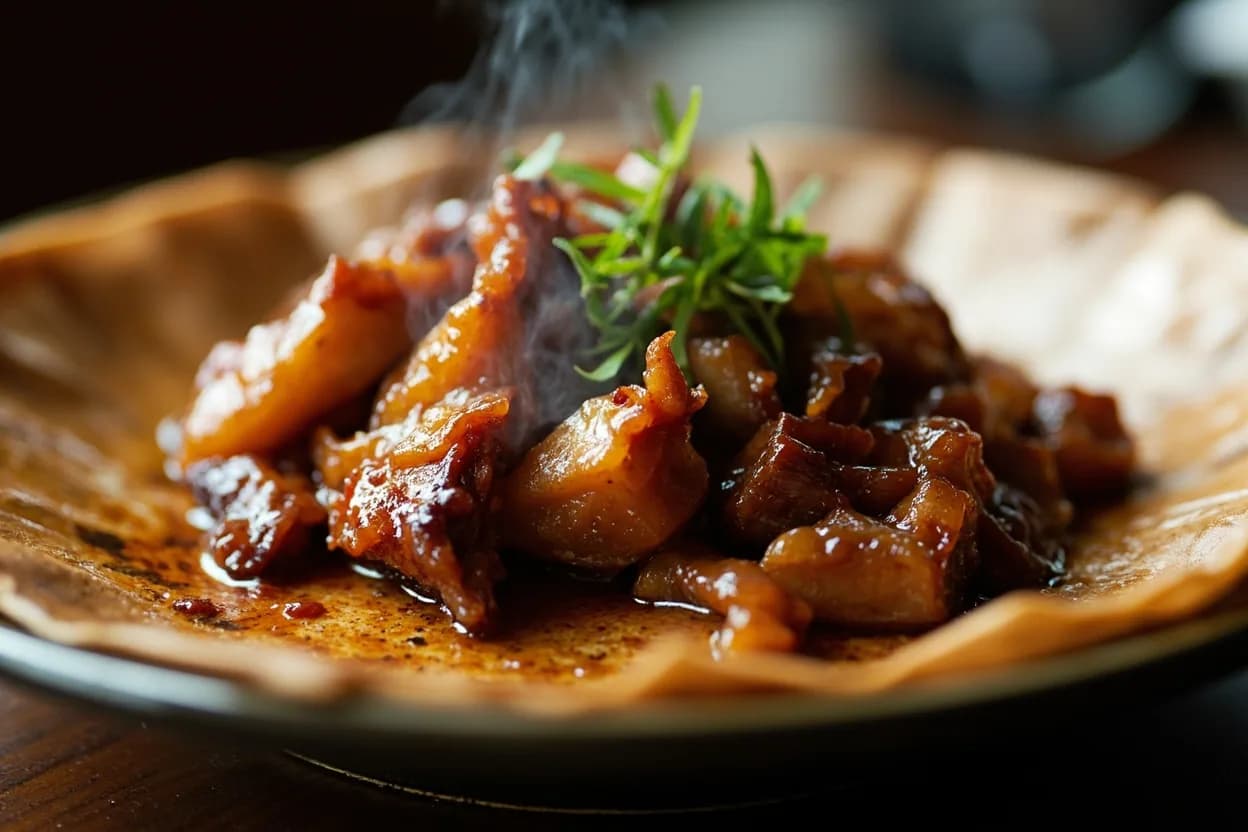
Red-braise stock (hong shao) built from Shaoxing rice wine, dark and light soy sauce, rock sugar, and ginger — the defining cooking medium for pork belly, fish, and tofu alike.
Pantry staples
Key ingredients
Signature techniques
Signature dishes
Shanghainese (Benbang) on the table
At the table
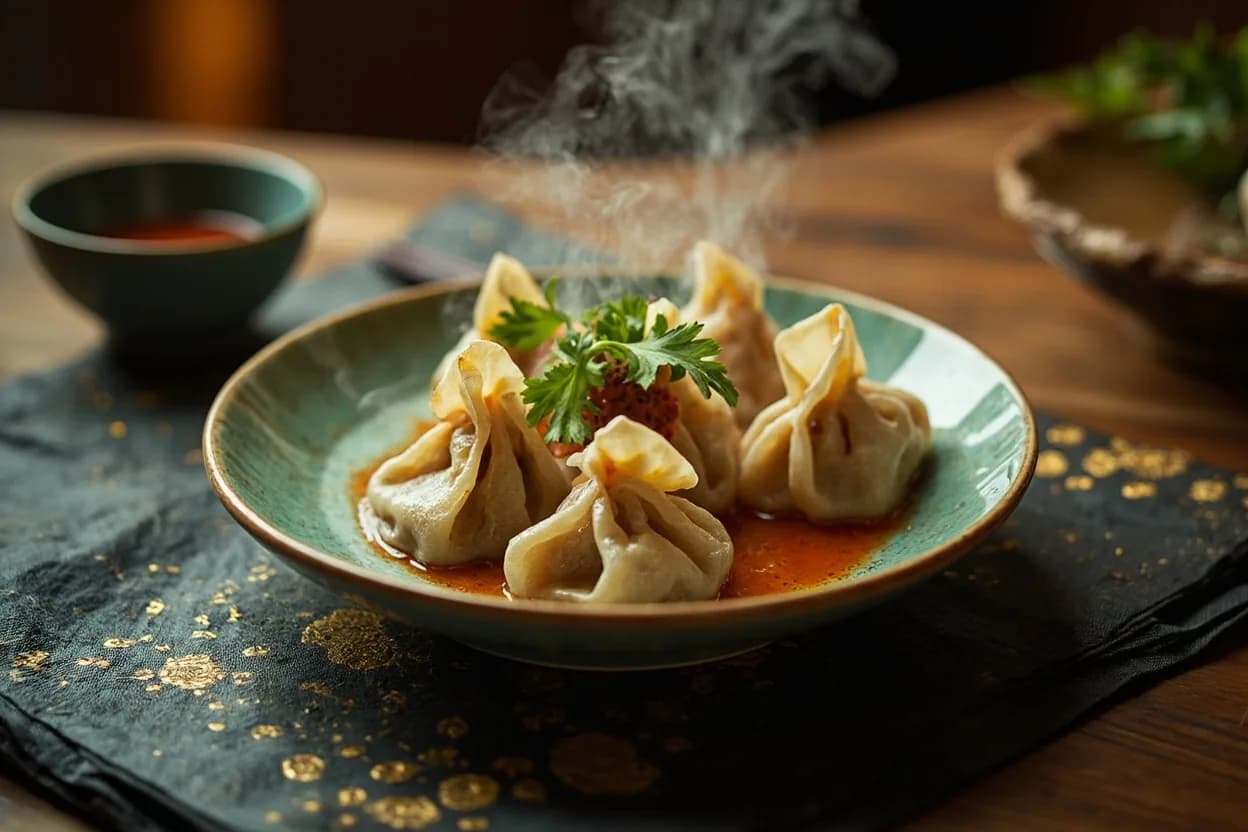
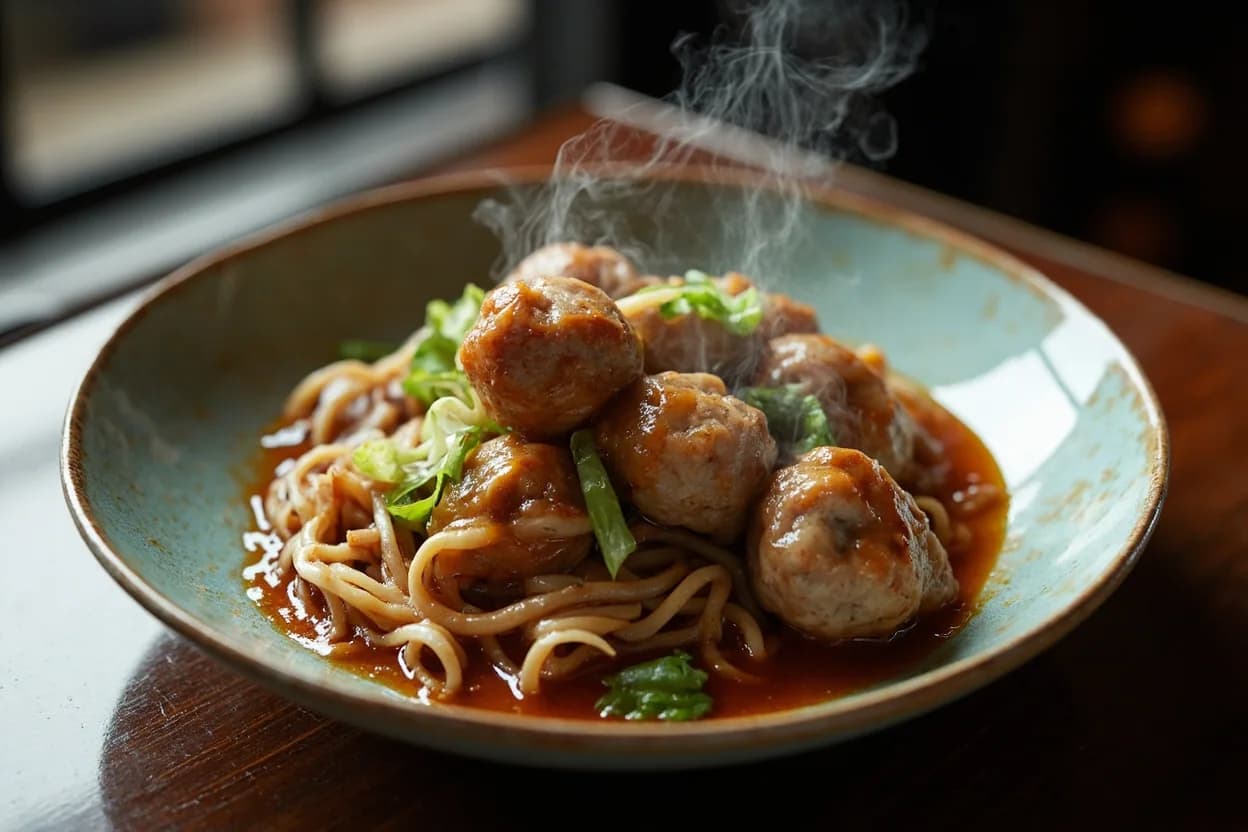
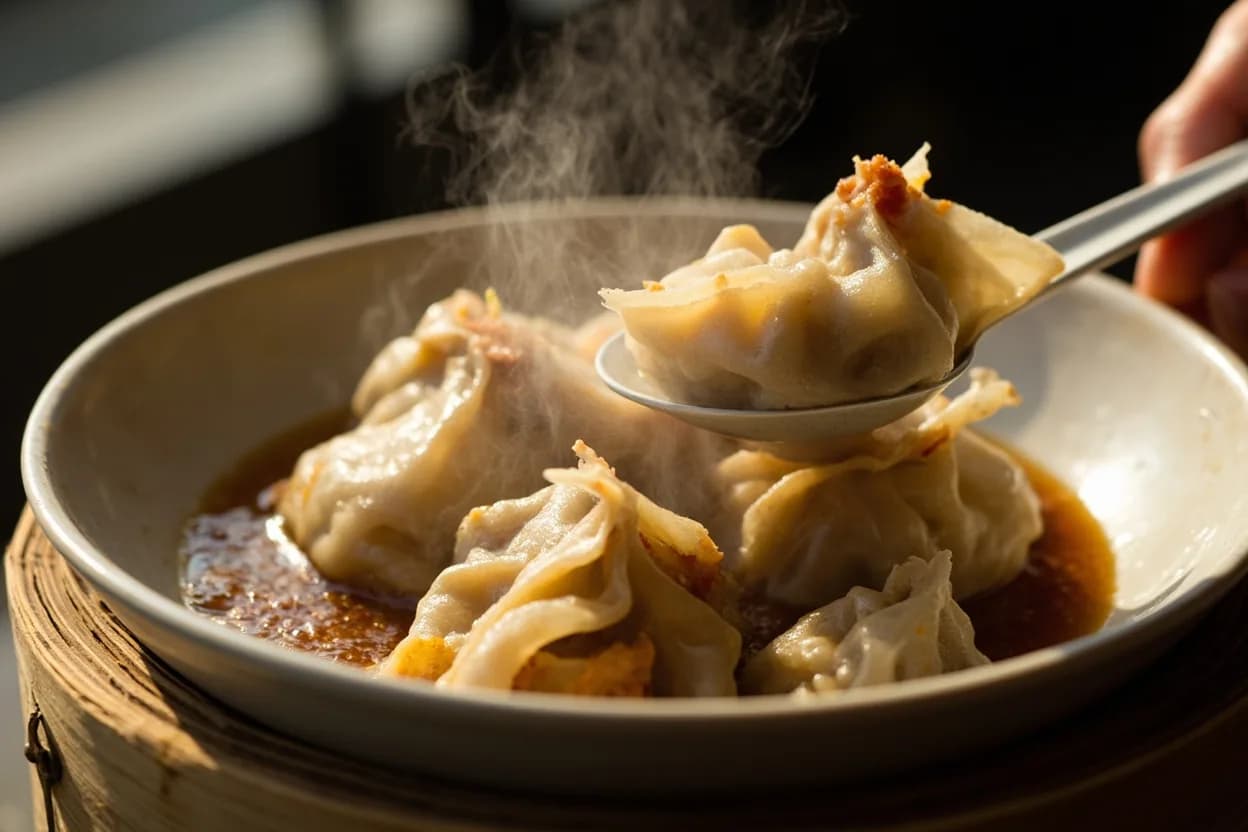
Meals follow a shared-dish format: multiple cold starters (leng pan) appear first — drunken preparations, marinated meats, jellyfish — followed by hot dishes served with rice. Soup accompanies rather than opens the meal. Banquets feature elaborate braised centerpieces and end with glutinous rice or sweet tang yuan. Street breakfast culture centers on sheng jian bao, ci fan tuan (sticky rice rolls), and doujiang (soy milk).
History & context
Benbang cuisine crystallized during the Song and Ming dynasties when the Jiangnan region became China's wealthiest agricultural zone. The opening of Shanghai as a treaty port in 1842 brought foreign capital and immigrant cooks from across China, creating a dual culinary identity: the refined local tradition and a vibrant hybrid 'Haipai' style. Red-braising pork is documented in Ming-era texts; xiaolongbao emerged in nearby Nanxiang in the late Qing. The cuisine's sweet-savory profile, once dismissed as unsophisticated by northern palates, has become internationally emblematic of Chinese cooking through the global spread of dim sum and soup dumpling restaurants.
Regional variations
- Suzhou
Even sweeter profile; famous for squirrel fish and refined pastries; considered the aesthetic ancestor of Benbang cooking.
- Hangzhou
Lighter, more delicate; emphasizes West Lake vinegar fish, Dongpo pork, and longjing tea-perfumed shrimp.
- Ningbo
Saltier and more preservation-oriented; heavy use of fermented and salted seafood (xian crab, dried yellow croaker).
- Wuxi
The sweetest variant; red-braised spare ribs glazed almost to candy; a distinct Wuxi-style pork rib is a regional icon.
Related cuisines
- Hangzhou (Zhe Cuisine)
Shares the Jiangnan pantry and gentle sweetness; both belong to the Eight Great Cuisines category of Zhe Cai.
Shares the dim sum format and emphasis on freshness, but Cantonese cooking is far less sweet and avoids dark soy-heavy braises.
- Huaiyang
Nearby Jiangsu tradition sharing knife-work precision and river-seafood focus; considered more refined and less sweet than Shanghainese.
Canonical recipes
The dishes that define Shanghainese (Benbang), documented in the Canon.
References
- 1.The Food of China — E.N. Anderson (Yale University Press, 1988)
- 2.Land of Fish and Rice: Recipes from the Culinary Heart of China — Fuchsia Dunlop (W.W. Norton, 2016)
- 3.Shanghai: The Cookbook — Warren Pao & Jennifer Liao (2019)
- 4.Zhongguo Pengren Cidian (Chinese Culinary Dictionary) — China Commerce Press, 1992
Confidence: high
Notes
The 'sweet' debate
Northern Chinese cooks often dismiss Shanghainese food as 'tian' (too sweet), but the sweetness serves a structural function: rock sugar rounds harsh soy tannins, promotes caramelization, and builds the characteristic lacquer glaze on red-braised meats. The sugar is a technique, not a preference.
Hairy crab season
Each October, Yangcheng Lake hairy crabs (da zha xie) consume the city. Eaten steamed, cracked with dedicated tools, dipped in Zhenjiang vinegar and ginger, they represent the seasonal apex of Shanghainese food culture. Counterfeit 'Yangcheng Lake' crabs flood the market; locals identify authentic ones by the vendor's waterproof ID tag tied to a claw.