Proteins
Freshwater Eel (Unagi)
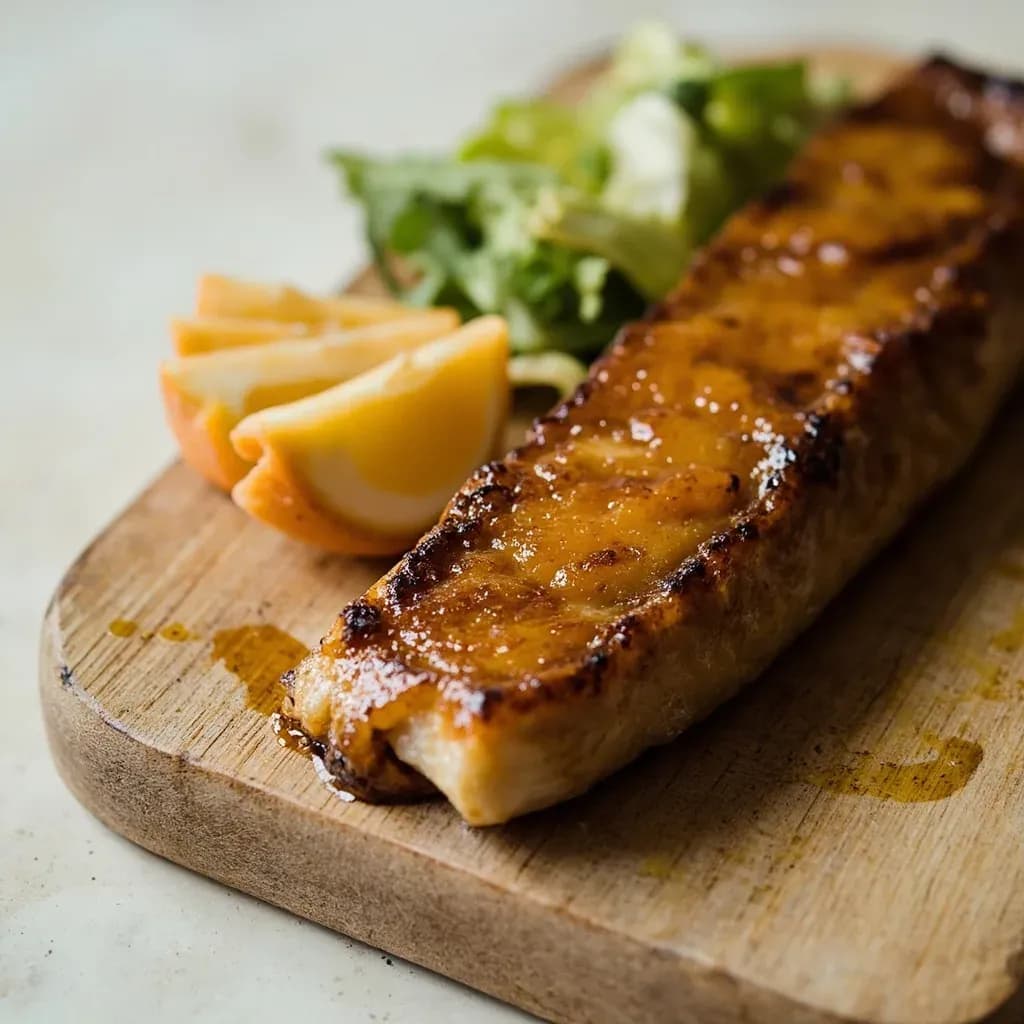
Freshwater eel grilled and glazed with sweet soy tare for unagi.
Unagi is freshwater eel, a Japanese delicacy that is filleted, steamed, and grilled while basted in a sweet soy-based tare. It is served over rice as unadon or unaju, especially in summer to combat fatigue. The grilling renders its rich fat and crisps the skin against the sticky glaze.
Freshwater eel (Anguilla japonica), known as unagi in Japan, is one of the most prized proteins in Japanese cuisine — a fish that transforms from a slippery river dweller into a silky, caramelized delicacy through skilled preparation. Unlike its marine cousins, freshwater eel carries a distinctive richness: its fat lies in a thick layer beneath the skin and along the belly, lending the flesh an almost buttery quality that holds up beautifully to high heat and sweet glazes. The meat has a pleasant yielding firmness that separates cleanly from the fine bones when cooked correctly, with a subtle sweetness that needs little enhancement beyond tare.
Unagi's cultural significance runs deep in Japan. The traditional midsummer tradition of eating unagi on Dōyō no Ushi no Hi stems from the belief that its rich nutrients build stamina against the brutal heat. More than a superstition — the fish is genuinely dense with vitamin A, omega-3 fatty acids, and high-quality protein. Kabayaki, the defining preparation, involves splitting the eel along the belly (not the back, as some Western preparations do), skewering it in an S-shape, and applying multiple coats of tare while grilling. The result should be a deep amber lacquer with slightly charred edges and flesh that is fully cooked through yet retains its integrity — never dried out, never mushy. Two regional schools dominate: Edo-style (Kanto) grills before steaming for a lighter texture, while Kyoto-style (Kansai) steams before grilling for a softer, more delicate result.
Farm-raised unagi dominates the market — glass eels are caught as juveniles and cultivated in controlled freshwater ponds for 6–12 months. Japan produces significant quantities domestically but imports the majority from China and Taiwan to meet demand. Wild-caught river eel (yamori) still exists but has become increasingly rare and expensive, prized for a more pronounced, sometimes gamier flavor and less predictable fat distribution. Whether farmed or wild, the eel's fat content — roughly 15–20% by weight — is the key to its success: it bastes the flesh from within during cooking, creates the characteristic glossy glaze when caramelized, and delivers that distinctive mouthfeel that has made unagi a luxury ingredient for centuries.
- Measured in
- g
- Storage
- Freezer
Allergens
Types & varieties
Anguilla japonica; the standard for kabayaki and unadon; prized for higher fat content and sweeter flavor
Anguilla anguilla; used as a substitute outside Japan; slightly darker flesh, leaner overall
Anguilla rostrata; leaner than Japanese eel; occasionally used in Western preparations
Different family (Congridae); not a true substitute; used in specific Kyoto dishes like hamo giri
Wild-caught Japanese eel; increasingly rare; stronger flavor, less consistent fat distribution
Edo vs. Kyoto: Two Schools of Kabayaki
The approach to cooking unagi divides Japan along historical and cultural lines. Edo-style (Kanto region) follows the order: grill first, then steam. The initial grilling over charcoal develops the Maillard reaction and begins rendering the fat, while the subsequent steaming (traditionally in a special wooden box) finishes cooking the interior and softens connective tissue. The result is a slightly lighter, more delicate texture with a glossy exterior. Kyoto-style (Kansai region) reverses this: steam first, then grill. Steaming before grilling yields even more tender flesh, but risks a softer skin that doesn't hold the tare as crisply. Both approaches produce excellent results when executed properly — the choice reflects regional preference rather than correctness. Most restaurant-style preparations in Tokyo and Osaka follow their respective regional methods, and serious unagi establishments will not deviate.
- Edo-style: grill → steam; lighter texture, better for tare adhesion
- Kyoto-style: steam → grill; more tender flesh, softer skin
- Traditional Edo steaming uses a wooden hinoki box for subtle aromatic effect
- Neither method should overcook the flesh — residual heat continues cooking after removal
Common uses
Tips & pitfalls
- Score the flesh side lightly before grilling — shallow cuts every 1–1.5 cm allow fat to render and prevent curling; do not cut through skin
- For Edo-style: grill briefly first to render skin and develop color, then steam 3–5 minutes to cook through evenly and soften connective tissue
- Apply tare in three thin coats, grilling briefly between each application — building layers rather than one thick coat prevents scorching and creates a lacquered finish
- Rest skewers at room temperature for 10 minutes before grilling — cold eel cooks unevenly from the inside
- Grill skin-side first over high heat to crisp and render fat, then flip to finish the flesh side; baste immediately when flipping
- For crispy skin, pat dry thoroughly and score skin before cooking; avoid steaming or covering during cooking
- Use binchotan (white charcoal) for authentic flavor — it burns hotter and cleaner than regular charcoal, giving better caramelization without bitterness
- When deboning, work from the tail toward the head; use the back of the knife to push flesh from rib cage rather than cutting
- Tare should be warm when brushing — cold tare doesn't adhere or glaze properly
- Do not overcook — eel continues cooking from residual heat; remove from grill when just barely opaque throughout
Nutrition
Nutrition
No USDA FoodData Central match for Freshwater Eel (Unagi) yet. We surface a per-100 g profile once a generic whole-food entry is matched and verified.
In the shops
Matched grocery products
No matched grocery products for Freshwater Eel (Unagi) yet.
Good to know
- Scientific Name
- Anguilla japonica
- Primary Origin
- Farm-raised in Japan, China, Taiwan, and Korea; wild stocks from East Asian rivers
- Peak Season
- Year-round farmed; traditionally late July–August (Doyo no Ushi no Hi)
- Flavor Profile
- Rich, subtly sweet, pronounced umami; fatty but clean-tasting
- Texture
- Firm yet yielding; tender flesh, slightly gelatinous connective tissue when properly cooked
- Fat Content
- 15–20% by weight; concentrated beneath the skin and along the belly
- Edible Yield
- Approximately 50–55% after filleting and skinning
- Shelf Life
- 1–2 days fresh; up to 3 months frozen (blanched first); do not freeze raw
Substitutes
- European Eel (Anguilla anguilla) — Closest flavor and texture; leaner; used outside Japan; adjust cooking time as it may be slightly thinner
- Electric Ray or Skate — In traditional European preparations; very different flavor but similar fatty richness in the liver
- Cod or Halibut — No structural similarity but work as a neutral protein in eel-tare sauce; completely different mouthfeel
- Smoked Trout or Mackerel — Provides similar intensity of flavor and fatty richness; acceptable in non-traditional applications
Pairs with
Also called
Unagi · Freshwater Eel
Appears in these dishes
Related
Egg
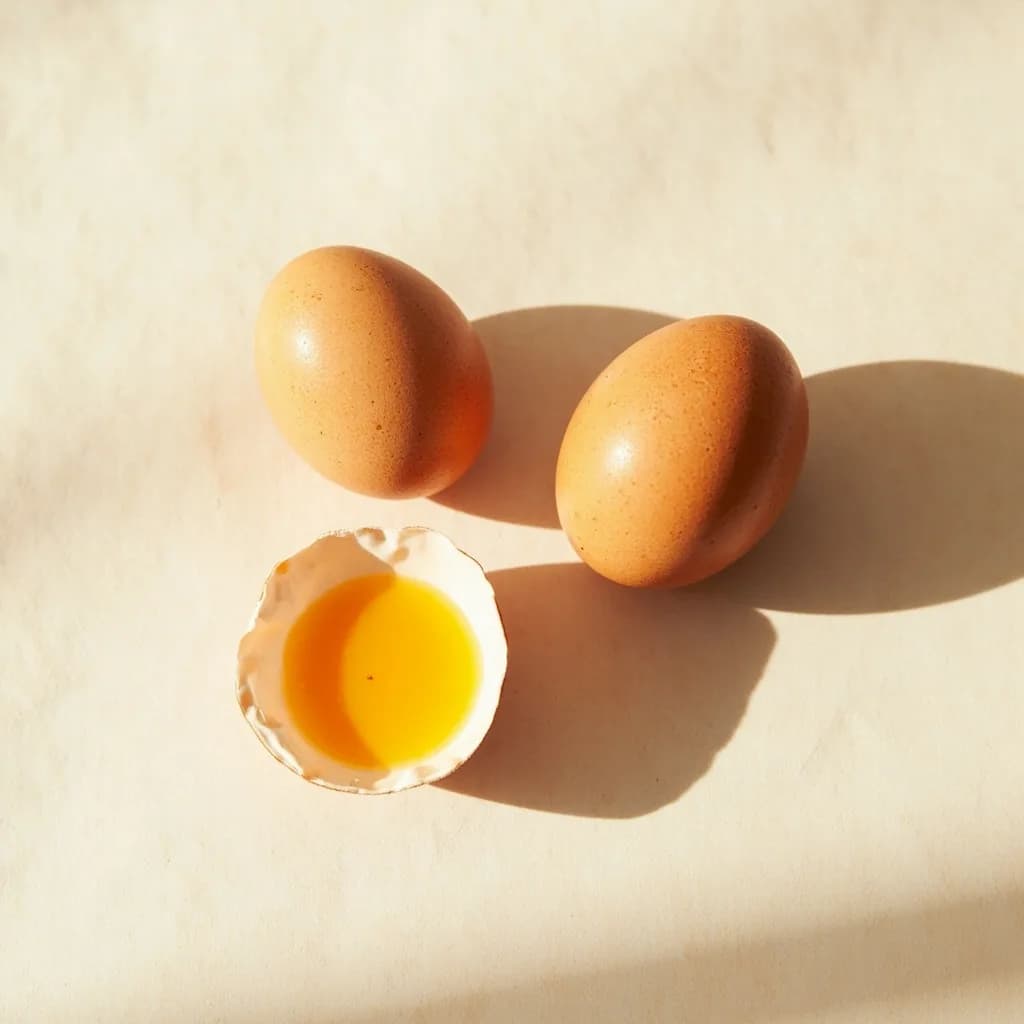
The kitchen's everything ingredient — bind, leaven, enrich, or fry
Chicken Breast
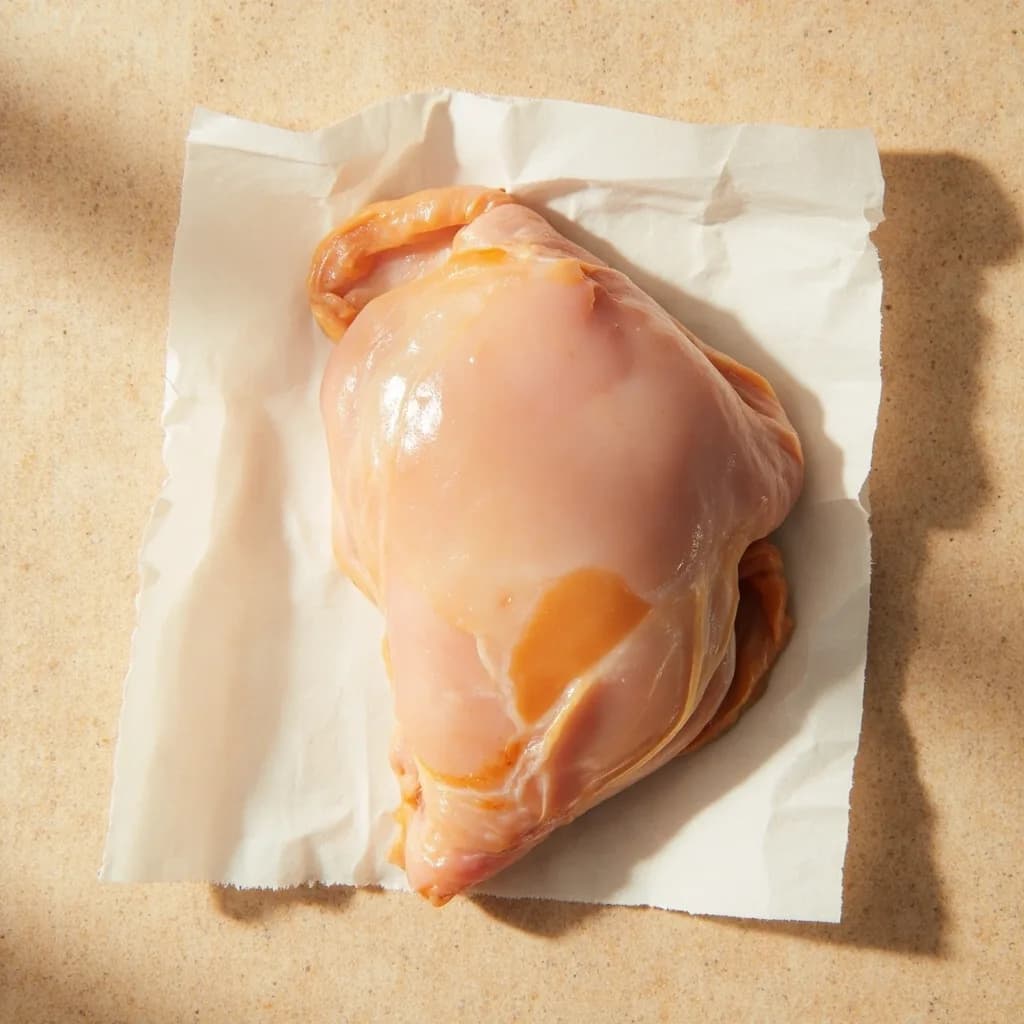
Lean, quick-cooking white meat for everyday dinners

Ground Beef
Versatile minced beef for burgers, ragù, tacos, and meatballs
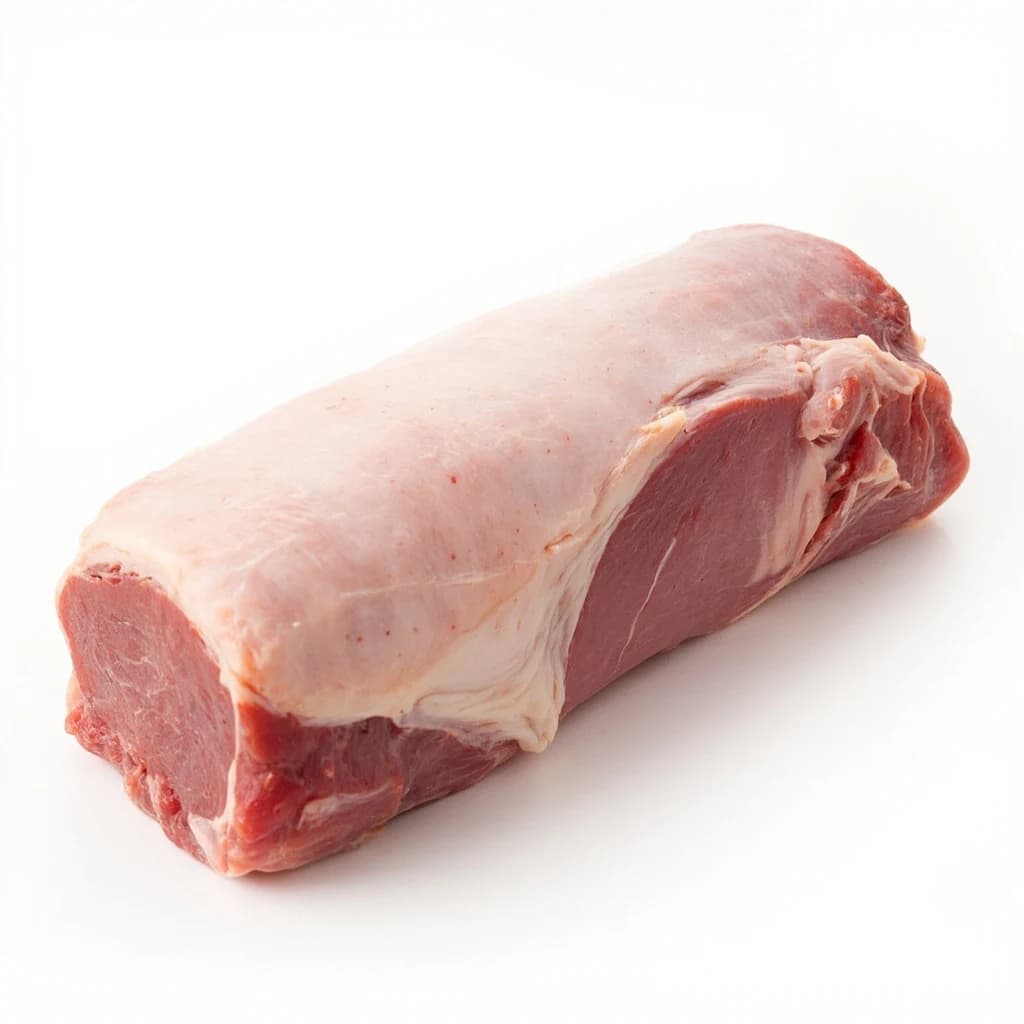
Pork Loin
Lean, tender roasting cut that stays juicy with care
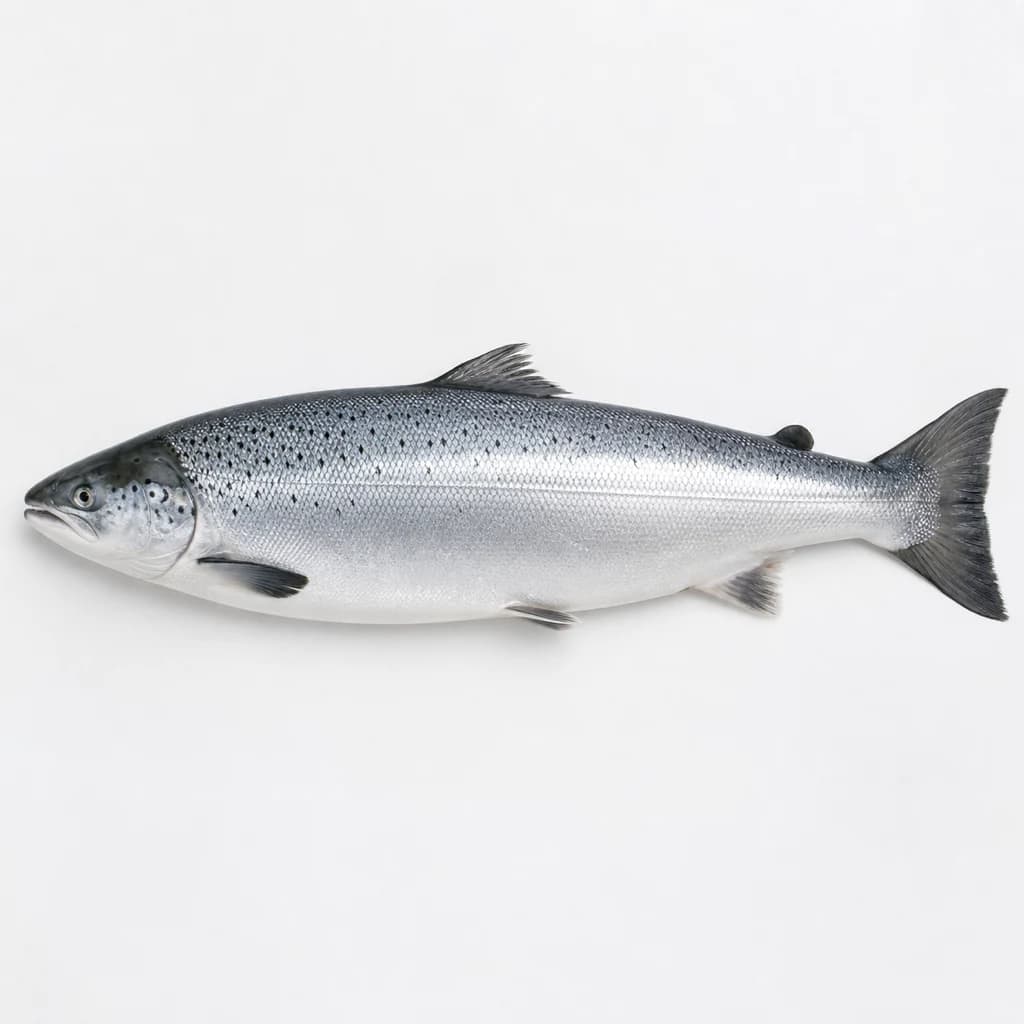
Salmon
Rich, rosy fish that roasts, grills, or cures beautifully

Egg White
Pure protein that whips to airy peaks for meringue and more
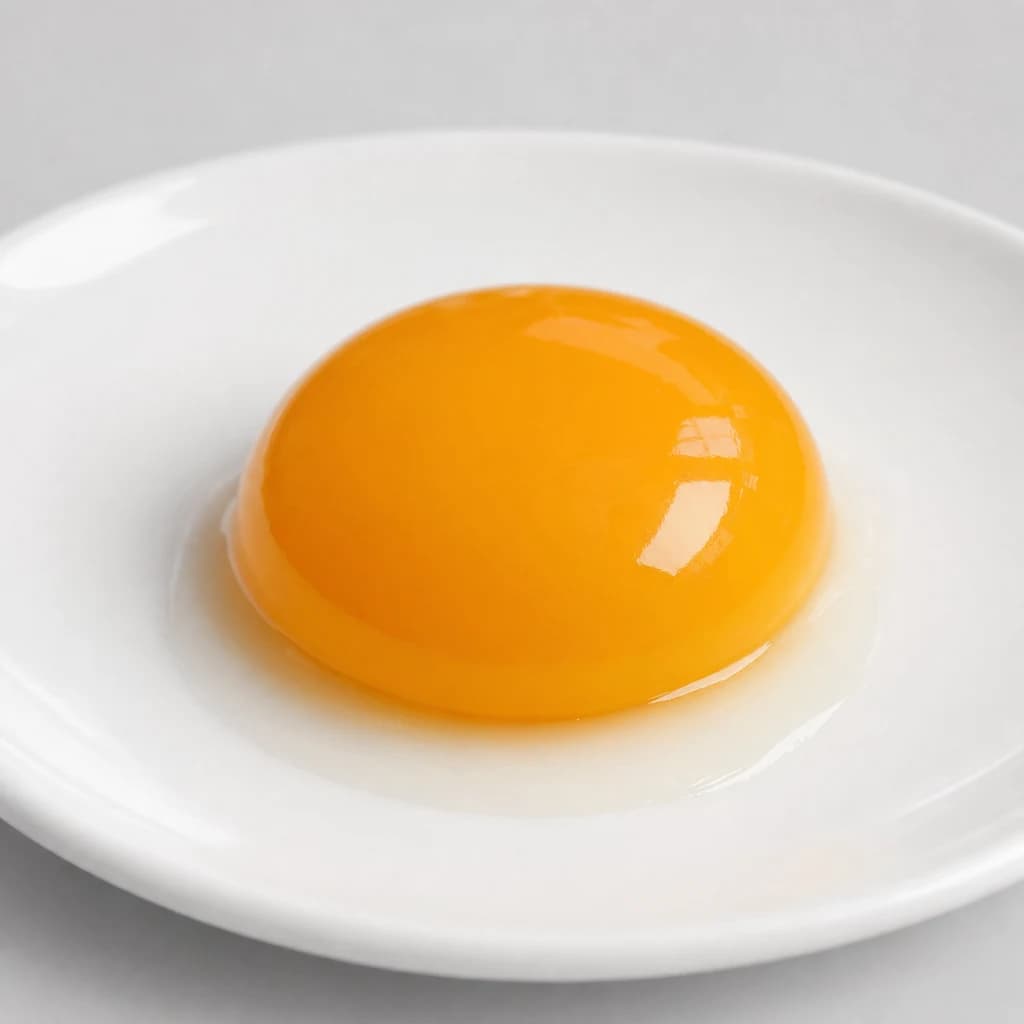
Egg Yolk
Rich, golden yolk for custards, mayonnaise, and pasta

Quail Egg
Tiny, speckled eggs for garnishing and elegant bites