Proteins
Conger Eel
Large saltwater eel with firm white flesh used in soups and stews.
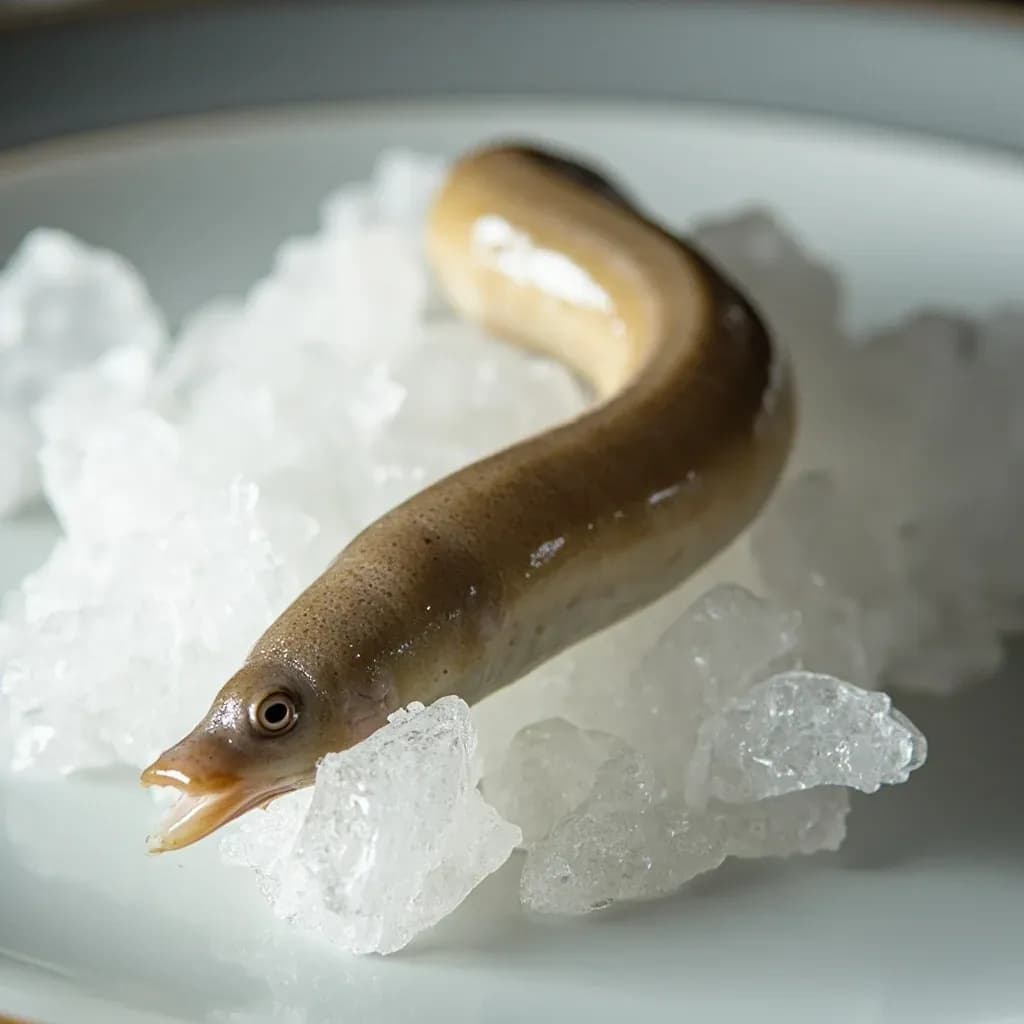
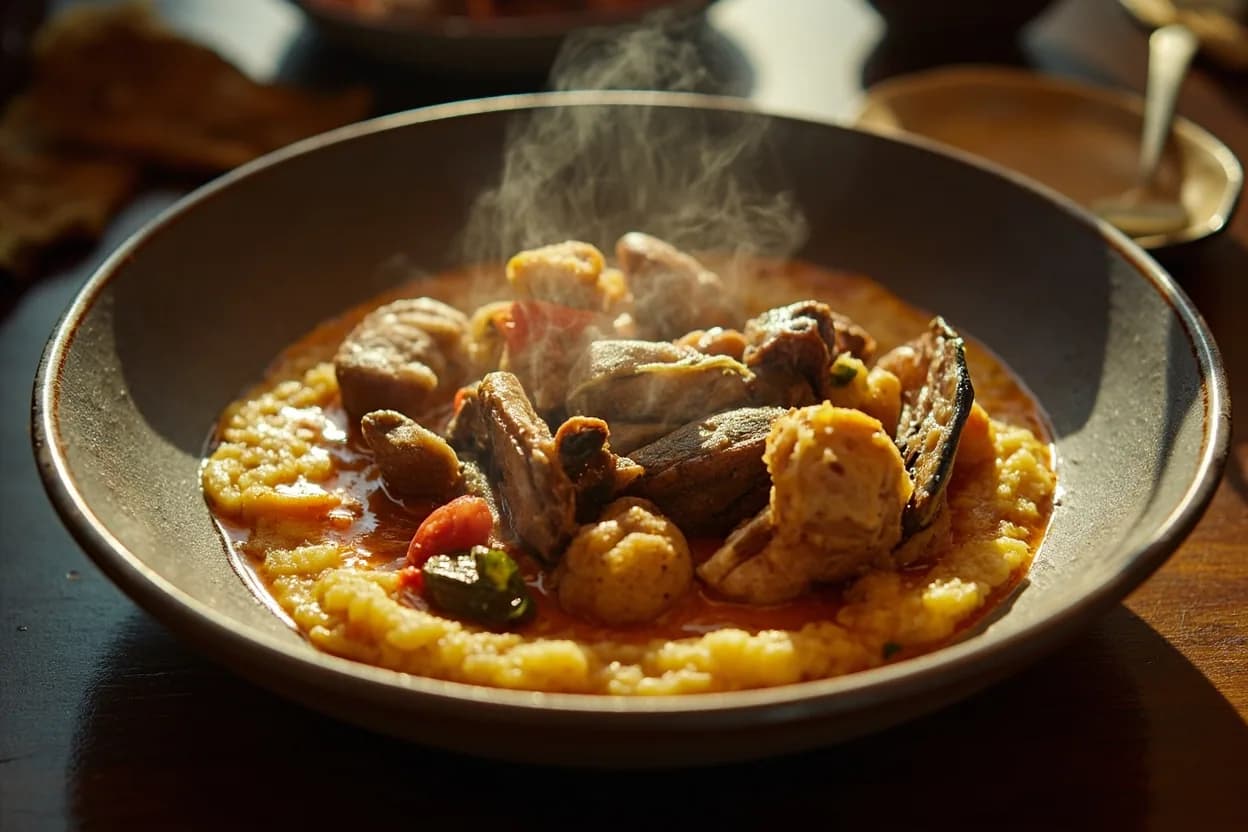
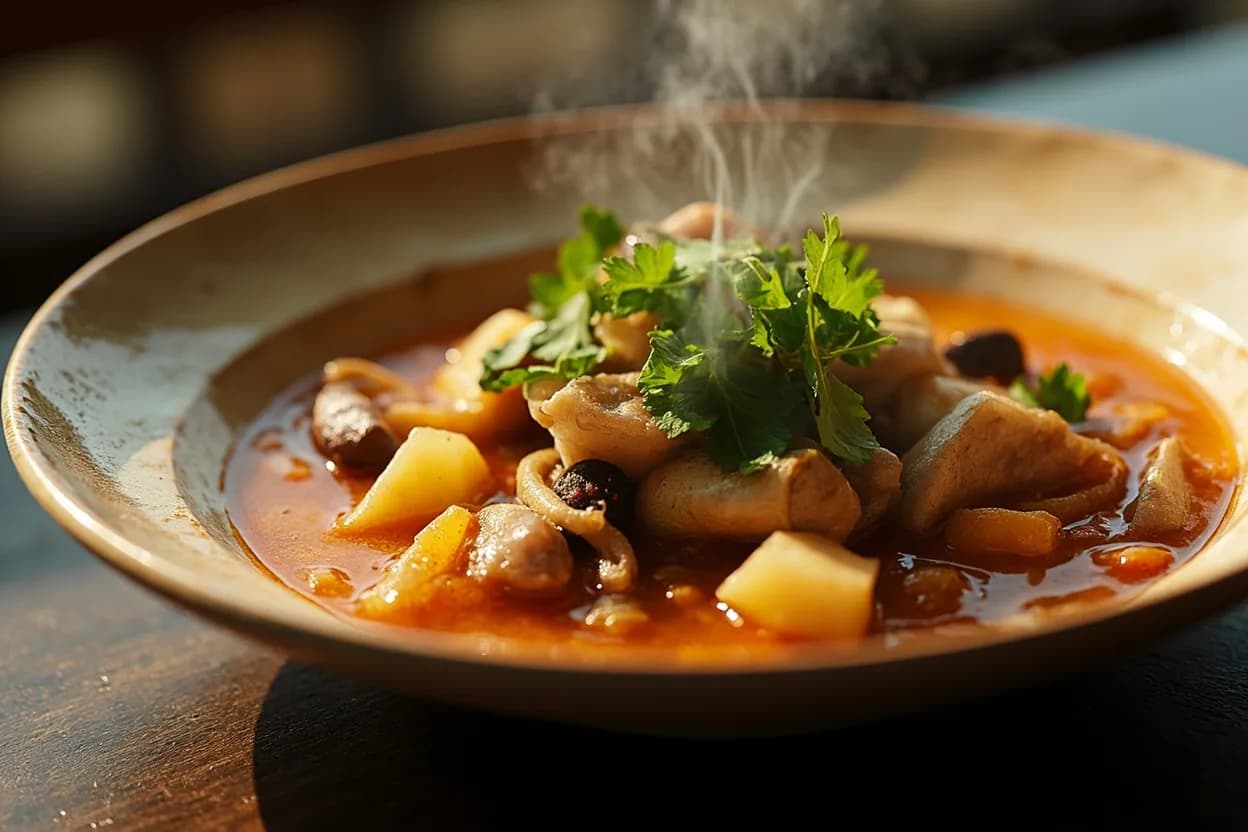
Conger eel is a large marine eel with dense, firm white flesh and a meaty texture. It is a staple in Mediterranean and Atlantic fish soups and stews, where its gelatinous bones enrich the broth, and is also grilled or fried. The flesh near the tail is bonier, so the thicker body sections are favored for cooking.
Conger eel is a large predatory saltwater fish found throughout the Atlantic, Mediterranean, Black Sea, and Pacific oceans. Its flesh is firm, dense, and entirely boneless when properly filleted—qualities that make it highly prized in regions where it is well known, though criminally overlooked in most markets. The flavor is mild and slightly sweet with a clean, briny character, provided the fish has been bled immediately upon catch; without this step, the flesh develops an unpleasant muddy or earthy taste that no amount of cooking will fix. The texture holds up exceptionally well to long, slow cooking, making conger eel ideal for soups, stews, and braises where lesser fish would disintegrate. It is entirely distinct from freshwater eel (unagi), which is rich and fatty, or the tiny elvers beloved in British and French cuisine. In Japan, the Japanese conger (hamo) is so integral to Kyoto's culinary identity that it has its own dedicated season from June through September and an entire preparation technique developed just for it. European cooks, particularly in Italy, France, and Spain, have valued conger for centuries in dishes like cicala, bouillabaisse, and caldeirada. Its meaty, monkfish-like quality and reliable yield of 45–55% edible flesh make it an excellent choice for any cook willing to seek it out.
- Measured in
- g
- Storage
- Fridge
Allergens
Types & varieties
Largest species; dark grey-blue skin with white flesh; primary variety for Mediterranean and Atlantic cooking
Found from Nova Scotia to the Caribbean; similar culinary profile to European variety
Prized in Kyoto cuisine; smaller than Atlantic species; prepared with a specialized bone-sliding technique
Bleeding and Butchery
The single most important step when handling conger eel is bleeding it immediately after catch. Insert a knife behind the head to sever the main artery, then hang the fish upside-down to drain completely. This takes 15–20 minutes for a medium-sized specimen. Skipping this step results in flesh with an unpleasant muddy, earthy flavor that cannot be corrected by rinsing, marinating, or cooking. Once bled, the skin must be removed—score it deeply around the body just behind the gills and peel downward with pliers or a sturdy cloth, as the skin is extraordinarily tough. The thick backbone runs the length of the fish and is easy to remove once the eel is filleted, yielding boneless portions ready for any preparation.
- Bleed immediately upon catch—never wait to bleed a conger eel
- Hang fish upside-down to drain completely, 15–20 minutes
- Score skin behind gills and peel with pliers or heavy cloth
- Thick backbone separates easily from filleted flesh
Common uses
Tips & pitfalls
- Always bleed the eel immediately upon catch—insert a knife behind the head to sever the artery, then hang it to drain completely. This prevents the earthy, muddy flavor that develops without bleeding.
- Wear protective gloves when handling raw conger blood, as it contains proteins that irritate skin and eyes.
- The skin is extremely tough and must be removed before cooking. Score the skin behind the gills and peel it off using pliers or a heavy cloth, or ask your fishmonger to skin it.
- Conger flesh is lean and can dry out quickly. Cook it gently with liquid (braising, stewing) or keep it moist with fat (grilling with an oil-based marinade).
- The thick backbone is easy to locate and remove once the eel is filleted, yielding boneless portions ideal for grilling, sautéing, or stewing.
- For grilling, marinate fillets for at least 30 minutes in olive oil, garlic, and herbs to prevent sticking and add moisture.
- Smoke conger at low temperatures (below 80°C / 175°F) to retain moisture; the firm flesh takes smoke well and develops excellent depth of flavor.
Nutrition
Nutrition
No USDA FoodData Central match for Conger Eel yet. We surface a per-100 g profile once a generic whole-food entry is matched and verified.
In the shops
Matched grocery products
No matched grocery products for Conger Eel yet.
Good to know
- Scientific Names
- Conger conger (European), Conger oceanicus (American), Conger myriaster (Japanese)
- Origin
- Atlantic Ocean, Mediterranean Sea, Black Sea, and Western Pacific
- Size
- Up to 3 m (10 ft) and 100 kg (220 lbs); commercial specimens typically 5–20 kg
- Flavor
- Mild, slightly sweet, clean; turns muddy if not properly bled
- Texture
- Dense, meaty, boneless when filleted; similar to monkfish
- Yield
- 45–55% edible meat after filleting and skinning
- Storage
- Use within 1–2 days refrigerated; freeze at -18°C (0°F) for up to 3 months
- Toxicity
- Blood contains irritant proteins—wear gloves and avoid contact with skin, eyes, and mucous membranes
Substitutes
- Monkfish — The closest substitute in texture and mild flavor; cook monkfish using identical methods—grilling, braising, or pan-searing.
- Halibut — Firm, white, and lean; suitable for grilling and stews; slightly sweeter than conger but works in most preparations.
- Sea Bass — Good alternative for grilled preparations; slightly more delicate texture but similar mild flavor profile.
- Black Cod (Sablefish) — Fatty and rich; not ideal for soups but excellent for grilling and smoking; adds more oiliness than conger.
Also called
Congre · Sea Eel
Appears in these dishes
Related
Egg
The kitchen's everything ingredient — bind, leaven, enrich, or fry
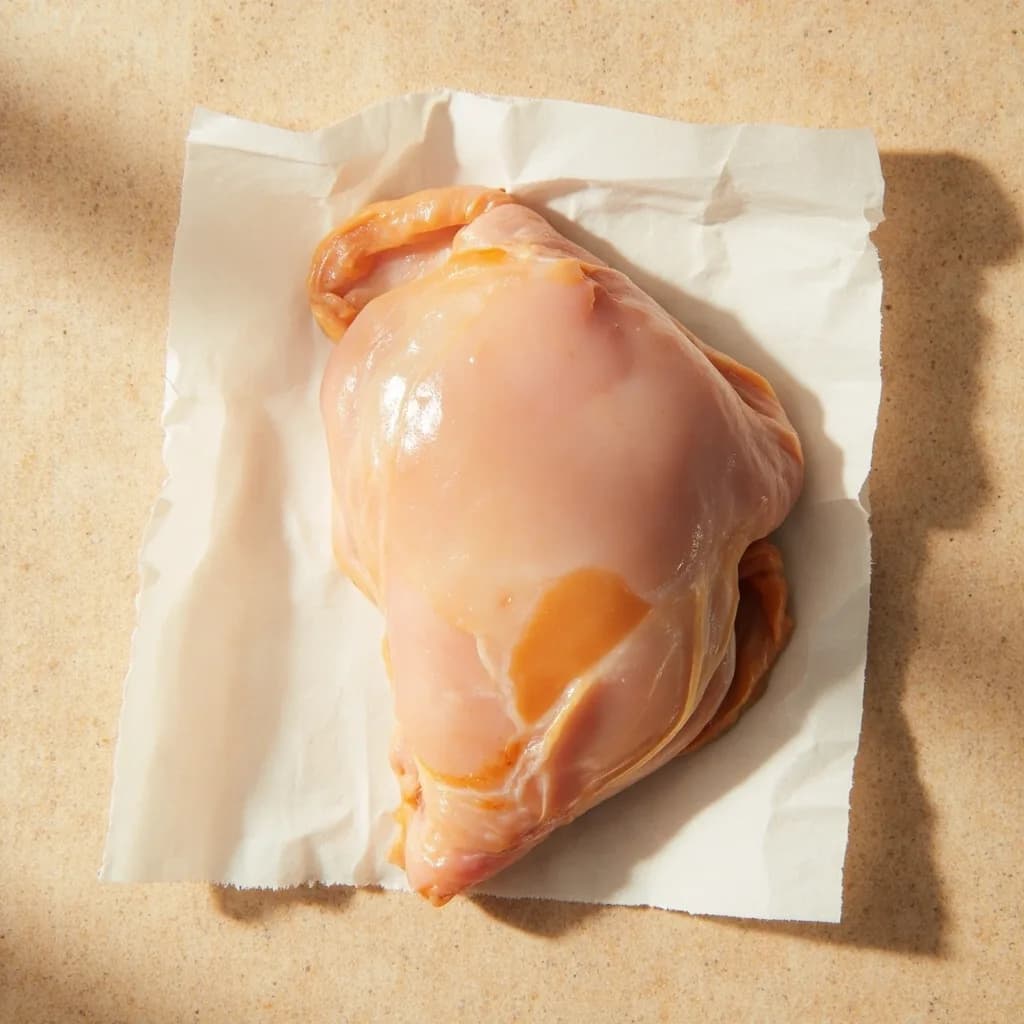
Chicken Breast
Lean, quick-cooking white meat for everyday dinners

Ground Beef
Versatile minced beef for burgers, ragù, tacos, and meatballs
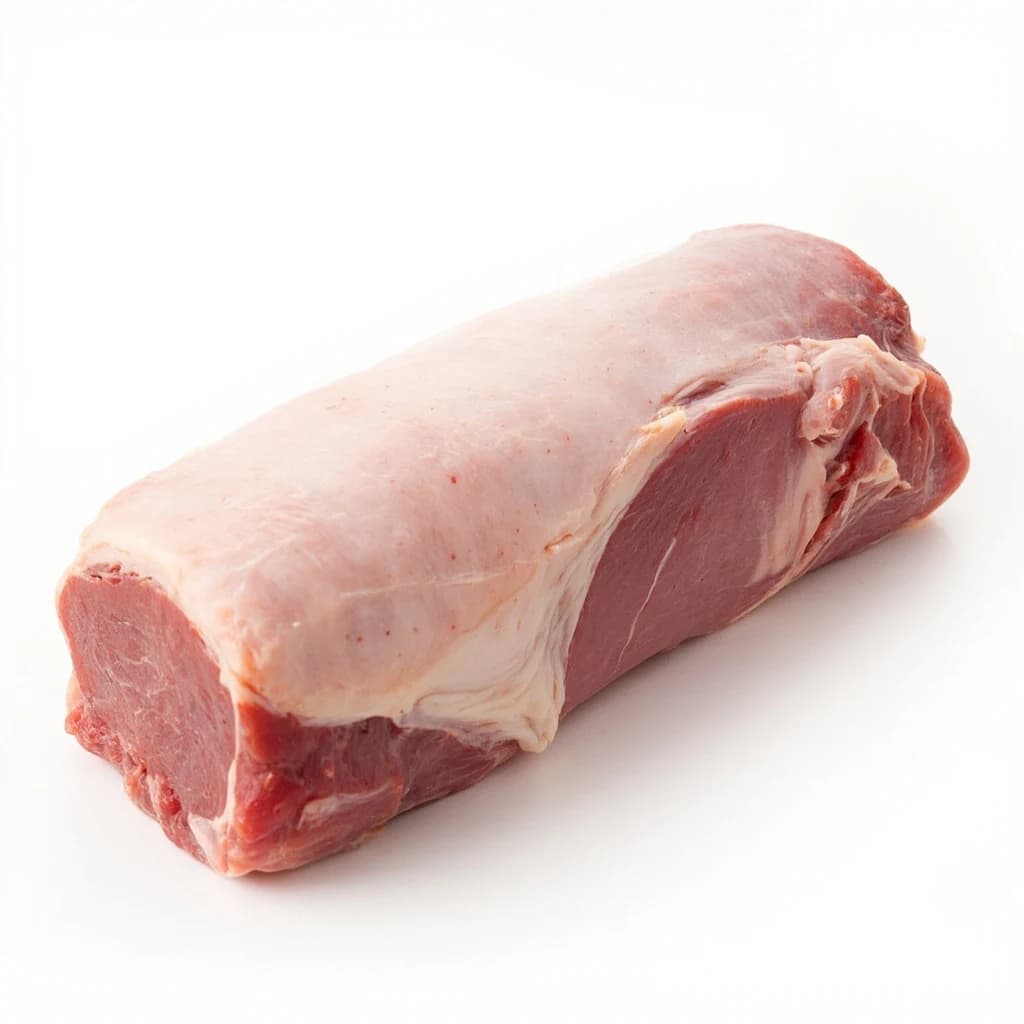
Pork Loin
Lean, tender roasting cut that stays juicy with care
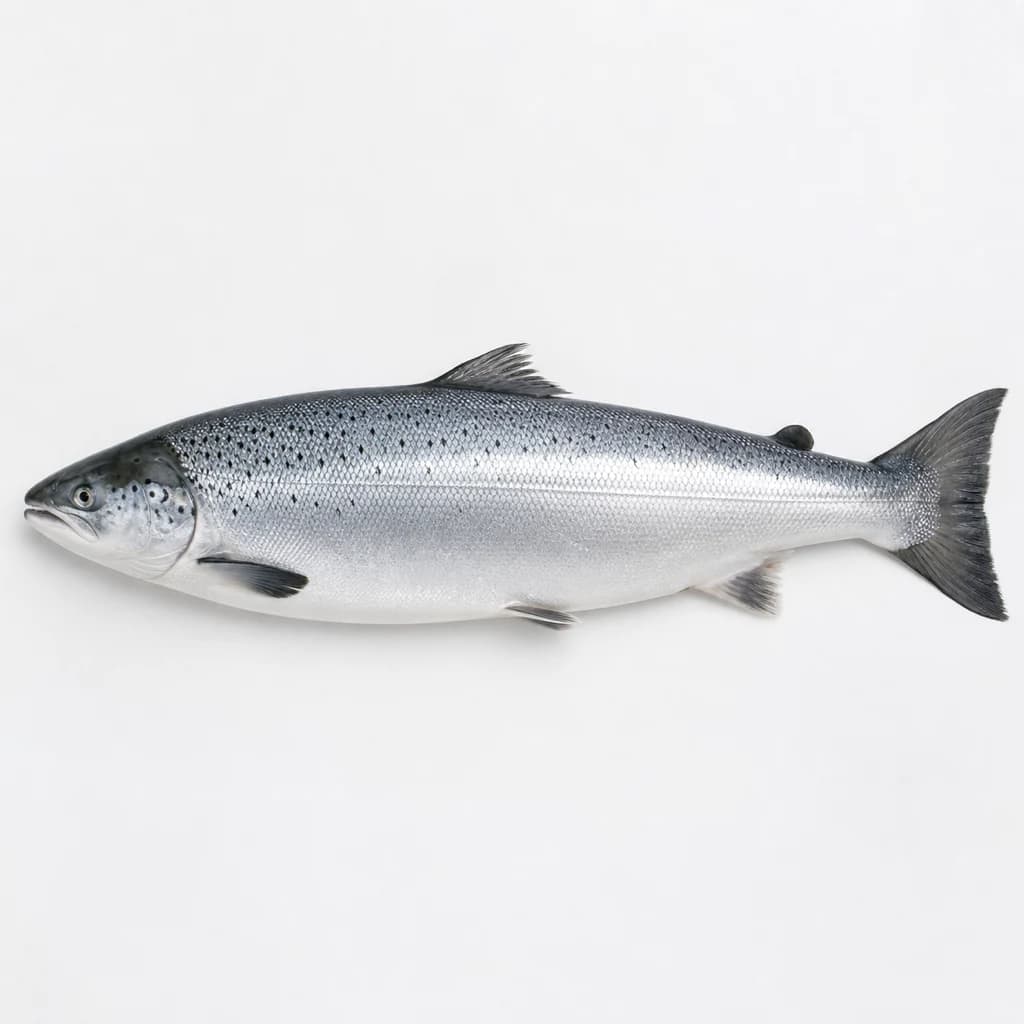
Salmon
Rich, rosy fish that roasts, grills, or cures beautifully

Egg White
Pure protein that whips to airy peaks for meringue and more

Egg Yolk
Rich, golden yolk for custards, mayonnaise, and pasta

Quail Egg
Tiny, speckled eggs for garnishing and elegant bites