Northwest China / Central Asia
Xinjiang Uyghur
Also: Uyghur cuisine, 维吾尔菜, Xinjiang cuisine, Xīnjiāng cài
The Silk Road on a plate — cumin-scented lamb, hand-pulled noodles, tandoor-baked bread, and the culinary crossroads of Central Asia at the edge of China.
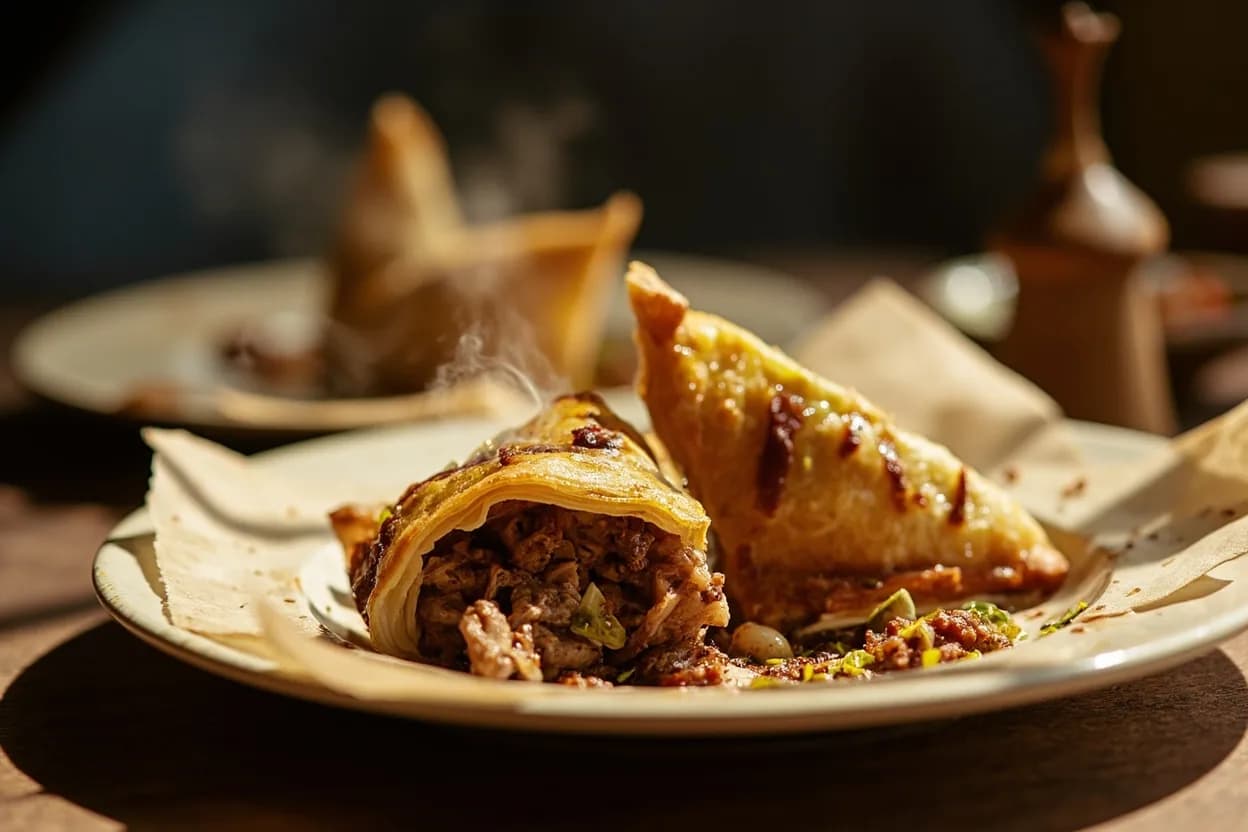
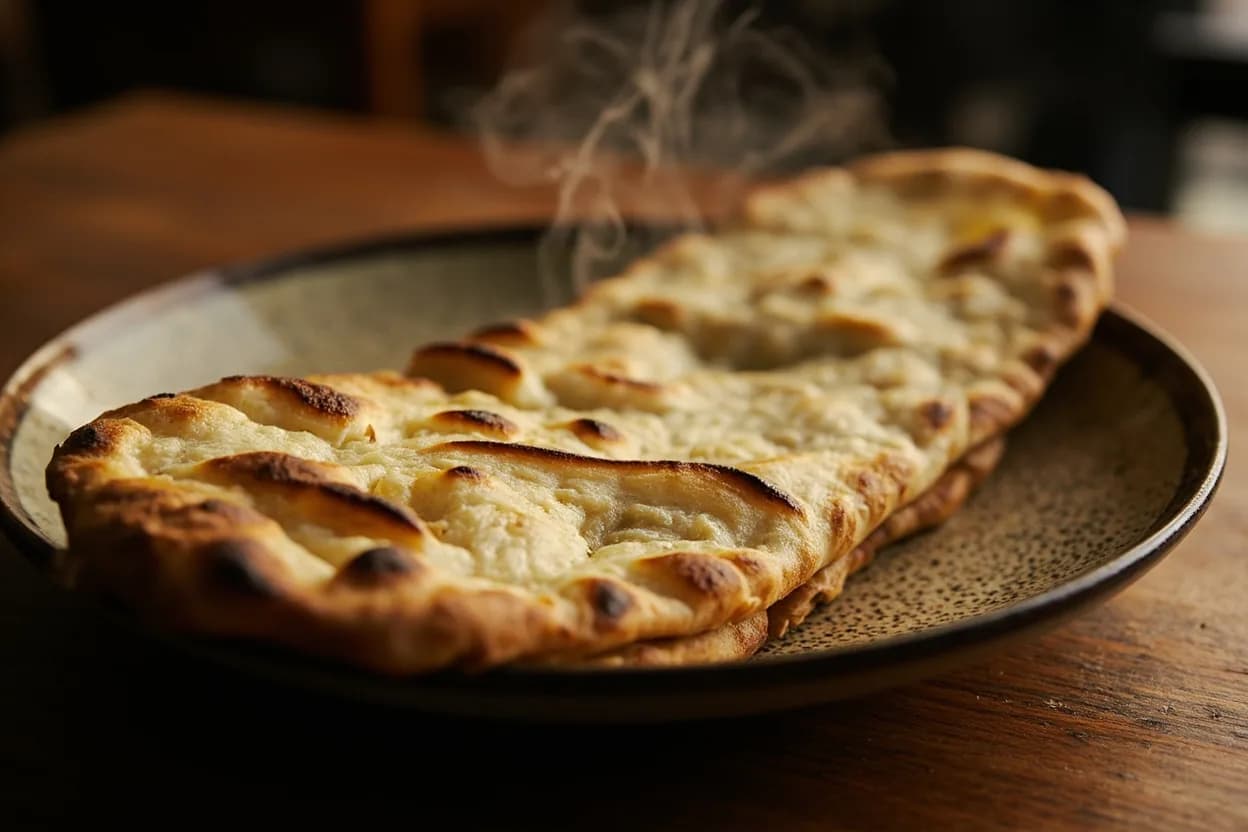
Xinjiang Uyghur cuisine is the food of the Uyghur people, a Turkic Muslim ethnic group native to the Xinjiang Uyghur Autonomous Region in China's far northwest. It is fundamentally a Central Asian cuisine that shares more in common with Uzbek, Kazakh, and Afghan traditions than with Han Chinese cooking. Lamb is the unchallenged centerpiece. Cumin, black pepper, chili, and saffron anchor the spice vocabulary. Wheat — in the form of hand-pulled laghman noodles, flatbread (naan), samsa pastries, and fried dough — is the primary carbohydrate. The cuisine is halal: no pork, no alcohol in cooking. Its position on the ancient Silk Road means it absorbed Persian, Turkic, Arab, and Han Chinese influences simultaneously, producing a unique hybrid that is simultaneously exotic to both East and West.
The flavour base
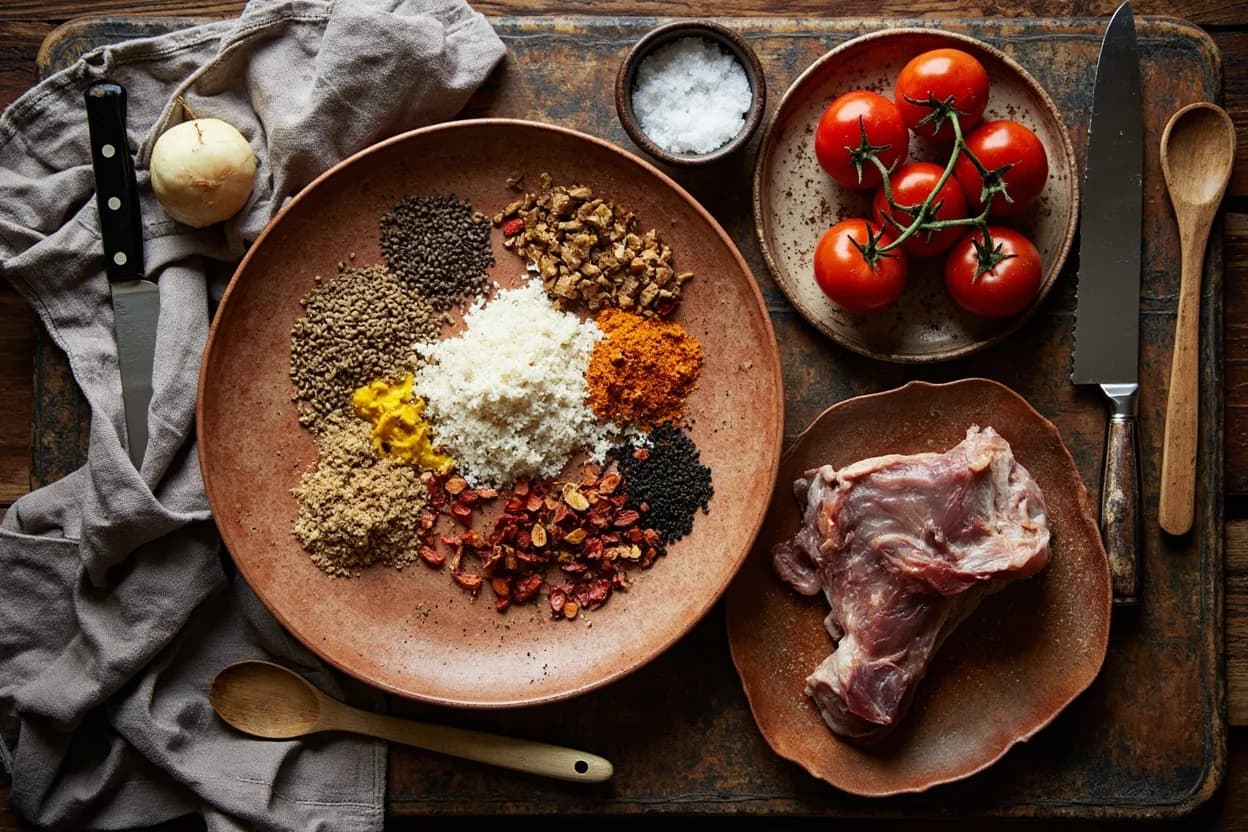
Lamb fat (rendered from the distinctive fat-tailed Uyghur sheep) provides the cooking medium and the flavor base for virtually all savory dishes. Cumin — used at a scale and frequency unlike anywhere else in China — is the defining spice. Onion, tomato, and garlic form the aromatic foundation; dried chili and black pepper provide heat.
Pantry staples
Key ingredients
Signature techniques
Signature dishes
Xinjiang Uyghur on the table
At the table
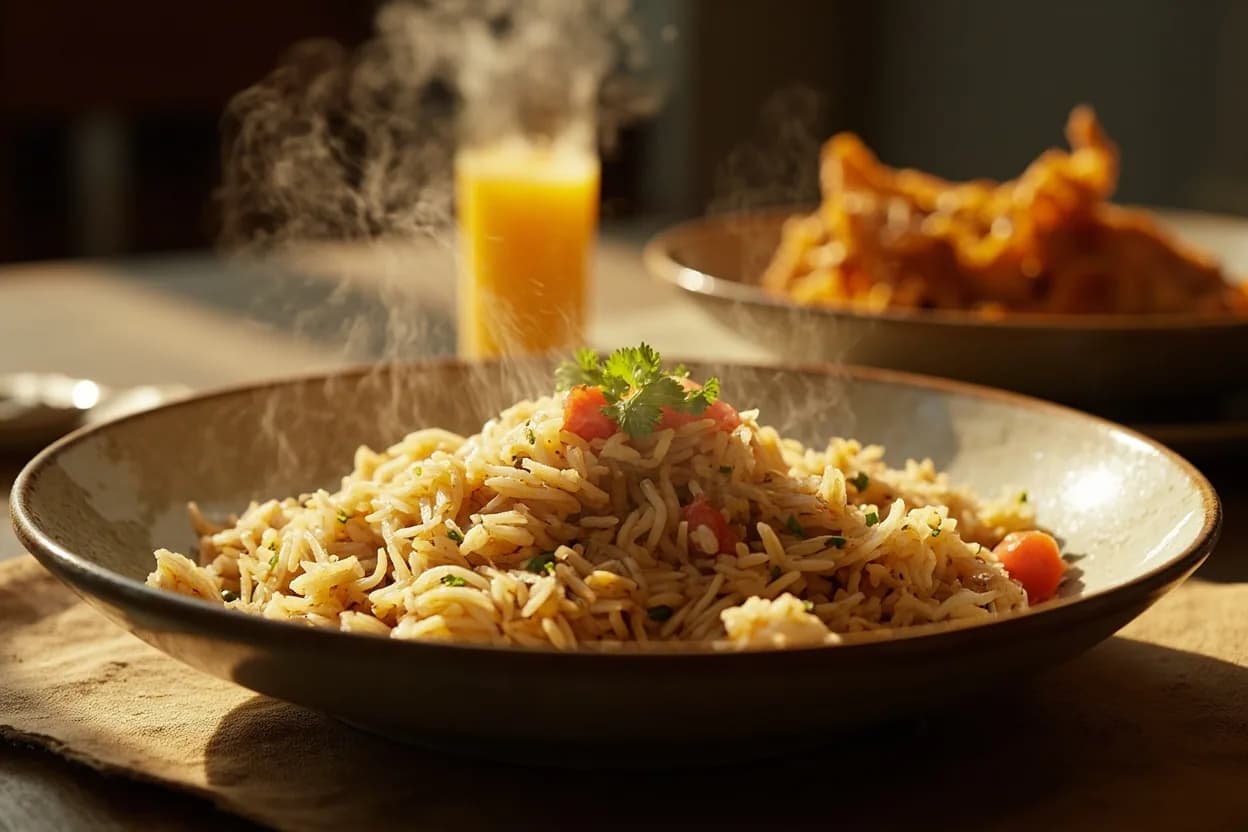
Meals are communal and generous, served on a dastarkhan (spread cloth or low table). Naan is always present, used to scoop and soak. Polo (pilaf) is the archetypal celebration dish. Kebabs and grilled breads are snack and street food. Tea — black brick tea with milk (chay) — is drunk throughout the day. Meals are structured around one substantial meat-and-starch center with smaller salads of tomato, onion, and cucumber alongside.
History & context
Xinjiang sits at the nexus of ancient Silk Road routes connecting China to Persia, India, and the Mediterranean. The Uyghurs, descended from Turkic peoples who established the Uyghur Khaganate in the 8th–9th centuries, settled in oasis cities like Kashgar, Hotan, and Turpan. These cities were trading entrepôts where Persian merchants, Indian traders, Chinese officials, and Mongol warriors ate alongside each other. Islam arrived in the 10th century and reshaped the cuisine around halal strictures. The Mongol Empire in the 13th century intensified Central Asian food exchange. Han Chinese settlement from the 18th century onward introduced soy sauce, vinegar, and some vegetables, but core Uyghur cooking remained distinctly Turkic-Islamic in character. Dapanji ('big plate chicken') is a rare genuinely modern hybrid — it emerged in the late 20th century as a roadside dish that blended Uyghur spicing with Han Chinese braising technique.
Regional variations
- Kashgar (southern Xinjiang)
Most traditionally Central Asian; naan, polo, and samsa dominate; Silk Road trade city influence strongest. Kashgar's Sunday bazaar is one of the world's great food markets.
- Ürümqi (capital, northern Xinjiang)
More Han and Hui Chinese influence; dapanji is most associated with the highway restaurants surrounding this city; noodle dishes more varied.
- Turpan
Grape-growing region; raisins and grape juice used in cooking and eaten fresh; Hami melon culture is strongest here.
- Ili Valley (Kazakh-influenced)
Kazakh communities here contribute horse milk (koumiss), boiled horse meat, and baursak fried bread to the regional mix.
Related cuisines
- Uzbek
Polo (pilaf) is virtually identical to Uzbek plov; shared tandoor, laghman, and samsa traditions reflect deep common Turkic roots.
- Kazakh
Northern Xinjiang Kazakh cuisine overlaps in its horse meat, koumiss, and boiled meat traditions.
Shared Silk Road spice vocabulary: cumin, coriander, black pepper; similar pilaf and flatbread culture.
- Lanzhou (Gansu)
The neighboring Hui Muslim Chinese cooking tradition shares halal constraints and hand-pulled noodle mastery.
Canonical recipes
The dishes that define Xinjiang Uyghur, documented in the Canon.
References
- 1.The Silk Road Gourmet — Laura Kelley (2009, iUniverse)
- 2.Beyond the Great Wall — Jeffrey Alford & Naomi Duguid (2008, Artisan)
- 3.China: The Cookbook — Kei Lum Chan & Diora Fong Chan (2016, Phaidon)
- 4.Culinaria China — Katrin Schlotter & Elke Spielmanns-Rome (2007, Ullmann)
Confidence: high
Notes
Laghman vs. Lo Mein
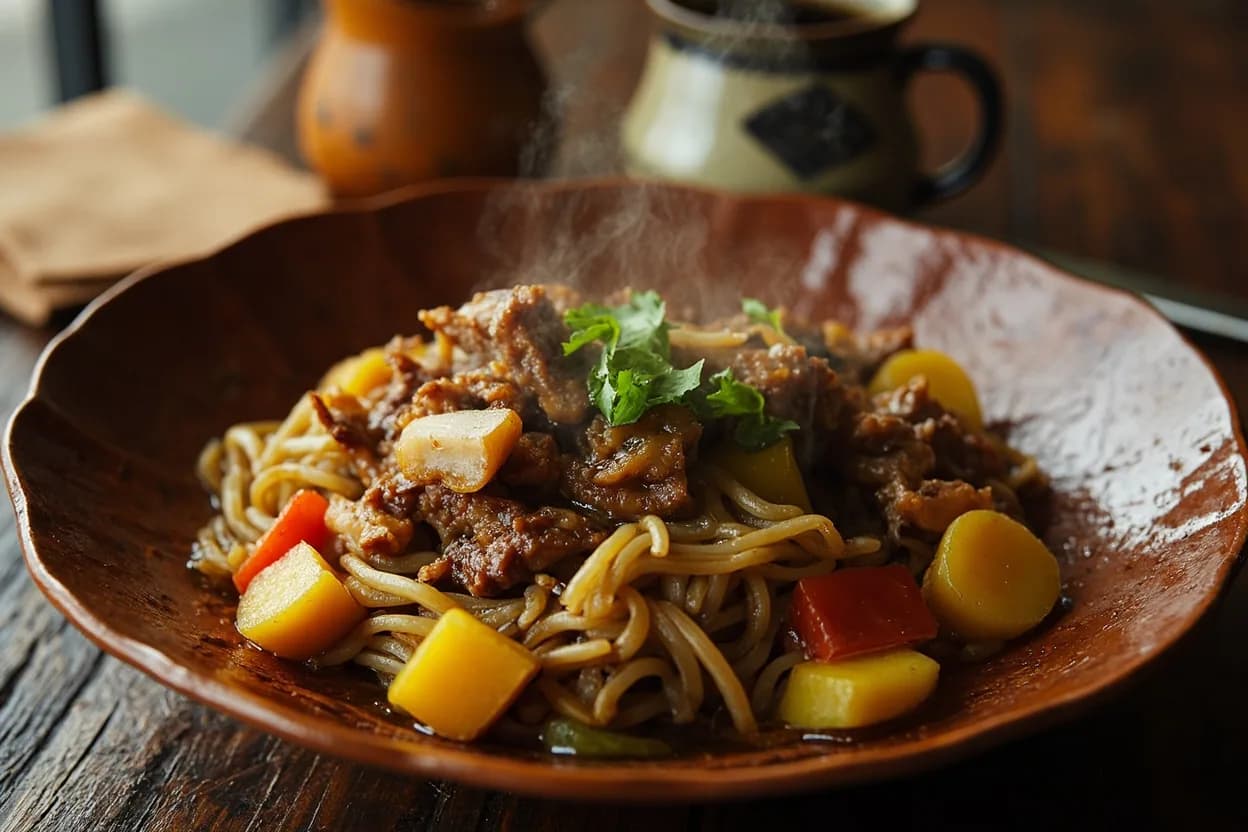
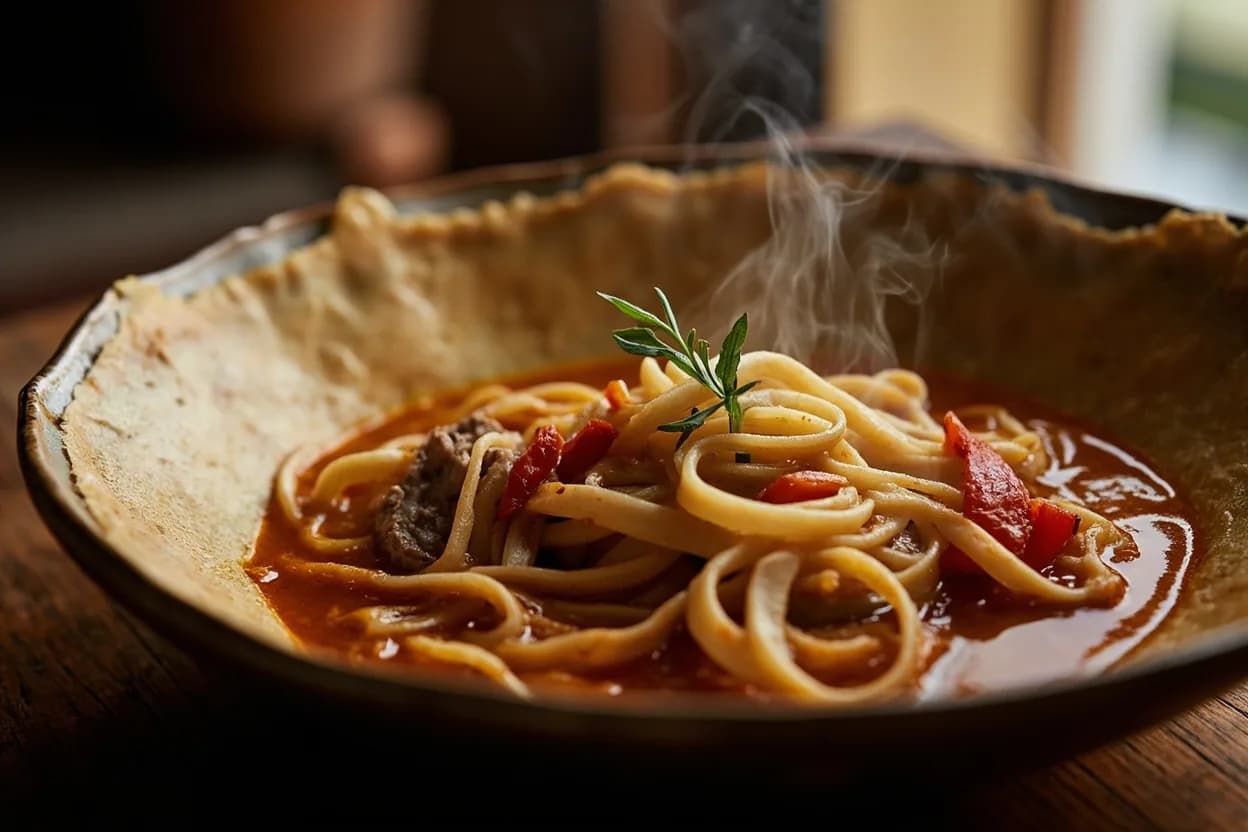
Laghman — the Uyghur hand-pulled noodle — is the likely ancestor of many East Asian pulled-noodle traditions, including Lanzhou beef noodles and possibly the precursors of lo mein. The technique traveled east and west along the Silk Road. Uyghur laghman is served both in soup (soup laghman) and stir-fried (suoman), topped with a thick lamb, pepper, and tomato sauce.
Cumin Dominance
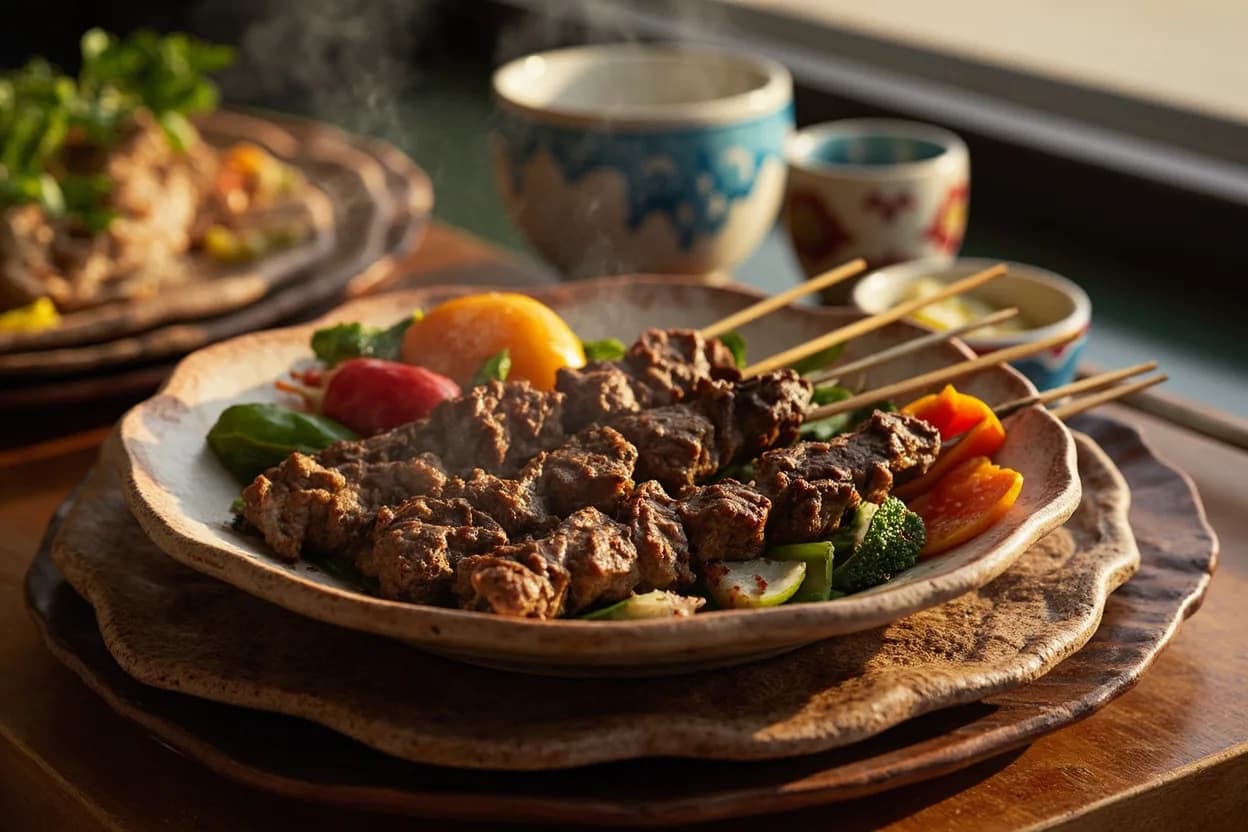
Xinjiang uses cumin at a scale unmatched anywhere in China. Street kebabs are rolled in ground cumin before and after grilling; dapanji begins with cumin seeds blooming in oil; even salads are dressed with cumin. This reflects the Central Asian spice trade rather than Chinese culinary tradition.